

What do you think?

The History of the Armenian Genocide: Ethnic Conflict from the Balkans to Anatolia to the Caucasus
The Armenian Genocide, though not given such prominent treatment as the Jewish Holocaust which it precedes, still haunts the Western world and has assumed a new significance in the light of "ethnic cleansing" in Bosnia and, more recently, Darfur. This study by the most distinguished scholar of the Armenian tragedy offers an authoritative analysis by presenting it as a case study of genocide and by seeing it as an historical process in which a domestic conflict escalated and was finally consumed by global war.
- GenresHistory
480 pages, Paperback
First published December 5, 2003
Ratings & Reviews
Friends & Following
Create a free account to discover what your friends think of this book!
Community Reviews
Displaying 1 - 7 of 7 reviews

November 18, 2012
ANIME ERRANTI

Bella, interessante e affascinante lettura.
Appassionata.
Ogni tanto qualche affermazione può far storcere il naso, ma fa parte del gioco e accresce il fascino dell'opera. Se tutti la pensassero come lui sull'islam, non ci sarebbe più dialogo coi musulmani.
Ottima rappresentazione del balletto delle diplomazie europee, come se fosse una soap opera.
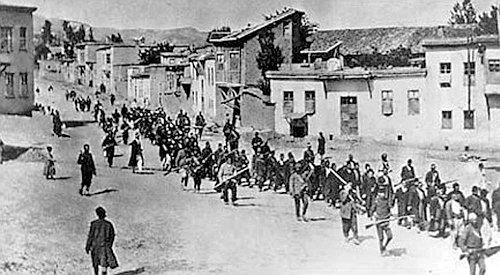
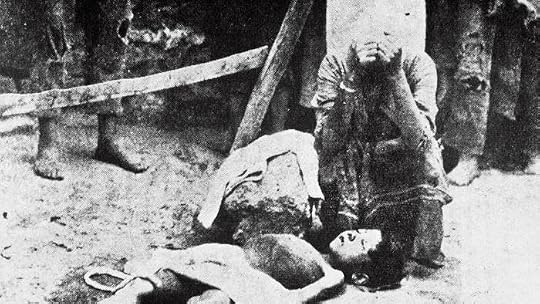
Nonostante qualcuno (tanti) stia ancora a discettare, il genocidio degli armeni è esistito, ha avuto luogo: non fu un incidente di percorso all'interno della Prima Guerra Mondiale, ma un processo che ha coinvolto uomini e istituzioni, e accanto a un livello legale (la legge di deportazione e la legge di confisca), è esistito un movimento nazionale che attraverso atti di violenza illegale (evacuazioni forzate, stragi...) portò alla scomparsa degli Armeni dall'Anatolia dove avevano vissuto per millenni.
Opera esaustiva e autorevole sul primo genocidio del Secolo Breve.
Imprescindibile per chi è interessato all’argomento (nettamente superiore a quella di Marcello Flores sullo stesso argomento). Raphael Lemkin, che così tanto si spese perché nella Dichiarazione Universale dei Diritti Umani delle Nazione Unite approvata a Parigi nel 1948 fosse introdotto per la prima volta il termine genocidio, insisteva molto a indicare in quello armeno l’inizio di un cammino perverso che ha portato alle camere a gas naziste.
Bella, interessante e affascinante lettura.
Appassionata.
Ogni tanto qualche affermazione può far storcere il naso, ma fa parte del gioco e accresce il fascino dell'opera. Se tutti la pensassero come lui sull'islam, non ci sarebbe più dialogo coi musulmani.
Ottima rappresentazione del balletto delle diplomazie europee, come se fosse una soap opera.
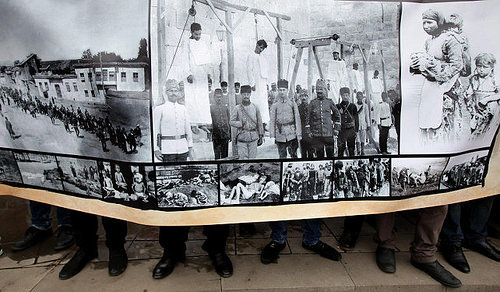
Nonostante qualcuno (tanti) stia ancora a discettare, il genocidio degli armeni è esistito, ha avuto luogo: non fu un incidente di percorso all'interno della Prima Guerra Mondiale, ma un processo che ha coinvolto uomini e istituzioni, e accanto a un livello legale (la legge di deportazione e la legge di confisca), è esistito un movimento nazionale che attraverso atti di violenza illegale (evacuazioni forzate, stragi...) portò alla scomparsa degli Armeni dall'Anatolia dove avevano vissuto per millenni.
Opera esaustiva e autorevole sul primo genocidio del Secolo Breve.
Imprescindibile per chi è interessato all’argomento (nettamente superiore a quella di Marcello Flores sullo stesso argomento). Raphael Lemkin, che così tanto si spese perché nella Dichiarazione Universale dei Diritti Umani delle Nazione Unite approvata a Parigi nel 1948 fosse introdotto per la prima volta il termine genocidio, insisteva molto a indicare in quello armeno l’inizio di un cammino perverso che ha portato alle camere a gas naziste.

July 24, 2026
Դադրյանն իր լայնամասշտաբ աշխատության մեջ ուսումնասիրում է Հայոց ցեղասպանությունը (ներառյալ 1894-1896 թթ. համիդյան ջարդերը, 1909 թ. Ադանայի կոտորածը, 1915 թ.-ի բուն ոճրագործությունները և 1918-1920 թթ. հայ-թուրքական պատերազմները) ոչ միայն որպես առանձին պատմական իրադարձություն, այլև ավելի լայն` էթնիկ հակամարտությունների և կայսրությունների փլուզման համատեքստում: Այս արժեքավոր ուսումնասիրությունը առանձնանում է իր համեմատական ու արխիվային մոտեցմամբ, քանի որ հեղինակն օգտագործել է թուրքական, գերմանական, ավստրիական, ամերիկյան և այլ երկրների արխիվային փաստաթղթեր` հիմնավորելու իր եզրակացությունները նման խոցելի թեմայի շուրջ: Փաստաթղթային վերլուծությունը, համեմատական դիտարկումները և ակադեմիական քննարկումները հնարավորություն են տալիս խորությամբ հասկանալ պատճառահետևանքային կապերը և բացատրել, թե ինչ քաղաքական, սոցիալական և գաղափարական գործընթացներ հանգեցրին Հայոց ցեղասպանությանը:
Մեծ ուշադրության է արժանացրել Թուրքիայի համար մեկ մեղսակցին` Գերմանիային: Գերմանական կայսերական բանակի բազմաթիվ սպաներ և ռազմական խորհրդականներ Առաջին աշխարհամարտի տարիներին ծառայել են օսմանյան բանակում, նրանք ականատես են եղել հայերի տեղահանություններին և անմարդկային կոտորածներին ու այդ մասին հաղորդագրություններ ուղարկել Բեռլին: Սրանք հետագայում դարձել են կարևոր պատմական սկզբնաղբյուրներ: Դադրյանը վերլուծում է, որ գերմանական ռազմական և դիվանագիտական ղեկավարությունը զգալի տեղեկություններ ուներ կատարվող իրադարձությունների մասին, սակայն Գերմանիան, որպես Օսմանյան կայսրության գլխավոր դաշնակից, չդիմեց վճռական քայլերի՝ դրանք կանխելու համար։ Ուսումնասիրության մեջ առանձնահատուկ տեղ ունեն երիտթուրք պարագլուխների պես վայրագ գերմանացի գեներալների, սպաների և դիվանագետների զեկույցները, քանի որ դրանք համարվում են համեմատաբար անկախ վկայություններ։ Հենց այդ վկայություններն են ջրի երես հանում գերմանական ղեկավարության կողմից ցուցաբերված քաղաքական ցինիզմը, անբարոյականությունն ու հայատյացությունը, որոնց մասին չի խոսվում դասագրքերում:
Եթե կան պատմությամբ հետաքրքրվողներ, մասնավորապես` Միջին Ասիայի և Բալկանյան երկրների ճակատագրով, մեծ տերությունների միջև ծավալված դիվանագիտական պայքարով, միջազգային իրավունքի սկզբունքներով ու դրանց կիրառմամբ, ինչպես նաև ցեղասպանություններին առնչվող դատական գործընթացներով, ապա սա իդեալական տարբերակ է, որի շնորհիվ ավելի հասկանալի են դառնում քաղաքական շահերի բախումները, միջազգային հարաբերությունների բարդությունները և այն իրավական ու բարոյական հարցերը, որոնք ուղեկցել են Հայոց պատմության ու առհասարակ մարդկության ամենաողբերգական էջերին:
Մեծ ուշադրության է արժանացրել Թուրքիայի համար մեկ մեղսակցին` Գերմանիային: Գերմանական կայսերական բանակի բազմաթիվ սպաներ և ռազմական խորհրդականներ Առաջին աշխարհամարտի տարիներին ծառայել են օսմանյան բանակում, նրանք ականատես են եղել հայերի տեղահանություններին և անմարդկային կոտորածներին ու այդ մասին հաղորդագրություններ ուղարկել Բեռլին: Սրանք հետագայում դարձել են կարևոր պատմական սկզբնաղբյուրներ: Դադրյանը վերլուծում է, որ գերմանական ռազմական և դիվանագիտական ղեկավարությունը զգալի տեղեկություններ ուներ կատարվող իրադարձությունների մասին, սակայն Գերմանիան, որպես Օսմանյան կայսրության գլխավոր դաշնակից, չդիմեց վճռական քայլերի՝ դրանք կանխելու համար։ Ուսումնասիրության մեջ առանձնահատուկ տեղ ունեն երիտթուրք պարագլուխների պես վայրագ գերմանացի գեներալների, սպաների և դիվանագետների զեկույցները, քանի որ դրանք համարվում են համեմատաբար անկախ վկայություններ։ Հենց այդ վկայություններն են ջրի երես հանում գերմանական ղեկավարության կողմից ցուցաբերված քաղաքական ցինիզմը, անբարոյականությունն ու հայատյացությունը, որոնց մասին չի խոսվում դասագրքերում:
Եթե կան պատմությամբ հետաքրքրվողներ, մասնավորապես` Միջին Ասիայի և Բալկանյան երկրների ճակատագրով, մեծ տերությունների միջև ծավալված դիվանագիտական պայքարով, միջազգային իրավունքի սկզբունքներով ու դրանց կիրառմամբ, ինչպես նաև ցեղասպանություններին առնչվող դատական գործընթացներով, ապա սա իդեալական տարբերակ է, որի շնորհիվ ավելի հասկանալի են դառնում քաղաքական շահերի բախումները, միջազգային հարաբերությունների բարդությունները և այն իրավական ու բարոյական հարցերը, որոնք ուղեկցել են Հայոց պատմության ու առհասարակ մարդկության ամենաողբերգական էջերին:

November 6, 2019
I highly recommend it.
However, I ought to admit that it is a little tiring because of its exhaustive nature.
So, I would suggest that it should be read with regular pauses.
What's more, it provides the Greek reader with interesting information...
However, I ought to admit that it is a little tiring because of its exhaustive nature.
So, I would suggest that it should be read with regular pauses.
What's more, it provides the Greek reader with interesting information...

Read
May 6, 2025Much more useful as a diplomatic history rather than a narrative history. Exhaustive but do not recommend as an intro

July 29, 2026
Highly detailed and informative. A student of history will greatly appreciate the effort put forth by the author to shed a light on one of the understudied events in recent history

April 4, 2014
This is a very scholarly work, and the author has tried very hard top show that it is. That's probably to offset the deniers of the Armenian Genocide. Yet I'm not convinced of his main argument that the genocide was primarily a religious one. The Three Pashas who planned and led the genocide were not Islamic fundamentalists, but secular ultra-nationalists. At least one of them was an atheist.

June 23, 2015
Needs to be read.
Displaying 1 - 7 of 7 reviews