Postcolonial Theory is a ground-breaking critical introduction to the burgeoing field of postcolonial studies.
Leela Gandhi is the first to clearly map out this field in terms of its wider philosophical and intellectual context, drawing important connections between postcolonial theory and poststructuralism, postmodernism, marxism and feminism. She assesses the contribution of major theorists such as Edward Said, Gayatri Spivak and Homi Bhabha, and also points to postcolonialism's relationship to earlier thinkers such as Frantz Fanon and Mahatma Gandhi.
The book is distinctive in its concern for the specific historical, material, and cultural contexts for postcolonial theory, and in its attempt to sketch out the ethical possibilities for postcolonial theory as a model for living with and knowing cultural difference non-violently.Postcolonial Theory is a useful starting point for readers new to the field and a provocative account which opens possibilities for debate.
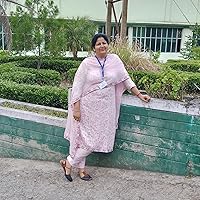
Leela Gandhi is Professor of English at Brown University and a noted academic in the field of postcolonial theory. She is the co-editor of the academic journal Postcolonial Studies, the author of the summary text Postcolonial Theory: A Critical Introduction and she serves on the editorial board of the electronic journal, Postcolonial Text. She is the daughter of the late Indian philosopher Ramchandra Gandhi and the great-granddaughter of the Indian Independence movement leader Mahatma Gandhi. She has offered analysis that some of Mahatma Gandhi's philosophies (on nonviolence, vegetarianism, for example) and policies were influenced by transnational as well as indigenous sources. Her undergraduate degree is from Hindu College, University of Delhi and her doctorate was obtained from Oxford University.
She is also the great granddaughter of C. Rajagopalachari. Her paternal grandfather Devdas Gandhi was the youngest son of Mahatma Gandhi and her paternal grandmother Laxmi was the daughter of C. Rajagopalachari
كتاب رائع رغم انه معقد و الترجمة اكثر من سيئة للأسف، تسرد ليلي غاندي ( حفيدة غاندي ) محاولات الفلاسفة من دول الجنوب في حبك نظرية ما بعد كولونيالية لمقاومة العقلية الغربية العنصرية الامبريالية، فدخول أوروبا إلي الحداثة وإعلاء من المنطق العقلاني الابستمولوجي أدخل ثورة أنثروبولوجية في تصنيف باقي الشعوب و الثقافات، فأوروبا بمنطقها الإمبريالي العنصري أصبحت وحدها من تمتلك حق تعريف الشعوب الأخري و ابادتهم أيضًا ثقافيا و مكانيًا، فبعد أن أعلي التنوير من قيمة الإنسان الجوهرية بكونه إنسان، دخلنا إلي منهج تمييزي يقوم بتصنيف من هم بشر و من هم أكثر بشرية بسبب تعليم أعلي، أو نمط ثقافي ( غربي طبعًا ) أفضل، فمن خلال هذا أصبحت العقلانية الأوروبية الإمبريالية هي الابستمولوجيا الوحيدة التي من الممكن من خلالها معرفة كل معرفة ممكنة. تشير الكاتبة أيضًا الي تحالف النمط العنصري هذا من التفكير مع الرأسمالية لتحييد و خنق أي مساحات أخلاقية أو جمالية يمكنها ان تنتج خطاب يساري تكنوقراطي مقاوم داخل المعاهد البحثية الأوروبية، و أخذ هذا اليسار يواجه نفسه بعد تدجينه بالعقلانية الشمولية الأوروبية التي تفرز العالم الي بشر ( بيض أوروبيين) و أشباه بشر من ثقافات دنيا. أشار الكتاب الي النمط الأخر من الاستشراق المتمثل في النسوية الغربية و التي تعد نوع جديد من الكولونيالية عن طريق الاستحواذ علي الصوت النسوي لنساء دول العالم الثالث بغرض تمثيلهن و تنميطهن، فالمرأة الغربية المتعلمة الحديثة و التي تتمع بحرية جنسية هي أفضل من يتخذ القرار لمرأة العالم الثالث المقهورة الجاهلة، و تصب هذه الموجات التنويرية الي اعلاء من شأن المركزية الأوروبية الأخلاقية لطمس و تحييد أي نموذج أخلاقي آخر لا يتماشي مع تلك المركزية. فالإمبريالية الغربية تمتعت بوعي عقلاني شمولي غريب قام بخلق كوكب كامل من المناطق المأهولة بأشباه البشر و الذي يجب تقسيمه و الاستيلاء عليه، تولد عن هذا مشكلة كبري عند ميلاد القوميات الوطنية التي تأسست علي منطق المقاومة، فالوطنية الأوروبية نشأت نتيجة انهيار القيم الدينية و الشكل القديم للمجتمع الإقطاعي، فتدمير شخصيات مقدسة كالملك المؤلَه، و الجماعات الدينية المقدسة أوجبت استبدال هذا بميثولوجيا متخيلة و هي القومية أو الوطنية الأممية التي تبني علي الأرض و فداء الروح من أجل الدولة العقلانية التي تدير هذه الأرض، واجهت شعوب الجنوب مأساة في محاولة التخلص من الطائفية و الأهلية المزروعة من الكولونيليين، و حتي شكل الدولة التي ورثته تلك الشعوب كانت دول قمعية سلطوية لم يشاركوا في صنعها و بالتالي ولدت تلك القومية أو الوطنية في صراع ضد نفسها و بخطاب قائم علي مقاومة تزول في أول هزيمة فعلية أمام الإمبريالية. آخر الفصول تكلمت علي وضع المثقفين و المفكريين ما بعد كولنياليين في صياغة هذا الخطاب المقاوم، و هل المؤسسات الأكاديمية الغربية في حالة تسمح بنشوء خطاب مثل هذا، و هل يمكن فعلا الاعتماد علي منطق مغاير كوزموبوليتاني في المدن الغربية لدمج شتي أنواع الثقافات و غزو الغازي في أرضه. الكتاب يفتح آفاق لأسئلة كثير خصوصًا تعليق إدوارد سعيد علي الماركسية و الاتجاه ما بعد البنيوي في تناول أنماط السلطة الغربية و الإمبريالية.
An overall good introduction having the merit of not circulating around too much, but highlighting the connections and problematical points of the past and recent post-colonial studies. The two chapters about humanities seemed overwhelming in comparison of the other chapters.
Some critics to justify my rating: - you have to have a solid background in feminist and post-structuralist studies to fully understand their importance and place in the chapters, and to fully understand what role Derrida, Foucault or Hegel occupy; - the book states a few French post-colonial thinkers, but doesn't explain why including some and excluding others, and it oversees other nations' post-colonial thinkers such as the Dutch, the Spanish, or thinkers from Uganda, Japan etc. part of the post-colonial history (which is a general deficiency with American/English critical introductions); - it lacks a deeper analysis of what effect migrations, colonized citizens' schooling or publishers played in the development of post-colonial thinking.
The best kind of critical introduction: well-written, easy to read, but thorough and not dumbed down at all, and with really interesting insights and critiques. She is spot-on in her criticisms, but simultaneously very much committed to the ideals at the heart of postcolonial studies and doesnt dismiss it despite being aware of some major problems underlying the entire enterprise. It's incredibly refreshing - it gives someone like me, who is skeptical of some of the underlying premises, space to espouse the ideals without simply forgetting my reservations. A must-read for anyone who engages with postcolonial theory, I think.
I strongly recommend reading another book to understand what postcolonial theory is. The author is fond of writing in a complex, convoluted language, jargon style which is at the same time daunting, extremely difficult and frustrating.
This is a really dense book and does a good job of mapping out connections between different ideas within a wider context of theoretical movements. It is NOT an introductory text. The language that the author uses assumes that you are already familiar with the concepts she is discussing. Phrases such as “as x famously argues”, followed by a long quote from critic makes it obvious thaf the reader should already be familiar with both the critic and the quote. BUT, if the reader IS familiar with all of the critics/theory that Gandhi discusses, then this is a good text to see the relationships between them and to navigate how the theories developed within poststructuralist/postmodernist/Marxist/feminist schools of thought.
Leela Gandhi's book works as an excellent summary/introduction to postcolonial theory in large part because, rather than assuming the reader is familiar with the entire body of critical theory that came before, Gandhi provides a succinct and comprehensible account of the thinkers and themes influencing postcolonial theory. In this way, it also works as a short review/introduction to poststructuralism. Her prose is fluid and clear, making what could have been a difficult and dense book instead quite enjoyable.
A good introduction. What made this one different from Sardar's Orientalism was the fact that it deals with major philosophers and teases out connections between their philosophy and colonialist and imperialist thinking in totally unexpected ways. Two things, however, were sort of annoying to me. First, the fact that this book will make you believe that EVERYONE (with very few exceptions) is in on the orientalist project. And second, you can't help feeling, after reading it, that there is no way out!
A clear and systematic introduction/ survey of this field as it stood in 1997. Ghandi frequently draws in quotations and paraphrases of the major critics, Said, Spivak, and Bhabha among others. The sections on the theoretical background of postcolonial studies in Marxist and poststructuralist theory are models of clarity (no really!) that draw upon major figures such as Foucault, Lyotard, and Jameson. Ghandi offers a remarkable synthesis that sets out general issues and axioms and the uses particular examples to illustrate them. The book gives a lot of attention to the ‘real-life’ issues attendant upon colonialism and its aftermath. Still, the centrality of literature and literary readings to postcolonial theory is made clear and explicitly commented on. The biggest knock on this book is that in the two decades since its publication, a lot has happened in the field, but the founding figures remain important and this book will help you understand them and begin to pursue your own entrance into their writings.
Caveat lector: this is still a theory book and the level of abstraction and density of the prose can still be somewhat challenging. I entered this book with a decent background in critical theory, feminism, and poststructuralism. I rarely struggled to understand what the author was trying to say. Others, e.g. the majority of the one- and two-star reviewers, may not feel the same way. This is a challenging topic that Ghandi makes comprehensible, even moreso than some of the writers whom she describes and draws quotes from.
Read about half of this book with my students in an advanced seminar. Found it to be turgid and painful to read. Gandhi assumes a hell of a lot of fluency in Spivak, Fanon, Sartre, MK Gandhi, Levinas, and so on. My poor students had no clue what she was talking about. But even with my intellectual background, I found this to be an unhelpful overview of po-co theory. The debates felt aloof and heady, utterly detached from real decolonial struggles. Even the most relevant questions (such as: was anti-colonial nationalism a necessary compromise, and how can it be overcome in a post-colonial state?) were tortuously explored in textual minutia, as opposed to more profound questions about lived liberty in post-colonial states.
The terrible irony about this book is that it is part of an decolonial academic project that itself needs to be decolonized. I mean, this is a fairly elitist endeavour that transforms accessible theory (MK Gandhi, Fanon, etc.) into jargon-laden questions far removed from real-world struggles. I'm not against theory--I'm a true fan of Butler, Foucault, Hall, and dozens of others--but this book left me cold.
A frustrating read. Others note the book's density, but I think the problem is Gandhi's refusal to state key terms clearly. The book also abstracts historical and geopolitical events into universal claims about the colonial condition (often without explaining the signficance of a given event in the first place), a strategy that only confuses matters. Gandhi's poststructuralist bias is also inappropriate for what should be a mostly expository text (on that note, her critique of Enlightenment reason in Chapter 2 is atrocious – if you're going to level an attack against a whole intellectual tradition, at least try to understand the thing you're attacking). So I wouldn't say "dense" so much as just lazy.
For students and instructors looking for a good general introduction to postcolonial studies and its debates, Robert Young's Postcolonialism: An Historical Introduction and Bill Ashcroft et al.'s Postcolonial Studies Reader are much better starter texts.
A clear, well-written and accessible critical introduction to postcolonialism that builds upon and critiques The Empire Writes Back. Gandhi draws upon a wide range of thinkers to explore, in greater detail, the intellectual and philosophical histories underpinning colonialism and anti-colonial resistance. As a recurring theme, the book also makes convincing links between postcolonialism and nationalism/post-nationalism. This book reads less overtly biased than The Empire Writes Back however Gandhi clearly favours postcolonial thinkers like Bhabha and Said over others, and there is a strange absence of, for example, Francophone theorists. (The manageable structure and sizing of each of the 20-page chapters was also very appreciated.)
A good overview of themes and arguments in and around postcolonial criticism/theory up to the late 90s. Unfortunately, the prose is often over-wrought and under-explicit in regard to stating and arguing for its main thesis, which I take to be: that for all its brilliant insights into post-nationalistic possibilities of creativity and conviviality, postcolonial theorization is too often reactionary (imperious, dare one say?) in dismissing anti-colonial nationalist struggles against colonization.
even if you are already familiar with many of the core arguments in postcolonial studies, this remains an excellent grounding text, clearly organized into chapters you can return to at any point. i especially appreciate how it frames arguments from both postcolonial and anticolonial figures and connects them in a way that is both digestible and memorable so you get a clearer understanding of the field’s central polemics
A good book to give a general introduction to the postcolonial theory, although often it digresses into the history of philosophy. Arguably, both are connected, but more clarity is needed in this discipline. Also a disproportionate attention is paid to the postcolonial past of India, while leaving aside many other significant colonial experiences.
Great introduction to postcolonialism, the struggle against western cultural power, and the parallel rise of nationalism. However, the overly-academic jargon and writing style really prevent recommending this book to anyone outside of academia.
i recommend this book to anyone who doesn’t have much previous training in postcolonial theory and wants to gain some knowledge about its central thinkers & debates! Gandhi’s writing is very accessible—not particularly convoluted or dense!
Really really good. I knew nothing about postcolonial theory before this book, and now have a clear picture of the intellectual context of postcolonial studies, the differing schools of thought within it, and its proposed legacy in and outside academic spheres!
Very importantly, this book helped me put things in perspective before going to study in Britain. What made it particularly enjoyable, apart from enlightening, was Leela Gandhi's poetic writing style, and her penchant for quoting widely from seemingly unrelated sources, which make her text a net of diverse voices and ideas.
Interesting review of post-colonial theory that pulls together quite a lot of theory (and some history, too). Very dense text, though - it takes some time to get through it, though you'll find that it's a worthwhile resource. The bibliography is outstanding.
A great and eminently readable introduction to Post-Colonial Theory. She touches on all sorts of topics within the study and (at least for me) cemented how fascinating and important a study it is.
Super readable, dense, and brief introduction to many things postcolonial. You probably wouldn't read this unless you were a nerd with inclinations towards the literary / historical or an academic.