En los helados y devastados Desiertos del Caos, un temible y tenebroso ejército se prepara para bajar hacia el sur y asolar los países civilizados del Imperio. En estos peligrosos tiempos, Kaspar von Velten, general retirado del Imperio, es enviado a Kislev en calidad de embajador en la corte de la zarina Katarina. No estando habituado a las intrigas del poder y de la política cortesana, Kaspar se ve obligado a utilizar la experiencia y los recursos de sus años de mando para sobrevivir en ese frío y hostil país. Mientras el invierno se recrudece, ¿podrá Kaspar restablecer la frágil alianza entre el Imperio y Kislev, y preparar sus tropas para la guerra antes de que las hordas del Caos inunden el país?
Hailing from Scotland, Graham McNeill narrowly escaped a career in surveying to work for Games Workshop as a games designer. He has a strong following with his novels Nightbringer, Warriors of Ultramar, Dead Sky, Black Sun and Storm of Iron.
First read this back in 2002, 2003 when I was first getting into Warhammer Fantasy around the time of the Storm of Chaos global gaming campaign... This was my first foray into the dark fantasy genre, and with its mixture of epic battles, grimdark world building and believeable, gritty and flawed characters, it had me hooked from the get go...
"Retired Imperial general Kaspar von Velten thinks he's been put out to pasture when he's chosen to be Emperor Karl Franz's new ambassador to Queen Katarin of Kislev, the Empire of Sigmar's ally and the first line of defence against the warmongering tribesmen of the Chaos Wastes. Kaspar's a soldier, blunt and forthright, with little patience for intrigue and political games, but he soon finds plenty to occupy him: facing corruption and treachery in the halls of power, rumours of an army of bloodthirsty barbarians gathering in the frozen oblast and a bestial serial killer terrorising the capital city's streets, the challenges Kaspar faces will test him as greatly as he was on the battlefield...'
My first book from Graham McNeill, and one of my favourites of his: Kaspar was a different kind of fantasy protagonist to the ones I'd encountered before, blunt, grizzled, no-nonsense but an honourable man determined to do the right thing. The supporting cast like Pavel, Sofia, Kurt Bremen, Sasha Kajetan are all well written and nuanced to make them believeable and compelling, with unexpected twists that took me by surprise, and with the lavish dark fantasy grandeur and attention to detail that is a hallmark of Warhammer, the Ambassador is a cracking first book in one of the best duologies I've read in my time...
No cóż mogę powiedzieć. Typowy przykład mrocznego, ciężkiego klimatu typowego warhammera fantasy. Mamy tutaj i szlachetnych "synów" imperium jak i zdradzieckie knowania Chaosu. Bardzo przyjemne, szybkie czytadełko z dość łatwym do wyłapania plot twistem. Mimo wszystko polecam jako luźną książeczkę między jakimiś cięższymi dziełami.
Ocena na GR: 4/5 Własna ocena: W Imię Ursuna i Sigmara/5
¡Qué buen viaje! O mejor dicho, qué buena primera parte, ya que el viaje aún no ha acabado. Me ha encantado este primer contacto con una serie de Warhammer. Estoy deseando empezar el segundo libro para descubrir todo lo que se viene.
Aclarar primero que le doy 4 estrellitas por el inicio que, aun reconociendo que sea el estilo del escritor, tuvo un ritmo excesivamente lento en mi preferencia debido a las descripciones tan detalladas de escenarios, decoraciones o ropajes. Frases increíblemente largas y algunas incluso terminando sin sentido; desconozco si esto último es por culpa de la edición o traducción. Obviando estas cosas, me ha parecido una lectura genial.
En El Embajador nos encontramos una situación básica de política y diplomacia. Un duro ambiente de guerra medieval, con tensión, secretos y conspiraciones que salpican a cada uno de los personajes.
Esto es lo que me esperaba cuando comencé el libro, lo que no me esperaba es que Graham McNeill me fuera a sorprender con una subtrama increíble que, a mi gusto personal, se fusiona perfectamente con la trama principal e incluso roba el protagonismo. No voy a decir más sobre la subtrama aunque me encantaría pasar horas comentándola con vosotros uwu Leedlo.
Tampoco sabía que en el mundo de Warhammer existían las magias en general, que la verdad es que tiene sentido habiendo hechiceras, chamanes y esas cosas. ¡Que me disculpen los amantes de Warhammer! Debo informarme más sobre este mundo. Me ha alegrado mucho ver que me encontraré magias, más puntos a favor.
Los personajes se sienten muy reales. Sabiendo que es un libro muy cortito, no cuentan con un tiempo suficiente como para evolucionar en gran manera, y no creo que tampoco lo necesiten.
Alguna conversación que otra en escenas más cercanas e íntimas si que me resultó de un estilo extraño o frío para la situación que tocaba. Nada más que añadir sobre esto.
A lo largo de toda la aventura se vive con gusto la camaradería propia de hombres de guerra y el respeto en las conversaciones. Acabas por conectar con todos ellos y cogerles cariño como un camarada más, aun siendo en una historia de tan pocas páginas. También refiriéndome a los villanos, o más bien secundarios o no protagonistas, ya que veo a todos bastante grises y no creo que estén escritos con la etiqueta de villanos. En el escenario en el que nos sitúan, con terrenos y climas durísimos, hambre, pobreza y guerra, creo que las actitudes y actividades de esos personajes están bien desarrolladas como para que se queden en puros villanos sin motivo, además de que tienen personalidades fuertes que dan conversaciones muy interesantes y divertidas.
Como comenté al principio, el ritmo durante el primer tercio se hizo algo denso, pero al pasar de ese tercio se adapta a un ritmo maravilloso y mezcla de una manera muy fluida las conversaciones, las descripciones, incluyendo las de batalla, gestos y narraciones. Destacar que el narrador se adapta muy bien al cambiar de personaje y cambia con ellos delicadamente en el estilo, como debe ser.
I picked this up after Total War: Warhammer III got me very interested in Kislev, and I think it's actually the first Warhammer Fantasy book I've read (because boy, does slogging through the Horus Heresy series take a while). It was interesting to see Kislev through the eyes of someone from the Empire, as well as see the differences between the 'new' old-world lore and the 'old' old-world lore.
The story was quite good, though Tzarina Katarin's brief appearance honestly seemed a little pointless considering she personally played no part in the story after that. It makes sense from the point of view that the main character's an ambassador and he's there to do the big diplomacy, but didn't really add much. Considering the snippet at Ursun's Teeth at the beginning (which, annoyingly, doesn't get resolved in this book), I'm guessing she takes a more active role in the sequel.
What let the book down was editing, really. First, I think the digital edition must have been scanned, as there were a few of those sorts of typos (misrecognised letters like r/n in places, as well as a very large number of commas that should have been semi-colons, where presumably the scanner thought the dots were blips). Most egregious, however, was that almost all of the action sequences were made dull by being excessively passive. With heavier editing, these would have been much more exciting. I also got a bit of an impression of 'randomly picked-up women syndrome', in which Kaspar gains a certain level of fondness for two women. One of them is pretty crucial to the plot. The other sort of has a bearing on it, but doesn't serve any other purpose beyond being a different point on the moral compass and a love interest. They almost could have been merged into one character, especially considering Kurt Brennan already covered that moral perspective.
I read this to hype myself up for TW:WHIII; was looking for something to immerse me in the Kislevite lore of Warhammer and I was not disappointed. The book is full of little snippets of detail, accented dialogue, allusions to Kislev's history, and so on. The plot is also pretty nice; a story about a war veteran struggling to ready the people of two separate nations for an oncoming war and ending up caught in an intricate web of corruption. It's a political story where the geography and the events go hand in hand.
At least, that is until the plot get's hijacked by a hackneyed, contrived subplot about a serial killer. A serial killer with super powers!
Seeing Kaspar react to the poor and pitiful conditions of the city, confronting the corruption that made it that way and reflecting on his own failings was a pleasure. We get a sense of real development as Kaspar learns to control the fiery temper he acquired from his time serving on the battlefield and the struggle with navigating Kislev's customs, conditions, and politics provides the book with a realistic conflict that the reader can get behind. However, this subplot about a super human serial killer just derails the plot, does nothing to develop the main character, and barely fits with any of the book's main themes. It also subtracts from the novel's credibility, because it introduces a character that can dodge bullets and defeat a whole group of armored soldiers butt naked.
I can only pray to Sigmar this inane subplot doesn't carry onto the sequel.
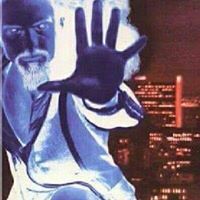
This novel has the best cover of any Warhammer book I have ever seen—a truly beautiful painting—and the prose inside measures up to the outstanding image. Kaspar is a fifty-four-year old widower who thought he had put his campaigning days behind him when his emperor asked him to become his ambassador to Kislev to help them prepare for a coming war with the hordes of chaos. This novel focuses on the preparations for that war—all of which are complicated by the disastrous tenure of Kaspar’s corrupt predecessor. The imperial troops are not just years out of training, they are starving because the voluminous supplies sent by the empire have all gone astray. The egos of the average Kislevite make it difficult to get anything done. And, of course, there are the traitors found in every corner of the world of Warhammer—men and women who have sold their souls to chaos and are secretly working to bring the defenders of the realm down.
Yet important as all of this is, it is not the heart of the novel—that revolves around the mysterious butcherman—a horrifying serial killer who eats his foes and who appears to have a sick fascination with Kaspar. Finding out who the butcherman is and stopping him becomes a critical storyline—even as the chaos horde grows closer.
Enjoyable read and must-read for WFRP GM's wanting to create better Kislevian/Empire politics background.
Something more about the book itself? The plot is a bit naive, but well, entier Warhammer Fantasy plot sometimes is naive so, for me, that's just part of the world. The Ambassador, Kaspar von Velten has been sent to Kislev as Ambassador (:D) representing Empire on Kislev court, and He must do it better than good, as War Is Coming.
You can find mystery, magic, war, murder, duels, and Chaos here. So all that what Warhammer fan would like to have in the story but don't expect too much though and you won't be disappointed.
The book is an interesting combination of murder mystery, traditional Warhammer (constant threat of a war that could end a nation or two) and Imperial-Kislevian politics. I found nothing wrong with the book but in the same time, I felt that the author failed to get all out of the great premise. I hope that the second book is able to improve on this.
The writing is adequate in a story with a very average plot. The characters don't really have any room for development but they are pleasant enough, and the story moves along fine in a quite dated fashion. Not disappointed to have read it but hope the sequel is better.
The first half of this novel was a struggle as I waded through half-baked text that could have been put together by a twelve-year-old. After that, things improved significantly and I was pulled in despite myself. I actually cared and wanted to know what was happening. Did the prose improve in the later passages or was I more forgiving?
The characters are, for the most part, well-drawn stereoptypes and the world is one I'm familiar with from my early teens and it could be this that's clouding my judgement. There is certainly no character development but within the confines of the genre this is far from unusual. The genre, in this instance, being a noir thriller rather than swords & sorcery and oh, isn't it noir. I'll be reading the next in the series and seeing if it helps me make my mind up on McNeill's writing.