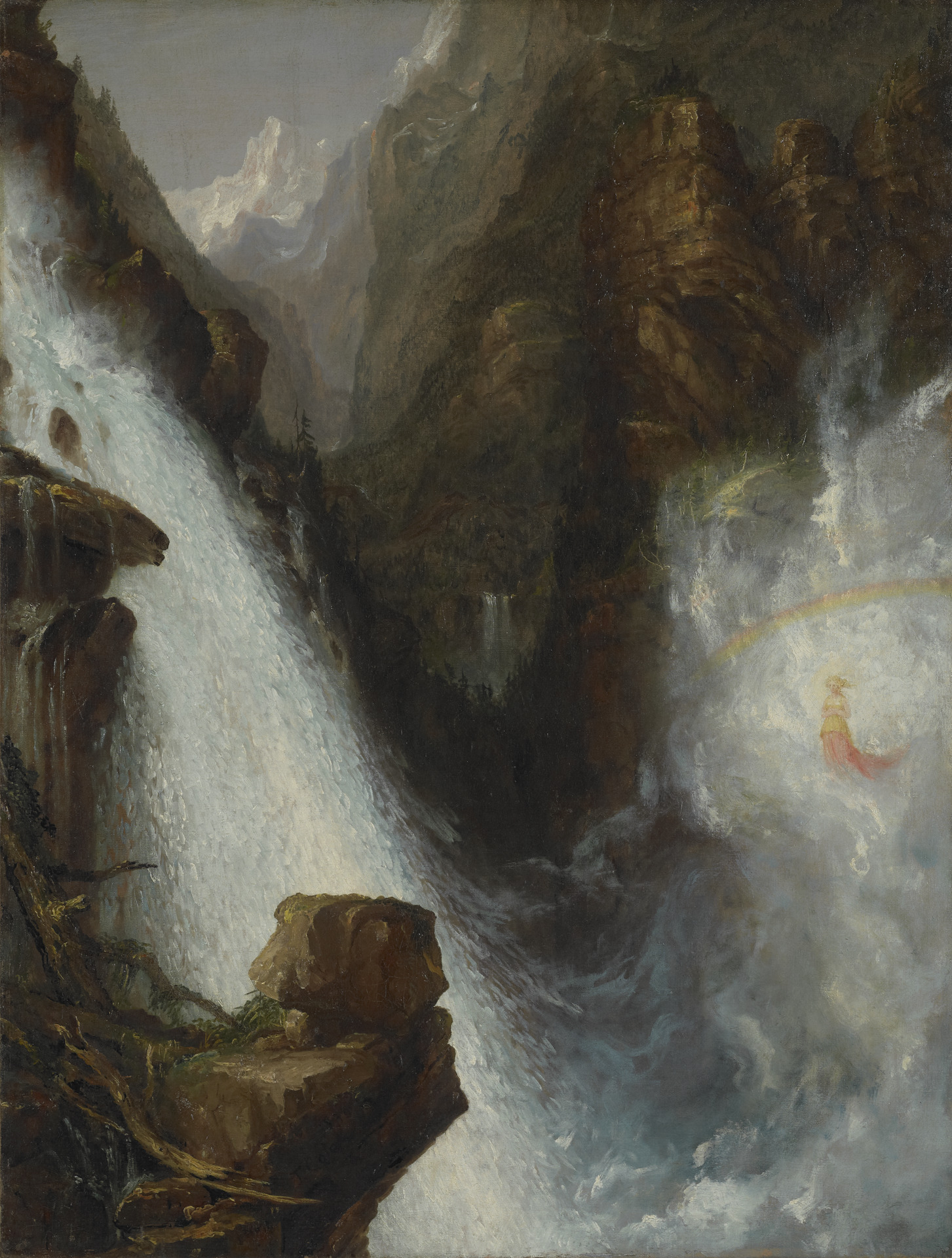
This is an EXACT reproduction of a book published before 1923. This IS NOT an OCR'd book with strange characters, introduced typographical errors, and jumbled words. This book may have occasional imperfections such as missing or blurred pages, poor pictures, errant marks, etc. that were either part of the original artifact, or were introduced by the scanning process. We believe this work is culturally important, and despite the imperfections, have elected to bring it back into print as part of our continuing commitment to the preservation of printed works worldwide. We appreciate your understanding of the imperfections in the preservation process, and hope you enjoy this valuable book.
George Gordon Byron (invariably known as Lord Byron), later Noel, 6th Baron Byron of Rochdale FRS was a British poet and a leading figure in Romanticism. Amongst Byron's best-known works are the brief poems She Walks in Beauty, When We Two Parted, and So, we'll go no more a roving, in addition to the narrative poems Childe Harold's Pilgrimage and Don Juan. He is regarded as one of the greatest British poets and remains widely read and influential, both in the English-speaking world and beyond.
Byron's notabilty rests not only on his writings but also on his life, which featured upper-class living, numerous love affairs, debts, and separation. He was notably described by Lady Caroline Lamb as "mad, bad, and dangerous to know". Byron served as a regional leader of Italy's revolutionary organization, the Carbonari, in its struggle against Austria. He later travelled to fight against the Ottoman Empire in the Greek War of Independence, for which Greeks revere him as a national hero. He died from a fever contracted while in Messolonghi in Greece.
دوستانِ گرانقدر، این نمایشنامهٔ شعرگونه، در موردِ شخصی به نامِ <مانفرد> است که در سوییس و در کاخی زیبا در کوهپایه هایِ آلپ زندگی میکند... مانفرد نیرویِ جادوگری دارد و هرزگاهی ارواح را احضار میکند تا به او فراموشی بخشند که از درد و رنجی که در دل دارد، رها شود... هیچیک از روشها نمیتواند او را به آرامش برساند، بنابراین به قلهٔ کوه میرود تا خود را به پایین انداخته و به زندگیِ خویش و رنج و دردش پایان بخشد... ولی در همان لحظه یک شکارچی او را نجات میدهد و سپس فرشتهٔ کوه آلپ بر وی ظاهر شده و دلیلِ درد و رنجش را میپرسد و مانفرد از شور و هیجانِ جوانی و خاطراتش میگوید و اینگونه به نظر میرسد که دردِ وی از عشق است و او سببِ مرگِ دلبرِ خویش بوده است عزیزانم، بهتر است خودتان این نمایشنامه را خوانده و از سرانجامِ مانفرد آگاه شوید در زیر به انتخاب نوشته هایی از این کتاب را برایتان مینویسم --------------------------------------------- به بدنِ زنده ام علاقه ای نداشتم.. نزدیکیِ من با مردم و افکارشان بسیار کم بود.. برعکس شادیِ من در دامنِ صحرا بود. دوست داشتم که هوایِ سرد و تندِ قله هایِ یخ زدهٔ کوه ها را نفس بکشم، آنجا که پرنده شجاعتِ ساخت آشیانه را ندارد و بالِ حشرات از سنگهایِ بدونِ گیاهش، گریزان است... میخواستم در سیلاب غوطه ور باشم و خود را به دستِ چرخشِ سریعِ امواجی که در دریا یا رودخانه با هم میجنگند، رها کنم... این چیزها بود که جوانیِ سرسختِ من در هوایِ آن پر میزد.. دوست داشتم که شبها ماه و ستارگان را تماشا کنم و آنقدر چشم به نورِ خیره کنندهٔ آنها بدوزم که پیشِ چشمانم تیره شود و دوست داشتم هنگامی که بادِ پاییزی، آهنگِ شبانگاهی خود را میسراید، سقوطِ برگها را تماشا کنم و برایِ شنیدنِ صدایِ آنها تمرکز کنم... شادی من از اینها بود.. تنهایی را دوست داشتم، زیرا هر وقت موجوداتی که من بناخواه مجبور بودم خودم را در شمارِ آنها بدانم، بر سرِ راهم با من برخورد میکردند، احساس میکردم که کوچک و پست شده ام و به درجه آنها پایین رفته ام و آفریدهٔ خاکی و کوچکی بیش نیستم --------------------------------------------- امیدوارم این ریویو در جهتِ شناختِ این کتاب، مفید بوده باشه <پیروز باشید و ایرانی>
Following the great success of Goethe's play, the Faust myth spread throughout Europe and inspired many other literary works. Thus, in 1817, the English poet Lord Byron portrayed, in Manfred, a character who, like Faust, is disillusioned and no longer has hope or desire. This character, Manfred, is consumed by remorse ever since he killed his beloved. So he invokes the spirits in vain because they cannot give him the only thing he yearns for: oblivion. Like Faust, Manfred considers suicide the only way to escape the hell within him and the demons that torment him.
This was not a bad dramatic poem or play, but after reading Byron's wonderful Cain, this didn't quite compare to me.
I wish I just knew what he did to his wife that was so terrible and made him harbour such guilt. I know some of the magic should have been in the mystery but I wanted to know... which aligned me with Manfred's previous ambition and knowledge hungry self, I suppose. Smart.
My version of this had two final acts. It had Act three unedited, and the edited and revised version of act three. I much preferred the revised and edited ending as it gave Manfred more agency.
Yeah, I really don't have much more to say. A good enough play, just not great.
"¡Hijo de la tierra! Te conozco, y también a los poderes que la fuerza te dan; sí, te conozco como un hombre de muchos pensamientos y actos de bien y mal; extremo en ambos, fatal, predestinado en tus dolores. Te espera. De mí, ¿qué es lo que quieres?"
Me ha gustado mucho esta obra de teatro para algunos considerada como Poema dramático aunque la verdad el final no es tan bueno como hubiese deseado, tal vez merecería un 4 estrellas para ser justo, sin embargo no puedo negar su importancia en la historia de la literatura así como aspectos muy adelantados a su época que me sorprendieron. La historia es sobre Manfredo, conde adinerado que desde el inicio se ve atormentado por un pecado que parece haber cometido, en sus palabras podemos ver lo poco que le teme a la muerte, lo autosuficiente que es y el poder que parece tener sobre lo desconocido, sobre el infierno, demonios y artes ocultas aunque esto último no se describe tanto como para comprenderlo. Manfredo busca e invoca la ayuda de espíritus y por demás demonios con los cuales va a razonar de manera muy diversa sobre el odio, la culpabilidad, la existencia y la muerte. Me sorprendió bastante por lo lírico de toda la obra, en realidad cuando Byron se sumerge en cuestiones serias parece mucho más real y palpable, así como también un tinte surrealista que me hizo recordar bastante al Conde de Lautreamont con sus "Cantos de Maldoror", Mandredo es en cierta medida un héroe similar, una persona que no le teme a nada, que se cree dueño absoluto no sólo de su verdad sino de la de los demás, casi tirano, vehemente pero a la vez atormentado y sensible ante cosas que pueden parecer más minúsculas. Me parece bastante adelantado para su tiempo el dibujo de un personaje así y la manera cómo se combina en cierta forma elementos clásicos como demonios o espíritus con el drama existencial de Manfredo, que dicho sea de paso, para los que han estudiado la vida de Lord Byron aparentemente tiene bastante que ver con un momento pecaminoso amoroso de la vida del mismo autor que se ve reflejada en la "gran culpa" de Manfredo. Es una tragedia bastante fantástica pero muy realista a la vez. Muy interesante.
Description: This haunting, poetic drama stars Joseph Millson. Manfred, living isolated, high in the mountains, tortured and haunted by a dark crime, invokes spirits in search of solace but finds no peace.
Further info: 2017 is the 200 year anniversary of the completion of Manfred: George Gordon Byron (22 January 1788 - 19 April 1824) is regarded as one of the greatest British poets. Often described as the most flamboyant and notorious of the major Romantics, Byron remains widely read and influential. Byron wrote this "metaphysical drama", as he called it, after his marriage failed in scandal amidst charges of sexual improprieties and an incestuous affair between Byron and his half-sister, Augusta Leigh. Attacked by the press and ostracised by London society, Byron fled England for Switzerland in 1816 and never returned. Manfred was written immediately after this.
مانفرد ، نمونه ي يك ابرقهرمان بايروني . يك مرد كه با جهان خاكي دور و برش و مردمي كه روي آن زندگي ميكنند ذره اي شباهت ندارد و از آنها دوري گزيده. مانفرد در طول داستان همواره احساس گناه ميكند براي از دست دادن كسي كه بين همه فقط او بود كه ميفهميدش. او به خاطر گناهش محكوم به زندگي ابديست ، و هر روز خواستار مرگ . كه به همين خاطر از مرز هاي بشريت فراتر مي رود . . . -در كل اين كتاب خط داستاني خيلي پرفراز و نشيبي نداره ، ولي ديالوگهايي داره كه به دل ميشينه و آدم دلش ميخواد چندين بار بخونه . -ترجمه ي كتاب (من ترجمه ي آقاي حسين قدسي رو خوندم) عالي بود . راستش معمولا ترجمه ي اين آثار و اين سبك خيلي خوب از آب در نمياد مخصوصا وقتي شعر هم بينش داشته باشه . ولي ترجمشون عالي بود و به اندازه ي متن اصلي اثر خودش رو ميگذاشت.
«به من نگاه کن! بر روی زمین گونهای از میرایان هستند که در جوانی پیر میشوند و پیش از میانسالی - بدون خشونت و جنگ و مانند آن - میمیرند. برخی از خوشی، برخی از مطالعه، برخی دیگر از کار فراوان؛ گروهی میمیرند تنها از آن رو که از زنده بودن خسته شدهاند، گروهی دیگر به سبب بیماری و گروهی از دیوانگی، و گروهی نیز به سبب دلشکستگی میمیرند - که این آخری، رنجی است که بیش از هر مرض دیگری کسان را راهی گور میکند و اشکال گوناگون و نامهای بسیاری به خود میگیرد. در من بنگر! من از هر یک از اینها سهمی داشتهام، حال آنکه هر کدام به تنهایی مرگبار است. پس، از آنچه اکنون هستم در شگفت مشو، بلکه از آنچه پیش از این بودهام تعجب کن، و این که چون آنچنان بودهام، چگونه هنوز زندهام.»
"Mont Blanc is the monarch of mountains They crown'd him long ago On a throne of rocks, in a robe of clouds, With a diadem of snow. Around his waist are forests braced, The Avalanche in his hand. But ere it fall, that thundering ball Must pause for my command. I am the spirit of the place, Could make the mountain bow and quiver to his cavern'd base - And what with me wouldst thou? What wouldst thou, Child of Clay! with me?"
Faustian AF - but let us not make Byron turn in his grave with this comment, given how adamant he has always been in letters about not reading Faust.
This is a closet drama (not intended to be performed onstage, but read by a solitary reader) and a ghost story, a piece of Gothic fiction in song. And it does have a grand rhythm to it, no wonder Schumann, Tchaikovsky and Nietzsche wrote musical compositions inspired by this "metaphysical drama", as Byron himself called it.
"But Grief should be the Instructor of the wise; Sorrow is knowledge: they who know the most Must mourn the deepest o’er the fatal truth – The Tree of Knowledge is not that of Life."
He wrote this one on a tour through the Bernese Alps in September 1816 after fleeing England due to the infamous scandal with his half-sister and it shows: Manfred's soul is tortured by some mysterious guilt related to the the death of his beloved Astarte. He conjures seven Spirits in hope they will provide comfort, but when they try to prevent Manfred from committing suicide, Byr... uhm... Manfred's rebellious nature kicks in and he chooses Death instead of bowing to Authority.
"The mind, the spirit, the Promethean spark, The lightning of my being, is as bright, Pervading, and far-darting as your own, And shall not yield to yours, though coop’d in clay!
However. Byron draws a clear distinction here in choosing Death.
Manfred's final words are directed at the Abbot: "Old man! 'tis not so difficult to die".
Manfred, Byron, it matters not, what's in a name? In seeking death, he defies both Heaven and Hell and gives his soul to Death Only, not to religion.
“The mind which is immortal makes itself Requital for its good or evil thoughts, Is its own origin of ill and end, And its own place and time; its innate sense, When stripped of this mortality, derives No colour from the fleeting things without, But is absorb'd in sufferance or in joy, Born from the knowledge of its own desert.”
A bunch of artists were also inspired by this play, particular favourites:
Gostei tanto deste livro...! Um livro essencialmente sobre dor, angústia e desespero. Não me recordo de ter lido um livro tão pungente e sofredor que fosse ao mesmo tempo tão belo e elegante. A poesia de Byron enlevou-me, fazendo-me sentir, de forma exponencial, a lancinante perdição de Manfred.
Manfred é um homem condenado pela sua própria consciência e por um sentimento assombroso de culpa, mas...como fugir desta dor?... como fugir de si próprio?
Os segredos e dons de Conde Manfredo, bem como sua índole, natureza e carácter vão sendo postos à prova, enquanto assistimos a inglórios esforços de mitigação da dor. Não sendo apenas um homem do mundo terreno, no seu desespero recorre também "ao outro mundo", esgotando todas as vias em que a mais ínfima das esperanças se afigura possivel.
Gostaria no entanto de ter visto esta história mais desenvolvida. Os três actos que compõem a peça revelaram-se insuficientes, deixando-me no final um pouco "pendurada"... Gostaria de ter ficado a saber mais sobre o conde e esse seu horrífico passado. Mas se encararmos este texto de acordo com o que se suspeita, como uma confissão autobiográfica sobre o amor proibido pela meia-irmã e os eventos que escandalizaram a sociedade inglesa, talvez se obtenha, ainda que parcialmente, um motivo para esta não revelação, e seja mais fácil ao leitor encontrar as respostas que o autor lhe negou.
Pessoalmente e após alguma pesquisa sobre esse tema, tendo a concordar com essa suspeita. Em especial por conta da seguinte passagem:
I say ’tis blood—my blood! the pure warm stream Which ran in the veins of my fathers, and in ours When we were in our youth, and had one heart, And loved each other as we should not love, And this was shed: but still it rises up, Colouring the clouds, that shut me out from heaven, Where thou art not—and I shall never be.
Peca também um pouco pela exaustão dos elementos metafísicos apresentados. Gostaria que existisse um maior equilíbrio e divisão do texto entre o que ocorre na "realidade terrena" e o que ocorre "na (ir)realidade metafísica".
Mas a verdade é que senti físicamente a dor de Manfredo, um aperto no estômago e no peito, angústia e tristeza. Não posso pois deixar de vos aconselhar um livro que teve esse poder sobre mim. Não foi uma experiência de leitura agradável,no vulgar sentido da palavra, mas foi, agradavelmente memorável.
این اثر را دوست نداشتم. نمیدانم چطور میتوان چنین شخصیتی را دوست داشت: - اشرافزادهای که مدعی است دانشاش از تمام انسانهای دیگر برتر است. - خودشیفته است. - هیچ منبع قدرت زمینی و آسمانی نمیتواند در وی اثر کند. - خاکیست ولی از همهی انسانهای دیگر دوری میجوید. - دچار افسردگی و عذاب وجدان شدید است. - در آرزوی مرگ است. - ظاهراً مرتکب عملی شده که به شدت از لحاظ اخلاق و عرف نکوهیده است.
این مشخصات «قهرمان بایرونی»، یکی از اصلیترین و تأثیرگذارترین نمادهای مکتب رمانتیسم است. تا آنجا که که پسگفتار کتاب میگوید: اگر نمیبود، رمانتیسم شکل نمیگرفت، یا به این شکل نمیبود. این مکتب، در تقابل با خردگرایی و عصر روشنگری شکل گرفت و خود را آزادانه به آغوش احساسات شدید انداخت. به راحتی میتوان رد پای ابرانسان نیچه را در قهرمان بایرونی دنبال کرد.
نمیتوانم این مکتب و قهرمانهایاش را دوست بدارم؛ یا دستکم، در لحظاتی با آنها همحسی کنم، همانطور که پیش از این دربارهی ورترِ گوته نوشتهام. به هر صورت، لازم است این اثر را در بستر تاریخیاش قضاوت کنید. احتمالاً روحیات حاکم بر آن دوران چنین اثری را میطلبیده و معانی متفاوتی بر آن سوار میکرده. بخشهایی از این نمایشنامه منظوم است. من در خوانشام، چندان نظمی نیافتم و لذتی از نظم برنگرفتم. شاید فرم اثر اصلی، بیشتر به دل بنشیند؛ گرچه محتوا همین است که در ترجمه آمده. اگر هدفْ فهمِ جایگاه بایرون و برقراری ارتباط با رمانتیکها باشد، به نظر میآید خوانش اشعار بایرون باید مقدمهای بر این کتاب باشد. من هنوز نخواندم. شاید بخوانم.
"But Grief should be the Instructor of the wise; Sorrow is knowledge: they who know the most Must mourn the deepest o’er the fatal truth – The Tree of Knowledge is not that of Life."
Ova Bajronova misteriozna dramska poema predstavlja romantičarski dragulj, uporediv sa najboljim metafizičkim momentima kod Getea i Njegoša. Manfred je krivac i patnik koji pokušava da izađe iz začaranog kruga griže savesti zbog gubitka njegove voljene Astarte. Ipak, utemeljenje njegove skrušenosti nije neposredno dato, iako se delo često tumačilo u biografskom ključu, kroz skandal koji je izazvao Bajronov odnos sa bliskom rođakom. I dobro je što je tako jer iz zamagljenje motivacije Manfred postaje univerzalniji lik: njegovi problemi nisu vezani za neposrednu životnu datost, već se odnose na utemeljenje čoveka kao bića na ovom svetu. Njegov nespokoj, dakle, nije uzrokovan (samo) intimnom problematikom, već statusom čoveka kao smrtnog bića, u koje je usađena klica krivice zbog samog postojanja. S tim u vezi posebno su značajni susreti sa sedam duhova od kojih Manfred neuspešno traži zaborav. (Pojava duhova u književnosti me uvek iz nekog razloga gane.) A delo ne bi bilo to što jeste bez atmosfere alpskog krajolika, gde je Bajron i pisao delo 1816. godine.
Ipak, možda je Manfred najpoznatiji po čuvenoj simfoniji Čajkovskog, koja dobija novo značenje kad se ima u vidu predložak: https://youtu.be/S6Mn1UjggBY
مانفرد الگوی یک قهرمان بایرونی است، همواره در رنج دانش بی اندازه و توانایی های بی پایانش است، عزلت گزین و منزوی است و خود را از میرایان و نامیرایان بالاتر میداند اما هیچ کدام محرک نمایش نیستند بجز عذاب مانفرد از گناهش، گناهی که نه معلوم میشود چه بود و نه مشخص ، است چه کسی آن را انجام داده است، این گنگ و نامفهوم بودن گناه است که اوج نمایش نامه محسوب میشود به طوری که پس از نابودی مانفردخواننده( تماشاگر) همچنان با یک پرسش روبروست« گناه ناگفتنی مانفرد چه بود؟»
I'm not sure I had heard of this play until I came across a reference to it in Jonathan Strange & Mr Norrell. It is not mentioned by name, but here's the relevant bit:
" 'Now I know very little of English magicians. They have always seemed to me a parcel of dull, dusty old men — except for John Uskglass. He is quite another matter! The magician who tamed the Otherlanders! The only magician to defeat death! The magician whom Lucifer himself was forced to treat as an equal! Now whenever Strange compares himself to this sublime being — as he must from time to time — he sees himself for what he truly is: a plodding earthbound mediocrity! All his achievements — so praised in the desolate little isle — crumble to dust before him! That will bring on as fine a bout of despair as you could wish to see. This is to be mortal, and seek the things beyond mortality.'
Lord Byron paused for a moment, as if committing the last remark to memory in case he should want to put it in a poem…
[later:]
'I am by chance writing a poem about a magician who wrestles with the Ineffable Spirits who rule his destiny. Of course, as a model for my magician Strange is far from perfect — he lacks the true heroic nature; for that I shall be obliged to put in something of myself.' "
***
Manfred is a verse drama published in 1817. Lord Byron started writing it a few months after the famous ghost-story sessions with Percy Shelley and Mary Shelley that provided the inspiration for Frankenstein. I've never read much of Byron before this, except for a few of his poems in anthologies. This is longer, but still fairly short, so it's a good one to read if you want to get a taste of Byron without reading the much longer Don Juan.
Count Manfred is a Swiss nobleman tortured by mysterious guilt for a sin that is somehow connected to the death of his beloved, Astarte. He summons seven spirits to grant him forgetfulness: the spirits of air, mountains, ocean, earth, winds, night, and of Manfred’s own guiding star. Most of the play is in blank verse, although the spirits have rhyming dialogue. I was completely captivated! I loved this mix of the Gothic and the Romantic. It probably draws some inspiration from Faust and/or Christopher Marlowe's Dr. Faustus, but it also feels like its own thing. (I read part 1 of Faust years ago; I just don't have it listed on GoodReads, since I haven't added most of the books I read before joining the site.)
I listened to the LibriVox audio recording after reading this. It's an excellent reading. Highly recommended!
The mind which is immortal makes itself Requital for its good or evil thoughts, Is its own origin of ill and end, And its own place and time; its innate sense, When stripped of this mortality, derives No colour from the fleeting things without, But is absorb'd in sufferance or in joy, Born from the knowledge of its own desert.” ―
(I think this quote is saying something like: self-knowledge is its own punishment -- or its own reward, depending on whether it leads to "sufferance" or "joy.")
This is the locus classicus of the brooding - male - outsider, haunted by death and beauty while precariously perched on a high rock above swirling mists and surrounded by indifferent, craggy alpine peaks. Byron's Manfred was published in 1817. Caspar David Friedrich painted his 'Walker above the mists' in 1818. The former offers the more incisive portrait, I feel, particularly in the second scene when Manfred, sick at heart and despondent, muses on the human predicament of having to contend with 'low wants and lofty will'. Inevitably I am thinking of Tchaikovsky here, another 'poète maudit' who felt trapped between these conflicting impulses, relied on Manfred as the seed for a major symphonic work, and eventually killed himself. The composer will have shuddered at Manfred's vision that connects human fate to the ineffability of sound.
Hark! The note, [The Shepherd's pipe in the distance is heard.] The natural music of the mountain reed - For here the patriarchal days are not A pastoral fable - pipes in the liberal air, Mixed with the sweet bells of the sauntering herd; My soul would drink those echoes. Oh, that I were The viewless spirit of a lovely sound, A living voice, a breathing harmony, A bodiless enjoyment - born and dying With the blest tone which made me!
The Byronic hero is deftly explored here, as in Childe Harold, but in a way which lends to a reading that this poem is Byron's confession of his forbidden love affair with his half-sister Augusta. But what is there to say about this classic, really? The prose is arresting and Manfred is inspiring, a character through life found no affinity with human beings and bucked the status-quo at every turn. Manfred strives to be the quintessential Nietzschean superman, valuing the forgetfulness of past indiscretions, but falling short of that ideal and in turn seeking his own death through his own agency rather than at the hands of any spirit. Manfred lives alone and on his own terms and seeks to die the same way. Ultimately Manfred is an astonishing tale about self-sufficiency and isolation and where the two meet, with all the trappings of Romantic fiction, extolling nature and the intuitive rather than the precisely logical.
It's a short read with a great deal to offer for anyone who has ever felt alone in a society that means nothing to them. And, of course, any students of Romantic fiction would certainly be assigned this piece.
What was it about an “unredeemable soul” that the Romantics found so positively alluring, even desirable?! Manfred is a tortured soul who has committed a heinous crime prior to the start of this dramatic poem, and he goes to every possible length to try and reconnect with the woman whose death he is responsible for. But get this—not because he’s remorseful or repentant, but because he’s so desperate to be in her presence just once more! What?!
Despite the inner turmoil of Manfred, in which he’d rather die than repent, there are some incredible thoughts, expressed in breathtaking poetry:
“Think’st thou existence doth depend on time? It doth; but actions are our epochs: mine have made my days and nights imperishable, endless, and all alike, as sands on the shore, innumerable atoms; and one desert, barren and cold, on which the wild waves break, but nothing rests, save carcasses and wrecks, rocks, and the salt-surf weeds of bitterness.”
Isn’t that extraordinary?!
Or:
“His aspirations have been beyond the dwellers of the earth, and they have only taught him what we know—that knowledge is not happiness, and science but an exchange of ignorance for that which is another kind of ignorance.”
And:
“There is no future pang can deal that justice on the self-condemn’d he deals on his own soul.”
“There is an order of mortals on the earth, who do become old in their youth, and die ere middle age, without the violence of warlike death; some perishing of pleasure, some of study, some wornwith toil, some of mere weariness, some of disease, and some insanity, and some of wither’d or of broken hearts; for this last is a malady which slays more than are number’d in the lists of Fate, taking all shapes and bearing many names.”
Very dramatic and breathtakingly beautiful! I can’t wait now to listen to the symphonic masterpieces by Schumann and Tchaikovsky that were inspired by this poem!
Confesso que no inicio estava um pouco receosa em ler este poema dramático de Lord Byron, por ter sido uma figura bastante polémica. Esta sua obra é dita por muitos como a sua confissão de amor pela sua meia irmã. Mas em vez de me demover, apenas aumentou a minha curiosidade. E qual seria o problema de experimentar ler um dos grandes poetas românticos?
Em suma, a medida que acompanhava a dor e culpa de Manfredo mais encantada ficava com a escrita de Bryron. Consegue mostrar-nos o essencial nas entrelinhas, prova dominar a cultura clássica com claras alusões a peça Prometeu e aos seus heróis. A referência literária mais óbvia é o afamado Fausto, mas também podemos encontrar referências ao Paraíso Perdido.
Manfredo aborda não apenas a culpa de um homem que perdeu o seu grande amor, mas as suas duvidas perante sua própria mortalidade, a brevidade do tempo e os devastadores efeitos da morte. Apesar das suas perversidades, Lord Byron demonstra ser um poeta de mérito.
"We are the fools of Time and Terror: Days Steal on us, and steal from us; yet we live/ Loathing our life, and dreading still to die."
From BBC Radio 3 - drama on 3: This haunting, poetic drama stars Joseph Millson. Manfred, living isolated, high in the mountains, tortured and haunted by a dark crime, invokes spirits in search of solace but finds no peace.
Adapted and directed by Pauline Harris
Further info: 2017 is the 200 year anniversary of the completion of Manfred: George Gordon Byron (22 January 1788 - 19 April 1824) is regarded as one of the greatest British poets. Often described as the most flamboyant and notorious of the major Romantics, Byron remains widely read and influential. Byron wrote this "metaphysical drama", as he called it, after his marriage failed in scandal amidst charges of sexual improprieties and an incestuous affair between Byron and his half-sister, Augusta Leigh. Attacked by the press and ostracised by London society, Byron fled England for Switzerland in 1816 and never returned. Manfred was written immediately after this.
Manfredo é um homem que não está a conseguir lidar com a morte da sua esposa. Esta peça em três atos é a sua luta com a dor que esta perda implicar e a sua vontade de desistir. Lorde Byron fez-me sentir uma certa angústia e até um aperto no coração ao ler esta sua peça. Gostei dos elementos mitológicos aqui representados. No entanto achei o final muito precipitado e mal explicado. Como se tudo terminasse de repente. Mais um pouco de desenvolvimento não teria feito mal. Gostaria de ver editado por cá mais trabalhos de Lorde Byron. Este inglês mais arcaico nem sempre é fácil de entender.
For a school text, this wasn't bad. It read more like a poem rather than a play, so that's the biggest thing I didn't like. I'm not too fond of poems you see... Overall though, it was Gothic and dark and pretty decent for school!
“Forgetfulness— … Of that which is within me…” And so, he renders himself to dissolution and decay, who once drank the sweetest nectar of love from the gentle embrace of the woman he adored, the woman who is no more, only a memory, grievous beyond endurance, inflicting upon him a grief deeper than life itself ever could, until life itself became a burden he longed to cast away… and thus, the spirits are summoned before him, no more than slaves to this child of clay; yet no power, no state and no wealth is required of these powers dwelling within the abyss, only the mercy of… oblivion.
What burden is this, ye child of clay, ye bearer of the torch once stolen from the sun, that bears such weight on your tender shoulders and such heavy sorrow wounding your heart, making every breath feel like poisonous ivy tightening around your throat, stealing the very breath from your lungs? What have you to do with days “they’re longer already”, longer indeed, for existence depends not upon time but on actions; Oh, how fiercely he lived. Oh, how intensely, how passionately alive he once was… as though every spark of life within him had been spent upon Astarte.
And so… begone you temptations of darkness, away ye bitter sin; for ye are not needed as death alone abides, submitting not to the powerful spirits of flame. You shall not bring him what he desires.
"Old man! 'tis not so difficult to die". So it is not! For ye shall never conquer, for the day of your victory the moon shall never rise and the sun, spent and extinguished, shall lie lifeless upon Apollo’s abandoned chariot. Man’s soul shall belong neither to Heaven nor to Hell—
only to death. And perhaps… to forgetfulness, at last.
When describing his time writing his Childe Harold's Pilgrimage, Lord Byron described himself as: "half mad . . . between metaphysics, mountains, lakes, love inextinguishable, thoughts unutterable, and the nightmare of my own delinquencies.” I would say this describes the character of Manfred as well.
“What I have done is done.”
Manfred is a faustian magician chained by his own regrets and tethered to the human world. He longs for death yet is unable to die. He is despairing and tragically romantic, plagued by the death of a woman he loved. He is assailed by guilt, as he believes his lover would not have died if he had not loved her. There is a forbidden fruit element at play, and it seems he feels acting on his feelings was the key to her demise.
He is intertwined with the spirit world yet belongs neither there or in the human world. He is filled with self importance, but maligned by self hatred and moral corruption. He seeks forgiveness from the phantom of his lover, but he is not absolved. He seeks oblivion from he spirit world, but is not relieved of his memories.
“My slumbers—If I slumber—are not sleep, But a continuance of enduring thought, Which then I can resist not: in my heart There is a vigil, and these eyes but close To look within.”
This work is a kind of psychological catharsis. It feels deeply personal, and despite Manfred never uttering the truth of his “delinquencies” it feels as if we know all.
He refuses to atone for his sins, and refuses to sell his soul to the underworld, thus in the end he dies with his soul only his own. In this way, Manfred rejects all gods.
“Farewell, ye opening heavens! Look not upon me thus reproachfully— You were not meant for me—Earth! Take these atoms!”
This is a deeply heretical work that would have done nothing to help Lord Byrons image. Manfred never repents for his actions, and rejects repentance all together in the end, suggesting that he alone can understand and judge his crimes.
“Must crimes be punish'd but by other crimes, and greater criminals?”
Despite this rejection of Christian morality, Manfred was popular with readers. People were interested in Byron, despite his unconventional life, and readers were excited at the prospect of learning more about his romantic relationships. Even at publication, readers assumed Byron had written himself into the story.
There are Promethean elements at play with many warnings against the acquirement of knowledge.
“But grief should be the instructor of the wise; Sorrow is Knowledge: they who know the most Must mourn the deepest o’er the fatal truth— The Tree of Knowledge is not that of Life.”
Lord Byron scandalized society with his existence and with his writings. During his lifetime he was almost as famous as Napoleon Bonaparte. Manfred is thought to be autobiographical— he wrote it after being ostracized out of England. It had become public knowledge that he had been involved in an incestuous relationship with his half-sister, Augusta. While never explicitly stated, there are strong hints in the story that Manfred’s dead lover is also his half-sister.
“I say 'tis blood—my blood! the pure warm Which ran in the veins of my fathers, and in ours When we were in our youth, and had one heart, And loved each other as we should not love.”
It isn’t only his incestuous relationship with his sister that Byron is seemingly confessing here, he also alludes to his entire disastrous approach to relationships. it’s also possible he’s alluding to his own bisexuality.
Manfred was created shortly after Byron’s fateful trip with the Shelleys in the summer of 1816. Mount Tambora erupted the year before, causing widespread climatological disturbances. When he came to Lake Geneva to stay in Villa Diodati, Byron thought he’d be spending the summer sunning on the lake, Instead, he and his party spent most of the time stuck inside. The group spent time drinking laudanum laced wine and reading a German book of ghost stories called the Fantasmagoriana, and eventually, Lord Byron proposed a ghost story writing contest. While Byron did not complete this task, it is notable that he created Manfred in the wake of this experience. The supernatural elements and dark brooding of the main character are likely remnants of this experience.
While being a deeply broody work about a well off man that is bored of life, feels better and different than his fellow humans, is longing for a lost love, and deeply depressed, it is also beautifully written and infused with elements of the romantic and the gothic. I read this because in reading Frankenstein and studying Mary Shelley’s life, I became curious of the lives and works of those around her. The byronic hero is an archetype that everyone knows of, and in Manfred is one of Byron’s first.
“We are the fools of Time and Terror: Days Steal on us, and steal from us; yet we live, Loathing our life, and dreading still to die”
“I have so much endured, so much endure— Look on me! The grave hath not changed thee more Than I am changed for thee”
Manfred is a closet drama, meaning it is meant to be read rather than acted on a stage. I highly recommend reading it aloud yourself, or listening to a reading. The words dance on the tongue when read aloud.
“Mont blanc is the monarch of mountains; They crowned him long ago On a throne of rocks, in a robe of clouds, With a diadem of snow.”
The above is my personal favorite, it makes my brain tingle. This is a beautiful example of the sublime: terrifying yet awe inspiring.
“To thy bidding bowed, From my mansion in the cloud, Which the breath of twilight builds, And the summer’s sunset gilds With the azure and vermillion, Which is mixed for my pavilion; Though thy quest be forbidden, On a star-beam I have ridden, To thine adjuration bowed: Mortal—by thy wish avowed!”
“The stars are forth, the moon above the tops Of the snow-shining mountains.—Beautiful! I linger yet with Nature, for the night Hath been to me a more familiar face Than that of man; and in her starry shade Of dim and solitary loveliness, I learn'd the language of another world.”
Manfred is worth reading in general for the wealth of literary depth it provides to other works inspired by Byron. The Byronic hero pervades culture even today, and it is interesting to learn about Lord Byron and the troubled mind that inspired centuries of literati.
«خواب های من، اگر خوابی در کار باشد، خواب نیست؛ بلکه ادامهی افکار آزارندهای است که در برابرشان تاب ایستادگی ندارم. در دلم همواره شب زنده داری به پاست، و این چشم ها بسته نمیشوند، مگر آن که به درون باز شوند، و من باز نفس میکشم و سر و شکل زندگان دارم. اما اندوه آموزگار خرمندان است. غم خود دانشی است؛ آنان که بیش تر میدانند ناگزیر باید بیش تر بر حقیقت مرگبار سوگواری کنند.»
Oh to be una lettrice inglese del 1817 che sente i rumours che dicono che Byron ha avuto una relazione incestuosa con sua sorella, è fuggito dall'Inghilterra per preservarsi dallo scandalo e si è auto-esiliato in giro per l'Europa, per poi droppare sul suolo inglese il poema drammatico solo per rivelare che sì, effettivamente si stava scopando sua sorella
I can understand why students are so reluctant to engage classical literature now. It's not that they don't respect the canon or hate reading, but rather it's the opposite. Manfred uses archaic language (even for its time), a high register, roundabout and very literary language, historical allusions, and more that would make the poem hard to digest at a glance. Of course even an untrained reader could extract the rhythm of the poem and glean that Byron is quite a skilled writer. Luckily I read the poem within the Norton Critical Edition of Byron's works and there were helpful footnotes, as well as context.
Byron's Manfred is quite clearly a tortured soul. He has claimed responsibility for somehow or another killing the one love of his life. This leads him to dabble in unholy arts, spending his time amongst bones and in communion with spirits. We're introduced to him at the height of this despair and his power over nature. He binds spirits. He cannot die. All who witness him can't help but noting his noble qualities. He naturally evokes our pity, but since most of us can't fathom the extent of his sorrow, his angst can come off as overdramatic.
The poem is actually quite short, but the stanzas can be long. The little action that happens is that Manfred is unable to bring his love back to life, and when calling upon her, she tells him that his troubles will end. At the end, he reproachfully accepts his death, shunning both the spiritual guide as well as the priest that offer him their help. He chooses to quit his life on his own terms, finally attaining mortality.
There's certainly a lot of narrative depth that will require multiple readings. Manfred is a complex character who, while quite explicit about his feelings, is played upon by various forces. There's also the question of what really happened to his love and what elicits the reaction of her spirit. This is the first Byron I read (aside from bits of The Vision of Judgment) and I can't wait to read Don Juan.
While this poem had some of the most "quotable" lines ever I didn't really like all the supernatural elements in it. Hence my modest rating. The only person who get's a pass with ghost stories is Shakespeare. Because in Hamlet it was more like the icing on the cake. In this story however it felt overdone.
"Ye were not meant for me - Earth, take these atoms!" Classic Lord Byron. Love it.
"We are the fools of time and terror; days Steal on us and steal from us, yet we live, Loathing our life, and dreading still to die, In all the days of this detested yoke"




 http://www.bbc.co.uk/programmes/b087qh9w


















#/media/File%3AManfred_sur_la_Jungfrau.jpg)