

What do you think?
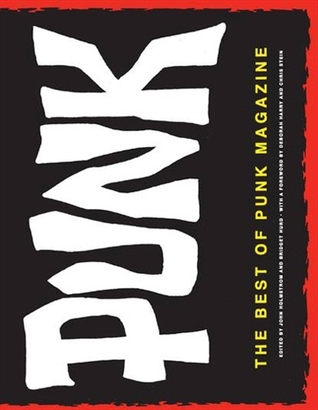
The Best of Punk Magazine
The very best of "Punk"--the legendary magazine that defined an era--finds new life in this stunning anthology, featuring original articles along with behind-the-scenes commentary and the backstory on each issue as told by editor-in-chief John Holmstrom. "Punk "was the Bible of the urban counterculture movement. It not only gave punk music its name, but influenced the East Village art scene and steered the punk aesthetic and attitude. "The Best of Punk Magazine" includes high-quality reprints of hard-to-find original issues, as well as rare and unseen photos, essays, interviews, and even handwritten contributions from the likes of Andy Warhol, Lou Reed, Debbie Harry, the Ramones, the Sex Pistols, Lester Bangs, Legs McNeil, Lenny Kaye, and many more. For collectors, lifelong punks, and those just discovering what punk is all about, this is the chance see the history of the movement come back to life.
- GenresMusicPunkNonfiction
372 pages, Hardcover
First published November 8, 2011
Ratings & Reviews
Friends & Following
Create a free account to discover what your friends think of this book!
Community Reviews
Displaying 1 - 15 of 15 reviews

February 9, 2014
Happy anarchy and optimism that art can change the world from a time when the Ramones and Helen Wheels were the antidote to anodyne Disco. An age before Blondie changed everything, and Iggy Pop, Patti Smith, and Lou Reed were touchstones for a whole new direction in music.
That's the good news. The bad news is that the CBGB headliner was a decidedly post-60s but pre-feminist scene. So men's sexuality is celebrated while women are their sexual meat, and fags...wellll...the less said about that the better.
Punk Magazine's raison d'etre was outrageous nihilism for its own sake, which in 1977 was a thrilling stance against authority and is now a source of happy rediscovery and humorous nostalgia. Punk Magazine also championed too many great bands of the short lived NY punk music scene to not cherish their memory. But now Punk Magazine is also the very best chronicle of why exactly the NY Punk scene never got traction as a lasting project or had anything like the social impact it had in London. The UK Punk scare was a social movement that lived up to its name, and inspired millions of people. The NY scene was consistently and consciously an art project directed at a small audience that was hip to the scene right up to the point it fragmented into No Wave, New Wave, and Post-Punk. If you compare the Punk Magazine interview with Johnny Lydon (Johnny Rotten)to any of the reporting on the NY bands you can see how hard it is to even consider them as being part of the same project. There was no agenda to the NY Punk scene beyond having anarchic fun, and Punk Magazine is the best document to that moment.
In all this is an excellent collection of carefully selected material to highlight the best of Punk Magazine that disappoints because in a book this size it would have been better to simply reprint the complete 17 issue run to preserve the entirety warts and all rather than image polish by only including the stuff that made Punk look prescient and smart. There was a lot of endearingly wrongheaded stupid in those pages too, it just got left out.
That's the good news. The bad news is that the CBGB headliner was a decidedly post-60s but pre-feminist scene. So men's sexuality is celebrated while women are their sexual meat, and fags...wellll...the less said about that the better.
Punk Magazine's raison d'etre was outrageous nihilism for its own sake, which in 1977 was a thrilling stance against authority and is now a source of happy rediscovery and humorous nostalgia. Punk Magazine also championed too many great bands of the short lived NY punk music scene to not cherish their memory. But now Punk Magazine is also the very best chronicle of why exactly the NY Punk scene never got traction as a lasting project or had anything like the social impact it had in London. The UK Punk scare was a social movement that lived up to its name, and inspired millions of people. The NY scene was consistently and consciously an art project directed at a small audience that was hip to the scene right up to the point it fragmented into No Wave, New Wave, and Post-Punk. If you compare the Punk Magazine interview with Johnny Lydon (Johnny Rotten)to any of the reporting on the NY bands you can see how hard it is to even consider them as being part of the same project. There was no agenda to the NY Punk scene beyond having anarchic fun, and Punk Magazine is the best document to that moment.
In all this is an excellent collection of carefully selected material to highlight the best of Punk Magazine that disappoints because in a book this size it would have been better to simply reprint the complete 17 issue run to preserve the entirety warts and all rather than image polish by only including the stuff that made Punk look prescient and smart. There was a lot of endearingly wrongheaded stupid in those pages too, it just got left out.
April 13, 2021
La crónica del fanzine que recogió el breve auge de la escena punk neoyorquina, contada por uno de sus cofundadores. Dieciocho números que recogen el ímpetu de una época entre historietas, fotonovelas e himnos de tres minutos con sus propios protagonistas, anécdotas e infaltables villanos que el dibujante y caricaturista John Holmstrom recuerda desde una inevitable subjetividad compensada por un discurso honesto. Mejor si se lee con un surtido musical adecuado.
March 28, 2019
A time capsule. Punk magazine was really in the middle of it all. The ‘movies’ they published using a series of photos with speech bubbles and ‘special effects’ are especially fun.

September 10, 2023
Punk prima di me. Punto.

July 2, 2013
New York City in the 1970s was dangerous.BestOfPUNKcover
Crime was up. The Yankees sucked. Times Square, the “Crossroads of the World,” was known more for its porn, prostitutes, and pushers than anything else.
In such a place and era, art tends to shadow reality. In dirty bars and seedy clubs, punk was born. On the stages of CBGB’s, Max’s Kansas City, and the like, bands that drew audiences barely outnumbering the staff some nights created music that became legendary and personas that became the foundation of how young musicians would conduct themselves over the next three decades.
In the early days of the scene, bands like The Ramones, Television, the New York Dolls, and Blondie dominated the landscape using showmanship, work ethic, and an understanding of promotion that many groups at that time, or even now, had no knowledge of. They, and others, knew to make their music heard–it had to be taken directly to the kids who spent their money to come see them. They needed an outlet.
Enter Punk magazine.
‘Zines have been around forever. As far back as the Holy Roman Empire, there have been scratchings on stone tablets translated as “Down With Corporate Harpists!” What made Punk stand out then and what has made it so memorable is the obvious hard work and care that went into every issue as well as the access the staff had with the artists. Granted, talking to Joey Ramone or Richard Hell at that time wasn’t the same as getting John Lennon to sit down with you for a couple hours, but in hindsight, the stories Punk put out on bands that are now considered a seminal component of rock music can be looked at as brilliant and ground-breaking.
Bits and pieces of these magazines are still accessible online and in various biographies and autobiographies and the magazine itself started back up in 2006, but recently, It Books released The Best of Punk Magazine, an amazing coffee table edition compiled and written by Punk editor-in-chief John Holmstrom featuring the issues in their entirety. In addition, the book features behind-the-scenes stories of each issue and the staffers themselves talking about the fan reaction to the ‘zine, the musicians they interviewed, and the struggles they faced just getting each edition published.
“Legs” McNeil is probably the man most immediately associated with Punk as its “resident punk” and the man who allegedly coined the term “punk” after seeing it used on the TV show “Kojack.” Along with Holmstrom and publisher Ged Dunn, a unique moment in time was documented for future generations. What this beautiful hardback edition provides is not only the magazines themselves in their entirety, but the stories behind the issues as well as the tales behind the magazine, its staff, and the scene itself.
McNeil, who continues to be a force in music journalism with his book Please Kill Me: An Uncensored Oral History of Punk along with his blog, PleaseKillMe.com, may have shone the brightest with his interview of former Velvet Underground vocalist Lou Reed in the first issue. McNeil conducted the interview as a young, unapologetic fan of both Reed and the music scene while Reed came across as the bored, bourgeois rock star he was criticizing McNeil for being a fan of. Rarely do you see a writer allow himself to be portrayed as a willing whipping boy for someone like Lou Reed and even rarer do you see someone like Reed rising to the bait.
For me, however, the piece of brilliance that will always stand out when I think of Punk are the photos, more specifically, the photo spreads. While the magazine’s artwork was beautifully done, the comic strip-like photo montages were incredible with “Mutant Monster Beach Party” starring Joey Ramone, Debbie Harry of Blondie, Andy Warhol, and more as the pinnacle of excellence. An entire story shot in photos with some of the genre’s biggest names as willing participants with word balloons and special effects later drawn on the photos and then laid out in the magazine in comic book form. Utter magic, especially now with Joey long since gone.
The entire compilation, lovingly crafted, warts and all, show a magic time in a form of music that was innocent and beautiful and raw in its loud, unabashed glory. Besides the aesthetic of the magazine, just having, on record, interviews with bands like the Sex Pistols, the Dead Boys, Television, the Talking Heads, and so on, when they were at their young, dangerous best, is reason enough to ensure this tome is in your collection.
A fan of rock music would find this book to be a must-have. A fan of punk needs to go to their nearest chain brick-and-mortar store and steal it immediately. OK, don’t steal it, but buy it from an independent local shop. The important bit to take from this is to buy it. It is worthy of ownership.
Crime was up. The Yankees sucked. Times Square, the “Crossroads of the World,” was known more for its porn, prostitutes, and pushers than anything else.
In such a place and era, art tends to shadow reality. In dirty bars and seedy clubs, punk was born. On the stages of CBGB’s, Max’s Kansas City, and the like, bands that drew audiences barely outnumbering the staff some nights created music that became legendary and personas that became the foundation of how young musicians would conduct themselves over the next three decades.
In the early days of the scene, bands like The Ramones, Television, the New York Dolls, and Blondie dominated the landscape using showmanship, work ethic, and an understanding of promotion that many groups at that time, or even now, had no knowledge of. They, and others, knew to make their music heard–it had to be taken directly to the kids who spent their money to come see them. They needed an outlet.
Enter Punk magazine.
‘Zines have been around forever. As far back as the Holy Roman Empire, there have been scratchings on stone tablets translated as “Down With Corporate Harpists!” What made Punk stand out then and what has made it so memorable is the obvious hard work and care that went into every issue as well as the access the staff had with the artists. Granted, talking to Joey Ramone or Richard Hell at that time wasn’t the same as getting John Lennon to sit down with you for a couple hours, but in hindsight, the stories Punk put out on bands that are now considered a seminal component of rock music can be looked at as brilliant and ground-breaking.
Bits and pieces of these magazines are still accessible online and in various biographies and autobiographies and the magazine itself started back up in 2006, but recently, It Books released The Best of Punk Magazine, an amazing coffee table edition compiled and written by Punk editor-in-chief John Holmstrom featuring the issues in their entirety. In addition, the book features behind-the-scenes stories of each issue and the staffers themselves talking about the fan reaction to the ‘zine, the musicians they interviewed, and the struggles they faced just getting each edition published.
“Legs” McNeil is probably the man most immediately associated with Punk as its “resident punk” and the man who allegedly coined the term “punk” after seeing it used on the TV show “Kojack.” Along with Holmstrom and publisher Ged Dunn, a unique moment in time was documented for future generations. What this beautiful hardback edition provides is not only the magazines themselves in their entirety, but the stories behind the issues as well as the tales behind the magazine, its staff, and the scene itself.
McNeil, who continues to be a force in music journalism with his book Please Kill Me: An Uncensored Oral History of Punk along with his blog, PleaseKillMe.com, may have shone the brightest with his interview of former Velvet Underground vocalist Lou Reed in the first issue. McNeil conducted the interview as a young, unapologetic fan of both Reed and the music scene while Reed came across as the bored, bourgeois rock star he was criticizing McNeil for being a fan of. Rarely do you see a writer allow himself to be portrayed as a willing whipping boy for someone like Lou Reed and even rarer do you see someone like Reed rising to the bait.
For me, however, the piece of brilliance that will always stand out when I think of Punk are the photos, more specifically, the photo spreads. While the magazine’s artwork was beautifully done, the comic strip-like photo montages were incredible with “Mutant Monster Beach Party” starring Joey Ramone, Debbie Harry of Blondie, Andy Warhol, and more as the pinnacle of excellence. An entire story shot in photos with some of the genre’s biggest names as willing participants with word balloons and special effects later drawn on the photos and then laid out in the magazine in comic book form. Utter magic, especially now with Joey long since gone.
The entire compilation, lovingly crafted, warts and all, show a magic time in a form of music that was innocent and beautiful and raw in its loud, unabashed glory. Besides the aesthetic of the magazine, just having, on record, interviews with bands like the Sex Pistols, the Dead Boys, Television, the Talking Heads, and so on, when they were at their young, dangerous best, is reason enough to ensure this tome is in your collection.
A fan of rock music would find this book to be a must-have. A fan of punk needs to go to their nearest chain brick-and-mortar store and steal it immediately. OK, don’t steal it, but buy it from an independent local shop. The important bit to take from this is to buy it. It is worthy of ownership.

February 23, 2013
The Best of PUNK Magazine by John Holmstrom and Bridget Hurd, with a foreward from Deborah Harry (yes, the singer from Blondie) and Chris Stein (co-founder of Blondie), is a compilation of the best articles and artwork from the magazine, and it opens with a fun depiction of New York City — “The PUNK Map of N.Y.C.: For jerks who just don’t know their way around.” The drawings of the rivers and the streets and the realistic, and yet, out there cartoons are likely to generate smirks, if not genuine smiles.
As someone born in the late 1970s, but in love with punk music and Blondie, this collection is something that provides not only more background about the emergence of punk, but also the whimsical fun and sort of not-a-care-in-the-world feel of the genre. PUNK magazine had a lot to live up to as the voice of 1970s New York, but it also had a lot to break away from in terms of what was expected of a music magazine. Clearly, PUNK was a magazine dedicated to snarkiness in all its forms — visual and textual — and it worked well. It was gritty, it was real, and the glamor was no where in its photos or its comics, but that seems to be why the magazine stood out. There was a whole lot of youthful exuberance in the beginning of this magazine as nicknames were handed out and spaces were renamed — like the PUNK Dump.
Read the full review: http://savvyverseandwit.com/2013/03/t...
As someone born in the late 1970s, but in love with punk music and Blondie, this collection is something that provides not only more background about the emergence of punk, but also the whimsical fun and sort of not-a-care-in-the-world feel of the genre. PUNK magazine had a lot to live up to as the voice of 1970s New York, but it also had a lot to break away from in terms of what was expected of a music magazine. Clearly, PUNK was a magazine dedicated to snarkiness in all its forms — visual and textual — and it worked well. It was gritty, it was real, and the glamor was no where in its photos or its comics, but that seems to be why the magazine stood out. There was a whole lot of youthful exuberance in the beginning of this magazine as nicknames were handed out and spaces were renamed — like the PUNK Dump.
Read the full review: http://savvyverseandwit.com/2013/03/t...
September 16, 2013
Punk magizene was the first true magizene that showed the face of the emerging punk scene in the Bowrey, espicially the so- called "CBGB bands", which got their name for the gig they played often called CBGB's (OMFUG) which started as a small bluegrass bar but when they started running out of money let the new bands, such as the Ramones play gigs there to bring in people. In return, the bands would build the stage . The one thing that this book didnt do well was that they covered Blondie and The Ramones more than the other bands that they would cover, such as Iggy and the Stooges.
I would recomend this book to everyone who is intrested with the early origins of punk music and the untold story of Manhattan. One of the reasons this book told the story so well was because everything except the commentary was written in the late 70's, when the new punk scene was emerging, and showed what people accually thought about Punk culture back then.
I would recomend this book to everyone who is intrested with the early origins of punk music and the untold story of Manhattan. One of the reasons this book told the story so well was because everything except the commentary was written in the late 70's, when the new punk scene was emerging, and showed what people accually thought about Punk culture back then.

March 12, 2013
MY THOUGHTS
ABSOLUTELY LOVED IT
Everything you ever wanted to know about Punk Magazine but were afraid to ask. This is one of the best anthology table books I have come across in a long time and covers the rise of punk in New York City. I wanted to be Debbie Harry in 1977, worshiped the Ramones and hung on any shred of information I could get while growing up in Los Angeles in the midst of a hair metal. I still have my Blondie button "we are a group" and my Ramone's shirt. This book brought back so many memories of that time period. There is the infamous Warhol cartoons reproduced and you can spend hours getting lost in the pages. I used to beg any one going to NYC to bring these zines to me and it is nice to have everything in one wonderful book.
ABSOLUTELY LOVED IT
Everything you ever wanted to know about Punk Magazine but were afraid to ask. This is one of the best anthology table books I have come across in a long time and covers the rise of punk in New York City. I wanted to be Debbie Harry in 1977, worshiped the Ramones and hung on any shred of information I could get while growing up in Los Angeles in the midst of a hair metal. I still have my Blondie button "we are a group" and my Ramone's shirt. This book brought back so many memories of that time period. There is the infamous Warhol cartoons reproduced and you can spend hours getting lost in the pages. I used to beg any one going to NYC to bring these zines to me and it is nice to have everything in one wonderful book.
January 27, 2013
As a teenager, Punk Magazine helped form both my musical taste and my outlook on life, and it never really got it's due in the history books. Great reminiscences from John Holstrom. Not all issues are completely reproduced, and for those of us old enough to remember the original, it's occasionally hard to read the small, mostly handwritten text. Still, Punk Mag was an important part of rock history that many fans may know nothing about. A worthwhile read.
December 9, 2013
Good behind-the-scenes history of Punk magazine and the NY punk scene. Great pictures of early punk bands and personalities. The weakest part, surprisingly, were the magazines themselves. Interesting as historical artifacts but the writing, jokes and cartoons seem pretty juvenile today.
Read
February 15, 2013781.66 P9844 2012

February 17, 2013
A brilliant archive - beautiful presentation with great introductions/notes/context and some of the material is still funny, savage, wise - so worth seeing/having.

July 30, 2013
Great pictures.

October 21, 2015
A solid riot. I've been speaking this one in for a few weeks, well worth the effort to get a sense of this eclectic part of the past.

July 28, 2024
They really don’t make magazines like this anymore such a great time capsule of the 1970s
Displaying 1 - 15 of 15 reviews