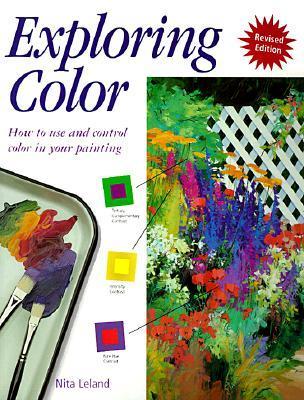
Illustrates the principles of using color with numerous paintings and exercises designed to demonstrate how to use color to plan stronger designs, develop better compositions, and convey moods and emotions
This wasn't what I was looking for, but it was interesting all the same. I was looking for some color theory, but this is really a painter's guide to colors. That being said, it was a very good guide to colors, and very informative and perhaps even will help me get more out of visiting art museums. The book focuses on different complementary palettes, and how to create your own palettes, using multiple approaches. All the basics are explained well, and there's a lot of projects for the reader to try. This book almost made me wish I did painting (although its theories can apply to colored pencils, even knitting). Not what I was looking for, but interesting nonetheless.
I almost laughed when I read the blurb for this book because it’s so bland compared to what this book has to offer. This is the second of a couple of art books I checked out from my library recently. I had no preconceptions about what this book would be like. I just grabbed it from the shelf and thumbed through it. It looked sufficient in having hands-on activities for each lesson, so I brought it home. Since then, I’m discovering that this book is now considered a classic in the realm of color theory, earning five-star reviews and many recommendations to have it on your art shelf if you are an artist. After reading it and working through some of the exercises, I have to say, I agree.
What could have made it better for me:
There is a 30th Anniversary edition in print, but the one I read is the original, printed in 1998. Honestly, I thought the original edition was fantastic the way it was, but I’m guessing the new version might be better? I wouldn’t know, but I’m throwing that information out there in case someone would rather look for the newer version. Otherwise, this book is perfect as it is.
What I liked about it:
The book begins with some lessons in early art history and moves forward through time with major developments and movements. But the focus of this book is not on art history or appreciation. It just helps to understand how we got to where we are today by examining the pigments, theories, and artists of the past.
Beyond that, the focus very quickly gets down to the fundamental principles of color theory and then breaks it down into subtopics that not even my art classes in college covered to this extent. This book is loaded with paintings that exemplify the subject of each discussion. And those alone are incredibly inspiring. The lessons are brief and concise, leaving lots of room for experimentation and play. Each topic is accompanied by exercises to practice in a color journal, and the reader is encouraged to not only do the experiments, but to record any thought or inspiration from the outcome.
The two lessons that spoke to me the most were on how various color palettes can change drastically change the mood of a painting and the use of color schemes. These lessons do sound basic, I know. But I’ve never been encouraged to explore the differences to this extent. At the beginning of the book, the author asks that you paint the same subject for four seasons, then save it for later reference. I had such little confidence in this making any difference in my style that I squished all four seasonal trees on one page in my watercolor sketchbook. She then walks the reader through six different palettes to demonstrate how something as simple as switching one or more of the primary colors for something warmer, cooler, earthy, antiquated, or intense can change the whole atmosphere of the piece. Then she asks that you pick four of the palettes she shared to repaint the four seasons subject for comparison to the first set. I spent a week on this exercise alone, mixing each suggested palette with the paints I had on hand, then testing them out on the opposite page.
Mind. Blown.
I mean, I knew there would be differences. Of course, I knew there would be differences. But to do it myself and see those differences in process really opened up color theory for me in a way I had never experienced before. I have done some of the other experiments as well, but I can tell I am beginning to feel rushed to return it as the due date nears. It is definitely something I would love to have more time to play with, even if I run out of color palettes from all the self-made mixes!
Recommendation:
I can tell I am reluctant to return this book, so I’ve saved it in my wish list for a future purchase to add to my art shelf. I’m paying attention to reviews of the new edition to help me decide which I think I would prefer. I kinda like the older one, so the new one will have to wow me even more, but either way I would say it’s a good reference book to have on-hand and well worth the investment for someone interested in exploring how color can influence works of art.
This book has a LOT of different artwork from different artists to show her different points—and seems like about half are different from the 2016 updated version as well
This is a fabulous book full of information about color for any artist - painting, drawing, quilting, crafting, whatever! The author takes you through the color wheel and mixing colors with paints. She also talks about using color schemes which is a great skill for painters as well as quilters and mixed media artists. I would highly recommend this to anyone who wants to learn more about color. It is a great place for beginners but a more advanced artist might be surprised at what they will learn or remember from previous lessons in their life.
Great book -- terrific technical information on color, presented in a very readable way. Finally the theory makes sense! She is primarily writing for people who make color themselves (ie, painters), but clearly addresses people who use color in other ways such as textile art. This is a refreshing change!
Excellent presentation of color theory and useful exercises to improve the understanding and use of color in one's art. Covers various media: watercolor, acrylics, oil, pastel, colored pencils, collage, and even fabric art.
Great info on color theory, with unique points of view & exercises. Looks at oil, watercolor & acrylics as well as fibers. Covers many different palettes and color mixing skills. Some added details I didn't expect with only a few areas left untouched.
I bought this book second hand on eBay, and I'm glad I didn't pay full price, since the book will probably sit on my art reference shelf most of the time. She covers everything an artist needs to know about color theory in depth - maybe more depth than I want right now.
Great overall art book, lots of explanations, examples, exercises and demos of art techniques - all to improve one's Art abilities. Loved the southwest art included in this book - good variety of all types of landscapes.
I return to this book again and again - excellent color theory and dozens of practical (and fun) exercises for - well - exploring the magic that is color.