

What do you think?

Chronicles of the Raven #1
Крадеца на зората
Изоставени, предадени, изправени пред гибел…
Гарваните са наемен отряд в междуособните войни в Балея. От десетилетие те са верни единствено на себе си и на своя кодекс.
Защо приемат мисия от Школата по тъмна магия? И защо трябва да възстановят Крадеца на зората — заклинанието, което вещае края на света, но трябва да бъде извършено на всяка цена.
Гарваните са наемен отряд в междуособните войни в Балея. От десетилетие те са верни единствено на себе си и на своя кодекс.
Защо приемат мисия от Школата по тъмна магия? И защо трябва да възстановят Крадеца на зората — заклинанието, което вещае края на света, но трябва да бъде извършено на всяка цена.
480 pages, Paperback
First published January 1, 1999
Ratings & Reviews
Friends & Following
Create a free account to discover what your friends think of this book!
Community Reviews
Displaying 1 - 30 of 204 reviews

May 16, 2011
Not very exciting. In fact, since I somehow had expected gritty realistic fantasy, but got some sort of bland, although action packed, sword and sorcery instead, I'm a bit disappointed.
If someone compares this to Erikson or Cook, don't believe them. This is "dungeons and dragons"-style fantasy with silly-sounding spell names, mana-power and where the "dark college" has a name with an 'X' in it (everyone who's played RPG's know that if someone has an 'X' in his name, he's no doubt chaotic or evil or both; that's just the way the cliches goes). Also, yes to kill of your heroes, but if your going to do it, at least wait until the readers has attached themselves to the person you're going to snuff, otherwise, it just feels silly.
This is kind of what you get if you mix your ordinary sword and sorcery with Eddings. No character development, cliches every second page, and a hollow story. Yes, it's fast paced but that's not enough for me. Now, I realize there's something for everyone, so if you like fast sword and sorcery without any fuzz, this might be one for you. But not for me. So... No I will not be reading the sequels.
If someone compares this to Erikson or Cook, don't believe them. This is "dungeons and dragons"-style fantasy with silly-sounding spell names, mana-power and where the "dark college" has a name with an 'X' in it (everyone who's played RPG's know that if someone has an 'X' in his name, he's no doubt chaotic or evil or both; that's just the way the cliches goes). Also, yes to kill of your heroes, but if your going to do it, at least wait until the readers has attached themselves to the person you're going to snuff, otherwise, it just feels silly.
This is kind of what you get if you mix your ordinary sword and sorcery with Eddings. No character development, cliches every second page, and a hollow story. Yes, it's fast paced but that's not enough for me. Now, I realize there's something for everyone, so if you like fast sword and sorcery without any fuzz, this might be one for you. But not for me. So... No I will not be reading the sequels.

September 1, 2009
Dawnthief is the first book in James Barclay's CHRONICLES OF THE RAVEN trilogy (followed by Noonshade and Nightchild). In addition to the trilogy, the author also published four LEGENDS OF THE RAVEN novels and one Raven novella, as well as two ASCENDANTS OF ESTORIA novels and the stand-alone Vault of Deeds. Dawnthief was James Barclay's first published work in 1999 and, in the author's words, "came from a personal frustration with the pace, style and character matter of other fantasy novels." Its aim, again quoting the author, was "to entertain readers". If entertainment was the novel's only goal, I'd consider Dawnthief a success, despite several issues that a critical reader might find difficult to ignore.
First of all, Dawnthief's plot and setting are so simplistic that they wouldn't look out of place in a YA novel. The continent Balaia is split right in half by a mountain range. The only crossing points are the narrow Understone pass in the middle, and two bays to the north and south. To the east of the mountain pass is the civilized world, including a feuding nobility and four rivalling colleges of magic. To the west of the mountains are the Wesmen, basically primitive Bad Guys who have waged war on the east in the past, as well as the prison of the evil Wytchlords.
In this setting we meet the Raven, a famous group of seven mercenaries consisting of six warriors and one elf mage. One of the Raven's fighters is called The Unknown Warrior - that's actually the name he goes by, capitals included, and yes, his friends address him as Unknown Warrior or, maybe more affectionately, "Unknown". After encountering this name several times in the first chapters of the book, I had so much difficulty taking it seriously that my eyes started to cross, but in a strange way the name is really part of the fun atmosphere in Dawnthief - and, surprisingly, even ends up having real significance in one of the few original fantasy ideas to appear in this novel.
At the start of Dawnthief, the Raven is engaged in the defense of one baron's castle from the attack of another noble, and in the course of the fight they stumble into another dimension and encounter a Dragon. Denser, the "Dark Mage" (connected to Xetesk, the more evil college of magic) recovers an artifact from the dragon, and this item turns out to be one of the components for Dawnthief - an immensely destructive spell that will prove vitally important in the defense against the resurgent Wesmen and the threat of the Wytchlord's resurrection.
From that point on, the novel basically never slows down: sword fights, magical battles, a damsel in distress, more sword fights, full-on warfare. Frequently, Dawnthief reads like a particularly hectic AD&D campaign, with the party of heroes traveling hither and yon across the land, collecting spell components, getting injured and healed in battle, making wisecracks as they cut down their enemies or get cut down themselves (word of warning: James Barclay has taken a page from the George R.R. Martin "Don't get too attached to my characters" school of writing).
As this was James Barclay's first novel, it's maybe not surprising that the prose isn't always as smooth as it could be. Especially in the early part of the novel, run-on sentences pop up like clockwork, but given the author's commercial success, I would guess that those problems have been smoothed over in his later books. I was more surprised to see not one but two names misspelled in the "Cast List" of Pyr's otherwise lovely trade paperback edition, released in September 2009. (At this point, I also want to point out how wonderful it is that Pyr is re-releasing the CHRONICLES OF THE RAVEN at such a quick pace - one novel per month, with Noonthief out in mid-October and Nightchild right on its heels in November. It's great not to have to wait for the next book!)
Dawnthief is the literary equivalent of an entertaining action movie. You're not going to, say, a Michael Bay movie for the deep characterization, multi-layered plot or artful cinematography. You want fast-paced action, fights, special effects, straightforward escapist fun. Dawnthief delivers all of those in spades. What it doesn't deliver: well-rounded characters, an unpredictable plot, any semblance of depth. If you're looking for any of those, Dawnthief is not the novel for you. On the other hand, if you're willing to turn off your brain and enjoy a fast-paced and action-packed fantasy romp, Dawnthief is a fun and quick read that never gets boring. Maybe most surprisingly of all, I'm actually looking forward to reading Noonshade.
First of all, Dawnthief's plot and setting are so simplistic that they wouldn't look out of place in a YA novel. The continent Balaia is split right in half by a mountain range. The only crossing points are the narrow Understone pass in the middle, and two bays to the north and south. To the east of the mountain pass is the civilized world, including a feuding nobility and four rivalling colleges of magic. To the west of the mountains are the Wesmen, basically primitive Bad Guys who have waged war on the east in the past, as well as the prison of the evil Wytchlords.
In this setting we meet the Raven, a famous group of seven mercenaries consisting of six warriors and one elf mage. One of the Raven's fighters is called The Unknown Warrior - that's actually the name he goes by, capitals included, and yes, his friends address him as Unknown Warrior or, maybe more affectionately, "Unknown". After encountering this name several times in the first chapters of the book, I had so much difficulty taking it seriously that my eyes started to cross, but in a strange way the name is really part of the fun atmosphere in Dawnthief - and, surprisingly, even ends up having real significance in one of the few original fantasy ideas to appear in this novel.
At the start of Dawnthief, the Raven is engaged in the defense of one baron's castle from the attack of another noble, and in the course of the fight they stumble into another dimension and encounter a Dragon. Denser, the "Dark Mage" (connected to Xetesk, the more evil college of magic) recovers an artifact from the dragon, and this item turns out to be one of the components for Dawnthief - an immensely destructive spell that will prove vitally important in the defense against the resurgent Wesmen and the threat of the Wytchlord's resurrection.
From that point on, the novel basically never slows down: sword fights, magical battles, a damsel in distress, more sword fights, full-on warfare. Frequently, Dawnthief reads like a particularly hectic AD&D campaign, with the party of heroes traveling hither and yon across the land, collecting spell components, getting injured and healed in battle, making wisecracks as they cut down their enemies or get cut down themselves (word of warning: James Barclay has taken a page from the George R.R. Martin "Don't get too attached to my characters" school of writing).
As this was James Barclay's first novel, it's maybe not surprising that the prose isn't always as smooth as it could be. Especially in the early part of the novel, run-on sentences pop up like clockwork, but given the author's commercial success, I would guess that those problems have been smoothed over in his later books. I was more surprised to see not one but two names misspelled in the "Cast List" of Pyr's otherwise lovely trade paperback edition, released in September 2009. (At this point, I also want to point out how wonderful it is that Pyr is re-releasing the CHRONICLES OF THE RAVEN at such a quick pace - one novel per month, with Noonthief out in mid-October and Nightchild right on its heels in November. It's great not to have to wait for the next book!)
Dawnthief is the literary equivalent of an entertaining action movie. You're not going to, say, a Michael Bay movie for the deep characterization, multi-layered plot or artful cinematography. You want fast-paced action, fights, special effects, straightforward escapist fun. Dawnthief delivers all of those in spades. What it doesn't deliver: well-rounded characters, an unpredictable plot, any semblance of depth. If you're looking for any of those, Dawnthief is not the novel for you. On the other hand, if you're willing to turn off your brain and enjoy a fast-paced and action-packed fantasy romp, Dawnthief is a fun and quick read that never gets boring. Maybe most surprisingly of all, I'm actually looking forward to reading Noonshade.
March 18, 2011
Made it to page 100 before I gave up. The writing is distractingly bad and the plotting is contrived. Within the first ten pages, a seasoned mercenary breaks rank for no reason whatsoever, resulting in the death of one of his buddies. Then the other seasoned mercenaries somehow join up ranks with the wizard who--mere minutes before--was throwing exploding fireballs at them. Huh? Then, a couple days later, an assassin waltzes in and easily murders another member of The Raven during a party. Seriously, these guys are The Best of The Best! Just ask the author. Perhaps all the good shit happened off camera.
And..."Kill, but never murder" -- really? The code that somehow sets these guys apart from the rest of the world? Give me a big fat break.
On the bright side, if this thing can be published, there's hope for suckers like me.
And..."Kill, but never murder" -- really? The code that somehow sets these guys apart from the rest of the world? Give me a big fat break.
On the bright side, if this thing can be published, there's hope for suckers like me.

July 28, 2010
The Raven are a renown group of mercernaries, known for being trustworthy and fierce, and have never failed a job. But after ten years it looks as though they may have taken their last job and settle in to retirement. However, fate has other plans, the Wytch Lords have escpaed their prison and are uniting the Wesman for an attack on Balaia, and The Raven and a Dark Mage may be the only people with the power to stop them.
This book has been on my shelf waiting to be read for literally years, and I am so pleased that I have finally read this book. It took me about 100 pages to really get into the story and involved with the characters, but once I was there I was gripped. The plot line in this was filled with adventure, with the usual fantasy-quest plot but with enough elements with in to keep it interesting and distinguish it from other books in this genre.
What I didn't like about this book and what stopped it getting 5 stars was the amount of characters that were killed off, especially early on in the book, I liked that he wasn't afraid to kill characters when he needed to, but I don't think it was necessary at some points, and that infact stopped me enjoying the first 100 pages as much as the rest of the book. The other point was the way he jumped from one POV to another, it felt disjointed, especially towards the end, and I think it interrupted the flow of the story, especially when I was getting into one POV and then quite abruptly it would switch to another.
But a side from the points above, this book was great, it had magic and swords and the old fashioned dungeons and dragons feel to it that I was craving. The main characters were interesting, and I could really feel the bond between the characters in The Raven. I have the other books in this series and I think I am going to dive straight into the next one.
This book has been on my shelf waiting to be read for literally years, and I am so pleased that I have finally read this book. It took me about 100 pages to really get into the story and involved with the characters, but once I was there I was gripped. The plot line in this was filled with adventure, with the usual fantasy-quest plot but with enough elements with in to keep it interesting and distinguish it from other books in this genre.
What I didn't like about this book and what stopped it getting 5 stars was the amount of characters that were killed off, especially early on in the book, I liked that he wasn't afraid to kill characters when he needed to, but I don't think it was necessary at some points, and that infact stopped me enjoying the first 100 pages as much as the rest of the book. The other point was the way he jumped from one POV to another, it felt disjointed, especially towards the end, and I think it interrupted the flow of the story, especially when I was getting into one POV and then quite abruptly it would switch to another.
But a side from the points above, this book was great, it had magic and swords and the old fashioned dungeons and dragons feel to it that I was craving. The main characters were interesting, and I could really feel the bond between the characters in The Raven. I have the other books in this series and I think I am going to dive straight into the next one.
February 21, 2010
I'm not sure what should have been done differently, but this book read more like the summary of a possible storyline than a real and completely developed story. Or maybe a fictionalized version of an RPG campaign. I've read and liked other books that appeared to use that formula.
I just felt like it lurched from one event to another without much connection or much sense. Many of the scenes or ideas worked on their own, but the whole did not hold together.
And there was no small amount of contradictory behavior by the characters. I wanted to like the characters, and I sensed the beginnings of some interesting characters. But I never got to the point where I felt like I "knew" them. Their behavior and decisions seemed a little too random. It was as if some of the characters were incompatible with the needs of the plot and storyline, so the characters were bullied into doing things that didn't fit.
I'll need to think long and hard before reading any more of the series ...
I just felt like it lurched from one event to another without much connection or much sense. Many of the scenes or ideas worked on their own, but the whole did not hold together.
And there was no small amount of contradictory behavior by the characters. I wanted to like the characters, and I sensed the beginnings of some interesting characters. But I never got to the point where I felt like I "knew" them. Their behavior and decisions seemed a little too random. It was as if some of the characters were incompatible with the needs of the plot and storyline, so the characters were bullied into doing things that didn't fit.
I'll need to think long and hard before reading any more of the series ...

October 23, 2016
Years since I read this and I don't remember it all, but I do remember being surprised and impressed at how unsafe every character is - it's tense, a lot, because no one is safe. There's plenty of action and intrigue as I remember it. A good fantasy read.

February 14, 2021
Ammetto che all'inizio facevo confusione o non mi ricordavo il tal personaggio di che gruppo faceva parte, ma poi sono riuscita, dopo le prime pagine a fare chiarezza ed a capire che ogni capitolo aveva delle "separazioni" perché parlava di momenti diversi con personaggi diversi.
Ho amato leggere questo libro perché per prima cosa è il mio genere, secondo si parla di elfi-draghi-maghi e soprattutto ho amato "IL CORVO" questo gruppo di mercenari formati da sei uomini ed un elfo.
Un avventura con guerre, morti, sacrifici di ogni genere e soprattutto l'importanza di cercare e costudire un incantesimo molto importante che servirà a salvare tutti dai temibili Lord Stregoni.
In poche parole, se amate il genere ma soprattutto amate le guerre, gli elfi e tutto ciò che vi ho elencato prima;dovete leggerlo perché merita il vostro tempo e vi dico che non riuscirete più a staccarvi da questa favolosa lettura molto sottovalutata e di cui si parla poco o niente.
Per finire, se qualcuno di voi lo avesse letto, sarei felice di sapere che ne pensate.
P. S. dimenticavo!!! Il mio personaggio preferito??? Il barbaro Hirad...
5 STELLE MERITATISSIME A MIO PARERE❤️❤️❤️
Ho amato leggere questo libro perché per prima cosa è il mio genere, secondo si parla di elfi-draghi-maghi e soprattutto ho amato "IL CORVO" questo gruppo di mercenari formati da sei uomini ed un elfo.
Un avventura con guerre, morti, sacrifici di ogni genere e soprattutto l'importanza di cercare e costudire un incantesimo molto importante che servirà a salvare tutti dai temibili Lord Stregoni.
In poche parole, se amate il genere ma soprattutto amate le guerre, gli elfi e tutto ciò che vi ho elencato prima;dovete leggerlo perché merita il vostro tempo e vi dico che non riuscirete più a staccarvi da questa favolosa lettura molto sottovalutata e di cui si parla poco o niente.
Per finire, se qualcuno di voi lo avesse letto, sarei felice di sapere che ne pensate.
P. S. dimenticavo!!! Il mio personaggio preferito??? Il barbaro Hirad...
5 STELLE MERITATISSIME A MIO PARERE❤️❤️❤️

September 27, 2011
This one was one of the hardest to get in to as I have ever experienced. I put it down twice and didn't expect to go back to it. Perseverance paid off in the end and after about the first four chapters, wherein there is way too much written about ponytails, the story really takes off. It doesn't get really amazing until about the middle of the book but from there on it I couldn't put it down. I have read quite a few reviews on here where I can't bring myself to believe that the person who wrote them actually read through the whole book. It is worth pushing through the beginning and the slow but decent next few chapters to get to the meat of Barclay's writing. Once you get past what seems to be the mistakes of a beginning author you are rewarded with epic battles, well written fights and a decently thought out magic system. From about the middle on hints are dropped here and there eluding to more depth in the magic system that I hope will be explored in the next book in the series. In short it is not easy to get through the good parts but it is worth the journey.
May 19, 2025
Много приятно грим дарк фентъзи с колоритна банда персонажи, с доста битки и дори дракон за разкош. Доволен съм и продължавам с втората от поредицата.
August 17, 2012
Dawnthief has sat on my shelf for awhile, promising a world of gritty mercenary realism reminiscent of Glen Cook or Joe Abercrombie. The book follows the exploits of an elite band of brothers called The Raven, as they’re caught up in a war against the powerful Wytch Lords. Imprisoned for centuries after failing in their last attempt to conquer the world of Balaia, the Wytch Lords are back--and this time will settle for nothing less than utter annihilation of their foes.
Barclay’s novel contains all of the right elements for fans of less-than-high fantasy. Four colleges of mages that can barely tolerate each other; charismatic and talented mercenaries whose life is bound to a code of honor; a fleshed-out backstory that sets the stage for the machinations to come. Unfortunately, Barclay fails to construct a story that unites these elements convincingly.
While there were many aspects of the book that were enjoyable, the story progresses in fits and starts, feeling like a series of vignettes rather than a cohesive narrative. The characters, though occasionally appealing, are rife with inconsistency, their motivations suiting whatever plot point needs advancing/introducing. For example, the first third of the novel features a seemingly important character that is inexplicably neutered, spending the latter portion of the book relegated to the background as a generic, completely unconvincing love interest. There are other radical personality changes as well. Granted, this was Barclay’s first novel; still, Dawnthief seems to confuse genuine character growth with fickleness.
Very little in the novel stands out. The history is somewhat generic, the supporting characters are one-note songs, and the author constantly reinforces how awesome The Raven is without much evidence to back it up. Remember the golden rule: Show, don’t tell.
To the author’s credit, he writes convincing action sequences. Indeed, there are many of these pulse-quickening passages, and Barclay’s willingness to kill off characters only magnifies the intensity. Likewise, his magic system, though somewhat generic, has an affectation that I found surprisingly enjoyable: The simple naming of spells based on their effect. Nothing fancy here; this is FlameOrb, this is WarmHeal, an effective shorthand that eschews the overly-exotic names sometimes found elsewhere.
Is it terrible? Not at all. It’s the book equivalent of an action movie. If you’re looking for intricate plotting and character development, this isn’t the book for you. I had a good time reading it, even if I have trouble recommending it. Aside from the graphic-but-laughworthy sex scene, I’d say it slots nicely into a YA section at the library. Just be aware what you’re getting into.
Barclay’s novel contains all of the right elements for fans of less-than-high fantasy. Four colleges of mages that can barely tolerate each other; charismatic and talented mercenaries whose life is bound to a code of honor; a fleshed-out backstory that sets the stage for the machinations to come. Unfortunately, Barclay fails to construct a story that unites these elements convincingly.
While there were many aspects of the book that were enjoyable, the story progresses in fits and starts, feeling like a series of vignettes rather than a cohesive narrative. The characters, though occasionally appealing, are rife with inconsistency, their motivations suiting whatever plot point needs advancing/introducing. For example, the first third of the novel features a seemingly important character that is inexplicably neutered, spending the latter portion of the book relegated to the background as a generic, completely unconvincing love interest. There are other radical personality changes as well. Granted, this was Barclay’s first novel; still, Dawnthief seems to confuse genuine character growth with fickleness.
Very little in the novel stands out. The history is somewhat generic, the supporting characters are one-note songs, and the author constantly reinforces how awesome The Raven is without much evidence to back it up. Remember the golden rule: Show, don’t tell.
To the author’s credit, he writes convincing action sequences. Indeed, there are many of these pulse-quickening passages, and Barclay’s willingness to kill off characters only magnifies the intensity. Likewise, his magic system, though somewhat generic, has an affectation that I found surprisingly enjoyable: The simple naming of spells based on their effect. Nothing fancy here; this is FlameOrb, this is WarmHeal, an effective shorthand that eschews the overly-exotic names sometimes found elsewhere.
Is it terrible? Not at all. It’s the book equivalent of an action movie. If you’re looking for intricate plotting and character development, this isn’t the book for you. I had a good time reading it, even if I have trouble recommending it. Aside from the graphic-but-laughworthy sex scene, I’d say it slots nicely into a YA section at the library. Just be aware what you’re getting into.

April 22, 2012
I’m feeling very neutral about DAWNTHIEF, the first book of the CHRONICLES OF THE RAVEN. The book has some obvious storytelling flaws that bother me, and at the beginning, Barclay is so wrapped up the action that it’s hard to differentiate between the characters. And when some characters die early on and all the surviving characters are in mourning, there was a disconnect for me, since I never knew anything about the character past his name.
DAWNTHIEF is about an elite company of mercenaries who are not only excellent fighters, but are known for their honesty and discipline. While working a fairly routine job, they get caught up in a quest to gather the necessary objects for a spell that will destroy the Wytch Lords, who have broken free from their magical prison and are building an army in the West.
Early on, I struggled to get through the book. Barclay opens with a mother who is kidnapped along with her sons (which was actually a well-written scene), followed by a siege, followed by a chase into a dark temple, followed by a confrontation with a dragon. All of which was action-packed, but all that action cost Barclay in the development of his characters. At that point, the characters were nothing more than cardboard cutouts — barbarian warrior, swordsman, mage, etc.
After about 150 pages, several members of the group have died, which is certainly realistic but doesn’t mesh well with the idea that none of the Raven had been killed in battle in years. And once they start dropping like flies, I really begin to question the idea that these guys hadn’t suffered a death in years.
But as the book goes on, the characters start growing more defined and the brotherhood amongst the Raven — a key theme throughout the book — grows more pronounced. Hirad the barbarian is established as the heart of the group and is a humorous character who’s easy to root for. Denser the Dark College mage is interesting, and the group adds some new members who prove interesting, even if the cast of characters is like something you would find in a Dungeons & Dragons game — your standard barbarian, wizard, thief, swordsman, etc.
The magical system is pretty routine, but the different Colleges of Magic add some politics to the mix, and Barclay’s introduction of Protectors proved an interesting plot twist that added something new to the world.
All in all, it certainly wasn’t a bad book, but I’m not exceptionally motivated to read the other two books in the trilogy.
DAWNTHIEF is about an elite company of mercenaries who are not only excellent fighters, but are known for their honesty and discipline. While working a fairly routine job, they get caught up in a quest to gather the necessary objects for a spell that will destroy the Wytch Lords, who have broken free from their magical prison and are building an army in the West.
Early on, I struggled to get through the book. Barclay opens with a mother who is kidnapped along with her sons (which was actually a well-written scene), followed by a siege, followed by a chase into a dark temple, followed by a confrontation with a dragon. All of which was action-packed, but all that action cost Barclay in the development of his characters. At that point, the characters were nothing more than cardboard cutouts — barbarian warrior, swordsman, mage, etc.
After about 150 pages, several members of the group have died, which is certainly realistic but doesn’t mesh well with the idea that none of the Raven had been killed in battle in years. And once they start dropping like flies, I really begin to question the idea that these guys hadn’t suffered a death in years.
But as the book goes on, the characters start growing more defined and the brotherhood amongst the Raven — a key theme throughout the book — grows more pronounced. Hirad the barbarian is established as the heart of the group and is a humorous character who’s easy to root for. Denser the Dark College mage is interesting, and the group adds some new members who prove interesting, even if the cast of characters is like something you would find in a Dungeons & Dragons game — your standard barbarian, wizard, thief, swordsman, etc.
The magical system is pretty routine, but the different Colleges of Magic add some politics to the mix, and Barclay’s introduction of Protectors proved an interesting plot twist that added something new to the world.
All in all, it certainly wasn’t a bad book, but I’m not exceptionally motivated to read the other two books in the trilogy.

September 20, 2008
I was torn between wanting to give this book 3 stars and 5 stars. I loved the series and it was really something that I haven't encountered in a while. I love the whole adventure/action fantasy series. The characters were loveable and I loved the fact that they weren't perfect, as in they made mistakes in how they fought and they got hurt. All too often characters are invincible and it makes it hard to believe. There are character diaologe that is believe and makes it easy to understand what is going on.
However there were two things that made it a 4 star instead of a 5 and almost a 3 star. First off, there is a very graphic sex scene. Which there was a part to it but it didn't need to be so graphic, I was a little annoyed at such graphic nature of it. Second, at times some of the fighting got a little confusing.
There is the last thing, sometimes as far as dialouge there are lots of questions asked. It helps clarify what is going on but it does get a little annoying.
Over all I loved the book and will continue to read the series!
However there were two things that made it a 4 star instead of a 5 and almost a 3 star. First off, there is a very graphic sex scene. Which there was a part to it but it didn't need to be so graphic, I was a little annoyed at such graphic nature of it. Second, at times some of the fighting got a little confusing.
There is the last thing, sometimes as far as dialouge there are lots of questions asked. It helps clarify what is going on but it does get a little annoying.
Over all I loved the book and will continue to read the series!

July 28, 2014
As most others already said, indeed very fast paced (good, no boring sections at all) but very very shallow (bad) and fuzzy explanations of the given lore. There are parts where there's a lot of new stuff introduced, and always one character logically explains everything and they carry on on their epic quest. It's too bad, it could have been much more "epic" if I for instance even remotely cared about the plot.
Then there's an "evil guy" who in the beginning you think is up against the heroes but no he decides to fight for their cause. That means there's no background information at all given on why the real evil guys are attacking. "Because of history"?
I do have to admit I've read it cover to cover because there are a lot of exciting moments in the book so in the end it did keep me hooked. I'll probably read the other two, just to see how the story (and hopefully the writing) evolves.
Then there's an "evil guy" who in the beginning you think is up against the heroes but no he decides to fight for their cause. That means there's no background information at all given on why the real evil guys are attacking. "Because of history"?
I do have to admit I've read it cover to cover because there are a lot of exciting moments in the book so in the end it did keep me hooked. I'll probably read the other two, just to see how the story (and hopefully the writing) evolves.

January 31, 2019
This is a debut novel, so perhaps the later books in the series get better, but Barclay engages in my absolute pet peeve: he switches point of view characters at what feels like random in the middle of a paragraph. Are there eight people present in this paragraph? Then you will need to be prepared for each of them to suddenly become the point of view character at some point in the paragraph because otherwise what is the point of them even being present? All this achieves is preventing us from caring about any of the characters because we don't get to know any individual that well, and confuses the reader. If every character feels something different about something and we get to "hear" each of their internal monologues about it within a line or two of each other it just becomes a hot mess where we end up not knowing who thinks what about anything. Perhaps things improve later in the book but I just couldn't get far enough into it to find out.
![Profile Image for [ J o ].](https://i.gr-assets.com/images/S/compressed.photo.goodreads.com/users/1673171874i/4639825._UY200_CR4,0,200,200_.jpg)
April 25, 2021
If you're looking for a fast-paced, action-packed swords and sorcery fantasy novel you could do an awful lot worse than this. It has pretty much everything you'd expect from such a book, but still lacks in certain ways.
I found there was far too much dialogue and it tired me. Then the battle scenes and fighting: very quick and fun to read, but similarly tiring in their length. Everything was just a little too lengthy and drawn out.
It has a simplistic plot, but the world is intriguing, despite the characters being a little flat. It's pretty decent for a shot of action if that's what you need, and don't really mind less-than-desirable development in most areas.
I found there was far too much dialogue and it tired me. Then the battle scenes and fighting: very quick and fun to read, but similarly tiring in their length. Everything was just a little too lengthy and drawn out.
It has a simplistic plot, but the world is intriguing, despite the characters being a little flat. It's pretty decent for a shot of action if that's what you need, and don't really mind less-than-desirable development in most areas.

April 12, 2011
Ревю на български език тук.

April 15, 2022
Genuinely unsure if I had a good time with this one. I read it when I was a teenager, enjoyed it, bought books five and two and then never read them and here I am now rereading book 1 to refresh my memory. This book has at least three infuriating things for each good thing, is the edgiest thing I have ever read and is far from the most original story out there and yet I still had a pretty good time (mostly). I think this is mostly down to the characters as while they have a tendency towards being self-important edgelords Barclay has managed to give just about everyone a couple aspects you can get attached to. I found myself unironically thinking that I loved and hated the same character at different points in a single scene!
Before I go on though - into positives or negatives I feel like I need to say that the female characters get treated atrociously in this book. There are only two of note so you may think I am blowing this out of proportion but I really didn't enjoy reading their perspectives. One of the women is fridged in a semi-graphic rape scene that while only a page long was grim and the other is 'crazy' from . We also have a line that belongs in r/men write women: I was not aware that separating a mother from her children caused an "...ache in her womb [that] intensified with every passing second." Eh? Is this supposed to be metaphorical??
Just to really put the icing on the cake there is a single usage of a homophobic slur (which caught me right off guard as teenaged me hadn't known what it meant) and the character it is applied to almost immediately dies afterward. Seeing as the man was in a heterosexual relationship this is some truly legendary dedication to the burry your gays trope.
I think the best way to describe the plot and setting is good vs evil Dungeons and Dragons novel. We have elves (although no dwarves or orcs which is odd) and spells with names like 'flameorb' and 'warmheal'. The chief antagonists of the book, the Wytch lords are basically sauron if he was six people and are portrayed as the absolute evil but then things get a little muddled with their minions, the Wesmen. It was unclear if they were supposed to be orc stand-ins (i.e. mini absolute evil beings for our heroes to slaughter indiscriminately) or if they were just regular humans that lived on the other side of the mountains that the main characters are excessively racist towards. I don't think Barclay meant this to be ambiguous but it becomes increasingly so as the book progresses and the tactics of the 'good guys' become more brutal and the Wesmen are almost portrayed sympathetically on a couple occasions before returning to being evil. I really wish Barclay had explained the exact dynamics of the villains in the story as it became quite confusing distinguishing between wrethsires, Wytch lords and wesmen. There are also 'acolytes', 'keepers' and 'guardians' although what exactly they are acolytes, keepers and guardians of is never said and the logic governing the magic systems for the villains appears to work on completely different principles from the one used by the protagonists which seems a bit sloppy. The wytch lords originally came from the four colleges so why has no one else in the four colleges ever attained similar powers or power levels? Also the deal with the Shamans was never fully explained and I am very confused - it is said that Wesmen have no magic but Shaman are wesmen (I think??) so is their magic on loan from the wytch lords? It is made clear that the wytch lords gave them their most powerful abilities but what about the rest? Also given that they are called Shamans they presumably have a religious role but this is never explained how it fits into the mass of acolytes, guardians, keepers, etc. that are hanging about. It was very frustrating.
I did like some aspects of the worldbuilding, however. I thought the dimension travel stuff was interesting and I think my favourite part of this book is when Hirad and co go into another dimension. It is spooky and reminded me of in 'the magician's nephew' by C.S. Lewis when they go to a dying world. Even Ilkar explaining dimension magic at l e n g t h because Hirad's last braincell moved out a decade ago couldn't spoil it for me!
Speaking of Hirad, he has to be the most stupid main character I have ever encountered. WHy on earth they put him in charge I will never understand! This book would have been greatly improved if Denser was the main character as he is the one the plot revolves around and he has a more complicated personality than middle-aged rage baby. For some reason my brain refuses to categorise Denser as anything else than a rat man of the sort that goes on to become a 'tumblr sexyman' so every time Barclay mentioned him being attractive or had him and Erienne falling for each other it felt very strange. His personality just screams rat, ok? Also the way Erienne and Denser become a thing was very weird - she takes like 2 days to and then immediately slides into Denser's metaphorical DMs and from then on her previous family might as well not exist. I know this could never have happened in the early 2000s but the tension between Denser and Ilkar was much more interesting (and over the top!). If this had been an enemies-to-grudging allies-to-maybe-lovers with forbidden inter-mage college love I would have had a much better time. Ilkar is from the lawful-good college and Denser is from what I think is supposed to be the 'evil' college but hits more like the edgy college and they do not get on at first (though this is mainly due to Ilkar being holier than thou) but I really liked their friendship that eventually forms.
The final thing I want to address is the way this book handles its character deaths. This is what sucked me in as a teenager as it made the book exciting - characters die unexpectedly at a rate at times comparable to 'attack on titan' and while this is effective in creating tension it also gets a bit ridiculous. How am I supposed to believe that the Raven never lost a member for 10 years but now they are dropping like flies because of silly mistakes. Hirad kept on being saved by his plot armour which was also a bit irritating as I am not very keen on him. The whole crisis around them getting too old for mercenary work seemed contrived because if they'd just recruited some younger members they could pass on their knowledge and also continue to fight longer?
So to summarise... this book isn't the most original but it executes what it set out to do fairly decently on the whole. Trigger warnings for rape and child death.

January 16, 2021
It's all over the place. In one paragraph, the Raven are slaughtering the enemy, in the next a maiden is sneaking around a castle. The book shifts from plot to plot faster than a rally car driver changes gear. Luckily, the plots are simple to follow, and they sometimes come together. (Yes, the book is open-ended with the main quest achieved, but war is still ongoing with 2 plots running in parallel.)
It starts with a woman held captive, then jumps to introduce the Raven. A band of mercenaries who sell their swords (and spells) for money. The woman appears periodically, and eventually they meet.
Dimensions appear to be important in the early chapters (a dimension is an attribute of space/time, but the author uses it to mean a location), but they disappear and don't appear to be important to the final battles. Talking of battles - there is a lot of fighting. And this leads me to the best part about the author's writing - he is not afraid to kill off his main characters. Although having been together for umpteen years as the same group of 7, and then most of them dying in the separate incidents over the span of a few weeks, seems like they were due for retirement.
Not so good is the creation of the characters. It is almost nonexistent. There are no personalities, they sound the same and I little idea of anyone's appearance at the end.
I want to give this book 3.5*s. 3 for a relatively interesting story line about, and .5*s for killing off characters when unexpected.
It starts with a woman held captive, then jumps to introduce the Raven. A band of mercenaries who sell their swords (and spells) for money. The woman appears periodically, and eventually they meet.
Dimensions appear to be important in the early chapters (a dimension is an attribute of space/time, but the author uses it to mean a location), but they disappear and don't appear to be important to the final battles. Talking of battles - there is a lot of fighting. And this leads me to the best part about the author's writing - he is not afraid to kill off his main characters. Although having been together for umpteen years as the same group of 7, and then most of them dying in the separate incidents over the span of a few weeks, seems like they were due for retirement.
Not so good is the creation of the characters. It is almost nonexistent. There are no personalities, they sound the same and I little idea of anyone's appearance at the end.
I want to give this book 3.5*s. 3 for a relatively interesting story line about, and .5*s for killing off characters when unexpected.

July 25, 2018
RTC when I have finished the series !

Did Not Finish
August 17, 2024DNF'd at 14%.

September 8, 2025
I struggled getting into it a little bit quickly came to enjoy the characters and the lore of the story. I really liked the raven and took a hit every time there was a death.

February 18, 2009
First things first - this was one hell of a ride! :-)
When I sat down to read Dawnthief, I didn’t know what I was getting myself into. I hadn’t read any of the author’s work before, so I had nothing to expect except a good yarn. And I’ll admit this, too - this is the first Heroic Fantasy novel I’ve read, and now that I have, well, lets just say that I’m going to enjoy catching up! :-)
Since the series of books dedicated to The Raven are plentiful and I’m ten years late in reading the book, I wont rehash the plot - just google it, or better yet, follow the link to James’ site at the end of the review and check it out there. Instead, I’ll dive right into my impressions of the book.
The cover of the edition I have is wonderful, first of all. Its elegant and uncluttered, though I’ll admit that I would have liked to have seen a Raven on the hilt, or even etched into the blade.
Between the covers: The strength of this book is the characters. Without a doubt, The Raven are some of the most colorful, engaging characters I’ve ever had the pleasure of traveling with! When we meet them, they’re in a very tight spot, but that’s nothing if not what The Raven are used to - they stand firm, keep to their way of doing things, and press through…
…. just in time for one of them, Hirad, to stumble into a situation that would have had me soiling myself. When we first meet Hirad he’s no-nonsense and a hard, unforgiving bastard, not to mention a bit dumb when it comes to sorcery and Mages. By the end of the book, he’s gone through so much and survived that if he hadn’t changed I would have thrown the book down in disgust; but Hirad, along with his fellow Raven, are expertly handled - their actions make sense, their thoughts conform to who they are, where they came from, etc and they are all engaging! You’ll find yourself rooting for all of them, and then you’ll be sitting, stunned speechless, when they start dying -
Whoops! :-) Don’t worry, even though I gave that away, most of it occurs early on in the book, and by the time you reach the end, well, lets just say that sometimes a character has to die to become really badass! :-) And here’s another thought regarding The Raven: if they could join forces with the Bridgeburners they would become an unstoppable force. Goodbye, Sauron, goodbye, Shaitan, it was great knowing you.
These guys are really such a cool group that you’ll want to read about them all the time, and I defy you not to have a favourite before hitting page 50. :-)
The action: is incredible! Gore in all the right places, none of it overdone, tension everywhere and some awesome imagery!
The plot: be prepared to be hit by plenty of surprises along the way! Not only will you see all of Balaia and meet a great cast of supporting characters, but you’ll enjoy the ride! There’s no info-dumping here where it isn’t needed: as the tale progresses you get told what you need to know to understand, and none of it overwhelms the action or the characters.
The magic system: one of the best I’ve ever wished I had the ability to use! :-) The Mages in Dawnthief manipulate mana, have all sorts of cool names for what they create, and the descriptions of what is happening during a casting are also damn cool. You actually see the magic forming around you and wince at its effects!
My only issue with the book has nothing to do with the tale itself - it seemed to me that maybe this edition was rushed onto the shelves because I caught, here and there, maybe once every thirty or forty pages, mistakes in the type-setting that made it through to the finished product. They aren’t so glaring that they completely derail you, I promise, but they’re there nonetheless.
All in all, this was a great book, and fans of Steven Erikson and Glen Cook should enjoy it, too; this is a tale about a group of tight-nit soldiers who know do what they do by giving us plenty of moments of laughter, sorrow, jaw-hanging-open exclamations of ‘WOW’ and above all, a tale that anyone who is a fan of fantasy in general will enjoy!
I’ll definitely be getting copies of all The Raven titles - these are awesome, fun books by an author who knows how to grab you by the cajones and make you enjoy it! :-)
8/10!
When I sat down to read Dawnthief, I didn’t know what I was getting myself into. I hadn’t read any of the author’s work before, so I had nothing to expect except a good yarn. And I’ll admit this, too - this is the first Heroic Fantasy novel I’ve read, and now that I have, well, lets just say that I’m going to enjoy catching up! :-)
Since the series of books dedicated to The Raven are plentiful and I’m ten years late in reading the book, I wont rehash the plot - just google it, or better yet, follow the link to James’ site at the end of the review and check it out there. Instead, I’ll dive right into my impressions of the book.
The cover of the edition I have is wonderful, first of all. Its elegant and uncluttered, though I’ll admit that I would have liked to have seen a Raven on the hilt, or even etched into the blade.
Between the covers: The strength of this book is the characters. Without a doubt, The Raven are some of the most colorful, engaging characters I’ve ever had the pleasure of traveling with! When we meet them, they’re in a very tight spot, but that’s nothing if not what The Raven are used to - they stand firm, keep to their way of doing things, and press through…
…. just in time for one of them, Hirad, to stumble into a situation that would have had me soiling myself. When we first meet Hirad he’s no-nonsense and a hard, unforgiving bastard, not to mention a bit dumb when it comes to sorcery and Mages. By the end of the book, he’s gone through so much and survived that if he hadn’t changed I would have thrown the book down in disgust; but Hirad, along with his fellow Raven, are expertly handled - their actions make sense, their thoughts conform to who they are, where they came from, etc and they are all engaging! You’ll find yourself rooting for all of them, and then you’ll be sitting, stunned speechless, when they start dying -
Whoops! :-) Don’t worry, even though I gave that away, most of it occurs early on in the book, and by the time you reach the end, well, lets just say that sometimes a character has to die to become really badass! :-) And here’s another thought regarding The Raven: if they could join forces with the Bridgeburners they would become an unstoppable force. Goodbye, Sauron, goodbye, Shaitan, it was great knowing you.
These guys are really such a cool group that you’ll want to read about them all the time, and I defy you not to have a favourite before hitting page 50. :-)
The action: is incredible! Gore in all the right places, none of it overdone, tension everywhere and some awesome imagery!
The plot: be prepared to be hit by plenty of surprises along the way! Not only will you see all of Balaia and meet a great cast of supporting characters, but you’ll enjoy the ride! There’s no info-dumping here where it isn’t needed: as the tale progresses you get told what you need to know to understand, and none of it overwhelms the action or the characters.
The magic system: one of the best I’ve ever wished I had the ability to use! :-) The Mages in Dawnthief manipulate mana, have all sorts of cool names for what they create, and the descriptions of what is happening during a casting are also damn cool. You actually see the magic forming around you and wince at its effects!
My only issue with the book has nothing to do with the tale itself - it seemed to me that maybe this edition was rushed onto the shelves because I caught, here and there, maybe once every thirty or forty pages, mistakes in the type-setting that made it through to the finished product. They aren’t so glaring that they completely derail you, I promise, but they’re there nonetheless.
All in all, this was a great book, and fans of Steven Erikson and Glen Cook should enjoy it, too; this is a tale about a group of tight-nit soldiers who know do what they do by giving us plenty of moments of laughter, sorrow, jaw-hanging-open exclamations of ‘WOW’ and above all, a tale that anyone who is a fan of fantasy in general will enjoy!
I’ll definitely be getting copies of all The Raven titles - these are awesome, fun books by an author who knows how to grab you by the cajones and make you enjoy it! :-)
8/10!
This entire review has been hidden because of spoilers.

September 30, 2018
An interesting quest novel, along the vein of many of this style, with central characters who are portrayed in a very human way and many confrontations before the final victory. There will be more adventures, but this book ties up nice and tightly as a novel in it's own right, so if the reader didn't want to invest time in the rest of the trilogy, they are not forced into it.

March 24, 2013
Recensione pubblicata su Cronache di Betelgeuse
Un gruppo di intrepidi guerrieri è pronto a tutto pur di salvare il proprio paese e i propri compagni. Non sono però preparati agli intrighi e sotterfugi che complicheranno la loro missione e dovranno scegliere con attenzione i loro alleati.
CI troviamo così trasportati in un continente intriso di magia, in cui esistono incantesimo mortali e amuleti di protezione. Prima di riuscire a districarsi tra le varie scuole di maghi, che rappresentano dei veri e propri centri di comando, bisogna pazientare alcuni capitoli. Lo stesso Denser, personaggio centrale della vicenda, mantiene un comportamento ambiguo per buona parte della vicenda. Non si riesce del tutto a simpatizzare per lui, considerando che tiene molti segreti per sé e, con il suo silenzio, rende più difficile il compito del Corvo.
I nostri guerrieri sono infatti molto agguerriti e uniti, pronti a tutti per di salvare i compagni e a guadagnare qualche soldo nel frattempo. Hirad il barbaro è quello più impulsivo, che tende ad agire sempre e non riesce a stare fermo un istante. Ilkar è il primo non umano che incontriamo, in quanto elfo, nonché un mago particolare. Le sue magie sembrano essere soprattutto difensive, in grado di permettere agli uomini del Corvo di creare tattiche incredibili. Come comandante e fondatore della compagnia abbiamo invece un personaggio singolare: il guerriero Ignoto. Di lui non si conosce né il nome né il passato, però si apprezzare la forza fisica, che in molte occasioni sarà fondamentale per uscire vincitori dagli scontri.
La trama sembra abbastanza lineare: ci sono dei nemici ammassati lungo i confini, pronti ad invadere l’intero continente. L’unica speranza di salvezza sembra risiedere in un incantesimo in grado di fermare i Lord stregoni, i comandanti del nemico. E’ proprio questo particolare che rende la vicenda più intricata: il Ruba Aurora non è facilmente rintracciabile e non sarà neanche semplice riuscire a lanciarlo. Il compito del Corvo si fa sempre più difficile con il passare dei capitoli, soprattutto quando capiranno di essere all’interno di una rete di intrighi subdola e estesa. La sopravvivenza del continente è nelle loro mani, ma riusciranno a salvare anche la loro vita?
Un gruppo di intrepidi guerrieri è pronto a tutto pur di salvare il proprio paese e i propri compagni. Non sono però preparati agli intrighi e sotterfugi che complicheranno la loro missione e dovranno scegliere con attenzione i loro alleati.
CI troviamo così trasportati in un continente intriso di magia, in cui esistono incantesimo mortali e amuleti di protezione. Prima di riuscire a districarsi tra le varie scuole di maghi, che rappresentano dei veri e propri centri di comando, bisogna pazientare alcuni capitoli. Lo stesso Denser, personaggio centrale della vicenda, mantiene un comportamento ambiguo per buona parte della vicenda. Non si riesce del tutto a simpatizzare per lui, considerando che tiene molti segreti per sé e, con il suo silenzio, rende più difficile il compito del Corvo.
I nostri guerrieri sono infatti molto agguerriti e uniti, pronti a tutti per di salvare i compagni e a guadagnare qualche soldo nel frattempo. Hirad il barbaro è quello più impulsivo, che tende ad agire sempre e non riesce a stare fermo un istante. Ilkar è il primo non umano che incontriamo, in quanto elfo, nonché un mago particolare. Le sue magie sembrano essere soprattutto difensive, in grado di permettere agli uomini del Corvo di creare tattiche incredibili. Come comandante e fondatore della compagnia abbiamo invece un personaggio singolare: il guerriero Ignoto. Di lui non si conosce né il nome né il passato, però si apprezzare la forza fisica, che in molte occasioni sarà fondamentale per uscire vincitori dagli scontri.
La trama sembra abbastanza lineare: ci sono dei nemici ammassati lungo i confini, pronti ad invadere l’intero continente. L’unica speranza di salvezza sembra risiedere in un incantesimo in grado di fermare i Lord stregoni, i comandanti del nemico. E’ proprio questo particolare che rende la vicenda più intricata: il Ruba Aurora non è facilmente rintracciabile e non sarà neanche semplice riuscire a lanciarlo. Il compito del Corvo si fa sempre più difficile con il passare dei capitoli, soprattutto quando capiranno di essere all’interno di una rete di intrighi subdola e estesa. La sopravvivenza del continente è nelle loro mani, ma riusciranno a salvare anche la loro vita?

June 17, 2014
Hmmm, not sure what all I want to write about this book. I'll start by saying that I came to Barclay thru another of his series - Elves: Once Walked With Gods which blew my mind - surprise, I hadn't come across his name before. "Try another series as you wait for book two" I thought. So I instantly took this one.
I felt like there were two different writers using the name James Barclay to write fiction. Seriously I read Elves: Once Walked With Gods in one sitting but this book was so radically different -in style; prose; character creation etc. that I felt it wasn't the same guy writing these books. I know there was 7 intervening years, but I have never come across such a turn around in writing.
I think this had a huge effect on the way I read this book and my enjoyment level was far below what it would have been not having read 'Elves' the previous week. I think if there was a larger space in time between readings or if I didn't conscientiously relate the two books so heavily t wouldn't have soured my perspective. In fact I'm a little ashamed as an avid reader to have allowed such trivial knowledge as a better written story by the author to sour me on a book or series. I'm going to continue the series and see where it leads, and damn my perspective if it leads to not enjoying a rawer story this time round.
Guess I'll have to live with it.
Oh, to only have such first world problems is my life's dream.
I felt like there were two different writers using the name James Barclay to write fiction. Seriously I read Elves: Once Walked With Gods in one sitting but this book was so radically different -in style; prose; character creation etc. that I felt it wasn't the same guy writing these books. I know there was 7 intervening years, but I have never come across such a turn around in writing.
I think this had a huge effect on the way I read this book and my enjoyment level was far below what it would have been not having read 'Elves' the previous week. I think if there was a larger space in time between readings or if I didn't conscientiously relate the two books so heavily t wouldn't have soured my perspective. In fact I'm a little ashamed as an avid reader to have allowed such trivial knowledge as a better written story by the author to sour me on a book or series. I'm going to continue the series and see where it leads, and damn my perspective if it leads to not enjoying a rawer story this time round.
Guess I'll have to live with it.
Oh, to only have such first world problems is my life's dream.

November 27, 2009
I was in the mood recently for an old school, romp n stomp fantasy adventure story. Not a 800 page opening to the latest swooning, overwrought fantasy epic, not another urban fantasy filled with vamps and werewolves, but something that brought back memories of my high school days tearing through Fritz Leiber's Fafhrd and Grey Mouser tales.
I'd heard about Barclay's Raven novels for a decade, but avoided them because they sounded too much like what I was now in the mood for . . . what's old is new again, right?
So I gave it a shot, and had a fun time reading the first in the series, Dawnthief. Gritty, fast-paced in your face action is the name of the game with Barclay, who has produced a novel that I would have loved when I was a teenager. Sometimes you can go home again.
The novel tells the tale of the Raven, an elite mercenary group who have gotten a bit long in the tooth, just a bit past their prime. Like many old school tales, it's at this very point that this beaten down group of warriors (w/ one elf mage) are counted upon to save the world. Or at least their part of the world.
Most of the novel describes their attempt to rekindle their glory, save the continent, and prove to themselves that they are still the Raven to be feared and admired.
It worked for me. Sometimes nostalgia can lift a novel higher than it probably deserves to be, but Dawnthief was just what I was looling for, and I will definitely read the next book in the series when I need a break from the current trend in fantasy novels.
I'd heard about Barclay's Raven novels for a decade, but avoided them because they sounded too much like what I was now in the mood for . . . what's old is new again, right?
So I gave it a shot, and had a fun time reading the first in the series, Dawnthief. Gritty, fast-paced in your face action is the name of the game with Barclay, who has produced a novel that I would have loved when I was a teenager. Sometimes you can go home again.
The novel tells the tale of the Raven, an elite mercenary group who have gotten a bit long in the tooth, just a bit past their prime. Like many old school tales, it's at this very point that this beaten down group of warriors (w/ one elf mage) are counted upon to save the world. Or at least their part of the world.
Most of the novel describes their attempt to rekindle their glory, save the continent, and prove to themselves that they are still the Raven to be feared and admired.
It worked for me. Sometimes nostalgia can lift a novel higher than it probably deserves to be, but Dawnthief was just what I was looling for, and I will definitely read the next book in the series when I need a break from the current trend in fantasy novels.

January 3, 2013
Fantasy sword and sorcery di buon livello, un seguito da tre/quattro stelle che merita la lettura dell'intera saga.
Una compagnia di mercenari , una quest, diverse razze, diverse magie, diversi mondi e gli splendidi draghi ! Tutto ciò che un amante del fantasy può desiderare.
Scrittura intensa, personaggi complessi e misteriosi, metà della compagnia che , inaspettatamente , muore ancor prima di cominciare la ricerca (non preoccupatevi, verranno sostituiti da nuovi personaggi e non c'è nemmeno il tempo di affezionarsi a quelli scomparsi )
Non del tutto convincente la traduzione che trasforma gli incantesimi in ironici richiami e un po' più tempo del dovuto per riconoscersi nei protagonisti "buoni" perché il barbaro Hirad , dal carattere duro e forte, è veramente troppo ....barbaro :-)
Resta una generale impressione da D&D , come se le vicende seguissero una schema disegnato a tavolino, con cambi di gioco a volte casuali ma senza la spontaneità del genio della lampada che capace di trasformare un buon libro in un ottimo libro.
Quindi la Compagnia si fa leggere , si segue, ne si apprezzano valore, amicizia e indipendenza ma restano una buona compagnia per qualche giorno da passare senza troppi pensieri e pretese.
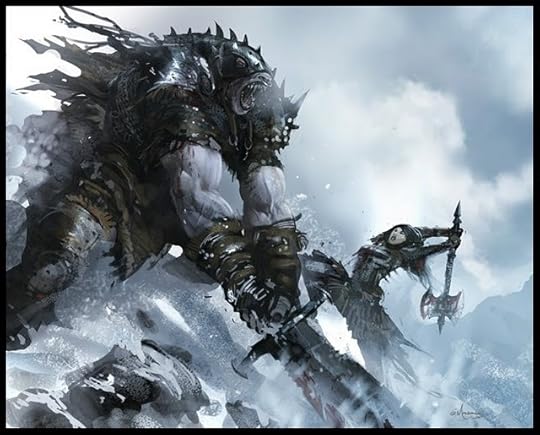
Una compagnia di mercenari , una quest, diverse razze, diverse magie, diversi mondi e gli splendidi draghi ! Tutto ciò che un amante del fantasy può desiderare.
Scrittura intensa, personaggi complessi e misteriosi, metà della compagnia che , inaspettatamente , muore ancor prima di cominciare la ricerca (non preoccupatevi, verranno sostituiti da nuovi personaggi e non c'è nemmeno il tempo di affezionarsi a quelli scomparsi )
Non del tutto convincente la traduzione che trasforma gli incantesimi in ironici richiami e un po' più tempo del dovuto per riconoscersi nei protagonisti "buoni" perché il barbaro Hirad , dal carattere duro e forte, è veramente troppo ....barbaro :-)
Resta una generale impressione da D&D , come se le vicende seguissero una schema disegnato a tavolino, con cambi di gioco a volte casuali ma senza la spontaneità del genio della lampada che capace di trasformare un buon libro in un ottimo libro.
Quindi la Compagnia si fa leggere , si segue, ne si apprezzano valore, amicizia e indipendenza ma restano una buona compagnia per qualche giorno da passare senza troppi pensieri e pretese.

June 18, 2013
faticoso.
L'idea c'è, il resto no. o meglio, libro strano che va a tratti... a volte ero preso, a volte più annoiato che mai e ho fatto una fatica immane a finirlo... era lì, che mancavano 30 pagine a finirlo ed è rimasto lì a guardarmi per 3 giorni, se non fosse stato per le mie solite 2 ore al giorno di viaggio in treno che mi sbatto ogni giorno probabilmente non l'avrei mai finito. Non è orribile, anzi, è carino, e sono completamente indeciso se continuare la trilogia o no... Pieno di Magia, forse troppa, manca di un background sui personaggi... così come mancano di profondità. In teoria quando muore un personaggio dovresti essere dispiaciuto, o quantomeno dovresti rimanere un po scosso, invece qua ZERO, zero perchè la storia sembra una cronaca, scritta con distacco. Manca anche quel fattore ironico, quel qualcosa che serve nei Fantasy per alleggerire una tensione, per strapparti un sorriso, quel personaggio sarcastico... Inoltre tutti ci mettono sempre 2 giorni a raggiungere qualsiasi cosa, Balaia sembra una mappa del Monopoli... probabilmente a piedi in una settimana riesci a girartela tutta. Non lo so, forse mi ero fatto troppo aspettative, ma non mi ha convinto e purtroppo devo combattere con la mia curiosità (che alla fine lo so già vincerà) per sapere come finisce.
L'idea c'è, il resto no. o meglio, libro strano che va a tratti... a volte ero preso, a volte più annoiato che mai e ho fatto una fatica immane a finirlo... era lì, che mancavano 30 pagine a finirlo ed è rimasto lì a guardarmi per 3 giorni, se non fosse stato per le mie solite 2 ore al giorno di viaggio in treno che mi sbatto ogni giorno probabilmente non l'avrei mai finito. Non è orribile, anzi, è carino, e sono completamente indeciso se continuare la trilogia o no... Pieno di Magia, forse troppa, manca di un background sui personaggi... così come mancano di profondità. In teoria quando muore un personaggio dovresti essere dispiaciuto, o quantomeno dovresti rimanere un po scosso, invece qua ZERO, zero perchè la storia sembra una cronaca, scritta con distacco. Manca anche quel fattore ironico, quel qualcosa che serve nei Fantasy per alleggerire una tensione, per strapparti un sorriso, quel personaggio sarcastico... Inoltre tutti ci mettono sempre 2 giorni a raggiungere qualsiasi cosa, Balaia sembra una mappa del Monopoli... probabilmente a piedi in una settimana riesci a girartela tutta. Non lo so, forse mi ero fatto troppo aspettative, ma non mi ha convinto e purtroppo devo combattere con la mia curiosità (che alla fine lo so già vincerà) per sapere come finisce.

August 3, 2011
Decent fantasy fare, but a few things irked me. The writing wasn't particularly memorable, and I found the author's insistence on capitalizing the names of his spells distracting.
My memory of it is something like this:
'MainCharacter threw up his hands, sending a FireBall(TM) at his enemy. The enemy laughed and threw up a WaterShield(TM). "You'll never get me, MainCharacter!"'
Okay, he didn't put trademarks, and it's been a few years since I've read it, but still, the capitalization thing makes me remember it that way.
That said, I did read the first trilogy, mainly because I am a sucker for knowing how things end, but there are certainly better fantasy novels out there. And I agree with other reviewers who note that the books had pretty covers, which is what initially got my attention.
My memory of it is something like this:
'MainCharacter threw up his hands, sending a FireBall(TM) at his enemy. The enemy laughed and threw up a WaterShield(TM). "You'll never get me, MainCharacter!"'
Okay, he didn't put trademarks, and it's been a few years since I've read it, but still, the capitalization thing makes me remember it that way.
That said, I did read the first trilogy, mainly because I am a sucker for knowing how things end, but there are certainly better fantasy novels out there. And I agree with other reviewers who note that the books had pretty covers, which is what initially got my attention.

July 23, 2011
c1999. Great book. Recommended via various book blogging sites. Loved all the characters even the baddies. Looking forward to reading the rest of The Raven books which I have now already reserved. I agree totally with David Gemmell's blurb which stated "Barclay writes with power, pace and a wonderful sense of humour. Better than that he creates novels you want to read again and again." Definitely a keeper. "Mainly , though, he considered it was because while as individuals they were outstanding, if not brilliant, as a team they were simply awsome." Viva The Raven. Characters Denser, Ilkar, Erienne but the best of all The Unknown Warrior and Hirad.
Displaying 1 - 30 of 204 reviews