In 1861 Frank “Shanks” Russell wishes he was old enough to fight for the South alongside his pa and big brother. But Frank is too young, skinny, and weak, and is left behind with his mother and grandparents. Life in Mississippi was simple before the war between North and South. Now Frank’s boyhood is gone forever, along with his dreams of heroic battles. The shortages and horrors of war reach his home as he scrounges for food and water, and sees both Confederate and enemy soldiers at their worst. As time goes by and Frank’s friendship with Buck, the family slave, grows, he questions more and more who is the enemy and why the terrible war is being fought.
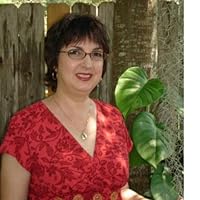
Margaret McMullan was born in 1960 in Newton County, Mississippi. At the age of ten, her family moved to Chicago, Illinois.
McMullan earned a Bachelor’s degree in Religious Studies from Grinnell College and an M.F.A. in Fiction from the University of Arkansas, Fayetteville.
For twenty-five years, she lived in Evansville, Indiana, where she taught and served as the Chair of the English Department at the University of Evansville. She was also the Melvin Peterson Endowed Chair in Literature and Creative Writing at the University of Evansville.
Margaret McMullan packs a remarkable amount of incident and information into her brief, powerful, and sometimes graphic children’s novel about the American Civil War. As the book opens, Frank “Shanks” Russell’s fourteen-year-old brother, Henry, and their father, Jack, are preparing to leave the Russell farm to fight alongside the other Confederate soldiers of Smith County, Mississippi. In the days that lead up to their departure, they sit on the porch, cleaning their rifles and discussing strategy. Mr. Lincoln has just declared war, and the understanding of the county’s men is that this war isn’t about slavery so much as the Yankees’ desire to destroy the South’s way of life, take over its ports, and rob people of their honour and independence.
Frank laments the fact that at ten, he’s two years too young to be even an army drummer. He’s also fair haired and skinny, taking after his mother’s people, and he feels Pa doesn’t respect or love him because of this. Left behind, Frank and the family’s young slave, Buck, who is around Henry’s age, take on the heavy labour of the farm. They run errands, including one to deliver bandages to a makeshift field hospital in a schoolhouse. This is a gruesome outing in which the boys witness the horrible injuries of war—soldiers with viscera exposed, their wounds seething with maggots; many handless, armless, and legless. The stench is overpowering.
The seasons pass; the family becomes more destitute. The land is laid to waste. Livestock are stolen, and there’s drought. Women, children, and the slaves who remain work together to scratch what they can from the land. Not much. Hunger is a constant companion. Frank’s relationship with Buck strengthens. He finds himself wondering increasingly about the young slave’s life and thoughts. For a time, Frank bothers his grandfather with questions about slavery and the war. Not quite a pacifist, Grandpa has been clear from the beginning that he’s not one for fighting, and this war in particular is not his war. Soon enough, the old man leaves for Texas, attracted by rumours of a freer life there.
Before the war’s end, Frank’s father returns without Henry. Now white-haired and missing an arm, he limps onto the farm, a broken man. It is clear that the Union is winning. When the Emancipation Proclamation freed slaves, the vast majority of those in Smith County fled north to Chicago. With Mississippi now mostly under federal control, enraged local men scapegoat the few coloured folks who remain. Buck is targeted. This is when Frank faces the ultimate test in moral courage.
In an afterward, the author explains that Frank Russell was a real person, her paternal grandmother’s great uncle. Before he died, someone interviewed him and recorded his memories. The real Frank had been notably silent about his experiences on the family farm during the war. McMullan has capably filled them in, creating a credible protagonist and a convincing depiction of the devastation of war and the moral quandaries of a boy becoming a man. She ends her novel on a hopeful note, having Frank observe: “Our country fell apart, and for a time, so did we. But some of us are still left, and we are strong enough to put ourselves and our world back together.”
The theme in the book How I Found the Strong by Margaret McMullan is to make the most of the situation you are given. The book is set in Smith County, Mississippi, and takes place from 1861 to 1863. The majority of the book takes place in a small farmhouse, with live stock consisting of chickens, cows, and horses. This book is viewed through the third person limited perspective of Frank Russell or “Shank” as his family calls him because of his skinny legs. Frank is also the protagonist in this story. Some other central characters are Buck, the farm slave that grows close to Frank, and Pa, Frank’s father that expresses very little love towards Frank. The book starts out with Pa and Frank’s older brother Henry going off to fight for the Confederacy. This leaves Frank with his Grandparents, Ma and Buck. As the book goes on Buck and Frank grow close together, even being homeschooled together by Ma. Frank also meets a wealthy girl named Irine and slowly becomes attracted to her throughout the book. Frank also goes through moral changes such as his views on slavery and freedom.
This book was very interesting to read because you get to see war through the eyes of a child. Also it is interesting to read about poverty during the Civil War. An example of this is shown where Frank attempts to make his first pair of shoes to impress Irine, “ It takes me three nights. They both look alike, and it does not make any difference what foot either shoe is worn on. If they were leather, they would be tough enough to break in, but these are my dry-weather shoes — all cloth except for the tip on the toe and a leather spur heel and toe” (67). This illustrates the poverty families experienced in the Civil War, not even being able to afford shoes for their children. This relates to real life because people today experience extreme poverty. Also an event similar to this is the Great Depression. In the Great Depression millions of families’ money was lost, and they were forced into poverty. Some strengths of this book is it’s character development between Buck and Frank. However a weakness of this book is it gets slow in the middle of the novel. I would recommend this book to people who like books that are detailed, but do not mind if they get a little slow.
I thoroughly enjoyed this book and really would be rating it a 5/5 if it wasn’t for the lack of character development in certain characters? I feel like character development for Irene for example lacked story and character growth in the way of I feel like she just kind of popped in every once in a while whenever it was useful? Still, overall an amazing book, and would totally recommend to a historical fiction fan!
In its favor, How I Found the Strong is a quick-paced book with a plot line that holds reader interest. McMullan obviously did a good deal of research in composing the novel, and she employs enough historical detail to create a real sense of authenticy without going overboard. The story's narrator (Frank, known as "Shanks") comes across as likable and easy-to-relate-to.
On the other hand, I felt like the overarching presentation was ultimately a bit typical. In spite of the addition of a local (Mississippi) color that one might not find in most Civil War novels for young adults, much of the rest was pretty predictable--the horrors and privation of war, changed opinions of slavery, etc. I don't know. Much of it may reflect the experience and emotion of a boy ten to twelve, but I think there's a real danger in too much oversimplifying of such a complicated part of American history.
In spite of that criticism, I would recommend How I Found the Strong. It's still an engaging book, and it may serve to get young readers interested in the history of the Civil War.
I enjoy collecting books for children and young adults set during the American Civil War. How I Found the Strong is a wonderful addition to my collection. The story begins at the start of the Civil War and follows ten-year-old Frank "Shanks" Russell and his family as they face the realities of the war in Smith County, Mississippi. This quick read will appeal to young readers and would be a great book as part of a literature circle project paired with other Civil War literature. As an Indiana author, Margaret McMullan's books are popular with my teacher librarians in Indiana. If you like Civil War literature, check out my wikispaces project at http://civilwarlit.wikispaces.com/.
reading some older youth classics and this one had some great lines and had me thinking a lot deeper about the civil war. Interesting to return to these stories not in middle school and reread with a much broader and deeper world understanding especially living in the South now and hearing ppl talk about the war.
A very interesting and well written account of an average family in Mississippi during the civil war. An excellent account and a great story. Highly recommend it.
A Beautifully written and powerful story of the Civil War told from the point of view of a 10-year old boy. It's a short and easy read but one that pulls you in with great characters and a colorful use of language. Southerner Frank "Shanks" Russell is ten years old and longs to join his Pa and his older brother when they leave to fight in the just declared war. But, because of his young age, he's forced to stay at home with his mother, grandparents and their slave, Buck. In brief vignettes, the book looks at two years in the life of Shanks and his family. During that time, the young boy comes to admire Buck and to look upon him as a friend. This, along with the fact that family members and friends become casualties of the war, challenge Shanks to re-examine his own beliefs. The author does a great job of intertwining details of the war with the hardships faced by the families who were left behind wondering about the fates of their loved ones. She also does a wonderful job in depicting the coming-of-age of young Shanks and how the war forces him to leave childhood behind.
In the book, How I Found the Strong, Frank is a kid who wants to fight in the Civil War for the Confederate army. His dad and brother go off to fight and while they are gone, Frank learns many valuable lessons from the family slave Buck. He becomes friends with him and his dad comes home, but his brother is dead. He grows up after his experiences in the book. This is a great book and it has a good, reliable plot and an identifiable setting. There are definitely worthwhile themes and the characters are very real. This book is well designed and appropriate for the story. I reccomend this book to anyone looking for a good Civil War read. It is very good and has an interesting story line. I think most people would enjoy reading this book just because it is about a kid who is middle school age.
Margaret McMullan, the author, has written a beautiful book about the civil war from the perspective of a ten-year-old boy from Mississippi. His pa and his older brother have gone off to fight, and he is upset that he has to stay behind with his Ma, Grandma & Grandpa, and their slave, Buck, because he is too young. The book is thought-provoking, realistic and well written. I think adults would like this book as much as middle and high-school kids. There are some graphic war scenes in this book. I wish I had read this book before I read How I Crossed No-Bob because the main character in How I Found the Strong is the school teacher Dad in How I Crossed No-Bob.
This book was really fast read. It is set up like a diary. Shanks(Frank) is telling the story. He's 10 years old when he starts the story. His father and brother have enlisted in the war. Shanks wants to go but they won't let 10 year olds go. So he has to stay home with his mother and Buck, the family slave. The book covers the years 1861 to 1863. Shank sees and hears a lot about the war through friends. He doesn't much like what he's hearing. His father comes home, but his brother doesn't. And one night Shanks and his father take Buck and go to the Strong river. They set Buck free. Seeing the war through a child's eyes was a moving experience. You get a different perspective on it.
How I Found the Strong is a great book. The Civil War era is for sure my favorite time in history because I feel like there was so much going on behind the scenes,with the families,not just on the battlefields. This novel tells the story of one of those behind the scenes families and trust me they have plenty of problems of their own other than the war at hand. The views of the characters are unlike the others that I have so far read about in books from this time period. On the downside the book was a bit predictable at times. For these reasons and many others is why this was an overall fantastic book.
This is a great book, set in rural Mississippi during the Civil War. The author really knows that area and it shows. The landscape, the dialogue and the culture ring true, as well as the history of the time period. How I Found the Strong pulls the reader into the story and makes you feel as if you are there.
This was a pretty good book. The character devilment was really odd. Irine was hard to understand when her dad died and when she saw shank visit her house. The ending was very good and it was very sad when his dad was stabbed by the bayonet and shank had to shot the solider. I felt very bad for the slave that had been hung and how buck had to leave.
Great Civil War historical fiction novel for kids. The author gives a wonderfully researched story of young boy whose father and brother go off to fight in the civil war. A different slant on slavery. the sequel is When I Crossed No-Bob.
Beautiful Civil War account of a young boy left at home in Mississippi with his mother and slave Buck when his father and brother go off to fight for the south. Descriptions of the south at the time are well researched and beautifully depicted. Great for a Civil War Unit!
Not bad for a 4th grade reader. It held my attention, taught me some things I did not know and provided a seemingly accurate portrayal of the Civil War from the perspective of a young boy of the Confederate persuasion.
This book is especially appropriate for youth who are interested in the Civil War and the different meanings of slavery. Compelling story which leaves you hanging from chapter to chapter. Highly recommended.
I loved the book it's so intreeging . It talks about this boy and his family and the dad and older brother go to the war and his brother dies. I like some historical fiction but not a lot. This book is so good and the book also talks about the slave buck. I could see a lot of people read this.
The book is very interesting and once you start reading you just can't stop. People who are interested in Historical Fiction this is the perfect book. The plot is full of hidden surprises twists and turns and is one interesting story.
This book is part of assigned reading for my Creative Nonfiction class. It was a quick read and very enjoyable. Engaging writing from first-person perspective.
Excellent predecessor to McMullen's "When I Crossed No-Bob," telling the story of Frank Russell's coming of age during the American Civil War. Powerful.
Such a great glimpse into the Civil War in a very approachable way for kids. Trying to convince my co-workers that they should use this as a whole-class text in Social Studies . . .