

What do you think?

Total War
In February 1943, German forces surrendered to the Red Army at Stalingrad and the tide of war turned. By May 1945 Soviet soldiers had stormed Berlin and brought down Hitler's regime.
Total War follows the fortunes of these fighters as they liberated Russia and the Ukraine from the Nazi invader and fought their way into the heart of the Reich. It reveals the horrors they experienced - the Holocaust, genocide and the mass murder of Soviet POWs - and shows the Red Army, brutalized by war, taking its terrible revenge on the German civilian population. For the first time Russian veterans are candid about the terrible atrocities their own army committed. But they also describe their struggle to raise themselves from the abyss of hatred. Their war against the Nazis - which in large part brought the Second World War in Europe to an end - is a tarnished but deeply moving story of sacrifice and redemption.
Total War follows the fortunes of these fighters as they liberated Russia and the Ukraine from the Nazi invader and fought their way into the heart of the Reich. It reveals the horrors they experienced - the Holocaust, genocide and the mass murder of Soviet POWs - and shows the Red Army, brutalized by war, taking its terrible revenge on the German civilian population. For the first time Russian veterans are candid about the terrible atrocities their own army committed. But they also describe their struggle to raise themselves from the abyss of hatred. Their war against the Nazis - which in large part brought the Second World War in Europe to an end - is a tarnished but deeply moving story of sacrifice and redemption.
368 pages, Kindle Edition
First published June 1, 2011
About the author
Michael Jones
16 books55 followersLibrarian note:
There is more than one author in the GoodReads database with this name
There is more than one author in the GoodReads database with this name
Ratings & Reviews
Friends & Following
Create a free account to discover what your friends think of this book!
Community Reviews
Displaying 1 - 21 of 21 reviews

January 8, 2013
This book did a good job portraying the human side to the Red Army. I’ve read a decent amount of WWII literature, but most of it from the perspectives of people from other countries: the US, Great Britain, France, New Zealand, Germany. I haven’t seen as much out there from the Soviet perspective, not in English (I suspect that has more to do with the closed nature of the USSR than with lack of effort by scholars). This book used diaries, letters, and interviews to show what individual soldiers were thinking as they struggled for their nation’s survival. Jones used a variety of people—so many that I wasn’t able to keep track of most of them, but in a way, that’s fitting. The war was massive.
I’ve had this thought before, but this book really drove home the impression that the Eastern Front was a different war. Take the number of men involved, casualties sustained, and weapons used in the West, and tack on a few zeros to the end—that will get you in the right ballpark for the Eastern front. I’ve seen the SS massacre at the French village of Oradour-sur-Glane mentioned often as an example of Nazi brutality. (The inhabitants were rounded up, locked in buildings, then shot or burned.) Things like Oradour-sur-Glane happened ALL THE TIME in the east. In this book, I read about a few horrible things that I though had only happened in Nanking. Nope, they happened in Belorussia too. The Geneva Conventions didn’t apply to that part of the war.
This book also showed some interesting glimpses of women in the military. Women made up about 8% of the Red Army (800,000+ women). Not all of their comrades were happy to have them, but about a fourth of the female soldiers were decorated for their service. The few unlucky enough to be captured by the Germans received extra-cruel treatment.
Jones does a good job balancing what the average Soviet soldier faced and what they’d seen with disclosure of what the Red Army did once they got into Germany. Jones doesn’t excuse the atrocities on either side, but he does provide enough information to explain why an estimated 10% to 15% of the Red Army went on a rampage of rape, murder, and looting once they reached German territory. And of course, 10% to 15% of a group as massive as the Red Army is an awful lot of people. Jones also shows some of the soldiers who refused to become like their enemy—those who treated German civilians with courtesy and even compassion—despite having seen their villages destroyed by the Nazi army.
I wasn’t sure how many stars to give this book. The writing and research are excellent. But it touches so much human evil and revenge that it’s a dark read. I wouldn’t recommend it to everyone. On some level, I think every adult needs to read a book or watch a movie that forces them to see how evil war is, to realized how real the holocaust was. It’s not a pleasant journey, but something that should be done so history doesn’t repeat itself. But a journey through hell isn’t something anyone should voluntary take on a regular basis.
Overall, this book gave me a better understanding of the Eastern Front. I didn’t change my opinion that Stalin was evil and the Communist leadership in the Soviet Union did a poor job caring for their men. But it did help me see more clearly the common humanity we all share—the love between parent and child, the horror when we see others suffering. The Red Army did make progress away from the “cannon-fodder” mentality as the war progressed. As with any sizable group of people, there were criminals in the Red Army. But there were also heroes. A lot of them.
I’ve had this thought before, but this book really drove home the impression that the Eastern Front was a different war. Take the number of men involved, casualties sustained, and weapons used in the West, and tack on a few zeros to the end—that will get you in the right ballpark for the Eastern front. I’ve seen the SS massacre at the French village of Oradour-sur-Glane mentioned often as an example of Nazi brutality. (The inhabitants were rounded up, locked in buildings, then shot or burned.) Things like Oradour-sur-Glane happened ALL THE TIME in the east. In this book, I read about a few horrible things that I though had only happened in Nanking. Nope, they happened in Belorussia too. The Geneva Conventions didn’t apply to that part of the war.
This book also showed some interesting glimpses of women in the military. Women made up about 8% of the Red Army (800,000+ women). Not all of their comrades were happy to have them, but about a fourth of the female soldiers were decorated for their service. The few unlucky enough to be captured by the Germans received extra-cruel treatment.
Jones does a good job balancing what the average Soviet soldier faced and what they’d seen with disclosure of what the Red Army did once they got into Germany. Jones doesn’t excuse the atrocities on either side, but he does provide enough information to explain why an estimated 10% to 15% of the Red Army went on a rampage of rape, murder, and looting once they reached German territory. And of course, 10% to 15% of a group as massive as the Red Army is an awful lot of people. Jones also shows some of the soldiers who refused to become like their enemy—those who treated German civilians with courtesy and even compassion—despite having seen their villages destroyed by the Nazi army.
I wasn’t sure how many stars to give this book. The writing and research are excellent. But it touches so much human evil and revenge that it’s a dark read. I wouldn’t recommend it to everyone. On some level, I think every adult needs to read a book or watch a movie that forces them to see how evil war is, to realized how real the holocaust was. It’s not a pleasant journey, but something that should be done so history doesn’t repeat itself. But a journey through hell isn’t something anyone should voluntary take on a regular basis.
Overall, this book gave me a better understanding of the Eastern Front. I didn’t change my opinion that Stalin was evil and the Communist leadership in the Soviet Union did a poor job caring for their men. But it did help me see more clearly the common humanity we all share—the love between parent and child, the horror when we see others suffering. The Red Army did make progress away from the “cannon-fodder” mentality as the war progressed. As with any sizable group of people, there were criminals in the Red Army. But there were also heroes. A lot of them.

February 13, 2013
In some ways this book reminds me of Timothy Snyder’s Bloodlands: Europe Between Hitler and Stalin. A very difficult read because of the subject matter, but well worth the time it takes to read it.
This is a fairly short, appox 300 pgs, look at the war on the Eastern front from Stalingrad thru to the fall of Berlin. While it is mainly told from the Soviet side, Mr Jones uses both Soviet and German sources to weave a very enlightening tale of the brutality of the Great Patriotic War. He details the atrocities, both planned and those that happened in the heat of battle.
He traces the evolution in Soviet tactics, from the line up and charge used in the early war to more sophisticated “storm groups” used in the later offensives. In conjunction with this, he looks at the evolving professionalism of the Soviet Officer Corps.
His chapters on the liberation of the Death Camps in Poland in ’44 and esp Auschwitz in Jan ’45 are especially heart rending. He quotes extensively from the letters and diaries of the men who liberated the camps and the effect it had on them. One thing that I had not realized was even after the camps had been liberated, Stalin would not allow the fact the Jews were included in the victims be publicized
The war between the Germans and the Soviets was extremely brutal. Mr. Jones examines the atrocities committed by both sides during the war and explores some of the reasons for them and the effect they had on some of the soldiers (on both sides). It was a definitely a total war with little or no consideration given to the humane treatment of anyone, combatant or not.
At one point Mr. Jones states that the Soviet Soldiers were discouraged from keeping diaries. While some didn’t obey this instruction, many of them wrote poetry instead. He includes some very haunting poems reflecting their experiences. This probably reflects their emotion much better than diary entries ever could. Whoever translated the poems did an excellent job.
One other thing I found interesting is the reactions of both armies to their enemy when they were on offense. It seems both sides couldn’t understand why their opponent wouldn’t quit. Both sides took tremendous casualties and keep fighting with amazing tenacity.
I thought his chapters on the Soviet invasion of Germany proper were well done. He doesn’t gloss over the atrocities committed by Soviet troops, but tries to explain the reasons behind them. Those reasons include the experiences and sights the troops saw, German atrocities and scorched earth policies, in the liberation of the German occupied Soviet Union as well as what was done to many of the families of the troop. He also talks how the Soviet propaganda effected the front line troops. He emphasizes that the acts were comitted by a minority of the troops and gives the reactions of people who were not involved with the misconduct.
Mr. Jones is a gifted writer and historian and tells a tale that needs to be told. If good reads gave partial stars this would be a 4.5 stars due some minor factual errors. I highly recommend it.
This is a fairly short, appox 300 pgs, look at the war on the Eastern front from Stalingrad thru to the fall of Berlin. While it is mainly told from the Soviet side, Mr Jones uses both Soviet and German sources to weave a very enlightening tale of the brutality of the Great Patriotic War. He details the atrocities, both planned and those that happened in the heat of battle.
He traces the evolution in Soviet tactics, from the line up and charge used in the early war to more sophisticated “storm groups” used in the later offensives. In conjunction with this, he looks at the evolving professionalism of the Soviet Officer Corps.
His chapters on the liberation of the Death Camps in Poland in ’44 and esp Auschwitz in Jan ’45 are especially heart rending. He quotes extensively from the letters and diaries of the men who liberated the camps and the effect it had on them. One thing that I had not realized was even after the camps had been liberated, Stalin would not allow the fact the Jews were included in the victims be publicized
The war between the Germans and the Soviets was extremely brutal. Mr. Jones examines the atrocities committed by both sides during the war and explores some of the reasons for them and the effect they had on some of the soldiers (on both sides). It was a definitely a total war with little or no consideration given to the humane treatment of anyone, combatant or not.
At one point Mr. Jones states that the Soviet Soldiers were discouraged from keeping diaries. While some didn’t obey this instruction, many of them wrote poetry instead. He includes some very haunting poems reflecting their experiences. This probably reflects their emotion much better than diary entries ever could. Whoever translated the poems did an excellent job.
One other thing I found interesting is the reactions of both armies to their enemy when they were on offense. It seems both sides couldn’t understand why their opponent wouldn’t quit. Both sides took tremendous casualties and keep fighting with amazing tenacity.
I thought his chapters on the Soviet invasion of Germany proper were well done. He doesn’t gloss over the atrocities committed by Soviet troops, but tries to explain the reasons behind them. Those reasons include the experiences and sights the troops saw, German atrocities and scorched earth policies, in the liberation of the German occupied Soviet Union as well as what was done to many of the families of the troop. He also talks how the Soviet propaganda effected the front line troops. He emphasizes that the acts were comitted by a minority of the troops and gives the reactions of people who were not involved with the misconduct.
Mr. Jones is a gifted writer and historian and tells a tale that needs to be told. If good reads gave partial stars this would be a 4.5 stars due some minor factual errors. I highly recommend it.

January 19, 2013
If you think all the epic stories from WWII have been told, Mr. Jones gives you a small sample of a vast repository of tragic stories from the eastern front in Total War: From Stalingrad to Berlin. I think it is fair to say, until recently, the western view of the eastern front probably considers the 2 theatres of war to be roughly equal in ferocity. I remember being skeptical about the claims of the "Great Patriotic War" sacrifices because the Soviets always lied or exaggerated. But now I am coming to appreciate how large a sacrifice they made. Without taking anything away from the western allies sacrifices, reading about the massive combat in the east gives a new appreciation for their soldiers' achievement on the eastern front. They were subjected to the most horrifying brutality and not hard to see why they visited the same back on the Germans.
At the start of the book, Jones paints the scene of Pavel Antokolsky with his son Vladimir at the Moscow Station. This scene was so moving as the father sends his son off to war. It makes the connection -- these people are no different from us. Vladimir will soon die in his first battle. Pavel’s poem to his son will be published and become known throughout the land. This vignette does so much to bring the tragedy of 2.7M Soviet soldiers lost in the first year down to a personal level.
Jones has two major themes in the book. The first is to highlight the individuals within the huge death tolls:
By early 1944 Russia was winning the war against Nazi Germany. Under the stress of intensive campaigning, and influenced by an ideology that emphasized the collective good above the welfare of the individual, it is clear that the Soviet Union needlessly threw away the lives of many of its soldiers. These men and women were not fighting as part of a robotic mass, however. Red Army soldiers’ voices testify to the desperate pain felt over the loss of each individual life.
Mr. Jones will follow a number of individuals throughout the war. He will bring stories you have heard about and many that will be new. The stories of the women fighters were a real highlight, although the women didn’t always get the respect they deserved.
Another person he follows is Lt Mikhail Borisov. He fights in many battles. The Lt seems to have a tough time on his birthday:
Life under the Soviet system was seldom forgiving of mistakes, even innocent ones:
The second major theme of the book is painting a more honest picture of the Soviet army. The cruelty in the final assault on Germany is a result of both witnessing the atrocities of the Germans in Russia and because, for years, the soldiers had been urged to wreak vengeance on the Germans.
Yet Mr. Jones second theme was also that some in the Soviet army did not wreak vengeance wantonly. Both as a matter of humanity and practicality, the first weeks of terror visited by the Russians on the Germans were tempered and reduced.
One of the most heartrending chapters dealt with the discovery and liberation of concentration camps, especially Auschwitz. The letters and interviews with participants at those sites are moving. This is an excellent book, a must for the permanent WWII shelf. 5 Stars.
At the start of the book, Jones paints the scene of Pavel Antokolsky with his son Vladimir at the Moscow Station. This scene was so moving as the father sends his son off to war. It makes the connection -- these people are no different from us. Vladimir will soon die in his first battle. Pavel’s poem to his son will be published and become known throughout the land. This vignette does so much to bring the tragedy of 2.7M Soviet soldiers lost in the first year down to a personal level.
Jones has two major themes in the book. The first is to highlight the individuals within the huge death tolls:
By early 1944 Russia was winning the war against Nazi Germany. Under the stress of intensive campaigning, and influenced by an ideology that emphasized the collective good above the welfare of the individual, it is clear that the Soviet Union needlessly threw away the lives of many of its soldiers. These men and women were not fighting as part of a robotic mass, however. Red Army soldiers’ voices testify to the desperate pain felt over the loss of each individual life.
Mr. Jones will follow a number of individuals throughout the war. He will bring stories you have heard about and many that will be new. The stories of the women fighters were a real highlight, although the women didn’t always get the respect they deserved.
Another person he follows is Lt Mikhail Borisov. He fights in many battles. The Lt seems to have a tough time on his birthday:
Life under the Soviet system was seldom forgiving of mistakes, even innocent ones:
The second major theme of the book is painting a more honest picture of the Soviet army. The cruelty in the final assault on Germany is a result of both witnessing the atrocities of the Germans in Russia and because, for years, the soldiers had been urged to wreak vengeance on the Germans.
Yet Mr. Jones second theme was also that some in the Soviet army did not wreak vengeance wantonly. Both as a matter of humanity and practicality, the first weeks of terror visited by the Russians on the Germans were tempered and reduced.
One of the most heartrending chapters dealt with the discovery and liberation of concentration camps, especially Auschwitz. The letters and interviews with participants at those sites are moving. This is an excellent book, a must for the permanent WWII shelf. 5 Stars.

February 12, 2016
-La guerra es brutalidad, no se engañen.-
Género. Ensayo.
Lo que nos cuenta. Con el subtítulo Con el ejército soviético de Stalingrado a Berlín y con un breve repaso previo de lo que sucedió desde la invasión alemana de la URSS hasta la lucha callejera en la ciudad a orillas del Volga, acercamiento a la experiencia de los militares soviéticos y del desarrollo de las hostilidades en el Frente Oriental para que la URSS se haga con la iniciativa estratégica en la Segunda Guerra Mundial (Kursk) y el posterior avance de sus tropas hacia el oeste en distintas operaciones de envergadura hasta la caída de Berlín.
¿Quiere saber más de este libro, sin spoilers? Visite:
http://librosdeolethros.blogspot.com....
Género. Ensayo.
Lo que nos cuenta. Con el subtítulo Con el ejército soviético de Stalingrado a Berlín y con un breve repaso previo de lo que sucedió desde la invasión alemana de la URSS hasta la lucha callejera en la ciudad a orillas del Volga, acercamiento a la experiencia de los militares soviéticos y del desarrollo de las hostilidades en el Frente Oriental para que la URSS se haga con la iniciativa estratégica en la Segunda Guerra Mundial (Kursk) y el posterior avance de sus tropas hacia el oeste en distintas operaciones de envergadura hasta la caída de Berlín.
¿Quiere saber más de este libro, sin spoilers? Visite:
http://librosdeolethros.blogspot.com....

March 3, 2021
This book was solid as hell, thoroughly engaging all the way and definitely a 3.5 rater at least. This is likely the most positive review I will ever give for a three-star book, but let's not the rating I'm giving it unduly influence my high recommendation for it. Anyone interested in the Eastern Front of WWII will want to give this a read. It provides a more human, "on-the-ground" account of the feelings, emotions, trials and tribulations experienced by real people on, mainly, the Soviet side of the conflict. Letters, diaries and other heretofore unpublished accounts of civilians and soldiers are used to bolster the typical, less-human-scale accounts of this titanic, epic struggle. The atrocities cited herein may be somewhat familiar to most history buffs, but here we get a real sense of the revulsion felt by those who first marched into the camps or witnessed the burning of live civilians. The savagery experienced by the Soviet people at the hands of the German invaders whipped up the home team into a indignant-revenge fury that this book does a good job of explaining. The result, of course, is that many Soviet soldiers ended up committing equally heinous atrocities, rapes, and merciless indiscriminate brutality.
Much of the feeling was stoked by the propaganda of Soviet writer Ilya Ehrenberg, who depicted the Germans as demonic subhuman beasts to be dealt with in the most pitiless fashion. It was agit-prop devoured by soldiers and it fueled their motivation. The problem with this was that once the Soviets had the momentum and were winning all along the front, and needed to begin ramping down their hellbent fury as a prelude to a civil postwar world, the soldiers simply could not do it. Their minds were so inculcated with this full-on hatred that even Stalin wanted them to cool their jets a little. Predictably, Stalin chastised Ehrenberg for going too far, after his work had done precisely what it had set out to do. The book does a great job of explaining the psychology of this brutal mindset, and is timeless in how it explains the same kind of political brainwashing we see today. As one soldier is quoted as saying, "We were truly livid, and that bodes nothing well for the Germans. Our revenge will be merciless."
There are other things in the book I was not as aware of, and equally interesting, such as the sexual harrassment of women soldiers in the Soviet army. The book also dispels some myths, such as the one that Soviet soldiers simply marched into a nearly abandoned Auschwitz with no struggle, but in fact the campaign to capture the death camp was a full-on battle.
The problem with the book is that understanding the war requires a greater context than the book can provide, and simply racing through the usual milestones lends an odd sense of speed to the war, when it needs to carry the sense of a ceaseless, seemingly unending struggle, and I never got that sense in the book. Also, there's an inherent problem of providing a human dimension in this context when the book, by necessity, can only present us with a mere sliver of the human lives affected. It bites off a lot but simply can't bite off enough.
I would consider this a supplemental, rather than a first read about WWII, but as that, it's quite fine.
KR@KY 2021
Much of the feeling was stoked by the propaganda of Soviet writer Ilya Ehrenberg, who depicted the Germans as demonic subhuman beasts to be dealt with in the most pitiless fashion. It was agit-prop devoured by soldiers and it fueled their motivation. The problem with this was that once the Soviets had the momentum and were winning all along the front, and needed to begin ramping down their hellbent fury as a prelude to a civil postwar world, the soldiers simply could not do it. Their minds were so inculcated with this full-on hatred that even Stalin wanted them to cool their jets a little. Predictably, Stalin chastised Ehrenberg for going too far, after his work had done precisely what it had set out to do. The book does a great job of explaining the psychology of this brutal mindset, and is timeless in how it explains the same kind of political brainwashing we see today. As one soldier is quoted as saying, "We were truly livid, and that bodes nothing well for the Germans. Our revenge will be merciless."
There are other things in the book I was not as aware of, and equally interesting, such as the sexual harrassment of women soldiers in the Soviet army. The book also dispels some myths, such as the one that Soviet soldiers simply marched into a nearly abandoned Auschwitz with no struggle, but in fact the campaign to capture the death camp was a full-on battle.
The problem with the book is that understanding the war requires a greater context than the book can provide, and simply racing through the usual milestones lends an odd sense of speed to the war, when it needs to carry the sense of a ceaseless, seemingly unending struggle, and I never got that sense in the book. Also, there's an inherent problem of providing a human dimension in this context when the book, by necessity, can only present us with a mere sliver of the human lives affected. It bites off a lot but simply can't bite off enough.
I would consider this a supplemental, rather than a first read about WWII, but as that, it's quite fine.
KR@KY 2021

January 10, 2013
Looking through the books I've read I realized I've read two other Michael Jones books, Leningrad: State of Siege and The Retreat: Hitler's First Defeat. I enjoyed both of these books. So it should be no surprise that I enjoyed reading Total War: From Stalingrad to Berlin. Like Michael Jones other books the author takes a look at the humanistic element of war on the Eastern Front during WWII. This time capturing the Russian impressions and emotions fighting the Nazi war machine from Stalingrad to the streets of Berlin.
Total War begins summarizing the amazing results of Operation Barbarossa, and with Germany's inability to capture Moscow before General Winter closes in around the Wehrmacht. For those interested in the German Army’s final push to capture Moscow and the aftermath of the assault’s failure I highly recommend Mr. Jones’ The Retreat: Hitler's First Defeat.
The focus of Total War then shifts to the start of our story the fight around besieged Stalingrad. Mr. Jones brings to light the fact that Stalingrad was an early war refugee center. Stalingrad's population more than doubled in size with the influx of children and workers prior to the Germans laying siege to the city. What a catastrophe for those children hoping to escape the war and their families who sent them.
It was during the assault on Stalingrad where the Soviet propaganda machine started to use ideological hatred as a tool to motivate the Soviet soldier and population against the invading Germans. A decision probably warranted by the Soviet leadership, as the atrocities committed by the Germans were already coming to light. Knowing that the capture of Stalingrad would strategically cripple the Soviet Union Stalin reinforced his "Not another step back" no retreat policy with political officer and newspaper rhetoric exhorting the Soviet soldiers into a frenzied hatred of the Nazi warriors.
From Stalingrad Mr. Jones begins to weave in the story of Leningrad – a city the Nazi’s did their best to strangle to death. For a look at the personal suffering of the people within Leningrad during the siege see Mr. Jones book Leningrad: State of Siege. Breaking the siege around Leningrad adds to the momentum of the Soviet Army first gained by withstanding the brunt of the German war machine at Stalingrad. Total War quickly moves into the rapid assaults across the Ukraine with a special focus on the storm of steel around the Kursk salient during the summer of ’43.
Following the German’s failure at Kursk Mr. Jones discusses the continued advance of the Soviet forces across the Ukraine where it seems the Russians taking a play from the German playbook were able to execute effective combined arms operations. During the Soviet advance the common soldier discovers the German Army’s scorched earth policy burning entire villages, razing cities to the ground and in many cases killing the civilian population. The atrocities of the Einsatzkommando’s and the regular soldiers of the Wehrmacht are addressed. Mr. Jones makes note of the civilian concentration camps purposefully infected with typhoid by the German Ninth Army, Army Group Center, created with the purpose to infect the liberating Soviet troops. Mr. Jones also mixes in stories of the partisans and their experience.
Some of the most memorable portions of Total War were the stories of the Russian female sniper Sergeant Roza Shanina and her realization of a premonition of being shot; the young Leonid Krainov’s heart rending story of losing his father to the Great War; Soviet war journalist Pavel Antokolsky’s loss of his son Vladimir during his first engagement; and finally the gut wrenching stories of the liberation of Auschwitz.
Finally Mr. Jones wraps up with the Soviet invasion of Germany proper and the moral struggle both individual soldiers and the Command had on whether it was acceptable to take revenge for the atrocities committed by the German forces. The author documents the acts committed by Soviet soldiers in their ‘righteous anger’ and how the turning of a blind eye by the Soviet leadership ended up biting them in the end just as it caught the invading Germans.
Overall an excellent book. Obviously it is hard to tell a humanistic story the size of the Eastern Front, to catch all the details and get all the points across, but Mr. Jones does a fabulous job. This book from a humanistic historical context does justice to its expansive topic – and just in time as many of these stories are passing with their owners, forever lost if not captured.
Total War begins summarizing the amazing results of Operation Barbarossa, and with Germany's inability to capture Moscow before General Winter closes in around the Wehrmacht. For those interested in the German Army’s final push to capture Moscow and the aftermath of the assault’s failure I highly recommend Mr. Jones’ The Retreat: Hitler's First Defeat.
The focus of Total War then shifts to the start of our story the fight around besieged Stalingrad. Mr. Jones brings to light the fact that Stalingrad was an early war refugee center. Stalingrad's population more than doubled in size with the influx of children and workers prior to the Germans laying siege to the city. What a catastrophe for those children hoping to escape the war and their families who sent them.
It was during the assault on Stalingrad where the Soviet propaganda machine started to use ideological hatred as a tool to motivate the Soviet soldier and population against the invading Germans. A decision probably warranted by the Soviet leadership, as the atrocities committed by the Germans were already coming to light. Knowing that the capture of Stalingrad would strategically cripple the Soviet Union Stalin reinforced his "Not another step back" no retreat policy with political officer and newspaper rhetoric exhorting the Soviet soldiers into a frenzied hatred of the Nazi warriors.
From Stalingrad Mr. Jones begins to weave in the story of Leningrad – a city the Nazi’s did their best to strangle to death. For a look at the personal suffering of the people within Leningrad during the siege see Mr. Jones book Leningrad: State of Siege. Breaking the siege around Leningrad adds to the momentum of the Soviet Army first gained by withstanding the brunt of the German war machine at Stalingrad. Total War quickly moves into the rapid assaults across the Ukraine with a special focus on the storm of steel around the Kursk salient during the summer of ’43.
Following the German’s failure at Kursk Mr. Jones discusses the continued advance of the Soviet forces across the Ukraine where it seems the Russians taking a play from the German playbook were able to execute effective combined arms operations. During the Soviet advance the common soldier discovers the German Army’s scorched earth policy burning entire villages, razing cities to the ground and in many cases killing the civilian population. The atrocities of the Einsatzkommando’s and the regular soldiers of the Wehrmacht are addressed. Mr. Jones makes note of the civilian concentration camps purposefully infected with typhoid by the German Ninth Army, Army Group Center, created with the purpose to infect the liberating Soviet troops. Mr. Jones also mixes in stories of the partisans and their experience.
Some of the most memorable portions of Total War were the stories of the Russian female sniper Sergeant Roza Shanina and her realization of a premonition of being shot; the young Leonid Krainov’s heart rending story of losing his father to the Great War; Soviet war journalist Pavel Antokolsky’s loss of his son Vladimir during his first engagement; and finally the gut wrenching stories of the liberation of Auschwitz.
Finally Mr. Jones wraps up with the Soviet invasion of Germany proper and the moral struggle both individual soldiers and the Command had on whether it was acceptable to take revenge for the atrocities committed by the German forces. The author documents the acts committed by Soviet soldiers in their ‘righteous anger’ and how the turning of a blind eye by the Soviet leadership ended up biting them in the end just as it caught the invading Germans.
Overall an excellent book. Obviously it is hard to tell a humanistic story the size of the Eastern Front, to catch all the details and get all the points across, but Mr. Jones does a fabulous job. This book from a humanistic historical context does justice to its expansive topic – and just in time as many of these stories are passing with their owners, forever lost if not captured.

April 11, 2019
A powerful narrative of some of the crucial moments of World War II. Michael Jones does not choose sides, as he is only telling us the story of those of fought for what they consider to be the right side. Some episodes, specially those narrated in first hand can be quite vivid - and chocking. But it is a piece of our history we cannot forget, what is worth to be read.
Michael Jones has a history PhD by Bristol University, and subsequently taught at Glasgow University and Winchester College. He is a fellow of the Royal Historical Society and a member of the British Commission for Military History. He has written books on the battles of Bosworth, Agincourt, Stalingrad and Leningrad. For the last few years has conducted battlefield tours of the Eastern Front.
Michael Jones has a history PhD by Bristol University, and subsequently taught at Glasgow University and Winchester College. He is a fellow of the Royal Historical Society and a member of the British Commission for Military History. He has written books on the battles of Bosworth, Agincourt, Stalingrad and Leningrad. For the last few years has conducted battlefield tours of the Eastern Front.

August 17, 2017
This is a pretty good narrative of the Eastern Front. The author takes you from the streets of Stalingrad in 1942 all the way to the Brandenburg Gate in 1945. It was a pretty easy read due to the fact that the book is largely written using first hand accounts. The only knock I have against it is that the author doesn't really mention any details such as troop movements, orders of battle or maps. I would highly suggest pairing this book with Glantz's one volume narrative:
 That way you can get a well rounded overview of the war from the troops who were there as well as an understanding of the operational side of things.
That way you can get a well rounded overview of the war from the troops who were there as well as an understanding of the operational side of things.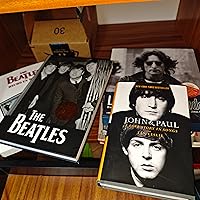
February 2, 2025
El libro lo conseguí en el 2013 y este año por fin me tocó leerlo, también lo pude conseguir en ebook así que no tuve pretextos para terminarlo.
El tercer libro que leo del autor, tiene 2 más que hablan del sitio de Leningrado Leningrad: State of Siege y de la retirada del ejército alemán del frente soviético The Retreat: Hitler's First Defeat ; si en el anterior nos habla de la retirada alemán, ahora nos habla del avance soviético desde Stalingrado a Berlín y la pérdida de millones de vidas tanto militares como civiles.
La realidad de la guerra supera cualquier ficción que se pueda escribir.
El libro nos relata las experiencias de los soldados y civiles soviéticos (por medio de cartas que enviaron o con entrevistas al autor) cuando el ejército alemán invadió a la Unión Soviética en la operación Barbarroja y el contrataque soviético que culminó hasta Berlín y entiendes la brutalidad en ambos ejércitos, nos deja ver como dice el título del libro "El trasfondo humano de la Guerra" al conocer lo que significó la "tierra quemada", el horror del holocausto al llegar a Auschwitz y después la reacción con excesiva violencia cuando se adentraron en suelo alemán.
El libro no contiene detalle de batallas o un análisis político-militar de la campaña soviética, se basa en los relatos y experiencias de los que vivieron esa parte de la guerra, si buscas algo más técnico o especializado entonces no es el libro que buscas.
Recomendable los 3 libros del autor.
Agrego los capítulos del libro
1. Un año de vida peligrosa
2. Fuego en el Volga
3. Cambian las tornas
4. El ataque psicológico
5. El dique
6. Los campos de la muerte
7. Una estrella de la suerte
8. Lisa sonríe
9. «Intentamos ser distintos»
10. Las ciudades fortificadas
11. Apocalipsis en Berlín
Epílogo
Bibliografía
El tercer libro que leo del autor, tiene 2 más que hablan del sitio de Leningrado Leningrad: State of Siege y de la retirada del ejército alemán del frente soviético The Retreat: Hitler's First Defeat ; si en el anterior nos habla de la retirada alemán, ahora nos habla del avance soviético desde Stalingrado a Berlín y la pérdida de millones de vidas tanto militares como civiles.
La realidad de la guerra supera cualquier ficción que se pueda escribir.
El libro nos relata las experiencias de los soldados y civiles soviéticos (por medio de cartas que enviaron o con entrevistas al autor) cuando el ejército alemán invadió a la Unión Soviética en la operación Barbarroja y el contrataque soviético que culminó hasta Berlín y entiendes la brutalidad en ambos ejércitos, nos deja ver como dice el título del libro "El trasfondo humano de la Guerra" al conocer lo que significó la "tierra quemada", el horror del holocausto al llegar a Auschwitz y después la reacción con excesiva violencia cuando se adentraron en suelo alemán.
El libro no contiene detalle de batallas o un análisis político-militar de la campaña soviética, se basa en los relatos y experiencias de los que vivieron esa parte de la guerra, si buscas algo más técnico o especializado entonces no es el libro que buscas.
Recomendable los 3 libros del autor.
Agrego los capítulos del libro
1. Un año de vida peligrosa
2. Fuego en el Volga
3. Cambian las tornas
4. El ataque psicológico
5. El dique
6. Los campos de la muerte
7. Una estrella de la suerte
8. Lisa sonríe
9. «Intentamos ser distintos»
10. Las ciudades fortificadas
11. Apocalipsis en Berlín
Epílogo
Bibliografía

August 12, 2017
Michael Jones traduz neste livro algumas das batalhas mais sangrentas da II Guerra Mundial, a forma dura como descreve Auschwitz choca o leitor, mas esse é um objectivo do escritor que realça de uma forma muita eficaz as barbaridades praticadas quer pelo exército soviético quer pelos nazis (embora estes últimos numa escala inigualável). O caminho de Estalinegrado a Berlim fica manchado por milhões de mortes!
Para quem se interessa pela Segunda Guerra Mundial esta é uma leitura obrigatória e que em muito vai enriquecer a nível de conhecimento. Óbvio que é uma leitura direccionada para um público que se interessa pelo tema e portanto jamais o aconselharia a outro tipo de público. Mas para quem, como eu, gosta sempre de saber mais, aconselho vivamente a leitura.
Para quem se interessa pela Segunda Guerra Mundial esta é uma leitura obrigatória e que em muito vai enriquecer a nível de conhecimento. Óbvio que é uma leitura direccionada para um público que se interessa pelo tema e portanto jamais o aconselharia a outro tipo de público. Mas para quem, como eu, gosta sempre de saber mais, aconselho vivamente a leitura.
May 6, 2020
I definitely recommend this book to anybody who craves a deeper, highly personal insight into the Eastern Front of World War II. It's highly accessible, so even if your base of knowledge is just Wikipedia articles you can understand what's going on without going crosseyed. The book is full of gripping, touching, harrowing, funny, and unremittingly brutal stories direct from the people who served on both sides of the conflict. It's a good book, in short.
One small quibble: the guy repeats himself. A lot. I get that from chapter to chapter it makes sense to re-introduce, say, Ivan Konev as the commander of such-and-such Belorussian Front, but referring to him as such twice on the same page is a bit much. Great read, just in need of a slightly more scrupulous editor.
One small quibble: the guy repeats himself. A lot. I get that from chapter to chapter it makes sense to re-introduce, say, Ivan Konev as the commander of such-and-such Belorussian Front, but referring to him as such twice on the same page is a bit much. Great read, just in need of a slightly more scrupulous editor.
August 6, 2018
Fast paced full of details
In the West we simply ignore the heroism and the sacrifices of the Soviet Red Army because of politics and certain form of race hate. The Soviet Union lost far more people and part of its soul to the Nazi atrocities. This book tries to do some justice to the legacy of the Red Army. Good job.
In the West we simply ignore the heroism and the sacrifices of the Soviet Red Army because of politics and certain form of race hate. The Soviet Union lost far more people and part of its soul to the Nazi atrocities. This book tries to do some justice to the legacy of the Red Army. Good job.
March 30, 2018
One of the most detailed and emotional books about the Eastern Front that I have ever read. A bit biased in favor of the Red Army but still an excellent read with all of its amazing details and fascinating stories.

March 2, 2022
Great read for a number if important reasons.
The most being, the WWII conflict between Russia and Germany. Mistakes Hitler made.
How Putin is repeating them today
At a lower lever if of human life.
Non the less horrendous!!
If we know the truth of history.
It will not repeat itself.
The most being, the WWII conflict between Russia and Germany. Mistakes Hitler made.
How Putin is repeating them today
At a lower lever if of human life.
Non the less horrendous!!
If we know the truth of history.
It will not repeat itself.
July 18, 2018
Excellent, great sources

February 10, 2021
Pretty good book

March 13, 2021
Excellent research and well written accounts of the brutality of war,on the eastern front.

January 8, 2015
This account of the WWII invasion of Russia by Germany and the fight back and eventual defeat of the Germans was full of stories of horrifying brutality by the German army and equally vicious atrocities carried out the Russian army but was written in such a way (switching between the big picture and individual soldiers stories) that it was captivating.
I thought this was an outstanding book and definitely worth reading if you are interested in WWII.
I thought this was an outstanding book and definitely worth reading if you are interested in WWII.
January 27, 2013
The undeniable outcome of this book is that war erupts unprecedented acts of humans! We can only be grateful for living now at these times of peace.
November 2, 2013
Well-researched and -written, very harrowing at points.

December 7, 2013
Bravery, atrocities made by the Nazi, and the Stalin's troopers
Displaying 1 - 21 of 21 reviews