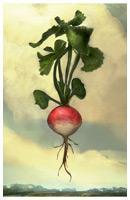
It's been a really long time since I first picked up this book, enticed by the cover art and plot summary on the back. I don't remember exactly how far I got in relation to how much was left to read (although I do remember what caused me to put the book down for the final time, I'll get to that later) but I'll give my opinion on what I gathered from the way things were going:
The essence of this story is just a catchy premise, stretched painfully to cover an entire novel. I usually see this kind of thing in terrible comedies or half-baked thrillers, where the director/author has obviously come up with an interesting pitch, but little else. In this case, the premise is that some inexplicable phenomena has rendered two hundred years of technology useless - not an EMP, because even guns and combustion engines no longer work. As I read, I began to get a sinking feeling that this phenomena would never be rationalized or explained, as the only thing that could possibly do so would have to be Divine Intervention (and when you're writing a novel, that's cheating as far as I'm concerned).
So S.M. Stirling has his gimmick - modern people forced to survive with Dark Age technology. And that wouldn't be so bad, whether he reveals the nature of the Change or not. I can deal with an absurd premise if the rest of the story is well-crafted. In short, it's not. If that doesn't convince you, then read on.
The first of two main characters is a bland ex-military dude, indistinguishable from all the other ex-military main characters among countless works of fiction. He's flying a stereotypical yuppie family in a small private plane when the Change happens, and after they crash, the expected bonding occurs between the helpless rich people and their new protector. He teaches the impressionable son manly things like hunting and knife-fighting, and he has a love interest in the spoiled nubile daughter. Nothing to see here.
The second is slightly more interesting, but that's mostly because she's so ridiculous. A Wiccan Renaissance Faire devotee who happens to hang out exclusively with people who own real swords and battle axes, nobody would be better prepared for a return to the dark ages, right? Unfortunately, yes, which brings me to wonder how owning a claymore and sparring for tourists would actually give you the skills necessary to survive something like the Change. Of course, I don't know much about Wiccans, and maybe most of their practices really would help with farming techniques and whatnot, but I doubt real Wiccans feel the need to patronizingly shout corny, lengthy oaths whenever possible. I didn't get much farther on her segment of the story, because I then came upon the final straw in this hard-to-swallow yarn.
If this sounds plausible to you, then I've been wasting your time with my review: "a Portland-based neo-feudal dictatorship created by a sociopathic history professor." This is from Stirling's Wikipedia article, I'm not exaggerating. The main antagonist of the book is a history professor, whose justification for taking over the bloodthirsty criminals of Portland is that he knows more about swords and maces than, say, a burly Hell's Angel with a crowbar. I don't know many history professors personally, but academia doesn't attract the kind of people who can slaughter four attackers at once just by *reading* about it. And yes, this history professor slaughters four attackers at once with a sword. That was the point where I put the book down and never went back.
I could talk about how boring the writing was (I found myself skimming by accident, moving my eyes across the lines without taking any of it in) but this part of the art form is purely subjective, and what I found to be uninspired might interest you. But it's hard to accept the plot's execution, which I've heard described accurately as a Renaissance Faire nerd's fantasy. Without picking up the book again, that's all I can really say about it, and since the mere thought of doing so is unappealing, then that should tell you all you need to know.