Tarihçi Fuad Köprülü, bu çalışmasında, Osmanlı tarihçileri tarafından ortaya atılarak 19. ve 20. yüzyıllarda bütün Doğu ve Batı tarihçileri tarafından genellikle kabul edilen, '13. yüzyılda Kayı'ların Horasan'dan Anadolu'ya göçleri' teorisinin, hiçbir ciddi kanıta dayanmadığını ortaya koyuyor.
Yazar, Osmanlı tarihçilerinin bu geleneksel teorisiyle taban tabana zıt diğer bir teoriyi, 'Osmanlı sülalesinin Kayı'lardan olmadığı' teorisini de eleştiriyor. Köprülü, Osmanlı İmparatorluğu'nun etnik kökeni sorunu ele aldığı bu çalışmasında şu sonuçlara varıyor:
Osmanlı sülalesi, Oğuzların Kayı boyuna mensup küçük bir aşiret parçasının başında bulunan Osman tarafından kurulmuştur. Bu Kayı'ların 11. yüzyılda Türk dünyasının doğu uçlarında yaşayan Moğol cinsinden Kay'larla aynı etnik zümreye mensup olması iddiası (Marquart teorisi) bütünüyle temelsizdir.
Kayı'lar, Anadolu'nun ilk fethi sıralarından başlayarak, diğer birtakım Oğuz boylarıyla beraber buraya gelmişler ve kendilerine mensup olan Artuk-oğulları devletinin kuruluşunda önemli bir rol oynamışlardır.
Kayı'ların,13. yüzyılın ilk on yıllarında büyük Moğol İstilası önünde Horasan'dan kaçarak Anadolu'ya geldikleri rivayeti (gelenekçi teori) , Osmanlı kronikçilerinin uydurdukları bir masaldan ibarettir.
14. yüzyıl başlarında henüz yarı göçebe hayatı süren Kayı oymağının Osmanlı devletinin kuruluşunda hiçbir rol oynamaması doğaldır. Bundan dolayıdır ki, Osmanlı devleti, siyasi gelişiminin ilk safhalarında bile, asla tribal (kabilesel) bir mahiyet göstermemiştir.
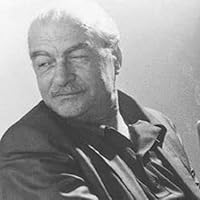
Mehmet Fuat Köprülü, aka Köprülüzade, who traced his descent from the illustrious Köprülü family, was a Turkish politician and historian, known for his contributions to Ottoman history, Turkish folklore and language.
A founding member of the Democratic Party along with Celal Bayar, Adnan Menderes, and Refik Koraltan, Köprülü served under Menderes as Minister of Foreign Affairs from 1950 to 1955 and briefly as Deputy Prime Minister in 1956.
As a historian his works included Origins Of the Ottoman Empire, The Seljuks of Anatolia: Their History and Culture According to Local Muslim Sources and Islam in Anatolia After the Turkish Invasion: Prolegomena. He is also the founder of one of the perspectives which try to understand the rise of the Ottoman tribe and the direction of its expansion. A Mehmet Fuat Koprulu Scholarship Programme has recently been set up to provide funds for Turkish students to undertake PhD study at the University of Cambridge.
Yeni Osmanlı Tarih-i Edebiyatı (1916) Türk Edebiyatında İlk Mutasavvıflar (1919–1966) Nasrettin Hoca (1918–1981) Türk Edebiyatı Tarihi (1920) Türkiye Tarihi (1923) Bugünkü Edebiyat (1924) Azeri Edebiyatına Ait Tetkikler (1926) Milli Edebiyat Cereyanının İlk Mübeşşirleri ve Divan-ı Türk-i Basit (1928) Türk Saz Şairleri Antolojisi (1930–1940, üç cilt) Türk Dili ve Edebiyatı Hakkında Araştırmalar (1934) Anadolu’da Türk Dili ve Edebiyatı’nın Tekamülüne Bir Bakış (1934) Osmanlı Devleti’nin Kuruluşu (1959) Edebiyat Araştırmaları Külliyatı (1966) İslam ve Türk Hukuk Tarihi Araştırmaları ve Vakıf Müessesesi (1983)
öncelikle alana benim gibi sadece ilgili olan birisi için içine dahil olmayı zorlaştıracak kadar yoğun bi eser. ciddi ve uzun bi çalışmanın sonucu olduğu belli.
sadece osmanlı imparatorluğunun kuruluşuna değil moğol istilasına, anadolunun sosyal ve ekonomik yapısına, oğuz boylarının aşiret yapısına, kelimelerin etimolojisine de odaklanıyor. bunu da vakanüvistlere, osmanlı tarihlerine başvurarak yapıyor. avrupalı tarihçilerin ve zeki velidi togan'ın tezlerinin eleştirisi uzun bi yer kaplıyor.
belki eserin özünü bozmayacak bi sadeleştirme çalışması iş görebilir. osmanlıca kelimelerin ağırlığı okumayı oldukça zorlaştırıyor.
The subject matter of this slender book, if not the book itself, must be widely popular, judged by the millions of viewers who have flocked to their screens over the last years to watch a fictionalized action-adventure Turkish television series on the exploits of Ertuğrul, the father of Osman, the founder of what became the Ottoman Empire. And yet, not in the book nor in the television series could modern concerns on identity and nationalism be suppressed. Who were the people out of whom grew the Ottoman empire? Were they ethnic Turks with a religious Muslim identity, albeit a shade heterodox one, or were they an amalgam of Turkish Tribesmen and Byzantine converts, nucleating as bands engaged in frontier warfare, Gaza, partly religiously inspired and partly entrepreneurial in nature. Köprülü, a refined scholar and later a politician of the modern Turkish republic, emphasized the Turkish element to the virtual exclusion of mixing with other ethnicities. Strongly influenced by the French Annales school of historiography, he was too subtle and learned to engage in vulgar nationalism. Rather, in true Annales form, he emphasized the social, cultural and political conditions in Northwestern Turkey that enabled the emergence of Ottoman state. The Ertuğrul TV series of early 21st century, culturally embedded in a different, more religiously inclined Turkey, and a product less of scholarship than entertainment, nevertheless put further emphasis on the Islamic dimension of the rise of Ottoman lineage and a religiously inspired Gaza doctrine while keeping the contribution of Turkish identity palpably felt. The full measure of this tug of narratives is detailed in Cemal Kafadar's "Between Two Worlds, : The Construction of the Ottoman State". But unless you prefer being informed about historical formations by watching swashbuckling exploits that rehash an imagined present rather than a carefully thought through past, Köprülü's book provides a most opportune place to wade into this fascinating and acutely relevant subject.
I've read the Greek edition which includes useful commentary by the Greek editor Professor Papageorgiou.
On the one hand, while in the field of fine arts it is not uncommon to come across an academic without the typical credentials, in the field of history, on the other hand, this would seem rather extraordinary.
Despite its propagandising character the book (especially the second half), provides useful material for further research concerning the period between the fall of the Eastern Roman Empire and the rise of the Ottoman Empire.
Dispels the myths of the misty early period and outlines the factors in the formation of the early state The dry academic style means this book is perhaps not one for the non-specialist Ottoman historian, comprised as it is of lectures by the professor. I purchased it, desperate for ideas for my novel about the daily lives of Kayis and Akhīs and their relations to other Turkic beyliks. I was disappointing in that, but nevertheless learned a lot. For most of us, what we see and read about the Ottomans dates from the period after Mehmed II’s conquest of Constantinople. These lectures cover those misty centuries before that, the 7th to the 12th centuries, particularly the Seljuk and Ilkhānate periods. Particularly valuable is the dispelling of certain myths. It is not true, says Köprülü, that the Ottomans invented their origins from the Kayı tribe during the reign of Murad II. Yes, Osman was the son of Ertuğrul, and no, he was not descended from the Prophet. The Kayı tribe was not related to the Mongol Qay tribe, and they did not migrate after the Mongol invasion of Khurāsān but rather came with the first Seljuk conquerors. Contrary to what you would think if you’re a fan, as I am, of the Diriliş Ertuğrul and Kuruluş Osman TV series, the proselytization of Islam was not yet a major preoccupation. The Turkmen tribes were messianic, ‘anticipating the mahdī’, and used religio-political propaganda, but the Seljuk state was not theocratic, and the Ottoman state never followed a policy of Islamization. Populations in Anatolia were a mixture of Muslims, Christians and some Jews, who lived in harmony, had the same dress and lifestyle, and eventually learned Turkish. Nevertheless, there were Christians, even Seljuk and Byzantine aristocrats who converted to Islam, but whatever pressures of a religious nature were applied were carried out more for political than for religious reasons. The privileged position of Muslims in the state organisation and desire to avoid jizya non-Muslim taxes were a factor. Köprülü contends that widespread conversion only occurred in the 15th century after the Ottoman conquest of the Balkans. Köprülü defines and outlines the political and religious affiliations of many groups we know of from this period, such as the various beyliks and religious orders. It’s untrue that Hājji Bektāsh, founder of Bektāshism, met with Ottoman rulers and played a role in founding the janissary corps. Unfortunately for my novel’s purposes, the Akhī women’s organisation Bājiyān-ı Rūm (Sisters of Anatolia) is probably fictional (but I won’t let that stop me from writing them into my fictional storyline). The major causative factors for the Ottomans’ rise (to summarise) were: • Their geographic location • The absence of hostility from neighbouring beyliks • Conditions favouring their entry into Europe and the Balkans • Elements of the population on the borders allowed them to capture Byzantine territory • In the Ottoman state, all power was under one ruler, not divided among the brothers and sons • A rapid conquest spreading westward coincided with Turks from Anatolia wishing to migrate • Ottoman conquest promised much booty and not many casualties, and prisoners were educated to become soldiers • The janissaries became a major military force during Murad I • Ottomans divided captured land into timars to grant to veterans, which were required to provide soldiers in proportion to their income • Ottomans continued the state organisation of the Seljuks, influenced by the Ilkhānate • Early rulers—Osman, Orhan, Murad—were skilful leaders
Tarihimizin altını yalan yanlış doldurmaya çalışanlara cevap niteliğinde yazılmış bir eser, sürekli öne sürülen savların nasil hatalı olduğundan bahsederken, tarihi bilgiler veriyor. Mehmet Fuat Köprülü hem başarılı bir akademisyen, ayni zamanda eğitici ve siyasetçi Halil İnalcık gibi büyük bir ismin yolunu açan, yada muhteşem dokunuslarla dümene geçiren bir insan olduğu duygusunu hissettiğimde cok şaşırdım tabi. Bizi biz yapan eylemlerimizdir. Ruhu Şad Olsun
Osmanlı'nın etnik menşei kısmına kadar Osmanlı'nın kuruluş ve öncesi dönemlerindeki toplumsal ve siyasi ortam akıcı ve ilgi çekici bir biçimde işlenmiş, okuması keyifliydi. Ancak Osmanlı'nın etnik menşei kısmı beklediğimden daha ayrıntılı (filoloji gibi kısımlara girmesi nedeniyle) ve okuması daha zor bir bölümdü. Osmanlı'nın etnik menşeinin direkt işlenmesinden ziyade var olan tezlerin çürütülmesi üzerinden gitmesi de yine zor bir okumaya yol açmakta.
An interesting insight recasting the views on the origins of the Ottoman people/system from the 1930s.
It is an academic view so perhaps not for the casual reader.
The obvious problem with the book however is that it seems to ignore Byzantine sources and often seems to say more about the period it was written than it meant to.
Osmanlı'nın kuruluşunu anlamak için okunması gereken kitaplardan biridir. Olmazsa olmaz. Akademik camiada bilmeyen yoktur, alaylılardan da bilen bilir.