

What do you think?

Liliom
Comedy / Characters: 17 male, 5 female, (extras)Scenery: Interior and 4 exteriors Liliom is a shiftless young bully in Budapest. He works intermittently as a barker for a merry go round and many servant girls fall victim to his charms. Among these girls is Julie, whom he eventually marries. Learning that he is about to become a father Liliom participates in a robbery to enhance his fortunes. But he is caught and stabs himself rather than submit to arrest. He is tried in the Magistrate's court on high, but they see through him there. They know what repentance is in his heart though he is much too cocky to admit it. He is sentenced to a term of years in the purifying fires with the promise that after that sentence has been served he can go back to earth with a chance to do one good deed there. A tender and moving story told with a master's touch.
68 pages, Paperback
First published January 1, 1949
About the author
Ferenc Molnár
123 books116 followersFerenc Molnár (Americanized name: Franz Molnar) was a Hungarian dramatist and novelist. During the World War II he emigrated to the United States to escape the Nazi persecution of Hungarian Jews.
Ratings & Reviews
Friends & Following
Create a free account to discover what your friends think of this book!
Community Reviews
Displaying 1 - 30 of 43 reviews

November 22, 2016
This play by the Hungarian author Molnar was first seen on stage in 1909, and was translated into English in 1921 by Benjamin F. Glazer, who says this about it in his introduction:
". . .I know of no play written in our own time which matches the amazing virtuosity of LILIOM, its imaginative daring, its uncanny blending of naturalism and fantasy, humor and pathos, tenderness and tragedy into a solid dramatic structure."
Even so, the work seemed to puzzle audiences at first. In the same introduction, Glazer says:
". . .the play languished through thirty or forty performances and was withdrawn. Almost ten years passed before it was revived. This time it was an immediate and overwhelming triumph. Perhaps the wide circulation of the play in printed form had made its beauty and significance clearer. Perhaps the tragedy of the war had made Molnar’s public more sensitive to spiritual values."
Don't let that phrase 'spiritual values' keep you from reading this play. There is nothing preachy about it, no advice about how to win the brass ring on the carousel of life. One last quote from the introduction tries to explain:
"What is the moral of LILIOM? Nothing you can reduce to a creed. Molnar is not a preacher or a propagandist for any theory of life. You will look in vain in his plays for moral or dogma. His philosophy—if philosophy you can call it—is always implicit."
“Liliom” is the Hungarian for lily, and the slang term for “a tough”. Liliom is a man who lives by his own rules. He is a barker at an amusement park, flirting with all the girls, menacing all their gentlemen friends, involved in an unspecified but obvious manner with the woman who owns the carousel in the park. Then he meets Julie, and his life changes. But does his character change? Will he eventually redeem himself and become less of the 'tough' and more of the man?
This play was the basis for a 1945 Broadway musical, which became the inspiration for a 1956 movie. I have seen that movie, and even though I may be walking alone when I say this, I prefer the play: the ending of the movie is incredibly inspirational and sugary sweet but the play feels more true to life and human character.
In his introduction, Glazer also mentions Molnar's play The Devil, which had been running for two years and was still in theaters when Liliom was first performed. I want to be sure and read that as soon as I can get to it!
". . .I know of no play written in our own time which matches the amazing virtuosity of LILIOM, its imaginative daring, its uncanny blending of naturalism and fantasy, humor and pathos, tenderness and tragedy into a solid dramatic structure."
Even so, the work seemed to puzzle audiences at first. In the same introduction, Glazer says:
". . .the play languished through thirty or forty performances and was withdrawn. Almost ten years passed before it was revived. This time it was an immediate and overwhelming triumph. Perhaps the wide circulation of the play in printed form had made its beauty and significance clearer. Perhaps the tragedy of the war had made Molnar’s public more sensitive to spiritual values."
Don't let that phrase 'spiritual values' keep you from reading this play. There is nothing preachy about it, no advice about how to win the brass ring on the carousel of life. One last quote from the introduction tries to explain:
"What is the moral of LILIOM? Nothing you can reduce to a creed. Molnar is not a preacher or a propagandist for any theory of life. You will look in vain in his plays for moral or dogma. His philosophy—if philosophy you can call it—is always implicit."
“Liliom” is the Hungarian for lily, and the slang term for “a tough”. Liliom is a man who lives by his own rules. He is a barker at an amusement park, flirting with all the girls, menacing all their gentlemen friends, involved in an unspecified but obvious manner with the woman who owns the carousel in the park. Then he meets Julie, and his life changes. But does his character change? Will he eventually redeem himself and become less of the 'tough' and more of the man?
This play was the basis for a 1945 Broadway musical, which became the inspiration for a 1956 movie. I have seen that movie, and even though I may be walking alone when I say this, I prefer the play: the ending of the movie is incredibly inspirational and sugary sweet but the play feels more true to life and human character.
In his introduction, Glazer also mentions Molnar's play The Devil, which had been running for two years and was still in theaters when Liliom was first performed. I want to be sure and read that as soon as I can get to it!

April 4, 2012
This is the play that the Rogers and Hammerstein Musical "Carousel" Is based on. I wanted to read it in its original form, and I was surprised how closely "carousel" followed it. If you are a fan of "Carousel" you might want to check it out.

June 15, 2015
I knew indirectly this play. Fritz Lang met Goebbels who had appreciated M the maudite. He wanted that Lang works for the Nazis. He assured him " for us, those are Jewish are whom we want that they are it. " Lang runs away in Paris.
He realized here a single movie Liliom from the play. I keep of it a memory of a constructivo-symbolist work. A curiosity. The,play is very different from the movie. It is a little dated but it's good.
He realized here a single movie Liliom from the play. I keep of it a memory of a constructivo-symbolist work. A curiosity. The,play is very different from the movie. It is a little dated but it's good.

May 5, 2022
Liliom ist ein Arschloch und Frauenschläger und high-key mysogyn.
Am Ende erhält er nach seinem Selbstmord die Chance, seine bösen Taten wettzumachen. Dabei schlägt er seine mittlerweile 16-jährige Tochter (wie er auch bereits 16 Jahre zuvor seine Frau geschlagen hatte). Der SCHLAG AUF DIE HAND - weil sie ihn unterbrach und in die Schranken weisen wollte - kam mir aus meinem eigenen Leben sehr bekannt vor. Liliom ist also nicht tot und lebt weiter unter uns. Ich mag weder den Liliom im Theaterstück, noch im realen Leben.
Großartiges Werk! Ungarische Literaten können wirklich toll schreiben! Liest sich schön an einem Stück.
Am Ende erhält er nach seinem Selbstmord die Chance, seine bösen Taten wettzumachen. Dabei schlägt er seine mittlerweile 16-jährige Tochter (wie er auch bereits 16 Jahre zuvor seine Frau geschlagen hatte). Der SCHLAG AUF DIE HAND - weil sie ihn unterbrach und in die Schranken weisen wollte - kam mir aus meinem eigenen Leben sehr bekannt vor. Liliom ist also nicht tot und lebt weiter unter uns. Ich mag weder den Liliom im Theaterstück, noch im realen Leben.
Großartiges Werk! Ungarische Literaten können wirklich toll schreiben! Liest sich schön an einem Stück.
This entire review has been hidden because of spoilers.

July 2, 2022
Szuperjo drama remelem a Kinga a Marikat adja nekem vagy a Muskatnet
July 4, 2012
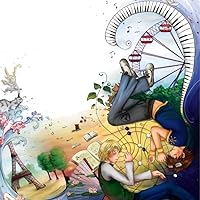
When I visited the premier of John Neumeier's new ballet "Liliom" in Hamburg at the beginning of December last year, I had never even heard of Molnár's play before. The ticket was a gift from two friends, and I had no idea what to expect. Suffice to say, I was bewitched from the first moment. Neumeier's "Liliom" is amazingly colourful, feels like a dream built out of cotton candy, with countless humorous moments in between, while at the same time being unbelievably moving, incredibly tragic and sad, and so, so beautiful.
I should probably add that I had just finished reading Robin Norwood's Women Who Love Too Much: When You Keep Wishing and Hoping He'll Change at that time. While watching Neumeier's ballet I felt as if I had entered a practical demonstration of everything Norwood describes in her book about how two people with compatible issues interact with each other - one retreats, the other follows - the moment the latter one gives up and steps back, the former one finally reaches out - and so on. Fitting together, in a way, like two peaces of a highly dysfunctional puzzle.
After I had re-watched the ballet last week, I finally felt curious enough to want to read Molnár's original play. Since it consists of only 120 pages of Reclam booklet, it didn’t take me long. And I liked it. I had to grin at the humour and sarcasm in some of the scenes. I enjoyed that Julie is not only the woman who gets beaten at home: On her own, she herself is a headstrong, stubborn, daring person, quite similar to Liliom, in that way. At the same time, I felt the tragic of it all: How to people, who in the end are not that different from each other, manage to not ever get their act together. How Liliom simply does not manage (to get a job, to rob somebody, to do something wonderful for his daughter, to…). How Julie glorifies the past, and how, despite everything, she treats her daughter the same way she was treated, which results in both of them experiencing physical abuse as an expression of love.
Would I have liked the play as much if I hadn’t seen the ballet? Probably not, since it couldn’t captivate me quite the same, couldn’t evoke quite the same intense emotions. Those emotions mainly surfaced because I remembered parts of the ballet while reading. Did I like it nonetheless? Definitely. But I think I would prefer to see it on stage again.
I should probably add that I had just finished reading Robin Norwood's Women Who Love Too Much: When You Keep Wishing and Hoping He'll Change at that time. While watching Neumeier's ballet I felt as if I had entered a practical demonstration of everything Norwood describes in her book about how two people with compatible issues interact with each other - one retreats, the other follows - the moment the latter one gives up and steps back, the former one finally reaches out - and so on. Fitting together, in a way, like two peaces of a highly dysfunctional puzzle.
After I had re-watched the ballet last week, I finally felt curious enough to want to read Molnár's original play. Since it consists of only 120 pages of Reclam booklet, it didn’t take me long. And I liked it. I had to grin at the humour and sarcasm in some of the scenes. I enjoyed that Julie is not only the woman who gets beaten at home: On her own, she herself is a headstrong, stubborn, daring person, quite similar to Liliom, in that way. At the same time, I felt the tragic of it all: How to people, who in the end are not that different from each other, manage to not ever get their act together. How Liliom simply does not manage (to get a job, to rob somebody, to do something wonderful for his daughter, to…). How Julie glorifies the past, and how, despite everything, she treats her daughter the same way she was treated, which results in both of them experiencing physical abuse as an expression of love.
Would I have liked the play as much if I hadn’t seen the ballet? Probably not, since it couldn’t captivate me quite the same, couldn’t evoke quite the same intense emotions. Those emotions mainly surfaced because I remembered parts of the ballet while reading. Did I like it nonetheless? Definitely. But I think I would prefer to see it on stage again.

July 13, 2015
The play is the source material behind the musical "Carousel."
"Three stars" for its cultural/historical interest. But only "two stars" for the actual coherence of the story-line. This is a tale of an abusive relationship, told from the abuser's perspective. I think this material would be much more cogent and acceptable to contemporary views if it focused on the abused person, not so much one the person committing the abuse.
"Three stars" for its cultural/historical interest. But only "two stars" for the actual coherence of the story-line. This is a tale of an abusive relationship, told from the abuser's perspective. I think this material would be much more cogent and acceptable to contemporary views if it focused on the abused person, not so much one the person committing the abuse.

August 24, 2019
Im Zuge der Salzburger Festspiele konnte ich „Liliom“ auf der Pernerinsel anschauen. Das Stück war berührend anzuschauen und natürlich ganz toll gemacht, aber diese Verformungen und künstlerische Freiheit war mit etwas zu krass. Deswegen am nächsten Tag zum Thalia und Reclam Heftchen gekauft. Ein tolles Stück, hat mir sehr gut gefallen! Mitsamt dem Ende das uns die Vorführung unterschlagen hat.

January 1, 2016
I read this because it's the basis for the musical "Carousel." The most interesting thing, aside from the cultural differences between early 20th century Hungary and America, is what a spitfire Julie is in the first scene with Mrs. Muskat (Mullins).

May 13, 2025
Von Alfred Polgar in ein herrliches, immer noch frisches Wiener Idiom übersetzt, unter welchem Grad der Entstellung weiß ich nicht zu sagen, aber das Resultat ist doch so verzüglich, dass man es allenfalls eine Verbesserung nennen müsste. Das Stück ist keinesfalls gealtert, wenn auch das Milieu total, und zwar restlos, verschwunden ist aus dieser Welt. Die Hauptfiguren Julie und Liliom benehmen sich beide so seltsam, und handeln dabei doch eigenartigerweise so zutiefst menschlich, dass man sich in ganz befremdlicher Weise angerührt fühlt. Eine bittersüße, melodramatisch bis tragische Groteske.
Die Figuren in diesem Stück sind beide von einer tiefen Verkümmerung und Abstumpfung des Gefühls bis hin zur Todessehnsucht, jener Empfindung, die nach Ausfall aller anderen, höheren, stets zurückzubleiben pflegt, befallen. Sie handeln als vollkommen autistische (im eigentlichen Sinne) Automaten. Julie trifft einen Mann, einen schlechten Mann, wohl etwas fesch, lässt sich seinetwegen, den sie erst seit wenigen Minuten kennt, in denen er sie bloß sexuell belästigt und angepöbelt hat, feuern und schließlich schwängern. Er wiederum ist ein Schurke, wie Julie ein zur Verbalisierung und Verarbeitung seiner Gefühle vollkommen unfähiger Mensch, der aus stummer Verzweiflung und Selbsthass ebenso wie Julie sich von einem Unglück ins nächste reiten lässt, und wenn ihm etwas Gutes begegnet, es sofort vernichtet. Er weigert sich, Hausmeister zu werden, sie weigert sich, zu heiraten; er lässt sich zum Raubmord überreden, sie sich zur Hochzeit. Der Schlüsselsatz fällt eigentlich ganz am Schluss:
Luise. Aber sag, Mütterchen, ist es dir jemals passiert, daß dich jemand geschlagen hat, und du hast es nicht gespürt?
Julie. Ja, mein Kind, das ist mir schon passiert. (Pause.)
Luise. Ist es denn möglich, daß man einen heftigen, einen so ganz furchtbar heftigen Schlag bekommt ... und daß es doch gar nicht weh tut?
Julie. Es ist möglich, mein Kind ... daß einen jemand schlägt ... und daß es doch gar nicht weh tut...
Am Ende ihrer seltsamen Allianz steht also, trotz der unbeholfenen Liebesbekenntnisse, die eher ein Versuch, sich selbst in einer solchen Konstellation zurechtfinden zu wollen, denn als ein unverfälschter Ausbruch des tiefen Gefühls erscheinen, nichts weiter da, als die schreckliche - einem damaligen Publikum in dem Wortlaut wohl romantisch anheimelnde - Feststellung, nie wirklich eine starke Gefühlsregung (miteinander?) empfunden zu haben, in einer solchen Gefühlstaubheit sich zu befinden, als dass selbst der Schlag des vermeintlich liebsten Menschen auf Erden einen eigentlich nicht wirklich angerührt hat.
Es ist eine Art Anti-Tristan und Isolde, und wie jedes Negativ im Grunde identisch; in der Maskerade einer irrationalen Amour fou tritt hier eine vollkommen grundlose, für alle Beteiligten höchstgradig verwirrende mutwillige Koexistenz auf, die nichts bedeutet, im Leben von Menschen, die nichts bedeuten, und auf ihr eigenes Ende hinausläuft. Wie auch der Tristan - an einem zynischen Tage betrachtet - ein sinnloses Leid ist, zwei Menschen, die einander nicht leiden können, die durch ein magisches Missgeschick dazu gezwungen sind, einander unter ekstatischen Qualen zu lieben bis in den sinnlosen Liebestod - war's denn das wirklich wert, für DIESEN andern zu sterben -, von der o herniedersinkenden Nacht der Liebe bis zur höchsten Lust beim Ertrinken in des Welt-Atems wehendem All, widerfährt ebenso keiner dieser Figuren etwas wirklich schönes oder gutes, sind sie beide gemartert durch und gefangen in der Unfreiheit des Willens und der grundlosen Bindung aneinander. Der Nihilismus geht soweit, dass sogar der HIMMEL bei Polgar eine dröge Bürokratie ist, die eine nach irgendwelchen beliebigen Kriterien festgelegte "Gerechtigkeit" für ein jedes Individuum zu schaffen beauftragt ist, eh es... ja, was eigentlich? Wohl zu existieren aufhört. Zwar ist der Himmel überkonfessionell, aber doch hat er, bemerkenswerterweise, schrecklicherweise, ein Fegefeuer. Liliom möchte, wie er sagt, bloß "schlafen", aber er wird noch zu einer guten Tat verdonnert, zu der er tatsächlich nicht imstande ist. Was passiert dann weiter mit ihm, dem gescheiterten? Wir wissen es nicht. Wird er für ewig im Fegefeuer brennen, für immer gefangen sein müssen in seinem kleinen, phantasielosen Kopf, in seinem stumpfsinnigen Selbsthass?
Es ist bemerkenswert, dass solch ein beklemmendes, nihilistisches Stück, wie der Liliom es ist, einen so vulgären, betulichen Kitsch wie das Rodgers und Hammerstein-Musical "Carousel" anregen konnte, und vielleicht doch ein Argument gegen das amerikanische Musiktheater, dass dieses noch dazu als Meilenstein der Form gilt. Aber vielleicht ist der Kitsch nicht per se unedler als die ebenso kleinbürgerliche lebensfeindliche Haltung, die sich diesem Stück transportiert; es ist bloß die ehrlich-niederträchtige Darstellung der Niedertracht als solche weit angemessener als die verlogen-niederträchtige Verklärung der Niedertracht als romantische Verruchtheit, und einzig erstere geeignet, ein Werk von Größe hervorzubringen.
Die Figuren in diesem Stück sind beide von einer tiefen Verkümmerung und Abstumpfung des Gefühls bis hin zur Todessehnsucht, jener Empfindung, die nach Ausfall aller anderen, höheren, stets zurückzubleiben pflegt, befallen. Sie handeln als vollkommen autistische (im eigentlichen Sinne) Automaten. Julie trifft einen Mann, einen schlechten Mann, wohl etwas fesch, lässt sich seinetwegen, den sie erst seit wenigen Minuten kennt, in denen er sie bloß sexuell belästigt und angepöbelt hat, feuern und schließlich schwängern. Er wiederum ist ein Schurke, wie Julie ein zur Verbalisierung und Verarbeitung seiner Gefühle vollkommen unfähiger Mensch, der aus stummer Verzweiflung und Selbsthass ebenso wie Julie sich von einem Unglück ins nächste reiten lässt, und wenn ihm etwas Gutes begegnet, es sofort vernichtet. Er weigert sich, Hausmeister zu werden, sie weigert sich, zu heiraten; er lässt sich zum Raubmord überreden, sie sich zur Hochzeit. Der Schlüsselsatz fällt eigentlich ganz am Schluss:
Luise. Aber sag, Mütterchen, ist es dir jemals passiert, daß dich jemand geschlagen hat, und du hast es nicht gespürt?
Julie. Ja, mein Kind, das ist mir schon passiert. (Pause.)
Luise. Ist es denn möglich, daß man einen heftigen, einen so ganz furchtbar heftigen Schlag bekommt ... und daß es doch gar nicht weh tut?
Julie. Es ist möglich, mein Kind ... daß einen jemand schlägt ... und daß es doch gar nicht weh tut...
Am Ende ihrer seltsamen Allianz steht also, trotz der unbeholfenen Liebesbekenntnisse, die eher ein Versuch, sich selbst in einer solchen Konstellation zurechtfinden zu wollen, denn als ein unverfälschter Ausbruch des tiefen Gefühls erscheinen, nichts weiter da, als die schreckliche - einem damaligen Publikum in dem Wortlaut wohl romantisch anheimelnde - Feststellung, nie wirklich eine starke Gefühlsregung (miteinander?) empfunden zu haben, in einer solchen Gefühlstaubheit sich zu befinden, als dass selbst der Schlag des vermeintlich liebsten Menschen auf Erden einen eigentlich nicht wirklich angerührt hat.
Es ist eine Art Anti-Tristan und Isolde, und wie jedes Negativ im Grunde identisch; in der Maskerade einer irrationalen Amour fou tritt hier eine vollkommen grundlose, für alle Beteiligten höchstgradig verwirrende mutwillige Koexistenz auf, die nichts bedeutet, im Leben von Menschen, die nichts bedeuten, und auf ihr eigenes Ende hinausläuft. Wie auch der Tristan - an einem zynischen Tage betrachtet - ein sinnloses Leid ist, zwei Menschen, die einander nicht leiden können, die durch ein magisches Missgeschick dazu gezwungen sind, einander unter ekstatischen Qualen zu lieben bis in den sinnlosen Liebestod - war's denn das wirklich wert, für DIESEN andern zu sterben -, von der o herniedersinkenden Nacht der Liebe bis zur höchsten Lust beim Ertrinken in des Welt-Atems wehendem All, widerfährt ebenso keiner dieser Figuren etwas wirklich schönes oder gutes, sind sie beide gemartert durch und gefangen in der Unfreiheit des Willens und der grundlosen Bindung aneinander. Der Nihilismus geht soweit, dass sogar der HIMMEL bei Polgar eine dröge Bürokratie ist, die eine nach irgendwelchen beliebigen Kriterien festgelegte "Gerechtigkeit" für ein jedes Individuum zu schaffen beauftragt ist, eh es... ja, was eigentlich? Wohl zu existieren aufhört. Zwar ist der Himmel überkonfessionell, aber doch hat er, bemerkenswerterweise, schrecklicherweise, ein Fegefeuer. Liliom möchte, wie er sagt, bloß "schlafen", aber er wird noch zu einer guten Tat verdonnert, zu der er tatsächlich nicht imstande ist. Was passiert dann weiter mit ihm, dem gescheiterten? Wir wissen es nicht. Wird er für ewig im Fegefeuer brennen, für immer gefangen sein müssen in seinem kleinen, phantasielosen Kopf, in seinem stumpfsinnigen Selbsthass?
Es ist bemerkenswert, dass solch ein beklemmendes, nihilistisches Stück, wie der Liliom es ist, einen so vulgären, betulichen Kitsch wie das Rodgers und Hammerstein-Musical "Carousel" anregen konnte, und vielleicht doch ein Argument gegen das amerikanische Musiktheater, dass dieses noch dazu als Meilenstein der Form gilt. Aber vielleicht ist der Kitsch nicht per se unedler als die ebenso kleinbürgerliche lebensfeindliche Haltung, die sich diesem Stück transportiert; es ist bloß die ehrlich-niederträchtige Darstellung der Niedertracht als solche weit angemessener als die verlogen-niederträchtige Verklärung der Niedertracht als romantische Verruchtheit, und einzig erstere geeignet, ein Werk von Größe hervorzubringen.

March 23, 2025
If you’re interested in where Rodgers and Hammerstein got the story for “Carousel” like I was then you’d probably enjoy reading this. I’m not quite sure what to think about this story because it is disturbing on multiple levels but there’s a certain hypnotic quality to it.

May 13, 2014
Ebben a drámában imádtam a Liliom-Juli-féle szerelmet. Két ember, akik szeretik egymást, de nem képesek kimutatni, kimondani úgy, mint egy átlagember. Gyönyörűen lett megírva. Szerettem a végén azt a csavart is, hogy az öngyilkos szülő lemehet x év múlva a földre, hogy jót tegyen a családjával, mert egy szentimentális kis izé vagyok.
Viszont voltak homályos pontok. Odáig még eljutottam, hogy a magam számára értelmezzem azt, hogy a verés talán azért nem fájt, mert van, akinek eljár a keze, de lehet közben érezni, hogy ezt nem gyűlöletből teszi, hanem azért, mert nem tudja kezelni a problémáit, de még ennek ellenére sem volt nekem az a befejezés kerek. Illetve hogyha arra ment ki az egész dráma, hogy megmutassa, Liliom hogy szerette Julit, akkor miért győzött a saját egója, és miért nem fogadta el a házmesteri állást (a körhintásat még megértem)...
Viszont voltak homályos pontok. Odáig még eljutottam, hogy a magam számára értelmezzem azt, hogy a verés talán azért nem fájt, mert van, akinek eljár a keze, de lehet közben érezni, hogy ezt nem gyűlöletből teszi, hanem azért, mert nem tudja kezelni a problémáit, de még ennek ellenére sem volt nekem az a befejezés kerek. Illetve hogyha arra ment ki az egész dráma, hogy megmutassa, Liliom hogy szerette Julit, akkor miért győzött a saját egója, és miért nem fogadta el a házmesteri állást (a körhintásat még megértem)...

Read
June 26, 2009The story is bizarre, though surely innovative. The justifying way in which it deals with domestic violence is obviously fraught by today's standards - perhaps the best thing it did was serve as an explanation as to why so many women have stayed with emotionally/physically abusive men in the past. It definitely advocates a "Stand By Your Man" mentality. It becomes bit disturbing as a result.

February 25, 2017
Like others, I read this out of curiosity because it was the source of the story in Carousel. Without the connection I think this would have been two stars. That Liliom never gets anything right is frustrating and sad. I prefer a story where there is a turning at a corner toward hope and redemption. People that don't change and hope that remains elusive into the afterlife is the story here.
This entire review has been hidden because of spoilers.
April 24, 2013
I found this book on a bench in the West Valley Med Center. It's from Bookcrossing.com, a website where folks let their books go and follow them around the world. I was intrigued. I read it and am now ready to release it. Kind of depressing play, but interesting take on the afterlife.
February 26, 2017
Classic Hungarian Play
I read this because of my interest in Hungarian (my background) literature. It was a big success in New York in 1921. I liked the blend of reality and fantasy Molnar uses.
I read this because of my interest in Hungarian (my background) literature. It was a big success in New York in 1921. I liked the blend of reality and fantasy Molnar uses.

June 17, 2011
Part of a prep school textbook that also included R.U.R. and other plays. Date read is a guess. This is the source for the musical "Carousel". Date read is a guess.

September 3, 2016
Seems to justify male violence to women if they are both in love.

April 4, 2024
Really good play, fantastically spirals more and more into the absurd as the plot goes on.
Will maybe elaborate on this review in the future idk.
4/5 good play nothing crazy to say rn.
Will maybe elaborate on this review in the future idk.
4/5 good play nothing crazy to say rn.

March 3, 2021
Die Vorstadtlegende von Liliom, der die Sterne vom Himmel stiehlt und im Ringelspiel die Mädchen abtastet. Im Stadtwäldchen von Budapest geschah um 1909 allerlei Unerhörtes, doch Ferenc Molnárs (eigentlich: Neumann) kurzweiliges Drama gehört zu den erfreulichen Produkten des bis heute bestehenden Vergnügungsparks. Im Mittelpunkt des Geschehens steht folgendes Fragezeichen: Kann einer wie Liliom, ein (unschuldiger) Taugenichts und (sensibler) Frauenschläger, noch Mensch werden? Die Anwort lauert hinter'm Vorhang; da, wo zwischen den rosafarbenen Feuern und dem Himmelsgericht zweite Chancen verkohlt und vergeben werden.

August 29, 2026
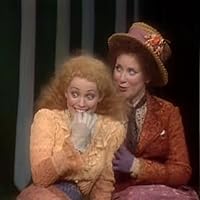
Musically, the Rodgers and Hammerstein musical Carousel is a beautiful show. The story, however, is dark, and even with its tacked-on quasi-happy ending, it is a downer. Furthermore, it seems to act as an apology for abusive behavior. The play Liliom is the source material for Carousel, and it is even darker. It is an engaging and fascinating play, even though it’s hard to look past the gloomy message. And there’s really no one here to root for. With caveats, I would recommend reading or seeing Liliom to any Rodgers and Hammerstein completists, but it’s probably one to avoid for anybody else.
September 12, 2022
For a book that's this bad... it's at least well written. I suppose that this is just my year of problematic reads. It should be read with a lot of suspicion and really only works as a curiosity piece about a horrific, dishonest perspective on domestic abuse. That last line sucks so much because it feels like a lie. Julie is clearly in pain, so why pretend like it doesn't exist in the last couple of seconds?
I just sincerely hope that no one is uncritically taking in its message.
However, much like its protagonist, the play has its charm interspersed among the awfulness.
I just sincerely hope that no one is uncritically taking in its message.
However, much like its protagonist, the play has its charm interspersed among the awfulness.

Read
November 3, 2023“The end is not as abrupt as that. Your name is still spoken. Your face is still remembered. And what you said, and what you did, and what you failed to do—these are still remembered. Remembered, too, are the manner of your glance, the ring of your voice, the clasp of your hand and how your step sounded—as long as one is left who remembers you, so long is the matter unended. Before the end there is much to be undone. Until you are quite forgotten, my son, you will not be finished with the earth—even though you are dead.”

September 29, 2018
Read for personal research and its historical value. I found this work of interest having always treasured the film Carousel - I wanted to read the play it was based upon.
I found this work's contents helpful and inspiring - number rating relates to the book's contribution to my needs.
Overall, this work is a fine resource for the researcher and enthusiast.
THE MAGISTRATE
What is your right name?
LILIOM
Andreas Zavocki—after my mother.
I found this work's contents helpful and inspiring - number rating relates to the book's contribution to my needs.
Overall, this work is a fine resource for the researcher and enthusiast.
THE MAGISTRATE
What is your right name?
LILIOM
Andreas Zavocki—after my mother.

June 20, 2023
Liliom, die titelgebende Hauptrolle im Stück, begeht inmitten des Dramas Selbstmord, landet folglich im Jenseits und muss sich dem göttlichen Urteil stellen und Rechenschaft über sein fehlerhaftes Leben geben: Eine um 1900 innovative und ungewöhnliche Darstellungsform im Theater. Ich fand die Idee sehr interessant und bin über die szenische Aufführung gespannt, die ich bald erleben darf.
This entire review has been hidden because of spoilers.

December 20, 2023
Man en vrouw trouwen
Man geeft zijn zwangere vrouw vrouw djoef op haar muile
Man maakt zichzelf van kant
God stuurt man zestien jaar na datum één dag terug naar de aarde om zijn dochter te ontmoeten
Man geeft dochter djoef op haar muile
Einde
Man geeft zijn zwangere vrouw vrouw djoef op haar muile
Man maakt zichzelf van kant
God stuurt man zestien jaar na datum één dag terug naar de aarde om zijn dochter te ontmoeten
Man geeft dochter djoef op haar muile
Einde
This entire review has been hidden because of spoilers.
January 9, 2024
I give this five stars because it reminds me of good memories:)) at first i didn’t really understand it, but i am starting to maybe. Of course i will love Muskátné forever since she is my character. Yeah it is filled with great memories, also bad ones but mostly good ones

Read
May 27, 2025I saw a grave in Queens with this beautiful mystifying inscription "te csak most aludjal, Liliom..." (you're just sleeping now, Lily...) so I googled it and it ended up being Ferenc Molnar's grave so I tracked the play the excerpt is from (Liliom) and read it bit by bit for a few months <3 cute

October 23, 2025
I don't usually read plays, but since I unapologetically love the musical Carousel, I tried this out. It is basically the exact same plot minus the music. Overall I enjoyed everything except the last line of course.

June 30, 2018
love the musical based on
Displaying 1 - 30 of 43 reviews