

What do you think?

Feral Future
A decade ago, Tim Low journeyed to the remote northernmost tip of Australia. Instead of the pristine rain forests he expected, he found jungles infested with Latin American carpet grass and feral cattle. That incident helped inspire Feral Future , a passionate account of the history and implications of invasive species in that island nation, with consequences for ecological communities around the globe.
Australia is far from alone in facing horrific ecological and economic damage from invading plants and animals, and in Low's capable hands, Australia's experiences serve as a wake-up call for all of us. He covers how invasive species like cane toads and pond apple got to Australia (often through misguided but intentional introductions) and what we can do to stop them. He also covers the many pests that Australia has exported to the world, including the paperbark tree ( Melaleuca ) that infests hundreds of thousands of acres in south Florida.
Australia is far from alone in facing horrific ecological and economic damage from invading plants and animals, and in Low's capable hands, Australia's experiences serve as a wake-up call for all of us. He covers how invasive species like cane toads and pond apple got to Australia (often through misguided but intentional introductions) and what we can do to stop them. He also covers the many pests that Australia has exported to the world, including the paperbark tree ( Melaleuca ) that infests hundreds of thousands of acres in south Florida.
425 pages, Hardcover
First published January 1, 1999
About the author
Tim Low
11 books36 followersTim Low is an Australian biologist and author of articles and books on nature and conservation.
For twenty years Low wrote a column in Nature Australia, Australia's leading nature magazine. He contributes to Australian Geographic and other magazines.
Low became very interested in reptiles as a teenager and discovered several new species of lizard. He named the chain-backed dtella (Gehyra catenata) and had the dwarf litter-skink (Menetia timlowi) named after him.
He works as an environmental consultant, writer and photographer, serves on government committees, and does public speaking. He has written many reports about climate change. He is the patron of Rainforest Rescue. Low lives in Brisbane.
(http://en.wikipedia.org/wiki/Tim_Low)
For twenty years Low wrote a column in Nature Australia, Australia's leading nature magazine. He contributes to Australian Geographic and other magazines.
Low became very interested in reptiles as a teenager and discovered several new species of lizard. He named the chain-backed dtella (Gehyra catenata) and had the dwarf litter-skink (Menetia timlowi) named after him.
He works as an environmental consultant, writer and photographer, serves on government committees, and does public speaking. He has written many reports about climate change. He is the patron of Rainforest Rescue. Low lives in Brisbane.
(http://en.wikipedia.org/wiki/Tim_Low)
Ratings & Reviews
Friends & Following
Create a free account to discover what your friends think of this book!
Community Reviews
Displaying 1 - 7 of 7 reviews

April 24, 2019
A dreary and depressing, but also (sadly) entirely necessary book.
Dreary because of the endless examples and cases that pepper the text. Depressing because of the ramifications for Australia's native ecology, which is being overrun and wiped out in many areas.
When the book was written, in the late 1990s, it appears that rigorous quarantine control was just being established on imports of exotic species. It would be interesting to see an update 20 years later. Some things have changed since then. For example, one of the worst plant pathogens, mentioned in the book, has arrived: Myrtle rust. This plant disease could eradicate a whole genus of native trees (Rhodamnia) and affect many others too, according to a presentation I saw at a plant conservation conference a couple of years ago. Another big change seems to have been the explosion of deer population after the millenium drought. When Low was writing, deer seemed a fairly minor problem. In recent years that has changed.
The book does go through many of the mechanisms by which exotic species go feral and become invasive problems. Deer may have been a "sleeper species" by this reckoning, waiting for the right combination of circumstances to erupt as a major pest.
The depressing view is that many of the amazing things which make Australia's wildlife unique are at threat from a great homogenising process whereby highly competitive, common species are displacing and disrupting native ecosystems. Low uses the term "homogocene", perhaps a precursor to the more recent term "anthropocene".
The damaging feral species we have are to many to list in a review, but what's interesting is how many of the worst offenders are relatively unknown to the public. This book started a process of education, which has made some ground I think, but still has a long way to go. As Low notes, many well-meaning environmentalists seemed at the time to be ecologically illiterate, wanting to protect "the environment" without recognising specific threats such as invasive exotic species. He engages in a bit of "what if" thinking, wondering if we should spend more time fighting cane toads than trying to keep miners out of national parks (Kakadu and the proposed Jabiluka uranium mine were big news at the time).
At the same time he's not shy of provoking others. Apparently he had a long running feud with the founders of Permaculture, Bill Mollison and David Holmgren, for their advocacy of damaging feral species as "useful". There is a bit of a go at them for their wilful stupidity (which Holmgrenhasn't given up on). But as interesting as that debate is, Low takes aim at much bigger targets. Graziers, including the CSIRO, for importing weeds and refusing to classify them as such because they are considered useful by graziers. Some of our worst weeds, such as Buffel Grass, are in this category. The aquarium and nursery trades. Shipping companies. Home gardeners, commonly thinking weeds to be the inconsequential small things popping up in their garden beds, not realising it's actually the things they are deliberately growing that have the greater impact. And so on.
An interesting chapter is on cats. It's fashionable to hate cats ecologically, and I think since his book there has been a lot more scientific quantification of their impact. But he does make the points, which always appeared commonsense to me, that suburban pets and strays eating some birds (for example) aren't necessarily having a great impact, as long as the birds are still reproducing faster than they are getting eaten. Of course, feral cats in the bush have a much greater impact, especially on small native rodents and marsupials. Perhaps he's too lenient on felines, or maybe more research has been done in the last 20 years to round out the view. It is possibly not wrong, however, when he relays a comment from a scientist he spoke to that we should put the letters "tle" on the end of "cat" if we are to locate a more serious source of extinctions.
If I were to criticise the book, its breadth (the long long lists of examples of invasive species, which make up the bulk of it) makes it hard to get into the depth - such as the discussions of some of the biological and ecological mechanisms of invasion and "weediness". Likewise, these mechanisms are interesting and deserve more systematic treatment - but perhaps they are less interesting to those readers without a degree in biology. The dreary and repetitive listing of examples of invasive species could, however, have been cut back and more explanation of the degree of impact of some of the key invaders might have helped. Some of the species he lists are not, to my knowledge, major problems. Not yet anyway.
The book is still worth reading and it is a real eye-opener. We are apparently in a great extinction of species, much of which is caused by human activity, and alongside the devil of climate change and carbon pollution, more people need to get their heads around this material if we are to turn around the depressing situation.
Oh, and while it's not a short book, it's a hell of a lot shorter than the "Weeds of the Southeast" guide that I use for work.
Dreary because of the endless examples and cases that pepper the text. Depressing because of the ramifications for Australia's native ecology, which is being overrun and wiped out in many areas.
When the book was written, in the late 1990s, it appears that rigorous quarantine control was just being established on imports of exotic species. It would be interesting to see an update 20 years later. Some things have changed since then. For example, one of the worst plant pathogens, mentioned in the book, has arrived: Myrtle rust. This plant disease could eradicate a whole genus of native trees (Rhodamnia) and affect many others too, according to a presentation I saw at a plant conservation conference a couple of years ago. Another big change seems to have been the explosion of deer population after the millenium drought. When Low was writing, deer seemed a fairly minor problem. In recent years that has changed.
The book does go through many of the mechanisms by which exotic species go feral and become invasive problems. Deer may have been a "sleeper species" by this reckoning, waiting for the right combination of circumstances to erupt as a major pest.
The depressing view is that many of the amazing things which make Australia's wildlife unique are at threat from a great homogenising process whereby highly competitive, common species are displacing and disrupting native ecosystems. Low uses the term "homogocene", perhaps a precursor to the more recent term "anthropocene".
The damaging feral species we have are to many to list in a review, but what's interesting is how many of the worst offenders are relatively unknown to the public. This book started a process of education, which has made some ground I think, but still has a long way to go. As Low notes, many well-meaning environmentalists seemed at the time to be ecologically illiterate, wanting to protect "the environment" without recognising specific threats such as invasive exotic species. He engages in a bit of "what if" thinking, wondering if we should spend more time fighting cane toads than trying to keep miners out of national parks (Kakadu and the proposed Jabiluka uranium mine were big news at the time).
At the same time he's not shy of provoking others. Apparently he had a long running feud with the founders of Permaculture, Bill Mollison and David Holmgren, for their advocacy of damaging feral species as "useful". There is a bit of a go at them for their wilful stupidity (which Holmgrenhasn't given up on). But as interesting as that debate is, Low takes aim at much bigger targets. Graziers, including the CSIRO, for importing weeds and refusing to classify them as such because they are considered useful by graziers. Some of our worst weeds, such as Buffel Grass, are in this category. The aquarium and nursery trades. Shipping companies. Home gardeners, commonly thinking weeds to be the inconsequential small things popping up in their garden beds, not realising it's actually the things they are deliberately growing that have the greater impact. And so on.
An interesting chapter is on cats. It's fashionable to hate cats ecologically, and I think since his book there has been a lot more scientific quantification of their impact. But he does make the points, which always appeared commonsense to me, that suburban pets and strays eating some birds (for example) aren't necessarily having a great impact, as long as the birds are still reproducing faster than they are getting eaten. Of course, feral cats in the bush have a much greater impact, especially on small native rodents and marsupials. Perhaps he's too lenient on felines, or maybe more research has been done in the last 20 years to round out the view. It is possibly not wrong, however, when he relays a comment from a scientist he spoke to that we should put the letters "tle" on the end of "cat" if we are to locate a more serious source of extinctions.
If I were to criticise the book, its breadth (the long long lists of examples of invasive species, which make up the bulk of it) makes it hard to get into the depth - such as the discussions of some of the biological and ecological mechanisms of invasion and "weediness". Likewise, these mechanisms are interesting and deserve more systematic treatment - but perhaps they are less interesting to those readers without a degree in biology. The dreary and repetitive listing of examples of invasive species could, however, have been cut back and more explanation of the degree of impact of some of the key invaders might have helped. Some of the species he lists are not, to my knowledge, major problems. Not yet anyway.
The book is still worth reading and it is a real eye-opener. We are apparently in a great extinction of species, much of which is caused by human activity, and alongside the devil of climate change and carbon pollution, more people need to get their heads around this material if we are to turn around the depressing situation.
Oh, and while it's not a short book, it's a hell of a lot shorter than the "Weeds of the Southeast" guide that I use for work.

October 16, 2010
This book was entertaining, enlightening and frightening in equal measure. It's a good warning about the long term impacts of things we do for short term interest or economic gain. It's well worth a read.
June 5, 2025
Australian weed and feral issue hasn’t improved in 20+ years since this book. More funding and resources needed in the environmental industry

March 15, 2021
I have high respect for biologist Tim Low, and this book was great. It is quite shoking what has happened to the biopshere, especially Australia. A full reshaping of ecosystems, especially due to plants.
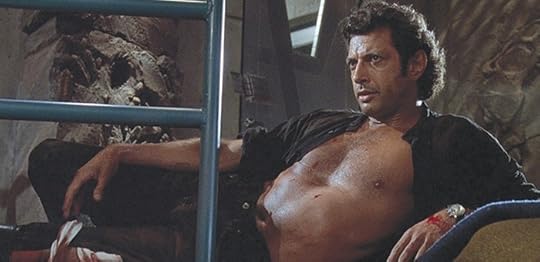
Tim Low is like the Nassim Taleb of biology or like Ian Malcolm without chaos theory. He warns of and describes unintended consequences caused by relocating species. He doesn't shy away from critiquing biological control (but he is in favour of it) and warning of relocating species of the same continent, which he considers non-native as well and which can become invasive. He discusses how some species became dependent on novel foodsources or environments. Even native species can become pests. Etc.
He comes across as honest and trustworthy because he does not indulge into a simplistic good native vs bad non-native dichotomy. As he shows, it is complicated. He even defends feral cats, and I was hoping he would do this with other species. Because he often has examples of species not perceived as invasive or all that bad when he judges them as. He knows his shit. The book is dense with numerious examples of invasive species and what their effects on the ecosystem are.
Here I must confess: I am one of those people who are open to non-native species. Who Tim Low doesn't like that much. I am not sure how it started and even when. I came into contact with the book The Rambunctious Garden: Saving Nature in a Post-Wild World, and later with Where Do Camels Belong?, and after these came The New Wild: Why Invasive Species Will Be Nature's Salvation and Inheritors of the Earth: How Nature Is Thriving in an Age of Extinction. It was actually through these people that I discovered The New Nature. I come from the Netherlands and I think the discourse on non-native species is often too simplistic. I see species too easily branded as invasive. Hence the appeal of the New Nature. I also think Western-Europe is no Australia and not as heavily hit. Rhododendron in the British Isles is one of the exceptions I can think of, see picture below.

Feral Future was eye-opening. It seems that Australia's nature, in popular culture, is too often branded as inferior or primitive because it is heavily invaded. If this is true, Florida's nature would also be inferior or primitive (because it is also heavily invaded). It was discussed, but it seems interesting to study more why this is so. I can also imagine that if we would introduce marsupials or Australian reptiles and amphibians in, say, Europe some could get invasive as well. I think it all depends on some ecological loopholes that can be exploited, and that co-evolution plays its part here. Tim Low also debunks the inferiority of Australian birds in another book of his Where Song Began: Australia's Birds and How They Changed the World.
Some final thoughts. I disagree with the reshuffling of species as homogenisation. This is biased by releasing the same species like house sparrows. If we tried to release 1000 different species of birds in, uh, somewhere, the alien fauna would be more idiosyncratic. If you look at global biodiversity you'll always lose: there's always homogenisation. But local biodiversity might increase. Eventually they diverge - discussed in the book, and you do get some additional biodiversity. As do hybrids.
The question that I want answered is the following: which non-native species have the most potential for adaptive radiation and with that contributing to our future biodiversity? Can we even know? And do more species go extinct or potentially speciate?
I also wonder why fynbos does get invaded but the heathlands of Australia don't. Maybe I misread.
By the way fynbos is one of those habitats incredibly rich in species, and so I think this is a place where most of our effort should be placed to remove non-native species. I feel the same of situations in which evolutionary distinct species are threatened or species unlike to evolve again or have low capability to speciate are threatened.
Tim Low is like the Nassim Taleb of biology or like Ian Malcolm without chaos theory. He warns of and describes unintended consequences caused by relocating species. He doesn't shy away from critiquing biological control (but he is in favour of it) and warning of relocating species of the same continent, which he considers non-native as well and which can become invasive. He discusses how some species became dependent on novel foodsources or environments. Even native species can become pests. Etc.
He comes across as honest and trustworthy because he does not indulge into a simplistic good native vs bad non-native dichotomy. As he shows, it is complicated. He even defends feral cats, and I was hoping he would do this with other species. Because he often has examples of species not perceived as invasive or all that bad when he judges them as. He knows his shit. The book is dense with numerious examples of invasive species and what their effects on the ecosystem are.
Here I must confess: I am one of those people who are open to non-native species. Who Tim Low doesn't like that much. I am not sure how it started and even when. I came into contact with the book The Rambunctious Garden: Saving Nature in a Post-Wild World, and later with Where Do Camels Belong?, and after these came The New Wild: Why Invasive Species Will Be Nature's Salvation and Inheritors of the Earth: How Nature Is Thriving in an Age of Extinction. It was actually through these people that I discovered The New Nature. I come from the Netherlands and I think the discourse on non-native species is often too simplistic. I see species too easily branded as invasive. Hence the appeal of the New Nature. I also think Western-Europe is no Australia and not as heavily hit. Rhododendron in the British Isles is one of the exceptions I can think of, see picture below.
Feral Future was eye-opening. It seems that Australia's nature, in popular culture, is too often branded as inferior or primitive because it is heavily invaded. If this is true, Florida's nature would also be inferior or primitive (because it is also heavily invaded). It was discussed, but it seems interesting to study more why this is so. I can also imagine that if we would introduce marsupials or Australian reptiles and amphibians in, say, Europe some could get invasive as well. I think it all depends on some ecological loopholes that can be exploited, and that co-evolution plays its part here. Tim Low also debunks the inferiority of Australian birds in another book of his Where Song Began: Australia's Birds and How They Changed the World.
Some final thoughts. I disagree with the reshuffling of species as homogenisation. This is biased by releasing the same species like house sparrows. If we tried to release 1000 different species of birds in, uh, somewhere, the alien fauna would be more idiosyncratic. If you look at global biodiversity you'll always lose: there's always homogenisation. But local biodiversity might increase. Eventually they diverge - discussed in the book, and you do get some additional biodiversity. As do hybrids.
The question that I want answered is the following: which non-native species have the most potential for adaptive radiation and with that contributing to our future biodiversity? Can we even know? And do more species go extinct or potentially speciate?
I also wonder why fynbos does get invaded but the heathlands of Australia don't. Maybe I misread.
By the way fynbos is one of those habitats incredibly rich in species, and so I think this is a place where most of our effort should be placed to remove non-native species. I feel the same of situations in which evolutionary distinct species are threatened or species unlike to evolve again or have low capability to speciate are threatened.
December 14, 2008
It will change the way you think about all introduced species. Great research and very easy to read. Not sure if he gives a solution to how we go about feeding ourselves....

October 14, 2023
“The reality - that some of our worst environmental problems stem from tiny fish and colourful plants - is somehow emotionally unfulfilling. Property developers and miners are easier to demonise than earthworms and seaweeds”
The message of this book is extremely thought provoking, especially during an era of climate activism and the push for incorporating more ‘green-ness’ into your life.
Way too many repeated examples in the book though, could easily be cut down by a hundred odd pages.
The message of this book is extremely thought provoking, especially during an era of climate activism and the push for incorporating more ‘green-ness’ into your life.
Way too many repeated examples in the book though, could easily be cut down by a hundred odd pages.
March 30, 2024
Written 20 years ago now but a very powerful message of how animals, insects, fish and plants have all been allowed to/able to come to Australia and take over areas that push out our own native species.
Displaying 1 - 7 of 7 reviews