

What do you think?

The Judge and the Historian: Marginal Notes on a Late-Twentieth-Century Miscarriage of Justice
A bomb, an anarchist’s ‘accidental death’, the murder of a police commissar, and the confession of a former member of Lotta Continua led to seven dubious court cases and a tale of political opportunism and dishonesty. Standing in the tradition of Emile Zola’s famous J’accuse polemic against the Dreyfus trial at the end of the nineteenth century, the historian Carlo Ginzburg draws on his work on witchcraft trials in the sixteenth and seventeenth centuries to dissect the weaknesses and contradictions of the state’s case in this late-twentieth-century political show-trial and reflects more generally on the similarities and differences between the roles of the Historian and the judge.
Hardcover
First published January 1, 1991
About the author
Carlo Ginzburg
76 books272 followersBorn in 1939, Ginzburg was the son of Italian-Ukranian translator Leone Ginzburg and Italian writer Natalia Ginzburg. As a historian his fields of interest ranged from the Italian Renaissance to early modern European History, with contributions in art history, literary studies, popular cultural beliefs, and the theory of historiography.
Ratings & Reviews
Friends & Following
Create a free account to discover what your friends think of this book!
Community Reviews
Displaying 1 - 12 of 12 reviews

June 12, 2026
LETTERA AL MIO GIUDICE
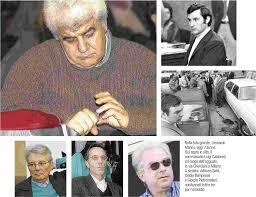
Nel riquadro più grande Leonardo Marino che si autoaccusò di essere stato l’autista di Bompressi, l’esecutore dell’omicidio, scaricando le maggiori responsabilità sugli altri tre. Nei riquadri più piccoli, Calabresi, Bompressi, Pietrostefani e Sofri.
I vestiti che il commissario Calabresi indossava quando è stato ucciso per strada sono spariti nel 1972 – lo stesso anno del delitto – prima che chiunque potesse esaminarli; la FIAT 125 blu, la macchina usata dagli assassini, viene conservata per sedici anni, per essere demolita nel 1988, cinque mesi dopo che Leonardo Marino si è autodenunciato, coinvolgendo Bompressi, Pietrostefani e Adriano Sofri; la pallottola che colpì Calabresi viene addirittura messa all’asta dopo un allagamento dell’ufficio corpi di reato.
Incidenti? Cialtroneria? Insabbiamento?
Si sbaglia ritenendo che fatti così siano una costante delle indagini poliziesche e giuridiche di questo paese?
Leonardo Marino si sveglia sedici anni dopo l’assassinio di Calabresi, dice di essere pieno di rimorso e pentimento (ma pochi mesi prima di uscire allo scoperto compie l’ennesima rapina), coinvolge i suoi ex compagni, ma sforna varie versioni dei fatti, si contraddice, non ricorda, ricorda male.
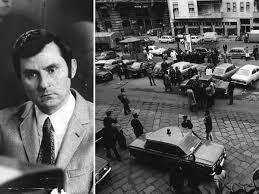
L’omicidio del commissario Luigi Calabresi può essere considerato il primo della lotta armata.
Carlo Ginzburg è amico di Adriano Sofri, lo scrive subito, e subito dice che crede fermamente alla sua innocenza.
Qui smontando dichiarazioni e dibattimenti processuali, si adopra per dimostrarla. L’innocenza.
Molto interessante il parallelo (confronto?) tra procedura della ricerca giuridica e procedura della ricerca storica.
Particolare che ignoravo e che trovo molto indicativo: Sofri dichiarò prima della sentenza di primo grado che se fosse stato condannato non avrebbe presentato appello. Sua forma di protesta per accuse e prove che lui (e Carlo Ginzburg, e io e affettuosamente molti altri) considerava insostenibili, senza base.
Beneficiò comunque degli effetti dell’appello perché furono i suoi coimputati a fare ricorso.
Nel riquadro più grande Leonardo Marino che si autoaccusò di essere stato l’autista di Bompressi, l’esecutore dell’omicidio, scaricando le maggiori responsabilità sugli altri tre. Nei riquadri più piccoli, Calabresi, Bompressi, Pietrostefani e Sofri.
I vestiti che il commissario Calabresi indossava quando è stato ucciso per strada sono spariti nel 1972 – lo stesso anno del delitto – prima che chiunque potesse esaminarli; la FIAT 125 blu, la macchina usata dagli assassini, viene conservata per sedici anni, per essere demolita nel 1988, cinque mesi dopo che Leonardo Marino si è autodenunciato, coinvolgendo Bompressi, Pietrostefani e Adriano Sofri; la pallottola che colpì Calabresi viene addirittura messa all’asta dopo un allagamento dell’ufficio corpi di reato.
Incidenti? Cialtroneria? Insabbiamento?
Si sbaglia ritenendo che fatti così siano una costante delle indagini poliziesche e giuridiche di questo paese?
Leonardo Marino si sveglia sedici anni dopo l’assassinio di Calabresi, dice di essere pieno di rimorso e pentimento (ma pochi mesi prima di uscire allo scoperto compie l’ennesima rapina), coinvolge i suoi ex compagni, ma sforna varie versioni dei fatti, si contraddice, non ricorda, ricorda male.
L’omicidio del commissario Luigi Calabresi può essere considerato il primo della lotta armata.
Carlo Ginzburg è amico di Adriano Sofri, lo scrive subito, e subito dice che crede fermamente alla sua innocenza.
Qui smontando dichiarazioni e dibattimenti processuali, si adopra per dimostrarla. L’innocenza.
Molto interessante il parallelo (confronto?) tra procedura della ricerca giuridica e procedura della ricerca storica.
Particolare che ignoravo e che trovo molto indicativo: Sofri dichiarò prima della sentenza di primo grado che se fosse stato condannato non avrebbe presentato appello. Sua forma di protesta per accuse e prove che lui (e Carlo Ginzburg, e io e affettuosamente molti altri) considerava insostenibili, senza base.
Beneficiò comunque degli effetti dell’appello perché furono i suoi coimputati a fare ricorso.

October 30, 2019
Più approfondisco l'argomento, meno certezze ho. Più dubbi mi sorgono, più mi sembra di avvicinarmi alla verità, anche se forse la verità non si saprà mai.


January 23, 2022
Es el primer libro completo que leo de Ginzburg. La verdad es que el título representa muy bien lo que contienen las páginas. A partir del juicio contra Adriano Sofri por el homicidio de Luigi Calebresi, Ginzbur realiza una serie de comentarios sobre la intrincada relación entre el trabajo de los jueces y de los historiadores. Creo que es mucho más interesante esas consideraciones metodológicas que el caso en particular y creo, por la misma razón, que el libro no cumple con las expectativas que yo tenía. Son consideraciones y comentarios muy menores que no alcanzan a justificarse totalmente. El trabajo de judicial e historiográfico, a mí parecer, tiene aristas que no fueron exploradas por Ginzburg y que resultan evidentes por la lectura del libro.
Sin embargo, hay que recordar que Adriano Sofri es un gran amigo de Ginzburg. Como él mismo lo indica la idea es contribuir a declarar la inocencia de Sofri. De lo anterior se entiende las explicaciones sobre el caso y el enconado interés por desestimar el testimonio de Leonado Marino y las decisiones de la Audiencia de lo Criminal de Milán.
Hecha esa aclaración, me parece que el libro de Ginzburg tiene una nula o muy baja importancia para el quehacer historiográfico. El título del libro es, en ese sentido, sumamente engañoso.
Sin embargo, hay que recordar que Adriano Sofri es un gran amigo de Ginzburg. Como él mismo lo indica la idea es contribuir a declarar la inocencia de Sofri. De lo anterior se entiende las explicaciones sobre el caso y el enconado interés por desestimar el testimonio de Leonado Marino y las decisiones de la Audiencia de lo Criminal de Milán.
Hecha esa aclaración, me parece que el libro de Ginzburg tiene una nula o muy baja importancia para el quehacer historiográfico. El título del libro es, en ese sentido, sumamente engañoso.

January 30, 2012
Very smart methodological intervention whose points are buried underneath a flood of examples. I know that the example is crucial both for the court case and histories, but here general claims about the miscarriage of justice constantly fled from larger points to intricate details. To demonstrate his arguments, Ginzburg resorts to the event, and to multiple retellings of it, to the court's rulings regarding these accounts, to the appeal overturning the rulings and the manner in which the witness testimonies were adjudicated, and again to the appeal overturning the overturning of the original ruling. As in real life, the court case here is a mess, but it's also a historian's responsibility to maintain coherence through organization. Despite Ginzburg's superb writing, this was lost several times.
June 22, 2020
Eccezionale. Lettura indispensabile.

November 24, 2012
extremely timely if somewhat burried in block quotes

February 22, 2020
The book reads into an Italian state-led anti-communism trial the methodology of Inquisition and witch trials. I am not aware of the Italian judiciary or the history of communism in the country so I can't really figure out why Ginzburg spends so much time on a lower court judgment (apart from the fact, that is, that some of his communist friends were falsely accused and imprisoned). I really liked the methodological defence of the value of conspiracy theories for historiography ('interpretative scepticism' of historical narratives). Ginzburg's interpretation of 'context' as 'an array of historical possibilities' is also interesting. His discussion of judicial error versus a historian's error is on the right track but seemed sketchy to me. There is a growing philosophical literature on inductive risk that goes into what sorts of errors are tolerable based on the scale of their consequences. But the two things that gripped me most were Ginzburg bringing to the fore the role of the stenographer and the repeated invocation of 'grave occurrence' by the state and its collaborators to deflect attention from their shaky reasoning.
October 22, 2025
Il libro è sicuramente interessante. L'autore è una garanzia sia per quanto concerne le riflessioni medologiche e storiografiche sia dal punto di vista narrativo. Mette in luce le problematiche del processo Sofri e quel complesso di errori e menzogne che lo hanno caratterizzato portando all'ingiusta a condanna di Bompressi, Pietrostefani e Sofri. Per quanto riguarda il parallelismo tra il giudice e lo storico se vi aspettate una lunga trattazione non la troverete, anche se è più volte esplicata la differenza (e le vicinanze) tra le due professioni.
October 30, 2025
i understand what he’s going for and it’s really interesting it’s just that his writing is so freakin dry and hard to pay attention to. everything else is amazing, it’s just the dam writing
August 22, 2026
Per ora abbandonato perché troppo noioso

September 18, 2012
20120918 ちくま学芸文庫版購入
歴史家ギンズブルグが知人の無実を証明すべく、公判記録の矛盾点を「歴史家」として厳しく追求・指摘
「証拠」の扱いとか表象研究批判とか歴史学的方法論批判とか一応色々入ってるけど、全部すっとばして犯罪小説として読んでも普通に面白い
一気に読んでしまった
歴史家ギンズブルグが知人の無実を証明すべく、公判記録の矛盾点を「歴史家」として厳しく追求・指摘
「証拠」の扱いとか表象研究批判とか歴史学的方法論批判とか一応色々入ってるけど、全部すっとばして犯罪小説として読んでも普通に面白い
一気に読んでしまった
Displaying 1 - 12 of 12 reviews