

What do you think?

Reading
Reading should not be just a mission. Reading is pleasure. This book aims to make your relationship with books, and reading in general, one that goes beyond the mere desire to hurry to finish a heavy task, or even the aspiration toward cognitive benefit, to the pure love of reading. When you reconcile with reading and love it, all its desired benefits will flow to you on their own.
62 pages, Paperback
Published August 25, 2021
Ratings & Reviews
Friends & Following
Create a free account to discover what your friends think of this book!
Community Reviews
Displaying 1 - 30 of 62 reviews

April 13, 2024
“𝘛𝘰 𝘵𝘩𝘰𝘴𝘦 𝘸𝘩𝘰 𝘢𝘥𝘰𝘳𝘦 𝘳𝘦𝘢𝘥𝘪𝘯𝘨. 𝘛𝘰 𝘵𝘩𝘰𝘴𝘦 𝘸𝘩𝘰 𝘢𝘳𝘦 𝘦𝘢𝘨𝘦𝘳 𝘵𝘰 𝘪𝘮𝘱𝘳𝘰𝘷𝘦 𝘢𝘯𝘥 𝘥𝘦𝘷𝘦𝘭𝘰𝘱 𝘵𝘩𝘦𝘪𝘳 𝘳𝘦𝘢𝘥𝘪𝘯𝘨 𝘴𝘬𝘪𝘭𝘭𝘴. 𝘛𝘰 𝘵𝘩𝘰𝘴𝘦 𝘸𝘩𝘰 𝘣𝘦𝘭𝘪𝘦𝘷𝘦 𝘵𝘩𝘢𝘵 𝘵𝘩𝘦𝘳𝘦 𝘢𝘳𝘦 𝘰𝘵𝘩𝘦𝘳 𝘮𝘦𝘢𝘯𝘴 𝘰𝘧 𝘬𝘯𝘰𝘸𝘭𝘦𝘥𝘨𝘦 𝘮𝘰𝘳𝘦 𝘪𝘮𝘱𝘰𝘳𝘵𝘢𝘯𝘵 𝘵𝘩𝘢𝘯 𝘳𝘦𝘢𝘥𝘪𝘯𝘨.”
𝗥𝗲𝗮𝗱𝗶𝗻𝗴 𝗯𝘆 𝗔𝗺𝗿 𝗠𝘂𝗻𝗲𝗲𝗿 𝗗𝗮𝗵𝗮𝗯
If you're in a reading slump or struggling to choose your next book, but crave an easy, inspiring read that hooks you from the first page, then this book is perfect for you.
The advice and quotes in this book were so profound and meaningful that I found myself almost highlighting every page. I love how the author writes about the things we often struggle with (especially us booksta-gramers), like comparing how many books we've read or what genres we like etc. I will share a sneak peek below:
𝘙𝘦𝘢𝘥𝘪𝘯𝘨 𝘴𝘩𝘰𝘶𝘭𝘥 𝘯𝘰𝘵 𝘣𝘦 𝘫𝘶𝘴𝘵 𝘢 𝘮𝘪𝘴𝘴𝘪𝘰𝘯. 𝘙𝘦𝘢𝘥𝘪𝘯𝘨 𝘪𝘴 𝘱𝘭𝘦𝘢𝘴𝘶𝘳𝘦.
𝘛𝘩𝘦 𝘱𝘳𝘪𝘰𝘳𝘪𝘵𝘪𝘦𝘴 𝘰𝘧 𝘺𝘰𝘶𝘳 𝘳𝘦𝘢𝘥𝘪𝘯𝘨 𝘨𝘰𝘢𝘭𝘴 𝘤𝘩𝘢𝘯𝘨𝘦 𝘸𝘪𝘵𝘩 𝘢𝘨𝘦. 𝘌𝘢𝘤𝘩 𝘴𝘵𝘢𝘨𝘦 𝘰𝘧 𝘭𝘪𝘧𝘦 𝘩𝘢𝘴 𝘪𝘵𝘴 𝘰𝘸𝘯 𝘵𝘦𝘮𝘱𝘦𝘳𝘢𝘮𝘦𝘯𝘵, 𝘢𝘯𝘥 𝘵𝘩𝘦𝘳𝘦 𝘪𝘴 𝘯𝘰𝘵𝘩𝘪𝘯𝘨 𝘵𝘰 𝘸𝘰𝘳𝘳𝘺 𝘢𝘣𝘰𝘶𝘵 𝘪𝘯 𝘢𝘯𝘺 𝘸𝘢𝘺.
𝘙𝘦𝘢𝘥𝘪𝘯𝘨 𝘪𝘴 𝘢 𝘱𝘭𝘦𝘢𝘴𝘶𝘳𝘦, 𝘢𝘯𝘥 𝘯𝘰 𝘰𝘯𝘦 𝘩𝘢𝘴 𝘵𝘩𝘦 𝘳𝘪𝘨𝘩𝘵 𝘵𝘰 𝘪𝘮𝘱𝘰𝘴𝘦 𝘰𝘯 𝘺𝘰𝘶 𝘩𝘰𝘸 𝘵𝘰 𝘦𝘯𝘫𝘰𝘺 𝘪𝘵.
𝗥𝗲𝗮𝗱𝗶𝗻𝗴 𝗯𝘆 𝗔𝗺𝗿 𝗠𝘂𝗻𝗲𝗲𝗿 𝗗𝗮𝗵𝗮𝗯
If you're in a reading slump or struggling to choose your next book, but crave an easy, inspiring read that hooks you from the first page, then this book is perfect for you.
The advice and quotes in this book were so profound and meaningful that I found myself almost highlighting every page. I love how the author writes about the things we often struggle with (especially us booksta-gramers), like comparing how many books we've read or what genres we like etc. I will share a sneak peek below:
𝘙𝘦𝘢𝘥𝘪𝘯𝘨 𝘴𝘩𝘰𝘶𝘭𝘥 𝘯𝘰𝘵 𝘣𝘦 𝘫𝘶𝘴𝘵 𝘢 𝘮𝘪𝘴𝘴𝘪𝘰𝘯. 𝘙𝘦𝘢𝘥𝘪𝘯𝘨 𝘪𝘴 𝘱𝘭𝘦𝘢𝘴𝘶𝘳𝘦.
𝘛𝘩𝘦 𝘱𝘳𝘪𝘰𝘳𝘪𝘵𝘪𝘦𝘴 𝘰𝘧 𝘺𝘰𝘶𝘳 𝘳𝘦𝘢𝘥𝘪𝘯𝘨 𝘨𝘰𝘢𝘭𝘴 𝘤𝘩𝘢𝘯𝘨𝘦 𝘸𝘪𝘵𝘩 𝘢𝘨𝘦. 𝘌𝘢𝘤𝘩 𝘴𝘵𝘢𝘨𝘦 𝘰𝘧 𝘭𝘪𝘧𝘦 𝘩𝘢𝘴 𝘪𝘵𝘴 𝘰𝘸𝘯 𝘵𝘦𝘮𝘱𝘦𝘳𝘢𝘮𝘦𝘯𝘵, 𝘢𝘯𝘥 𝘵𝘩𝘦𝘳𝘦 𝘪𝘴 𝘯𝘰𝘵𝘩𝘪𝘯𝘨 𝘵𝘰 𝘸𝘰𝘳𝘳𝘺 𝘢𝘣𝘰𝘶𝘵 𝘪𝘯 𝘢𝘯𝘺 𝘸𝘢𝘺.
𝘙𝘦𝘢𝘥𝘪𝘯𝘨 𝘪𝘴 𝘢 𝘱𝘭𝘦𝘢𝘴𝘶𝘳𝘦, 𝘢𝘯𝘥 𝘯𝘰 𝘰𝘯𝘦 𝘩𝘢𝘴 𝘵𝘩𝘦 𝘳𝘪𝘨𝘩𝘵 𝘵𝘰 𝘪𝘮𝘱𝘰𝘴𝘦 𝘰𝘯 𝘺𝘰𝘶 𝘩𝘰𝘸 𝘵𝘰 𝘦𝘯𝘫𝘰𝘺 𝘪𝘵.

March 28, 2024
this book definitely achieved it's purpose in succinct, easily understood short paragraphs.
I would recommend to all would be book lovers, booklovers who are feeling the sway of the bookstagram/ tiktok recs and anyone who would like to know more about the art of reading.
it includes validation all your personal choices as booklover or explorer if you prefer.
I like it.
I would recommend to all would be book lovers, booklovers who are feeling the sway of the bookstagram/ tiktok recs and anyone who would like to know more about the art of reading.
it includes validation all your personal choices as booklover or explorer if you prefer.
I like it.
June 16, 2024
The book is short and very easy to read. You can read it in a non linear manner. One of the techniques I used to read this book. I used to open a random page, then I would pick a thought and think to decide whether I agree with it or not.
A completion of a book gives a sense of satisfaction. And this book certainly does that.
Here are few important things I like about this books are:
1. The Sum is Greater Than its Parts:
- The book's comprehensive exploration of reading is its greatest strength. Dahab addresses not just the mechanics of reading, but also the psychological and emotional benefits. This makes the book accessible to a broad audience, from casual readers to avid bibliophiles. These inclusive and holistic idea makes the book worth a read.
"Reading in general is a complex mixture of intellectual, emotional, and psychological processes. These processes interact and evolve to produce the enjoyment and benefit of reading"
(Chapter: The Purpose of Reading).
2. Engaging Writing Style:
- The writing is conversational and engaging. He uses relatable anecdotes and straightforward language, making complex ideas about reading habits and their impacts easy to understand. This style helps maintain the reader’s interest and makes the content enjoyable to read.
"I cannot find greater joy than sitting with a good book, reading through its pages, feeling the pleasure of knowledge and the warmth of companionship"
(Chapter: Preface).
3. Inspirational Insights:
- The book is filled with motivational quotes and insights that encourage readers to embrace reading as a pleasurable and enriching activity. Dahab’s emphasis on the joy of reading as a sufficient purpose challenges the utilitarian view that reading must always have a tangible outcome. Although I do agree to this notion but a longer discussion would have help the reader to think deeper into this
One of the loftiest goals of reading is pleasure. If you feel pleasure while reading, you don’t need to be in a hurry to find another purpose to justify adoring books"
(Chapter: The Purpose of Reading).
4. Practical Advice:
- Dahab provides practical tips for enhancing the reading experience, such as advice on breaking out of genre-specific habits and strategies for reading in another language. These tips are immediately applicable and can help readers expand their literary horizons. I like this idea very much and I think it will help a lot of readers.
"Diversify your reading habits gradually. Start by choosing books from genres adjacent to your preferred one and expand from there"
(Chapter: Addiction to Reading a Specific Genre).
Although the book is written in the form of a collection of aphorism instead of a regular book, some attention is required for these elements.
1. Oversimplification of Issues:
- Some topics, like the debate between fast and slow reading, are addressed in a way that may feel superficial to more seasoned readers. A more in-depth analysis with empirical evidence and detailed discussions could have added depth and credibility to these sections.
"Fast reading is a skill that can be improved with practice. While it allows for quick assimilation of information, it should not replace the pleasure of slow, reflective reading"
(Chapter: Fast Reading versus Slow Reading).
2. Lack of Structured Strategies:
- While the book offers practical advice, it sometimes lacks structured strategies for implementing these tips. For instance, the advice on diversifying reading genres is valuable, but specific steps or a more detailed plan could make this guidance more actionable.
"To break the habit of reading only specific genres, try reading reviews and summaries of books outside your comfort zone before diving into them"
(Chapter: Addiction to Reading a Specific Genre).
3. Repetition:
- Certain ideas and themes are repeated throughout the book, which can feel redundant. Streamlining the content to avoid unnecessary repetition would make the book more concise and impactful.
"Reading should be pleasurable. If you don’t enjoy what you’re reading, it’s okay to put it down and try something else. This idea is reiterated throughout the book in various contexts"
(Chapter: Stop Reading for a While).
Writing Style:
- The personal anecdotes and reflections create a sense of intimacy and relatability, drawing readers into his experiences and perspectives on reading. This style helps maintain the reader’s interest and makes the content enjoyable to read.
- The book's content is designed to appeal to a wide range of readers, from those just starting their reading journey to avid readers looking to enhance their habits.
The book has a rhythm and flow that is enjoyable and I think one should read this book nonetheless linearly rather than going chapter by chapter. It gives you a purpose and time to reflect on the thoughts the author has explored. Overall it’s a good read.
A completion of a book gives a sense of satisfaction. And this book certainly does that.
Here are few important things I like about this books are:
1. The Sum is Greater Than its Parts:
- The book's comprehensive exploration of reading is its greatest strength. Dahab addresses not just the mechanics of reading, but also the psychological and emotional benefits. This makes the book accessible to a broad audience, from casual readers to avid bibliophiles. These inclusive and holistic idea makes the book worth a read.
"Reading in general is a complex mixture of intellectual, emotional, and psychological processes. These processes interact and evolve to produce the enjoyment and benefit of reading"
(Chapter: The Purpose of Reading).
2. Engaging Writing Style:
- The writing is conversational and engaging. He uses relatable anecdotes and straightforward language, making complex ideas about reading habits and their impacts easy to understand. This style helps maintain the reader’s interest and makes the content enjoyable to read.
"I cannot find greater joy than sitting with a good book, reading through its pages, feeling the pleasure of knowledge and the warmth of companionship"
(Chapter: Preface).
3. Inspirational Insights:
- The book is filled with motivational quotes and insights that encourage readers to embrace reading as a pleasurable and enriching activity. Dahab’s emphasis on the joy of reading as a sufficient purpose challenges the utilitarian view that reading must always have a tangible outcome. Although I do agree to this notion but a longer discussion would have help the reader to think deeper into this
One of the loftiest goals of reading is pleasure. If you feel pleasure while reading, you don’t need to be in a hurry to find another purpose to justify adoring books"
(Chapter: The Purpose of Reading).
4. Practical Advice:
- Dahab provides practical tips for enhancing the reading experience, such as advice on breaking out of genre-specific habits and strategies for reading in another language. These tips are immediately applicable and can help readers expand their literary horizons. I like this idea very much and I think it will help a lot of readers.
"Diversify your reading habits gradually. Start by choosing books from genres adjacent to your preferred one and expand from there"
(Chapter: Addiction to Reading a Specific Genre).
Although the book is written in the form of a collection of aphorism instead of a regular book, some attention is required for these elements.
1. Oversimplification of Issues:
- Some topics, like the debate between fast and slow reading, are addressed in a way that may feel superficial to more seasoned readers. A more in-depth analysis with empirical evidence and detailed discussions could have added depth and credibility to these sections.
"Fast reading is a skill that can be improved with practice. While it allows for quick assimilation of information, it should not replace the pleasure of slow, reflective reading"
(Chapter: Fast Reading versus Slow Reading).
2. Lack of Structured Strategies:
- While the book offers practical advice, it sometimes lacks structured strategies for implementing these tips. For instance, the advice on diversifying reading genres is valuable, but specific steps or a more detailed plan could make this guidance more actionable.
"To break the habit of reading only specific genres, try reading reviews and summaries of books outside your comfort zone before diving into them"
(Chapter: Addiction to Reading a Specific Genre).
3. Repetition:
- Certain ideas and themes are repeated throughout the book, which can feel redundant. Streamlining the content to avoid unnecessary repetition would make the book more concise and impactful.
"Reading should be pleasurable. If you don’t enjoy what you’re reading, it’s okay to put it down and try something else. This idea is reiterated throughout the book in various contexts"
(Chapter: Stop Reading for a While).
Writing Style:
- The personal anecdotes and reflections create a sense of intimacy and relatability, drawing readers into his experiences and perspectives on reading. This style helps maintain the reader’s interest and makes the content enjoyable to read.
- The book's content is designed to appeal to a wide range of readers, from those just starting their reading journey to avid readers looking to enhance their habits.
The book has a rhythm and flow that is enjoyable and I think one should read this book nonetheless linearly rather than going chapter by chapter. It gives you a purpose and time to reflect on the thoughts the author has explored. Overall it’s a good read.
February 6, 2024
"Look at any period of stopping reading, whether compulsive or intentional, as if it were a recovery period in which you
regain your mental fitness after a long status of reading glut.
A reading pause is useful and refreshing, especially when it is not for a long time."
Absolutely, there are moments when I get so engrossed in reading books for extended periods that I start feeling the urge to step outside and reconnect with the world. Taking a pause truly helps me regain a sense of reality, almost like needing to touch the grass to ground myself. Personally, I view breaks from reading as crucial moments for mental rejuvenation. Whether it's a conscious decision to pause or circumstances leading to a break, I find these intervals instrumental in maintaining a balanced and refreshed cognitive state. They offer a chance to step back, absorb information, and return to reading with a renewed focus, fostering a healthier and more sustainable reading habit.
"Your review of any book should reflect your opinion about whether the book achieved its purpose, not about whether you liked the book or not."
This insight has shifted my approach to writing reviews; I used to focus on whether I liked a book or not. Now, understanding that the review should center around whether the book fulfilled its purpose makes more sense to me. Absolutely, acknowledging the personal perspective and the reading experience is crucial. While evaluating if the author achieved the book's purpose is vital, your individual connection and engagement with the material contribute to a well-rounded review. Balancing both aspects provides a comprehensive understanding for potential readers.
I thoroughly enjoyed delving into this book about reading, this is my first time reading a book about "reading" haha. It reminds me of Mortimer J. Adler's "How to Read a Book" (Booktasters, consider sponsoring me) that I also want to read. Anyway, I am eagerly anticipating my next read from this author!
regain your mental fitness after a long status of reading glut.
A reading pause is useful and refreshing, especially when it is not for a long time."
Absolutely, there are moments when I get so engrossed in reading books for extended periods that I start feeling the urge to step outside and reconnect with the world. Taking a pause truly helps me regain a sense of reality, almost like needing to touch the grass to ground myself. Personally, I view breaks from reading as crucial moments for mental rejuvenation. Whether it's a conscious decision to pause or circumstances leading to a break, I find these intervals instrumental in maintaining a balanced and refreshed cognitive state. They offer a chance to step back, absorb information, and return to reading with a renewed focus, fostering a healthier and more sustainable reading habit.
"Your review of any book should reflect your opinion about whether the book achieved its purpose, not about whether you liked the book or not."
This insight has shifted my approach to writing reviews; I used to focus on whether I liked a book or not. Now, understanding that the review should center around whether the book fulfilled its purpose makes more sense to me. Absolutely, acknowledging the personal perspective and the reading experience is crucial. While evaluating if the author achieved the book's purpose is vital, your individual connection and engagement with the material contribute to a well-rounded review. Balancing both aspects provides a comprehensive understanding for potential readers.
I thoroughly enjoyed delving into this book about reading, this is my first time reading a book about "reading" haha. It reminds me of Mortimer J. Adler's "How to Read a Book" (Booktasters, consider sponsoring me) that I also want to read. Anyway, I am eagerly anticipating my next read from this author!

September 12, 2023
This is a short read that gave me quite a bit to think about in terms of my own reading habits.
In 18 chapters, Amr Muneer Dahab offers his opinion and advice on everything from the purpose of reading to how to review a book.
Reading is something that can elicit varied reactions from people when mentioned as a pastime. Regular readers may have their preferred genres or may read a wide variety of fiction and non-fiction. Non-readers may wonder what the fuss is all about.
I liked that this book was dedicated to both readers and non-readers, in a sense reminding avid readers that there are those who perhaps don't read because they don't know where to start.
Some of the advice in the book were things I thought came naturally with the reading journey over the years, but I now realise that these were not necessarily innate.
As reading is a subjective activity, I didn't agree with all the advice in the book. For example, I've not been able to skip sections of fiction books (textbooks are another story). I did, however, whole-heartedly agree with one of the points in chapter six ("Reading a poorly written book"), which states "Even with a well-written book, you don't have to accept everything it says."
I'd recommend this thought-provoking read to avid readers, non-readers, and everyone in between. No matter where you are on your reading journey, or how you view books and reading in general, there's always something interesting to learn about the pastime and those of us who love it.
Many thanks to Booktasters and the author for a copy of the book in exchange for an honest review.
In 18 chapters, Amr Muneer Dahab offers his opinion and advice on everything from the purpose of reading to how to review a book.
Reading is something that can elicit varied reactions from people when mentioned as a pastime. Regular readers may have their preferred genres or may read a wide variety of fiction and non-fiction. Non-readers may wonder what the fuss is all about.
I liked that this book was dedicated to both readers and non-readers, in a sense reminding avid readers that there are those who perhaps don't read because they don't know where to start.
Some of the advice in the book were things I thought came naturally with the reading journey over the years, but I now realise that these were not necessarily innate.
As reading is a subjective activity, I didn't agree with all the advice in the book. For example, I've not been able to skip sections of fiction books (textbooks are another story). I did, however, whole-heartedly agree with one of the points in chapter six ("Reading a poorly written book"), which states "Even with a well-written book, you don't have to accept everything it says."
I'd recommend this thought-provoking read to avid readers, non-readers, and everyone in between. No matter where you are on your reading journey, or how you view books and reading in general, there's always something interesting to learn about the pastime and those of us who love it.
Many thanks to Booktasters and the author for a copy of the book in exchange for an honest review.

October 13, 2024
In Reading, Amr Muneer Dahab sets out to explore the diverse relationships between readers and books by offering a reflective yet somewhat idealized perspective on what reading can be. While it aims to inspire a much more appreciated and deep love for the written word. It occasionally sounds too romanticized and detached from the practical realities that many readers face.
At its core, the book presents reading as an experience of pleasure and growth, which is an interesting and refreshing stance in a world where reading is mostly framed as purely utilitarian. Dahab’s insistence that reading should bring joy above all else is a welcome reminder to those who feel burdened by the idea that books are only valuable for the knowledge they impart. His perspective on reading for enjoyment rather than obligation is one of the book's strongest points. This perspective makes it clear that there is more to be gained from a deep emotional connection to reading than from rote learning.
However, the book’s aspirational tone feels out of touch with the more mundane or less inspiring aspects of reading that many people experience. Dahab tends to paint an almost utopian view of the reader’s journey and, in the process, suggests that even poorly written books may offer meaningful benefits. While this viewpoint encourages critical thinking, it might strike some readers as overly optimistic, especially those who have read widely and, in the process, waded through truly disappointing books. The notion that every reading experience can be transformative may not resonate with those who have struggled through dull, irrelevant, or poorly constructed texts. Sometimes, a bad book is just a bad book.
Another strength of Reading lies in its thoughtful breakdown of different reading methods; whether fast or slow, cover-to-cover or selective. Dahab offers helpful advice on how to approach books of various lengths and genres without being prescriptive. This flexible approach gives the reader a sense of autonomy and personal choice, which is crucial. Yet, even here, the author's encouragement of experimentation comes across as too open-ended for those looking for more concrete advice. The repeated insistence that there is no “right way” to read feels freeing at first, but as the book progresses, it leaves one wanting a more structured framework for how to engage meaningfully with challenging texts.
Dahab’s discussion of e-books versus print books also captures the tension between tradition and technology well, though it offers no definitive stance. He acknowledges the inevitable rise of e-books while still hinting at nostalgia for paperbacks, but this neutrality leaves readers feeling unsatisfied. In an age that is rapidly digitizing, a more decisive perspective will add more depth to this conversation.
One of the most interesting parts of the book is Dahab’s view on the changing nature of reading habits over time. He rightly notes that what and how we read evolves as we age, but this, too, feels slightly incomplete. While he acknowledges that our reading needs change, he avoids exploring deeply into how external factors like work, family, or the broader societal pressures shape those changes. A more complex exploration of how these factors influence our relationship with books may have enriched the discussion significantly.
In terms of reviewing books, Dahab’s advice is generally sound; particularly his emphasis on objectivity and avoiding bias. Yet, the focus on "whether a book achieves its purpose" rather than whether you simply like it feels both refreshing and slightly mechanical. For many readers, the emotional and subjective experience of a book is just as important as its objective merits, and the book’s tendency to underplay this side of things might not sit well with those who believe in the visceral power of literature.
In all, Reading is a thoughtful and inspiring guide for those who already have a deep love of books. It will appeal to readers who see books as more than just tools for knowledge but as companions in life. But for those who seek a more practical or critical approach to reading--particularly those wrestling with books they don’t enjoy--Dahab’s optimistic and sometimes overly broad take might feel less useful. His insistence on the joy of reading is uplifting, but a more grounded exploration of the challenges of reading would have balanced the narrative more effectively.
At its core, the book presents reading as an experience of pleasure and growth, which is an interesting and refreshing stance in a world where reading is mostly framed as purely utilitarian. Dahab’s insistence that reading should bring joy above all else is a welcome reminder to those who feel burdened by the idea that books are only valuable for the knowledge they impart. His perspective on reading for enjoyment rather than obligation is one of the book's strongest points. This perspective makes it clear that there is more to be gained from a deep emotional connection to reading than from rote learning.
However, the book’s aspirational tone feels out of touch with the more mundane or less inspiring aspects of reading that many people experience. Dahab tends to paint an almost utopian view of the reader’s journey and, in the process, suggests that even poorly written books may offer meaningful benefits. While this viewpoint encourages critical thinking, it might strike some readers as overly optimistic, especially those who have read widely and, in the process, waded through truly disappointing books. The notion that every reading experience can be transformative may not resonate with those who have struggled through dull, irrelevant, or poorly constructed texts. Sometimes, a bad book is just a bad book.
Another strength of Reading lies in its thoughtful breakdown of different reading methods; whether fast or slow, cover-to-cover or selective. Dahab offers helpful advice on how to approach books of various lengths and genres without being prescriptive. This flexible approach gives the reader a sense of autonomy and personal choice, which is crucial. Yet, even here, the author's encouragement of experimentation comes across as too open-ended for those looking for more concrete advice. The repeated insistence that there is no “right way” to read feels freeing at first, but as the book progresses, it leaves one wanting a more structured framework for how to engage meaningfully with challenging texts.
Dahab’s discussion of e-books versus print books also captures the tension between tradition and technology well, though it offers no definitive stance. He acknowledges the inevitable rise of e-books while still hinting at nostalgia for paperbacks, but this neutrality leaves readers feeling unsatisfied. In an age that is rapidly digitizing, a more decisive perspective will add more depth to this conversation.
One of the most interesting parts of the book is Dahab’s view on the changing nature of reading habits over time. He rightly notes that what and how we read evolves as we age, but this, too, feels slightly incomplete. While he acknowledges that our reading needs change, he avoids exploring deeply into how external factors like work, family, or the broader societal pressures shape those changes. A more complex exploration of how these factors influence our relationship with books may have enriched the discussion significantly.
In terms of reviewing books, Dahab’s advice is generally sound; particularly his emphasis on objectivity and avoiding bias. Yet, the focus on "whether a book achieves its purpose" rather than whether you simply like it feels both refreshing and slightly mechanical. For many readers, the emotional and subjective experience of a book is just as important as its objective merits, and the book’s tendency to underplay this side of things might not sit well with those who believe in the visceral power of literature.
In all, Reading is a thoughtful and inspiring guide for those who already have a deep love of books. It will appeal to readers who see books as more than just tools for knowledge but as companions in life. But for those who seek a more practical or critical approach to reading--particularly those wrestling with books they don’t enjoy--Dahab’s optimistic and sometimes overly broad take might feel less useful. His insistence on the joy of reading is uplifting, but a more grounded exploration of the challenges of reading would have balanced the narrative more effectively.

March 1, 2024
“𝐀 𝐛𝐨𝐨𝐤 𝐢𝐬 𝐚 𝐠𝐚𝐫𝐝𝐞𝐧, 𝐚𝐧 𝐨𝐫𝐜𝐡𝐚𝐫𝐝, 𝐚 𝐬𝐭𝐨𝐫𝐞𝐡𝐨𝐮𝐬𝐞, 𝐚 𝐩𝐚𝐫𝐭𝐲, 𝐚 𝐜𝐨𝐦𝐩𝐚𝐧𝐲 𝐛𝐲 𝐭𝐡𝐞 𝐰𝐚𝐲, 𝐚 𝐜𝐨𝐮𝐧𝐬𝐞𝐥𝐨𝐫, 𝐚 𝐦𝐮𝐥𝐭𝐢𝐭𝐮𝐝𝐞 𝐨𝐟 𝐜𝐨𝐮𝐧𝐬𝐞𝐥𝐨𝐫𝐬.” ~ 𝐂𝐡𝐚𝐫𝐥𝐞𝐬 𝐁𝐚𝐮𝐝𝐞𝐥𝐚𝐢𝐫𝐞
"𝐈𝐭 𝐰𝐚𝐬𝐧'𝐭 𝐮𝐧𝐭𝐢𝐥 𝐈 𝐬𝐭𝐚𝐫𝐭𝐞𝐝 𝐫𝐞𝐚𝐝𝐢𝐧𝐠 𝐚𝐧𝐝 𝐟𝐨𝐮𝐧𝐝 𝐛𝐨𝐨𝐤𝐬, 𝐭𝐡𝐞𝐲 𝐰𝐨𝐮𝐥𝐝𝐧'𝐭 𝐥𝐞𝐭 𝐮𝐬 𝐫𝐞𝐚𝐝 𝐢𝐧 𝐬𝐜𝐡𝐨𝐨𝐥 𝐭𝐡𝐚𝐭 𝐈 𝐝𝐢𝐬𝐜𝐨𝐯𝐞𝐫𝐞𝐝 𝐲𝐨𝐮 𝐜𝐨𝐮𝐥𝐝 𝐛𝐞 𝐢𝐧𝐬𝐚𝐧𝐞 𝐚𝐧𝐝 𝐡𝐚𝐩𝐩𝐲 𝐚𝐧𝐝 𝐡𝐚𝐯𝐞 𝐚 𝐠𝐨𝐨𝐝 𝐥𝐢𝐟𝐞 𝐰𝐢𝐭𝐡𝐨𝐮𝐭 𝐛𝐞𝐢𝐧𝐠 𝐥𝐢𝐤𝐞 𝐞𝐯𝐞𝐫𝐲𝐛𝐨𝐝𝐲 𝐞𝐥𝐬𝐞." – 𝐉𝐨𝐡𝐧 𝐖𝐚𝐭𝐞𝐫𝐬.
The Author, AMR Muneer Dahab, introduces Reading as a pleasure and not just a mission.
All that we read solely to help us complete work or as a duty might enable us to achieve that purpose, but there is more to the joy of reading, without which we will miss what should remain forever in our subconscious: inspiration and its manifestations in various aspects of your life.
The purpose of book discussions is not to arrive at a unified view of what is being presented. Rather, it is to experience an enriched discussion with divergent opinions.
No reading genre is the best. We determine that, according to what we find ourselves in need of and attracted to.
As the author put it, we should avoid the glut of reading and give our minds the ability to think and analyze.
"Look at any period of stopping reading, whether compulsive or intentional, as if it were a recovery period in which you regain your mental fitness after a long status of reading glut. A reading pause is useful and refreshing, especially when it is not for a long time."
"Your review of any book should reflect your opinion about whether the book achieved its purpose, not about whether you liked the book or not."
This insight has shifted my approach to writing reviews; I don’t focus on whether I liked a book or not, but I concentrate on the purpose of the book. Now, understanding that the review should center around whether the book fulfilled its purpose makes more sense to me. Acknowledging the personal perspective and the reading experience is crucial. While evaluating if the author achieved the book's purpose is vital, your connection and engagement with the material contribute to a well-rounded review. Balancing both aspects provides a comprehensive understanding for potential readers.
Reading is something that can elicit varied reactions from people when mentioned as a pastime. Regular readers like me have their preferred genres or may read a wide variety of non-fiction. Non-readers may wonder what the fuss is all about. I always read with intentions and each book leaves a mark on my life.
I liked that this book was dedicated to both readers and non-readers, in a sense reminding avid readers that some perhaps don't read because they don't know where to start.
As reading is a subjective activity, I didn't agree with all the advice in the book. For example, I've not been able to skip sections of non-fiction books (textbooks are another story). I did, however, wholeheartedly agree with one of the points in chapter six ("Reading a poorly written book"), which states "Even with a well-written book, you don't have to accept everything it says."
I'd recommend this thought-provoking read to avid readers, non-readers, and everyone in between. No matter where you are on your reading journey, or how you view books and reading in general, there's always something interesting to learn about the pastime and those of us who love it.
I thoroughly enjoyed delving into this book about Reading, this is my first time reading a book about "reading" and my second book by the author.
"𝐈𝐭 𝐰𝐚𝐬𝐧'𝐭 𝐮𝐧𝐭𝐢𝐥 𝐈 𝐬𝐭𝐚𝐫𝐭𝐞𝐝 𝐫𝐞𝐚𝐝𝐢𝐧𝐠 𝐚𝐧𝐝 𝐟𝐨𝐮𝐧𝐝 𝐛𝐨𝐨𝐤𝐬, 𝐭𝐡𝐞𝐲 𝐰𝐨𝐮𝐥𝐝𝐧'𝐭 𝐥𝐞𝐭 𝐮𝐬 𝐫𝐞𝐚𝐝 𝐢𝐧 𝐬𝐜𝐡𝐨𝐨𝐥 𝐭𝐡𝐚𝐭 𝐈 𝐝𝐢𝐬𝐜𝐨𝐯𝐞𝐫𝐞𝐝 𝐲𝐨𝐮 𝐜𝐨𝐮𝐥𝐝 𝐛𝐞 𝐢𝐧𝐬𝐚𝐧𝐞 𝐚𝐧𝐝 𝐡𝐚𝐩𝐩𝐲 𝐚𝐧𝐝 𝐡𝐚𝐯𝐞 𝐚 𝐠𝐨𝐨𝐝 𝐥𝐢𝐟𝐞 𝐰𝐢𝐭𝐡𝐨𝐮𝐭 𝐛𝐞𝐢𝐧𝐠 𝐥𝐢𝐤𝐞 𝐞𝐯𝐞𝐫𝐲𝐛𝐨𝐝𝐲 𝐞𝐥𝐬𝐞." – 𝐉𝐨𝐡𝐧 𝐖𝐚𝐭𝐞𝐫𝐬.
The Author, AMR Muneer Dahab, introduces Reading as a pleasure and not just a mission.
All that we read solely to help us complete work or as a duty might enable us to achieve that purpose, but there is more to the joy of reading, without which we will miss what should remain forever in our subconscious: inspiration and its manifestations in various aspects of your life.
The purpose of book discussions is not to arrive at a unified view of what is being presented. Rather, it is to experience an enriched discussion with divergent opinions.
No reading genre is the best. We determine that, according to what we find ourselves in need of and attracted to.
As the author put it, we should avoid the glut of reading and give our minds the ability to think and analyze.
"Look at any period of stopping reading, whether compulsive or intentional, as if it were a recovery period in which you regain your mental fitness after a long status of reading glut. A reading pause is useful and refreshing, especially when it is not for a long time."
"Your review of any book should reflect your opinion about whether the book achieved its purpose, not about whether you liked the book or not."
This insight has shifted my approach to writing reviews; I don’t focus on whether I liked a book or not, but I concentrate on the purpose of the book. Now, understanding that the review should center around whether the book fulfilled its purpose makes more sense to me. Acknowledging the personal perspective and the reading experience is crucial. While evaluating if the author achieved the book's purpose is vital, your connection and engagement with the material contribute to a well-rounded review. Balancing both aspects provides a comprehensive understanding for potential readers.
Reading is something that can elicit varied reactions from people when mentioned as a pastime. Regular readers like me have their preferred genres or may read a wide variety of non-fiction. Non-readers may wonder what the fuss is all about. I always read with intentions and each book leaves a mark on my life.
I liked that this book was dedicated to both readers and non-readers, in a sense reminding avid readers that some perhaps don't read because they don't know where to start.
As reading is a subjective activity, I didn't agree with all the advice in the book. For example, I've not been able to skip sections of non-fiction books (textbooks are another story). I did, however, wholeheartedly agree with one of the points in chapter six ("Reading a poorly written book"), which states "Even with a well-written book, you don't have to accept everything it says."
I'd recommend this thought-provoking read to avid readers, non-readers, and everyone in between. No matter where you are on your reading journey, or how you view books and reading in general, there's always something interesting to learn about the pastime and those of us who love it.
I thoroughly enjoyed delving into this book about Reading, this is my first time reading a book about "reading" and my second book by the author.
Read
September 6, 2023I love to read, so reading a book about something I love to do was easy!
This book is short but packed with some high-impact ideas.
The author takes a step back so the reader can see themselves objectively and even suggests the more you read, the less you will care about what others think about you!
She brings to the forefront the benefits of reading, including getting to know yourself and other cultures. "Books give you an opportunity to rejuvenate your life and expand your horizons."
The author encourages the reader to develop their own opinions. "Don't let other people's opinions change your assessment of any issue."
Don't forget that your brain is just a muscle, and like any muscle in your body, it will "grow with intellectual nutrition and training and wither with starvation."
"The best books are the ones that left a deep impression on you and kept inspiring you even with a single sentence."
I love the above quote from the author because, as an artist, I've been inspired to paint a painting from a book I've read. The book that inspired me was "The Book Thief," by Marcus Zusak.
I was blown away when I first read this quote from Markus Zusak, "She could already see the words just dissolving, letter by letter till there was nothing left. Just paper. Just earth."
This image of dissolving letters came into my mind - all the letters - dissolving into nothing, and that's what I painted!
I have my favorite authors and always gravitate in their direction, but the author encourages the reader to explore other options. "Just as destiny made you fall in love with the genre you love, another destiny can make you fall in love with another genre. Seek that destiny to expand your circles of knowledge."
The author reminds us of the many benefits of reading and that those benefits are life-long! "Your return on investment in reading books is extended and renewed throughout life."
It's always a challenge for me to review a book, but the author makes the process much easier! "Your review should reflect your opinion about whether the book achieved its purpose, not about whether you like the book or not."
I liked the author's advice on writing a fair review. "Present the idea of the book in general and then show the most important of what you see as done well and could have been done better."
She also suggests it's "okay" to suggest the type of people who would benefit from reading the book.
The author clarifies how important it is to any author to write a review. "No matter how busy you are, never miss an opportunity to write or comment on what you've read, even if it's just one line or a few carefully chosen words."
In summary, the author reiterates the importance of books in our fast-paced lives. "Books are still distinguished by the fast information and knowledge they provide to the reader, which clearly exceeds what any person can acquire from knowledge of life experiences no matter how many life experiences they might have."
I love this closing quote from the author, "The deepest means of knowledge are an open mind and soul."
This book is short but packed with some high-impact ideas.
The author takes a step back so the reader can see themselves objectively and even suggests the more you read, the less you will care about what others think about you!
She brings to the forefront the benefits of reading, including getting to know yourself and other cultures. "Books give you an opportunity to rejuvenate your life and expand your horizons."
The author encourages the reader to develop their own opinions. "Don't let other people's opinions change your assessment of any issue."
Don't forget that your brain is just a muscle, and like any muscle in your body, it will "grow with intellectual nutrition and training and wither with starvation."
"The best books are the ones that left a deep impression on you and kept inspiring you even with a single sentence."
I love the above quote from the author because, as an artist, I've been inspired to paint a painting from a book I've read. The book that inspired me was "The Book Thief," by Marcus Zusak.
I was blown away when I first read this quote from Markus Zusak, "She could already see the words just dissolving, letter by letter till there was nothing left. Just paper. Just earth."
This image of dissolving letters came into my mind - all the letters - dissolving into nothing, and that's what I painted!
I have my favorite authors and always gravitate in their direction, but the author encourages the reader to explore other options. "Just as destiny made you fall in love with the genre you love, another destiny can make you fall in love with another genre. Seek that destiny to expand your circles of knowledge."
The author reminds us of the many benefits of reading and that those benefits are life-long! "Your return on investment in reading books is extended and renewed throughout life."
It's always a challenge for me to review a book, but the author makes the process much easier! "Your review should reflect your opinion about whether the book achieved its purpose, not about whether you like the book or not."
I liked the author's advice on writing a fair review. "Present the idea of the book in general and then show the most important of what you see as done well and could have been done better."
She also suggests it's "okay" to suggest the type of people who would benefit from reading the book.
The author clarifies how important it is to any author to write a review. "No matter how busy you are, never miss an opportunity to write or comment on what you've read, even if it's just one line or a few carefully chosen words."
In summary, the author reiterates the importance of books in our fast-paced lives. "Books are still distinguished by the fast information and knowledge they provide to the reader, which clearly exceeds what any person can acquire from knowledge of life experiences no matter how many life experiences they might have."
I love this closing quote from the author, "The deepest means of knowledge are an open mind and soul."
March 31, 2025
This is a step-by-step guide that handheld readers to the beautiful journey of book reading. Spread across multiple sections, the author uses the bullet-point approach to drill down the reading strategies, so the readers have a healthy companionship with books. He also justifies reading as an emotional pleasure and an aid to improvising the skill/expertise.
I like the concept of terming the habit of reading as a cognitive succor rather than as a burden of completion. The author equally entitles the habit of exploring the genres outside the zone of comfort and delving into the writings of authors from various countries and regions.
He also postulates the reading ability and provides tips to make the experience of reading a delightful one. He throws light on the expeditious reading phylum with the motive of ubiquitous and enthrallment preciseness.
I appreciate the stance of the author's advice to readers not to be judgemental during a read, be it the size of a book, poor writing, book judging, guilt-free reading, non-English reading, and so on. He jots down in his way what book reading fetches to the readers and ample benefits in the reading journey. He also convinces readers about "Reading Slump" as a congenital prodigy and has the scope to pause and relook for self-assessment.
He concludes with a bunch of tips to review the books that we all read to voice out our opinion to the world in an efficient way and to be honest and not carried away with other assertions, after all, it's "your review and your impression"
Do check out this book to understand the opinion on how the author distinguished ebook and physical copies and his take on reading as a medium of receptive knowledge and to cultivate open-mindedness in reviewing the book and voicing out the reader's viewpoint
A must-have book for those who are into the reading emergence that deep dive into every damn thing about books and book reading habits.
I like the concept of terming the habit of reading as a cognitive succor rather than as a burden of completion. The author equally entitles the habit of exploring the genres outside the zone of comfort and delving into the writings of authors from various countries and regions.
He also postulates the reading ability and provides tips to make the experience of reading a delightful one. He throws light on the expeditious reading phylum with the motive of ubiquitous and enthrallment preciseness.
I appreciate the stance of the author's advice to readers not to be judgemental during a read, be it the size of a book, poor writing, book judging, guilt-free reading, non-English reading, and so on. He jots down in his way what book reading fetches to the readers and ample benefits in the reading journey. He also convinces readers about "Reading Slump" as a congenital prodigy and has the scope to pause and relook for self-assessment.
He concludes with a bunch of tips to review the books that we all read to voice out our opinion to the world in an efficient way and to be honest and not carried away with other assertions, after all, it's "your review and your impression"
Do check out this book to understand the opinion on how the author distinguished ebook and physical copies and his take on reading as a medium of receptive knowledge and to cultivate open-mindedness in reviewing the book and voicing out the reader's viewpoint
A must-have book for those who are into the reading emergence that deep dive into every damn thing about books and book reading habits.

April 11, 2026
In "Reading", Amr Muneer Dahab explores the act of reading not just as a hobby, but as a fundamental tool for mental survival and intellectual growth. The book is less of a "how-to" guide and more of a philosophical deep dive into why we open books in the first place. Dahab starts by looking at the mindset of a reader. He argues that reading is a form of "internal migration"—a way to travel through thoughts and eras without moving. He challenges the idea that we should read just to finish a book, suggesting instead that the quality of engagement matters more than the quantity of pages. A significant portion of the book focuses on how what we read reflects who we are. Dahab suggests that our choice of literature is a window into our hidden desires, fears, and curiosities. He encourages readers to be honest about their tastes rather than reading what is "trendy" or "prestigious." Dahab touches on the modern struggle: the short attention span. He contrasts the "fast food" consumption of social media snippets with the "fine dining" experience of a deep, complex book. He advocates for a return to "slow reading" to reclaim our ability to think deeply. The author also examines how societies that prioritize reading tend to be more resilient and innovative. He treats reading as a civic duty—a way to ensure that a culture doesn't become stagnant or easily manipulated.
Dahab’s writing is incredibly accessible. He avoids heavy academic jargon, making his points feel like advice from a wise friend. He successfully elevates "reading" from a school-day chore to a life-long superpower. My personal view is that this book acts as a recharge. If you’ve ever felt "reader’s burnout" or felt guilty for not reading enough, Dahab removes that guilt. He reminds us that reading is a private, sacred act between the author and the reader.
It’s a short, punchy, and necessary reminder for anyone living in a digital world. It’s not just about books; it’s about protecting your mind.
Dahab’s writing is incredibly accessible. He avoids heavy academic jargon, making his points feel like advice from a wise friend. He successfully elevates "reading" from a school-day chore to a life-long superpower. My personal view is that this book acts as a recharge. If you’ve ever felt "reader’s burnout" or felt guilty for not reading enough, Dahab removes that guilt. He reminds us that reading is a private, sacred act between the author and the reader.
It’s a short, punchy, and necessary reminder for anyone living in a digital world. It’s not just about books; it’s about protecting your mind.
March 18, 2024
The second book by AMR Muneer that I have the opportunity to read. Both have a very similar structure: the text is presented as vignettes, short paragraphs with a simple structure.
It's not a long book so you could easily finish it in one day, but as the book itself teaches us, you don't have to finish it fast to add one more book to your list of finished books. And you won't want to finish it in one sitting.
Personally I would read about a page a day. I would read a vignette or two and take a while to process what I read.
The book is not a "The Right Way to Read a Book" manual, it is an opportunity to evaluate why we read, how we read and what we are looking to get out of reading.
*****
El segundo libro de AMR Muneer que tengo la oportunidad de leer. Ambos tienen una estructura muy similar: el texto se presenta como viñetas, parrafos cortos con estructura sencilla.
No es un libro extenso así que podrías fácilmente terminarlo en un solo día, pero como el mismo libro nos enseña, no es obligatorio que lo termines rápido para agregar un libro más a tu lista de libros terminados. Y no vas a querer teminarlo de golpe.
Personalmente yo leía al rededor de una página al día. Leía una viñeta o dos y me tomaba un rato para procesar lo leído.
El libro no es un manual de "La forma correcta de leer un libro", es una oportunidad para evaluar porqué leemos, cómo leemos y que buscamos obtener al leer.
It's not a long book so you could easily finish it in one day, but as the book itself teaches us, you don't have to finish it fast to add one more book to your list of finished books. And you won't want to finish it in one sitting.
Personally I would read about a page a day. I would read a vignette or two and take a while to process what I read.
The book is not a "The Right Way to Read a Book" manual, it is an opportunity to evaluate why we read, how we read and what we are looking to get out of reading.
*****
El segundo libro de AMR Muneer que tengo la oportunidad de leer. Ambos tienen una estructura muy similar: el texto se presenta como viñetas, parrafos cortos con estructura sencilla.
No es un libro extenso así que podrías fácilmente terminarlo en un solo día, pero como el mismo libro nos enseña, no es obligatorio que lo termines rápido para agregar un libro más a tu lista de libros terminados. Y no vas a querer teminarlo de golpe.
Personalmente yo leía al rededor de una página al día. Leía una viñeta o dos y me tomaba un rato para procesar lo leído.
El libro no es un manual de "La forma correcta de leer un libro", es una oportunidad para evaluar porqué leemos, cómo leemos y que buscamos obtener al leer.

January 31, 2025
“The deepest means of knowledge are an open mind and soul.”
Reading a book about reading isn't something I thought I'd do. Being an ‘avid reader’, it was kind of pouring a cup of water on myself while being inside a swimming pool.
Right from the Preface, AMR Muneer Dahab captures your attention with everything you need to know as someone who has built or is aiming to build a habit of reading.
“Reading should not be just a mission.
Reading is pleasure. All that you read solely to help you complete work or as a duty may enable you to achieve that purpose, but there is more to the joy of reading, without which you will miss what should remain forever in your subconscious: inspiration and its manifestations in various aspects of your life.”
Broken into 18 short chapters, ‘Reading’ focuses on helping its audience in enjoying the act of picking up a book and stepping into the world it provides. From the purpose of reading to what and how to read a book—whether fat or slim—to acknowledging being a fast or slow reader to knowing what to do after encountering a ‘poorly written’ book to expanding your reading circle, whether it's by trying other genres or entering different cultures and languages, this short-paged book had it all. I deeply appreciate Booktasters for a copy of this.
“Just as you should not judge a book by its cover, you cannot judge a book by its number of pages.”
Reading a book about reading isn't something I thought I'd do. Being an ‘avid reader’, it was kind of pouring a cup of water on myself while being inside a swimming pool.
Right from the Preface, AMR Muneer Dahab captures your attention with everything you need to know as someone who has built or is aiming to build a habit of reading.
“Reading should not be just a mission.
Reading is pleasure. All that you read solely to help you complete work or as a duty may enable you to achieve that purpose, but there is more to the joy of reading, without which you will miss what should remain forever in your subconscious: inspiration and its manifestations in various aspects of your life.”
Broken into 18 short chapters, ‘Reading’ focuses on helping its audience in enjoying the act of picking up a book and stepping into the world it provides. From the purpose of reading to what and how to read a book—whether fat or slim—to acknowledging being a fast or slow reader to knowing what to do after encountering a ‘poorly written’ book to expanding your reading circle, whether it's by trying other genres or entering different cultures and languages, this short-paged book had it all. I deeply appreciate Booktasters for a copy of this.
“Just as you should not judge a book by its cover, you cannot judge a book by its number of pages.”

October 5, 2024
Reading about the act of reading itself has proven to be one of my most amusing, thrilling, and insightful experiences yet. In its simplest form, reading is pure pleasure. Amr Muneer Dahab masterfully delves into this concept in his exploration of the true essence of reading, beginning with The Purpose of Reading. He asserts that while gaining knowledge is valuable, it is not the ultimate goal; rather, reading is meant to bring personal satisfaction and fulfillment.
Dahab covers several intriguing aspects of reading, but what captivated me most were his thoughts on What to Read, How to Read, and Reading Versus Other Means of Knowledge. He emphasizes that your reading choices should be spontaneous—you shouldn’t confine yourself to a single genre. Go with the flow, and apply the same principle to how you read. The best way to enjoy a book is the one that brings you the most enjoyment. By the end, I found myself concluding that reading offers a glimpse of true freedom.
While books are vital, Dahab also stresses that they are just one avenue of learning. Other experiences, such as real-life encounters, are equally significant. What matters is approaching knowledge with an open mind and heart.
Amr Muneer's perspective is broad, concise, and thoroughly thought-provoking. I highly recommend this book to all readers, especially those who are just beginning their reading journey.
Dahab covers several intriguing aspects of reading, but what captivated me most were his thoughts on What to Read, How to Read, and Reading Versus Other Means of Knowledge. He emphasizes that your reading choices should be spontaneous—you shouldn’t confine yourself to a single genre. Go with the flow, and apply the same principle to how you read. The best way to enjoy a book is the one that brings you the most enjoyment. By the end, I found myself concluding that reading offers a glimpse of true freedom.
While books are vital, Dahab also stresses that they are just one avenue of learning. Other experiences, such as real-life encounters, are equally significant. What matters is approaching knowledge with an open mind and heart.
Amr Muneer's perspective is broad, concise, and thoroughly thought-provoking. I highly recommend this book to all readers, especially those who are just beginning their reading journey.

February 3, 2025
Reading by Amr Muneer is an incredibly short yet impactful read, consisting of about 18 parts. It discusses the perks of reading, what it entails, and offers valuable advice. Amr Muneer's book is an encouragement to both new and seasoned readers. I find it particularly suitable for those who might have fallen into a reading slump or been discouraged about their reading habits.
Amr uses simple yet profound words to rouse the curiosity and eagerness of a reader who might have lost their spark. He also makes reading less intimidating. Amr's words of wisdom extend not only to readers but also to translators and book reviewers. He emphasizes, 'Your review of any book should reflect your opinion on whether the book achieved its purpose, not whether you liked the book or not.'
Amr Muneer's 'Reading' covers every aspect of reading, from book covers to reviews and translation, down to reading habits and how our reading changes when faced with challenges and as we age.
I highly recommend this book to readers who have fallen into a reading slump or those who wish to develop a reading habit but feel discouraged by the sheer volume of books. This book is suitable for both children and adults, as it uses simple language and avoids complicated words.
Amr uses simple yet profound words to rouse the curiosity and eagerness of a reader who might have lost their spark. He also makes reading less intimidating. Amr's words of wisdom extend not only to readers but also to translators and book reviewers. He emphasizes, 'Your review of any book should reflect your opinion on whether the book achieved its purpose, not whether you liked the book or not.'
Amr Muneer's 'Reading' covers every aspect of reading, from book covers to reviews and translation, down to reading habits and how our reading changes when faced with challenges and as we age.
I highly recommend this book to readers who have fallen into a reading slump or those who wish to develop a reading habit but feel discouraged by the sheer volume of books. This book is suitable for both children and adults, as it uses simple language and avoids complicated words.
This entire review has been hidden because of spoilers.

August 29, 2024
As someone who is trying to read more nonfiction books, I find this book a great way to ease myself into the genre. I mean, come on, this is a book about reading. What reader is not going to benefit from it?
This book covered many aspects of being a reader and offered advice to improve your reading that I found quite useful. One main point that this book makes is that "reading should not just be a mission, it is a pleasure." As someone who does full-time content revolved around reading, it is easy to forget that reading is not supposed to be a job first. It is supposed to be a pleasurable hobby first.
This book covers fast versus slow reading, slim versus thick books, and physical versus e-books among other aspects of reading.
Overall, I think I benefitted from this book. It is under 100 pages, so reading it does not take much time and energy. This means that you can concentrate more on the content the book provides, which is something the book stresses as one of the most important parts of reading in general.
I recommend this book to anyone who wants to improve their reading habits and/or wants to get more into the nonfiction genre!
This book covered many aspects of being a reader and offered advice to improve your reading that I found quite useful. One main point that this book makes is that "reading should not just be a mission, it is a pleasure." As someone who does full-time content revolved around reading, it is easy to forget that reading is not supposed to be a job first. It is supposed to be a pleasurable hobby first.
This book covers fast versus slow reading, slim versus thick books, and physical versus e-books among other aspects of reading.
Overall, I think I benefitted from this book. It is under 100 pages, so reading it does not take much time and energy. This means that you can concentrate more on the content the book provides, which is something the book stresses as one of the most important parts of reading in general.
I recommend this book to anyone who wants to improve their reading habits and/or wants to get more into the nonfiction genre!
February 24, 2025
As someone who is trying to get out of a reading slump,this is a very enlightening book.
Reading by Amr Muneer Dahab is a short a short and easily understable book for readers with different goals and tastes. It covers many aspects of being a reader while offering advice to improving reading habits.
Dahab emphasizes the importance of reading for pleasure and it's benefits.He also highlights how sometimes we might be reading purely for competition and, if so, he encourages us to focus on how this improves our reading rather than doing it for mere ostentation.
He also adresses common discourses in the reading community ,such as the debate over paperbacks versus ebooks and the supiriority of certain genres. He encourages readers to read what they like and switch genres as they please.
***It is easy to decide who has read more, but it is hard to judge who has read better.***
While the book is insightful,some points feel repetitive.However, this is a great book for anyone who wants to start reading theri journey ,get out of a reading slup, olr improve their reading habits.
Reading by Amr Muneer Dahab is a short a short and easily understable book for readers with different goals and tastes. It covers many aspects of being a reader while offering advice to improving reading habits.
Dahab emphasizes the importance of reading for pleasure and it's benefits.He also highlights how sometimes we might be reading purely for competition and, if so, he encourages us to focus on how this improves our reading rather than doing it for mere ostentation.
He also adresses common discourses in the reading community ,such as the debate over paperbacks versus ebooks and the supiriority of certain genres. He encourages readers to read what they like and switch genres as they please.
***It is easy to decide who has read more, but it is hard to judge who has read better.***
While the book is insightful,some points feel repetitive.However, this is a great book for anyone who wants to start reading theri journey ,get out of a reading slup, olr improve their reading habits.
February 18, 2024
As a person who loves reading, this was a very enlightening read.
The author dives into reading and the varied thoughts that go along with the activity. Is there a right way to read? Judging a book by the cover? Judging the book by its length? - a prevalent practice that is not often discussed as critically as judging by a cover is - ebook vs physical book? Quantitiative reading / competitive reading. There is no point that the author leaves untouched.
Given the wide variety of people in different situations and points in life and how this influences reading as an activity, the topic of reading gets easily eclipsed by the sheer number of styles that a person can adopt. No book can easily cover them all but this book in specific forms a good foundation for how one can introspect on their own reading habits.
A must read for anyone. Especially in the day and age of "literature incfluencers" and "competitive"/"gamified" reading caused due to over emphasis on "tracking" your reading activities.
The author dives into reading and the varied thoughts that go along with the activity. Is there a right way to read? Judging a book by the cover? Judging the book by its length? - a prevalent practice that is not often discussed as critically as judging by a cover is - ebook vs physical book? Quantitiative reading / competitive reading. There is no point that the author leaves untouched.
Given the wide variety of people in different situations and points in life and how this influences reading as an activity, the topic of reading gets easily eclipsed by the sheer number of styles that a person can adopt. No book can easily cover them all but this book in specific forms a good foundation for how one can introspect on their own reading habits.
A must read for anyone. Especially in the day and age of "literature incfluencers" and "competitive"/"gamified" reading caused due to over emphasis on "tracking" your reading activities.
August 10, 2024
I want to thank the author Amr Munir for this very insightful, useful, and motivating read. The book offers readers valuable insights into how to approach reading and make the most out of it. It’s not just a motivational book urging you to pick up a book, but also it provides you with practical tips on how to read effectively, without emphasizing speed, book thickness or specific genres because basically there are no strict rules when it comes to this wonderful hobby. Instead, it encourages you to read in a way that suits you personally.
I’ve often felt pressured to read thicker books thinking they would be more "thick" in terms of information and insights. However, I’ve found great enjoyment in this relatively short book that offers more depth and knowledge than many longer ones.
I highly recommend this book if you’re feeling stuck in a reading rut, if you’re not a regular reader but want to start, or if you’re unsure about your reading preferences. It will guide you effectively.
One minor suggestion that I have is that I would have appreciated a bit more elaboration on some points, as the bullet-point format, while clear and straightforward, sometimes felt too concise.
Thank you, Amr Munir, for this informative read. I look forward to more of your work! 💙
I’ve often felt pressured to read thicker books thinking they would be more "thick" in terms of information and insights. However, I’ve found great enjoyment in this relatively short book that offers more depth and knowledge than many longer ones.
I highly recommend this book if you’re feeling stuck in a reading rut, if you’re not a regular reader but want to start, or if you’re unsure about your reading preferences. It will guide you effectively.
One minor suggestion that I have is that I would have appreciated a bit more elaboration on some points, as the bullet-point format, while clear and straightforward, sometimes felt too concise.
Thank you, Amr Munir, for this informative read. I look forward to more of your work! 💙

October 7, 2024
“It's easy to decide who has read more but it's hard to judge who has read better”
Thanks to Booktasters for the e-copy of this book in exchange of an honest review.
Reading isn't a marathon it's a pleasure. And this book aims to reconcile you with reading and love it. Within 62 pages, the author touches upon everything related with reading.
I'm using an analogy to help you understand the experience of reading this book. It feels like you are travelling with a guide on a bus and the guide is pointing at tourist sites and saying it's so and so, but you are not getting off the bus. You are just gazing at the monuments from a window while the guide sings a few facts about it. That's it. You are not getting off and appreciating the intricate details and the craftsmanship.That's what this book feels like, the author touched upon every topic related to reading but it was oversimplified.
It's the best choice if you are a beginner or on a dopamine detox. You can pick a random page and start reading it.
Thanks to Booktasters for the e-copy of this book in exchange of an honest review.
Reading isn't a marathon it's a pleasure. And this book aims to reconcile you with reading and love it. Within 62 pages, the author touches upon everything related with reading.
I'm using an analogy to help you understand the experience of reading this book. It feels like you are travelling with a guide on a bus and the guide is pointing at tourist sites and saying it's so and so, but you are not getting off the bus. You are just gazing at the monuments from a window while the guide sings a few facts about it. That's it. You are not getting off and appreciating the intricate details and the craftsmanship.That's what this book feels like, the author touched upon every topic related to reading but it was oversimplified.
It's the best choice if you are a beginner or on a dopamine detox. You can pick a random page and start reading it.
February 2, 2024
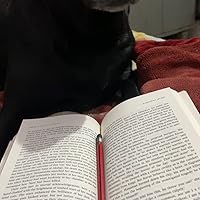
This book is short and nice. In all the chapters the author Mr. AMR Muneer Dahab told how to read, review, how to start reading a 2nd language book. Overall it's a very impactful book. I would suggest this book to teens or people who want to start reading. It's a great start for beginners or for people who started reading again after a while.
There are a few paragraphs that I loved in this book "The book you want to read is yours. Every page is yours, every line is yours, every word is yours. Choose how you act with what you own".
>> No matter how busy or hurried you are, don’t miss an
opportunity to write a comment on what you have read,
even if it is just one line or two carefully chosen words.
This is the right of the book and its readers of, and it
is your duty towards yourself as a serious reader.
>> The deepest means of knowledge are an open mind and soul.
There are a few paragraphs that I loved in this book "The book you want to read is yours. Every page is yours, every line is yours, every word is yours. Choose how you act with what you own".
>> No matter how busy or hurried you are, don’t miss an
opportunity to write a comment on what you have read,
even if it is just one line or two carefully chosen words.
This is the right of the book and its readers of, and it
is your duty towards yourself as a serious reader.
>> The deepest means of knowledge are an open mind and soul.

March 29, 2023
"Reading should not be just a mission. Reading is pleasure."
I love reading! I'm sure lots of people do too! I know there are some out there have very little to zero interest in reading but I hope one day they get the courage to pick this book up and read it.
Truly one of the easiest reads to help people to read (pun intended lol)
Seriously, do not limit yourself because reading is easy. Look at us, everyday on our phones, scrolling through Twitter, Instagram, even just looking out of the window to see a billboard ad on the building wall - that counts as reading.
And hopefully, a day will come when people acknowledge this book and flip a page of two, who knows? You might start to like reading.
I love reading! I'm sure lots of people do too! I know there are some out there have very little to zero interest in reading but I hope one day they get the courage to pick this book up and read it.
Truly one of the easiest reads to help people to read (pun intended lol)
Seriously, do not limit yourself because reading is easy. Look at us, everyday on our phones, scrolling through Twitter, Instagram, even just looking out of the window to see a billboard ad on the building wall - that counts as reading.
And hopefully, a day will come when people acknowledge this book and flip a page of two, who knows? You might start to like reading.

August 16, 2023
It is a book that gives good tips for reading, especially for new readers.
Also, it discusses different types of books to read, reading different genres, and different book lengths.
A lot of information is covered in that book the only downside is the style of writing, the author writes the book in the form of bulleted paragraphs which does not give the joy of reading, if the book was written with more examples or some true stories about readers it would have been so much more enjoyable to read.
I liked most the chapter that discusses e-books and the reading pace.
New readers will find a lot of information that can be a great deal of help.
Experienced readers will find a lot that applies to them.
Also, it discusses different types of books to read, reading different genres, and different book lengths.
A lot of information is covered in that book the only downside is the style of writing, the author writes the book in the form of bulleted paragraphs which does not give the joy of reading, if the book was written with more examples or some true stories about readers it would have been so much more enjoyable to read.
I liked most the chapter that discusses e-books and the reading pace.
New readers will find a lot of information that can be a great deal of help.
Experienced readers will find a lot that applies to them.

October 23, 2024
I especially wanted to read this book because the problem of reading books, which has become a social popularity today, creates problems with different perspectives. People are not interested in who they want to be or what they want to be, they are only interested in whether they are suitable for this popularity or not, and this is one of the important problems. The book provides more than one perspective on exactly why we should read books. It explains in simple language why reading books is important and how we can develop a reading habit and is a guide. It talks about not only starting to read books, but also making it a part of our lives and fitting it into our routine. Books are already a part of us and give everyone tips on how to find their missing piece.
November 13, 2024
I think this book is a must have for all new readers or people who used to read but struggle to find time to do so. The latter was my case :)
What I loved about this book is :
- its short format
- it’s been written with bullet points so easy to read
- it gives you great advice on how to choose, organize your readings but most and foremost it doesn’t give you any specific rules
- it shows you there are so many different ways to read or to be a reader
- it is filled with positive intent
- it shows you how it’s ok not to read a book from cover to cover if a book is not meant for you :) there’s diversity in books too (genres, lengths, languages …)
- it reveals a lot on reading benefits but also reading habits. Showing you they’re all valid and ok.
What I loved about this book is :
- its short format
- it’s been written with bullet points so easy to read
- it gives you great advice on how to choose, organize your readings but most and foremost it doesn’t give you any specific rules
- it shows you there are so many different ways to read or to be a reader
- it is filled with positive intent
- it shows you how it’s ok not to read a book from cover to cover if a book is not meant for you :) there’s diversity in books too (genres, lengths, languages …)
- it reveals a lot on reading benefits but also reading habits. Showing you they’re all valid and ok.
December 17, 2024
When you start reading, you just start. You never get an introduction about the whole concept or a way it goes or an explanation about it. You just get the urge that drives you to read more
This book is what someone would need to understand the concept of reading it offers the reader the opportunity to look at reading through a new perspective and most importantly it highlights the fact that it's your experience to live in a the way you want it to be.
It even offers some cheat codes for reading and made me think of reading in a new way through a new lens. It made me believe that reading has more to it than words or stories or facts.
The way it's written is simple, easy to read, easy to comprehend, yet has a lot said to it.
This book is what someone would need to understand the concept of reading it offers the reader the opportunity to look at reading through a new perspective and most importantly it highlights the fact that it's your experience to live in a the way you want it to be.
It even offers some cheat codes for reading and made me think of reading in a new way through a new lens. It made me believe that reading has more to it than words or stories or facts.
The way it's written is simple, easy to read, easy to comprehend, yet has a lot said to it.
March 10, 2025
This book is short and easy to read. You can jump to any page instead of reading in order. I would open a random page, choose a thought, and think about whether I agreed with it or not.
The author offers a refreshing perspective on the act of reading. Dahab eloquently argues that reading should not be confined to a task-oriented activity but celebrated as a pleasurable endeavor. By fostering a genuine love for reading, individuals can unlock a wealth of benefits that extend beyond mere information gathering. This short yet impactful book serves as a gentle reminder to reconnect with the simple joys of reading, making it a recommended read for both avid readers and those looking to rekindle their passion for books.
The author offers a refreshing perspective on the act of reading. Dahab eloquently argues that reading should not be confined to a task-oriented activity but celebrated as a pleasurable endeavor. By fostering a genuine love for reading, individuals can unlock a wealth of benefits that extend beyond mere information gathering. This short yet impactful book serves as a gentle reminder to reconnect with the simple joys of reading, making it a recommended read for both avid readers and those looking to rekindle their passion for books.

August 9, 2023
I loved this book because of the fact it really takes the reader in the mind of a reader. It breaks down the reading process of how to enjoy a book. From cover to cover and how to get the deepest enjoy for those who love to read to those who are new to reading. The book is a way to understand why it is important to enjoy reading. This book reminds me of a book called How to Read a Book by Mortimer J. Adler, which is a popular book for lover of reading. Therefore I gave it a five out of five, and highly recommend it to those who love to read. It is filled with helpful hints on getting the most out of a book.

August 11, 2023
As a person who loves reading, I found it quite joyful to read this short book, which was all about reading. The world is full of books to read, there will always be new books to enjoy and discover, and I think that a book like this encourages readers to embrace that. Every reader makes different choices and has different habits, so this was something that I enjoyed thinking about. This book could encourage the reader to try a book in a totally different genre, or assist the reader in developing a reading habit that works for them. In fact, this book reminded me why I love reading so much, and I'm off to find another book to read!

April 29, 2024
'The deepest means of knowledge are an open mind and an open soul.'
Whilst obviously being very meta, this was a sweet, succinct and thorough exploration of the many facets of the world in which books relate to their readers. Neatly guided through 18 chapters, Amr Muneer Dahab manages to dissect and articulate the various ideas and pressures surrounding reading – from book length to reading speed and to, ultimately, the mere joy of reading. Perfect for those who want to further their relationship or understanding of reading, or anyone interested in a brief rundown of what it means to read and recieve.
Whilst obviously being very meta, this was a sweet, succinct and thorough exploration of the many facets of the world in which books relate to their readers. Neatly guided through 18 chapters, Amr Muneer Dahab manages to dissect and articulate the various ideas and pressures surrounding reading – from book length to reading speed and to, ultimately, the mere joy of reading. Perfect for those who want to further their relationship or understanding of reading, or anyone interested in a brief rundown of what it means to read and recieve.
September 12, 2024
Reading by Amr Muneer Dahab is a thoughtful reflection on the value and purpose of reading. Dahab emphasizes that reading goes beyond mere knowledge acquisition—it is an experience that enriches both the intellect and soul. The book highlights how reading can be a source of pleasure, self-discovery, and diverse perspectives. It offers practical advice on choosing books, reading styles, and even dealing with poorly written works. Overall, it advocates for a lifelong, flexible relationship with reading that evolves with personal growth and changing circumstances. If you intend to understand how to approach the act of reading better, this book is for you.
Displaying 1 - 30 of 62 reviews