El castigo sin venganza destaca en el canon de las lecturas indispensables del teatro de Lope de Vega. Amor, muerte y honor son los tres grandes ejes que mueven la acción de la obra y que desencadenan el «castigo» del título. Secreto férreamente guardado, este castigo y su singular «sin venganza» nos sitúan ante una toma de conciencia de una nueva forma de comedia y de un espectador que la admira y la aplaude.
Lope de Vega was a Spanish Baroque playwright and poet. His reputation in the world of Spanish letters is second only to that of Cervantes, while the sheer volume of his literary output is unequaled: he is estimated to have written up to 1,500 three-act plays – of which some 425 have survived until the modern day – together with a plethora of shorter dramatic and poetic works.
Seré padre y no marido, dando la justicia santa a un pecado sin vergüenza un castigo sin venganza.
This is the third work by Lope de Vega that I have had the pleasure to read and see performed. It was written late in the playwright’s life, and is considerably darker than his other two masterpieces, El Caballero de Olmedo and Fuenteovejuna. Indeed, this play is a straightforward tragedy, ending—as tragedies do—with the deaths of the protagonists. Yet even Shakespeare’s darkest works do not end as this play does, with the villain gloating over the bodies of the central lovers. It is a bit shocking.
Lope de Vega’s verse is steady and sparkling, propelling the dialogue onward from scene to scene. Compared with, say, Othello or Macbeth, this play is short and tidy, with a simple plot that moves inexorably towards its grim end. It succeeds, not because of the force of the characters, but because of the moral conundrum of the central dilemma.
The licentious Duke of Ferrara decides that he needs to marry, just for the sake of respectability; but he feels vaguely guilty that it may lead to the birth of a legitimate heir, thus putting his illegitimate son in a bad situation. He tries to compensate for this by arranging a marriage between the son and his noble niece. Soon enough the Duke loses interest in his passionate young wife, and resumes his life of lechery. And, of course, the neglected wife and betrayed son—who are roughly the same age—fall in love. Tragedy ensues.
The title of the play is, in effect, an ethical question: When is something a punishment or vengeance? More concretely, if the Duke has the two lovers put to death, is he justified? Virtually all modern viewers would say no, merely because adultery is not a crime serious enough to warrant death (if any crime is). I do wonder, however, how Lope de Vega’s audience would have reacted. After all, the sexual dalliance is not only adultery, but quasi-incestuous. On the other hand, the young wife is put into a situation in which she must choose between a frigid marriage and a passionate but illicit romance. It is difficult to blame her. And the final scene is so gruesome that it is difficult to see it as anything but wrathful vengeance.
In short, I think Lope de Vega’s reputation as the master of the Spanish stage is well-deserved.
Me lo he acabado hace una hora, tengo que confesar que me lo he pasado muy bien leyéndolo, me ha gustado incluso más que La dama duende. Vivan los enredos de las obras del siglo de Oro.
Amores contrariados, celos y venganza disimulada. La he leído sólo por ser una de las obras favoritas de Quintanar, en La Regenta, pero me ha encantado encontrarme una tragedia con versos maravillosos, como los de un Federico enamorado de su madrastra:
"En fin, señora, me veo sin mí, sin vos y sin Dios: sin Dios, por lo que os deseo; sin mí, porque estoy sin vos; sin vos, porque no os poseo"
O los del duque, resuelto a ejecutar su secreta venganza:
"Déjame, amor, que castigue a quien las leyes sagradas contra su padre desprecia, pues tengo por cosa clara que si hoy me quita la honra, la vida podrá mañana"
*Puedo imaginar a Quintanar, recitándolos espada en mano 😂👍👏
«FEDERICO. Ten la espada y aquí aguarda, que no es temor, pues que dices que es una persona atada; pero no sé qué me ha dado que me está temblando el alma».
Es lo primero que leo de Lope como dramaturgo. No ha estado nada mal. Esperaba un argumento algo más complejo, siendo sinceros, pero es un primer contacto y me ha gustado. Está lleno de frases memorables y se nota que estamos leyendo a uno de los grandes.
Leer literatura del siglo de oro me deja una extraña sensación de retrotaerme a aquellos tiempos tan extraños que me surgue una curiosidad natural de intentar imaginarme leyendolo durante esos tiempos
–Bate las alas Amor y enciéndelos por librarlos; crece el fuego y él se quema; tú me engañas, yo me abraso; tú me incitas, yo me pierdo; tú me animas, yo me espanto; tú me esfuerzas, yo me turbo; tú me libras, yo me enlazo; tú me llevas, yo me quedo; tú me enseñas, yo me atajo porque es tanto mi peligro que juzgo por menos daño, pues todo ha de ser morir, morir sufriendo y callando.–
Lo único malo que tiene haber estudiado la carrera más bonita del mundo (Filología Hispánica) es que te destripan el final de todas las dichosas obras medianamente conocidas😩. Por suerte, es Lope y Lope siempre sorprende aunque ya te sepas la historia. ¡¡¡Nunca te líes con tu hijastro!!!
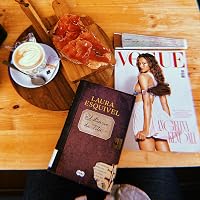
La edición de Díez Borque es buena, tanto la introducción (que describe aspectos fundamentales del contexto teatral en el Siglo de Oro) como las anotaciones. Recomendada pese a lo fea que es la portada y la encuadernación pobre.
مقتطفات من مسرحية عقاب بلا أنتقام للكاتب لوبي دي بيجا ------------------- إن الرجل الذي يعطي الفرصة لنفسه أن ينصت لما يقوله الاخرين عنه فلن يسمع الا اشياء تسيء إليه ------------- مثل هذه الافكار لا تدعني ارتاح , مثل هذه الذاكرة محملة بالهموم و المجد الضحل التي تحول الى عذاب تام , اه لو استطيع ان انسى هذه الافكار التي تذكرني بالفرحة التي قتلت , تلك الفرحة التي نتذكرها في الاوقات الحزينة ------------- اتعلم , ان ابيك مستهجن من الاصدقاء , فهو مدان من جانبهم و من اعدائه لسلوكه الشهواني , ولكنه الان يريد أن يتعلق باهداف الفضيلة ويتجه الى حياة الشرف والهدوء , و ما من شيء افضل من الزواج , فهو يجعل الانسان امام الآخرين شريف وهادىء ------------- ان الرجل الحكيم عندما يصاب بمرض عضال يلجىء للصبر ويتظاهر بالرضا والسعادة , فلا يجب ان يظهر بمظهر الحاسدين او المحبين للانتقام ------------- الشجاعة الحقيقية ان تتجنب طريق المخاطر ------------- لست سوى شخص يتوق ان يعرفه الناس و يحتفى به بين رجال الاداب والفنون , فالشهرة بين جمع من الجهلاء ليست بالشهرة الحقيقية , فالبسطاء يمكن ان يروا في شخص قليل , اهمية كبيرة , الا تعلم ان الحصاد يتم عن طريق الاغبياء , حتى ولو كانت البذور رديئة ------------ يا ليتني كنت فلاحة ملزمة ان استيقظ في الصباح واجد بجاني قروي , فهذا افضل من ارتداء اللون القرمزي الفاخر و الذهب و استخفاف سيدي العظيم , اني اتمنى لو كنت من اسرى بسيطة حتى اجد الرجل الذي يصونني و في نفس الوقت يقدرني التقدير المناسب , فهناك ايضا راحة كبيرة في الحياة الفقيرة مثلما توجد في حياة الاسر الملكية الرفيعة , فجميع مشاعر الحب تتشابه عندما يحل الليل مهما اختلف اصل الانسان , إن زوجي يعتبرني زوجة جديرة بأن توضع كتذكار يزين به منزله كما لو كنت قطعة اثاث كالمنضده او مكتب في غرفة استقبال الضيوف , اني لا استطيع ان اقبل بهذا العرف , اني لا استطيع ان اصدق بسهولة ان الرجل الذي يحب زوجته يستخدم هذا النهج لتدمير الزوجة و سعادتها فالمرأة الاصلية تكون في حاجة ماسة لان تكون زوجة و ام و ليس قطعة اثاث ! ------------ سيظل المرء قلقا من الاحداث التي مرت في حياة النساء و الرجال , و لكن الانقياء هم الانقياء , فانك لو رأيت نفسك في مرآة بلورية نقية , فان انفاسك سوف تنطبع عليها , لكن بمسحة واحدة رقيقة سوف تجعلها نقية من جديد ------------ المسافة التي تفصل بين الروح واللسان جد بعيدة مثل بعد المسافة بين الارض و السماء ------------ من بين كل الاشياء التي صنعتها السماء على الارض يكون التخبط اكثر شيء يؤثر على التخيل لدى الرجال ----------- الحقيقة ان احلامنا صعبة المنال , يساورنا اعتقاد بانه من السهل الوصول اليها , فيبدو لي ان اللحاظ بالاشياء التي اريدها والتي تجعلني سعيدة شيء بسيط و لكن عندما اتذكر الواقع يقودني ذلك الى الجنون ------------- ان المحب الذي لا يستطيع ان يقاوم اول اهانة حب , لا يمكن ان يشعر بندم شديد عندما يرحل الحب بعيدا عنه ------------- ان الطريق الانسب لمعاقبة خيانة الانثى , ان تدعى المرأة تحوز على الرجل الذي يشغل خيالها و ان تترك نزوتها تستجيب لتقلباته ----------- صمت الرجال هو ابلغ تعبير عما يريدون ------------ مذ فقدت نفسي في هواك , بت على استعداد لتحمل اي كرب لم اكن مؤهل له قبل ان اعرفك ------------ عندما ينضب الحب ما من طريقة تجعله يحيا ثانية ----------- انك اعظم جبان رأيته في حياتي , فتلك التزلفات والتوسلات الحلوة التي امطرتني بها لكي تستولي بها على قلبي و بعد ذاك على شرفي ! كلها ماذا ! كم من امرأة اصبحت مثلي مدمرة بسبب رجال جبناء لا حيلة لهم , يا لك من شخص لا رجولة فيه ! لقد دمرك الخوف ----------
No había vuelto a Lope de Vega desde las lecturas obligadas del bachillerato (recuerdo lejanamente haber leído “Fuenteovejuna” a los catorce años y “El caballero de Olmedo”, un poco más tarde). A mis cincuenta y muchos he vuelto a Lope y, antes de releer las obras citadas, he comenzado con “El castigo sin venganza”, obra ya de senectud (escrita pocos años antes de su muerte). Debo confesar que me ha resultado una lectura bastante dificultosa. He necesitado una tarde para cada uno de los actos. La he leído muy despaciosamente y he tenido que releerla continuamente pues esta obra en verso está llena de pasajes oscuros que en una primera lectura te dejan frío y un poco a cuadros y tras releerlos varias veces, desentrañas su sentido (al menos parcialmente). La obra está llena de citas eruditas (personajes bíblicos y de la Antigüedad grecolatina) y a quien no le sean familiares puede necesitar una edición anotada. La edición que he manejado, la clásica de Cátedra Letras Hispánicas, cumple, aunque peca de un exceso de erudición, es demasiado académica y filológica y abruman muchas de las notas a pie de página. Echo en falta que esta edición crítica diera una explicación (aunque fuera aventurada) a los pasajes oscuros. La obra nos cuenta una historia trágica extraída de una novela italiana de Matteo Bandello, aunque con variantes respecto al original. Lope, como Shakespeare o Sófocles, no pretendía ser original. Utiliza un argumento conocido para montar su tragedia. Aquí el argumento (Atención spoiler) es el típico de hijastro enamorado de madrastra. Es similar a la historia de Fedra e Hipólito, aunque con los papeles invertidos. El enamorado aquí es el hijastro (Conde Federico) y la madrastra (Casandra) cae también en el incesto en un momento de ausencia del duque de Ferrara (su marido). El incesto aquí es sólo legal, no de sangre. Los dos enamorados adúlteros e incestuosos son jóvenes de similar edad y el marido es un duque disoluto y vicioso que se casa para sentar la cabeza ya en su madurez tardía. No falta en esta tragedia, como es habitual en el teatro del siglo de Oro español, la figura del gracioso (Batín) que más que gracioso es observador e ingenioso. La obra está llena de sutileza y de versos brillantes y sentenciosos: "quien gobierna, si quiere saber su estado, /cómo es temido o amado, /deje la lisonja tierna del crïado adulador,/ y disfrazado, de noche,/ en traje humilde o en coche,/ salga a saber su valor; /que algunos emperadores / se valieron de este engaño.” Contiene también una reflexión tardía del viejo dramaturgo sobre la comedia: "es la comedia un espejo, / en que el necio, el sabio, el viejo, / el mozo, el fuerte, el gallardo, /el rey, el gobernador, la doncella,/ la casada, siendo al ejemplo escuchada / de la vida y del honor, /retrata nuestras costumbres,/ o livianas o severas, /mezclando burlas y veras, /donaires y pesadumbres." En efecto: la idea de la comedia o de la literatura en general como espejo de costumbres es bastante clásica.
When one comes to the reading of a classic book like this one, it is quite pointless to do any short review. But this tragedy is, to me, still a surprise.
It was a surprise when I attended an amazing representation of this drama a few weeks ago, in Madrid. Not the best night, personally, but the play staged and directed by Helena Pimenta was top of the tops (http://teatroclasico.mcu.es/2019/06/1...).
And it was a surprise also when I read it afterwards. Because... well, it appears to be the masterpiece by Lope de Vega, and I had no idea about it. I mean, I studied Lope de Vega at university, I read two very interesting works (El Caballero de Olmedo and Fuenteovejuna) back then and still no idea about this. The brilliant edition by Antonio Carreño points out that, while 'foreign' scholars consider El Castigo Sin Venganza the summit of Lope's work, in Spain the Nationalist tradition dismisses it (well, maybe 'Nationalist' is my word, not Carreño's). So, yeah, I enjoyed the rythm and the simplicity of El Caballero de Olmedo, and somehow less the national-populist drama in Fuenteovejuna, but this El Castigo sin Venganza plays another league.
My professor at University was Alfonso Rey. Not a terrible one in a world of terrible lecturers back then, yet I don't remember any comment (discussions were out of question) on the structure and creation of the canon. How old was the way of teaching in the 1990s in Galicia...
Yet eventually El Castigo Sin Venganza is what it is, a 17th century drama, but the complexities of the plot, the evolution in the characters (both in and out stage), and the moral heavy readings of the title (punishment to the most terrible crime, incest, but also punishment without a vengeance if we consider the early disolute life of the Duke and the hopeless end of the drama for him) are amazing.
Yes it is still Lope: we have to see how ojos (eyes) rhyme with despojos (spoils) and enojos (annoyance) a few times too many. But even the reading of this late book is far harder than others by Lope. It looks like at the end of his career eventually Góngora, his stylistic and personal archrival, won him over (slightly).
But even if the whole book is amazing, even if this is a masterpicece and you feel the masterpiece-ness when you read it, El Castigo Sin Venganza would be worthy if only because of the verses 1502-14: this image of the exotic pelican is worthy half of the European literature.
El cazador con industria pone al pelícano indiano fuego alrededor del nido; y él, descendiendo de un árbol, para librar a sus hijos bate las alas turbado, con que más enciende el fuego que piensa que está matando. Finalmente se le queman, y sin alas, en el campo se deja coger, no viendo que era imposible volando.
Érase que se eran una vez un Duque, un Conde y un Marqués que vivían la buena vida de los nobles españoles del siglo XVII: honor, guerra, ocio con dignidad, largas reflexiones poéticas y desglosamientos líricos (estar sin tu amor es estar sin Dios, sin mí y sin vos). Total que el Federico, el conde, se deprime y vive, según su criado Batín, como un hermafrodita: "aquél se compone / de hombre y mujer, tú de muerte / y vida". Y sí, el estimado Conde se la pasa deprimido casi toda la obra. ¿Qué tiene tan triste al Conde? Pues que se ha enamorado de su madrastra, la Casandra. Pero ya antes le había dicho que sí y luego que no a la Aurora. En fin, una serie de enredos y desentendimientos que terminan por tensarse aún más cuando el Duque regresa de la guerra bien victorioso y feliz (hasta desfile trae y toda la cosa) y tómala que descubre que el hijo le anda bajando a la mujer.
Así que el Duque, que ha sido herido en el honor, decide urdir un complejo plan que no es venganza sino castigo.
Lope provides a classic and almost comically clichéd set-up, only to pull the rug out from under our feet with an outrageous ending worthy of Quentin Tarantino. Even if Lope was intending this to be an ironic commentary on the often inauthentic dramaturgical handling of justice -- and I really hope it was intended to be ironic, as the ending was the opposite of what the title announces -- I found the conceit to be so forced and gimmicky as to be almost in bad taste.
"Of all the things heaven's made on earth, Imagination causes in The minds of men the most confusion. It has the power to turn the frost To fire, to give material form To our desire, and so provoke in us Both war and peace, both storm and calm. It is, in short, that place within Men's souls where all our dreams are born, And yet the pictures it invents Deceive us more than they inform."
Fascinating play that on the surface may seem to be a story about a reformed womanizer and his effort to exercise "punishment without revenge." Yet under the surface, the play raises several questions and doubts about how accurate any of that read actually is. Like many of my favorite plays, it leaves much to ponder about who these characters truly are and what true justice actually looks like.
Un dramón de honor, sobre un folletín que parece sacado de una tragedia clásica. El imponente verso de Lope lo lleva adelante como una ópera. Incluye el mítico soliloquio de Federico del final del segundo acto.
Es una novela que cuenta con motivos centrales de la comedia nueva, además de ser un libro muy fácil de leer. La novela representa temas como: el matrimonio, incesto, adulterio, el honor y el alma.
Si te gusto "El sí de las niñas", te puede gustar éste.
Brillante ejemplo de que hay ciertas lecturas que uno tiene que obligarse a leer y luego no se arrepiente de ello. Y mira que tengo el principio de que pese a que sea un clásico, si uno no lo disfruta no ha de leerse pues no es el momento indicado.
No diré nada que no se haya dicho ya de esta obra más que lo enormemente apasionada que me hace sentir. Creo que no hay versos escritos con tanta sensibilidad como estos. Que no hay una historia tan desgarradora, ni un puñado de personajes tan complejos. Lo leeré toda la vida.