

What do you think?

Doonori meelespea
Käesolevas romaanis viib kirjanik meid vampiiride maailma.
Kes need vampiirid tegelikult on?
Ka see küsimus saab teose lõpul õiglase vastuse...
Kes need vampiirid tegelikult on?
Ka see küsimus saab teose lõpul õiglase vastuse...
192 pages, Paperback
First published January 1, 1990
About the author
Mati Unt
58 books34 followersMati Unt was an Estonian writer, essayist and theatre director.
Unt's first novel, written at the age of 18 after having finished high school, was Hüvasti, kollane kass (Goodbye, Yellow Cat). This made him famous all over Estonia. He studied literature and journalism at Tartu University in Tartu, Estonia.
After this precocious beginning‚ Unt arranged a wide call in the artistic and intellectual circles of Estonia as a writer of the fiction, plays, and criticism. His books The Moon Like the Outgoing Sun, The Debt (1964), On the Existence of life in space, and The Black Motorcyclist rocketed Unt to the top of the novelist world in Estonia. In addition, he served a purpose in bringing avantgarde theatre to post-Soviet Union Estonia. Unt was well known as a theatre director. In 1981, he became a director of the Youth Theatre in Tallinn.
In 1979, his novel Autumn Ball (adapted to a movie in 2007 by Veiko Õunpuu) brought him international recognition. Other books include 1990s Notebook of a Donor and the 2001 play Graal!. Films based on Unt's works Tühirand and Sügisball have been created after his death.
Mati Unt died in 2005. He is buried in the Metsakalmistu cemetery in Tallinn.
Unt's first novel, written at the age of 18 after having finished high school, was Hüvasti, kollane kass (Goodbye, Yellow Cat). This made him famous all over Estonia. He studied literature and journalism at Tartu University in Tartu, Estonia.
After this precocious beginning‚ Unt arranged a wide call in the artistic and intellectual circles of Estonia as a writer of the fiction, plays, and criticism. His books The Moon Like the Outgoing Sun, The Debt (1964), On the Existence of life in space, and The Black Motorcyclist rocketed Unt to the top of the novelist world in Estonia. In addition, he served a purpose in bringing avantgarde theatre to post-Soviet Union Estonia. Unt was well known as a theatre director. In 1981, he became a director of the Youth Theatre in Tallinn.
In 1979, his novel Autumn Ball (adapted to a movie in 2007 by Veiko Õunpuu) brought him international recognition. Other books include 1990s Notebook of a Donor and the 2001 play Graal!. Films based on Unt's works Tühirand and Sügisball have been created after his death.
Mati Unt died in 2005. He is buried in the Metsakalmistu cemetery in Tallinn.
Ratings & Reviews
Friends & Following
Create a free account to discover what your friends think of this book!
Community Reviews
Displaying 1 - 20 of 20 reviews

September 12, 2026
It’s not often you get to read a novel translated from the Estonian. I’ve only read one other (link below).
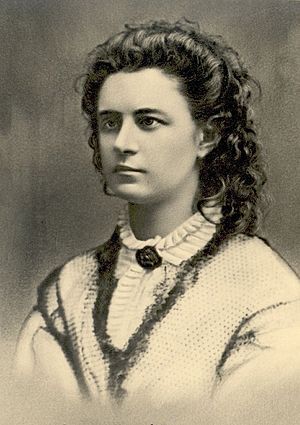
Unfortunately the book I’m currently reviewing is not one I really recommend. Its main value, it seems to me, is that it acquaints us with a real person – Lydia Koidula, kind of a national poet of Estonia, who is credited with helping shape the ethnicity and the nationalism of the Estonian people. She lived 1843-1886 and was close to contemporary with Emily Dickinson (1830-1886) - in fact they died the same year. We get a few quotes from her poetry and other Estonian poets.
However, there isn’t any plot that makes sense to me. The book is kind of a series of vignettes focused on the poet and a young woman who is kind of “channeling” Koidula by making presentations of her poetry at political gatherings and celebrations. The story takes place in 1986 when Estonia was chafing at the bit to get out from under communist rule, which did happen in 1991.
The rest of the story is focused on vampires who infect the people they suck blood from and turn them into vampires. The first person this occurs to is an Estonian man who is lured to a meeting in Leningrad, so maybe there is some intent to imply this infection came from the USSR? I couldn’t figure it out.
The other Estonian book I read is a historical novel and a fictionalized biography of a real person involved in politics; here’s a link to my review: Professor Mertens’ Departure
Photo of Lydia Koidula above from kids.kiddle.co
Unfortunately the book I’m currently reviewing is not one I really recommend. Its main value, it seems to me, is that it acquaints us with a real person – Lydia Koidula, kind of a national poet of Estonia, who is credited with helping shape the ethnicity and the nationalism of the Estonian people. She lived 1843-1886 and was close to contemporary with Emily Dickinson (1830-1886) - in fact they died the same year. We get a few quotes from her poetry and other Estonian poets.
However, there isn’t any plot that makes sense to me. The book is kind of a series of vignettes focused on the poet and a young woman who is kind of “channeling” Koidula by making presentations of her poetry at political gatherings and celebrations. The story takes place in 1986 when Estonia was chafing at the bit to get out from under communist rule, which did happen in 1991.
The rest of the story is focused on vampires who infect the people they suck blood from and turn them into vampires. The first person this occurs to is an Estonian man who is lured to a meeting in Leningrad, so maybe there is some intent to imply this infection came from the USSR? I couldn’t figure it out.
The other Estonian book I read is a historical novel and a fictionalized biography of a real person involved in politics; here’s a link to my review: Professor Mertens’ Departure
Photo of Lydia Koidula above from kids.kiddle.co

September 9, 2016
Honestly, “contemporary retelling of Bram Stoker’s Dracula” is not a compelling selling point for me. I actually like the idea of modern retellings, but I’m so far removed from reading Dracula that if I was only looking at that one small blurb I would likely pass. There are three mitigating factors though:
1. It’s Dalkey. Enough said.
2. Estonian literature in translation is tough to come by
3. I really enjoyed Unt’s Brecht at Night when I read it years ago
And, really, I’m glad I gave it a read – it was quick, intelligent, and fun. I really don’t ask for more most of the time (but am always happy for more). There are explicit parallels between this and Dracula, complete with Estonian counterparts for most of Stoker’s characters, and yet it diverges in ways that keeps the story fresh and engaging. Also, it doesn’t waste it’s setting, as this is a firmly Estonian novel with rigid ties to both Estonian history and it’s (at the time) communist present. Much like with Brecht at Night, it is a nice blend of fact and fiction, with the fiction being a bit more apparent in this one (because, well, vampires). There is also a nice bookending of the narrative where the structure of the first chapter is replicated in the final chapter, and the structure of the second chapter is replicated in the penultimate chapter. (this does not continue through the rest of the novel – it is mostly apparent as the second chapter stands apart from the rest of the book, but is drawn back into the narrative in that penultimate chapter; I actually didn’t like the second chapter as I was reading the book – I felt it took away from the narrative – but when I got to its counterpart it made sense and allowed me to view it in a positive light)
This is Dalkey-lite, let’s be clear – it’s on the “very easy” side of the spectrum of literature they publish, but it was interesting, and – as noted – it was fun.
1. It’s Dalkey. Enough said.
2. Estonian literature in translation is tough to come by
3. I really enjoyed Unt’s Brecht at Night when I read it years ago
And, really, I’m glad I gave it a read – it was quick, intelligent, and fun. I really don’t ask for more most of the time (but am always happy for more). There are explicit parallels between this and Dracula, complete with Estonian counterparts for most of Stoker’s characters, and yet it diverges in ways that keeps the story fresh and engaging. Also, it doesn’t waste it’s setting, as this is a firmly Estonian novel with rigid ties to both Estonian history and it’s (at the time) communist present. Much like with Brecht at Night, it is a nice blend of fact and fiction, with the fiction being a bit more apparent in this one (because, well, vampires). There is also a nice bookending of the narrative where the structure of the first chapter is replicated in the final chapter, and the structure of the second chapter is replicated in the penultimate chapter. (this does not continue through the rest of the novel – it is mostly apparent as the second chapter stands apart from the rest of the book, but is drawn back into the narrative in that penultimate chapter; I actually didn’t like the second chapter as I was reading the book – I felt it took away from the narrative – but when I got to its counterpart it made sense and allowed me to view it in a positive light)
This is Dalkey-lite, let’s be clear – it’s on the “very easy” side of the spectrum of literature they publish, but it was interesting, and – as noted – it was fun.
August 3, 2010
mementoize
məˈmenˌtōˈīz/
verb / neologism
Definitions:
• 1. to tell a story in reverse order, as in the film “Memento” (2000) by director Christopher Nolan.
“Christopher Nolan didn’t invent reverse chronology story telling, but his film title “Memento” is the easiest to make into a verb: mementoize."
• 2. to read a book in reverse order to finish it, especially when reading it in forward order is not very interesting or compelling.
“The book was so dull I had to mementoize it in order to get through it."
I finished this book over a month ago, but I had to invent the above word before I could finish writing this review.
I expected a lot more fun from a "Lydia Koidula and Vampires" book, especially since it predated such pop culture crossovers as Abraham Lincoln, Vampire Hunter and Pride and Prejudice and Zombies by almost 20 years. Either "Unt's trademark digressions” or the dullness of the vampire plot put me off. I suppose the vampires are meant as symbols e.g. Dr. Eduard Michelson stealing Estonia’s iconic poetess away from her beloved homeland by moving to Kronstadt? or, capitalists draining the lifeblood of the workers? In the end I didn’t really care. So yes, I had to mementoize this book in order to finish it.
If you tackle this, then you should take a quick refresher of the characters and plot of Bram Stoker's Dracula so that you'll spot the parallels as you read along.
For the characters, this would be:
Unt’s Joonathan Hark (the initially unidentified protagonist) = Stoker’s Jonathan Harker
Unt’s Minni = Stoker's Mina
Unt’s Lussi = Stoker’s Lucy
Unt’s Renner = Stoker’s Renfield
Unt’s Greifer = Stoker’s Abraham von Helsing?
Unt’s Eduard Michelson = Stoker’s Dracula?
Unt’s Lydia Koidula = Stoker’s Bride of Dracula?
(the last 3 are a bit shaky, but they are the closest I could figure)
As for the plot, I think the Dracula story has been retold so many hundreds of times that it doesn't require repeating. This current book does not completely follow the evil Count version but there are enough parallels that you should be able to spot them with careful reading e.g. Renner's location is not specified immediately, but notice that the windows are barred.
Stray Observations
• "Diary of a Blood Donor" is the 2008 English language translation of the 1990 Estonian original Doonori meelespea (A Donor's Diary or A Donor's Notebook). The word “Vere” (Blood) was missing in the original title, which would have been “Veredoonori meelespea” if it had been included.
• There is an excellent overview of Mati Unt’s career and works at the obituary written by Estonian translator Eric Dickens at http://www.dalkeyarchive.com/mati-unt...
• The phrase “Unt’s trademark digressions” is used in the cover blurb for Brecht at Night
• There is a sort of joke on pg. 6 that will be lost on English readers since there is no glossary to explain it: "I've written about the ships and the sea. I did write a commemorative article on Lennart Meri, but that hardly qualifies me as a naval historian." To get the joke, you have to know that the Estonian word for "sea" is "meri". Lennart Meri (1929-2006) was the second President of Estonia from 1992 to 2001.
məˈmenˌtōˈīz/
verb / neologism
Definitions:
• 1. to tell a story in reverse order, as in the film “Memento” (2000) by director Christopher Nolan.
“Christopher Nolan didn’t invent reverse chronology story telling, but his film title “Memento” is the easiest to make into a verb: mementoize."
• 2. to read a book in reverse order to finish it, especially when reading it in forward order is not very interesting or compelling.
“The book was so dull I had to mementoize it in order to get through it."
I finished this book over a month ago, but I had to invent the above word before I could finish writing this review.
I expected a lot more fun from a "Lydia Koidula and Vampires" book, especially since it predated such pop culture crossovers as Abraham Lincoln, Vampire Hunter and Pride and Prejudice and Zombies by almost 20 years. Either "Unt's trademark digressions” or the dullness of the vampire plot put me off. I suppose the vampires are meant as symbols e.g. Dr. Eduard Michelson stealing Estonia’s iconic poetess away from her beloved homeland by moving to Kronstadt? or, capitalists draining the lifeblood of the workers? In the end I didn’t really care. So yes, I had to mementoize this book in order to finish it.
If you tackle this, then you should take a quick refresher of the characters and plot of Bram Stoker's Dracula so that you'll spot the parallels as you read along.
For the characters, this would be:
Unt’s Joonathan Hark (the initially unidentified protagonist) = Stoker’s Jonathan Harker
Unt’s Minni = Stoker's Mina
Unt’s Lussi = Stoker’s Lucy
Unt’s Renner = Stoker’s Renfield
Unt’s Greifer = Stoker’s Abraham von Helsing?
Unt’s Eduard Michelson = Stoker’s Dracula?
Unt’s Lydia Koidula = Stoker’s Bride of Dracula?
(the last 3 are a bit shaky, but they are the closest I could figure)
As for the plot, I think the Dracula story has been retold so many hundreds of times that it doesn't require repeating. This current book does not completely follow the evil Count version but there are enough parallels that you should be able to spot them with careful reading e.g. Renner's location is not specified immediately, but notice that the windows are barred.
Stray Observations
• "Diary of a Blood Donor" is the 2008 English language translation of the 1990 Estonian original Doonori meelespea (A Donor's Diary or A Donor's Notebook). The word “Vere” (Blood) was missing in the original title, which would have been “Veredoonori meelespea” if it had been included.
• There is an excellent overview of Mati Unt’s career and works at the obituary written by Estonian translator Eric Dickens at http://www.dalkeyarchive.com/mati-unt...
• The phrase “Unt’s trademark digressions” is used in the cover blurb for Brecht at Night
• There is a sort of joke on pg. 6 that will be lost on English readers since there is no glossary to explain it: "I've written about the ships and the sea. I did write a commemorative article on Lennart Meri, but that hardly qualifies me as a naval historian." To get the joke, you have to know that the Estonian word for "sea" is "meri". Lennart Meri (1929-2006) was the second President of Estonia from 1992 to 2001.
July 30, 2024
no hahahahaaa
mati unt mis toimub????
tyybil veits meeltesegadusse,
igastahes oli terve aja raske aru saada, kelle vaatepunktist jutt käib.
lõpus tuli siis mingisugune vampiiri teema?!
"Aga näed sa, alati, kui hakkad midagi rääkima, tuleb pähe kõiksugu prahti, ja siis muudkui räägid ja räägid ja räägid, aga pärast on endal nii paha tuju, et mis sa kurat nii paiju rääkisid, aga vaata, vahel on nii, et ei saa kohe pidama."
"Nüüd oli minu kord vaikida. Artemidoros on muuhulgas väitnud, et esihambad tähendavad avalikke, külghambad aga salajasi toiminguid. Kui kaob mõni hammas, kukub välja, siis on see toiming takistatud. Et hambad olid mul kõik suus, siis pean ma ikkagi sõitma Leningradi."
mati unt mis toimub????
tyybil veits meeltesegadusse,
igastahes oli terve aja raske aru saada, kelle vaatepunktist jutt käib.
lõpus tuli siis mingisugune vampiiri teema?!
"Aga näed sa, alati, kui hakkad midagi rääkima, tuleb pähe kõiksugu prahti, ja siis muudkui räägid ja räägid ja räägid, aga pärast on endal nii paha tuju, et mis sa kurat nii paiju rääkisid, aga vaata, vahel on nii, et ei saa kohe pidama."
"Nüüd oli minu kord vaikida. Artemidoros on muuhulgas väitnud, et esihambad tähendavad avalikke, külghambad aga salajasi toiminguid. Kui kaob mõni hammas, kukub välja, siis on see toiming takistatud. Et hambad olid mul kõik suus, siis pean ma ikkagi sõitma Leningradi."

January 2, 2009
Whoda thunk that a modern retelling of Dracula could be done with the backdrop of contemporary Estonia, filled with metaphorical vampires standing in for Communism? This is what Mati Unt did, and lord knows I didn't know what to expect when I started it. Believe it or not the premise works well. I thought the Dracula connection would be too much of a stretch, but I found myself actually amused by the Estonian counterparts of Stoker's characters - Lussi, Minni, Joonatan, etc. It was not particularly a "fun" read for me, but it served the purpose I needed which was something to keep my mind off of other things.
February 28, 2011
The concept is brilliant: Frame Romania's current political/social moment against the story of Dracula. Except that implies that this is plot-driven. Which it's not, and as I hear it, this lack-of-plot-but-it's-still-a-plot is typical for Mati Unt's work. It does pick up speed and plot later in the piece, and if I knew anything about Romanian history or society, I'm sure this would be brilliant. But I think that in order to really appreciate this book you need more than a textual translation.
Read
February 11, 2009A loose retelling of Dracula through the lens of post-Soviet Estonian politics. A short book that could have been shorter--there's a lot of slogging in the middle. It's fun structurally, highlighted by a couple of sections of "synchronized events" at the beginning and end of the book. I found it inessential, but I'm glad to have spent some time with it anyway.
June 22, 2021
Veider, väga veider, isegi minu jaoks. Aga samas huvitav ja ajavaimu tabav.
September 26, 2020
Retrospektiivis tundub „Doonori meelespea“ olevat geniaalne teos, aga lugemise ajal valdasid mind vastakad tunded. „Doonori meelespead“ peetakse (välismaal) Bram Stokeri „Dracula“ moodsaks ümberjutustuseks. Ei oska võrdlust tuua, sest pole Stokerit lugenud. Oma postmodernistlikus võtmes on „Doonori meelespea“ üsna huvitav romaan – nii heas, kui halvas mõttes. Sest see ongi üks selline romaan, mis õieti polegi romaan ja on korraga hea ja kehv. Võib-olla lendas pool leotust mul lihtsalt üle pea (kui seal üldse oli midagi üle pea lendavat). Nõukogude Eestis seiklevad vampiirid, kes võivad teha koostööd ka julgeolekujõududega, sekka tolleaegset olmet ja loomulikult Koidula reinkarnatsioon. Kindlasti mitte teie tavaline vampiiri lugu. Unt on osanud luua päris kõhedaid kirjeldusi ja stseene, aga samas oma naljatamisega on ta ka koheselt tekkinud atmosfääri ära rikkunud. Kohe, kui hakkab toimuma sündmuse areng, hüppab autor uue tegelasega koos hoopis teise kohta. Saan sellest aru, loos on mitu kandvat tegelast ja sündmusi tulebki edasi anda ka nende perspektiivist. Aga nõndaviisi kruvitav pinge kaob kohe ära, kui vahele on visatud rida sketše, mis annavad koheselt liiga palju uut informatsiooni, et vahepeal jõuab meelest ära minna, et millest see romaan üldse rääkima hakkas (kuigi tegemist on üsna õhukese teosega). Nii jõuamegi Joonatani ja tema tüdruksõbra Minni ning tolle sõbranna Lussi juurest üsna ruttu tegelasteni, kes enam uuesti tagasi ei ilmu. Või siiski, tagasiulatuvalt teeb autor märkuse stiilis, et see pole küll oluline, aga varem mainitud „see“ on „nüüd selle“ sugulane („Kas ma ei rääkinud sellest? Võib-olla ongi õigem, et vaikisin. Kahtlased ja perspektiivitud seosed romaani tegelaste vahel panevad pea valutama, suhete ämblikuvõrk sunnib nördima.“ LK77). Ja kõigil neil tegelastel oli üks hääl – Mati Undi hääl, ehk siis karakterid ei olnud väga hästi välja joonistunud. Kohati oli huvitav, tahtsin teada, kuhu asi välja jõuab, aga siis oli ka jälle kohti, kust tuli end läbi närida ja paarkümmend lehekülge enne lõppu kadus üldse igasugune huvi ära, aga siis võttis jälle hoo üles. Ning lõppes. Ütlen ausalt, et kümme aastat tagasi meeldis see romaan mulle rohkem (Ealised iseärasused?), võib-olla kümne aasta pärast hindan „Doonori meelespead“ hoopis uut moodi.
Nii mulle tundubki, et Mati Unti „Doonori meelespea“ on üks selliseid romaane, mis enamasti kas meeldib lugejale väga või siis ta vihkab seda. Nagu ikka postmodernistliku eksperimentaalse kirjanduse puhul.
Kommentaar: tean, et kunstis on kõik lubatud, aga romaani tegevus toimub 1986. aastal, siis ajaloolise tõe huvides mainin, et Estonia kaevanduse põleng oli tegelikkuses 1988.
Nii mulle tundubki, et Mati Unti „Doonori meelespea“ on üks selliseid romaane, mis enamasti kas meeldib lugejale väga või siis ta vihkab seda. Nagu ikka postmodernistliku eksperimentaalse kirjanduse puhul.
Kommentaar: tean, et kunstis on kõik lubatud, aga romaani tegevus toimub 1986. aastal, siis ajaloolise tõe huvides mainin, et Estonia kaevanduse põleng oli tegelikkuses 1988.

November 30, 2020
An absurdist take on Dracula that is firmly set in both Estonia and the very late years of the Soviet Union. A writer finds himself drawn into an intrigue that mixes Soviet-era blandness and mediocracy with vampires, as well as a love story. Mati Unt also provides glimpses into many other lives and paints a vividly grey portrait of late '80s Tallinn and Leningrad. There are many reflections on life, writing, history, and love, often presented in a meandering, stream-of-consciousness fashion. The theme of Estonia's possible independence also comes up frequently, often in surprising contexts (for example, I had never thought of possible 'vampire hunter apparatchiks' before). The book is broken up into many different parts and points of view, making it a fast, almost breakneck, read. I would say this book is both about vampires and then at the same time, only tangentially about them. But, as a look into Gorbachev-era Estonia and literary culture of the time, this is fantastic.
August 14, 2018
A plot summary is nearly impossible for this narratively-challenged little volume - which, by the way, the author more than acknowledges, cracking on himself, laughing at us, making us laugh - can you tell I loved/hated it, but more of the former the deeper I got into it? I'll take a quick stab at plot: an Estonian man gets a message from Russia, he must urgently meet someone there, but he has no idea whom and what for - thus starts a series of episodes in which appear the Estonian poet Lydia Koidula, two young girls anxious for adventure, a drunk or two, and our ever-worried narrator. It messed with my head while giving moments of beautiful writing dropped like pearls into mud.
February 6, 2023
Segane ja raskesti jälgitav nii sisult kui vormilt. Sisu on täis sümboleid ja metafoore Eesti iseseisvuse püüdlustest kui ka viiteid originaalsele Draculale (mida ma lugenud pole), kuid lõpuks lämmatavad nad loo enda. Ka tegevused hüppavad ühest kohast teise ja mingid asjad toimuvad arusaamatult. Sübolistlike tegelaste kasutuses leidsin sarnasusi Gaimani "American Gods" ja Murakami "Kafka on the shore"iga.
Peatükid hüppavad erinevate vormide vahel, mis ei lihtsusta kuidagi teksti mõistmist. On mina vormis mõtisklusi, kirjeldavaid lugusid, kirjavahetusi ja päeviku sissekandeid. Lisaks meeldib autorile ka neljandat seina aeg-ajalt murda.
Kokkuvõtteks üks parajalt kummaline ja segane teos.
Peatükid hüppavad erinevate vormide vahel, mis ei lihtsusta kuidagi teksti mõistmist. On mina vormis mõtisklusi, kirjeldavaid lugusid, kirjavahetusi ja päeviku sissekandeid. Lisaks meeldib autorile ka neljandat seina aeg-ajalt murda.
Kokkuvõtteks üks parajalt kummaline ja segane teos.

June 20, 2022
This is quite a jumble of things. I think several things were lost in translation, but a modern take on Dracula (where Dracula in its original form is mentioned) in Soviet-era Estonia and vampires and Communism are interchangeable could have worked, but this was messy. Taking cues from the original, with wandering ideals, and sprinkled with poetry makes this book into a word salad at times.

June 5, 2023
Lydia Koidula, vampiirid ja Eesti taasärkamise aeg, mitte just liiga tavapärane kompott, aga Bram Stokeri "Dracula"-st tegelaskjuhude võtmes šnitti võttev tänapäevane nii faktidel kui fiktsioonil põhinev jutustus oli üllatavalt muhe ja kiire lugemine.
February 14, 2024
I dont like postmodernism

January 26, 2024
I think maybe this work would make more sense if I grew up in communist Estonia. I thought it was interesting at first but it kept going off in all directions and I'm not really sure why vampires were involved at all. It was probably all a giant metaphor. I hate metaphors.
And yes. I get that it was Dracula retold.
And yes. I get that it was Dracula retold.

January 29, 2012
A contemporary retelling of Dracula based in an around post-Soviet Estonian political and social history.
The idea is interesting, and I really wanted to enjoy this book. Parts of the text make clever comparisons and use of metaphors, but as a work overall is very bitty, and the author jumps around so drastically every few paragraphs that it feels incoherent and there is no plot or line of thinking to follow. Towards the end it started to become a little clearer, but much of the book was a struggle to follow. I wonder if the experience would be different if reading in the original language.
The idea is interesting, and I really wanted to enjoy this book. Parts of the text make clever comparisons and use of metaphors, but as a work overall is very bitty, and the author jumps around so drastically every few paragraphs that it feels incoherent and there is no plot or line of thinking to follow. Towards the end it started to become a little clearer, but much of the book was a struggle to follow. I wonder if the experience would be different if reading in the original language.
March 8, 2009
A story combining Estonian history and Dracula. While many of the sections are individually very good, it seems to lack coherence as a larger work.

January 29, 2011
Terrific and fun. Estonian history meets Dracula.

April 13, 2016
Mälestustes särab eredalt.
Displaying 1 - 20 of 20 reviews