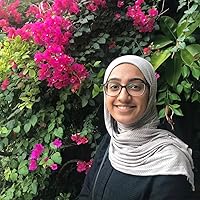
Parr devotes time to numerous philanthropic causes supporting pet adoption, children’s hunger, health, and literacy. He is a frequent reader and fundraiser for The Ronald McDonald House and serves on the board of directors for the Virginia Children’s Book Festival. His corporate collaborations include Best Buy, Stouffer’s, and the San Francisco–Marin Food Bank, among others.
A native of Wyoming, Parr currently lives in Berkeley, California.
Although I was hoping to avoid talking to the children (they are only 3-6 years old) about the bombings in Boston, a couple of them brought up this tragedy in class and we ended up having an intense class discussion. Although we experienced many feelings during this conversation, we ended the discussion with two points: 1) how can we help? and 2) how can we feel better, even though this makes us so sad? So, we read this book ... thank goodness for Todd Parr! I love Todd Parr and the children do too! His ability to create simple images that convey a meaning and stand-out along with simple messages that convey a deeper meaning, is beyond comparison. We talk about emotions constantly, but it is an abstract concept. This book greatly aided our discussion and understanding of feeling good, helping us create a peaceful classroom. Furthermore, we have read enough Todd Parr books at this point that the children are able to identify his books! This greatly increases their ability to view themselves as authors, as they are able to distinguish between real-life authors and illustrators.
Great book about "what feels good": thangs that you do to feel good, that "good feeling you get" when you do somthing nice for someone or being comfortable and that kind of feel good.
This book could be used in a math lesson. Children can collect data on the things that make people feel good in class and then they can report their datd to the groupa nd make a graph of any type to reprsent their data
Goodreads Pt. 2 Summary: The Feel Good Book is about Todd telling the readers everything that makes him feel good. He gives us many reasons on how we can feel not only good but also enjoy life and all that comes with it. Todd also tells us the many activities he does that make him appreciate life and be happy. In the end, he leaves us with a message on how good it makes us feel to think about what makes us feel good. Although it might sound redundant, it leaves us thinking on what actually makes us feel good about ourselves. Major Themes: I consider the theme of this book to be on focusing on things that make us happy and feel good. Also, I consider it has hidden “messages” to the readers about sharing and caring for others. Personal Response: I enjoyed so much reading this book. I loved the bright colors Todd used. Also, it was interesting to me how with only a few words, it kept me thinking on what makes me feel good despite if it outside my comfort zone or not. My Recommendation: I would recommend this book to 4 to 6 year old’s because it is very straight forward language. I would read this to my little cousins to show them that even though what makes them feel good is not necessarily “normal” (under our society’s rules), it is okay to still do them as long as it is appropriate and not dangerous and such. I consider this being a good book to also prove people that there are no limits in doing what makes us feel good!
In this book it shows you how to feel good again. Every suggestion is fun and wacky for everyone to enjoy. This is such a great book children because it will make them laugh and also teach them different ways to feel good again. Each suggestion is great because they are all different and creative. With this creativity the child can create their own way or ways to feel good. At the end of the book, the author asks if you have a way you feel good. Its an open ended question which helps to much to start a group discussion. In the group discussion you can help them create new and different ways to feel better/good.
This entire review has been hidden because of spoilers.
Summary: This book is all about all the different things that can make a person feel good. Each page says something different. Some examples of things that would make someone feel good would be: giving a big hug, taking a bubble bath, laughing out loud, catching snowflakes on your tongue, being brave, and much more. Then at the end of the book, it asks the readers what they do that makes them feel good.
Possible Topics: 1. Repetition- All about things that make a person feel good. 2. Think about what things make them feel good. 3. Experiment and do some of the things the book says, see if its true.
A particularly thoughtful 8th-grader on Library Committee noticed, in a different Todd Parr book, that each page showed something that "some people" like. (Flowers, playing in the snow, etc. -- not sure if these are in the book, but you get the point.) One page in the middle changed that format, saying "All people like hugs."
This student noted, correctly, that all people in fact do NOT like hugs, many for neurodivergent reasons, and that this wording "others" those kids.
This book has two similar pages, one about hugging and one about tickling. Not sure about this message.
This book is about how anything you do can feel good. It talks about meeting people feels good, showing the kid around feels good, etc. It is all full of positive aspects of life with a child. The major theme for the book is that we can feel good when we are doing a lot of stuff. It is just full of positive energy. The text in this book is a bit repetitive and it can become boring to other children. I would recommend this book to children who are always sad.
The Feel Good Book makes you just feel good with the positive message it gives. Teachers and parents alike would enjoy reading this book to young children from pre-school on up. It encourages early literacy, enhances emotional development and vocabulary. It also displays bold, vibrant colors and fun, yet simplistic illustrations.
You can read this book when you are sad. You can read this book when you are happy. You can read this book when you are overwhelmed. You can read this book to your child. You can read this book to a friend. There is always a time when you want to remind yourself or someone of the good things that makes you feel good, whether with others, or by yourself.
This is a great book to read when talking about the differences in families and how each family is special no matter what it looks like. I was not huge fan of the illustrations, but I know that it's just the illustrator's style of illustrating.
It's great to think about the things that make us feel good. In this book, the author shares some of the things that make him feel good, and then invites the reader to make their own list. There are some funny ideas that might make kids laugh, and the colourful pictures are sure to attract them.
Brushing your teeth with strawberry toothpaste feels good, crying when you're sad feels good, reading Todd Parr books makes you feel good. Todd Parr sends the message to recognize the little things in life that makes us happy .. and to pass it on.
Todd Parr, The Feel Good Book (Little, Brown, 2002)
Back when I reviewed The Family Book, my first brush with Todd Parr's work, I wondered whether my view of Parr would change if I found a book of his that had an actual plotline and some character development. The Feel Good Book is not that work. In fact, The Family Book and The Feel Good Book follow the same formula almost in lockstep, less a story than a list decorated with Parr's distinctive illustrations. Maybe because he's older now and used to being read stories that have an actual story to them, the Bean wasn't having this one as much as he did the other (that one, too, he seems to have grown out of a year later); we read it no more than once a week or so, and he never requests it a second time. I'll keep looking for that Todd Parr book with a storyline and relegate this one to the back of the shelf. ** ½