
What do you think?
Rate this book


At the center of this chronicle of Russian provincial life in the reign of Catherine the Great stands the patriarchal figure of the author's grandfather, Stepan Mikhailovich. A man of great natural dignity, imbued with respect for tradition and love of the land, he is also despotic and virtually illiterate. Into the family comes his son's new wife, a spirited, intelligent girl from the town. Her eyes see a different worldone tainted by grossness, cruelty, and squalorand she suffers from the hostility of jealous sisters-in-law and the shortcomings of a husband whom she loves but cannot respect. Her relationship with Stepan Mikhailovich is the heart of a story in which Aksakov celebrates the old feudal way of life without concealing its darker, repressive side.
209 pages, Unknown Binding
First published January 1, 1856


Three generations of the Bagrov family in succession had had but one son and several daughters. Certain of these daughters had married, receiving serfs and estates as dowries. The latter, it is true, only represented a small part of the whole property; but the ownership was to a certain extent mutual; and, now, besides my grandfather, there were four other masters. My grandfather found this intolerable, for he was a straightforward, impulsive, passionate man, and could endure no intriguing in his household.
Even thirty years later my aunts could not recall that day without a shudder. Enough that the guilty women confessed everything… that the older daughters were ill for a very long time, that my grandmother lost most of her hair and was compelled to wear a plaster on her head for a year afterwards.
He was not able to appreciate every side of her lofty character; but her lovely person and kind and charming disposition were more than enough to enchant the young man, and make the spell complete.
Dinner took its usual course. The bridal couple sat side by side between the father and mother. The dishes were numerous, each richer and more substantial than the last. Stepan the cook had spared neither cinnamon, pepper, cloves, nor butter. The kindly father-in-law in the most amiable way urged his new little daughter to eat; and the little daughter ate, while praying Heaven that she might not expire the next day from the effects of the meal.
…or perhaps Stephan Mikhailovitch was like so many other people, who deliberately prophesy calamities with a secret hope that fortune will belie their prognostications
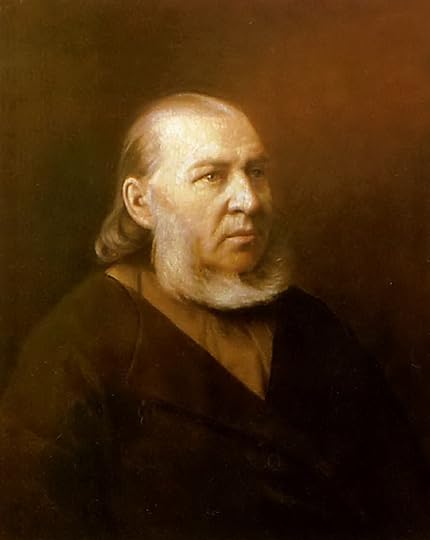
Farewell! my figures, bright or dark, my people, good or bad—I should rather say, figures that have their bright and dark sides, and people who have both virtues and vices. You are not great heroes, not imposing personalities; you trod your path on earth in silence and obscurity, and it is long, very long, since you left it. But you were men and women, and your inward and outward life was not mere dull prose, but as interesting and instructive to us as we and our life in turn will be interesting and instructive to our descendants. You were actors in that mighty drama which mankind has played on this earth since time immemorial; you played your parts as conscientiously as others, and you deserve as well to be remembered. By the mighty power of the pen and of print, your descendants have now been made acquainted with you. 54 They have greeted you with sympathy and recognised you as brothers, whenever and however you lived, and whatever clothes you wore. May no harsh judgment and no flippant tongue ever wrong your memory! THE END.


