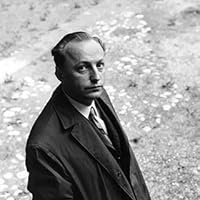
Nessuno avrebbe immaginato, alla fine degli anni ottanta, con la caduta del Muro di Berlino, che l'Europa avrebbe conosciuto di nuovo il dramma della guerra civile e del genocidio. Di lì a poco, invece, la dissoluzione della ex repubblica federale iugoslava avrebbe scatenato una serie di conflitti che avrebbero insanguinato tutti gli anni novanta. Eccetto la Slovenia, in rapida sequenza Croazia, Serbia, Bosnia-Erzegovina e Kosovo avrebbero acceso una guerra civile che avrebbe toccato punte di intensità drammatica, come per certi versi testimonia la strage di Srebenica ai danni di settemila bosniaci musulmani. Per giudicare i criminali di guerra, l'Onu nel maggio 1993 decide di istituire, all'Aja, un vero e proprio tribunale. Si tratta della prima corte istituita in Europa a partire dalla fine della Seconda guerra mondiale. L'incarico di pubblico ministero viene affidato a Carla Del Ponte. Il suo lavoro presso i tribunali delle Nazioni Unite ha permesso l'arresto e la conduzione in giudizio di decine di persone accusate di genocidio e altri crimini di guerra, tra cui Slobodan Milosevic, presidente della Serbia, e di istruire prove contro due tra i ricercati più importanti al mondo, Radovan Karadzic e il generale Ratko Mladic, accusato del massacro di Srebenica.
After reading "Madame Prosecutor" I am more convinced than ever that the International Criminal Tribunal at the Hague, run by the United Nations and for which Carla Del Ponte was the chief prosecutor for crimes against humanity committed in Rwanda and Yugoslavia, is not the best way or even a very good way to go after war criminals.
The problem is certainly not with Del Ponte--she was a dogged worker, good manager and dedicated prosecutor. She does not come across as a person one would want as a friend but as someone to bring end the culture of impunity enjoyed by mass murderers. I doubt if a anyone could do better given the built-in constraints of the system.
Del Ponte was both ambitious, wanting success for its own sake and to continue her career but also fervent in her desire to get the people ultimately guilty for some of the worst crimes since the end of World War II. She is able to ignore the details of slaughter and refuses to prosecute the low level soldiers and police officers guilty of murder. She wants the monsters who initiated the reign of terror against helpless civilians in central Africa and Southeast Europe.
The biggest problem she faced is the willingness of the United States, France, the United Kingdom and other nations who have tried to seize the moral high ground recently to value diplomacy over justice. Another difficulty is the bureacracy of the UN itself. There are plenty of other reasons why the going has been slow and few of the guilty have been tried.
Spain showed the way when a court there indicted Augusto Pinochet for crimes committed during his term as dictator in Chile. Using the doctorine of universal jurisdiction--that some acts are so egregious that they constitute crimes against humanity and can therefore be prosecuted in any court in the world, they ruled that he was not immune to prosecution in Spain even though he had given amnesty in Chile.
Del Ponte worked for eight years to convict Balkan war lords and military leaders in the International Court of Justice at the Hague. The theme that runs throughtout the book is the constant tension between the need for justice and diplomatic expeniency. While most of Del Ponte's targets were brought to trial, several were found not guilty (or the charges found "not proven" on, in some cases, what later was found to be doctored evidence. The hundreds of years of warfare among Serbs, Croats, Albanians and Macedonians and among Roman Catholics, Orthodox Catholics and Muslims was continued with astonishing and brutality during break-up of the former Yugoslavia and the power and land grabs that followed it.
There is a lot of information--too much--on the bureaucratic battles Del Ponte had to fight. While it is important to understand how the ICJ itself, which seems more committed more to legalism, establishing its authority and creating precedent and procedure than to bringing war criminals to justice, the amount of detail and the meeting by meeting accounts of her frustration becomes frustrating reading.
She was, however, totally committed to her task. Del Ponte was one of the few figures who unified southeastern Europe--everyone there hated her. She was addressed in official, for the record memos from Croatian political leaders as "Dear Madame Whore". She was vilified in the press throughout the area and ignored by her targets whenever they could. Far from deterring her, these attacks simply showed her that she was doing the right thing and going after the right people.
I would hate to have her after me. She is an indefatigable pursuer, a constant thorn in the side of slow moving officials and a dedicated, creative prosecutor. The end of the book is downbeat but not surprising--she had an arbitrary deadline and many of her targets knew that if they avoided her until her appointment expired they would be safe. By her standards she failed--the final words are "the simple fact of failure is the simple fact of failure" but it was a noble and necessary effort.
"Madame Prosecutor" is slow going at times--Del Ponte recounts some of her battles to have Serbian, Albanian and Croatian war criminals arrested almost memo by memo and airport by airport--but it is generally well written and very timely.
Gospođu tužiteljku Karle Del Ponte, glavnog tužioca Haškog tribunala, sam uzeo da pročitam samo sa jednim ciljem: da čujem drugi ugao priče od onog sa kojim sam se susretao i da saznam nešto novo o unutrašnjem funkcionisanju Haškog tribunala od osobe koja je tamo bila glavna skoro 10 godina. Dobio sam kukanje, pravljenje žrtve od sebe, uprošćavanje situacija, mrvicu informacija o radu tribunala i sada imam više novih pitanja nego što sam dobio odgovora.
Razočaranje je na toliko nivoa, da ne znam ni kako od dnevnika čitanja da napravim jednu koherentnu celinu i predstavim knjigu.
-Očekivao sam dublji uvid u raspad zemlje osim onog došao Milošević i eto rata. Da ne grešim dušu, pomenula je i Tuđmana tu kao krivca, ali ništa dublje od toga. Eskalaciju na Kosovu je svela u 3 reda, osnovan OVK u ilegali, puškaranje policije i OVK, poginuo neki učitelj (ne spominje ni ime?), na sahrani mnogo ljudi uključujući i trojicu u uniformama OVK, izašli iz ilegale, kraj. Očigledno da je htela da izbegne pojašnjavanje raspada Jugoslavije, ali se baš nije potrudila.
-Očigledan animozitet prema Koštunici postoji od strane Del Ponte, toliki da čak piše da pošto Koštunica neće da izruči Miloševića, to znači, po Koštunici, da Milošević nije uradio ništa loše?!
-Htela je da digne optužnice protiv NATO zvaničnika, ali eto, ništa od toga. Htela je da proširi ovlašćenja suda da uključi i zločine koji su se desili na Kosovu nakon bombardovanja i ulaska UNMIK-a, ali eto, i od toga ništa. Čak i obećava Srbima sa Kosova da će to učiniti. Ta njena želja ostaje zatrpana u ovim stranicama bez daljnjeg objašnjenja zašto nije došlo do toga i gde je zapelo.
-Ramuš Haradinaj je sve navodno uradio. Na dve strane se reč navodno čak 38 puta navodi (neću više, obećavam). Toliko do toga da su žrtve kod Radonjićkog jezera, njih 42, navodne. Navodno ubijen metkom u glavu, navodno smrskana lobanja itd.
-To [pretnje svedocima] nije delovalo nimalo zastrašujuće u zemlji u kojoj su Srbi nekada Albance proizvoljno zatvarali mesecima i u kojoj se svedoci u krivičnim postupcima ubijaju. Ova rečenica, ovako izvučena iz konteksta, nije problematična. Dve strane pre i posle nje se piše o tome kako su Albanci u strahu da svedoče u Hagu protiv vođa OVK, kako ih zastrašuju i ubijaju (Vikipedija navodi čak 11 ubistava u vezi sa ovim svedočenjima). U takvom kontekstu, ova rečenica je veoma neodgovarajuća. Apsolutno ne vidim kako bi jedno moglo da opravda drugo. Sama Del Ponte piše da je žena koja je radila za Haradinajevu odbranu, bila venčana žena čoveka koji je imao pristup zaštićenim svedocima tužilaštva protiv tog istog Haradinaja. O čemu dalje pričati...
-Na kraju knjige se, doslovno na silu, ubacuju Majke Srebrenice, bez ikakvog konteksta i poveznice. Čisto da se kaže kako su jadne, siromašne, ruku punih žuljeva i da žele samo pravdu. Prethodno pomenuti Srbi sa Kosova, kojima je obećala proširenje ovlašćenja suda, za njih ništa nije rečeno. Valjda oni nisu hteli pravdu za svoje žrtve, ne znam. Del Ponte od sebe pravi žrtvu, kad joj Majke Srebrenice kažu da je ispala naivna, jadna Karla što je saslušala obećanja srpskih zvaničnika o hapšenju Mladića koja se nisu obistinila, pa je još i Majke Srebrenice vređaju.
-Mnogo bolje ime knjige bi bilo, recimo, Natezanje, pošto 10/13 poglavlja se tako zove. Ili čak i bolje, Ja mnogo volim svoju Luj Viton torbicu. Njenim rečima, Tu je i problem plate [dok bude radila kao tužiteljka] - htela sam sebi da priuštim mogućnost da ponekad kupim torbicu Luj Viton, jer sam znala da ću i dalje da ih kupujem. Kad god izlazi sa nekog sastanka besna, Del Ponte ne izleće iz prostorije, lupa vratima i slično, već uzima svoju Luj Viton torbicu i odlazi. I tako sigurno 5, 6 puta u knjizi.
Šteta što je knjiga objavljena 2007. godine, pošto je 2008. došlo do hapšenja Karadžića, a 2011. Mladića, glavnog cilja koji Del Ponte nije ispunila i koji se provlači kroz celu knjigu. Poglavljima koja se bave genocidom u Ruandi se nisam bavio, pošto o materiji niti šta znam, niti imam interesovanja.
Hvala svima koji su pročitali ovaj moj rant do kraja, hvala što ste slušali moj Ted talk.
Generally, I have found the boo to be quite repetitive and felt like everything could be said in much fewer words. It was also full of names and dates, making it even harder to read.
Although I felt like the book did not provide me with as much detail about the ICTY as I had wanted it to, there was still more than enough to take from it.
The only reason why I see someone read this book is if they have a strong interest in the politics of the western Balkans or are interested in some of of the challenges faced by the ICTY. Though do not expect to get so much information about international criminal justice as a whole, like I did.
Ponte's book, like most memoirs, is rather repetitive and self-serving, but, like most memoirs, is all the same a worthy read (especially if, like me, one is able to sift through the muck to pull the little gems of info out of them).
I liked getting Ponte's perspective, as the chief prosecutor of International Criminal Tribunals for Rwanda and Yugoslavia, on the issues. She wrote a lot less on Rwanda than on Yugoslavia, and, therefore, I found more value in what she said on the latter subject. My favorite bits were those in which she recounted her meetings with various officials and diplomats. With these, one can gain a better understanding of the personalities that forge policy, which is important because politics, in truth, is all about the people.
The book though, I'll say, is a tad too long, and requires skimming in some parts.
As someone who might want to work in International Criminal Justice in the future, I found this book highly interesting, especially with Del Ponte being Swiss, just like me.
The bureaucratic problems Del Ponte faced during her time as prosecutor for the two tribunals were written about too extensively. It took me a long time to finish the book, which is why I cannot give it a higher rating. I could really feel her struggle against the muro di gomma.
Olen meeldivalt üllatunud, et selline raamat eesti keelde tõlgiti, kuna see on ju nii spetsiifiline lugemine. Carla Del Ponte on tippjurist, endine Jugoslaavia ja Rwanda ÜRO sõjakuritegude tribunali peasüüdistaja. Tal oli oma visioon - riigid saavad rahus oma tulevikku luua alles siis, kui on saavutatud lepitus, kusjuures viimase juures on võtmetähtsusega õiglane kohtumõistmine sõjakurjategijate üle alates kõrgeimast poliitilisest ja sõjaväelisest ladvikust. Kui genotsiidile ei järgne õiglast kohtumõistmist ja kurjategijad elavad endiselt rahva seas edasi, olles kusjuures sageli võimupositsioonidel, siis jäävad haavad lahtiseks ja see jääb kummitama ka järgmisi põlvkondi.
Olgugi, et Carla Del Ponte oli eelkõige tippjurist, oli tema töö tihedalt seotud poliitikaga. Mulle jäi mulje, et liigagi tihti oldi valmis poliitilisel tasandil, sh nii majanduslikel kui ka diplomaatilistel eesmärkidel õiglusele käega lööma ja lähtuma pragmaatilisematest eesmärkidest.
Kahjuks, arvestades rahvusvahelist õigust ja riikide suveräänsust, on sõjakurjategijatest tipp-poliitikute ja -ohvitseride kohtu alla saamine ikka ülikeeruline protsess, mis võib võtta aastaid aega, kui üldse õnnestub. Seda põhjusel, et see riik ise peab tahtma oma sõjakurjategijaid välja anda (sageli aga ei taheta, mistõttu seda riiki survestatakse poliitiliselt nt stiilis, et saate liituda EL-ga siis, kui x ja y on kohtu alla toimetatud).
Veelgi keerulisemaks teeb asja see, et ka selles riigis endas on reeglina kõik osapooled nö määritud. Pean silmas seda, et kuigi üks (nt etniline) grupp alustab puhastustööd teise (nt etnilise) grupi vastu, siis genotsiidi edenedes ületavad mõlemad pooled lubatu piiri ja genotsiidi lõppedes on kumbki pool toime pannud massihukkamisi ja muid lubamatuid roimasid. Kohtupidamine aga lähtub piiride ületamisest - olgugi, et kättemaksuks, aga massihukkamiste jmt inimsusevastaste kuritegude läbiviimine on keelatud. Seega tekib olukord, kus riigis ei ole enam ühtegi osapoolt, kes tahaks kedagi välja anda, sest teatakse, et ka ise ollakse must. Eriti markantsel kujul oli see Rwandas nii.
Kõne alla võiks tulla kauba tegemine stiilis "Sa anna need isikud välja, siis me sind ei puutu". Aga Carla Del Ponte ei läinud kunagi sellise diili peale välja, sest tema seisukoha järgi on see siis poolik õigusemõistmine, mis ei saa olla seega ka õiglane. Kui juba kohut pidada, siis õiglaselt kõigi süüdlaste üle.
See on aga nüüd üks suur küsimus - kas eelistada pragmaatiliselt lahendust, kus vähemalt ühe poole üle kohut peetakse ning saavutada suurema tõenäosusega tulemusi või lähtuda ideaalist ehk mõista kohut kõigi süüdlaste üle sõltumata leerist ja riskida sellega, et suured tegijad ei pruugi kunagi süüpinki jõuda. Kas õiglus kannatab kompromisse, kui palju ja kui, siis milliseid? Üldiselt pigem ütleks, et õiglus sellist kompromissi ei kannata, kus kohut mõistetakse vaid ühe poole üle ja õigusemõistmise ajal võimupositsioonil olev pool pääseb. Lepitust siis ju ühiskonnas suure tõenäosusega ikkagi ei saabu.
Karistamatuse tunne on Carla Del Ponte sõnul see, mille vastu ta võitles. Seda põhjusel, et karistamatuse tunne on üks oluline tegur, mis võimaldab riigijuhtidel ränkraskeid inimsusevastaseid kuritegusid toime panna. Samas on kohtupidamised sõjakurjategijatest riigijuhtide üle paberil ilusad, aga reaalses elus ülimalt raskesti realiseeritavad, kuna kohut saavad pidada kas teised riigid või sama riik ise, kuid viimasel juhul näitab ajalugu pigem seda, et siis peetakse kohut väikeste tegijate üle ning suured jäävad karistamata.
Hindasin "Proua prokuröri" hindega 5 juba ainuüksi sel põhjusel, et üks tippjurist võttis ette ja kirjutas sellise raamatu valmis - tema enda vahetu kogemus muutis selle minu jaoks väärt lugemiseks, kuna tööga seotud juriidilisi ja eetilisi teemasid on kõrvalseisjal siiski väga raske avada. Lisaks hindan kõrgelt Carla Del Ponte soov teha midagi selleks, et vähendada karistamatuse tunnet riigijuhtide seas, kes püüdlevad ainuvõimu ja selle kuritarvitamise poole. Pean selliseid teoseid pigem haruldasteks.
Ja eraldi veel mu kummardus kirjastajale, kes lasi selle raamatu eesti keelde tõlkida.
Miinusena tooksin välja ehk seda, et raamatus oli vähe emotsioone. See oli eelkõige asjalik. Kuid selle kompenseerib siiski kõik see, millest kirjutasin eelnevalt ja tegelikult veel rohkemgi.
Minul tekkis küll igatahes huvi selle vastu, et milline on üldse diplomaatia roll maailmaasjade ajamisel ja selle õiguslik raamistik, kuna Carla Del Ponte raamatust jäi mulje, et diplomaatias tehakse väga palju kompromisse, mida näiteks õiguse mõistmisel kurjategijate üle teha ei saa. Ja sealt edasi, et kuidas need kaks maailma koos saavad eksisteerida parimal võimalikul moel.
After studying international law as part of my degree at university, I got quite interested in the area and whether it had any use in the world today. Carla Del Ponte is perhaps one of the most awe-inspiring and commendable lawyers in the world. She shows that lawyers don't act for their own self-interest and that international law is able to back up its bark with a few well-placed bites. There aren’t really words to describe just how determined, focused and passionate Carla Del Ponte is about pursuing her goal of justice and ending impunity for international political leaders. Described as the ‘personification of stubbornness’ by the former Judge Giovanni Falcone, she certainly lived up to that description as chief prosecutor.
The book recounts her experiences in the Criminal Tribunals for Yugoslavia and Rwanda. It is also honest about the difficulties that international law faces in bringing people to justice and how even states who have declared that they will help, end up opposing the moves for justice. It brings to light the priorities of Western nations and how the view of politicians needs to change.
If you are looking for a book that gives you hope that international law can be enforced, or that the law can be used to help people, or if you’re just looking for someone to be inspired by, then this book is for you. It provides a fascinating insight into the intricate politics of international relations, the problems that international law faces and the determination of a prosecutor to ensure that no country and no leader is beyond the reach of the law.
A memoir by the Chief Prosecutor of the war crimes tribunals for both the former Yugoslavia and Rwanda, taking the story up to the end of her Yugoslavia work in 2008. It’s quite a personal story, as she takes us through her childhood in Switzerland and her legal career, and admits her fondness for expensive handbags (though these are also a practical tool of the trade). But the nuts and bolts of it are the difficulty of operating the prosecution side of the first big international criminal court since Nuremberg, and the difficulties that del Ponte experienced from all sides.
By her own account, del Ponte must have been a difficult person to work with, though also by her own account and from what I know myself, she was given very difficult working conditions – the promised political and financial support from the Western democracies who had pushed for the war crimes tribunals in the first place turned out to be very inconstant, staffing of the tribunals varied in quality, and co-operation with the post-conflict authorities on the ground began badly and did not always improve. She was the subject of vicious personal abuse in the media of the countries concerned, and although she claims to have a thick skin, it’s difficult to be completely unmoved by that kind of thing.
It is a bit frustrating that the Rwanda narrative ends in 2003 and the ex-Yugoslavia narrative in 2008 when she went to Argentina as the ambassador of Switzerland; it means that while the individual trees of prosecutorial processes are examined at great length, she doesn’t write as much about the forest of international justice and accountability, which would have been interesting.
I myself was engaged with a lot of the policy debates regarding the former Yugoslavia during the noughties, and there are several conversations in the book that I recognise, not because I was present myself, but because I heard about them shortly afterward from people who were. I don’t believe I ever met del Ponte in person, though I became friendly with several of her close colleagues. My then employers, the International Crisis Group, get a couple of mentions, mostly positive; our line then was unqualified support for the war crimes tribunals.
I’m no longer quite as sure. While there were some very important successes, del Ponte herself is upfront about some of the failures: the Rwanda process became victors’ justice, as nobody from President Kagame’s Rwandan Patriotic Front was prosecuted; Slobodan Milošević, conducting his own defence, distracted the court from establishing the facts with his theatrics, and cheated the verdict by refusing to take the medication which would have saved his life.
I would add that the Kosovo prosecutions by the court did not seem as well founded as the others, and more generally del Ponte’s statements about Kosovo sometimes seem to me the wrong side of speculation rather than factual reporting. In fact Kosovo complied much more swiftly with the demands of the tribunal than did any of the other governments involved, but got and gets little credit for that. Former prime minister Ramush Haradinaj has now been acquitted twice, which also surely counts for something. (And never mind the current Thaçi trial, which is under a different structure.)
I also found a couple of puzzling errors. George Robertson, the NATO Secretary-General, is consistently referred to as Lord John Robinson. And when I checked out a reference to one of the Crisis Group reports that I had edited, I found that our report simply referred back to one of the prosecution documents, in other words by citing us, del Ponte was effectively citing herself. Perhaps this just reflects some haste in getting the draft off her desk as she prepared for her next assignment, in Argentina.
In a sense, those were more innocent days, when it was credible to state that those responsible for atrocities during the course of an armed conflict should, could and would be held accountable by the international community. I’ve seen a couple of interesting recent pieces on this. In The Economist, Rosie Blau looks at the difference between today and Nuremberg. On his own blog, my friend and former colleague Andrew Stroehlein looks at the implications for future conflict resolution. He admits that “international justice can seem like a faith-based community. We believe in it, but proof of its existence is rare, and almost miraculous when it happens.” You have to look for that proof pretty carefully these days, especially with the rule of law itself being so visibly demolished in and by the USA.
Carla del Ponte is a truly exceptional woman who allows us a rare insight in the tireless workings of the United Nations to strive for the values that should be granted universally but are unfortunately lost in many regions: peace and respect of human rights.
Without hesitation she sacrificed marriage and security of her loved ones to acquire the seldom moments of triumph over the worst criminals in years of viewing heart-breaking desperation, scenes of unthinkable carnage and broken souls of the innocent. And whilst this, most of the world neglected her and the authority of her court, offering her no more than empty words. People like her deserve all our respect, they serve society and hold it up.
This biography goes into great detail of the struggles in former Yugoslavia and Rwanda. At some parts in the book, I despised the great detail, the slow pacing and the meticulous description of every single conversation and experience, all the names and places described. But in the end, I think the extensiveness of the novel is the only way to convey what the muro di gomma really is. The only way to convey the horrors that are still so widespread in this world. But most importantly to convey how we humans tend to deal with them: evasive.
By listing time and again how she... 1. visited a site of carnage 2. got rejected access to evidence by local government because of politics 3. got her witnesses frightened away from taking statement with threats 4. wasn't able to catch the perpetrators due to local government refusing to cooperate 5. lost in court due to the difficulty to find watertight evidence under the described circumstances ...she managed to engrave in our hearts that everyone individually of us should reflect his actions. For everyone of us is in his or her nature tempted to shift their gaze away of grievances, as small as daily problems or as huge as the genocide in Rwanda and Yugoslavia.
So hang on reading. This might be a difficult lecture, but in the end it is totally worth it, and not because of the literal content, but because of the underlying message conveyed.
A good book but very depressing to see how the greatest tyrants of world genocide 'get away with it'. Madame Prosecutor is the UN prosecutor of war crimes for Serbia, Croatia, Kosovo, Montenegro and other Balken countries after the atocities of the 1990s and 2000s. Even in the face of overwhelming evidence the main actors of this tragedy seem to slip away through the protection of their countries and politics. The world says it is better to let these beasts remain free and in hiding rather than arrest them and rock the world's political boat. People like Ms Del Ponte are trying to do the correct thing but are met at every turn with lies, deceit and lack of political will. A sad book that continues to be all too real.
This entire review has been hidden because of spoilers.
ICTY sa sjedistem u Den Haagu djelovao je od 1993. do 2017. godine, a Carla Del Ponte bila je glavna tuziteljica od 1999. do 2007. Kroz ove memoare reflektira prvenstveno na taj period svoje karijere/zivota. Iako je knjiga iz perspektivne knjizevne kvalitete obicno smece, zanimljiva je njena perspektiva dogadjaja uz koje sam odrasta pasivno ih upijajuci kroz dnevnike/otvorena/nedjelje u 2… jer ko je tada ima 2 televezije, a u pravilu se gledalo sta je stari tija gledat. Zakljucno ostaje dojam da ICTY nazalost nije bija bas najsretnije rjesenje u provodjenju pravde, ali i tako manjkav uspija je donekle natirat drzave ukljucene u svoj rad na suocavanje sa svojim duhovima.
Wanted to like this book but just couldn't get into it, I wonder if I'd like it more if the subject had another collaborator to help with the narrative flow or something
I feel sorry for the blank pages which are filled with ugly lies and later become known as a "book". I feel sorry for the author too who succesfully disgraced herself eternally by not heeding the priceless advice "DO NOT WRITE WHEN YOU'RE ANGRY". Not that she only wrote but she even had the "brains" she does not have, to publish her anger. I wander what really made her angry, though?! Money...she didn't get?!
Great narration of the highly complicated role of General Prosecutor of the International Criminal Tribunal for the former Yugoslavia and Rwanda. The book is engaging, fast paced and exhaustive of the real-politik which hides beyond the official speeches of our leading politicians.
A must-read book for all persons willing to work at International Institutions or at higher degrees of National Politics.
A very good account of the establishment of ICTY and the ad hoc tribunals in general. Also, it's good introduction to those interested in the functionality of the international criminal courts. In short, the book explains the shortcomings of the so-called international justice which reflects the realpolitik and the logic of power in the international politics.
The new memoir by Carla Del Ponte (former Chief Prosecutor of the Criminal Tribunals for Yugoslavia and Rwanda) shows her frustration about politics interfering with the pursuit of justice. Her quest to bring Ratko Mladic to The Hague reminded me of Ahab and Moby Dick.