

What do you think?

Eisenhower: The White House Years
“Newton's contribution is as cogent an inventory of Eisenhower's White House years as I've ever read. He blends masterful writing with historic detail and provides the value-added of Ike as the man and the leader.”
—Chuck Hagel, Distinguished Professor, Georgetown University; U.S. Senator (1997–2009)
Newly discovered and declassified documents make for a surprising and revealing portrait of the president we thought we knew.
America’s thirty-fourth president was belittled by his critics as the babysitter-in-chief. This new look reveals how wrong they were. Dwight Eisenhower was bequeathed the atomic bomb and refused to use it. He ground down Joseph McCarthy and McCarthyism until both became, as he said, "McCarthywasm." He stimulated the economy to lift it from recession, built an interstate highway system, turned an $8 billion deficit in 1953 into a $500 million surplus in 1960. (Ike was the last President until Bill Clinton to leave his country in the black.)
The President Eisenhower of popular imagination is a benign figure, armed with a putter, a winning smile, and little else. The Eisenhower of veteran journalist Jim Newton's rendering is shrewd, sentimental, and tempestuous. He mourned the death of his first son and doted on his grandchildren but could, one aide recalled, "peel the varnish off a desk" with his temper. Mocked as shallow and inarticulate, he was in fact a meticulous manager. Admired as a general, he was a champion of peace. In Korea and Vietnam, in Quemoy and Berlin, his generals urged him to wage nuclear war. Time and again he considered the idea and rejected it. And it was Eisenhower who appointed the liberal justices Earl Warren and William Brennan and who then called in the military to enforce desegregation in the schools.
Rare interviews, newly discovered records, and fresh insights undergird this gripping and timely narrative.
JIM NEWTON is a veteran journalist who began his career as clerk to James Reston at the New York Times. Since then, he has worked as a reporter at the Atlanta Constitution and as a reporter, bureau chief and editor at the Los Angeles Times, where he presently is the editor-at-large and author of a weekly column. He also is an educator and author, whose acclaimed biography of Chief Justice Earl Warren, Justice for All: Earl Warren and the Nation He Made, was published in 2006. He lives in Pasadena, CA.
From the Hardcover edition.
—Chuck Hagel, Distinguished Professor, Georgetown University; U.S. Senator (1997–2009)
Newly discovered and declassified documents make for a surprising and revealing portrait of the president we thought we knew.
America’s thirty-fourth president was belittled by his critics as the babysitter-in-chief. This new look reveals how wrong they were. Dwight Eisenhower was bequeathed the atomic bomb and refused to use it. He ground down Joseph McCarthy and McCarthyism until both became, as he said, "McCarthywasm." He stimulated the economy to lift it from recession, built an interstate highway system, turned an $8 billion deficit in 1953 into a $500 million surplus in 1960. (Ike was the last President until Bill Clinton to leave his country in the black.)
The President Eisenhower of popular imagination is a benign figure, armed with a putter, a winning smile, and little else. The Eisenhower of veteran journalist Jim Newton's rendering is shrewd, sentimental, and tempestuous. He mourned the death of his first son and doted on his grandchildren but could, one aide recalled, "peel the varnish off a desk" with his temper. Mocked as shallow and inarticulate, he was in fact a meticulous manager. Admired as a general, he was a champion of peace. In Korea and Vietnam, in Quemoy and Berlin, his generals urged him to wage nuclear war. Time and again he considered the idea and rejected it. And it was Eisenhower who appointed the liberal justices Earl Warren and William Brennan and who then called in the military to enforce desegregation in the schools.
Rare interviews, newly discovered records, and fresh insights undergird this gripping and timely narrative.
JIM NEWTON is a veteran journalist who began his career as clerk to James Reston at the New York Times. Since then, he has worked as a reporter at the Atlanta Constitution and as a reporter, bureau chief and editor at the Los Angeles Times, where he presently is the editor-at-large and author of a weekly column. He also is an educator and author, whose acclaimed biography of Chief Justice Earl Warren, Justice for All: Earl Warren and the Nation He Made, was published in 2006. He lives in Pasadena, CA.
From the Hardcover edition.
Audio CD
First published January 1, 2011
About the author
Jim Newton
32 books47 followersJim Newton is editor at large of the Los Angeles Times and writes a weekly column for the Op-Ed page on the policy and politics of Southern California.
Newton came to the Los Angeles Times in 1989, having previously worked as a reporter for the Atlanta Journal-Constitution and as a clerk at the New York Times, where he served as columnist James Reston's assistant from 1985-86. He is a graduate of Dartmouth College and the recipient of numerous local and national awards. He was part of the Los Angeles Times' coverage of the Los Angeles riots in 1992 and the earthquake of 1994, both of which were awarded Pulitzer Prizes to the staff.
Newton also is the author of two critically acclaimed, best-selling biographies, "Justice for All: Earl Warren and the Nation He Made," and "Eisenhower: The White House Years."
Newton came to the Los Angeles Times in 1989, having previously worked as a reporter for the Atlanta Journal-Constitution and as a clerk at the New York Times, where he served as columnist James Reston's assistant from 1985-86. He is a graduate of Dartmouth College and the recipient of numerous local and national awards. He was part of the Los Angeles Times' coverage of the Los Angeles riots in 1992 and the earthquake of 1994, both of which were awarded Pulitzer Prizes to the staff.
Newton also is the author of two critically acclaimed, best-selling biographies, "Justice for All: Earl Warren and the Nation He Made," and "Eisenhower: The White House Years."
Ratings & Reviews
Friends & Following
Create a free account to discover what your friends think of this book!
Community Reviews
Displaying 1 - 30 of 126 reviews

February 9, 2013
An illuminating, clear and readable history of Eisenhower’s presidency. Newton concludes that Eisenhower was the right man for the times, rather than just an adequate caretaker, a babysitter-in-chief, or a bored, quiet old grandpa.
Newton emphasizes Eisenhower’s natural and consistent desire to always find a middle way between liberals and conservatives, and Newton’s discussion of how this applied to civil rights is interesting and nuanced. Newton also covers such topics as Eisenhower’s brother Edgar (who felt that the administration was almost socialist), Eisenhower’s skepticism toward Nixon, and Eisenhower’s health problems. According to Newton, civil rights was Eisenhower’s biggest blind spot. Newton does not believe Ike’s famous penchant for golf was much of a failing; instead it was a way for Eisenhower to communicate to the public that a normal life was still possible despite the hysteria and anxiety of the Cold War era.
In a thorough, reasonable style Newton covers the successes such as economic growth, avoiding a major war, avoiding nuclear confrontation, resisting increased defense spending, the interstate, the St. Lawrence seaway, bipartisanship, civil rights legislation, balancing the budget, the demise of McCarthyism and the creation of national parks. Newton also covers the failures, such as Eisenhower’s embrace of CIA operations that were mixed successes at best ( especially Iran and Guatemala), Eisenhower’s failure to exercise moral leadership over the civil rights movement, his failure to defend George Marshall from McCarthy (an episode Newton calls “imperfect”), the U-2 affair, and the treatment of Robert Oppenheimer. The author does cover Eisenhower’s famous valedictory speech and argues that Eisenhower decried the expansion of the “military-industrial complex” but not its necessity. Newton also convincingly argues that Eisenhower was the “decider” when it came to foreign policy, and Newton does not seem to believe John Foster Dulles was anywhere near as influential.
The book doesn’t always put policy decisions in enough context. And at one point Newton writes that the Chinese communists’ 1955 assault on Nationalist-held Yichang was supported by Russian air power, although I haven’t found anything to substantiate this.
Still, a coherent, engaging and well-written work.
Newton emphasizes Eisenhower’s natural and consistent desire to always find a middle way between liberals and conservatives, and Newton’s discussion of how this applied to civil rights is interesting and nuanced. Newton also covers such topics as Eisenhower’s brother Edgar (who felt that the administration was almost socialist), Eisenhower’s skepticism toward Nixon, and Eisenhower’s health problems. According to Newton, civil rights was Eisenhower’s biggest blind spot. Newton does not believe Ike’s famous penchant for golf was much of a failing; instead it was a way for Eisenhower to communicate to the public that a normal life was still possible despite the hysteria and anxiety of the Cold War era.
In a thorough, reasonable style Newton covers the successes such as economic growth, avoiding a major war, avoiding nuclear confrontation, resisting increased defense spending, the interstate, the St. Lawrence seaway, bipartisanship, civil rights legislation, balancing the budget, the demise of McCarthyism and the creation of national parks. Newton also covers the failures, such as Eisenhower’s embrace of CIA operations that were mixed successes at best ( especially Iran and Guatemala), Eisenhower’s failure to exercise moral leadership over the civil rights movement, his failure to defend George Marshall from McCarthy (an episode Newton calls “imperfect”), the U-2 affair, and the treatment of Robert Oppenheimer. The author does cover Eisenhower’s famous valedictory speech and argues that Eisenhower decried the expansion of the “military-industrial complex” but not its necessity. Newton also convincingly argues that Eisenhower was the “decider” when it came to foreign policy, and Newton does not seem to believe John Foster Dulles was anywhere near as influential.
The book doesn’t always put policy decisions in enough context. And at one point Newton writes that the Chinese communists’ 1955 assault on Nationalist-held Yichang was supported by Russian air power, although I haven’t found anything to substantiate this.
Still, a coherent, engaging and well-written work.

November 22, 2020
Even though this is not a full-fledged presidential biography, Jim Newton succeeds at capturing much of the character of Dwight Eisenhower. While ostensibly devoted to Eisenhower's presidency, Newton provides enough coverage of Ike's early life to provide adequate context for readers not already familiar with the man. Eisenhower's family, boyhood, and rise up through the ranks of the Army are covered - not as in-depth as works done by Carlos D'Este or Stephen Ambrose, but certainly sufficient for Newton's purposes here. He threads a fine line between getting too bogged down, and thus losing the focus of what he wants his book to be about, and not properly preparing the reader for what is to come.
Another strength of Newton's work is that he shows just how much was going on during the 1950s. There were a lot of things happening, and Eisenhower's presidency is jam-packed with issues, crises, and problems. Newton covers it all: the ending of the Korean War, the blight of McCarthyism, relations with the Soviet Union (in particular with Nikita Khrushchev), the Chinese bombing of Quemoy and Matsu, the Rosenberg executions, Robert Oppenheimer being essentially banned from government service (I think Eisenhower acted pretty poorly here but Newton did not seem to think so), the increased stirring of the Civil Rights movement, the Warren Court along with Eisenhower's Supreme Court appointments, his health issues (heart attack, ileitis, stroke), the Suez crisis, Hungary, a fight with Arkansas Governor Orval Faubus over integrating Little Rock schools, CIA covert operations in Iran, Guatemala, and Indonesia, the rise of Castro in Cuba, summit meetings, the U-2 debacle, the 1956 election and his attempt to dump Richard Nixon off the ticket, and the very close 1960 election that was in some respects a repudiation of Eisenhower.
Newton is quite fair to Eisenhower throughout all of this. While, on the whole, generally favorable to him in overall terms, he does not hold back from criticizing Eisenhower when needed. This is most especially evident in Ike's extreme reluctance to put his immense prestige behind the cause of Civil Rights. While never directly stating so, he went out of his way to indicate his unhappiness with the unanimous Brown decision in 1954. Repeatedly pressed to comment about it, both then and in subsequent years, Eisenhower would revert back to the Court's decision being the law of the land and thus, as the head of the Executive branch, he was duty-bound to enforce it if need be. This was hardly the stance that warmed the hearts of anyone seeking equal rights or justice for black Americans, and worse, it emboldened segregationists like Faubus, who could easily see that Eisenhower was reluctant to support the effort. Newton contrasts Ike's attitude in this realm with his strident leadership concerning nuclear proliferation and avoiding launching the U.S. into a disastrous nuclear war.
Towards the end, Newton closely reviews Eisenhower's Farewell Address. He discusses the formation of the speech, how much Eisenhower worked on it along with two of his speechwriters and his brother Milton, and how important he thought it was to make a summary statement as he left office in 1961. The speech is widely remembered today for Eisenhower's warning of the growth of the "military-industrial" complex. I have no doubt he would be horrified today if he could look in on how things are now. But Newton also reviews other, lesser-known passages of the speech, especially concerning scientific achievement. Eisenhower in some respects tried to model his speech after George Washington's and succeeded in offering reasons to be hopeful in the future while simultaneously warning of lurking dangers.
Newton finishes with a review of Eisenhower's post-presidential years. Like his sections on Ike's early life, this is neither whisked through nor expanded to be all-encompassing. He also provides a brief summary of his overall conclusion on Eisenhower. It is both balanced and well-reasoned.
There were a few things that I did not care for. One is a factual error. On page 66, Newton writes that Eisenhower was the oldest man (62) elected to the presidency. William Henry Harrison was 67 when he was elected. On page 93, as Eisenhower and his wife, Mamie, are moving into the White House, Newton mentions the changes that took places in the transition from Harry Truman living there to Eisenhower, and refers to "the Trumans' frumpier entertainments." That seemed unnecessary and cutting. And there were a few things that Newton glanced over in his treatment of Ike's presidency. As an example, Eisenhower took some long foreign trips late in his tenure, but Newton only mentions them in passing. Overall this is a very solid review and discussion of Eisenhower, focusing mainly on his presidency. Recommended for anyone interested in Eisenhower or his era.
Grade: A-
Another strength of Newton's work is that he shows just how much was going on during the 1950s. There were a lot of things happening, and Eisenhower's presidency is jam-packed with issues, crises, and problems. Newton covers it all: the ending of the Korean War, the blight of McCarthyism, relations with the Soviet Union (in particular with Nikita Khrushchev), the Chinese bombing of Quemoy and Matsu, the Rosenberg executions, Robert Oppenheimer being essentially banned from government service (I think Eisenhower acted pretty poorly here but Newton did not seem to think so), the increased stirring of the Civil Rights movement, the Warren Court along with Eisenhower's Supreme Court appointments, his health issues (heart attack, ileitis, stroke), the Suez crisis, Hungary, a fight with Arkansas Governor Orval Faubus over integrating Little Rock schools, CIA covert operations in Iran, Guatemala, and Indonesia, the rise of Castro in Cuba, summit meetings, the U-2 debacle, the 1956 election and his attempt to dump Richard Nixon off the ticket, and the very close 1960 election that was in some respects a repudiation of Eisenhower.
Newton is quite fair to Eisenhower throughout all of this. While, on the whole, generally favorable to him in overall terms, he does not hold back from criticizing Eisenhower when needed. This is most especially evident in Ike's extreme reluctance to put his immense prestige behind the cause of Civil Rights. While never directly stating so, he went out of his way to indicate his unhappiness with the unanimous Brown decision in 1954. Repeatedly pressed to comment about it, both then and in subsequent years, Eisenhower would revert back to the Court's decision being the law of the land and thus, as the head of the Executive branch, he was duty-bound to enforce it if need be. This was hardly the stance that warmed the hearts of anyone seeking equal rights or justice for black Americans, and worse, it emboldened segregationists like Faubus, who could easily see that Eisenhower was reluctant to support the effort. Newton contrasts Ike's attitude in this realm with his strident leadership concerning nuclear proliferation and avoiding launching the U.S. into a disastrous nuclear war.
Towards the end, Newton closely reviews Eisenhower's Farewell Address. He discusses the formation of the speech, how much Eisenhower worked on it along with two of his speechwriters and his brother Milton, and how important he thought it was to make a summary statement as he left office in 1961. The speech is widely remembered today for Eisenhower's warning of the growth of the "military-industrial" complex. I have no doubt he would be horrified today if he could look in on how things are now. But Newton also reviews other, lesser-known passages of the speech, especially concerning scientific achievement. Eisenhower in some respects tried to model his speech after George Washington's and succeeded in offering reasons to be hopeful in the future while simultaneously warning of lurking dangers.
Newton finishes with a review of Eisenhower's post-presidential years. Like his sections on Ike's early life, this is neither whisked through nor expanded to be all-encompassing. He also provides a brief summary of his overall conclusion on Eisenhower. It is both balanced and well-reasoned.
There were a few things that I did not care for. One is a factual error. On page 66, Newton writes that Eisenhower was the oldest man (62) elected to the presidency. William Henry Harrison was 67 when he was elected. On page 93, as Eisenhower and his wife, Mamie, are moving into the White House, Newton mentions the changes that took places in the transition from Harry Truman living there to Eisenhower, and refers to "the Trumans' frumpier entertainments." That seemed unnecessary and cutting. And there were a few things that Newton glanced over in his treatment of Ike's presidency. As an example, Eisenhower took some long foreign trips late in his tenure, but Newton only mentions them in passing. Overall this is a very solid review and discussion of Eisenhower, focusing mainly on his presidency. Recommended for anyone interested in Eisenhower or his era.
Grade: A-

September 8, 2021
The earthshaking events of the 1960s and the cataclysm of World War II have led many of us to think about the 1950s as a boring period when little of importance happened. It was a time between epochal events. And as Jim Newton explains in his superb biography of Dwight Eisenhower during his eight years in the White House, the 1950s were notable mostly because of what didn’t happen. Despite the ferocity of the Cold War and the brinkmanship of Secretary of State John Foster Dulles, the decade never witnessed the further use of nuclear weapons. And that, Newton makes clear, was because President Eisenhower sat in the Oval Office.
A time of great consequence
In fact, the period that spanned the years from the Korean War to the election of John F. Kennedy as president was a time of great consequence.
US-Soviet relations were roiled by the death of Stalin, Khrushchev’s “Secret Speech,” the Hungarian Revolution, the brinkmanship between the US and China over the Taiwanese islands of Quemoy and Matsu, and the downing of the American U-2 spy plane.
Acting at President Eisenhower’s behest, the Dulles brothers directed the covert action that felled Mohammed Mossadeghin Iran, Jacobo Arbenz in Guatemala, and Patrice Lumumba in the Congo.
The civil rights revolution intensified with Brown v. Board of Education, the trial of Emmett Till, the Montgomery Bus Boycott, and the dispatch of federal troops to permit Black students to enter Little Rock Central High School.
And anti-Communist hysteria racked the nation, with the execution of Julius and Ethel Rosenberg, the bogus revelations of the Army-McCarthy hearings, and the hysterical claims of the House Un-American Activities Committee.
Headline-grabbing events from start to finish
But there was much, much more. Here, for example, are some of the other events that crowded newspaper headlines as the years went by under the administration of President Eisenhower:
Congress funded the Interstate Highway System, the biggest public works project in the nation’s history, and the St. Lawrence Seaway, which opened the Midwest to the world.
The president suffered a heart attack and, later, a stroke.
Hawaii and Alaska became the 49th and 50th states.
Jonas Salk completed his polio vaccine.
The USSR took the world with surprise with the flight of Sputnik 1, triggering the creation of NASA and the opening of the space race.
Eisenhower forced Britain, France, and Israel to back down in the Suez Canal crisis.
Puerto Rican nationalists shot up the House of Representatives.
500,000 steelworkers went out on strike.
And the decade ended with the Cuban Revolution, prompting the Administration to plan the ill-fated Bay of Pigs invasion.
A fateful eight years in historic perspective
After briefly surveying President Eisenhower’s childhood and his later life as a soldier, Newton dips into the circumstances surrounding all these events listed above and Eisenhower’s role in connection with them. But he puts his account, and the eight years the former commanding general served in the Oval Office, into historic perspective. As the Soviet Union gained access not just to the atomic bomb but to the H-bomb as well, “annihilation still loomed, yet precisely one American died in combat, killed by a sniper in Lebanon. No American president of modern times had brought to the office greater skill as a soldier, yet none had done more to preserve the peace.” One. Single. American. Soldier. Think of what has followed almost continuously ever since.
He was “commandingly the boss”
Eisenhower was often viewed as a weak president with an exaggerated fondness for golf and contract bridge with his wealthy cronies in “The Gang.” Newton’s view is different. He emphasizes throughout that the strong men in Eisenhower’s cabinet and on his staff were invariably acting on the president’s direct orders when they took steps the press attributed solely to them. Eisenhower was, in the author’s words, “commandingly their boss.” For example, the covert action spearheaded by Allen Dulles at the CIA and his brother Foster at State was not their project but the president’s.
“Little Ike” to his five brothers
Far less well known to the public, either at the time or since, was the continuing influence of President Eisenhower’s family on his life and conduct. His mother was a Mennonite pacifist who cried when he left for West Point in 1911. He was “still just one of the six Eisenhower boys.” Ike was known in the family as “Little Ike” throughout his life to distinguish him from his older brother Edgar, who was “Big Ike.” Edgar was a reactionary lawyer who subjected the president to a stream of critical letters, objecting to the actions he took on everything from national defense and the McCarthy hearings to civil rights. Younger brother Milton, a university president throughout Eisenhower’s presidency, was much more moderate; Newton characterizes him as “an elegant liberal.” Ike had immense respect for Milton and often turned to him for advice.
A balanced assessment
Newton’s assessment of Dwight Eisenhower is balanced. “He was a good man,” he writes, “one of integrity and decency. But he was not always right. He was too enamored of covert action, and he did not fully apprehend the moral imperatives of civil rights, where his belief in measured progress, the middle way, impeded his sympathy for those who demanded their constitutional rights immediately.” Yet he “registered the nation’s most significant progress on racial equality since the end of the Civil War.”
About the author
Jim Newton began his career in journalist as a clerk to New York Times columnist James Reston. He is the former editor at large of the Los Angeles Times and the author of three biographies: Justice for All, about former California Governor and US Chief Justice Earl Warren, and Man of Tomorrow, about the life of former California Governor Jerry Brown, as well as Eisenhower: The White House Years.
A time of great consequence
In fact, the period that spanned the years from the Korean War to the election of John F. Kennedy as president was a time of great consequence.
US-Soviet relations were roiled by the death of Stalin, Khrushchev’s “Secret Speech,” the Hungarian Revolution, the brinkmanship between the US and China over the Taiwanese islands of Quemoy and Matsu, and the downing of the American U-2 spy plane.
Acting at President Eisenhower’s behest, the Dulles brothers directed the covert action that felled Mohammed Mossadeghin Iran, Jacobo Arbenz in Guatemala, and Patrice Lumumba in the Congo.
The civil rights revolution intensified with Brown v. Board of Education, the trial of Emmett Till, the Montgomery Bus Boycott, and the dispatch of federal troops to permit Black students to enter Little Rock Central High School.
And anti-Communist hysteria racked the nation, with the execution of Julius and Ethel Rosenberg, the bogus revelations of the Army-McCarthy hearings, and the hysterical claims of the House Un-American Activities Committee.
Headline-grabbing events from start to finish
But there was much, much more. Here, for example, are some of the other events that crowded newspaper headlines as the years went by under the administration of President Eisenhower:
Congress funded the Interstate Highway System, the biggest public works project in the nation’s history, and the St. Lawrence Seaway, which opened the Midwest to the world.
The president suffered a heart attack and, later, a stroke.
Hawaii and Alaska became the 49th and 50th states.
Jonas Salk completed his polio vaccine.
The USSR took the world with surprise with the flight of Sputnik 1, triggering the creation of NASA and the opening of the space race.
Eisenhower forced Britain, France, and Israel to back down in the Suez Canal crisis.
Puerto Rican nationalists shot up the House of Representatives.
500,000 steelworkers went out on strike.
And the decade ended with the Cuban Revolution, prompting the Administration to plan the ill-fated Bay of Pigs invasion.
A fateful eight years in historic perspective
After briefly surveying President Eisenhower’s childhood and his later life as a soldier, Newton dips into the circumstances surrounding all these events listed above and Eisenhower’s role in connection with them. But he puts his account, and the eight years the former commanding general served in the Oval Office, into historic perspective. As the Soviet Union gained access not just to the atomic bomb but to the H-bomb as well, “annihilation still loomed, yet precisely one American died in combat, killed by a sniper in Lebanon. No American president of modern times had brought to the office greater skill as a soldier, yet none had done more to preserve the peace.” One. Single. American. Soldier. Think of what has followed almost continuously ever since.
He was “commandingly the boss”
Eisenhower was often viewed as a weak president with an exaggerated fondness for golf and contract bridge with his wealthy cronies in “The Gang.” Newton’s view is different. He emphasizes throughout that the strong men in Eisenhower’s cabinet and on his staff were invariably acting on the president’s direct orders when they took steps the press attributed solely to them. Eisenhower was, in the author’s words, “commandingly their boss.” For example, the covert action spearheaded by Allen Dulles at the CIA and his brother Foster at State was not their project but the president’s.
“Little Ike” to his five brothers
Far less well known to the public, either at the time or since, was the continuing influence of President Eisenhower’s family on his life and conduct. His mother was a Mennonite pacifist who cried when he left for West Point in 1911. He was “still just one of the six Eisenhower boys.” Ike was known in the family as “Little Ike” throughout his life to distinguish him from his older brother Edgar, who was “Big Ike.” Edgar was a reactionary lawyer who subjected the president to a stream of critical letters, objecting to the actions he took on everything from national defense and the McCarthy hearings to civil rights. Younger brother Milton, a university president throughout Eisenhower’s presidency, was much more moderate; Newton characterizes him as “an elegant liberal.” Ike had immense respect for Milton and often turned to him for advice.
A balanced assessment
Newton’s assessment of Dwight Eisenhower is balanced. “He was a good man,” he writes, “one of integrity and decency. But he was not always right. He was too enamored of covert action, and he did not fully apprehend the moral imperatives of civil rights, where his belief in measured progress, the middle way, impeded his sympathy for those who demanded their constitutional rights immediately.” Yet he “registered the nation’s most significant progress on racial equality since the end of the Civil War.”
About the author
Jim Newton began his career in journalist as a clerk to New York Times columnist James Reston. He is the former editor at large of the Los Angeles Times and the author of three biographies: Justice for All, about former California Governor and US Chief Justice Earl Warren, and Man of Tomorrow, about the life of former California Governor Jerry Brown, as well as Eisenhower: The White House Years.
November 21, 2014
The 1950s are often remembered as a quiet period of stagnation presided over by a kindly grandfather type president. A study of the Eisenhower Administration proves that it was anything but that. It included the end of the Korean War, the invasion of Lebanon and the Suez Crisis. It was a period of covert action that effected pro-American regime change in Iran and Guatemala but also saw the U-2 crash and the rise of Castro. The Army was challenged by Sen. Joseph McCarthy who was, in turn, defeated by Ike. It was a decade of accomplishment that saw the building of the St. Lawrence Seaway, the start of the interstate highway system and the admission of two new states. Eisenhower participated in summits with Khrushchev in the United States and the aborted one in Geneva.
President Eisenhower is presented as a general, family man, politician and world statesman. He had his successes in his own electoral victories but failed to rebuild the Republican Party. He was disappointed in some of his personnel selections, such as Chief Justice Earl Warren, Vice-President Nixon about whom he harbored reservations and aid Sherman Adams who fell from power over a vicuna coat. He battled back from a series of health problems including a heart attack, ileitis and a stroke that would likely not be tolerated in a president today.
“Eisenhower: The White House Years” is a well organized narrative of a crucial part of our post-war history. It guides the reader through the challenges and the steps Eisenhower took to meet them. It reminds us of the extraordinary men who played important roles in bringing Ike to the White House and worked with him in it, men like Herbert Brownell and John Foster Dulles. The Epilogue tells of Ike’s retirement and an assessment of his legacy. As readers of my reviews know, I have read many presidential histories and this is one of the best. I have rarely such a well ordered explanation of a president’s service.
President Eisenhower is presented as a general, family man, politician and world statesman. He had his successes in his own electoral victories but failed to rebuild the Republican Party. He was disappointed in some of his personnel selections, such as Chief Justice Earl Warren, Vice-President Nixon about whom he harbored reservations and aid Sherman Adams who fell from power over a vicuna coat. He battled back from a series of health problems including a heart attack, ileitis and a stroke that would likely not be tolerated in a president today.
“Eisenhower: The White House Years” is a well organized narrative of a crucial part of our post-war history. It guides the reader through the challenges and the steps Eisenhower took to meet them. It reminds us of the extraordinary men who played important roles in bringing Ike to the White House and worked with him in it, men like Herbert Brownell and John Foster Dulles. The Epilogue tells of Ike’s retirement and an assessment of his legacy. As readers of my reviews know, I have read many presidential histories and this is one of the best. I have rarely such a well ordered explanation of a president’s service.

January 24, 2017
https://bestpresidentialbios.com/2017...
“Eisenhower: The White House Years” was published in 2011 and is Jim Newton’s second biography. His first, covering former Chief Justice Earl Warren, was published in 2006. Newton is a journalist who has worked at The New York Times, The Atlanta Constitution and The Los Angeles Times. He recently moved to UCLA where he teaches and serves as Editor-in-Chief of a school magazine which he helped launch.
Although its title suggests a singular focus on Eisenhower’s eight-year tenure in the White House this 357-page biography is surprisingly broad in coverage, focusing with varying degrees of scrutiny on his entire life. Nevertheless, with nearly three-fourths of the text dedicated to his two-term presidency, this is not a perfect substitute for a more traditional, comprehensive biography of Eisenhower.
Newton’s background as a reporter and editor is not surprising; his narrative is remarkably coherent, impactful and unpretentious. And despite the Eisenhower presidency’s lack of breathless drama, the story line is always clear and often captivating. Only Newton’s occasional tendency in early chapters to jump around the timeline may lead to some confusion.
Fortunately for the reader, however, there are countless instances throughout the book of articulate and keenly interesting discussions of events which, in many other texts, are dull or confusing. And in other cases Newton simply does a much better than average job explaining complicated events in an exceptionally comprehensible manner.
The back-story Newton provides relating to Eisenhower’s decision to seek the Republican nomination in 1952 is the most colorful behind-the-scenes account of those months I’ve read. And his review of the the 1952 presidential campaign itself is easily the most engaging I’ve come across.
Covert actions authorized in the early 1950s by President Eisenhower in Iran and Guatemala, which are relatively hard to follow in many other biographies, are presented with remarkable lucidity. Also particularly well-described are Eisenhower’s (lack of) engagement with Senator Joe McCarthy and Chief Justice Earl Warren’s masterful maneuvering to achieve a unanimous decision in the landmark Brown v. Board of Education.
But for all its shining moments this is not quite a perfect biography of Eisenhower. Despite receiving competent coverage, the six momentous decades preceding his presidency are surveyed in fewer than fifty pages. And, occasionally, the discussions of his actions as president leave the reader feeling as though the narrative has merely skimmed the tree-tops – that the messy details have been left aside (often because that is the case). But many readers will see that as a small price to pay for clarity and efficiency.
Overall, Jim Newton’s “Eisenhower: The White House Years” does an excellent job fulfilling its core mission of examining the Eisenhower presidency in an interesting and comprehensible manner. But because it does not provide thorough coverage of Eisenhower’s pre-presidency, for readers seeking to understand the “whole” Eisenhower this book is most valuable as a supplemental text read in conjunction with a traditional, comprehensive biography.
Overall rating: 4 stars
“Eisenhower: The White House Years” was published in 2011 and is Jim Newton’s second biography. His first, covering former Chief Justice Earl Warren, was published in 2006. Newton is a journalist who has worked at The New York Times, The Atlanta Constitution and The Los Angeles Times. He recently moved to UCLA where he teaches and serves as Editor-in-Chief of a school magazine which he helped launch.
Although its title suggests a singular focus on Eisenhower’s eight-year tenure in the White House this 357-page biography is surprisingly broad in coverage, focusing with varying degrees of scrutiny on his entire life. Nevertheless, with nearly three-fourths of the text dedicated to his two-term presidency, this is not a perfect substitute for a more traditional, comprehensive biography of Eisenhower.
Newton’s background as a reporter and editor is not surprising; his narrative is remarkably coherent, impactful and unpretentious. And despite the Eisenhower presidency’s lack of breathless drama, the story line is always clear and often captivating. Only Newton’s occasional tendency in early chapters to jump around the timeline may lead to some confusion.
Fortunately for the reader, however, there are countless instances throughout the book of articulate and keenly interesting discussions of events which, in many other texts, are dull or confusing. And in other cases Newton simply does a much better than average job explaining complicated events in an exceptionally comprehensible manner.
The back-story Newton provides relating to Eisenhower’s decision to seek the Republican nomination in 1952 is the most colorful behind-the-scenes account of those months I’ve read. And his review of the the 1952 presidential campaign itself is easily the most engaging I’ve come across.
Covert actions authorized in the early 1950s by President Eisenhower in Iran and Guatemala, which are relatively hard to follow in many other biographies, are presented with remarkable lucidity. Also particularly well-described are Eisenhower’s (lack of) engagement with Senator Joe McCarthy and Chief Justice Earl Warren’s masterful maneuvering to achieve a unanimous decision in the landmark Brown v. Board of Education.
But for all its shining moments this is not quite a perfect biography of Eisenhower. Despite receiving competent coverage, the six momentous decades preceding his presidency are surveyed in fewer than fifty pages. And, occasionally, the discussions of his actions as president leave the reader feeling as though the narrative has merely skimmed the tree-tops – that the messy details have been left aside (often because that is the case). But many readers will see that as a small price to pay for clarity and efficiency.
Overall, Jim Newton’s “Eisenhower: The White House Years” does an excellent job fulfilling its core mission of examining the Eisenhower presidency in an interesting and comprehensible manner. But because it does not provide thorough coverage of Eisenhower’s pre-presidency, for readers seeking to understand the “whole” Eisenhower this book is most valuable as a supplemental text read in conjunction with a traditional, comprehensive biography.
Overall rating: 4 stars

July 23, 2019
This was a really good biography of the presidential years of Dwight D. Eisenhower. While he definitely had some failings as a President, he was pretty good at governing. His failure to more fully confront McCarthy and the Red Baiting that his fellow Republicans put the country through as well as his missteps on more fully pursuing civil rights are the major failings. However, he was very good at putting politics and specifically party politics aside and doing what was best for the country.

September 8, 2011
I absolutely loved this book. If it weren't for a few pesky details I would have happily given it 5 stars.
First, the pesky details
The first few chapters are thematic summaries of Eisenhower's life before he reached the White House. When I started reading the book I forgot to pay attention to the subtitle and started getting very disappointed in the book. Newton's tome on Earl Warren was fascinating and I was hoping for the same with this book. When I saw the subtitle, Newton's organizational choice made sense for these early chapters. That being said, thematic overviews are not my favorite way to summarize history. A casual (or even studious) reader might easily get tripped up in the overlapping, back-and-forth nature of these early chapters. Additionally, this style lends itself to historiographical errors. On the bright side, Newton avoids those errors and does an admirable job at keeping the timeline straight. That being said, it's still not my favorite.
The other pesky detail came in the epilogue. Newton's bias in favor of Eisenhower shined bright and clear in the epilogue. As a historian who strives for as much objectivity as I can maintain, this rubbed me the wrong way just a little. I hated the fact that it was the last thing I read in the book.
Besides those two pesky details, I find no fault in the book. Newton's prose is captivating. He transitions easily from widely disparate subjects as is necessary which writing in depth about a president's term in office. (After reading this book, I find it hard to believe that there is a man or woman alive today that would want the job of President.) When Newton introduces a new player on the presidential stage, the text is like a mini-biography that wets the appetite to learn more about that man or woman. Newton also capably summarizes news events that could easily baffle the average reader if the writer is not careful. I learned so much by reading this book. A good sign that I liked the book? I want to read even more about the topics discussed within.
One last note, I'm tempted to laugh every time time I read about Nixon now. I've read three biographies (Earl Warren and Eisenhower written by Newton and Cronkite written by Brinkley) that paint a picture of a man who I would think would never have gotten elected President if I didn't know otherwise.
I strongly recommend this book to any lover of history, especially Presidential history.
First, the pesky details
The first few chapters are thematic summaries of Eisenhower's life before he reached the White House. When I started reading the book I forgot to pay attention to the subtitle and started getting very disappointed in the book. Newton's tome on Earl Warren was fascinating and I was hoping for the same with this book. When I saw the subtitle, Newton's organizational choice made sense for these early chapters. That being said, thematic overviews are not my favorite way to summarize history. A casual (or even studious) reader might easily get tripped up in the overlapping, back-and-forth nature of these early chapters. Additionally, this style lends itself to historiographical errors. On the bright side, Newton avoids those errors and does an admirable job at keeping the timeline straight. That being said, it's still not my favorite.
The other pesky detail came in the epilogue. Newton's bias in favor of Eisenhower shined bright and clear in the epilogue. As a historian who strives for as much objectivity as I can maintain, this rubbed me the wrong way just a little. I hated the fact that it was the last thing I read in the book.
Besides those two pesky details, I find no fault in the book. Newton's prose is captivating. He transitions easily from widely disparate subjects as is necessary which writing in depth about a president's term in office. (After reading this book, I find it hard to believe that there is a man or woman alive today that would want the job of President.) When Newton introduces a new player on the presidential stage, the text is like a mini-biography that wets the appetite to learn more about that man or woman. Newton also capably summarizes news events that could easily baffle the average reader if the writer is not careful. I learned so much by reading this book. A good sign that I liked the book? I want to read even more about the topics discussed within.
One last note, I'm tempted to laugh every time time I read about Nixon now. I've read three biographies (Earl Warren and Eisenhower written by Newton and Cronkite written by Brinkley) that paint a picture of a man who I would think would never have gotten elected President if I didn't know otherwise.
I strongly recommend this book to any lover of history, especially Presidential history.

January 6, 2012
Very good. People seem to be looking back more fondly at the Eisenhower presidency because of the frustrations moderates are having with more recent Republican presidents. This books offers a positive take on Ike, particularly focusing on Ike's desire to find balance between the left and right. This balance often worked well, particularly in dealing with foreign policy and the issue of nuclear weapons use, and in dealing with domestic budgetary issues. However, Newton does not shy away from pointing out Ike's massive errors of moderation in discussing race issues, and in allowing for some foreign policy fiascos. All in all, it seems to me that America is better off for having Ike as president for 8 years, particularly when compared to some of his rivals (Taft, McArther, Stevenson, eg). But again, he could have been MUCH better. Too many people, in no small part because of Ike's moderation, never had the opportunity to pursue their dreams in a society of equality. We are definitely lucky when it came to nuclear weapons and strategies considered with their existence in mind: as with JFK and the Cuban Missile Crisis, human civilization probably owes no small amount of thanks to Ike for keeping calm and carrying on.

December 29, 2019
Newton has put together a thorough study of Eisenhower as a president. His writing was interesting and easy to follow. My complaints about this work are mostly ideological.
1.) It is, in my view, too beholden to political centrism
2.) I think Newton’s admiration for Eisenhower as a man caused him to pull his punches when reviewing the former presidents actions on racial equality and his libera use of CIA covert action. While certainly a man of another era Eisenhower’s reluctance to fully embrace civil rights must be seen with clear eyes. Additionally the moral quagmires and atrocities caused by the meddling in other nations governments has been a lasting stain on the soul of his country. Eisenhower did not live to see the full results of his administration’s support of the Iranian coup.
All this being said, it is no easy task sorting out the morality and true costs of action and inaction during this tumultuous period. Race relations aside, I agree with the authors premise that Eisenhower was a wise and strategically gifted leader who sought to do what he felt was right for his country.
1.) It is, in my view, too beholden to political centrism
2.) I think Newton’s admiration for Eisenhower as a man caused him to pull his punches when reviewing the former presidents actions on racial equality and his libera use of CIA covert action. While certainly a man of another era Eisenhower’s reluctance to fully embrace civil rights must be seen with clear eyes. Additionally the moral quagmires and atrocities caused by the meddling in other nations governments has been a lasting stain on the soul of his country. Eisenhower did not live to see the full results of his administration’s support of the Iranian coup.
All this being said, it is no easy task sorting out the morality and true costs of action and inaction during this tumultuous period. Race relations aside, I agree with the authors premise that Eisenhower was a wise and strategically gifted leader who sought to do what he felt was right for his country.

November 12, 2011
A solid biography of Ike as president, eminently readable with good strong narrative threads. For the most part, the book presents a more balanced view of Eisenhower than Ambrose's work, with only one or two moments of descent into the whine of Eisenhower biographers that the stereotype of Ike-as-golfer is unfair (it is, but hey, get over it). I particularly enjoyed the passages dealing with his complex relationship with Richard Nixon; Ike had as hard a time fathoming Nixon's motives as the rest of us, but also appreciated Nixon's virtues (yes, there were some). All in all, an excellent summary of the presidency of one of the better occupants of the White House.

March 10, 2022
Using newly declassified and previously unavailable materials, the author paints a new picture of the Eisenhower presidency and the nineteen fifties.

March 31, 2020
Much more of a defense and less a narrative.
A war hero, a political novice, the man uniquely suited for the times; all of these are ways Jim Newton describes his subject. Newton deftly creates three frames that help digest President Dwight Eisenhower’s long and massive career in public service: Making Ike, The First Term, and the Second Term.
Making Ike is largely defined by Eisenhower’s military career. Eisenhower was born in 1890 and his life would span every major American military involvement of the 20th Century with the exception of Operation Desert Storm. Newton details in The First Term that even the events that set the stage for Desert Storm were influenced heavily by Eisenhower’s decisions and the lessons he learned from United States Army giants General George Patton, General Fox Conner, and General Douglas MacArthur. He begins chapter six of the biography as such, “In 1953, having been president for less than a year, Dwight Eisenhower made two decisions that shaped America’s place in the world for decades to come.” The latter decision would be to oust Mohammed Mossadegh from power in Iran.
According to Newton, Anti-Communism, a restraint of hubris, and an unwillingness to involve America in another protracted conventional war were the driving forces behind Eisenhower’s decision to oust Mossadegh. He absorbed the resistance to communism from the polity of the day. He learned to restrain hubris by examining Patton’s failings as an officer. And, after nearly two decades of being directly involved in war fighting Eisenhower empathized with a country unwilling to send ever more soldiers to war.
Newtown builds on his subject’s psyche to delve further into his legacy. As Eisenhower ends a storied military career, Newton places Eisenhower in a conundrum. Simply put he gives the reader pause on the question of whether or not Eisenhower would accept growing calls to enter the Presidential Election of 1952. If history were not enough of a tell, the title of the second phase of Newton’s framework certainly is. The First Term was less of a question of if but rather a dissection of how Eisenhower was eventually convinced to enter the race. A central and vital character to his decision was his future Attorney General, Herbert Brownell Jr. Newton writes, “[Brownell] forcefully insisted that Eisenhower stop being coy. Neither the nomination nor the presidency would be handed to him, Brownell insisted in terms so adamant that he feared he was being brash. To gain the Republican nomination, Ike would have to return home and fight for it.” And fight Eisenhower did.
Eisenhower fought so successfully he crafted enough skill and goodwill to win a Second Term. As consequential as a President’s policy can be on civil society, more so is a President’s lasting philosophical stance. Newton sets this up beautifully. He outlines all of the potentially threatening conflicts that America could face following the election of John F. Kennedy: “Castro had seized power in Cuba, China and the Soviet Union eyed Laos, the Congo was riotous, American politics was restless.” Up until this point the warrior-president responded to threats with a mixed result. Korea was a stalemate and the Russian premier Nikita Khrushchev visited the United States. Eisenhower understood that not every threat could be met with American Military might and that military readiness was nonetheless paramount. Patterned from the ideology of the first American President, Eisenhower spoke these words in his farewell address on January 17th 1961, “A vital element in keeping the peace is our military establishment. Our arms must be mighty, ready for instant action, so that no potential aggressor may be tempted to risk his own destruction...we must [also] guard against the acquisition of unwarranted influence, whether sought or unsought, by the military–industrial complex.”
That philosophical stance would seem ironic if not for Newton’s careful dissection of Eisenhower’s life. He assists the reader in digesting a history in which only a single American soldier died during hostilities after the end of the Korean War. Remarkable. Newton paints President Eisenhower in a light that boosts his triumphs while downplaying his shortcomings. The President who helped shape the contours of modern American society and the modern American military would also be the same person who would die shortly after his Vice President was elected as President in his own right on March 28, 1969.
A war hero, a political novice, the man uniquely suited for the times; all of these are ways Jim Newton describes his subject. Newton deftly creates three frames that help digest President Dwight Eisenhower’s long and massive career in public service: Making Ike, The First Term, and the Second Term.
Making Ike is largely defined by Eisenhower’s military career. Eisenhower was born in 1890 and his life would span every major American military involvement of the 20th Century with the exception of Operation Desert Storm. Newton details in The First Term that even the events that set the stage for Desert Storm were influenced heavily by Eisenhower’s decisions and the lessons he learned from United States Army giants General George Patton, General Fox Conner, and General Douglas MacArthur. He begins chapter six of the biography as such, “In 1953, having been president for less than a year, Dwight Eisenhower made two decisions that shaped America’s place in the world for decades to come.” The latter decision would be to oust Mohammed Mossadegh from power in Iran.
According to Newton, Anti-Communism, a restraint of hubris, and an unwillingness to involve America in another protracted conventional war were the driving forces behind Eisenhower’s decision to oust Mossadegh. He absorbed the resistance to communism from the polity of the day. He learned to restrain hubris by examining Patton’s failings as an officer. And, after nearly two decades of being directly involved in war fighting Eisenhower empathized with a country unwilling to send ever more soldiers to war.
Newtown builds on his subject’s psyche to delve further into his legacy. As Eisenhower ends a storied military career, Newton places Eisenhower in a conundrum. Simply put he gives the reader pause on the question of whether or not Eisenhower would accept growing calls to enter the Presidential Election of 1952. If history were not enough of a tell, the title of the second phase of Newton’s framework certainly is. The First Term was less of a question of if but rather a dissection of how Eisenhower was eventually convinced to enter the race. A central and vital character to his decision was his future Attorney General, Herbert Brownell Jr. Newton writes, “[Brownell] forcefully insisted that Eisenhower stop being coy. Neither the nomination nor the presidency would be handed to him, Brownell insisted in terms so adamant that he feared he was being brash. To gain the Republican nomination, Ike would have to return home and fight for it.” And fight Eisenhower did.
Eisenhower fought so successfully he crafted enough skill and goodwill to win a Second Term. As consequential as a President’s policy can be on civil society, more so is a President’s lasting philosophical stance. Newton sets this up beautifully. He outlines all of the potentially threatening conflicts that America could face following the election of John F. Kennedy: “Castro had seized power in Cuba, China and the Soviet Union eyed Laos, the Congo was riotous, American politics was restless.” Up until this point the warrior-president responded to threats with a mixed result. Korea was a stalemate and the Russian premier Nikita Khrushchev visited the United States. Eisenhower understood that not every threat could be met with American Military might and that military readiness was nonetheless paramount. Patterned from the ideology of the first American President, Eisenhower spoke these words in his farewell address on January 17th 1961, “A vital element in keeping the peace is our military establishment. Our arms must be mighty, ready for instant action, so that no potential aggressor may be tempted to risk his own destruction...we must [also] guard against the acquisition of unwarranted influence, whether sought or unsought, by the military–industrial complex.”
That philosophical stance would seem ironic if not for Newton’s careful dissection of Eisenhower’s life. He assists the reader in digesting a history in which only a single American soldier died during hostilities after the end of the Korean War. Remarkable. Newton paints President Eisenhower in a light that boosts his triumphs while downplaying his shortcomings. The President who helped shape the contours of modern American society and the modern American military would also be the same person who would die shortly after his Vice President was elected as President in his own right on March 28, 1969.

December 23, 2022
This biography of Eisenhower closes the chapter, so to speak, in my desire to read about how the Republican Party went from being a party of strong, rock solid principles, to one that embraces misinformation, conspiracy theories and extremism. Jim Newton's portrayal of Eisenhower is an excellent overview of the man's many complexities.
Eisenhower largely failed at civil rights (though to his credit, he did nominate two stalwart Supreme Court justices who helped further that cause) and Newton explores this in some detail. However, Ike's strong belief America that needed to rebuild its post-war infrastructure, along with his fervent conviction that the western nations should lead as models of liberal democracies, survive as two of his greatest achievements as president.
I can also recommend Ike's Bluff: President Eisenhower's Secret Battle to Save the World" by Evan Thomas (2013, Back Bay Books) which I also found interesting.
Eisenhower largely failed at civil rights (though to his credit, he did nominate two stalwart Supreme Court justices who helped further that cause) and Newton explores this in some detail. However, Ike's strong belief America that needed to rebuild its post-war infrastructure, along with his fervent conviction that the western nations should lead as models of liberal democracies, survive as two of his greatest achievements as president.
I can also recommend Ike's Bluff: President Eisenhower's Secret Battle to Save the World" by Evan Thomas (2013, Back Bay Books) which I also found interesting.

March 22, 2022
This was a very interesting, informative book. Eisenhower was the first President I remember. I was 5 1/2 when he took office and nearly 13 1/2 when he left. According to the information in this book (which matches information I've learned from other sources I've read), the Republican party of this era built on the progressive agenda that Franklin Roosevelt instigated to help the common man through the end of the Great Depression and through most of World War II. That iteration of Republicanism was certainly one I could easily support: It offered a social safety net for the most vulnerable citizens and concerned itself with social justice. Too bad many in the Republican Party of 2022 favor oligarchy, promoting financial gain of the most wealthy and ignoring the demands of social justice.
As an illustration of Eisenhower's concern for controlling military spending and addressing social justice and the need to help others, three months into his Presidency, he gave the "Chance for Peace Speech" and said "Every gun that is made, every warship launched, every rocket fired signifies, in the final sense, a theft from those who hunger and are not fed, those who are cold and are not clothed. This world in arms is not spending money alone."
I highly recommend this book.
As an illustration of Eisenhower's concern for controlling military spending and addressing social justice and the need to help others, three months into his Presidency, he gave the "Chance for Peace Speech" and said "Every gun that is made, every warship launched, every rocket fired signifies, in the final sense, a theft from those who hunger and are not fed, those who are cold and are not clothed. This world in arms is not spending money alone."
I highly recommend this book.

May 4, 2021
First things first. One tricky topic while reading historical biographies of supposedly great people is assessing how their racist/bigoted ideologies affect their "greatness". Eisenhower left little doubt that he was deeply racist. Though the author made several unsuccessful attempts to rationalize Eisenhower's words and actions regarding racism, there is no hiding the fact that the best thing Eisenhower ever did for African-Americans was appoint Earl Warren as Chief Justice to the Supreme Court without knowing that Warren would champion Civil Rights and guide the court to one monumental decision after another. Despite what Warren accomplished, Eisenhower never supported equal rights for African-Americans and often said he sympathized much more with the difficulties racist white southerners were experiencing during the Civil Rights era than he ever could with the brutal injustices suffered by African-Americans. Even when Ike sent the National Guard to Arkansas to force school integration, he admitted he did not do it to aid African-American's struggle for Civil Rights, and his sole reason was to assert the federal government's position as supreme authority in America. It is imperative to assess Eisenhower's character in total, and that includes his despicable track record regarding Civil Rights.
On matters other than race, there is much to admire and like about Ike. He and his siblings worked to put themselves and each other through college, and all achieved some manner of success. Ike had a long and distinguished military career, culminating with leading the American forces to ultimate success in WWII. He made a successful transition to politics and became the most popular serving president in US history. And he was mostly successful in leading the country during his two terms as president.
This is a well written telling of his life, if a little light on his childhood. There is enough included of his childhood to get a general idea of the man to come. Similarly, I would have liked to learn more details about his military career, both before and during WWII. While there is an adequate amount of pre-presidential history included, it is not nearly as thorough as some other presidential biographies. But that is a very minor quibble. In fact, with a man as accomplished as Ike, it may have been a blessing in disguise. Any book that attempted to fully cover every aspect of his life might approach 1000 pages.
If you enjoy historical biographies in general, and especially if you enjoy presidential biographies, this one will not disappoint. This is a very good telling of the life of a man, who despite his deficiencies regarding Civil Rights, achieved great things for America both in and out of office. This book is clear, direct, detailed, informative, and a good read.
On matters other than race, there is much to admire and like about Ike. He and his siblings worked to put themselves and each other through college, and all achieved some manner of success. Ike had a long and distinguished military career, culminating with leading the American forces to ultimate success in WWII. He made a successful transition to politics and became the most popular serving president in US history. And he was mostly successful in leading the country during his two terms as president.
This is a well written telling of his life, if a little light on his childhood. There is enough included of his childhood to get a general idea of the man to come. Similarly, I would have liked to learn more details about his military career, both before and during WWII. While there is an adequate amount of pre-presidential history included, it is not nearly as thorough as some other presidential biographies. But that is a very minor quibble. In fact, with a man as accomplished as Ike, it may have been a blessing in disguise. Any book that attempted to fully cover every aspect of his life might approach 1000 pages.
If you enjoy historical biographies in general, and especially if you enjoy presidential biographies, this one will not disappoint. This is a very good telling of the life of a man, who despite his deficiencies regarding Civil Rights, achieved great things for America both in and out of office. This book is clear, direct, detailed, informative, and a good read.

May 1, 2024
Thorough treatment of Eisenhower’s White House years, but also includes shorter amounts on his youth and service in the Army. Narrative highlights some of the integral men who served in his presidential administration (Attorney General Herbert Brownell, Secretary of State John Foster Dulles and Vice President Richard Nixon, specifically) and also refutes, as do most recent biographies, his reputation as a hands-off or laid-back administrator.

September 7, 2020
Eisenhower: The White House Years is a sharp and succinct gloss of the two terms Dwight D. Eisenhower served as the 34th President of the United States. Spanning almost the entirety of the 1950s, Eisenhower’s years in office are often perceived as a period of peace and prosperity. By 1952 America was war fatigued and ready to settle down, and the man who had experienced war first hand as the Supreme Commander of the Allied forces was the right man for the times. Upon taking office, Eisenhower’s first order of business was to negotiate an end to the Korean War, fulfilling a campaign promise, resulting in the permanent partitioning of Korea into North and South. Jim Newton’s account of Eisenhower’s tenure shows how his “middle way” approach on the domestic front, and covert “New Look” foreign policy, mask a rather turbulent time, as the Cold War chess match with a post Stalin Soviet Union led by Nikita Khrushchev began.
From my perspective, Eisenhower was America’s first “covert” president, both in foreign and domestic policy and procedure. Often derided as a disengaged president, spending his presidency either playing golf or bridge, Newton shows a President who inconspicuously worked behind the scenes to achieve his goals, leaning on his formidable and accomplished cabinet and backing down more radical elements from within his own party such as Joseph McCarthy. His New Look foreign policy strategy was a multi-pronged approach which aimed to “contain and roll-back international Communism through nuclear deterrence, sound budgets, and covert action”.
Putting this covert action into effect, Eisenhower authorized the removal of two sitting democratically elected leaders of foreign nations by removing Prime Minister Mohammad Mosaddegh in Iran and the military coup d'état of Guatemalan President Jacobo Árbenz, under the pretense of resisting the spread of communism and Soviet influence. By covertly installing more “American friendly” leaders (the Shah in Iran and Carlos Castillo Armas in Guatemala) through aiding opposition party upheavals with military arms assistance and CIA backed espionage, Eisenhower’s approach would forever change the way America’s foreign policy was conducted, and should be regarded with more scrutiny on his Presidency. This interventionist approach would create its own domino effect backlash triggering the eventual rise of persistent American opposition such as the Ayatollah Khomeini in Iran and Che Guevarra in Latin America.
On the domestic front, his middle way approach yielded some impressive results. Large consequential and legacy defining infrastructure projects such as the construction St. Lawrence Seaway and the commencement of the Interstate Highway System were initiated. His selection of Earl Warren as Supreme Court Chief Justice tilted the court more progressively allowing the landmark case Brown vs. Board of Education of Topeka to pave the way for racial integration in public schools. After witnessing southern reactionary backlash, Eisenhower quickly distanced his Administration from the ruling, which was disappointing to learn, nevertheless dispatching federal troops to quell the southern resistance, escorting and protecting nine black students into the all-white Little Rock Central High. Subsequent albeit meager Civil Rights legislation followed, the first since Reconstruction.
While not a perfect substitute for a more traditional and comprehensive biography of the man known as Ike, particularly of his military career that so formidably shaped him, Jim Newton’s Eisenhower: The White House Years is a thorough and wide-ranging account of the Eisenhower presidency. Newton’s account shows a presidency mostly focused on foreign policy and fighting for and ultimately winning a “perilous peace.” Each chapter packs a lot of punch in the 357 pages. Overall, a solid and friendly portrait of the man and his tenure as President.
From my perspective, Eisenhower was America’s first “covert” president, both in foreign and domestic policy and procedure. Often derided as a disengaged president, spending his presidency either playing golf or bridge, Newton shows a President who inconspicuously worked behind the scenes to achieve his goals, leaning on his formidable and accomplished cabinet and backing down more radical elements from within his own party such as Joseph McCarthy. His New Look foreign policy strategy was a multi-pronged approach which aimed to “contain and roll-back international Communism through nuclear deterrence, sound budgets, and covert action”.
Putting this covert action into effect, Eisenhower authorized the removal of two sitting democratically elected leaders of foreign nations by removing Prime Minister Mohammad Mosaddegh in Iran and the military coup d'état of Guatemalan President Jacobo Árbenz, under the pretense of resisting the spread of communism and Soviet influence. By covertly installing more “American friendly” leaders (the Shah in Iran and Carlos Castillo Armas in Guatemala) through aiding opposition party upheavals with military arms assistance and CIA backed espionage, Eisenhower’s approach would forever change the way America’s foreign policy was conducted, and should be regarded with more scrutiny on his Presidency. This interventionist approach would create its own domino effect backlash triggering the eventual rise of persistent American opposition such as the Ayatollah Khomeini in Iran and Che Guevarra in Latin America.
On the domestic front, his middle way approach yielded some impressive results. Large consequential and legacy defining infrastructure projects such as the construction St. Lawrence Seaway and the commencement of the Interstate Highway System were initiated. His selection of Earl Warren as Supreme Court Chief Justice tilted the court more progressively allowing the landmark case Brown vs. Board of Education of Topeka to pave the way for racial integration in public schools. After witnessing southern reactionary backlash, Eisenhower quickly distanced his Administration from the ruling, which was disappointing to learn, nevertheless dispatching federal troops to quell the southern resistance, escorting and protecting nine black students into the all-white Little Rock Central High. Subsequent albeit meager Civil Rights legislation followed, the first since Reconstruction.
While not a perfect substitute for a more traditional and comprehensive biography of the man known as Ike, particularly of his military career that so formidably shaped him, Jim Newton’s Eisenhower: The White House Years is a thorough and wide-ranging account of the Eisenhower presidency. Newton’s account shows a presidency mostly focused on foreign policy and fighting for and ultimately winning a “perilous peace.” Each chapter packs a lot of punch in the 357 pages. Overall, a solid and friendly portrait of the man and his tenure as President.
February 29, 2012
An excellent portrait of Eisenhower's presidency. Enough detail in the early chapters to give a measure of the man, but not so much as to bore and distract. Newtown argues that the traditional interpretation of Eisenhower's tenure in the White House -- that Ike spent most of the time on the links, delegating substantive work to powerful aides -- misses the mark, largely because most people misunderstood Ike's leadership style. He was not a self-promoter and he resisted his staff's attempts to claim credit on his behalf. He preferred a middle way, true, but not because it was the path of least resistance. On the contrary, he beat back more conservative Republican Party members on a range of issues including tax cuts, resisted his national security advisers' desire to pursue a more sweeping (and costly) security program (along the lines of what Kennedy later adopted), and firmly believed that a balanced, sustainable approach to spending and policy was the only successful recipe for the long-term good of the country.
Newton spends some time explaining the role Ike's friends ("The Gang") played in his life. These men were clearly influential with Ike, but Newton does not fall into the trap of labeling these as inappropriate ties based on contemporary standards of conduct. He does discuss the sacking of Sherman Adams for similar ties, but does not draw the link.
Ike's record on civil rights was not impressive, and his private remarks at the time reveal a certain amount of racism. His relationship with Nixon was never great (he considered dropping him from the ticket when he ran for a second term and did not endorse him particularly strongly in the 1960 campaign).
Ike's famous farewell address warned of a military-industrial complex and a scientific-technical elite coming to wield undue influence in the halls of government. On this he was prescient, but Newton shows that Ike had been thinking about this for many years, referencing the military-industrial complex (though not in those precise words) in a 1953 speech.
Newton spends some time explaining the role Ike's friends ("The Gang") played in his life. These men were clearly influential with Ike, but Newton does not fall into the trap of labeling these as inappropriate ties based on contemporary standards of conduct. He does discuss the sacking of Sherman Adams for similar ties, but does not draw the link.
Ike's record on civil rights was not impressive, and his private remarks at the time reveal a certain amount of racism. His relationship with Nixon was never great (he considered dropping him from the ticket when he ran for a second term and did not endorse him particularly strongly in the 1960 campaign).
Ike's famous farewell address warned of a military-industrial complex and a scientific-technical elite coming to wield undue influence in the halls of government. On this he was prescient, but Newton shows that Ike had been thinking about this for many years, referencing the military-industrial complex (though not in those precise words) in a 1953 speech.

January 2, 2016
Newton's recounting of Dwight Eisenhower's years in the White House was rather eye-opening for someone who was a child during his two terms as President. I do remember thinking that he sort of "breezed" through and that the "real" Cold War problems occurred after he left office. But, it isn't so--he did more than met the eye of observers to stave off a nuclear engagement which would have destroyed much of humanity and civilization. And. he did it by bluffing and cajoling opponents, such as the Russians. He flatly refused to allow his aides, Cabinet heads, and military leaders to instigate such a war, even when the practically begged him to utilize limited/tactical nuclear weapons. The downside was that he approved covert operations to overthrow leaders of whom he did not approve. we all know what sort of instability that led to in Africa, the Middle East, etc. He also was slower to confront the rising racial issues of the time, though he mobilized the federal troops when faced with insurrection in the South over school integration. He remains a hero to most United States' citizens, and in much of Europe. I certainly have a better appreciation of his quiet approach to concerns in both the country and the world of his time.

September 3, 2018
For this and other book reviews, visit www.bargain-sleuth.com
Most of the biographies of Eisenhower I've read concentrated on WWII and didn't pay much attention to his two-term presidency. Going in, my knowledge of Ike's presidency consisted of the interstate highway program, the civil rights battle at Little Rock, the U2 spy plane and that Camp David was named for his grandson. I learned a lot with this book. Highly recommended to learn more about one of our country's most popular presidents.
Most of the biographies of Eisenhower I've read concentrated on WWII and didn't pay much attention to his two-term presidency. Going in, my knowledge of Ike's presidency consisted of the interstate highway program, the civil rights battle at Little Rock, the U2 spy plane and that Camp David was named for his grandson. I learned a lot with this book. Highly recommended to learn more about one of our country's most popular presidents.
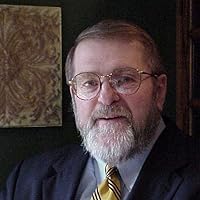
May 27, 2020
I think that most people approach political biographies hoping to find a balanced appraisal of the subject of the book. Often, we’re disappointed when obvious biases begin to reveal themselves in the early chapters and proceed to build throughout. This was NOT my experience with Jim Newton’s fine biography of Dwight David Eisenhower entitled “ Eisenhower: The White House Years.” Newton’s Book isn’t a personality-rich page-turner in the style of David McCullough or Doris Kearns Goodwin, but it’s exceptionally well-written in an orderly, spare fashion – perfect for the man being portrayed.
Newton demonstrates that a biographer can admire their subject without deifying them. He presents by far the most compelling case that I’ve encountered that Eisenhower’s centrist views in many issues may have represented a more difficult path than pursuing the more extreme courses often advocated by other political leaders and, frequently, by his own cabinet members and advisors. The passive grandfatherly figure that many of my generation assumed was the Ike that we liked turns out to be an active player who had an expansive grasp of international affairs and a willingness to be decisive.
Newton is out-front in being critical of some of Ike’s covert activities and is notably (and fairly) harsh in his treatment of Allen Dulles (the lesser known, but probably more consequential of the Dulles brothers). Most of Ike’s greatest failings on the world stage were a result of following Allen Dulles’ extreme views in spite of the fact that they violated Eisenhower’s middle-of-the-road tendencies.
Newton is also hard on Eisenhower’s record on civil rights. On this score, another of Ike’s advisors, Attorney General Herbert Brownell, is afforded much of the credit for advancements while the President is portrayed as being generally well meaning, but so much a product of his age that he didn’t quite “get it.” Yes, Ike sent troops to integrate the high school in Little Rock, but more because he supported the rule of law than because of his support for human rights.
Newton’s insights into Eisenhower’s complicated relationship with Richard Nixon and his dislike of Barry Goldwater’s extremism are also well worth reading about. Observations from Ike’s son John and from Eisenhower’s capable and loyal Secretary Ann Whitman frequently lead to a more thorough understanding of the 34th President. My favorite from Whitman also offers a glimpse into the future. Whitman said that Ike “…is a man of integrity and sincere in every action, be it possibly wrong.” Of Nixon, she offered that he struck her as “a man who is acting as a nice man rather than being one.”
Overall, this is a terrific book. You’ll be disappointed if you’re looked by for a biography of Eisenhower the soldier. There’s just enough background here to establish life event connections that affected later actions. However, if you want a solid, unbiased book on the Eisenhower presidency, this is a great place to start.
Newton demonstrates that a biographer can admire their subject without deifying them. He presents by far the most compelling case that I’ve encountered that Eisenhower’s centrist views in many issues may have represented a more difficult path than pursuing the more extreme courses often advocated by other political leaders and, frequently, by his own cabinet members and advisors. The passive grandfatherly figure that many of my generation assumed was the Ike that we liked turns out to be an active player who had an expansive grasp of international affairs and a willingness to be decisive.
Newton is out-front in being critical of some of Ike’s covert activities and is notably (and fairly) harsh in his treatment of Allen Dulles (the lesser known, but probably more consequential of the Dulles brothers). Most of Ike’s greatest failings on the world stage were a result of following Allen Dulles’ extreme views in spite of the fact that they violated Eisenhower’s middle-of-the-road tendencies.
Newton is also hard on Eisenhower’s record on civil rights. On this score, another of Ike’s advisors, Attorney General Herbert Brownell, is afforded much of the credit for advancements while the President is portrayed as being generally well meaning, but so much a product of his age that he didn’t quite “get it.” Yes, Ike sent troops to integrate the high school in Little Rock, but more because he supported the rule of law than because of his support for human rights.
Newton’s insights into Eisenhower’s complicated relationship with Richard Nixon and his dislike of Barry Goldwater’s extremism are also well worth reading about. Observations from Ike’s son John and from Eisenhower’s capable and loyal Secretary Ann Whitman frequently lead to a more thorough understanding of the 34th President. My favorite from Whitman also offers a glimpse into the future. Whitman said that Ike “…is a man of integrity and sincere in every action, be it possibly wrong.” Of Nixon, she offered that he struck her as “a man who is acting as a nice man rather than being one.”
Overall, this is a terrific book. You’ll be disappointed if you’re looked by for a biography of Eisenhower the soldier. There’s just enough background here to establish life event connections that affected later actions. However, if you want a solid, unbiased book on the Eisenhower presidency, this is a great place to start.

October 11, 2021
After 70 years, Eisenhower remains a respected president with a mostly positive influence. Not only did he lead the Allies to victory in World War II, but as president, he also organized the world for a lasting peace. He continued to develop the American economy so that over time, America would win the Cold War against communism while not annihilating the world in the process.
Newton analyzes these issues in careful detail, but he tends to be overly sympathetic with his subject. He does criticize Eisenhower on civil rights (Ike’s obvious weakness) and is consistently critical of Nixon. However, on almost every other issue, Newton sides with Eisenhower without much criticism. Sometimes, this is helpful – as when Newton uses Eisenhower to critique the directions of the 1960s conservative movement as well as the modern Republican party. Overall, it still appears that Newton identifies with Eisenhower too much.
Eisenhower’s greatest legacy in American history remains his deep mastery of international politics. Newton makes this clear and shows how much care Eisenhower brought to the task. The sophisticated nuance of Ike’s “middle way” stands to teach much to modern Republicanism, and Newton is not shy in bringing this out. Further, Eisenhower’s sense of balance would likewise benefit the modern Democratic movement as well – which is why Ike was also recruited by Democrats to run under their banner in 1952.
At their best, presidential biographies contain much to teach readers about national politics. The illuminate social trends that impacted the country over long swaths of time as brought out by the leader. They also teach the limits of any one person to impose their will on American politics. As Newton hints at, JFK was a reaction to Eisenhower’s lack of focus on domestic issues. America consistently remains larger than the presidential office.
This book has appeal to those who want to learn from American history first. As with study of Teddy Roosevelt, modern Republicans can pick up a deeper tapestry of their party from the history of their standard bearers. Reading this book can help readers to avoid an all-consuming grasp on the politics of the present. Further, it can teach all politically interested Americans about the care and nurture required to calm the international order.
Reading this book certainly made me long for a leader with as much practical wisdom about the world as Ike. Like all leaders, each American president has individual shortcomings, but reading books like Newton’s bring out the beauty of their strengths. Eisenhower’s eight years certainly secured with care the direction of the post-World-War-II order for a more peaceful world.
Newton analyzes these issues in careful detail, but he tends to be overly sympathetic with his subject. He does criticize Eisenhower on civil rights (Ike’s obvious weakness) and is consistently critical of Nixon. However, on almost every other issue, Newton sides with Eisenhower without much criticism. Sometimes, this is helpful – as when Newton uses Eisenhower to critique the directions of the 1960s conservative movement as well as the modern Republican party. Overall, it still appears that Newton identifies with Eisenhower too much.
Eisenhower’s greatest legacy in American history remains his deep mastery of international politics. Newton makes this clear and shows how much care Eisenhower brought to the task. The sophisticated nuance of Ike’s “middle way” stands to teach much to modern Republicanism, and Newton is not shy in bringing this out. Further, Eisenhower’s sense of balance would likewise benefit the modern Democratic movement as well – which is why Ike was also recruited by Democrats to run under their banner in 1952.
At their best, presidential biographies contain much to teach readers about national politics. The illuminate social trends that impacted the country over long swaths of time as brought out by the leader. They also teach the limits of any one person to impose their will on American politics. As Newton hints at, JFK was a reaction to Eisenhower’s lack of focus on domestic issues. America consistently remains larger than the presidential office.
This book has appeal to those who want to learn from American history first. As with study of Teddy Roosevelt, modern Republicans can pick up a deeper tapestry of their party from the history of their standard bearers. Reading this book can help readers to avoid an all-consuming grasp on the politics of the present. Further, it can teach all politically interested Americans about the care and nurture required to calm the international order.
Reading this book certainly made me long for a leader with as much practical wisdom about the world as Ike. Like all leaders, each American president has individual shortcomings, but reading books like Newton’s bring out the beauty of their strengths. Eisenhower’s eight years certainly secured with care the direction of the post-World-War-II order for a more peaceful world.

June 26, 2012
http://foreignpolicysifter.com/post/2...
If a people can worship an era like a false deity, Americans kneel at the altar of the 1930s-1950s. The “Greatest Generation” could do no wrong; they were duty-bound, hard-working people who went through hell and came out better for it. But we romanticize the people, not their leaders. The legacies of leaders from this era, while still generally held in high esteem, are now, at the very least, complicated to some ideologues. Roosevelt created the social welfare programs of “big government”; Truman advocated universal health care; MacArthur metastasized into an overly aggressive, five-star ego; and Republican leader Robert Taft is regarded as a naïve isolationist. Joseph McCarthy does not even sport a universally negative legacy—the movement to rehabilitate his reputation is well underway—and a cursory thought of the senator from Wisconsin serves as a reminder of the vitriol that existed during the glorified 1950s.
Even in international politics, simple visions of the postwar years—the modern day “Era of Good Feelings”—does not hold up except in grand, retrospective terms. Sure, the US and Soviet governments considered each other foes and both fought within a general set of rules. But critically important aspects of the Cold War—in effect, the new balance of power—were not obvious initially. To put it in perspective, from the late forties and on through the fifties policy makers seriously debated whether or not nuclear bombs were just another weapon and how they could be employed in limited conflicts. “Crisis” aptly described events in Berlin, Greece, China, and Korea; the outcomes of these disputes were not preordained. Today, Westerners contrast the nebulous enemies of the past two decades with the supposed certainty of the Cold War. It’s an understandable nostalgia, but one that rests on the knowledge that the superpowers didn’t end up incinerating the world.
The most unambiguously popular leader from the era, Dwight Eisenhower, in his sometimes obsessive, flawed, and contested search for a “middle way,” embodied both the myth of placidity and the political struggle to prevent the United States from leaning towards an extreme. Today, it’s too easy to think of Ike the Golfer as someone who presided over an economic machine and a burgeoning superpower whose populace had accepted America’s global role following World War II. In fact, political discourse in the 1950s engaged grave questions over how the US should orient itself in Europe and elsewhere. Serious men, like Taft and Paul Nitze, advocated neo-isolationism or aggressive confrontation. Eisenhower, whose legacy remains almost unblemished, fought for his centrism out of a conviction that maintaining internal and external balance was the key to eventual success. To maintain this balance, Ike the Gambler (he was an excellent card player) had to take risks.
This was not an easy proposition, particularly in a time of less-than-certain Soviet capabilities and intentions. Eisenhower always tried to strike the balance he so famously and, because of his military stature, credibly warned us about in his farewell address—the need to be ready for war without sacrificing freedoms. And while we now revere grandfatherly Ike’s prescience, his actions as chief executive naturally lack the moral clarity of his valedictory: coups in Guatemala and Iran; attempted coups in Indonesia and, eventually, Cuba; risky spy plane missions; and a huge build-up of nuclear weapons. It was an all-or-nothing defensive approach with an underhanded element to ensure that “we, not the Russians” had the initiative.
All this composed the “New Look” strategy in which the US relied on a massive, and relatively cheap, nuclear deterrent for containment while nibbling at the edges of communism through aid and covert action. The caution ascribed to Eisenhower—partly due to his wartime generalship and, again, partly because of his doting persona—does little to explain his foreign policy. He was bold and willing to take risks in order to confront what he (sometimes mistakenly) saw as communist aggression. Though Ike insisted that the “nation’s military security was foremost” on his mind, his grand strategy allowed Washington to forgo huge defense budgets in order to pursue other goals. Whether or not this was worth it depends on where you sit: Guatemalan democracy was trashed and Iranians developed their first distaste for America. Worse yet, it’s possible the covert aspect of “rollback” made the CIA more confident and willing to engage in subversion that was often bumbling or misdirected (sometimes both). On the other hand, Americans enjoyed unprecedented prosperity whilst limiting military spending—the antithesis of which would be seen during and after the Vietnam War.
Though author Jim Newton occasionally extols Eisenhower’s brilliance, it is difficult to deny the president’s overall wisdom in a complex time. Whatever one thinks about the “New Look,” Eisenhower executed it masterfully. He avoided limited land wars in China and Vietnam.1 He maintained a military technology edge over the Soviets. Alliances throughout the world were created and strengthened. Occasionally, even tensions with Moscow diminished. The world was not as bipolar as it looked: Washington had to attract as well as coerce non-aligned countries while disabusing its closest allies of colonial pretensions. This tightrope walk was most obvious during the Suez Crisis of 1956. The easy option would have been to vocally support three allies (France, Great Britain, and Israel) while trying to get them to withdraw. It might have worked. But Eisenhower would not support a middling “middle way”: US allies jeopardized the greater balance he had worked to fashion and they were strongly rebuked.
Newton dissects the main events of Eisenhower’s life and presidency with passion, if not always with depth or pathos. His writing can be a bit predictable and superficial. Logically enough, given Eisenhower’s own views, this book gives better treatment to foreign affairs than domestic issues. The total lack of economic discussion leaves one thinking that everything was humming along completely smoothly for eight years. And of course, there is the obligatory bit about the national highway system. On other domestic issues, Newton has more to say: he repeatedly expresses disappointment with Ike’s indecisive positions on civil rights for African Americans—stances that contrast unfavorably with his work against Joseph McCarthy. Eisenhower, though sometimes too full of praise, asserts that the general turned statesman was the “great compromiser” of the 20th century; his political philosophy was timeless in that it involved balance between economic and political freedoms and the realities of security. Newton’s book, while certainly not one for the ages, convinces us of that.
1. The Taiwanese situation was a major national security issue in the 1950s. Regarding Southeast Asia, Eisenhower held an NSC meeting over whether to help the French trapped at Dien Bien Phu in 1954.

September 4, 2017
TITLE: Eisenhower: The White House Years
WHY I CHOSE THIS BOOK: Trying to read a book about every president
REVIEW: The book is a comprehensive look at the events that shaped Ike and the events he shaped. I can say, "I like Ike." There are things to hold Ike accountable for, but on the whole I appreciate his measured approach and his general integrity.
At his heart he was conservative. I do not mean that in terms of what it means now. He was cautious, he was uncomfortable with change - at least too rapid change, and yes he believed in fiscal responsibility and people pulling themselves up by their bootstraps. Work hard, give to your community, be honest and expect the same from others. He certainly was in a position to have that type of outlook. White, male and coming from a stable and financially secure family. He could afford optimism and belief in self-determination. His inability to see outside that perspective was one of his greatest short-comings.
I appreciated the difficulty and the affectiveness of his middle-path. Understanding the potential of extreems and his willingness to compromise is something missing thse days. However, while I think the ability to compromise is a good one, sometimes you also need to stand firm and go to the mat for something. I am not saying that he was a middle of the road waffler with no personal integrity just that being "conservative" he didn't want to rock the boat too much.
This book also gave one a sense of the start of the path of the current Republican party. Eisenhower was not part of that direction. But I think he brought Nixon into the circle of national power and Nixon's ambitions were such that he was willing to court any devil to gain power. He started courting southern conservatives and all they represent - a strategy Reagan adopted with a vengeance. Certainly democrats before then had made an uneasy alliance with southern conservatives who just since the Civil War voted against Lincoln (thus any Republican) but they still pushed initiatives southerners did not like. They did not completely do to the dark side. Fascinating to watch the transformation of the parties.
WHY I CHOSE THIS BOOK: Trying to read a book about every president
REVIEW: The book is a comprehensive look at the events that shaped Ike and the events he shaped. I can say, "I like Ike." There are things to hold Ike accountable for, but on the whole I appreciate his measured approach and his general integrity.
At his heart he was conservative. I do not mean that in terms of what it means now. He was cautious, he was uncomfortable with change - at least too rapid change, and yes he believed in fiscal responsibility and people pulling themselves up by their bootstraps. Work hard, give to your community, be honest and expect the same from others. He certainly was in a position to have that type of outlook. White, male and coming from a stable and financially secure family. He could afford optimism and belief in self-determination. His inability to see outside that perspective was one of his greatest short-comings.
I appreciated the difficulty and the affectiveness of his middle-path. Understanding the potential of extreems and his willingness to compromise is something missing thse days. However, while I think the ability to compromise is a good one, sometimes you also need to stand firm and go to the mat for something. I am not saying that he was a middle of the road waffler with no personal integrity just that being "conservative" he didn't want to rock the boat too much.
This book also gave one a sense of the start of the path of the current Republican party. Eisenhower was not part of that direction. But I think he brought Nixon into the circle of national power and Nixon's ambitions were such that he was willing to court any devil to gain power. He started courting southern conservatives and all they represent - a strategy Reagan adopted with a vengeance. Certainly democrats before then had made an uneasy alliance with southern conservatives who just since the Civil War voted against Lincoln (thus any Republican) but they still pushed initiatives southerners did not like. They did not completely do to the dark side. Fascinating to watch the transformation of the parties.
This entire review has been hidden because of spoilers.

August 16, 2023
This book is linear and straighforward, which I appreciated because I came to it with little knowledge of the Eisenhower Administration. I came away with a greater understanding but a more conflicted POV of the man I simply thought of, when I thought of him at all, as a hero.
It's not that Ike wasn't a hero. His record during WWII was enough to ensure his place in history. Then as President, he resisted pressure from politicians and military men who were shockingly eager to drop another atomic bomb. I suppose an argument could be made that he saved the world twice. Is there anything more admirable than that? His commitment to an interstate highway system and the imagination he used in its financing were a highlight, too.
But Eisenhower's "hands off" approach to Joe McCarthy made it possible for the Senator bully and destroy. And Newton seems to dismiss Eisenhower's attitude toward blacks and civil rights as a benign blind spot, when it was much worse. It was shocking to watch Ike twist himself into a pretzel to avoid supporting the decision in Brown vs. Board of Education.
Also, for the commander in charge of D-Day, Eisenhower had a surprisingly hard time managing Nixon. He didn't want Nixon on the ticket in the first place and was very open to dumping him in 1956. Scrappy Nixon didn't make it easy on Ike and so he remained Eisenhower's Vice President. Considering how bad his health was (heart attack, stroke, bowel), it was irresponsible for him to keep someone he considered as immature and craven as Nixon just a heartbeat away from the Presidency. Newton seems to apologize for this, too.
But just because it's not a perfect book doesn't mean it's not a very, very good one. Eisenhower comes off as a three-dimensional person. Those little details that make a biography come to life are here, and Newton weaves them in masterfully, without derailing the action.
In all, I'm glad I read it.
It's not that Ike wasn't a hero. His record during WWII was enough to ensure his place in history. Then as President, he resisted pressure from politicians and military men who were shockingly eager to drop another atomic bomb. I suppose an argument could be made that he saved the world twice. Is there anything more admirable than that? His commitment to an interstate highway system and the imagination he used in its financing were a highlight, too.
But Eisenhower's "hands off" approach to Joe McCarthy made it possible for the Senator bully and destroy. And Newton seems to dismiss Eisenhower's attitude toward blacks and civil rights as a benign blind spot, when it was much worse. It was shocking to watch Ike twist himself into a pretzel to avoid supporting the decision in Brown vs. Board of Education.
Also, for the commander in charge of D-Day, Eisenhower had a surprisingly hard time managing Nixon. He didn't want Nixon on the ticket in the first place and was very open to dumping him in 1956. Scrappy Nixon didn't make it easy on Ike and so he remained Eisenhower's Vice President. Considering how bad his health was (heart attack, stroke, bowel), it was irresponsible for him to keep someone he considered as immature and craven as Nixon just a heartbeat away from the Presidency. Newton seems to apologize for this, too.
But just because it's not a perfect book doesn't mean it's not a very, very good one. Eisenhower comes off as a three-dimensional person. Those little details that make a biography come to life are here, and Newton weaves them in masterfully, without derailing the action.
In all, I'm glad I read it.

April 19, 2024
American policy boiled down to this: if the Russians start a war, “we will finish it.” That, the NSC minutes recorded, “was all the policy the President said he had.” A major war between the Soviet Union and the United States would devastate them both. But the threat of it might just keep them both alive. It was a terrible gamble, but Ike was a terrific poker player.
I’ve read 1000s of pages about Eisenhower and WWII. But very little about him as the 34th president. He’s always been on the periphery of some other topic, be it Dien Bien Phu, or the CIA debacles of the 50s, or the arms race. For such a consequential president during an incredibly consequential time, that seemed… odd. After reading this book, I understand him much better.
Newton does a great job summarizing Ike’s 2 terms in office, writing an engaging narrative. He doesn’t judge, but lets the facts and events speak for themselves. This becomes problematic when Ike’s decidedly racist slow walking on civil rights is couched in the “too much, too soon” argument without much pushback from the author. He doesn’t let Eisenhower off the hook, but he definitely paints a rosier picture than it probably seemed to this living in Jim Crow South. Additionally, Eisenhower’s meddling in foreign countries is also framed in its anti-communism justification, without a lot of insight in the disastrous consequences.
But overall, Newton does a great bit of work here, showing how Ike’s brilliance in management, personality and force of will shaped the world without him crowing about it.
I’ve read 1000s of pages about Eisenhower and WWII. But very little about him as the 34th president. He’s always been on the periphery of some other topic, be it Dien Bien Phu, or the CIA debacles of the 50s, or the arms race. For such a consequential president during an incredibly consequential time, that seemed… odd. After reading this book, I understand him much better.
Newton does a great job summarizing Ike’s 2 terms in office, writing an engaging narrative. He doesn’t judge, but lets the facts and events speak for themselves. This becomes problematic when Ike’s decidedly racist slow walking on civil rights is couched in the “too much, too soon” argument without much pushback from the author. He doesn’t let Eisenhower off the hook, but he definitely paints a rosier picture than it probably seemed to this living in Jim Crow South. Additionally, Eisenhower’s meddling in foreign countries is also framed in its anti-communism justification, without a lot of insight in the disastrous consequences.
But overall, Newton does a great bit of work here, showing how Ike’s brilliance in management, personality and force of will shaped the world without him crowing about it.

May 18, 2026
I know, it's not In War and Peace, but I still enjoyed this and found it educational.
Eisenhower has been my favorite president for a long time, serving during a time of economic prosperity, and the rise of television and rock & roll. He went head-to-head against the Soviet Union, saw the end of the Korean War, and the rise of Communist Cuba. Asked to use nuclear weapons, he refused, and kept a tense peace throughout his presidency.
About 10 years ago, I bought and listened to the audiobook of this book. Later, I bought a Kindle copy and wanted to go over it again in more detail, highlighting stuff as I went along. Despite its title, it does go over Ike's childhood and military service. After all, you can't talk about him without talking about WWII, D-Day, and even his friendship with George Patton.
Jim Newton takes a balanced approach to Ike. During his presidency, it talks of his prevention of the spread of communism by orchestrating CIA coups to overthrow democratically-elected leaders. He deals with Joseph McCarthy. He takes steps in the Civil Rights Movement but doesn't like to look like he's taking a side. He builds the St. Lawrence Seaway and the Interstate Highway. He has health issues and anger problems. It goes into a lot of details in all the important aspects of those 8 years from 1953-1961.
His presidency wasn't perfect, and the man himself wasn't perfect, but I still like Ike.
Eisenhower has been my favorite president for a long time, serving during a time of economic prosperity, and the rise of television and rock & roll. He went head-to-head against the Soviet Union, saw the end of the Korean War, and the rise of Communist Cuba. Asked to use nuclear weapons, he refused, and kept a tense peace throughout his presidency.
About 10 years ago, I bought and listened to the audiobook of this book. Later, I bought a Kindle copy and wanted to go over it again in more detail, highlighting stuff as I went along. Despite its title, it does go over Ike's childhood and military service. After all, you can't talk about him without talking about WWII, D-Day, and even his friendship with George Patton.
Jim Newton takes a balanced approach to Ike. During his presidency, it talks of his prevention of the spread of communism by orchestrating CIA coups to overthrow democratically-elected leaders. He deals with Joseph McCarthy. He takes steps in the Civil Rights Movement but doesn't like to look like he's taking a side. He builds the St. Lawrence Seaway and the Interstate Highway. He has health issues and anger problems. It goes into a lot of details in all the important aspects of those 8 years from 1953-1961.
His presidency wasn't perfect, and the man himself wasn't perfect, but I still like Ike.

August 1, 2024
Decent facts laid out from Ike's life and into his presidency... I did notice some of the fanboying pointed out in previous reviews.
The author inserts hindsight 20/20 opinions of Ike's behaviors or decisions in a favorable or nationalistic light. But makes me feel we're at least hearing the scoop vs it being otherwise omitted.
ie. U2 spy plane shootdown. Spying justified by author, on surface, b/c USSR wouldn't otherwise allow it, plus Sputnik happened. what was the US to do when told NO??? Also, the US had been spying for years before, yet USSR failed to openly protest. Then the US lied about U2 being lost, with an ostentatious "lost weather plane" cover story with assumptions pilot dead. All this activity was threatening a soon to happen US/USSR cooperative summit. However, the summit threat is blamed on Khrushchev. Evidently, the soviet leader was not politically savvy enough. He was expected to quell tensions INSIDE Russian leadership. But K-chev angled such that Ike could save face by blaming the spying on rogue US intel agencies. Ike ultimately didnt blame others because he arrogantly didnt want to seem not fully in control. In essence Ike said fuck your borders, USA USA USA, now stfu and lets do tea at this summit. Both might have capitulated, but the author wholly backs Ike.
The author inserts hindsight 20/20 opinions of Ike's behaviors or decisions in a favorable or nationalistic light. But makes me feel we're at least hearing the scoop vs it being otherwise omitted.
ie. U2 spy plane shootdown. Spying justified by author, on surface, b/c USSR wouldn't otherwise allow it, plus Sputnik happened. what was the US to do when told NO??? Also, the US had been spying for years before, yet USSR failed to openly protest. Then the US lied about U2 being lost, with an ostentatious "lost weather plane" cover story with assumptions pilot dead. All this activity was threatening a soon to happen US/USSR cooperative summit. However, the summit threat is blamed on Khrushchev. Evidently, the soviet leader was not politically savvy enough. He was expected to quell tensions INSIDE Russian leadership. But K-chev angled such that Ike could save face by blaming the spying on rogue US intel agencies. Ike ultimately didnt blame others because he arrogantly didnt want to seem not fully in control. In essence Ike said fuck your borders, USA USA USA, now stfu and lets do tea at this summit. Both might have capitulated, but the author wholly backs Ike.

July 15, 2022
I came into this with a fairly positive view of Eisenhower. I'd read and enjoyed Jean Edward Smith's cradle to grave biography "Eisenhower in War and Peace" and was excited to zoom in on the white house years, but this is possibly the worst biography I've ever read.
I've read fawning fanboy biographies before, but Newton saturates nearly every sentence with a toady's lickspittle. Every positive action Ike takes is bludgeoned with glowing adjectives (brilliant, prescient, visionary, experienced, courageous, daring, thoughtful).
When he does something negative it's spun. He had a lengthy affair with his driver in Europe? This author says... well a few fringe historians think maybe he didn't! Anyway he was saving the world, he was under a lot of stress, give him a break.
A spy plane got shot down over Russia right when peace seemed within grasp? They were probably spying too, Khrushchev was just being a big baby about it.
Order coup's and assassinations in half a dozen countries, leaving them unstable and antagonistic towards America to this day? Meh, saved them from the commies, "...at least they were free." -Actual quote from this book concluding the chapter where a we overthrow the democratically elected leader of Iran and replace him with a brutal dictator.
I've read fawning fanboy biographies before, but Newton saturates nearly every sentence with a toady's lickspittle. Every positive action Ike takes is bludgeoned with glowing adjectives (brilliant, prescient, visionary, experienced, courageous, daring, thoughtful).
When he does something negative it's spun. He had a lengthy affair with his driver in Europe? This author says... well a few fringe historians think maybe he didn't! Anyway he was saving the world, he was under a lot of stress, give him a break.
A spy plane got shot down over Russia right when peace seemed within grasp? They were probably spying too, Khrushchev was just being a big baby about it.
Order coup's and assassinations in half a dozen countries, leaving them unstable and antagonistic towards America to this day? Meh, saved them from the commies, "...at least they were free." -Actual quote from this book concluding the chapter where a we overthrow the democratically elected leader of Iran and replace him with a brutal dictator.

April 11, 2018
I'm always fascinated by American history, and it was especially interesting to read the tale of the 1950s told from the perspective of the man in charge of the country during those years. Newton is perhaps a little too much in love with his subject - he acknowledges flaws and mistakes, but seems to generally support the conservative aims of Eisenhower which I can not. But, it is clear from this book and others that Eisenhower was able to prevent the use of atomic weapons; he subtly helped in the downfall of Eugene McCarthy, though he could have stood up sooner in that regard; that he did appoint Earl Warren and Justice Brennan to the Supreme Court; that he dealt with the outrageous Kruschev about as well as could be done; that he stood up to the forces of mob violence in Little Rock, Arkansas; he came up with the Interstate Highway System and the St. Lawrence Seaway; and that he did understand that there was a trade off between having to keep military preparedness in an age when war happened much too fast and the ability to do other things in the economy. I've never really seen the sharp differences between Truman, Ike, and Kennedy so clearly before.
Displaying 1 - 30 of 126 reviews