Jump to ratings and reviews
Rate this book

The American Trilogy #2

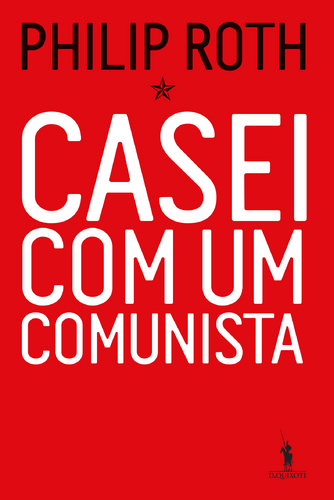
Casei com um Comunista

Rate this book
Casei com Um Comunista é a história da ascensão e queda de Iron Rinn, uma popular estrela da rádio, que vê a sua vida pessoal e profissional destruída na era da caça às bruxas de McCarthy. Nos seus dias de glória, casa com a famosa estrela de cinema mudo Eve Frame. O idílio romântico é breve e o seu casamento transforma-se num drama de lágrimas e traições, passando da esfera privada a escândalo nacional quando Eve faz revelações estrondosas a um colunista, denunciando o seu marido como espião comunista e sabotador. Uma história de crueldade, humilhação, traição e vingança, onde Philip Roth retrata de forma brilhante a conturbada época do pós-guerra, quando a febre do anticomunismo não só contaminava a política nacional mas também a intimidade das vidas de amigos e famílias, maridos e mulheres, pais e filhos.

368 pages, Paperback

First published October 22, 1998

588 people are currently reading
12315 people want to read

About the author

Philip Roth

311 books7,300 followers
Philip Milton Roth was an American novelist and short-story writer. Roth's fiction—often set in his birthplace of Newark, New Jersey—is known for its intensely autobiographical character, for philosophically and formally blurring the distinction between reality and fiction, for its "sensual, ingenious style" and for its provocative explorations of American identity. He first gained attention with the 1959 short story collection Goodbye, Columbus, which won the U.S. National Book Award for Fiction. Ten years later, he published the bestseller Portnoy's Complaint. Nathan Zuckerman, Roth's literary alter ego, narrates several of his books. A fictionalized Philip Roth narrates some of his others, such as the alternate history The Plot Against America.
Roth was one of the most honored American writers of his generation. He received the National Book Critics Circle award for The Counterlife, the PEN/Faulkner Award for Operation Shylock, The Human Stain, and Everyman, a second National Book Award for Sabbath's Theater, and the Pulitzer Prize for American Pastoral. In 2005, the Library of America began publishing his complete works, making him the second author so anthologized while still living, after Eudora Welty. Harold Bloom named him one of the four greatest American novelists of his day, along with Cormac McCarthy, Thomas Pynchon, and Don DeLillo. In 2001, Roth received the inaugural Franz Kafka Prize in Prague.

Ratings & Reviews

What do you think?
Rate this book

Friends & Following

Create a free account to discover what your friends think of this book!

Community Reviews

5 stars
2,593 (25%)
4 stars
4,441 (43%)
3 stars
2,576 (25%)
2 stars
565 (5%)
1 star
109 (1%)
Displaying 1 - 30 of 875 reviews
Profile Image for Valeriu Gherghel.
Author 6 books2,066 followers
April 28, 2023
3, 98.

Philip Roth mi se pare cel mai important constructor de psihologii „incoerente”, aflate exact pe linia care desparte normalul de anormal, din ultima jumătate de secol.

În M-am măritat cu un comunist, nici un personaj (cu excepția, poate, a naratorilor Nathan Zuckerman și Murray Ringold) nu pare întru totul sănătos la cap. De exemplu, Ira Ringold e comunist, revoltat perpetuu, îngust la minte, cu idei fixe (pe care nu le-a examinat mai atent niciodată), afemeiat, impulsiv, iubitor și sensibil cu tînărul Nathan, ucigaș. Cum pot sta împreună în unul și același individ aceste însușiri care se exclud (sau ar trebui, în principiu, să se excludă)? Așa bine: stau. Cum stau, să zicem, și la Dostoievski.

Dar Eve Frame? Este o soție și o mamă iubitoare, îl iubește negreșit pe Ira Ringold, dar nu-și poate reprima gestul de a-l trăda (exact cînd Ira e la pămînt), gest pe care apoi îl regretă, își divinizează fiica (Sylphid), deși fiica o calcă adesea în picioare. Și cu cît o umilește mai tare, cu atît Eve o adoră mai mult. Poate fi verosimil un astfel de personaj? Firește că da.

Omul e coerent doar pentru cei care-l privesc din afară, în treacăt, superficial. Dar de îndată ce-l consideri mai atent și-i cercetezi motivele din spatele faptelor, observi că este „un ghem de contradicții” (Blaise Pascal). Analiza lui Philip Roth e atît de pătrunzătoare și nemiloasă încît provoacă unui cititor obișnuit o împresie acută de imposibilitate, de neverosimil psihologic. Astfel de oameni nu pot să existe... Ba au existat și vor continua să existe. Și nu numai în perioade tulburi, precum aceea descrisă în roman (epoca „vînătorii de vrăjitoare” din anii 50 în SUA), ci tot timpul.

Un roman bun, criticat de prea multe ori pe nedrept.

P. S. Avertisment: în această carte nu există nici o scenă de sex :)
Profile Image for Margitte.
1,188 reviews665 followers
October 19, 2019
In this second book in the the American Trilogy, the author Philip Roth is present as his alter ego, Nathan Zuckerman, in this fictional biography of Ira Ringold, husband to a sophisticated but fading Hollywood star, Eve Frame. Ira Ringold was a ditchdigger in the 1930s in Newark, a stevedore, a star presenter of a radio show called "The Free and the Brave" in the 1940s, and a devoted Stalinist in the McCarthy era of the 1950s, after his service in the Second World War.

Ira's brother, Murray Ringold, is Nathan Zuckerman's ninety-year-old former highschool teacher who visits Nathan in the Berkshire woods. He lives alone and welcomes the company of the old gentleman.

Ira becomes the topic of their conversations in which Nathan is the observer, listening to Murray's retelling of his brother's life story. Nathan reminisce in between, about Ira, the man who acted as father figure to the younger Nathan. The now long-dead Ira Ringold constantly had to re-invent himself.

Ira's instant fall from grace happened when his troubled wife published her autobiography.

"I married a Communist" was a scandalous bestseller in which she exposed Ira and destroyed him.

The author Philip Roth also uses his alter ego Nathan Zuckerman to express his own feelings about Claire Bloom's (his ex-wive's) autobiography Leaving a Doll's House. The aftermath is spent raging and ranting and rifting, boiling over into revenge.

The novel is sectioned to present memories, digressions and analysis of the raw bitterness behind betrayal, counter betrayal and the interplay between anger and sanity. It is a war of emotions in which revenge is used as a perpetual weapon. Pure hatred serves as the high octane booster. An almost misogynistic melancholy befalls all women.

Murray Ringold, the Jewish war hero and intellectual, in his passion to explain, to clarify, and to understand, spends several days in the company of Nathan. In monologue after monologue, Murray dissects Ira's life throughout the 326 pages of the book.

Ira Ringold was a bullish, rough-neck Jewish giant, an antihero in the Age of McCarthyism and a victim of his own fall into insanity and disgrace and ultimate demise.
Philip Roth, alias Nathan Zuckerman had never before known anyone whose life was so intimately circumscribed by so much American history." He never knew "anyone so immersed in his moment or so defined by it. Or tyrannized by it, so much its avenger and its victim and its tool.
The story is about anger, anger, anger. A challenging word dump of monologues and philosophical journeys through the optimism of youth, the pessimism of old age and mortality.

The biographical fictional tale has Ira Ringold as a distant main character, while its actual main purpose is to serve as a reaction to his ex-wives allegations against him in her autobiography. It is a story within a story.

Eve's memoir depicts Ira as a Machiavellian Communist, a vicious man of enormous cunning who nearly ruined my life, my career and the life of my beloved child;

Claire Bloom's memoir ("Leaving a Doll's House") depicted Philip Roth as a game-playing Machiavellian strategist driven by a deep and irrepressible rage and a profound distrust of the sexual power of women. Ms. Bloom depicted Mr. Roth as a possessive and narcissistic lover who refused to live under the same roof with her daughter.

In this fictional biography, Philip Roth has the upper hand. Using his ex wife as the tragic fictional character Eve, he secures the character for posterity as a zealot; a malicious, scheming woman, while he remains a manly giant in real life. He depicts the fictional Eve as a vengeful and self-deluding woman in thrall to her impossible daughter from an earlier marriage.

Ms. Bloom, on the other hand, writing her autobiography, feeds the real-life gossipmongers of the media in one compact, but Hollywood-style forgettable blow. Philip Roth's real persona on the other hand, remains gentlemanly intact, while destroying his ex-wife as a character in a novel. Brilliant move. A true Machiavellian strategist, perhaps?

Philip Roth is the winner of the 1960's National Book Award, Pulitzer Prize as well as the Man Booker International Prize for lifetime achievement in fiction. He is undoubtedly a master of the word craft and deserves all the accolades.

For me as a common reader, and not as a critic, it was an exhausting read, both emotionally as well as intellectually. The high energy behind the words and the fractured intensity of the narrative relentlessly hammered away at the symbiosis between the psyche and the soma. The application of unadulterated aggression left the spirit lifeless and destroyed.

It might be a brilliant piece of word art, but the moral behind this tragic life story is a killer. For me at least.

I was wondering if the epitaph on the poor soul's gravestone might read What are you looking at!? What a sad waste of life, if spent so angry and filled with a constant need for revenge.

It took me almost three months to get through this melodrama. Brutal, brilliant, but ENOUGH!

The American Trilogy:
American Pastoral #1;
I Married a Communist #2;
The Human Stain #3 .
Profile Image for Sawsan.
1,000 reviews
April 26, 2021
رواية لواحد من أهم الكُتاب الأمريكيين.. فيليب روث
الجزء الثاني من الثلاثية الأمريكية التي يعرض فيها روث التاريخ الأمريكي ما بعد الحرب العالمية الثانية
سرد غزير يتناول الحرية الفكرية ومزاعم الخيانة الأيدلوجية كوسيلة للقمع والإقصاء
والصراعات والحماقات السياسية التي تقود العالم
يحكي الراوي عن حياة إيرا رينجولد نجم الإذاعة.. قصة نجاحه وسقوطه
في واحدة من أسوأ الفترات في أمريكا, فترة المكارثية في خمسينيات القرن العشرين
أثناء الحرب الباردة بين أمريكا والاتحاد السوفييتي والخوف الأمريكي من التأثير الشيوعي
في ذلك الوقت تكونت لجنة مجلس الأنشطة غير الأمريكية أو المعادية لأمريكا
وقامت باضطهاد ومعاقبة أي شخص ينتمي للشيوعية أو يُناصر الفكر الشيوعي
رينجولد تحكمه معتقداته, يعتبر العنصرية والتمييز هما الخطر الأكبر في تلك الفترة
يتزوج من ممثلة مشهورة تساهم في تدميره بعد حكاياتها عنه في كتابها "تزوجت شيوعيا
تتداخل حياة الراوي مع رينجولد وأخيه الأكبر ليعرض مختلف التوجهات الحياتية والسياسية
يمر الكاتب على الأحداث السياسية والحياة الاجتماعية والواقع الأدبي والفكري
وينتقل بين العقلانية والعاطفة, وبين العام والخاص في الحياة والأفكار والمشاعر
ويقدم تحليل للمبادئ الأخلاقية واللا أخلاقية وخاصًة فعل الخيانة بأشكاله المختلفة
الرواية مليئة بالتفاصيل التي تكررت بشكل أو بآخر خلال السرد
Profile Image for Michael Finocchiaro.
Author 3 books6,257 followers
May 25, 2018
A truly important and courageous book about the hidden war of McCarthy during the 50s. Devastating, it is still all too relevant today. I will not go into the story details in order to avoid spoilers but I will say the following:
1/ Philip Roth is an amazing writer and this book is a perfect and beautiful sequel of sorts to American Pastoral
2/ Nathan Zuckerman is an amazing narrator and his personal involvement with Ira and Murray Ringold is a wonderful narrative device
3/ The story of anti-Semitism (especially by self-hating Jews like the Eve Frame character) is unfortunately still relevant today
4/ The hate-mongering of self-serving scum like Katrina and Brydon Grant are every bit as stomach-turning and disgusting as Trump and his ilk. Unfortunately, nothing has changed there in how to motivate the masses through scapegoating and rabble-rousing
Despite not typically being ranked as one of the Top 5 Roth books, I think this one is underrated and deserves a place in the Roth "must" canon.
Definitely read it between American Pastoral and The Human Stain!

RIP (1933-2018). One of America's literary giants has left us.
Profile Image for William2.
858 reviews4,042 followers
August 1, 2018
This is not Philip Roth’s best book. It’s around-the-bend melodramatic and over the top voluble in the way old movies can be. Like, say, “His Girl Friday” (1940) with Rosalind Russell and Cary Grant. I can’t say for sure; I’m speculating, but maybe this was Roth’s way of giving his novel greater period resonance. Perhaps he wanted to instill it with that sort of madcap, naive-yet-slick-bustling-postwar-New York City air so prevalent in Hollywood movies of the 1940s.

(N.B. The masterpieces I recommend for first time readers of Philip Roth are American Pastoral, The Human Stain, The Ghostwriter, Patrimony and The Counterlife to mention a few.)

Yet I Married a Communist remains important because it animates a period of history when everyone was drunk on Utopia. That is, when half the world was convinced of the promise of Communism. We know now that the revolution was a fraud. Lenin was a con man and a serial murderer. Stalin out did him by 50,000,000 souls. It’s all there in Richard Pipes many books, as well as multiple works by Orlando Figes, Simon Sebag Montefiore, Robert Conquest, Aleksandr Solzhenitsyn, et al.

Yet even a Roth dud is infinitely better that most novels. This one is interesting in the way The Plot Against America was interesting. Though in that later book Roth used a counter-factual foundation—the anti Semitic aviator Charles Lindbergh is elected president of the USA on an isolationist platform that tragically keeps America out of World War II—whereas here in I Married A Communist he shows the same ability to give us characters caught in the mill of history though without the counter-factual underpinnings.

This novel is built around what happened between 1950 and 1954 when Senator Joseph McCarthy started subpoenaing people to appear before HUAC, the House Un-American Activities Committee, to get them to reveal their Communist party affiliation and that of their friends. This was a terrible fascistic time in American history when limits on personal privacy were contravened by the state and people’s lives were ruined as a consequence. Yet unlike recent declarations by a person who shall not be named, this really was a witch hunt and it ruined the lives and livelihoods not just of individuals but of entire families.

My favorite thing about the novel is the vivid picture it paints of postwar Jewish life. As always on this subject Roth is hilarious and informing. My problem is I find the main character dull. Ira Ringold, the title Communist. For all of the book’s strengths, Ira’s a crashing bore. He rants and raves about the beauty of USSR, but like most boosters in those days he doesn’t have a clue. Stalin’s show trials occurred in the mid-1930s, but does Ira know anything about that? Collectivization and Dekulakization, which starved the Russian peasantry to death in their tens of millions? The Gulag? He’s likable in many ways, Ira. He’s sincere, but in the end he’s just an ideologue. Now, you may argue, but how can any character be ahistorical in realist fiction? He can only know what he knows when its time for him to know it. True, many people were fooled by the Soviet Union well into the 1970s. But that fact doesn’t in any way relieve the reader of the tediousness of Ira’s obsession.

Stopped reading at page 270 of 323. The narrative simply became too repetitious.
Profile Image for Maziyar Yf.
812 reviews629 followers
September 6, 2022
آمریکا را معمولا کشوری پا گرفته و ساخته شده بر مبنای آزادی و برابری می دانند ، در حقیقت اعلامیه استقلال آمریکا که توسط افراد بسیار شاخصی همانند توماس جفرسون نوشته شد حق زندگی ، آزادی را حقوقی غیر قابل انکار و اعطا شده از جانب خداوند می دانست ، به این ترتیب قانون اساسی آمریکا بر پایه آزادی های فردی و تلاش برای نگه داشتن آن تدوین شد .
در کتاب شوهر کمونیست من یا عنوان اصلی من با یک کمونیست ازدواج کردم ، فیلیپ راث نویسنده آمریکایی تصویری دیگر از آمریکا را نشان می دهد ، در حقیقت آمریکای کتاب او تفاوت چندانی با دوران سیاه تفتیش عقاید اروپا ندارد . نویسنده بر دورانی از تاریخ آمریکا تمرکز کرده که غالبا برای عموم ناشناخته بوده و معمولا در سایه حوادث و فجایع دیگر فراموش شده است . زمانی که مبارزه با کمونیسم بهانه ای برای محافظه کاران آمریکایی به رهبری مک کارتی و ریچارد نیکسون شد تا اخلاق و ارزش های مد نظر خود را به جامعه آمریکا تحمیل کنند .
آنچه در کتاب راث می خوانیم هم برخورد سیستماتیک و منظم ارگان ها و سازمان های دولتی برای آگاه شدن از عقاید سیاسی افراد و تلاش آنان برای متهم کردن روشنفکران و هنرمندان است و هم کوشش مردم برای طرد روشنفکران از جامعه . کوششی که ریشه در جهل دارد و افراد بسیاری هستند که شناختی از کمونیست ندارند اما به دلیل قدرت فوق العاده رسانه در آمریکا حس می کنند که کمونیسم ممکن است تهدیدی برای رویای آمریکایی ، زندگی آمریکایی و سبک آمریکایی باشد . در این جاست که افراد مخالف به گونه ای انگشت نما شده و رسانه ها ، دوستان و نزدیکان آنها به دنبال نقطه سیاهی در زندگی آنان می گردند و از آن جا که این افراد معمولا یا رابطه ای خارج از عرف ، یا پرونده مالیاتی باز ، یا خلافی در دوران سربازی و یا اظهار نظری نه چندان سنجیده در گذشته خود دارند جرم آنان ناگهان پر رنگ شده و برخورد سخت جامعه و سیستم با آنان شروع می شود ، این افراد معمولا کار خود را از دست می دهند و یافتن کاری جدید برای آنان سخت دشوار می شود ، خانواده آنان هم غالبا زندگی با آنان را تاب نیاورده و نه تنها از هم جدا می شوند بلکه به زیان او مصاحبه یا حتی کتاب منتشر می کنند که از قضا آبشخور بسیار مناسبی برای حملات سخت و کشنده رسانه ها به این افراد نگون بخت می شود .
سرنوشت قهرمان کتاب فیلیپ راث هم همین است ، اخراج از کار ، خانواده ، جامعه ، گوشه نشینی فرد ، بیماری و انتظار برای فرارسیدن مرگ .
در پایان باید گفت فیلیپ راث در کتاب شوهر کمونیست من داستان فردی مخالف سیستم را بیان کرده ، داستان فردی که تنها به سبب مخالفت با جریان زمانه خود سقوط می کند گوشه ای از دموکراسی و آزادی بیان را به سبک آمریکایی نشان می دهد .
Profile Image for Meike.
Author 1 book4,934 followers
November 20, 2025
This is a novel about agenda-driven character assassination, but if you think that Roth intended to craft a righteous take-down of McCarthyism, you fell into his trap: In fact, the novel is an answer to Leaving a Doll's House: A Memoir, written by his second ex-wife Claire Bloom, which paints a dire picture of their marriage. Narrated by Roth's alter ego Nathan Zuckerman who learns about the story from his former teacher, the novel tells the story of Ira Ringold, a communist radio actor, who marries a silent movie star, Eve Frame. First of all: A teacher offers the instructive truth about Ms Frame, get it? The marriage breaks down, Eve aims to destroy Ira by denouncing him in a book.

Ira is Latin for wrath, and this text is certainly a dies irae, a Last Judgement of a writer scorned. Or is it simply a patriarchal man scorned by being called out by a woman? Both Frame and now 94-year-old Bloom are Jewish actresses, both had second husbands who were financiers, both have artist daughters (Anna Steiger) with a tense relationship with their stepfather Ira/Roth, and the list goes on. Granted, publishing a memoir full of private details regarding Roth's (mental) health without his consent is shitty, the thing is though: Philip Roth is fucking Philip Roth, one of the greatest writers America has ever produced. What status does Bloom's memoir have in comparison? Now people still care about his catastrophic third marriage only because he decided to use prime real estate - the middle part of his "American Trilogy" - to retaliate with a mediocre novel. Unfortunately for our Philip, the term "Streisand Effect" was coined and then broadly discussed seven years after his novel was published.

To be clear, we do not know what really happened between Roth and Bloom, but naming your thinly veiled fictional ex-wife after the archetypical first woman and then portraying her as a ruthless antisemitic snake is, you know, not a good look, especially when you have a reputation to struggle with writing complex female characters. Roth's anger translates into passionate writing, and this man can write sublime sentences that merge into some of the most readable fiction known in the English language, but in this book, his indignation, justified or not, too often gets the best of him. There is not enough nuance in the character depiction, and the political witch hunt remains a metaphor in a parable, not the palpable threat to the American project that haunts Roth's best work. Deep dives comparing Roth's novel and Bloom's memoir even show that Roth parodies his ex-wife's expressions of desperation and sadness, which shows a cruelty that starkly contrasts with the human decency and empathy "I Married A Communist" argues for.

So all in all, this book shows a wounded, vulnerable Roth lashing out and losing every sense of proportion and narrative restraint - although his basic idea to show the machanics of McCarthyism as a dynamic that can be applied to everybody and highlighting the vanity of the cancellers is genius. The guy can't write a seriously bad novel.
September 27, 2016
Ξεχωριστή θέση θα κατέχει στην καρδιά μου αυτό το βιβλίο. Όπως και το προηγούμενο της τριλογίας. Ο Ροθ είναι αντιδραστικά τρυφερός γραφιάς, ξεροκέφαλος και ιδεαλιστής σε σημείο να σου μεταλαμπαδεύει με άνεση την χαοτική του φιλοσοφία χωρίς να γίνεται απαισιόδοξος ή σκληρός.

Το "παντρεύτηκα έναν κομμουνιστή" είναι μια προσωπική και συλλογική διάψευση προσδοκιών και ελπίδων των δυο τελευταίων αιώνων.

Ξαναζούμε την ιστορία της Αμερικής μέσα απο ήρωες που βιώνουν τραγωδίες,που γελάνε δυνατά για να μην θρηνήσουν. Που αδικούνται κατάφορα αλλά αποφεύγουν τα πλήγματα και αντιμετωπίζουν το άγχος της ύπαρξης τους.
Η απώλεια, η θλίψη, ο φόβος, ο πόνος, ο θάνατος διαχέονται σαν καπνός απο φωτιά που καίει την ανθρώπινη συνθήκη η οποία αποδέχεται τον κόσμο όπως είναι.
Συστατικά περιγραφής: ερωτισμός, ματαιοδοξία,αποστασιοποίηση,σαρκαστική αδιαφορία, υπαρξιακή αγωνία,μαύρη κωμωδία.

Μεταφερόμαστε στην Αμερική του 1960 την εποχή του πολέμου του Βιετνάμ. Δέκα χρονια πριν, την εποχή του μακαρθισμού ο κεντρικός ήρωας του βιβλίου αναζητά εξιλέωση και αγάπη. Αναζητά παρηγοριά,λήθη,δικαιοσύνη,δικαίωμα στη ζωή και την επανάσταση.
Ο Άιρα μια βασανισμένη ψυχούλα,ένα κακοποιημένο ψυχικά και σωματικά άτομο που ζει το άδικο και την στέρηση απο την κούνια του...
Αμόρφωτος και άκακος με σωματική διάπλαση γίγαντα μπαίνει νωρίς στον παράδρομο της ζωής που τον οδηγεί στην απομόνωση και την έλλειψη βασικών αναγκών για φυσιολογική ανάπτυξη προσωπικότητας.

Δεν έζησε σε οικογένεια, δεν αγαπήθηκε,δεν χόρτασε ποτέ χαρές και συναισθήματα πληρότητας.
Ήταν παρίας σε μια κακόφημη συνοικία και στιγματισμένος ως βρομερός Εβραίος.
Ξεκινάει να δουλεύει απο έφηβος ως εργάτης σε απαράδεκτες συνθήκες και βιώνει μόνο την αθλιότητα της μιζέριας.

Εξελίσσεται σε "ιδεολόγος κομμουνιστής" γιατί γαντζώθηκε η απόγνωση του σε έναν δάσκαλο της ρωσικής ιδεολογίας και της μυθοποίησης.

Ο δάσκαλος με άριστη μεθοδολογία και ακρίβεια χειρουργική μετατρέπει τον Άιρα σε επαναστατημένο ενήλικα χωρίς πρόσβαση στην αληθινή αιτία της προσωπικής του επανάστασης.

Έτσι, συγκυριακά ο στρατευμένος στον αγώνα για την κοινωνική αδικία, ο Άιρα, γίνεται δημοφιλής ηθοποιός ραδιοφωνικών εκπομπών και αποκτά κύρος μαζί με μια σύζυγο -διάσημη ηθοποιό εποχής- κενή, πλαστή,ανισόρροπη,πλούσια,θύμα του δήθεν ειδυλλιακού τρόπου ζωής και σκέψης των βολεμένων και επί το πλείστον σάπιων κοσμικών.

Μαθαίνουμε απο την αφήγηση του υπερήλικα αδελφού του προς τον Ζούκερμαν πολλά χρόνια μετά, πως ο Άιρα κατέληξε απο εκεί που ξεκίνησε.
Ένα ερείπιο, με μια ρημαγμένη ζωή, άνεργος, στιγματισμένος ως κατάσκοπος των Ρώσων και με την προσωπική του ζωή να γίνεται εθνικό σκάνδαλο και να τον αποτελειώνει.
Δεν κατάφερε να ξεφύγει απο το πεπρωμένο. Δεν κατάφερε να μοιράσει τον αθροισμένο του πόνο. Δεν κατάφερε να γίνει πατέρας και να αποκτήσει οικογένεια και θαλπωρή που τόσο πολύ λαχταρούσε. Δεν κατάφερε να αλλάξει τον κόσμο.
Τα κομμουνιστικά θεωρήματα που με έμφαση εξυμνούσε και διαλαλούσε παντού και πάντα, δεν κατέληξαν στη λύση που επιθυμούσε.

Δεν ήρθε η λύτρωση. Η λαϊκή κυριαρχία συνέχισε να μην υφίσταται. Οι μάζες παραπλανήθηκαν απο τις εκάστοτε κυβερνήσεις και συνέχισαν το λάθος της προπαγάνδας.

Οι κομμουνιστές στιγματίστηκαν ως προδότες και εγκληματίες, παρόλο που εξυμνούσαν τα όνειρα της φτώχειας.

Ψευδείς εντυπώσεις. Ψεύτικες συνειδήσεις. Πιστευτά ψέμματα απο κατάλληλους ανθρώπους σε έξυπνες στιγμές άλλαξαν ή και όχι τη ιστορία του κόσμου που επαναλαμβάνεται και πάντα αποτυγχάνει.

Καλή ανάγνωση!
Profile Image for Darwin8u.
1,832 reviews9,037 followers
May 19, 2018
“As an artist the nuance is your task. Your task is not to simplify. Even should you choose to write in the simplest way, a la Hemingway, the task remains to impart the nuance, to elucidate the complication, to imply the contradiction. Not to erase the contradiction, not to deny the contradiction, but to see where, within the contradiction, lies the tormented human being. To allow for the chaos, to let it in. You must let it in. Otherwise you produce propaganda, if not for a political party, a political movement, then stupid propaganda for life itself -- for life as it might itself prefer to be publicized.”
― Philip Roth, I Married a Communist

description

One of my favorite Roth novels. I love how the book is structured and narrated; how it flows and how it ends. I always love Roth's prose, but his riffs on politics and art are amazing. I love the details -- that unless you are looking are easily missed: How Roth infuses Murray with the habits of a man who spent his life teaching precise language and cri - ti - cal thinking. How Roth salts Ira with the size, looks and frailty of Abraham Lincoln and Marfan syndrome.

Sometimes, when I read a book or see a painting I hear music. Sometimes, when I hear music, I see colors dancing. For me, Roth novels read like some of Beethoven's more complex movements. Roth's every word, like Beethoven's every note is in the exact right place. Nothing more. Nothing less. Roth's story builds, and builds, and builds - - - until he releases his narrative into a dissonant and violent double fugue of story inside story - - - and then night, and quiet, and stars.
Profile Image for Dave Schaafsma.
Author 6 books32.1k followers
August 16, 2019
"Of course it should not be too surprising to find out that your life story has included an event, something important, that you have known nothing about--your life story is in and of itself something that you know very little about"—Nathan Zuckerman

"If it weren’t for mistakes I would still be home sitting on the front stoop"—Zuckerman

I Married a Communist is the follow-up to American Pastoral, in the middle of a trilogy, set partly in Newark and partly in Chicago, read mainly because I had in the last year read American Pastoral, but also because it is timely now, because of the McCarthy connections, the rising fascism of the fifties understand in the context of present events, the steady parade of clown cars of revenge and betrayal and the irrelevance of facts. But there is also the wonderful muscular masculine passionate Roth language and the intense and carefully drawn characters. Not quite as good as American Pastoral, maybe, but it has flashes of that brilliance.

This is a sort of read-aloud book because it is a story largely being told in soliloquy fashion by 90-year-old Murray about his blacklisted brother Ira to Nathan Zuckerman, a novelist stand-in for Roth himself. Murray is one of Nathan’s former English teachers, one who helped shape him as a writer. And as Nathan (Roth) says, reflecting on his career as writer,

"Occasionally now, looking back, I think of my life as one long speech I've been listening to. . . The book of my life is a book of voices. . . When I ask myself how I arrived at where I am, the answer surprises me: 'Listening' . . . was I, from the beginning, just an ear in search of a word?"—Zuckerman

This is one complex book, dealing with a particular period of history, post WWII, and getting at issues of betrayal and revenge on at least three basic levels; 1) nationally, as McCarthy and others in the early fifties in the USA blacklisted “Communists,” some of whom were actual Communist party members, though many of those accused were Jews, blacks, gay, and so on, liberals, that they didn’t like personally or politically. It was an ugly American moment, a chance for all of the country to turn in their neighbors to the House Un-American Committee for being “unpatriotically” critical of American policies and values; 2) central character Ira’s wife Eve turns him in to that committee, knowing he was once a sort of angry Communist sympathizer, after learning Ira has hit on his step-daughter Sylphid’s friend Penelope (and she didn’t even know about the full blown affair!), in one of his published pieces, titled "I Married a Communist," and 3) Roth himself seems personally vindicative about his ex-wife Claire Bloom’s memoir, Leaving the Doll’s House, where she tells all about her many affairs with men, but takes the opportunity to especially skewer Roth for being abusive, angry, and so on, after decades of marriage to him. Many servings of revenge and betrayal and revenge and betrayal, round and round.

I didn’t want to read this book when it came out because I felt that it sounded too acidic, too vicious, and I knew it was in part a response to Bloom’s book, which I had also read a lot of gossip about but hadn’t read, though I didn’t find it focused too much on these kinds of personal issues until much later in the novel, after much brilliant talk from Murray about Ira and the country during this time. When it gets to that last ¼ it seems a little out of control, angry, crazy, but before that, much of it is as good as American Pastoral. We learn much about what it is that might have attracted many people to Communism—anti-racism, economic inequities. ANGER at the American government. Sound familiar? Thousands of good people, many of them artists, had their lives destroyed in those years. The (lefty) arts were a target, Hollywood and Broadway.

The book is also in part a book about teaching, learning, and mentoring as Nathan is mentored by his father, Ira, Murray, Leo Glucksman from The University of Chicago (on writing), Johnny O’Day, and many others, (including novelists he has read such as Mailer and Dostoevsky). Nathan reads Marx, and the political theory of the day, and all of these works also become teaching texts, such as the radical theory of Thomas Paine that set him on his way and drove a wedge between the radical Nathan, so admiring of Ira, and Nathan’s liberal father. This is a book about a boy and his male teachers. Most of Roth’s books are about boys, and talk. And sex. This one has less about sex, but it is here, and figures in centrally but not so specifically. Big talk, mostly talk, really, mostly, and most of it is pretty impressive. Great talkers, Murray and Ira, and as he says, Murray and Nathan and Roth himself seem to be terrific listeners to capture the fifties American Jewish idiom.

A great portrait of Ira, this crazy Commie who married Eve and ruined his life, compromised his socialist ideals for what? Love? Conventional life? But it's a novel, not a tract, finally, it’s art, he doesn’t pick sides that much. I mean, he hates McCarthyism of course, but he looks at the whole range of perspectives on the mid-century American communist movement, strengths and weaknesses. As Mikhail Bakhtin says, a novel at its best can be a cultural forum. This is one of those novels.

Great lines/references:

* The idea of “boxing with books,” learning to argue through books. As critical thinking. A portrait of the male aggressive roots of the University of Chicago and Jewish intellectual and literary life, and argumentation culture. Words as weapons. It’s a little overwhelming at times, how great every character is at talking, and opining.

--A great diatribe by a (capitalist) manufacturer, Goldstine, making fun of communism to Ira in a delightful way (and even if I am by far more commie than capitalist, I still loved it); a gun is pulled, in the process! “Make money, kid. Money’s not a lie. Money’s the democratic way to keep score.”

--Great stuff on the Truman-Dewey-Wallace election and Ira’s rants about how the working class always votes against its own self-interests. Ira argues pretty persuasively for third party Commie Wallace.

--Great and amazing stuff on the apolitical nature of the novel, not about making points, political or otherwise, but to ask questions, explore, create complicated characters, all of which Roth does. He maybe crosses the line by making it TOO personal with his revenge skewering of Bloom, though, in the end his intent is to explore all sides of a human being: “Not to erase the contradictions but to see where, within the contradiction, lies the tormented human being”—Glucksman, to Nathan

What Murray says to Nathan about Ira is also true of Roth’s books: “That a man has a lot of sides that are unbelievable, is, I thought, the subject of your books. As a man, as your fiction tells it, everything is believable. Christ, yes, women, Ira’s women. A big social conscience and the wide sexual appetite to go with it. A Communist with a conscience and a Communist with a c____.” Roth, angrily unapologetic to the very last.

So it’s well worth reading. I like and admire him; he’s maybe a little bit of an asshole, Roth; he doesn’t create sympathetic portraits of women, maybe bordering on misogynist. Eve, get it? And Eve’s witchily cast daughter, Sylphid? Ouch, but Eve is actually not so bad here until the end, and well, the language, the talk, the characters, the wide sweep of American history made personal tips the balance here to Roth “winning the day.”
Profile Image for Robin.
574 reviews3,643 followers
April 11, 2017
And thus the whirligig of time brings in his revenges.

This often overlooked, underrated sequel to American Pastoral is a sleeper of a novel. It caught me by surprise. I struggled through the first fifty pages or so, through some dense politically tinged backstory told by a 90 year old guy named Murray Ringold. How interesting can this be, I asked myself.

It's not nearly as sexy, and doesn't have the star quality of American Pastoral. I mean, it's largely a 90 year old's soliloquy, for goodness' sake. It's cerebral and can be a bit exhausting to read. Set in the McCarthy era, the story centres on Ira Ringold, a rough, Abraham-Lincoln-doppelgänger radio star who gets blacklisted for his red-leaning politics... by his wife.

It shares a few qualities with its Pulitzer winning predecessor, namely themes around Jewish shame and identity, as well as a troublesome daughter who is the catalyst for the wheels of tragedy. It is narrated by Nathan Zuckerman, who is a recurring character in all three novels in this trilogy.

Even if it lacks sex appeal, the way the narrative unfolds shows Roth's fine skills as a storyteller. Zuckerman alternates his own memories of the time with the story as told to him by Murray Ringold, his aged, beloved highschool teacher. Ringold tells him about his brother Ira and everything that brought his downfall during this unique time of paranoia, suspicion and political idealism, dividing brothers, friends and spouses.

Look, everything the Communists say about capitalism is true, and everything the capitalists say about Communism is true. The difference is, our system works because it's based on the truth about people's selfishness, and theirs doesn't because it's based on a fairy tale about people's brotherhood. It's such a crazy fairy tale they've got to take people and put them in Siberia in order to get them to believe it.

But it's far more than a communist/anti-communist book. At the heart of this book, is a tale about human nature: betrayal and revenge.

You control betrayal on one side and you wind up betraying somewhere else. Because it's not a static system. Because it's alive. Because everything that lives is in movement. Because purity is petrifaction. Because purity is a lie.

Roth also writes some exquisite prose about literature and its relationship to life and politics. There is an entire section in which Nathan remembers Ringold reading a scene from Macbeth that gave me goosebumps. So many of his rants and musings shine with insight and intellect, elevating this story into gorgeousness. His words stopped me in my sometimes laboured tracks and made me sit and say, "wow."

UPDATE: I learned from reading more informed reviews than my own that this book was a scathing reaction to the author's ex wife Claire Bloom's Leaving a Doll's House: A Memoir which painted Roth in not-so-favourable colours. Talk about betrayal - and then his own rage-filled revenge.
Profile Image for Carlo Mascellani.
Author 15 books291 followers
May 28, 2021
Si parla di Comunismo, certo (altrimenti perché usare un simile titolo), ma, una volta riposto il libro, mi son chiesto se, in realtà, non sarebbe più corretto parlare di Ideale. Cos'è, in fine dei conti, ciò che tutti i personaggi del romanzo (persino le comparse) perseguono se non un Ideale? E quale, tra i tanti possibili, se non quello di dar forma alla propria vita, renderla più simile alla propria personale visione, depurarla dagli errori sino a ricorrere a una sterile mascherata? C'è Ideale più meritorio di questo? C'è Ideale più utopistico di questo?
Profile Image for Makis Dionis.
558 reviews156 followers
May 17, 2018
Η λογοτεχνία δεν είναι πρωταρχική πραγματικότητα αλλά ακριβό παραγεμισμα.
Με τα λόγια του Μάρεϊ Ρίνγκολντ προς τον Ζουκερμαν, ο Ροθ μαστιγώνει την πολιτική φαιδροτητα των προυχόντων των ΗΠΑ μετά το τέλος του Β Παγκοσμίου πολέμου.
Αναδυκνύει τα ανθρώπινα πάθη και τη ματαιοδοξία που αποπνέουν κ πως αυτά τελικά μετουσιώνονται σε κοινωνική μάστιγα.

Άπαξ και ολοκληρωθεί η ανθρώπινη τραγωδία, παραδίδεται στους δημοσιογράφους για να γίνει κοινότοπη ψυχαγωγία. Με αυτό τον τρόπο η εποχή του μακαρθισμού εγκαινίασε τον μεταπολεμικό θρίαμβο του κουτσομπολιού ως συνεκτικού συμβόλου πίστεως. Το κουτσομπολιό ως ευαγγέλιο, ως εθνική πίστη. Η πρώτη φάση ανθοφορίας της αμερικανικής ακρισιας , που παραδίδει εν λευκώ την εξουσία και ταλαιπωρεί τον κόσμο βάναυσα ακόμα και σήμερα αλλά και για πολύ καιρό ακόμα
Profile Image for Amirsaman.
496 reviews263 followers
March 28, 2020
4.5/5

فیلیپ راث، رمان سیاسی می‌نویسد. نه فقط به این معنا که وقایع تاریخیِ سیاست را در کتاب‌هایش دخیل می‌کند (که در این کتاب این کار را به کرّات انجام می‌دهد)، بلکه بالاتر از آن، تنش سیاسی بین آدم‌ها را نشان می‌دهد؛ آن ذاتِ سیاسی‌ای را که بعضی انسان‌ها دارند، آن انگیزه‌ی درونی و خصوصی‌ای که در انسان‌های سرسخت وجود دارد و منجر می‌شود که بعدا کار سیاسی -در ابعاد وسیع‌تر، برای کشور- بکنند، واکاوی می‌کند.

کتاب درباره‌ی آمریکا است ولی تحلیل سیاسی آموزش می‌دهد و قابل تعمیم است به ایران فعلی ما.
شهروندان آمریکایی، بعد از جنگ جهانی دوم، چهره‌ای مقدس و مرجع از روزولت ارائه می‌دهند؛ که آن مرد شریف آیا ممکن است یک نفوذی شوروی را بکند معاونش؟
در جدال‌های انتخاباتی، طرفداران ترومن می‌گویند رای دادن به والاس (که کاندیدای بدی نیست، ولی واضح است که رای نمی‌آورد)، رای به جمهوری‌خواهانی است که کشور را نابود کرده اند. همان‌طور که ما هم در انتخابات اخیر از طرفداران روحانی می‌شنیدیم که «شرکت نکردن در انتخابات یا رای دادن به میرسلیم، رای به رییسی است. رای به سوریه ای کردن ایران است.»
و در جواب، طرفداران والاس می‌گویند که ولی دموکرات‌ها هم هیچ‌وقت ضد نژادپرستی یک قانون واقعی تصویب نکردند. یعنی اصلاح‌طلان ایران هم یک اقدام واقعی در جهتِ -مثلا- دموکراتیزه‌کردن واقعی برنداشتند.

کتاب در مورد دوران مک‌کارتیسم است. در مورد اشتیاق یک نوجوان برای متحول کردن جهان با ابزار مارکسیسم، و بعد تحول و اعتدالش، موقعی که به دانشگاه می‌رود و می‌فهمد همه‌ی قضیه این نیست. همان‌طور که ما یک عبارت مشهور در ایران داریم که می‌گوید هر کس به دانشگاه برود و مارکسیسم نشود احمق است، و هرکس از دانشگاه بیرون بیاید و همچنان مارکسیسم بماند احمق است!

سیلفید شخصیت مورد علاقه‌ی من است‌. دختری که در آداب و رسومِ زندگی هالیوودمنشانه بزرگ شده، ولی این زرق و برق را به هیچ می‌گیرد و همه‌ی شرکت‌کنندگان مهمانی‌های رسمی را مسخره می‌کند و حتا ساز خودش را، چنگ، که آن را به خوبی می‌نوازد، تقبیح می‌کند. موسیقی دوپلر را آشغال سالنی می‌نامد و خانم نویسنده‌ای که ظاهرا همه‌چیزفهم و روشنفکر است را زرد و نفهم می‌شمارد.

*

«چطور آدم‌ها می‌توانند می‌توانند سه‌چهارسال از عمرشان را به ارتش بدهند، شاهد مرگ دوستانشان باشند، زخمی شوند، زندگی‌هاشان متلاشی بشود، و با این حال ندانند چرا این اتفاق رخ داده و کل قضیه درباره‌ی چیست؟ کل چیزی که شما می‌دانید این است که هیتلر دست به کاری زد... شماها اگر جای آلمان‌ها بودید همه‌ی کارهای آن‌ها را دوبرابر انجام می‌دادید. این کار به‌خاطر عنصر دموکراتیکِ جامعه‌ی ما ممکن بود قدری بیشتر طول بکشد.» (ص. 67)

«سرمایه‌داری سیستمی است که در آن گرگ گرگ را می‌خورد. اگر سیستمی در آن گرگ گرگ را بخورد نباشد زندگی چه معنایی دارد؟» (ص. 129)

«برای خودت پول دربیاورد - آن‌وقت، اگر هنوز هم لازم بود، __آن‌وقت__ حرف‌هایت را درباره‌ی برادری بشر بزن.»

«نام من مهم نیست... من سفیدپوست و پروتستان هستم، و بنابراین لزومی ندارد که درباره‌ی من نگران باشید. با شما کنار خواهم آمد، ناراحتتان نمی‌کنم، مزاحمتان نمی‌شوم. حتی از شما بیزار نیستم.»

«گرانت با تبختر کسی که از نوجوانی آموخته باشد که با دفاع شفاهی در مقابل کسی که از لحاظ اجتماعی فرودست است خودش را کوچک نکند، گفت، "این کار در شان شما نیست، آیرا. از شان شما بعید است."»

«هیجان ازدواج در وفاداری است. اگر این ایده به هیجانت نیاورد، دلیلی ندارد که ازدواج کنی.»

«اثر هیچ‌چیز بر هنر شوم‌تر از این نیست که هنرمندی بخواهد ثابت کند که خوب است... "منقلب شدن" و "متاثر شدن" آسان‌ترین کار است. احمقانه‌ترین کار. جز در مواردی نادر، آقای زوکِرمَن، منقلب‌شدن همیشه قلابی است. اعلامیه‌ها. هنر فایده‌ای برای اعلامیه‌ها ندارد!»

«وقتی کسی تازه دارد فرهیخته می‌شود و کله‌اش دارد به زرادخانه‌ای مسلح به کتاب تبدیل می‌شود، وقتی جوان است و بی‌احتیاط و با لذت جست می‌زند تا کل هوشمندی پنهان شده در این سیاره را کشف کند، مستعد آن است که در اهمیت قائل‌شدن به واقعیتِ شورانگیز جدید و بی‌اهمیت شماردن همه‌ی چیزهای دیگر زیاده‌روی کند.»

«وقتی انسان خودش را بی‌خیال از همه‌ی پندارها کند - مذهبی، آرمانی، کمونیسم - باز هم با اسطوره‌ی خدایی خودش تنها خواهد ماند، که آخرین پندار است.»
Profile Image for Έλσα.
637 reviews132 followers
November 22, 2020
Στο δεύτερο μέρος της τριλογίας αντιλαμβάνεται ο αναγνώστης ακόμα περισσότερο τη δεινότητα αυτού του συγγραφέα. 

Ο Ροθ είναι μαέστρος στη σκιαγράφηση ηρώων. Σε αφοπλίζουν η ειλικρίνεια,  η ωμότητα και η ειρωνεία της γραφής του. Παρουσιάζει ρεαλιστικά κάθε γεγονός χωρίς να σκέφτεται αν θα σοκαριστείς διαβάζοντάς το.

Με έντονα πολιτικό και καυστικό στίγμα στο δεύτερο βιβλίο καταρρίπτεται το αμερικανικό όνειρο.

Η απώλεια, η προδοσία, το ψέμα είναι έννοιες διάχυτες σε κάθε κεφάλαιο και ισοπεδώνουν ψυχικά και σωματικά τους πρωταγωνιστές. 

Το μόνο που τους απομένει είναι να χαθούν στις σκέψεις τους κ στις θύμησες αναζητώντας γαλήνη, μια παρηγοριά που δε θα τους προδώσει ποτέ.
Profile Image for Sandra.
961 reviews333 followers
July 18, 2015
Roth racconta la vita di Ira Ringold, attore, attivista sindacale comunista, narrata a Nathan Zuckerman, solito alter ego dello scrittore, dal fratello di Ira, il profesor Murray Ringold. Le vicende di Ira si inseriscono nel contesto sociale degli anni '50 negli Usa, uno dei periodi più caldi della storia del paese.
Oltre alla descrizione come sempre precisa e approfondita delle vicende americane dell'epoca, in questo libro ho ritrovato quello che a mio avviso è il motivo ripetuto in tutti i suoi scritti, il messaggio che Roth lancia al lettore e che ogni volta mi arriva quando lo leggo.
L'insegnamento che Roth ci offre è che la natura umana è imperfetta, è sporca.
"Perchè la purezza è pietrificazione. Perchè la purezza è bugia."
Ira Ringold, prima di essere un comunista, è un uomo, un uomo che desidera una moglie, un figlio, una famiglia, una vita borghese. Ira Ringold è un rivoluzionario fallito e il suo fallimento è dovuto al fatto che non ha un cuore puro, "un cuore senza dicotomie, pronto a rinunciare a tutti e a tutto tranne la rivoluzione".
Suo fratello, il professor Murray Ringold, ha trascorso la sua vita ad insegnare a sè stesso e a suo fratello di essere ragionevole di fronte all'irragionevole, anche lui fallisce.
Perchè succede questo?
Perchè -dice Roth- "esiste soltanto l'errore. Lì è il cuore del mondo. Nessuno trova la propria vita. Questa è la vita".

Profile Image for Tony.
1,029 reviews1,906 followers
Read
October 9, 2020
With this, I've now completed Philip Roth's The American Trilogy. I liked this the least of them and, in fact, I think I liked it the least of all Roth's novels that I've read, although it's hard to compare works read fifty years ago.

You'll get no plot summary from me, but structurally the novel is an old man telling the story of his brother (the eponymous Communist) to our author, disguised as always as Nathan Zuckerman, over the course of six long nights. There are segues though. Including this, from the old man to Zuckerman:

That a man has a lot of sides that are unbelievable is, I thought, the subject of your books. About a man, as you tell it, everything is believable.

I wrote this down. It sounded like a profundity, an author defining his own work. But I don't know.

And there was more self-deprecating writ:

When God made all this stuff in seven days, the birds, the rivers, the human beings, he didn't have ten minutes for literature. 'And then there will be literature. Some people will like it, some people will be obsessed by it, want to do it . . .' No. No. He did not say that. If you had asked God then, 'There will be plumbers?' 'Yes, there will be. Because they will have houses, they will need plumbers.' 'There will be doctors?' 'Yes. Because they will get sick, they will need doctors to give them some pills.' 'And literature?' 'Literature? What are you talking about? What use does it have? Where does it fit in? Please, I am creating a universe, not a university. No literature.'

Oh, and it's election season, if you haven't noticed. And it was then, in the book. In this scene, the Communist (Ira Ringold) confronts his African-American maid (irony enough for you?):

I found Ira in the basement kitchen, drying the dishes that were being washed in the double sink by Wondrous, the maid who'd served our dinner, and a girl about my age who turned out to be her daughter, Marva. When I walked in, Wondrous was saying to Ira, "I did not want to waste my vote, Mr. Ringold. I did not want to waste my precious vote."

"Tell her," Ira said to me. "The woman won't believe me. I don't know why. You tell her about the Democratic Party. I don't know how a Negro woman can get it into her head that the Democratic Party is going to stop breaking its promises to the Negro race. I don't know who told her that or why she would believe him. Who told you, Wondrous? I didn't. Damn it, I told you six months ago--they are not going to bring an end to Jim Crow, your weak-kneed liberals of the Democratic Party. They are not and have never been partners of the Negro people! There was only one party in the election that a Negro could vote for, one party that fights for the underdog, one party dedicated to making the Negro in this country a first-class citizen. And it was not the Democratic Party of Harry Truman!"

"I could not throw away my vote, Mr. Ringold. That's all I would be doing. Throwing it down the drain."


There are maybe a dozen ways that passage sparks today. And isn't Wondrous wonderful?

Profile Image for Nelson Zagalo.
Author 15 books467 followers
May 19, 2018
Depois da "Pastoral Americana" (1997) era difícil voltar ao mesmo nível, e ainda assim considero que não só o conseguiu como o superou, não neste mas no terceiro volume desta trilogia — "A Mancha Humana" (2000). "Casei com um Comunista" (1998) fica assim com o último lugar do pódio, não deixa de ser um bom livro que nos consegue agarrar mas raramente nos consegue sacudir do lugar. O tema escolhido é profundo, o Macartismo, mas Roth parece mais interessado em circular ao seu redor, oferecendo pouca profundidade sobre os efeitos e impactos do mesmo.

O livro usa como personagem central Ira Ringold, um personagem másculo, enorme, com poucos estudos e comunista. É por meio dele que se fala dos ideias comunistas e como expectável, as visões são superficiais e acima de tudo carregadas de fé. Do outro lado, está a mulher, estrela de cinema, pouco lhe interessa a política, mas com ela convivem alguns elementos de direita que acabarão a governar o país. Ambos os lados, direita e esquerda, saem representados superficialmente e inconsequentes. Roth está mais interessado nos sentires dos seus personagens do que nas políticas e ideologias que os circundam, o que faria todo o sentido para um escritor reconhecido pelas suas capacidades de dar a ver o interior dos seus personagens.

Ora o problema, para mim, está exatamente nos personagens, nos modelos escolhidos para criar a narrativa, nomeadamente o casal, Ira e Eve. Nenhum deles apresenta qualquer peculiaridade interessante, ou atrativa, o facto de se terem tornado estrelas dos media torna-os ainda mais distantes, pois as suas dificuldades já não são as nossas. São destemidos e arrogantes, ainda que pelo meio Roth vá dando conta das suas fragilidades, mas não o suficiente para criar uma ligação a qualquer um deles. Ou seja, nunca ao longo de todo o livro me interessou o passado nem o futuro de Ira, já não falo de Eve sobre quem praticamente nada acabamos a saber.

Aliás, pelo que entretanto li sobre o livro, parece que Eve Frame terá sido baseada na mulher de Roth, Claire Bloom de quem se separou, de forma nada amigável, em 1995. Depois em 1996 Bloom escreveu uma autobiografia na qual Roth surge de forma pouco abonatória, rotulando-o de misógino. Não sabia disto aquando da leitura, por isso senti que a personagem não estava completa, tivesse sabido disto, e teria retirado toda uma diferente leitura, já que teria podido contextualizar a mesma. Por outro lado, serve também para me dar conta do facto de Roth ter mais do que um objetivo para o tema do livro, e em parte justifica exatamente a razão porque tudo parece tão difuso e com pouca profundidade.

Se Roth vai dando conta da essência do Macartismo, assente na traição e acusação, a verdade é que deixa de fora todos os seus efeitos. Terminado o livro poderia levantar-se a questão se teria sido assim tão mau, já que na verdade nenhum destes personagens parece, em momento algum, sentir medo, nem receia ou parece deixar de fazer algo por causa disso. Deste modo perde-se completamente a noção do alcance da traição, do modo como controla e subverte a vida das pessoas, as condiciona e pune psicologicamente.

Talvez se não nada soubesse sobre o Macartismo, tal como nada sabia sobre os atentados à bomba americanos relatados em "Pastoral Americana", talvez me tivesse impressionado mais esta leitura. Mas o Macartismo é algo bastante mais presente, nomeadamente para todos os que se interessam por Cinema, já que Hollywood foi um dos meios mais castigados pelo Macartismo.

Publicado, com links, em: https://virtual-illusion.blogspot.pt/...

(3.5/5)
Profile Image for Paolo.
161 reviews194 followers
July 30, 2013
Capolavoro assoluto, libro complesso con più angoli di visuale. Realtà ed illusione, ciò che si è ciò che si crede di essere, ciò che gli altri vedono in noi sono in continua messa in questione.
Profile Image for Robert.
114 reviews26 followers
April 6, 2023
Faptul că Philip Roth este un scriitor de o calitate excepțională este deja un lucru cunoscut și recunoscut, dar cea ce mi se pare extraordinar este modul în care acesta reușește să dea viață personajelor sale și să le contureze atât de bine, pe alocuri aveam impresia că a primit ajutorul unui psiholog când și-a scris cartea.
Personal, mi-a plăcut, dar nu i-am putut acorda 5 stele.
Merită citită și pentru cunoașterea unei noi perspective asupra celei mai puternice țării din lume de după cel de Al Doilea Război Mondial sau pentru motivele apariției și al dezvoltării mișcărilor de extremă stângă de pe teritoriul SUA. Chiar am cunoscut o perspectivă nouă asupra societății americane din acea perioadă.

,,Apoi, dacă vrei să fii un adevărat creștin american aristocrat, ai putea, fie că așa simți, fie că nu, să afișezi o mare simpatie pentru evrei. Aici ar fi șiretenia. Toată chestia, atunci când ești un aristocrat inteligent și sofisticat, este că, spre deosebire de ceilalți, tu te silești să-ți învingi - sau să dai impresia că-ți învingi - reacția disprețuitoare față de cei ce sunt altfel. N-ai decât să-i urăști în particular, dacă nu poți altfel. Dar să nu fii în stare să te apropii de evrei cu ușurință, cu o degajare plină de bunăvoință, asta ar compromite din punct de vedere moral un adevărat aristocrat.’’

Pag.227
Profile Image for David Carrasco.
Author 1 book146 followers
December 3, 2025
¿Qué es peor: que alguien te traicione o que convierta su traición en un espectáculo para el mundo entero?

Philip Roth no se anda con rodeos. Me casé con un comunista es una novela feroz, un cuchillo que corta a través de la traición, la política y la intimidad como si fuera mantequilla. No es solo la historia de un hombre destruido por la caza de brujas del macartismo, es la historia de cómo alguien que te ha amado puede convertirse en tu peor enemigo. ¿Dónde termina la ideología y empieza la venganza personal? ¿Hasta qué punto el amor y el odio pueden ser lo mismo?

Y no se trata solo de una traición cualquiera, de esas que pueden explicarse como un error pasajero, un desliz. No. Roth nos lleva mucho más allá: a una traición absoluta, devastadora, de las que arrasan vidas y convierten los ideales en ruinas. Roth desmonta la idea del compromiso político, de la lealtad conyugal, del heroísmo y de la traición con la precisión de un relojero.

Y es aquí donde los personajes se convierten en piezas clave de este drama, donde la traición no solo se ve en lo político, sino en lo personal. Roth lo hace a través de Ira Ringold, un hombre que lo tiene todo para ser un ídolo de su tiempo: héroe de la clase obrera, actor de éxito, militante comprometido… hasta que su propio carácter lo devora y lo convierte en una víctima más de la cacería de brujas del macartismo. Ringold es un tipo rudo, idealista y autodestructivo, un comunista hecho a sí mismo que pasa de ser trabajador en una mina a convertirse en una celebridad de la radio. Y del otro lado tenemos a Eve Frame, su esposa, una actriz de voz refinada, aparentemente frágil pero con más capas que una cebolla podrida. Su matrimonio es una bomba de relojería, pero lo que lo hace estallar no es solo la diferencia de clases ni el abismo ideológico: es la ira, la humillación y, sobre todo, la escritura. Porque Eve es la esposa que lo traiciona de la forma más brutal posible: escribiendo un libro que lo señala como un agente soviético. Un acto de despecho con consecuencias fatales. Roth nos hace ver que la traición no siempre es ideológica; a veces es simplemente una extensión del resentimiento personal. Y el contexto de la época convierte ese resentimiento en un arma de destrucción masiva.

Roth, maestro del desgarro emocional, nos mete en la cabeza de Nathan Zuckerman (su alter ego literario) mientras este reconstruye la historia de Ira a través de los recuerdos de Murray Ringold, su viejo maestro —el hermano de Ira—, un hombre más tranquilo y reflexivo, que actúa como un contrapunto a la rabia y el radicalismo de Ira. Y ahí está la genialidad del libro: Me casé con un comunista no es solo la historia de Ira, sino la historia de cómo se cuenta su historia. Una historia dentro de otra historia dentro de otra historia. Una espiral de versiones, medias verdades y subjetividades que nos recuerda que la memoria es un campo de batalla y que la verdad absoluta no existe.

Y en esa reconstrucción de la memoria, Roth muestra de forma descarnada cómo la política radicalizada puede consumir a un hombre. Ira Ringold no solo es víctima del macartismo, sino también de sí mismo. Su fe ciega en el comunismo lo convierte en un fanático, incapaz de cuestionar sus propios ideales. Como una versión trágica de Lincoln, Ira cree estar en el lado correcto, pero su dogmatismo lo lleva a su propia perdición. Su idealismo no lo eleva, lo consume. Y Roth, con su mirada implacable, nos convierte en espectadores privilegiados de esa caída.

Porque la novela es, en el fondo, un ajuste de cuentas con la América de los años 50. Un tiempo de paranoia y delaciones, donde una acusación bastaba para destruir a una persona. Ira, con su personalidad abrasiva, no tiene ninguna posibilidad de sobrevivir en esa jungla. Pero Roth no se conforma con contar la historia de una caída. Su ambición es mayor: quiere mostrarnos cómo se construye y se destruye un hombre. Cómo los ideales se deforman hasta ser irreconocibles. Cómo la furia, que debería ser combustible para la justicia, se convierte en veneno puro.

Pero aquí viene la magia de Roth: más allá de la política, más allá del macartismo y las purgas ideológicas, esta novela es sobre el amor traicionado. Sobre el poder de la escritura como arma. Sobre cómo la persona que te conoce mejor es también la que tiene en sus manos el cuchillo más afilado. ¿Es Eve Frame una víctima? ¿O es la gran verdugo? Roth nos plantea el dilema y nos obliga a mirar de frente el daño que los seres humanos pueden infligirse cuando el amor se corrompe.

Y ahora, un momento para la gran pregunta: ¿qué buscaba Roth con esta novela? Bueno, yo me lo imagino escribiendo esto con los dientes apretados, con rabia, canalizando sus propias heridas, su propia furia contra los juicios públicos, contra las vendettas disfrazadas de justicia. Porque Roth siempre escribió como si estuviera librando una guerra, y Me casé con un comunista es su gran novela sobre la guerra entre lo privado y lo público, entre el amor y la traición, entre la ideología y la vida real. Y sobre todo, sobre la naturaleza humana: esa capacidad infinita que tenemos para autodestruirnos, convencidos de que estamos haciendo lo correcto.

Pero hay algo que no podemos dejar pasar, un detalle que involucra a Roth y que agrega una capa más a este relato de venganza. Y esto es un poco de cotilleo. ¿Sabías que su exesposa, la actriz británica Claire Bloom, había publicado en 1996 un libro de memorias titulado Adiós a una casa de muñecas, donde destapaba todo tipo de detalles sobre su vida juntos? ¿Te imaginas lo que eso pudo significar para Roth? Un tipo que pasaba gran parte de su vida jugando con la verdad y la ficción, no iba a quedarse callado. Y aquí lo tienes: Me casé con un comunista, donde no solo plasmó su rabia hacia la caza de brujas del macartismo, sino que convirtió su propio lío personal en una especie de venganza literaria. Es como si Roth, al leer las palabras de Bloom, dijera: ‘Ah, ¿me vas a hacer esto? Pues ahora verás lo que pasa cuando la verdad se convierte en una novela’. Eve Frame es en Me casé con un comunista una actriz que pretende hundir a su marido escribiendo un libro. Claire Bloom es una actriz que escribe un libro en el que ataca a su marido. Interesante, ¿no crees? Pero lo que resulta ciertamente fascinante es ver cómo esta venganza personal se cuela en la trama, y una novela que no deja de ser un retrato de las tensiones políticas y sociales de los años 50 acaba sacando a la luz los secretos personales de su autor. Algo muy a lo Roth.

Al final, Ira cae, Eve cae, todos caen. Lo único que queda es la memoria, el eco de las palabras de Murray Ringold bajo las estrellas. Y es ahí donde Roth nos golpea con su última imagen: la inmensidad del cielo, las estrellas brillando en su aislamiento. Porque, después de todo, eso es lo que queda cuando las ilusiones se derrumban: la soledad, fría y absoluta.

Philip Roth en estado puro. No te la pierdas.


————

Trilogía americana de Philip Roth:
- Reseña de Pastoral americana
- Reseña de Me casé con un comunista
- Reseña de La mancha humana
Profile Image for Caterina.
101 reviews43 followers
December 10, 2019
This wonderful book reminded me that there was a vibrant radical movement in the States before the '60s. Ira Ringold is almost a tragical figure to me with the full Aristotelian meaning: he is exalted to a prominent figure of both the Communist Party and his professional circles. He is reliable, self-confident and above all, idealistic. He struggles to fit in his new life among the rich and famous of New York after marrying his super-famous co-protagonist, a persona who, I believe, represents the apolitical bourgeoisie, until she decides to out him as a Communist. His fall is thunderous. Great depiction of the era of McCarthyism, the narration is put forward by two unforgettable characters, Ira's brother (and protector) and his pupil who befriended Ira while a teenager and, of course, admired him as a god. The prose is brave, with scattered funny episodes, ("She married me to carry her daughter's harp!"), a great contemporary novel.
Profile Image for Stratos.
979 reviews124 followers
December 27, 2017
Ο Φίλιπ Ροθ έχει έναν μοναδικό τρόπο να σκιαγραφεί, να ανιχνεύει, να ακτινογραφεί και να κάνει όλες αυτές τις τομές με την γραφή του, προκειμένου να μας περιδινήσει μέσα στην Αμερικάνικη κοινωνία της δεκαετίας του 50, του 60 αλλά και του 70. Και όποιος τον διαβάζει, όλο και κάποιο κομμάτι του εαυτού του βρίσκει!Δικαίως θεωρείται από τους καλύτερους σύγχρονους συγγραφείς και σίγουρα όλοι όσοι δεν τον έχουν διαβάσει, είναι ευκαιρία σε τούτες τις ταραγμένες εποχές, να ανοίξουν τα βιβλία του.
Profile Image for Entre Libros (Rocío) .
201 reviews107 followers
November 24, 2025
En Me casé con un comunista, Roth convierte la intimidad en una trinchera donde el amor y la ideología se confunden hasta volverse irreconciliables. El derrumbe de Ira Ringold no es solo privado: es un eco de un país devorado por la sospecha. Cada página vibra con la tensión entre convicción y traición, entre fe y ruina. Una novela que deja un regusto amargo y necesario.
Análisis completo en @__entre.libros__ 📚
Profile Image for Pilar.
177 reviews101 followers
August 4, 2025
Otra novela de Nathan Zuckerman, el alter ego de Roth, en la que ya sesentón, trata de resolver el dilema de quién fue para él su auténtico mentor de juventud, el verdadero hombre que le marcó mientras formaba su idealismo hasta llegar a una adultez huérfana de padres metafóricos: la figura del héroe comunista o el profesor normal y corriente. Para ello recurre a una estructura con dos narradores, el autor y su nonagenario profesor de inglés de secundaria, reunidos en la vejez en una cabaña de retiro en el bosque a lo largo de seis noches, (el séptimo día los narradores presumiblemente descansan), en las que dialogan y revisan sus peores episodios vitales de la década de los cincuenta.

Lleva algo de razón la escritora Belén Gopegui, a quien recientemente he leído, cuando escribe en uno de sus ensayos que esta novela la había dejado de piedra debido a la inverosimilitud de los personajes comunistas retratados — violentos, siempre astutos, creyéndose superiores y aventajados morales—. Incluso pudieran sobrar por excesivas y hasta cierto punto aburridas, algunas de las tramas de tantos de sus problemas conyugales.

Por otro lado, Gopegui se lanza contra la ausencia de militancia del escritor. Véase cuando Roth pone en boca de uno de sus maestros lo siguiente: No tienes necesidad de escribir para legitimar el comunismo o el capitalismo; estás al margen de ambos. Si eres escritor, no te alías con uno ni con otro. Ves diferencias, sí, y, por supuesto, ves que esta mierda es un poco mejor que aquella mierda, o que aquella mierda es mejor que ésta. Tal vez mucho mejor. Pero ves la mierda. Así, este es el tono particular de la novela, con una cierta energía desafecta y amarga que recorre todo el texto, propia de un Roth viejo y desencantado, sin esa ironía que acostumbraba en otras lecturas. Para muestra el decadente final, reflexivo y calmo, sereno.
Profile Image for Dave Schaafsma.
Author 6 books32.1k followers
December 19, 2016
Of course it should not be too surprising to find out that your life story has included an event, something important, that you have known nothing about--your life story is in and of itself something that you know very little about. –Nathan Zuckerman

If it weren’t for mistakes I would still be home sitting on the front stoop.—Nathan Zuckerman

I Married a Communist is the follow-up to American Pastoral, in the middle of a trilogy, set partly in Newark and partly in Chicago, read mainly because I had in the last year read American Pastoral, but also because it is timely now, because of the McCarthy connections, the rising fascism of the fifties understand in the context of present events, the clown cars of revenge and betrayal and the irrelevance of facts. But there is also the wonderful muscular masculine passionate Roth language and the intense and carefully drawn characters. Not as good as American Pastoral, but it has flashes of that brilliance.

This is a sort of read-aloud book because it is a story largely being told in soliloquy fashion by 90-year-old Murray about his blacklisted brother Ira to Nathan Zuckerman, a novelist stand-in for Roth himself. Murray is one of Nathan’s former English teachers, one who helped shape him as a writer. And as Nathan (Roth) says, reflecting on his career as writer,

Occasionally now, looking back, I think of my life as one long speech I've been listening to. . . The book of my life is a book of voices. . . When I ask myself how I arrived at where I am, the answer surprises me: "Listening." . . . was I, from the beginning, just an ear in search of a word? –-Nathan Zuckerman

This is one complex book, dealing with a particular period of history, post WWII, and getting at issues of betrayal and revenge on at least three basic levels; 1) nationally, as McCarthy and others in the early fifties in the USA blacklisted “Communists,” some of whom were actual Communist party members, though many of those accused were Jews, blacks, gay, and so on, liberals, that they didn’t like personally or politically. It was an ugly American moment, a chance for all of the country to turn in their neighbors to the House Un-American Committee for being “unpatriotically” critical of American policies and values; 2) central character Ira’s wife Eve turns him in to that committee, knowing he was once a sort of angry Communist sympathizer, after learning Ira has hit on his step-daughter Sylphid’s friend Penelope (and she didn’t even know about the full blown affair!), in a published piece called I Married a Communist, and 3) Roth himself, is vindicative about his ex-wife Claire Bloom’s memoir, Leaving the Doll’s House, where she tells all about her many affairs with men, but takes the opportunity to especially skewer Roth for being abusive, angry, and so on, after decades of marriage to him. Many servings of revenge and betrayal and revenge and betrayal, round and round. At one point Roth likens thesetales to Elizabethan tragedies, which I think is stretching it, especially when it comes to him and Bloom.

I didn’t want to read this book when it came out because I felt that it sounded too acidic, too vicious, and I knew it was in part a response to Bloom’s book, which I read a lot about but didn’t read, though I didn’t find it focused too much on the personal issues until much later in the novel, after much brilliant talk from Murray about Ira and the country during this time. When it gets to that last ¼ it seems a little out of control, angry, crazy, but before that, much of it is as good as American Pastoral. We learn much about what it is that might have attracted many people to Communism—anti-racism, economic inequities. ANGER at the American government. Sound familiar? Thousands of good people, many of them artists, had their lives destroyed in those years. The (lefty) arts were a target, Hollywood and Broadway.

The book is also in part a book about teaching, learning, and mentoring as Nathan is mentored by his father, Ira, Murray, Leo Glucksman from The University of Chicago (on writing), Johnny O’Day, and many others, including novelists such as Mailer and Dostoevsky. All his reading of Marx, and political theory of the day are teaching texts. The radical theory of Thomas Paine, that set him on his way and drove a wedge between the radical Nathan, so admiring of Ira, and Nathan’s liberal father. This is a book about a boy and his male teachers. Most of Roth’s books are about boys, and talk. And sex. This one has less about sex, but it is here, and figures in centrally but not so specifically. Big talk, all talk, really, mostly, and most of it is pretty impressive. Great talkers, Murray and Ira.

A great portrait of Ira, this crazy Commie who married Eve and ruined his life, compromised his socialist ideals for what? Love? Conventional life? But it ‘s a novel, not a tract, finally, it’s art, he doesn’t pick sides that much. I mean, he hates McCarthyism of course, but he looks at the whole range of perspectives on the mid-century American communist movement. As Mikhail Bakhtin says, a novel at its best can be a cultural forum. This is one of those novels.

Great lines/references:

* The idea of “boxing with books,” learning to argue through books. As critical thinking. A portrait of the male aggressive roots of the University of Chicago and Jewish intellectual and literary life, and argumentation culture. Words as weapons. It’s a little overwhelming at times, how great every character is at talking, and opining.

--A great diatribe by a (capitalist) manufacturer, Goldstine, making fun of communism to Ira in a delightful way (and even if I am by far more commie than capitalist, I still loved it); a gun is pulled, in the process! “Make money, kid. Money’s not a lie. Money’s the democratic way to keep score.”

--Great stuff on the Truman-Dewey-Wallace election and Ira’s rants about how the working class always votes against its own self -interests. Ira argues pretty persuasively for third part Commie Wallace.

--Great and amazing stuff on the apolitical nature of the novel, not about making points, political or otherwise, but to ask questions, explore, create complicated characters, all of which Roth does. He maybe crosses the line by making it TOO personal with his revenge skewering of Bloom, though, in the end: “Not to erase the contradictions but to see where, within the contradiction, lies the tormented human being.” –Glucksman, to Nathan

SO it’s well worth reading. He’s maybe a little bit of an asshole, Roth; he doesn’t create sympathetic portraits of women, maybe bordering on misogynist. Eve, get it? And Eve’s witchily cast daughter, Sylphid? Ouch, but Eve is actually not so bad here until the end, and well, the language, the talk, the characters, the wide sweep of American history made personal tips the balance here to Roth “winning the day.”

As Murray says to Nathan about Ira is as true of Roth’s books: “That a man has a lot of sides that are unbelievable, is, I thought, the subject of your books. As a man, as your fiction tells it, everything is believable. Christ, yes, women, Ira’s women. A big social conscience and the wide sexual appetite to go with it. A Communist with a conscience and a Communist with a c____.” Roth, angrily unapologetic to the very last.
Profile Image for Manny.
Author 48 books16.1k followers
October 30, 2012
Some people have claimed that Philip Roth is being less than chivalrous here about his ex-wife, which if true is not to his credit. But the book is worth it just for the scene where the daughter of the best-selling bodice-ripping author reads aloud a passage from her mother's latest bonkbuster, loosely based on the story of Abelard and Heloise. Her frantic attempts not to giggle as she describes Abelard's proud manhood are somehow a definitive statement on a whole genre of literature. It's never been done more concisely or viciously.
Profile Image for Gabriela Pistol.
643 reviews246 followers
April 13, 2021
Roth se ia la trântă cu ipocrizia, ca in toate romanele pe care i le-am citit, ipocrizie care ia de data asta chipul McCarthyismului (si al "virtutilor" burgheze, vechi dușman al marelui Philip). Dar mai face ceva - și o face grozav de bine: scrie povestea formarii unui bărbat, a "modelării" lui Nathan Zuckerman după mentorii pe care și-i alege, frații Ringold - Ira cel primitiv și intelectualul Murray, de fapt două naturi la fel de intempestive, de pătimașe precum personajul peren al lui Roth. Este drumul lui Nathan până la "acea stare de orfan absolut care este bărbăția".
Profile Image for Manos Tzorakis.
49 reviews22 followers
May 31, 2022
Κάτι μεταξύ ανελέητης ακτινογραφίας της (κομμουνιστοφαγικής) Αμερικής και break-up letter (στα όρια του revenge porn) προς την πρώην σύντροφό του Κλερ Μπλουμ, με τον "Παντρεύτηκα έναν κομμουνιστή" ο Φίλιπ Ροθ έχει κατακτήσει μια σίγουρη θέση στον Κανόνα της αμερικανικής λογοτεχνίας.
Profile Image for Silvia Sirea.
152 reviews136 followers
October 11, 2015
Mi sono concessa un'ora dalla fine della lettura prima di scrivere questa recensione, ma il mio giudizio non è affatto cambiato in questi sessanta minuti.

Philip Roth è uno di quegli autori di cui, a mio parere, si deve assolutamente leggere qualcosa. La sua abilità nel costruire "palazzi" di letteratura è impareggiabile.
L'approccio alle storie che racconta è sempre immediato e totale: ci si ritrova catapultati in mezzo alle parole scritte da cui è difficile poi uscirne.

Ho sposato un comunista mi ha ricordato molto Pastorale americana - il primo della trilogia sulla storia americana - e ho amato entrambi allo stesso modo. In questo romanzo, Roth utilizza il comunismo - e non solo - per raccontare della fragilità umana. E' un grande romanzo che parla delle contraddizioni dell'animo umano e riesce a scandagliarlo nello stesso modo e con la stessa precisione con i quali lo fa Dostoevskji - sono infatti presenti diversi riferimenti a Delitto e castigo.

Quello che amo di Philip Roth è il fatto che "costringa" il lettore a pensare con la propria testa. Non esprime soltanto una tesi ed una soltanto, ma predispone ogni più piccolo elemento che possa essere utile a farsi un'idea reale su quello di cui sta scrivendo, nel bene e nel male. Io la considero una sfida, in un certo senso, e questo mi piace.
Displaying 1 - 30 of 875 reviews

Can't find what you're looking for?

Get help and learn more about the design.