„Hat férfi és egy asszony. S mind a hatan egyformán emésztő szenvedéllyel lesik ezt az egy asszonyt. Mind a hatan egyformán gyűlöletesek egymásnak, s mindannyian készek a végsőkig menni harcban és önfeláldozásban ezért az asszonyért.”
Veres Pálnénak, a kisvárosi tanító szépséges ifjú feleségének sem „égi”, sem „földi” szerelem nem adatik meg, igénye is csak az utóbbira van. Öregedő férje mellett egyetlen öröme az életben a hódítás. A szoknyája körül forgolódó férfiaknak is egészen közönséges sors jutott, hiszen Ilosván minden kisszerű, sivár, és úgy-ahogy rendben van. Ízlés nélkül épült, apró, kopott házak, rossz kövezetű, mocskos utcák, legyektől hemzsegő kocsma, olcsó bútorokkal zsúfolt szobák, szomorú életek – szóval valójában nincs itt rendben semmi. Már csak azért sem, mert a dzsentriből lett polgár sohasem fog kibékülni a parasztból lett polgárral, az „arisztokrácia” sosem ereszkedik le az intelligenciához. A polgármester, a református pap, a tanító, a gimnázium igazgatója és tanára, az albíró, a kántor, a diák, a kereskedők, a borbély, a hentes csupa összebékíthetetlen indulattal él egymás mellett.
Ebben a környezetben hódít ez a kacér asszony, ez a magyar Bovaryné, akinek Móricz tragikomikusan magyar, kisvárosi sorsot talált ki.
A mű a szerző életében tizenkét kiadást ért meg, több nyelvre is lefordították, németül Herr Bovary címmel jelent meg.
Since I read Ulysses I've been fascinated by the influence of Hungary and Hungarian on Joyce's book. Most the google results on the topic highlight the parallels between Hungarian and Irish Nationalism, whereas I am more interested in the literary influence of Hungarian culture on Joyce. On reading Behind God's Back this curiosity is again pricked. The publisher's blurb highlights the precocious modernism: "It is scarcely credible that this very modern novel - with its subtle observation, profound understanding of the sexes, faultless construction and authentic internal monologues - was ... before the First World War".
For 'profound understanding of the sexes' I'm reading 'candid treatment of sexuality'; and as in Ulysses, we have adolescent sexuality, prostitution and marital infidelity though much more tightly woven together in Móricz's novella. It's worth reminding ourselves that Ulysses was banned in the UK until the 1930s because of its obscenity not its politics. Once again my English expectations of what pre WWII writers can do with sex are confounded. Interestly, I did not experience that reading Madame Bovary - the apparent model for this story - in my early 20s. Either I'm grown more sexually conservative through the years or there is something harsh about the way Hungarian writers treat sex.
Öncelikle kitabın Türkçe'deki ismi "Tanrı Gözünden Irak". İlk intibaım kitabın Irak üzerine olduğuydu, sonradan"uzak" anlamında kullanıldığını anladım. Macar edebiyatından olduğunu farkedince de hemen aldım. Lakin o sakin ama derinden havayı bu kitapta bulamadım. Küçük bir kasabada, öğretmen, papaz, diyakoz, doktor ve kasabanın diğer ahalisi arasında geçen bir öykü bu. Tüm bu erkek güruhu öğretmenin genç, güzel ve cilveli karısına ağızları sulanarak bakarlar. Kadın ilgi ve sevgi açlığıyla, küçük kasaba muhafazakarlığı arasında sıkışmıştır. İşin içine bir de yanlarında kalan lise öğrencisi yiğen girince işler iyice karışır ve dedikodu alır yürür. Doktorun öğretmene bilinçli olarak "Bay Bovary" diye hitabı kitaptaki en ironik nokta idi. Lakin anlatımdaki, yoksa tercümedeki bir şey mi kitabı zevk alarak okumamı engelledi. Kısacası tavsiyemdir diyemeyeceğim...
Behind God's Back was written in 1911, one of 30-some novels by Zsigmond Móricz that primarily depict Hungarian peasantry. I found shades of Tolstoy in the cast of morose, despondent characters alongside inexplicably cheerful, optimistic, and woefully blind ones. Móricz's peasantry includes teachers and shop owners while the gentry includes priests, lawyers, and government officials. The characters respect and stay within these ephemeral class lines drawn by historical precedent and social mores that are so quaint and strange and imaginary from my Western perspective.
But Behind God's Back references Madame Bovary, not Tolstoy, and even the afterword cites this novel's strong influence on the author. I haven't read Madame Bovary, but now I must. It's not that I especially love 19th century stories of lust and the hapless antics and grandiose ideas of men who chase after unattainable women. But I do like the insight into historical cultures; a way to understand how we landed in the present.
In this way, Behind God's Back is relevant. It describes three days in a small Hungarian village where a drama unfolds that is fueled by codes of honor, religious education (and all it withholds from children), social traditions, and painfully strict rules of manners. In what at first seems to be simple happenstance—a boy is caught out at night when he should be studying—a major drama unfolds, thanks to meddling townspeople, revealing a deeper history of the sins of the people. Behind God's Back isn't a dark thriller or suspenseful mystery, just a recollection of the wants and longings of men and women locked into small-town life. However the genuine tragedy that finally unfolds is thrilling and unexpected, and yet that twist to the story is met with a shrug by the townspeople. Life, death, love, loss. These things mean nothing to the villagers in the face of a breach in moral codes. The United States has its own versions of manufactured drama, of course, but nothing on the scale of the classist ideals and social ladders of pre-WWI Europe, and this fascinates me.
Interestingly, I first read and left behind Tolstoy's Anna K. in Prague 20 years ago, and I now I've read Móricz and will leave him behind at my favorite coffeeshop/bookstore in Budapest!
A novel about Hungarian country life. Although it was written more than a century ago not a lot has changed since then. It is hard there to find something really relavant and meaningful to deal with or to fight for that is why people are forced to notice the instinctive aspect of life. Sure, it is about sexuality, aging, maturing and gossiping, drinking, cheating. It is said to be the Hungarian Madame Bovary, which is a partly verifiable statement. If you would like to know (more) about Hungarian prose writing and about the social structure of the 20th century’s first quarter.
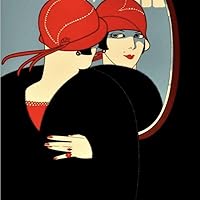
The woman's figure represents the boundaries of living in a small town without real possibilities to be able to change it.
nagyon unni fogom mikor egyszer visszaolvasom ezen értékeléseimet, de igen, ezt a kisregényt is azért olvastam el, mert az emelt magyar nyelv és irodalom szóbeli tételek egyike volt. Móricztól tavaly már volt szerencsém olvasni, először a Barbárok novellát, majd a Rokonok című könyvét. Az első szerintem egy elképesztően profi módon megírt novella, az utóbbi alaptörténetét érdekesnek tartottam, azonban úgy éreztem terjedelmében követhette volna az író a Barbárokét. Az Isten háta mögött kisregény Veresné történetét írja le, melyre a magyar Bovarynéként is szoktak emlegetni. A nő boldogtalan ostoba és öreg férjével való házasságban, ezért szabadon flörtöl a városka férfijaival, akik ennek nagyon is örülnek. A nő azonban felsül, mikor tettlegesen meg is csalná férjét, két alkalommal is, majd az öngyilkosságába is belebukik. érdekes elbeszélés módot alkalmaz Móricz, hisz gyakorlatilag teljesen kiemeli a narrátort a történetből. folyamatosan szabad függő beszédet használ vagy megszemélyesítést, így jelenetszerűvé válnak a fejezetek, a történet pedig pörgőssé. a kisregény alapjáraton humoros, főleg Veres Dani történetrészét tartottam izgalmasnak, érdekes volt arról olvasni, hogyan is érettségiztek a diákok több mint száz évvel ezelőtt. Veresnével pedig szerintem Móricz egy nagyon érdekes karaktert teremtett, a vele történteket is érdekes volt olvasni. ugyanakkor valahol azt éreztem a mű végére érve, hogy az egésznek se füle se farka. sejtem, hogy nagy valószínűséggel ez volt az egésszel a célja Móricznak, bemutatni, hogy a vidéken élő, elmaradott emberek élete mennyire silány és bugyuta, de ennek ellenére nekem valami hiányzott még a történetből. talán az a dráma vagy tragédia, mint ami a Bovaryné végén megjelenített elkeseredett Emmából árad. tisztában vagyok vele, hogy az egésznek a lényege az, hogy az itt élők és Veresné még a francia kisvárosi lakóktól is szánalmasabbak, de nálam valamiért mégis célját vesztette a történet.
Ik ging het na 50 p voor jullie alvast samenvatten als ‘een Hongaarse Bovary’ (of ja, een afkooksel ervan), maar Móricz doet dat in het boek… uitdrukkelijk zelf. P. 89 / 177 al. Mmm. Gedurfd, but sure. Leuke, lichtere read. Hartjes (en weemoed, en gemis) voor de vele Hongaarse geniale zegswijzen, waarvan ik helaas (nog) niet het genoegen heb om ze in de originele taal te mogen begrijpen. Begreep de titel ook wel niet, blij met het voorwoord/slotwoord dus
“And disillusionment. Was that all? Is that love? I that what men and women ruin themselves for?”
Kitabın orijinal adı “Bir Macaristan Taşrası Hikayesi” ve olaylar 1900’lerin başında geçiyor. Güzel mi güzel, okumaya değer mi evet, hatta Dostoyevski’nin buna benzer bir hikayesi, “novella”sı da vardır ve bu tarz hoştur. Ama daha önemlisi 1900’lerin başında Macaristan’da taşra nasıl bir yerdir, olaylar nelerin etrafında döner sorusuna kenarından köşesinden cevap veriyor. Çok mu önemli? Nerden baktığınıza bağlı tabi. Eğer 1900’lü yılların Osmanlı taşrası ile karşılaştırmanın ilginç hatta anlamlı olduğunu düşünüyorsanız bence önemli. Taşra, yani merkezden uzak yerin kendi dinamikleri, kimlerin önemli kimlerin önemsiz oluşu ve tabi hikayeye konu olan kadın erkek ilişkileri dikkate alındığında Osmanlı taşra’sı ile olan benzerlikleri ve farkları insanı şaşırtıyor.
Voici un récit qui commence banal qui frôle le ridicule mais qui se développe de façon intéressante . mérite le détour pour celui qui est prêt à pousser la réflexion .