Jump to ratings and reviews
Rate this book

Saigyo

Rate this book
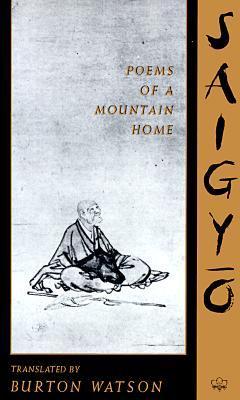
Poems of a Mountain Home contains translations of two hundred of Saigyo's poems. His poems are almost all written in the thirty-one syllable tanka form, the form most favored in Japanese court poetry.

240 pages, Paperback

First published January 1, 1991

4 people are currently reading
471 people want to read

About the author

Saigyō

33 books30 followers
Saigyō Houshi (西行 法師, 1119 – March 23, 1190) was a famous Japanese poet of the late Heian and early Kamakura period.

Born Satou Norikiyo (佐藤 義清) in Kyoto to a noble family, he lived during the traumatic transition of power between the old court nobles and the new samurai warriors. After the start of the Age of Mappō (1052), Buddhism was considered to be in decline and no longer as effective a means of salvation. These cultural shifts during his lifetime led to a sense of melancholy in his poetry. As a youth, he worked as a guard to retired Emperor Toba, but in 1140 at age 22, for reasons now unknown, he quit worldly life to become a monk, taking the religious name En'i (円位). He later took the pen name, "Saigyo" meaning Western Journey, a reference to Amida Buddha and the Western paradise. He lived alone for long periods in his life in Saga, Mt Koya, Mt Yoshino, Ise, and many other places, but he is more known for the many long, poetic journeys he took to Northern Honshuu that would later inspire Basho in his Narrow Road to the Interior. He was a good friend of Fujiwara no Teika. Some main collections of Saigyo's work are in the Sankashuu, Shin Kokin Wakashuu, and Shika Wakashū. He died in Hirokawa Temple in Kawachi Province (present-day Osaka Prefecture) at age 72.

Ratings & Reviews

What do you think?
Rate this book

Friends & Following

Create a free account to discover what your friends think of this book!

Community Reviews

5 stars
120 (51%)
4 stars
80 (34%)
3 stars
29 (12%)
2 stars
2 (<1%)
1 star
2 (<1%)
Displaying 1 - 23 of 23 reviews
Profile Image for Laura Nemvalts.
12 reviews1 follower
September 24, 2020
Kirjutasin „Mägikodu“ lugedes ohtralt märkmeid, aga nüüd ei taha need enam hästi kokku põimuda – seega laenan Saigyō-d tutvustavast eessõnast ühe lause: „Tema 12. sajandil kirjutatud napisõnalistes ja kohati väga lihtsates tekstides avaldub inimene oma ajatul puhtal kujul“. Ta ütleb vähesega nii palju. Tema sõnad on isiklikud, ent ometi universaalsed. Ta on minatu, kuid samas võib ta olla igaüks.

Sügisöine kuu,
rahusta mu rändama
tikkuvat hinge,
mis tahab põgeneda
maailma vaevade eest.
Profile Image for Brendan.
12 reviews
May 8, 2021
the translations give a sense of wisdom and poise, while maintaining the relaxed and reflective subjects and writings
Profile Image for Myhte .
519 reviews52 followers
January 3, 2023
Entering deeply,
searching out the depths
of the pathway of the gods:
high above, over all,
a mountain peak with pine wind singing.

This heart dyed
in blossoms:
why does it remain.
I left all behind, I, who broke
so completely with this world.

Oh, to be hidden
in a space between rocks,
let me live all alone,
where no one can see me.

If I cannot dwell
anywhere, let me then
stay nowhere,
in this withering world.

Times when unbroken
gloom is over all our world...
above which still
presides the ever-brilliant moon:
sight of it casts me down even more.

Yielding to the wind,
the smoke from Fuji
fades into sky;
toward some unknown end
my life burned deep inside.

Undimmed, boundless,
the light of the moon:
enticed by it,
my heart wanders to the
cloud-tipped edges of the sky

Gazing at them,
I've grown so very close
to these blossoms,
to part with them when they fall
seems bitter indeed!

With no destination,
my heart dwells
with the clear moon,
to what end
I do not know
Profile Image for Maeander81.
48 reviews
Read
November 19, 2023
"Nel vedere i fiori di ciliegio del Monte Yoshino
Da quando ho visto
i rami fioriti
del Monte Yoshino,
il mio cuore vive
lontano dal corpo".

"Se nel mondo non ci fosse
il cadere dei fiori
e l'oscurarsi della luna,
non capirei mai
la realtà delle cose".

"Vorrei morire
a primavera
sotto i ciliegi in fiore,
nella luna piena
del secondo mese".

"Addormentato
sotto una pianta
nel Monte Yoshino,
il vento primaverile
mi copre di fiori".

"A Higashiyama, mentre stavo per prendere la decisione di lasciare il mondo, nella foschia, dissi alla gente
Col mio cuore
simile al cielo
nella foschia primaverile,
voglio lasciare
questo mondo".

"A chi vuole
contemplare i fiori
suggerisco
di lasciare il mondo
e vivere nella montagna".

"Davanti alla luna, guardando lontano
Affascinato
dalla limpida luce
della luna,
il mio cuore
s'innalza nel cielo"

"Mentre stavo nel tempio Hōrin, verso la fine dell'autunno
Sulla montagna,
a fine autunno,
posso capire
la sofferenza,
al vento autunnale".

"Nell'eremo d'inverno
Se c'è qualcuno
che sopporta la solitudine,
venga d'inverno
sulla montagna,
vicino al mio eremo".

"Cade la neve,
seppellendo i sentieri
dei prati e delle montagne,
non so orientarmi
nel mio cammino".

"Tutta la notte nel contemplare la luna
Aspettando che qualcuno
venisse a trovarmi
per contemplare la luna,
ho vegliato
fino all'alba".

"Contemplo la luna,
ma il mio cuore
si perde lontano;
perché vaga ancora
nel cielo oscuro?"

"In quest'eremo
dove nessuno
viene a trovarmi,
non potrei vivere
senza la solitudine".

"Non so cosa ci sia
al di là del monte
dove cala il sole,
ma nella sua direzione
ho già rivolto il cuore".

"Scritta quando chiesi all'imperatore Toba il permesso di farmi monaco buddista
Perché rimpiangere
ciò che non è da rimpiangere
in questo mondo?
Nella rinuncia
sta la salvezza".

"Nebbia nell'eremo
Sono sepolto
nella casa montana
avvolta dalla nebbia,
e anche il mio cuore
non schiarisce".

"Per comprendere
la compassione
con lacrime di rugiada,
ho fatto il voto
di vivere nell'eremo".

"Da lungo tempo
vivo col cuore
nella montagna,
ma il corpo non vuole
lasciare il mondo".

"Nell'altro mondo
brillerà nel mio cuore
lo splendore della luna
che non mi ha ancora
saziato in questa vita".

"Per nascondere
la mia sofferenza
sono venuto
a vivere da solo
nella montagna".

"Ci sarà qualcuno
che pensando a me
verrà a trovarmi,
passando per il sentiero
coperto di rugiada?"

"Non ho più la forza
di tenere in alto
la mia lampada,
aspetto che si spenga
la sua luce".

"Sul Sutra del Cuore
A primavera,
purificato il cuore
dalle passioni,
matureranno frutti
della Dottrina".

"La luce della luna
filtra nel vecchio eremo,
riflettendosi
nelle lacrime
che bagnano le mie maniche".

"La salita al Tempio del Mandala è molto difficile, essendo ripida. Sulla cima del monte sono sepolte le Scritture buddiste copiate da Kōbō Daishi. Vicino alla residenza dei monaci è stato costruito un piedistallo di circa tre metri quadrati. Si dice che Kōbō Daishi salisse tutti i giorni su questa montagna per compiere esercizi ascetici. Per protezione dei pellegrini, vi è stato costruito un doppio recinto. Ma c'è ancora il pericolo di cadere durante la salita. Sono arrivato in cima camminando a carponi.
Sono riconoscente
per essere qui,
come i saggi
che in questo monte
fecero dei voti".

"Se per le lacrime
la luna è sempre
coperta dalle nubi,
cessato il pianto,
essa risplende".

"In verità, non è
chi rinunzia al mondo
colui che si perde;
ma perde se stesso
chi non vi rinunzia".

"Nessuno sapeva
che io cercavo
la mia dimora,
ritirandomi
nella montagna".
Profile Image for Brendan Coster.
268 reviews11 followers
May 3, 2015
Check your version. I read a 1st edition from the NYPL and it's missing pages 87 to 120 - and apparently pages 120 to 140 or so were duplicated in it's place. Obviously just a bad print, so, look out for that.

That aside, the poetry was good. Having read now, some thousands of Heian era poetry I can see a definite shift in style and tone of the Tanka poetry in Saigyo and Shunzei (and the other contemporary poets of the era) have taken up. That being said, and Watson says it in different words for his intro, these are still court poets and while this is the first shift n poetry which must have becomes stylized to the point of staleness in some 400-500 years... ultimately it's not much of a leap.

Anyways, if you're reading the "Heiji", "Hogen", and "Heike" this is a little jewel of an artist that was born during and died at the tale end of all those events, and in it's nice to get a different point of view then either war tales, or hard history. Buddhism aside, it's apparent that between writing poetry for every event he can as a form of escapism and trying to live alone in every mountain of Japan as a physical escapism, the Era must truly have seemed apocalyptic.
Profile Image for Gary.
5 reviews2 followers
August 19, 2011
classic Japanese tanka - written by a man (1118-1190 CE) who turned his back on a world falling to pieces (the old social order was breaking down at the time) embracing the Buddhist monastic path in his early twenties - but for all that left a lasting influence on Japanese poetry. his poetry (and others writing at the same time) marked the transition from the highly refined court tradition to the more melancholy and colloquial style of the samurai age. though some seem trivial nowadays, so separated are we from the time and transitions he lived through, there are nonetheless real gems here that retain their power and call across the centuries.
Profile Image for Alves Vasconcellos.
31 reviews2 followers
October 28, 2024
Lado a lado
Acercam-se os barcos de bonito
Do cabo de Irako,
Balouçando-se nas ondas
Sob o noroeste vento.

Passei uns bons anos pensando que não gostava de poesia e posso atribuir em grande parte a esse livro a vontade de me desbravar mais uma vez essa arte. Saigyō era um dos mestres do waka, uma das formas mais tradicionais de poesia japonesa, antecessora do haiku. No entanto, incorpora em seus versos uma sutileza nascida da concisão, com temáticas um pouco mais soltas e livres do que seu sucessor mais famoso aqui no Ocidente. E ainda assim, ainda assim!
Da viagem cansado,
Caio em sono debaixo
Duma árvore em Yoshino
Enquanto brisa primaveril coleta
E me cobre com acolchoado de pétalas

Um waka é como uma frase versificada, um jogo de sentidos, de sons e de legados, no que um poeta pode fazer referências a outros, a imagens consagradas, a pequenas brincadeiras com os que vieram antes e com os que virão depois. Mesmo carecendo de poder apreciar, na tradução, a inteireza do jogo semântico-sonoro do original japonês, o que me deu paixão foi essa possibilidade de ver um vislumbre, um insight conquistado e eternizado de maneira que tem a dizer muito mais. Camada e camada de um sentimento, de uma imagem, de uma verdade. Acho que entendi o apelo da poesia, afinal.
De algum modo esticado
Desde então até agora está meu amor
Por ti, mantido nesta ponte
Tensa entre a lua
De hoje e aquela que eu vi contigo aqui
340 reviews1 follower
September 16, 2017
I really enjoyed the majority of these poems. A few fell flat simply because they were full of references to things I wasn't aware of and couldn't connect with. Many of the poems focus on seasons and loneliness. The images and feelings are universal in many ways.
Profile Image for Daniel Cloutier.
Author 12 books8 followers
January 28, 2019
Das hier dient nur als Platzhalter für das tatsächlich von mir gemessene Buch "Saigyo: Gedichte" von E.May.
Wie gewohnt hervorragend zusammengestellt, übersetzt und ausführlich annotiert mit vielen Zeichnungen führt es erstklassig in das Werk von Bashos liebsten Autor ein. Absolutes Muss.
Profile Image for Amanda Bento.
Author 6 books27 followers
April 18, 2024
Eu já falei uma vez que ler poesia é uma coisa meio self care pra mim. Comprei esse livro no sebo em Pinheiros e o devorei em poucas horas. Ainda fico olhando a parede e pensando em alguns versos que li. Ótimo livro pra presentear.
Profile Image for Stephen Lindow.
51 reviews3 followers
October 24, 2020
I much enjoyed more the poems towards the end of the collection, the poems that were not about the seasons.
Profile Image for Tait Sougstad.
208 reviews7 followers
September 8, 2023
Phenomenal nature poetry in the short and accessible tanka style. The sentiments and observations captured here are moving and relatable. This book possibly changed my life.
Profile Image for Robin Lek.
41 reviews
March 24, 2025
Meeldivalt sulnis! Inimese ja looduse ühekssaamisest läbi luule.
Profile Image for Dan.
35 reviews
September 29, 2022
These poems are transporting; the scenes illuminate in your mind with all the somber thoughtfullness as if you were right there experiencing them. A lonely mountain wanderer seeing the beauty in all the little things around him. Very relaxing.
Profile Image for Liisi.
33 reviews17 followers
June 22, 2015
At first I didn't know how to move on with this book because it was so difficult to understand and comprehend. But I finally got used to the text and Buddhism and finished the second half in a blink of an eye. Saigyo is a genius and that's why I had to give this book a 5 stars. His writing is straightforward and simple but his life was complicated. I really think that everyone who's interested in history should read it and then they understand the deep emotions I can't express but what I feel after this poetry journey.
Profile Image for Amanda.
217 reviews
Read
January 27, 2024
"Note: written when he was feeling very downcast and discouraged and heard a cricket singing close to his pillow."

"Were we sure of seeing
a moon like this
in existences to come,
who would be sorry to leave this life?"

"A single pine tree
growing in the hollow -
and I thought
I was the only one
without a friend"

feeling very connected to a Japanese man from 1183 AD!! needed something different and this lovely collection of poems reminded me we aren't really all that different from someone who lived a millennia ago.
Profile Image for Skyler.
94 reviews4 followers
November 1, 2016
I decided to read Saigyō after reading Bashō, mostly for some context. After doing so, it is clear to me that Saigyō is really emo--especially the selection of love poems in this collection. I did like a lot of the poems, though I greatly prefer Bashō over Saigyō.
142 reviews1 follower
Read
December 29, 2022
Lihtne ja ilus, kuid mitte kerge. Hing puhkab, vaim puhkab. Autori täiendavad kommentaarid on rikastav lugemine sinna juurde.
Profile Image for Thomaz Amancio.
154 reviews20 followers
May 20, 2018
Se apenas eu pudesse
capturar Saigyō
qual Saigyō captura
a flor e a Lua:
breve e eterna beleza.
Displaying 1 - 23 of 23 reviews

Can't find what you're looking for?

Get help and learn more about the design.