

What do you think?

Thirteen Stories and Thirteen Epitaphs
A collection of stories by the author of Whores for Gloria, You Bright and Risen Angels, The Rainbow Stories, The Ice Shirt, and An Afghanistan Picture Show features tales of pimps, tramps, pornographers, and witch doctors.
318 pages, Hardcover
First published January 1, 1991
About the author
William T. Vollmann
100 books1,600 followersWilliam Tanner Vollmann is an American author, journalist, and essayist known for his ambitious and often unconventional literary works. Born on July 28, 1959, in Los Angeles, California, Vollmann has earned a reputation as one of the most prolific and daring writers of his generation.
Vollmann's early life was marked by tragedy; his sister drowned when he was a child, an event that profoundly impacted him and influenced his writing. He attended Deep Springs College, a small, isolated liberal arts college in California, before transferring to Cornell University, where he studied comparative literature. After college, Vollmann spent some time in Afghanistan as a freelance journalist, an experience that would later inform some of his works.
His first novel, You Bright and Risen Angels (1987), is a sprawling, experimental work that blends fantasy, history, and social commentary. This novel set the tone for much of his later work, characterized by its complexity, depth, and a willingness to tackle difficult and controversial subjects.
Vollmann's most acclaimed work is The Rainbow Stories (1989), a collection of interlinked short stories that explore the darker sides of human nature. His nonfiction is equally notable, particularly Rising Up and Rising Down (2003), a seven-volume treatise on violence, which was a finalist for the National Book Critics Circle Award.
Over the years, Vollmann has continued to write prolifically, producing novels, short stories, essays, and journalistic pieces. His work often delves into themes of violence, poverty, and the struggles of marginalized people. He has received several awards, including the National Book Award for Fiction in 2005 for Europe Central, a novel about the moral dilemmas faced by individuals during World War II.
Vollmann is known for his immersive research methods, often placing himself in dangerous situations to better understand his subjects. Despite his literary success, he remains somewhat of an outsider in the literary world, frequently shunning public appearances and maintaining a low profile.
In addition to his writing, Vollmann is also an accomplished photographer, and his photographs often accompany his written work. Painting is also an art where's working on, celebrating expositions in the United States, showing his paintings. His diverse interests and unflinching approach to his subjects have made him a unique voice in contemporary American literature.
Vollmann's early life was marked by tragedy; his sister drowned when he was a child, an event that profoundly impacted him and influenced his writing. He attended Deep Springs College, a small, isolated liberal arts college in California, before transferring to Cornell University, where he studied comparative literature. After college, Vollmann spent some time in Afghanistan as a freelance journalist, an experience that would later inform some of his works.
His first novel, You Bright and Risen Angels (1987), is a sprawling, experimental work that blends fantasy, history, and social commentary. This novel set the tone for much of his later work, characterized by its complexity, depth, and a willingness to tackle difficult and controversial subjects.
Vollmann's most acclaimed work is The Rainbow Stories (1989), a collection of interlinked short stories that explore the darker sides of human nature. His nonfiction is equally notable, particularly Rising Up and Rising Down (2003), a seven-volume treatise on violence, which was a finalist for the National Book Critics Circle Award.
Over the years, Vollmann has continued to write prolifically, producing novels, short stories, essays, and journalistic pieces. His work often delves into themes of violence, poverty, and the struggles of marginalized people. He has received several awards, including the National Book Award for Fiction in 2005 for Europe Central, a novel about the moral dilemmas faced by individuals during World War II.
Vollmann is known for his immersive research methods, often placing himself in dangerous situations to better understand his subjects. Despite his literary success, he remains somewhat of an outsider in the literary world, frequently shunning public appearances and maintaining a low profile.
In addition to his writing, Vollmann is also an accomplished photographer, and his photographs often accompany his written work. Painting is also an art where's working on, celebrating expositions in the United States, showing his paintings. His diverse interests and unflinching approach to his subjects have made him a unique voice in contemporary American literature.
Ratings & Reviews
Friends & Following
Create a free account to discover what your friends think of this book!
Community Reviews
Displaying 1 - 30 of 44 reviews

January 5, 2019
TRIP PER NULLA LISERGICO
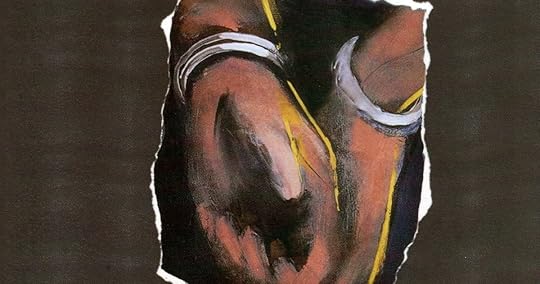
L’immagine di copertina.
William Tanner Vollmann compirà sessant’anni quest’estate.
I suoi ritratti fotografici mostrano un omone con testa imponente, spesso con taglio di capelli in stile militare, una faccia butterata quasi sempre seria, severa, ma anche accigliata, ingrugnata, aggrottata.
Ha cominciata a pubblicare prima dei trent’anni e da allora non ha più smesso con ritmo più che sostenuto: si contano otto tra romanzi e raccolte di racconti, la serie narrativo-storica I sette sogni: un libro di paesaggi nordamericani arrivata già al sesto volume, la cosiddetta Trilogia della Prostituzione formata da tre romanzi, circa una dozzina di titoli di saggistica.
Non è solo la quantità di pubblicazioni che fa impressione: è il peso di ciascun titolo, composto spesso da centinaia e centinaia di pagine, anche sopra le mille (il trattato sulla violenza Come un'onda che sale e che scende: pensieri su violenza, libertà e misure d'emergenza da solo conta sette volumi per un totale di tremila trecento pagine).
Sterminato e mostruoso sono aggettivi spesso riferiti alla sua opera.

Classico ritratto fotografico di William T. Vollmann.
Quella che segue è una tipica descrizione di questo scrittore:
William T. Vollmann è un caso unico nella letteratura americana contemporanea: nonostante sia considerato a ragione uno dei più grandi scrittori del nostro tempo, e nonostante il suo romanzo “Europe Central” abbia guadagnato una certa notorietà grazie al National Book Award vinto nel 2005, la sua produzione letteraria non ha ancora ricevuto l’attenzione che merita. Del resto, non è facile tenere il passo di un grafomane tanto geniale quanto compulsivo, che dal 1987 a oggi ha scritto oltre trenta libri, quasi tutti di mole dickensiana.

Ernest H. Brooks II: Winged Wall, Antarctica, 2010.
Confesso il mio spavento.
Perciò ho cominciato da un titolo breve, qui edito a se stante, ma in realtà parte di una raccolta più consistente, il sesto racconto da Tredici storie e tredici epitaffi, pubblicato da Fanucci nella collana AvantPop, e io mi chiedo se non sarebbe più corretto chiamarla PostPop, ma anche se non sarebbe meglio lasciar perdere queste definizioni tirate per i capelli.
Non è stato un incontro felice il nostro, almeno da parte mia: direi che si è piuttosto trattato di uno scontro, abbiamo ingaggiato un combattimento, per restare in una delle tematiche che più interessano Vollmann, la violenza - ho faticato molto a leggere queste centoventi paginette, non finivano mai, e ho dovuto inframezzare svariate altre letture per superare l’impasse.

La storia è ambientata a Gun City (si può non pensare subito a Gotham?), città che è il trionfo del militarismo – e delle armi che arrivano da guerre recenti, come quelle del Vietnam, del Nicaragua, dell’Afghanistan. C’è un lui che si chiama Abraham Yesterday, soldato figlio di militare e fratello di soldati. Conosce una lei che si chiama Elaine Suicide (i cognomi non sono scelti a caso) e cerca di ricostruirsi una vita con lei dopo la carriera militare (che avrebbe potuto finire con più gloria). Ha abbandonato le piastrine donategli dal padre (il quale le aveva prese a dei nazisti che aveva ucciso) per sostituirle con le manette, modello invisibile. Elaine accetta le manette, ma essenzialmente le subisce, si tratta di una forma d’imposizione che avvicina la vicenda al porno d’autore (spesso tra le cose più noiose, pretenziose e meno stimolanti che esistano).
La storia finisce male, nomen omen. Ma non era certo cominciata bene.

Gun (Gotham) City
Il tono è costante, cupo, freddo, distaccato, quasi dimesso, senza impennate (non ne ho percepite), come un forte rumore di fondo che non si smorza mai, ma neppure diventa più robusto.
La scrittura mi ha ricordato certa narrativa di genere (ucronia, e quindi fantascienza), incluso il fumetto (le spaziature, certi dialoghi, le parole onomatopeiche).
La mia impressione è che il suo ‘messaggio’, l’intento a monte della narrazione prevalichi sul racconto.
L'aspetto che mi è piaciuto di più è che mi ha messo voglia di rileggere William S. Burroughs. 😄

Alcuni scatti da “The Book of Dolores”, dove Dolores è l’alter ego femminile di William Vollmann in questo esercizio di cross-dressing.
L’immagine di copertina.
William Tanner Vollmann compirà sessant’anni quest’estate.
I suoi ritratti fotografici mostrano un omone con testa imponente, spesso con taglio di capelli in stile militare, una faccia butterata quasi sempre seria, severa, ma anche accigliata, ingrugnata, aggrottata.
Ha cominciata a pubblicare prima dei trent’anni e da allora non ha più smesso con ritmo più che sostenuto: si contano otto tra romanzi e raccolte di racconti, la serie narrativo-storica I sette sogni: un libro di paesaggi nordamericani arrivata già al sesto volume, la cosiddetta Trilogia della Prostituzione formata da tre romanzi, circa una dozzina di titoli di saggistica.
Non è solo la quantità di pubblicazioni che fa impressione: è il peso di ciascun titolo, composto spesso da centinaia e centinaia di pagine, anche sopra le mille (il trattato sulla violenza Come un'onda che sale e che scende: pensieri su violenza, libertà e misure d'emergenza da solo conta sette volumi per un totale di tremila trecento pagine).
Sterminato e mostruoso sono aggettivi spesso riferiti alla sua opera.
Classico ritratto fotografico di William T. Vollmann.
Quella che segue è una tipica descrizione di questo scrittore:
William T. Vollmann è un caso unico nella letteratura americana contemporanea: nonostante sia considerato a ragione uno dei più grandi scrittori del nostro tempo, e nonostante il suo romanzo “Europe Central” abbia guadagnato una certa notorietà grazie al National Book Award vinto nel 2005, la sua produzione letteraria non ha ancora ricevuto l’attenzione che merita. Del resto, non è facile tenere il passo di un grafomane tanto geniale quanto compulsivo, che dal 1987 a oggi ha scritto oltre trenta libri, quasi tutti di mole dickensiana.
Ernest H. Brooks II: Winged Wall, Antarctica, 2010.
Confesso il mio spavento.
Perciò ho cominciato da un titolo breve, qui edito a se stante, ma in realtà parte di una raccolta più consistente, il sesto racconto da Tredici storie e tredici epitaffi, pubblicato da Fanucci nella collana AvantPop, e io mi chiedo se non sarebbe più corretto chiamarla PostPop, ma anche se non sarebbe meglio lasciar perdere queste definizioni tirate per i capelli.
Non è stato un incontro felice il nostro, almeno da parte mia: direi che si è piuttosto trattato di uno scontro, abbiamo ingaggiato un combattimento, per restare in una delle tematiche che più interessano Vollmann, la violenza - ho faticato molto a leggere queste centoventi paginette, non finivano mai, e ho dovuto inframezzare svariate altre letture per superare l’impasse.
La storia è ambientata a Gun City (si può non pensare subito a Gotham?), città che è il trionfo del militarismo – e delle armi che arrivano da guerre recenti, come quelle del Vietnam, del Nicaragua, dell’Afghanistan. C’è un lui che si chiama Abraham Yesterday, soldato figlio di militare e fratello di soldati. Conosce una lei che si chiama Elaine Suicide (i cognomi non sono scelti a caso) e cerca di ricostruirsi una vita con lei dopo la carriera militare (che avrebbe potuto finire con più gloria). Ha abbandonato le piastrine donategli dal padre (il quale le aveva prese a dei nazisti che aveva ucciso) per sostituirle con le manette, modello invisibile. Elaine accetta le manette, ma essenzialmente le subisce, si tratta di una forma d’imposizione che avvicina la vicenda al porno d’autore (spesso tra le cose più noiose, pretenziose e meno stimolanti che esistano).
La storia finisce male, nomen omen. Ma non era certo cominciata bene.
Gun (Gotham) City
Il tono è costante, cupo, freddo, distaccato, quasi dimesso, senza impennate (non ne ho percepite), come un forte rumore di fondo che non si smorza mai, ma neppure diventa più robusto.
La scrittura mi ha ricordato certa narrativa di genere (ucronia, e quindi fantascienza), incluso il fumetto (le spaziature, certi dialoghi, le parole onomatopeiche).
La mia impressione è che il suo ‘messaggio’, l’intento a monte della narrazione prevalichi sul racconto.
L'aspetto che mi è piaciuto di più è che mi ha messo voglia di rileggere William S. Burroughs. 😄
Alcuni scatti da “The Book of Dolores”, dove Dolores è l’alter ego femminile di William Vollmann in questo esercizio di cross-dressing.

July 6, 2013
4.5 stars.
This book is a mixed fare, both in terms of form and content.
Short story is a challenging format–for the writer – to achieve perfection within a limited space, & for the reader (if they be reviewing it)– in that how to convey a coherent sense of a diverse & loosely-connected potpourri.
Thankfully, the number 13 provides a clue– tales of longing, nostalgia, loss, despair– ominous in the sense that existence itself can be, sometimes in a major key as in the S & M tale, The Handcuff Manual, sometimes in a minor key, as in the tales of quiet desperation, Flowers in Your Hair , & My Portraits, My Love, My Wife.
Each story is followed by an Epitaph– as Vollmann writes in the Author's Note:" A good story is only a hearse to carry you to the ending where the epitaph waits."
This collection is bookended by two masterfully done stories– The Ghost of Magnetism, & The Grave of Lost Stories. In the former, the narrator (Vollmann), in the midst of his farewell party in San Francisco, tries imagining a life away from his friends & the "state of grace" i.e. SF– he conjures up all kinds of future scenarios for himself- East/West/North/South– but there's no relief anywhere. The story climaxes in Las Vegas, where the author figure vomits out memories of his friends in a pool full of the "beautiful people". Nostalgia drives this story & a desire to know & be part of the inner lives of people, which is also true of the rest of this collection as most stories here are portraits of people & of moments in their lives.
One can not help but compare & contrast the sharp differences in attitude displayed towards San Francisco by two genius writers– Vollmann & A. Theroux! ( As in Laura Warholic or,The Sexual Intellectual) It's worth pondering.
The Poe story,The Grave of Lost Stories, astonishingly recaptures the cadence & baroque horror of Poe's own prose- a wonderful homage!
It's hard to separate personal from the fictional here as the *Bill* character appears in so many stories & so do his many friends, especially Ken Miller* & Greenglass** –in fact, the book is dedicated to these two. This book features many Vollmann staples– whores, pimps, druggies, hobos, diverse geographical locales, white man chasing Asian woman/Third World prostitute etc.
The story, The Bad Girl, featuring Ken Miller & his Thai prostitute 'wife' Yummy, presents an integral aspect of Vollmann's whore fixation– a white man trying to 'save' a third world prostitute, to give her a better life– ends up slumming it in Bangkok & then you realize what's the big deal here? This guy was earlier slummimg it in the Tenderloin area of SF with his Japanese lover Satoko- he has always been a marginal character– it's the whore who saves him!
You can find out a lot about Vollmann's personal views on friends & life in general as the authorial voice is present through out– it might annoy some readers but I enjoyed it, it's the way DFW reveals himself in his essays. I also got a taste of Vollmann's humour- it's playful, very tongue-in-cheek!
I had an issue though,when he tarrs all the "beautiful people" with the same brush in the Las Vegas projected scenario– not all rich folks are bad, not all poor folks are good. For all he knows, some of those holidayers might've scraped together money for years for that Vegas holiday. What gives him the right to puke in their pool & thus symbolically puke on their very existence?
Still, I enjoyed reading this book. There are prose passages of amazing grace & beauty esp. the pastoral scene in the story called In Omaha & so many lines here & there that make you go wow! I also loved the epigraphs chosen by WTV for each story- such wide learning!
My personal favs– Flowers in Your Hair ( Maybe cause I like wearing flowers in my hair!), In Omaha ( A very personal story), The Ghost of Magnetism, & The Grave of Lost Stories. My fav Epitaphs– Jaguar, a Rajasthani Palace, a Coward's Heart, Kennedy, & a Loved Book.
The only story I didn't like was Tropicana– I couldn't make any sense of it!
How I wish both Bill & Ken had visited Dharavi, the largest slum in Asia & also the red- light areas of Mumbai & Kolkata- who knows what stories & pics those people & places might have inspired!
But now-a-days,Ken Miller makes his living via wedding photography!!!Open All Night
And Billy boy's whoring days safely behind him,he's happy dressing up as a woman!!!The Book of Dolores
As Hemingway famously wrote: "The world breaks every one and afterward many are strong at the broken places."
(*)Ken Miller is Bill's photographer buddy from his Tenderloin days.
(**) Greenglass is the controversial guy who was ( wrongly) accused of child pornography by the F.B.I.
* * *
...even the most shining of all peacocks must eventually fold his fantail, exhausted, and let it drag on the wet and dry grass.
So you blew the dust off the sighting mirror of your compass, whose precision lines framed your face as if you were looking at yourself through the reticule of a sniping rifle.
Satoko was a beautiful vampire who said nothing, did nothing, absorbed him like a lake into which he, a stone, fell with scarcely a ripple. There was nothing about her to understand: she was the infinity of emptiness.
In the suburbs of Gun City, "lovely loveless housewives took phenobarbital and lay curled in bed all day like frozen shrimp."
Inside Elaine there were brick walls with arches as in Poe's wine cellar; there the telltale hearts had once beat like trembling liver-coloured water balloons, bulging through the opening like Mishima's intestines when he committed sepukku ; but everything was dry now; Elaine had let the blood out.

May 11, 2016
I started feeling down on my adopted city today - this land of precious yuppie scum - but Vollmann helps me see the bright side. It's not just yuppies, this city is also filled with junkies, hobos, pornographers and whores (as well as people who somehow manage to fit into all these categories at once).
If Vollmann has lunch at a diner in SF, he's likely to give the name of the establishment and the intersection where it's located. And it always seems to be a real place. All the information is accurate. Which makes it kind of funny that in this collection he can't even bring himself to name that other city, New York. I would call that a coup for the west coast.
If Vollmann has lunch at a diner in SF, he's likely to give the name of the establishment and the intersection where it's located. And it always seems to be a real place. All the information is accurate. Which makes it kind of funny that in this collection he can't even bring himself to name that other city, New York. I would call that a coup for the west coast.

Read
June 24, 20251. "The Ghost of Magnetism":
A moody and expressionist nostalgia piece, full of vivid details, flowing hypnotically from some kind of imaginative reality to something more concrete, full of tangled threads of personal relationships, compulsions, memories to hold, memories to run from, somewhat less insane and vulgar than a Kathy Acker work but bearing some resemblance, while also feeling cryptically personal. If I want to remember this, I must remember most of all Elaine Suicide (though the epitaph is for Ken and the character we never met, Yummy of Thailand).
"I am an outlaw--or I would be if I were not the Ghost of Insignificance"
(Twelve more stories to go.)
2. "The Bad Girl": This is a very good, well-written, sad portrait of psychically broken people and bad love. Also: hey! This book is looking a lot like a novel despite being identified in some places (including in a quote on the front cover) as a collection of stories. I mean, sure, each "story" could be read as a stand-alone, but nonetheless, this surely appears to be a novel. Then again, categories, schmategories.
"I really like these people. They lie all the time."
3. "The Happy Girls": A reminder of our general humanity, as the girls in a brothel enjoy a bit of a reprieve from the usual; when the cat's away, etc. Told again from the point of view of you/I, i.e. some incarnation or relative of William the Blind, most likely, here playing a mostly passive observer role, with a little bit of guilty reflection as he realizes that he's probably more harm than help to these women, and also making an accounting of the credits and debits of his life, with one happy day hopefully making up for some other miseries.
The epitaph that follows is the most brutal so far, giving a horrifying and dark counterpoint to the "Happy Girls" story.
"Their performances demonstrated a sublime and spontaneous art."
4. "The Bitch": A thief just about evades the law... then, well, I guess I won't spoil. The thief's anger generally seems... misdirected. But then, doesn't it make sense on an emotional level to deflect and avoid all self-criticism and even self-awareness?
Epitaph for a jaguar is a strong miniature, and it connects through the theme of being trapped.
"Blackwell prayed for a jet plane to crash into her heart..."
5. "Divine Men": Three miniatures, joined on the theme of god-like power, with all the violence and sexual potency that implies. The adjoining epitaph inverts the theme of divinity by condemning a heartlessly cruel man to hell for what he's done.
So, chapters 4 and 5 together collect a series of very short episodes and meditations that do feel separate from what has come before, thus pushing the needle more in the "collected stories" direction rather than the "novel in episodes" direction, but I've peeked forward a bit and it does seem ready to swing back the other way. We shall see.
"...his strength was his happiness..."
6. "The Handcuff Manual": Elaine meets her end and we meet her bondage-obsessed, egocentric, sadistic lover, who nevertheless also suffers and perhaps nurses some remorse within him. This one is longish (the second longest part of the book/collection) and rather abstract. I get the idea that the "characters" in the book, generally, are ideas in spirit form rather than specific individual bodies, and these spirit-ideas may now and may later flit from one named character to another. Particularly in "The Handcuff Manual," we get a megadose of shared madness, i.e. Folie à deux (or Folie à beaucoup?).
"She was invulnerable to people she didn't love."
The Elegy for a Rajasthani Palace didn't fit so well with what is around it, at least from my perspective, and it was perhaps the least interesting couple of pages so far.
7. "Flowers in Your Hair": Back to the "I" that ties this whole work together. This character's roaming tendencies began in early childhood and apparently have persisted ever since. Oh yeah, and regardless of Elaine's "end" of the previous chapter, Elaine is back, but not centered.
A visit back to the place that he can never return to proves the old saying that you can never cross the same river twice. Going back is irrelevant because you can only revisit the *place* not the *time* or circumstances that are the stuff of nostalgia. Everyone here is caught in the same doom-cycle. There is a paradoxical tension between selfishness-cruelty and empathy-generosity. Self-awareness only highlights one's weakness and decadence.
"I glowed like the god of stupid laughs..."
The Epitaph for a Coward's Heart is a strongly affecting illustration of how the world's cruelties become our own failings when we don't do enough to oppose them.
8. "Kindness": More dilemmas, with a clear thesis: kindness is probably a good and admirable thing, but it takes different forms and can have different outcomes; it can be honest or dishonest, it can help or it can harm. Ultimately, when trying to do one's best, it is very tempting resign oneself to a sort of fatalism. How do I relate to this book? I know what it means to give enormous amounts of time and energy to help someone who could not be helped. What happens when you start to think of yourself that way?
"I suppose there's hate in him that has to come out like in everybody else."
Epitaph for Peggy's Pimp: Yep. The con-man. The exploiter of empathy. The one who's one step ahead without needing any special-talent or wit, only audacity.
9. "My Portrait, My Love, My Wife": A portrait of rottenness, pathos, and deceit. Love loses, selfishness wins... sort of. But shame and heartbreak are inescapable. The "epitaph" for this one is the first that seems to serve as a direct sequel to the story it's attached to... which works just fine.
"The thing that I was about to do made me feel desolate."
10. "Dialectics": Here in Central America we see a cycle of suffering described as a kind of divine justice, though the suffering falls on the innocent, because neither guilt nor innocence matters, just what is is, and thus it must be justice, and nothing is learned, and nothing is made better, no wrongs are righted, and no one is spared. Ethical irony.
"The smell spread like a stain and into the ethical world, the immaculate world, as Hegel called it, over the hot greenish-brown river where vultures were flapping their wings; black vultures were sitting on trees, weighing down the branches, so many of them, rows and rows of those black birds."
The Epitaph for Sixty Dollars is another painful and honest portrait of the tragic end of a tragic life, the life of a prostitute whose suffering was meek and silent, who could still feel pity and who could perhaps identify with the neglected child of one of the more callous whores who occupied the same circle of hell with her--a death that meant nothing to anyone but the relief of a debt.
11. "In Omaha": A vignette with a change of tone; a blend of melancholy with simple happiness, natural beauty and small acts of kindness in a family facing mortality but still hanging in there, at least for a while.
"Now, Grandma, don't get too boisterous, I warned her sternly, and she laughed."
The Epitaph for President John F. Kennedy is a one-paragraph remembrance of communal loss.
12. "Tropicana": An interesting turn in the direction of an end-of-career espionage and corruption tale--though it's not really so much about espionage as it is, more generally, about what happens when you abruptly strip away someone's illusion of power and importance. It starts off very well, and it feels like the first few pages could be developed into a good beginning of a novella-length work, but then it kind of goes off the rails from my perspective in wrapping up the ending, probably far too quickly, though the very final image is a good one to give the piece a decent closure.
"How come we're not doing anything?"
The Epitaph for A Ford Ltd. uses a personified car to give a well-formed portrait of a Guatemalan migrant's view of the U.S.A. and Guatemala as viewed by locals, Belizeans, and American tourists, all as experienced by a Ford.
13. "The Grave of Lost Stories": And now Vollmann surprises me with what I least expected, a parody/tribute to 19th-century Gothic horror, particularly centered on Edgar Allen Poe. It's well executed, it's a fun little lark, and it's also a reflection on a particularly writerly concern: the stories that we lose before they're written or perfected. There's also something Dantean here, delving deeper into the hellish depths, and there's even an implication that our fictive Poe has somehow stumbled onto an understanding of cosmology the formation of black holes! But that's a very Vollmann thing to do, isn't it.
"Help me she screamed. For a dozen eternities her ragged gasps of breathing tortured him; then he heard her say very faintly oh, there's someone sitting on my heart."
The final epitaph for "A Loved Book" gives us Vollmann as a reader: consumer and murderer of books. It's a fitting way to wrap up this complete work which flirts with being a collection, flirts with being a cycle, and flirts with being something more structured and whole. Altogether it's a great book in each of its diverse parts as well as in the sum of these parts.
A moody and expressionist nostalgia piece, full of vivid details, flowing hypnotically from some kind of imaginative reality to something more concrete, full of tangled threads of personal relationships, compulsions, memories to hold, memories to run from, somewhat less insane and vulgar than a Kathy Acker work but bearing some resemblance, while also feeling cryptically personal. If I want to remember this, I must remember most of all Elaine Suicide (though the epitaph is for Ken and the character we never met, Yummy of Thailand).
"I am an outlaw--or I would be if I were not the Ghost of Insignificance"
(Twelve more stories to go.)
2. "The Bad Girl": This is a very good, well-written, sad portrait of psychically broken people and bad love. Also: hey! This book is looking a lot like a novel despite being identified in some places (including in a quote on the front cover) as a collection of stories. I mean, sure, each "story" could be read as a stand-alone, but nonetheless, this surely appears to be a novel. Then again, categories, schmategories.
"I really like these people. They lie all the time."
3. "The Happy Girls": A reminder of our general humanity, as the girls in a brothel enjoy a bit of a reprieve from the usual; when the cat's away, etc. Told again from the point of view of you/I, i.e. some incarnation or relative of William the Blind, most likely, here playing a mostly passive observer role, with a little bit of guilty reflection as he realizes that he's probably more harm than help to these women, and also making an accounting of the credits and debits of his life, with one happy day hopefully making up for some other miseries.
The epitaph that follows is the most brutal so far, giving a horrifying and dark counterpoint to the "Happy Girls" story.
"Their performances demonstrated a sublime and spontaneous art."
4. "The Bitch": A thief just about evades the law... then, well, I guess I won't spoil. The thief's anger generally seems... misdirected. But then, doesn't it make sense on an emotional level to deflect and avoid all self-criticism and even self-awareness?
Epitaph for a jaguar is a strong miniature, and it connects through the theme of being trapped.
"Blackwell prayed for a jet plane to crash into her heart..."
5. "Divine Men": Three miniatures, joined on the theme of god-like power, with all the violence and sexual potency that implies. The adjoining epitaph inverts the theme of divinity by condemning a heartlessly cruel man to hell for what he's done.
So, chapters 4 and 5 together collect a series of very short episodes and meditations that do feel separate from what has come before, thus pushing the needle more in the "collected stories" direction rather than the "novel in episodes" direction, but I've peeked forward a bit and it does seem ready to swing back the other way. We shall see.
"...his strength was his happiness..."
6. "The Handcuff Manual": Elaine meets her end and we meet her bondage-obsessed, egocentric, sadistic lover, who nevertheless also suffers and perhaps nurses some remorse within him. This one is longish (the second longest part of the book/collection) and rather abstract. I get the idea that the "characters" in the book, generally, are ideas in spirit form rather than specific individual bodies, and these spirit-ideas may now and may later flit from one named character to another. Particularly in "The Handcuff Manual," we get a megadose of shared madness, i.e. Folie à deux (or Folie à beaucoup?).
"She was invulnerable to people she didn't love."
The Elegy for a Rajasthani Palace didn't fit so well with what is around it, at least from my perspective, and it was perhaps the least interesting couple of pages so far.
7. "Flowers in Your Hair": Back to the "I" that ties this whole work together. This character's roaming tendencies began in early childhood and apparently have persisted ever since. Oh yeah, and regardless of Elaine's "end" of the previous chapter, Elaine is back, but not centered.
A visit back to the place that he can never return to proves the old saying that you can never cross the same river twice. Going back is irrelevant because you can only revisit the *place* not the *time* or circumstances that are the stuff of nostalgia. Everyone here is caught in the same doom-cycle. There is a paradoxical tension between selfishness-cruelty and empathy-generosity. Self-awareness only highlights one's weakness and decadence.
"I glowed like the god of stupid laughs..."
The Epitaph for a Coward's Heart is a strongly affecting illustration of how the world's cruelties become our own failings when we don't do enough to oppose them.
8. "Kindness": More dilemmas, with a clear thesis: kindness is probably a good and admirable thing, but it takes different forms and can have different outcomes; it can be honest or dishonest, it can help or it can harm. Ultimately, when trying to do one's best, it is very tempting resign oneself to a sort of fatalism. How do I relate to this book? I know what it means to give enormous amounts of time and energy to help someone who could not be helped. What happens when you start to think of yourself that way?
"I suppose there's hate in him that has to come out like in everybody else."
Epitaph for Peggy's Pimp: Yep. The con-man. The exploiter of empathy. The one who's one step ahead without needing any special-talent or wit, only audacity.
9. "My Portrait, My Love, My Wife": A portrait of rottenness, pathos, and deceit. Love loses, selfishness wins... sort of. But shame and heartbreak are inescapable. The "epitaph" for this one is the first that seems to serve as a direct sequel to the story it's attached to... which works just fine.
"The thing that I was about to do made me feel desolate."
10. "Dialectics": Here in Central America we see a cycle of suffering described as a kind of divine justice, though the suffering falls on the innocent, because neither guilt nor innocence matters, just what is is, and thus it must be justice, and nothing is learned, and nothing is made better, no wrongs are righted, and no one is spared. Ethical irony.
"The smell spread like a stain and into the ethical world, the immaculate world, as Hegel called it, over the hot greenish-brown river where vultures were flapping their wings; black vultures were sitting on trees, weighing down the branches, so many of them, rows and rows of those black birds."
The Epitaph for Sixty Dollars is another painful and honest portrait of the tragic end of a tragic life, the life of a prostitute whose suffering was meek and silent, who could still feel pity and who could perhaps identify with the neglected child of one of the more callous whores who occupied the same circle of hell with her--a death that meant nothing to anyone but the relief of a debt.
11. "In Omaha": A vignette with a change of tone; a blend of melancholy with simple happiness, natural beauty and small acts of kindness in a family facing mortality but still hanging in there, at least for a while.
"Now, Grandma, don't get too boisterous, I warned her sternly, and she laughed."
The Epitaph for President John F. Kennedy is a one-paragraph remembrance of communal loss.
12. "Tropicana": An interesting turn in the direction of an end-of-career espionage and corruption tale--though it's not really so much about espionage as it is, more generally, about what happens when you abruptly strip away someone's illusion of power and importance. It starts off very well, and it feels like the first few pages could be developed into a good beginning of a novella-length work, but then it kind of goes off the rails from my perspective in wrapping up the ending, probably far too quickly, though the very final image is a good one to give the piece a decent closure.
"How come we're not doing anything?"
The Epitaph for A Ford Ltd. uses a personified car to give a well-formed portrait of a Guatemalan migrant's view of the U.S.A. and Guatemala as viewed by locals, Belizeans, and American tourists, all as experienced by a Ford.
13. "The Grave of Lost Stories": And now Vollmann surprises me with what I least expected, a parody/tribute to 19th-century Gothic horror, particularly centered on Edgar Allen Poe. It's well executed, it's a fun little lark, and it's also a reflection on a particularly writerly concern: the stories that we lose before they're written or perfected. There's also something Dantean here, delving deeper into the hellish depths, and there's even an implication that our fictive Poe has somehow stumbled onto an understanding of cosmology the formation of black holes! But that's a very Vollmann thing to do, isn't it.
"Help me she screamed. For a dozen eternities her ragged gasps of breathing tortured him; then he heard her say very faintly oh, there's someone sitting on my heart."
The final epitaph for "A Loved Book" gives us Vollmann as a reader: consumer and murderer of books. It's a fitting way to wrap up this complete work which flirts with being a collection, flirts with being a cycle, and flirts with being something more structured and whole. Altogether it's a great book in each of its diverse parts as well as in the sum of these parts.

April 24, 2023
Manette mentali
Il boss mafioso Matteo Messina Denaro, arrestato a Palermo dopo 30 anni di latitanza, è stato accompagnato fuori dalla caserma con il volto coperto a metà gli occhiali da sole lo sguardo verso terra, portato a braccetto da due carabinieri, ma senza manette.
Ma in questo brevissimo libro Matteo Messina Denaro non c'entra proprio nulla perché Vollmann è un autore losangelino, probabilmente non saprà nemmeno della sua esistenza.
Fa molto trendy dire losangelino, e mi piace usare questo aggettivo, non è come dire milanese o newyorkese che sono aggettivi scontati invece losangelino si legge raramente, è una parola piacevole e dal suono dolce contiene due L e una G non dura, e poi rimanda a qualcosa di... angelico, nonostante Los Angeles città non abbia assolutamente nulla, di angelico.
E Vollmann è un autore piuttosto importante nella scena statunitense contemporanea, sebbene in Italia abbia pochissima risonanza, soprattutto se si pensa che ha scritto più di 30 libri.
Personalmente non ho ancora avuto o il coraggio di leggere quello che pare il suo capolavoro Europe Central che sono oltre 900 pagine, ho cominciato per gradi da questo più esiguo di solo circa 100 paginette.
Abraham Yesterday, Il protagonista è un giovane reduce da una campagna militare in Nicaragua, il padre è stato un ufficiale militare, anche i due fratelli maggiori militari, entrambi morti sul campo.
Dopo l'esperienza in Nicaragua Abraham torna a casa.
È il primo della famiglia ad avere lasciato l'esercito volontariamente ed è visibilmente scosso, in verità pare non avere mai abbandonato la scena di guerra, e anche Gun City, la città immaginaria dove la storia è ambientate, sembra replicare uno scenario bellico, (il tema dei conflitti, la storia rivisitata, la società profondamente militarizzata è un aspetto topico di questo autore, che è anche stato in Afghanistan durante l'invasione sovietica).
Abraham trasferisce il suo disagio di reduce anche nella sua vita sentimentale.
Ha una storia con Elaine Suicide (Omen nomen), e anche lei non è che sprizzi tutta questa sanità mentale...
Ed ecco che entrano in gioco le manette del titolo.
Le manette d'acciaio rappresentano il bisogno di dominare cui Elaine si sottomette in maniera arrendevole e quasi stancamente.
Bisogno di controllare il proprio oggetto d'amore, o il fluire delle cose, fermarlo immobilizzarlo, ma le manette d'acciaio sono solo il primo passo della perversione psicologica, perché ci sono le vere manette, quelle più pericolose le manette invisibili o immaginarie, vincoli o gabbie mentali ancora più indissolubili che ci rinchiudono o in cui accettiamo di essere rinchiusi, gettando la chiave nel lago, spettri, mostri che bloccano metaforicamente le nostre esistenze, schiavi dei nostri incubi, e delle nostre paure.
Liberarsi soprattutto dalle manette invisibili della violenza fisica ma soprattutto psicologica che ci auto infliggiamo, come il mago Houdini che ci riusciva solo con la forza del pensiero.
Certo anche la Chiara Ferragni ce l'ha scritto sulla schiena: pensati libera
Forse è questo uno dei messaggi che l'autore ci vuole trasmettere perché il libro è molto strano, non mi ha entusiasmato, però l'immagine di copertina invece è particolarmente bella, purtroppo non ne ho trovato la fonte ma mi ricorda alcune opere di Bob Dylan attualmente in mostra in una sua retrospettiva a Roma
Il boss mafioso Matteo Messina Denaro, arrestato a Palermo dopo 30 anni di latitanza, è stato accompagnato fuori dalla caserma con il volto coperto a metà gli occhiali da sole lo sguardo verso terra, portato a braccetto da due carabinieri, ma senza manette.
Ma in questo brevissimo libro Matteo Messina Denaro non c'entra proprio nulla perché Vollmann è un autore losangelino, probabilmente non saprà nemmeno della sua esistenza.
Fa molto trendy dire losangelino, e mi piace usare questo aggettivo, non è come dire milanese o newyorkese che sono aggettivi scontati invece losangelino si legge raramente, è una parola piacevole e dal suono dolce contiene due L e una G non dura, e poi rimanda a qualcosa di... angelico, nonostante Los Angeles città non abbia assolutamente nulla, di angelico.
E Vollmann è un autore piuttosto importante nella scena statunitense contemporanea, sebbene in Italia abbia pochissima risonanza, soprattutto se si pensa che ha scritto più di 30 libri.
Personalmente non ho ancora avuto o il coraggio di leggere quello che pare il suo capolavoro Europe Central che sono oltre 900 pagine, ho cominciato per gradi da questo più esiguo di solo circa 100 paginette.
Abraham Yesterday, Il protagonista è un giovane reduce da una campagna militare in Nicaragua, il padre è stato un ufficiale militare, anche i due fratelli maggiori militari, entrambi morti sul campo.
Dopo l'esperienza in Nicaragua Abraham torna a casa.
È il primo della famiglia ad avere lasciato l'esercito volontariamente ed è visibilmente scosso, in verità pare non avere mai abbandonato la scena di guerra, e anche Gun City, la città immaginaria dove la storia è ambientate, sembra replicare uno scenario bellico, (il tema dei conflitti, la storia rivisitata, la società profondamente militarizzata è un aspetto topico di questo autore, che è anche stato in Afghanistan durante l'invasione sovietica).
Abraham trasferisce il suo disagio di reduce anche nella sua vita sentimentale.
Ha una storia con Elaine Suicide (Omen nomen), e anche lei non è che sprizzi tutta questa sanità mentale...
Ed ecco che entrano in gioco le manette del titolo.
Le manette d'acciaio rappresentano il bisogno di dominare cui Elaine si sottomette in maniera arrendevole e quasi stancamente.
Bisogno di controllare il proprio oggetto d'amore, o il fluire delle cose, fermarlo immobilizzarlo, ma le manette d'acciaio sono solo il primo passo della perversione psicologica, perché ci sono le vere manette, quelle più pericolose le manette invisibili o immaginarie, vincoli o gabbie mentali ancora più indissolubili che ci rinchiudono o in cui accettiamo di essere rinchiusi, gettando la chiave nel lago, spettri, mostri che bloccano metaforicamente le nostre esistenze, schiavi dei nostri incubi, e delle nostre paure.
Liberarsi soprattutto dalle manette invisibili della violenza fisica ma soprattutto psicologica che ci auto infliggiamo, come il mago Houdini che ci riusciva solo con la forza del pensiero.
Certo anche la Chiara Ferragni ce l'ha scritto sulla schiena: pensati libera
Forse è questo uno dei messaggi che l'autore ci vuole trasmettere perché il libro è molto strano, non mi ha entusiasmato, però l'immagine di copertina invece è particolarmente bella, purtroppo non ne ho trovato la fonte ma mi ricorda alcune opere di Bob Dylan attualmente in mostra in una sua retrospettiva a Roma

January 20, 2010
I read William T. Vollmann because he occasionally gets everything right, all at once. Tucked between pages of overwritten and sometimes annoying prose, he'll pull everything together for a few sentences that are crass, ethical, devastating, beautiful and true. I wonder if he will ever be constrained by himself or an editor to pack his finest moments into a novel all their own; it would be a formidable work.
13 Stories and 13 epitaphs, like a few other Vollmann "short story collections" is awfully close to being a shredded novel (perhaps another place where an editor less overwhelmed by Vollmann's fame might have made some suggestions). Characters recur throughout and the narrative voice is more of a presence and more of a character than, say, Anderson is in "Winesburg, Ohio."
A longer excerpt from the beginning of the eighth story offers a particularly unobscured example of Vollmann's subject matter and point of view:
"Admittedly, whatever help I offered has rarely succeeded in accomplishing anything; yet I myself have benefited so much from the generosity of friends and strangers that I have never seen reason to be pessimistic about what one human being can do for another. There are always instances, good and bad, that prove that the world does not work the way we expect it to. I remember the case of Sheet-Rock Mark, who went with my friend Ken to a Vietnamese restaurant, and Mark kept yelling what the fuck do you want to take me to this gook place for? why do you want this goddamned gook food? and I imagine that the Vietnamese lady who served them understood very well the drift of Mark's words and feared and hated Mark, and then after lunch Mark saw that the door was broken and he said to her oh you want me to fix your door? He got his tools and worked on that door for a good hour, and when he was finished the door was fixed and the Vietnamese lady was happy. It seems to me that Mark did more good than one of the people who have despised Mark for calling her a gook, who would have been polite to her and smiled at her encouragingly when she tried to speak English, but who would never in a million years have repaired the door."
This is Vollmann, matter-of-fact and confrontational, sitting amongst the people who concern him. At another point, also concerned with a war veteran, Vollmann writes with more intensity:
"Nonetheless, he had kept the dog tags of the last German that he'd killed, one minute before Hitler committed suicide. They were two cold black strips of metal, joined by a chain; they were heavy and slick with gun-oil; they had the smell of handcuffs about them. Sometimes, when the rest of the family was watching the blue adventures of Lone Shen on the old television and everybody got killed in action all over again, he went out to the garage to hold them in his hands. It was strange, the way they could suck the warmth out of him. He told no one about them, least of all his wife, because they had power and were magic. A houselight from across the featurlessly white-walled driveway shone green in the window, which was grey and of a varying texture, like pond ice. He held the dog tags up to the light and watched them glow. but they sucked him dry somehow. they left him so tired that when he pissed he could note even tell whether the ringing in his ears was piss striking the bowl or a sound in his head or maybe the ringing of a telephone."
Of course, within a minute's read, you can be mired in a twelve page, chopped up whore-dialogue of broken and accented English. Or your narrator might ask, "Which of the umpety-ump million flavors of pussy would he taste tonight?" But this multi-colored, unapologetic mess has characterized much of the Vollmann that I have read--and when I see that it characterizes another of his works (and when I see that I am not about to read a mythologized book about an icelandic power vest), I will read it.
Sometimes you are embarrassed for Vollmann and sometimes he embarrasses you. He is earnest, thoughtful, far away from what you know and allergic to the cheap laughs and the garbagey referential humor of his contemporary American novelists.
13 Stories and 13 epitaphs, like a few other Vollmann "short story collections" is awfully close to being a shredded novel (perhaps another place where an editor less overwhelmed by Vollmann's fame might have made some suggestions). Characters recur throughout and the narrative voice is more of a presence and more of a character than, say, Anderson is in "Winesburg, Ohio."
A longer excerpt from the beginning of the eighth story offers a particularly unobscured example of Vollmann's subject matter and point of view:
"Admittedly, whatever help I offered has rarely succeeded in accomplishing anything; yet I myself have benefited so much from the generosity of friends and strangers that I have never seen reason to be pessimistic about what one human being can do for another. There are always instances, good and bad, that prove that the world does not work the way we expect it to. I remember the case of Sheet-Rock Mark, who went with my friend Ken to a Vietnamese restaurant, and Mark kept yelling what the fuck do you want to take me to this gook place for? why do you want this goddamned gook food? and I imagine that the Vietnamese lady who served them understood very well the drift of Mark's words and feared and hated Mark, and then after lunch Mark saw that the door was broken and he said to her oh you want me to fix your door? He got his tools and worked on that door for a good hour, and when he was finished the door was fixed and the Vietnamese lady was happy. It seems to me that Mark did more good than one of the people who have despised Mark for calling her a gook, who would have been polite to her and smiled at her encouragingly when she tried to speak English, but who would never in a million years have repaired the door."
This is Vollmann, matter-of-fact and confrontational, sitting amongst the people who concern him. At another point, also concerned with a war veteran, Vollmann writes with more intensity:
"Nonetheless, he had kept the dog tags of the last German that he'd killed, one minute before Hitler committed suicide. They were two cold black strips of metal, joined by a chain; they were heavy and slick with gun-oil; they had the smell of handcuffs about them. Sometimes, when the rest of the family was watching the blue adventures of Lone Shen on the old television and everybody got killed in action all over again, he went out to the garage to hold them in his hands. It was strange, the way they could suck the warmth out of him. He told no one about them, least of all his wife, because they had power and were magic. A houselight from across the featurlessly white-walled driveway shone green in the window, which was grey and of a varying texture, like pond ice. He held the dog tags up to the light and watched them glow. but they sucked him dry somehow. they left him so tired that when he pissed he could note even tell whether the ringing in his ears was piss striking the bowl or a sound in his head or maybe the ringing of a telephone."
Of course, within a minute's read, you can be mired in a twelve page, chopped up whore-dialogue of broken and accented English. Or your narrator might ask, "Which of the umpety-ump million flavors of pussy would he taste tonight?" But this multi-colored, unapologetic mess has characterized much of the Vollmann that I have read--and when I see that it characterizes another of his works (and when I see that I am not about to read a mythologized book about an icelandic power vest), I will read it.
Sometimes you are embarrassed for Vollmann and sometimes he embarrasses you. He is earnest, thoughtful, far away from what you know and allergic to the cheap laughs and the garbagey referential humor of his contemporary American novelists.

November 24, 2021
Obsesivo, excesivo, infernal, a mí, Vollmann nunca me deja sereno.
Casi todos los relatos tienen un algo conductor que va más allá de compartir algunos personajes. Destaco “Las chicas alegres”, “En Omaha”, “El poder del magnetismo”, ”Amable” y casi todos los demás, así como los Epitafios 3;5;9 y 13, que son pequeñas maravillas.
Sea un ex soldado, un contable, un niño, una mentirosa tailandesa… sea quien sea, parece que Vollmann sabe meterse en su piel y hablar desde sus infiernos.
Sea una carta a un coche, sea meterse en la cabeza de Edgar Allan Poe, parece que William T. sabe hacer real todo ese tren de culpa y todas esas pequeñas chispas de amor.
Los libros de William T. Vollmann siempre están escritos para William T. Vollmann. Leerlos es meterse en una riña a muerte entre autor y su obra.
Salir herido es un placer.
Casi todos los relatos tienen un algo conductor que va más allá de compartir algunos personajes. Destaco “Las chicas alegres”, “En Omaha”, “El poder del magnetismo”, ”Amable” y casi todos los demás, así como los Epitafios 3;5;9 y 13, que son pequeñas maravillas.
Sea un ex soldado, un contable, un niño, una mentirosa tailandesa… sea quien sea, parece que Vollmann sabe meterse en su piel y hablar desde sus infiernos.
Sea una carta a un coche, sea meterse en la cabeza de Edgar Allan Poe, parece que William T. sabe hacer real todo ese tren de culpa y todas esas pequeñas chispas de amor.
Los libros de William T. Vollmann siempre están escritos para William T. Vollmann. Leerlos es meterse en una riña a muerte entre autor y su obra.
Salir herido es un placer.

January 15, 2019
Centralna Evropa upoznala me sa Vilijamom Volmanom kao piscem koji nema teme o kojima piše, već opsesije kojima se kroz beletristiku (a ni non-fiction mu nije stran) gotovo manijakalno posvećuje, tako da se moja namjera da ga nastavim čitati podrazumijevala. Međutim, utisak je da u ovoj relativno ranoj zbirci Volmanova energija još uvijek nije bila dobro artikulisana, da su priče neujednačene i po svemu previše različite – pokušaj da ih se poveže ubacivanjem kratkih proznih sekvenci „epitafa“ skoro da daje kontraefekat. Zapravo, mislim da je najvrednije čitalačko iskustvo saznanje da Volman teško da može da funkcioniše u kratkoj formi, njegov medijum je roman i to onaj dugometražni, čiji se obim mjeri prije kilažom nego brojem stranica, tako da će moj sljedeći korak kad je Volman u pitanju biti u tom pravcu.


November 7, 2023
Interestingly intertwined yet still diverse and a bit up and down collection of fairly early tales from Vollmann. It all begins with leaving San Francisco for reasons we're never quite told, the tales kind of spiral outwards from there to Southeast Asia, Gun City (NYC), and finally back in time to search, along with E. A. Poe, for the grave of lost stories. This last story struck me as the weakest--although I enjoyed the theme for a kind of closure in the abyss of stories, a closing story that acknowledge all the stories that never get told. And of course the writer's anxiety regarding their non-telling. It was weak, I suppose, because every reader who loves Poe must needs carry around inside them their own version of a Poe story, a mix of his narratives and the legends surrounding the man himself--I feel like there are at least as many Hollywood and T.V. movies and shows that use Poe as a character as adaptations of his work. Thus any attempt to write that individual Poe story will clash with the Poe each of us fans carry around with us. Still, it wasn't horrible.
My first Vollmann was The Royal Family and I've not yet found its equal in his other works. I would have thought, given the frame of leaving S.F. announced in the first tale here, that this collection would have followed the so-called whore trilogy, but I see it was published first. Odd that. But perhaps the different publishing houses explains it--that the books were perhaps written in a different order. Vollmann's amazing productivity could well explain it. Anywho, much of it is great, it's obviously all a part of this extraordinary author's inimitable style. My only beef is that it wasn't all quite connected enough to form a cohesive whole, but the connections were enough to make me lean toward considering it a connected whole. Thus it kind of landed in-between stops as it were.
Also, seeing now that The Rainbow Stories came before it, I wish I'd read that one first. Oh, well.
My first Vollmann was The Royal Family and I've not yet found its equal in his other works. I would have thought, given the frame of leaving S.F. announced in the first tale here, that this collection would have followed the so-called whore trilogy, but I see it was published first. Odd that. But perhaps the different publishing houses explains it--that the books were perhaps written in a different order. Vollmann's amazing productivity could well explain it. Anywho, much of it is great, it's obviously all a part of this extraordinary author's inimitable style. My only beef is that it wasn't all quite connected enough to form a cohesive whole, but the connections were enough to make me lean toward considering it a connected whole. Thus it kind of landed in-between stops as it were.
Also, seeing now that The Rainbow Stories came before it, I wish I'd read that one first. Oh, well.

April 24, 2013
There's a fine line between experimental and unreadable and Vollman, for reasons which are probably personal to me, falls on the unreadable side of the line. I know many people love his prose, and I laud any writer's attempt to push the envelope, but this collection of portraits alternately baffled and bored me. It was only near the end of the volume, when Vollman writes about his Norwegian grandfather that the words came alive for me. Whether that has to do with me or with him, I cannot say.

November 17, 2010
This is the least interesting work I have read by William Vollman. Some of the stories were pretty good, but most seemed like crumbs from other, better works.

August 8, 2023
Our public library doesn't have this. In fact they have nothing by Vollman.
I found this paperback edition for $1 at a Friends-of-the-Library book sale.
I found this paperback edition for $1 at a Friends-of-the-Library book sale.
February 10, 2022
Epitaphstic

July 14, 2024
Ended up being okay. It had a crazy strong start with some beautiful and profound stories, but as the collection went on, the stories began becoming very uneven. It also felt more disconnected as a collection compared to something like The Rainbow Stories (which is also infinitely better as a whole) so I don't feel like there'd be any point in me attempting to analyze this unless I were to do the individual stories. Major theme is the 'leaving of home' leading to an internal confusion and disenfranchisement. Though even that theme isn't explored too much in some of the stories which adds to the disparity between them and the cohesiveness overall. Not bad, but probably not wholly worth it imo.

October 6, 2019
There's really no disputing Vollmann's talent. Nevertheless, I found this a chore to get through. It is a set of stories, each followed with an epitaph. They are loosely connected and (apparently) loosely autobiographical: a character named Bill or William pops up routinely, often with a similar wry, diffident, observational affect. The first is pretty much par for the course here. The narrator, in very purple (albeit beautiful) prose waxes eloquent, free of final punctuation, reminiscing about a variety of characters who may or may not have made up a significant portion of his emotional life in a city that seems to be San Francisco. The reminiscences take on a life of their own and the unwary can find themselves quickly lost and needing to backtrack in order to trace what clause goes with which pal and so on. It sets up the fairly louche atmosphere well. The narrator knows a lot of weird people, a lot of whores, and passes no judgment on any of them. The epitaphs to the stories are often tales in themselves. The opener kind of sets up this motif of leave taking which obtains throughout much of the text. Some of the stories offer more points of entry than others. Personal favorites were the opener ("The Ghost of Magnetism"), a story of fraught life in a whorehouse ("The Happy Girls"), and a bizarre story about the last of a set of brothers sent off to war ("The Handcuff Manual"). Some of the others were entertaining or confusing or just didn't seem particularly memorable. Especially difficult was the final tale, "The Grave of Lost Stories," which is meant to be a kind of closer but also an extended imaginative recreation of some biographical material on Edgar Allen Poe, which, unless one is as deep into Poe-land as Vollmann, seems mindbogglingly confusing. Many of the tales feature characters (or are they real persons? it's impossible to tell) mentioned in the opening story, and this fact lends a superficial unity to the whole. So also does the general idea of departure. Have liked other books by Vollmann much more than this one. He is a fantastically gifted and imaginative writer, but one whose monomanias demand much of the reader. If you aren't always willing to pay the high toll of attention his prose requires (as I often wasn't in this case), then this volume won't be for you.

September 17, 2013
"... you left home, in short, and went north to Gualala among the blueberries and the huckleberries, and you liked Gualala because it was only half a day's drive from San Francisco and the smell of sun on the clay of the pygmy forest was so good; you loved the way that trees leaned against trees and the way that tree-twigs fared downward like the ribs of fishes, and you fed your compass sweetheart the pale young needle-shoots of spruces and hemlocks because those were the sweetest, and the earth was so luxuriously giving that you could run down an almost vertical slope without fear because your heels sank deep in the loam with every step to make steps for you; you hugged the azaleas for fun; you ate some miner's lettuce, and there was a breeze and the soft hills were like birds waving their fern-wings, but then the blackness that Elaine chew so much about was clawing at you and your heels slipped and you tumbled down the hill cutting your face on prickers and falling farther and farther north, past Willits where you and Seth had set up a tent one night and been scared by a racoon, magnifying it into a brown bear, a black bear, a grizzly bear, a polar bear, a softly terrifying monster of immense cunning prepared to smother you with its night-bulk;..."
November 23, 2023
The overarching premise is pretty simple: William T. Vollmann has the worst friendsgiving ever. He wants to tell us about it, so he gives us Thirteen Stories, all intimately told from a ferry moving slowly away from shore while a narrator wonders if he’ll ever see the people he cares about again, all this while he’s going to a going-away party for himself, hosted by those aforementioned people, and then he proceeds to encounter them, in body and spirit, everywhere he goes: in a pool strewn with the remnants of bottomless margaritas in Las Vegas, in the shacks and teeming streets of Bangkok, in the reminiscences of his New Hampshire childhood, in a steel-fueled protofascist wasteland called Gun City, in the fields of his dying grandparents’ home in Omaha, in the steaming and sun-dappled Florida Keys, and ultimately, inexorably, towards the death of every minor writer, a fate which constitutes of a simultaneous burial and exhumation in the grave of lost stories, where on the candlelit walls can be read Thirteen Epitaphs, written in marble tombstone font.
January 17, 2018
One day I will have read every book Vollmann has published, and on that day I will be quite sad.

May 13, 2019
As long as I had known her she had been crying, because although she was loving and wanted to be glamorous (unknowing that she already was) she could not help lashing out carelessly and childishly and selfishly, so she drove away the men she adored and then was miserable and dreamed about them and cried herself to sleep or sat in bed at night smoking cigarettes and watching the moon.
He loved the mystery that defended itself successfully against him behind that sweet shield of forehead. Almost crazed by that face he came so close to, he opened his suitcases and began to show her his belongings, as slowly as he could, so that she would have to spend more of her life with him.
But the dead leaves I walk on, I'll walk on them tenderly; I'll caress them with rain's cool fingers; I'll rest them on rivers. My boots are sanctified with dead leaves; my feet aren't worth the dead dirt I walk on.
Elaine took Abraham out for dinner, the two of them sitting on coppery stools not seeing the men at the next table lift upper lips and flip back sap-brims already flipped back, resting their cheeks in their hands, muttering Gun City sure has gone to hell; shuffling their feet on the floor as they argued over the check; Abraham saw only Elaine; Elaine saw only Abraham even when the place caught fire and then the automatic sprinkler came on to drench them and the waitress and other shattered operators, but at least Abraham could go on kissing her; at least he had that.
But then, before I could answer, the radio would play the song about how if you go to San Francisco you need to wear some flowers in your hair because flowers are the code for love; San Francisco is the city of love; that song had been young in the time when I thought to run away from home (I had never heard of San Francisco then). So I made up my mind to go back for a visit.
I used to travel around the world. I'd go to all those different countries. And now I'm back in the Tenderloin, each person I meet is like a different country, although I only go from hall to hall.
When they were younger, my grandfather and grandmother used to go hunting together, and once my grandmother came running to him through the sunny grass with a pheasant in her arms and she was laughing and the living bird trembled in her arms with its feathers shining a thousand colors of purple and my grandmother said I didn't have the heart to kill it; it's such a beautiful bird; and when my grandfather took it from her to wring its neck it got away from him and spread its wings and flew away, so free and high above the grass.
The sunlight was very gentle. The tips of the grass were crowned with golden and white. They glowed against the darker shade of the stalks like jet-trails in the sky. Down low the grass was paler and thinner; sometimes it was speckled. Wind-songs and birdsongs and grass-songs filled the afternoon; the grass-songs were the loudest. The rustlings were stiff and gentle. Nothing was being whirled and scraped like dry leaves in a wind; nothing was being hurt like my grandmother; grass was bowing against grass, and grass-crowds were whispering; that was all. You could bend a grass-stalk double without hurting it; but when you bent it sharply against itself it snapped in two. The breeze never bent it like that.
And suddenly a star-ball of glowing gases descended through the trees and Psyche said I fear the pallor of that Star but he showed his teeth in a laugh and said don't be afraid Sis I assure you that a star as bright as that can only light our way but she said no Eddie I don't wait it to. -Then certainly he pacified his sweet Psyche; he had to; I am entitled as a reader to say that he kissed her, still thinking of the crystalline light of that Star that maddened and exalted him; but Psyche still snivelled and trailed her little wings in the dust, so to distract her from her scruples and gloom he asked her what do you think happens to the dead Stories? and she said oh Eddie they're not as unhappy as you think because I see them all around me so brittle and sparkling, blowing everywhere like dandelion seeds, so many of them, even here in this horrid dark place, that they're around me in constellations of stars!
He loved the mystery that defended itself successfully against him behind that sweet shield of forehead. Almost crazed by that face he came so close to, he opened his suitcases and began to show her his belongings, as slowly as he could, so that she would have to spend more of her life with him.
But the dead leaves I walk on, I'll walk on them tenderly; I'll caress them with rain's cool fingers; I'll rest them on rivers. My boots are sanctified with dead leaves; my feet aren't worth the dead dirt I walk on.
Elaine took Abraham out for dinner, the two of them sitting on coppery stools not seeing the men at the next table lift upper lips and flip back sap-brims already flipped back, resting their cheeks in their hands, muttering Gun City sure has gone to hell; shuffling their feet on the floor as they argued over the check; Abraham saw only Elaine; Elaine saw only Abraham even when the place caught fire and then the automatic sprinkler came on to drench them and the waitress and other shattered operators, but at least Abraham could go on kissing her; at least he had that.
But then, before I could answer, the radio would play the song about how if you go to San Francisco you need to wear some flowers in your hair because flowers are the code for love; San Francisco is the city of love; that song had been young in the time when I thought to run away from home (I had never heard of San Francisco then). So I made up my mind to go back for a visit.
I used to travel around the world. I'd go to all those different countries. And now I'm back in the Tenderloin, each person I meet is like a different country, although I only go from hall to hall.
When they were younger, my grandfather and grandmother used to go hunting together, and once my grandmother came running to him through the sunny grass with a pheasant in her arms and she was laughing and the living bird trembled in her arms with its feathers shining a thousand colors of purple and my grandmother said I didn't have the heart to kill it; it's such a beautiful bird; and when my grandfather took it from her to wring its neck it got away from him and spread its wings and flew away, so free and high above the grass.
The sunlight was very gentle. The tips of the grass were crowned with golden and white. They glowed against the darker shade of the stalks like jet-trails in the sky. Down low the grass was paler and thinner; sometimes it was speckled. Wind-songs and birdsongs and grass-songs filled the afternoon; the grass-songs were the loudest. The rustlings were stiff and gentle. Nothing was being whirled and scraped like dry leaves in a wind; nothing was being hurt like my grandmother; grass was bowing against grass, and grass-crowds were whispering; that was all. You could bend a grass-stalk double without hurting it; but when you bent it sharply against itself it snapped in two. The breeze never bent it like that.
And suddenly a star-ball of glowing gases descended through the trees and Psyche said I fear the pallor of that Star but he showed his teeth in a laugh and said don't be afraid Sis I assure you that a star as bright as that can only light our way but she said no Eddie I don't wait it to. -Then certainly he pacified his sweet Psyche; he had to; I am entitled as a reader to say that he kissed her, still thinking of the crystalline light of that Star that maddened and exalted him; but Psyche still snivelled and trailed her little wings in the dust, so to distract her from her scruples and gloom he asked her what do you think happens to the dead Stories? and she said oh Eddie they're not as unhappy as you think because I see them all around me so brittle and sparkling, blowing everywhere like dandelion seeds, so many of them, even here in this horrid dark place, that they're around me in constellations of stars!

February 15, 2019
Vollmann traduce il disgusto per il disgusto di Lautreamont: occhi in fondo all'oceano: cosa osservano? Osservano il male dell'aurora.
Ti prego, Agitatori di Volantini Fred, dove sono i ventitré guerrieri giapponesi che cavalcheranno silenziosamente sulla neve alla luce della luna per vendicarmi?
(pagina 38)
Non vi è che un centro da cui emergono tutte le
specie, come raggi da un sole, e verso cui tutte le
specie fanno ritorno.
Giordano Bruno, lettera all'Inquisizione (1600)
(pagina 115)
Tutto continuava a succedermi attorno, proprio come avrebbe continuato a succedere attorno alla mia tomba dopo che sarei morto.
(192)
...dal momento che tutti i pianeti non erano altro che condensazioni globulari di quei vapori anelliformi, la conclusione era inevitabile … ovvero che l'universo non era composto da altro che dai propri miasmi.
(pagina 299)
Ti prego, Agitatori di Volantini Fred, dove sono i ventitré guerrieri giapponesi che cavalcheranno silenziosamente sulla neve alla luce della luna per vendicarmi?
(pagina 38)
Non vi è che un centro da cui emergono tutte le
specie, come raggi da un sole, e verso cui tutte le
specie fanno ritorno.
Giordano Bruno, lettera all'Inquisizione (1600)
(pagina 115)
Tutto continuava a succedermi attorno, proprio come avrebbe continuato a succedere attorno alla mia tomba dopo che sarei morto.
(192)
...dal momento che tutti i pianeti non erano altro che condensazioni globulari di quei vapori anelliformi, la conclusione era inevitabile … ovvero che l'universo non era composto da altro che dai propri miasmi.
(pagina 299)

April 4, 2025
11\2025 è stata una sofferenza terminare questo libro che è partito già malissimo. La prima storia, lunga più di 80 pagine, ha pochissima punteggiatura, periodi lunghissimi con una serie di congiunzioni, tanto da renderla incomprensibile. Dopo una serie di volte in cui ho perso il file, ed ho cercato di recuperarlo tornando a rileggere, ho deciso di rinunciarci ed andare oltre, quindi della prima storia posso dire di non averci capito nulla! Gli epitaffi sono un paio di paginette che non aggiungono assolutamente nulla a tutto il resto. Nelle storie successive ci sono una serie di racconti, che ho personalmente trovato misogini, distopici e sempre poco chiari, che non hanno un senso alla base. Ho terminato il libro solo perchè non abbandono mai a metà ma sono stato tentato di farlo svariate volte.
March 22, 2026
1)The Ghost of Magnetism - 4 / 5
2)The Bad Girl - 4 / 5
3)The Happy Girls - 3 / 5
4)The Bitch - 3.75 / 5
5)Divine Men - 4.25 / 5
6)The Handcuff Manual - 4.5 / 5
7)Flowers In Your Hair - 3.75 / 5
8)Kindness - 3 / 5
9)My Portrait, My Love, My Wife - 3.25 / 5
10)Dialectics - 4 / 5
11)In Omaha - 4.5 / 5
12)Tropicana - 3.5 / 5
13)The Grave Of Lost Stories - 4 / 5
Average: 3.8 / 5
Most of the stories felt like lost distant relatives of the stories in The Rainbow Stories. Code Six and Jimmy show up again in the Epitaph for Peggy and the one for Peggy’s pimp. The epitaph for the jaguar was very cool.
2)The Bad Girl - 4 / 5
3)The Happy Girls - 3 / 5
4)The Bitch - 3.75 / 5
5)Divine Men - 4.25 / 5
6)The Handcuff Manual - 4.5 / 5
7)Flowers In Your Hair - 3.75 / 5
8)Kindness - 3 / 5
9)My Portrait, My Love, My Wife - 3.25 / 5
10)Dialectics - 4 / 5
11)In Omaha - 4.5 / 5
12)Tropicana - 3.5 / 5
13)The Grave Of Lost Stories - 4 / 5
Average: 3.8 / 5
Most of the stories felt like lost distant relatives of the stories in The Rainbow Stories. Code Six and Jimmy show up again in the Epitaph for Peggy and the one for Peggy’s pimp. The epitaph for the jaguar was very cool.
June 5, 2024
A pretty good collection of stories from Vollmann. The first story was probably my favorite, featuring Bill and a large cast of characters, many of whom appear in later stories. Short stories are not my preferred means of storytelling, and though Vollmann always manages to embed some wonderful bit of writing in each story (not always in the epitaphs, which are fittingly short and to the point), a lot of this felt like minor Vollmann in search of what to expand and expound upon for his next novel.
June 10, 2026
First off these collections of stories are dark, haunting, and perverse. But man can William T Vollman write. This is an experimentel avant-garde book and the stories are full on insanity. They reminded me of the poetic rantings from House of Leaves.
Each short story has a theme. Some of the best stories dealt with homesickness, belonging, suicide, generational trauma, and the death of a creation. The stories were interesting to read but mostly dark.
Can't recommend for everyone. 8/10
Each short story has a theme. Some of the best stories dealt with homesickness, belonging, suicide, generational trauma, and the death of a creation. The stories were interesting to read but mostly dark.
Can't recommend for everyone. 8/10

June 18, 2024
"¿Te acuerdas? Te habías marchado de casa y sólo podías alejarte más y más, en tanto que a tus amigos les ocurrían cosas nuevas, de las que nada podías saber porque carecían de importancia para ser comunicadas por teléfono; sin embargo, tenían la suficiente importancia para cambiarlos (...)" (p. 44)

October 2, 2024
really enjoyed this, and it was a fun read after rainbow stories with some familiar characters. the handcuff manual was my definite favorite, also enjoyed the two openings stories & epitaph for a cowards heart. love the cover design & how each picture references a story.
August 5, 2025
like 4 of these stories are perfect, 6 are very good, and three are about Ken and his asian fetish.

April 13, 2026
Often turgid but mostly worth it. Some moments of Bills classic beautiful empathy where you don’t expect them
Displaying 1 - 30 of 44 reviews