A zendülők érettségiző fiatalemberek, akik sajátos módon lázadnak a város, a polgárok, a szüleik életformája ellen. Egyetlen nagy tivornyában akarnak létezni, addig, ameddig csak eltarthat az ilyesmi. Nem tudják, hogy most élik át a Garrenek művének szétesését. A város, a kultúra, de Európa is a halál szélén áll. Nekik, a minden élvezetet egyetlen nap alatt átélni akaró fiúknak csak valahol agyuk mélyén kísért a háború. Azt tudják, hogy sorkötelesek, az érettségi után irány a front, ahonnan egyikük bátyja már vissza is jött, nemcsak az egyik karja nélkül, hanem minden erkölcsi érzék iránti bizalomban megrendülten. Az apák a fronton harcolnak, vagy már kiszuperáltan hazajöttek onnan eszüket vesztve, anyáik a betegségekbe menekültek, vagy csendesen elhervadtak, a városban csak a durva erőszak meg az alattomos pénzsóvárgás mozgatja az életet. A négy fiatalember rövid idő alatt érik felnőtté, még akkor is, ha a valódi érettségi vizsgán elbuknak. Amadé, a színész és balettmester, Havas, az uzsorás kegyetlen nyereséggel segíti őket a férfivá válásban.
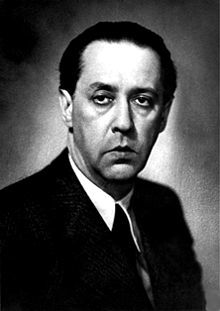
Sándor Márai (originally Sándor Károly Henrik Grosschmied de Mára) was a Hungarian writer and journalist. He was born in the city of Kassa in Austria-Hungary (now Košice in Slovakia) to an old family of Saxon origin who had mixed with magyars through the centuries. Through his father he was a relative of the Ország-family. In his early years, Márai travelled to and lived in Frankfurt, Berlin, and Paris and briefly considered writing in German, but eventually chose his mother language, Hungarian, for his writings. He settled in Krisztinaváros, Budapest, in 1928. In the 1930s, he gained prominence with a precise and clear realist style. He was the first person to write reviews of the work of Kafka. He wrote very enthusiastically about the Vienna Awards, in which Germany forced Czechoslovakia and Romania to give back part of the territories which Hungary lost in the Treaty of Trianon. Nevertheless, Márai was highly critical of the Nazis as such and was considered "profoundly antifascist," a dangerous position to take in wartime Hungary. Marai authored forty-six books, mostly novels, and was considered by literary critics to be one of Hungary's most influential representatives of middle class literature between the two world wars. His 1942 book Embers (Hungarian title: A gyertyák csonkig égnek, meaning "The Candles Burn Down to the Stump") expresses a nostalgia for the bygone multi-ethnic, multicultural society of the Austro-Hungarian Empire, reminiscent of the works of Joseph Roth. In 2006 an adaptation of this novel for the stage, written by Christopher Hampton, was performed in London. He also disliked the Communist regime that seized power after World War II, and left – or was driven away – in 1948. After living for some time in Italy, Márai settled in the city of San Diego, California, in the United States. He continued to write in his native language, but was not published in English until the mid-1990s. Márai's Memoir of Hungary (1944-1948) provides an interesting glimpse of post World War II Hungary under Soviet occupation. Like other memoirs by Hungarian writers and statesmen, it was first published in the West, because it could not be published in the Hungary of the post-1956 Kádár era. The English version of the memoir was published posthumously in 1996. After his wife died, Márai retreated more and more into isolation. He committed suicide by a gunshot to his head in San Diego in 1989. Largely forgotten outside of Hungary, his work (consisting of poems, novels, and diaries) has only been recently "rediscovered" and republished in French (starting in 1992), Polish, Catalan, Italian, English, German, Spanish, Portuguese, Czech, Danish, Icelandic, Korean, Dutch, and other languages too, and is now considered to be part of the European Twentieth Century literary canon.
This is an early work (1930) by this Hungarian author. A group of five young men are rebelling against school, against their fathers and against their upcoming draft into the fighting for WW I. Their fathers are a mixed bag; one is ultra-religious and beats his sons; another is obsequious to those above him socially; one is a colonel; younger fathers are away in the military but older ones are at home. All the boys are ready to be drafted as this is their last year of school.
The boys rebel by forming a club. They rent a room and spend all their money on clothing and parade around in front of each other in outfits that they don’t dare wear on the street. They feel that all the adults “act” and therefore they “act” too. Some of the prancing seems so obsessive that it seems like magical realism.
Obviously there is a bit of homoeroticism in all this. This theme comes more to the fore when they fall in with an itinerant actor who seems to be romantically interested in the boys. He dresses them in women’s costumes and they stage plays in the empty theatre.
To support their games, all of the boys steal. They steal from the family till at the shop; they steal household goods and pawn them; they steal from mothers and grandmothers.
The on-going war is another theme most elegantly expressed by how the bodies of the dead are returned by train to the town. In the early days the trains were met by a town political committee with speeches, a women’s group, religious leaders and a band playing the national anthem. Now the trains are met by two men with a donkey cart.to carry away the body. After the spring thaw bodies turn up in the rivers. One of the boys is a youth who was released from the fighting after losing his arm.
There’s some excellent writing:
Of the actor “It was as if his girth were no more than some kind of misapprehension that existed between him and the world at large, and he never ceased talking about it.”
“The town has become accustomed to the war in the way that one can get used to old age, the thought of death, to anything at all. “
“His bony hand would come into contact with his son’s face and administer light but very powerful blows with a cold methodical regularity, the kind delivered by people with heart problems, anxious – for the family’s sake – not to get themselves overexcited.”
One reviewer call it morbidly comic novel. There’s a tragic ending of course. With the ending we learn that the story was as much about social class as anything else. A good book but I didn’t like it as much as Portraits of a Marriage or Embers.
I’ve enjoyed several other novels by Sandor Marai and here are links to my reviews of those:
É um romance psicológico escrito em 1930, onde o autor analisa a decadência da burguesia num período conturbado da história da Hungria, bem como um assunto tão complexo, como interessante – Quando nos tornamos adultos?
Aqui não há um triângulo amoroso, mas um bando de rapazes, revoltados contra tudo e a tudo dispostos.
É o livro de Sándor Márai que menos gosto: confuso, perde-se o fio condutor e as personagens são difíceis de entender.
Excerto:
«Os senhores… não conhecem ainda a vida. Aprende-se devagar.»
Sándor Márai wrote 46 books and was considered to be one of Hungary's most influential authors, according to his Goodreads biograph-squib. Yet in the way that Columbus 'discovered' the New World and MLB hosts 'The World Series', Márai was 'rediscovered' by American publishing houses in the 1990s. One wonders how Márai would have taken the news, had he not ended his life with a bullet to the head while expatriating in San Diego, California in 1989.
'The Rebels', maybe his first novel, was 'rediscovered' third, according to the flyleaf. Other reviewers with more knowledge of Márai have said this is the least of his novels. If so, the others must be damn good.
I chose to read this novel as part of my WWI project, which has morphed considerably from my stated goal, which was to read a novel from each of the main European combatant countries. What I'm finding, though, is that reading novels from authors in other countries unearths a richer understanding, at least for me.
'The Rebels' is about a group of four students in Hungary in 1918. Their fathers are at war. And so will the students be next year, not knowing the War's end. They were not friends and nothing about them suggested they would ever be friends. Yet they allied. They became a 'gang'. They began to steal things for the sake of stealing, things they didn't even need. A saddle, for chrissakes. An exploitative actor joins them. So does one of their older brothers, back from the War, missing an arm. And one of them is a traitor.
There are two things at play here: an allegorical look at war, and anguish of adolescent homosexuality. Pat Barker plowed the same ground in Regeneration, and won awards, but to my ears 'The Rebels' is the greater work. It's the writing which makes me say so. Here are two lengthy (sorry) samples:
They walked besides the railings on soft, frail grass. The cobbler was sitting beside a taper in his little hovel, an illustrated almanac in his lap, reading the lives of the generals in a gentle undertone, syllable by syllable. From time to time he stopped reading, looked straight ahead of him, and ran his hand through his beard, moaning quietly. In the civic library, among its thirty thousand volumes, on the moonlit floor of the great hall, the rats were excitedly feasting. The old town had been infested by rats and a rat-catcher was summoned by the council. He locked himself in the theater for a few hours and by the time he had finished there were hundreds of dead rats lying on the stage, in the auditorium, and along the corridors. Abel could remember the rat-catcher who spent a mere afternoon in town, ridding the main public building of rats and mice, then disappeared along with his secrets and his council fee. Someone said he was Italian.
And....
The old solicitor who was the last in town to go to bed each night sat in his study in a cherrywood armchair, the scarlet broadcloth of which was secured at the edges with a speckling of white enameled tacks. He had a clutch of dusty glass cases on his lap and was examining his butterfly collection. Several thousand butterflies lined the walls in similar glass cases, the solicitor himself having captured them with his white butterfly net and put them in a stoppered bottle of potassium cyanide. He carried the cyanide bottle and the butterfly net around with him everywhere, in the back pocket of his long frock coat, into chambers, and into courtrooms too. He had lost two sons in the war. Their photographs stood on his desk in copper frames tied round with black ribbons of mourning. But he did not mourn for them any more because he was old, because it was already two years since they were killed, and because in two years a person can get over everything painful. He was currently examining a row of Cabbage Whites through his magnifying glass, taking great care over the process. A tobacco sieve lay on the table, and a stump pipe. The solicitor had been a lepidopterist for seventy years now: you could see him in the warm seasons of each year at the edge of town, his white beard swaying, the long tails of his frock coat floating behind him as he skipped over furrowed fields holding his net aloft, chasing butterflies.
I read those, stopped, and read and re-read them again and again. So many things to love about them. One short, to the point, sentence amid all the others. And rows. Of White Cabbages. Row, after row, after row ......
Master of the passions, in this novel, Sándor Márai dedicates himself not to the love triangles but to other issues equally susceptible to arousing strong emotions: what unites a group of young rebels against everything and everything arranged. He risks taking the reader to the center of a plot of errors and furies, complicities and betrayals, suffering and repulses. The book deals with the uncertainties and adventures of a group of boys, or rather a group as they define themselves, in the late spring of 1918, in a small town in Hungary, far from the front, where life seems calm but deeply shaken by war. Surrendered to themselves as parents fight in the front, these boys decide to free the demons from their revolt, driven by fiery hatred of the world, their imagination, and their arrogance. And by an eroticism, as much more enlightened as more implied - leaving the war to the world of adults and inventing games too dangerous. An obscure actor who becomes his hidden mentor, engaging them in a tragic and inevitable epilogue.
-La vida da un mordisco a los que creen poder devorarla.-
Género. Novela.
Lo que nos cuenta. Cuando se acerca el fin de la Gran Guerra, cuatro muchachos que viven en una anónima ciudad del Imperio Austrohúngaro están a punto de terminar su educación en el Liceo y de entrar en el momento de poder ser llamados a filas (excepto uno de ellos, no apto para el servicio de armas) para luchar en una guerra que al principio era muy lejana y ahora ya deja huellas de varios tipos en su entorno. Los muchachos comienzan a llevar a cabo pequeñas acciones de rebeldía que, cuando conocen a un peculiar actor que llega a la ciudad para trabajar en el teatro, comienzan a transformarse en algo más. Publicada por primera vez en 1930 pero revisada, corregida y ampliada por el propio autor en 1988 muy poco antes de su muerte.
¿Quiere saber más de este libro, sin spoilers? Visite:
A ausência dos pais que partiram para a guerra corresponde à sua incapacidade de encontrar um lugar no mundo. Eles combatem numa Guerra Mundial e os jovens sonham um mundo impossível. Forjam recordações. Embriagam-se numa obstinação sem objectivo. Há que crescer. Há que partir para a guerra. Há que rebelar-se.
Os homens que não partiram ou os que regressaram da guerra são os mutilados mental e fisicamente. Os que se instalam nas suas vidas. Que pregam verdades absurdas em tom apocalíptico. Profetas teatrais de insuspeitadas dissonâncias.
O medo da descoberta. O nonsense de uma vida sem rumo clama pelo sacrifício.
E que importa a morte ou a vida quando se habita nas águas turvas e agitadas que desabam do céu?
"Qui non siamo coinvolti nelle loro faccende. Detesto ciò che ci insegnano. Non credo in ciò che credono. Non rispetto ciò che rispettano. Ora non so che cosa accadrà, ma non voglio vivere in loro compagnia, non voglio neanche toccare il cibo che mangiano. Per questo sono qui. Perché qui posso violare quella che è la loro legge".
I ribelli è il terzo romanzo di Marai che leggo, dopo Le braci e Liberazione. In ognuno di questi romanzi, si nota l'eleganza, l'essenzialità, ma anche la semplicità delle parole di questo scrittore. I ribelli sono un gruppo di giovani o meglio la banda, come amano definirsi, nell'Ungheria del 1918, che si ribellano a tutto ciò che i loro padri hanno impartito loro. Si ribellano al mondo degli adulti, le loro azioni, al fatto che combattano in una guerra che i figli considerano ingiusta. Sono giovani che non amano la disciplina, la rifuggono, che vivono in un loro mondo, giovani senza mentori, senza figure che possano indicargli la via e il modo più adatto per vivere. Prendono il distacco dal mondo adulto, dalle loro regole, dalla loro disciplina cercando, anche attraverso piccoli furti, una fuga e un riparo. Il lettore precipita con loro in un mondo di errori, di inganni, di piccoli furti, di giochi pericolosi fino all'epilogo finale non dando loro nessuna prospettiva di futuro o di fiducia.
Although 3 stars says I liked it, I didn't. But the writing is at least 3 stars if not more. Marai keeps me turning the pages with his writing. Written in 1930, the story follows a small group of Hungarian teens who bond together over their fear of the future, the future that involves going into the Army and serving at the front in WW1. They rebel against their coming adulthood and involvement in war, but unable to come to grips with that reality, they rebel against the authority of school, family & societal norms. They make their own little world, they steal, they lie and attract the attention of an older man, an actor, and a user. They play dangerous games. They will be forever changed.
Faszinierendes Kleinstadtpanorama aus der Endzeit der k.u.k.-Monarchie
90/100 also viereinhalb Sterne, aber zweifelsohne ein Meisterwerk der frühen Dreißiger über jugendliches Unglück, das den Vergleich mit Robert Musils Törless, Franz Werfels Abituriententag, aber auch mit den Ostjudentumwerken von Joseph Roth nicht zu scheuen braucht. Der Vergleich mit den genannten Literaturgrößen, zu denen man auch den Stefan Zweig der Welt von Gestern heran ziehen könnte, ist aber keineswegs als Gotteslästerung gedacht und soll die literarischen Verdienste der gerade genannten keineswegs schmälern. Vielmehr werde ich Die jungen Rebellen eher ein wenig auf Kosten der allseits gerühmten Glut loben, denn jener Roman, der die Marai-Renaissance befeuerte ist zwar ein typisches Werk der Inneren Emigration, erscheint mir längst nicht so vorbildlich wie dieser halbautobiographische Gesellschaftsroman.
Kleine Warnung für stark konditionierte Leser
Allerdings dürfte das ohne jede Rücksicht auf die Maßstäbe späterer Generationen verfasste Buch durchaus in der Lage sein dürfte, bei Lesern mit starken politisch korrekten Reflexen, einen starken Brechreiz auszulösen. Denn die übliche Kompensationsethik für das Dritte Reich und jene sich daraus ergebende Poetik, die in so gut wie jeder Tatortfolge vorgeführt wird, funktioniert hier nicht: In Die jungen Rebellen sind nicht die Nazis oder andere Rechtsausleger die Kinderschänder und alle Verfolgten des Hitlerregimes automatisch die Guten, der Roman entstand 1930 und schildert eine Welt von Gestern, in der nur Erwachsene etwas zählten. Erwachsene, die sich in den Augen der Jugend, schon vor dem Weltkrieg und erst recht danach, aus komplett unglaubwürdig erwiesen hatten. Zum Sozialprofil einer k.u.k.-Kleinstadt im Hinterland, die mit dem Krieg seit vier Jahren durch Verwundetentransporte in Kontakt kommt, zählte damals auch ein jüdischer Pfandleiher, den die Gesellschaft in eine Rolle gedrängt hat, aus der er sein Kapital zu schlagen weiß; gerade beim Ausnutzen von Blößen, die sich das Bürgertum, auch in Gestalt der Söhne zu geben weiß. Es gibt keine Guten im eigentlichen Sinne, nicht einmal unschuldige Opfer, in diesem Erstlingsroman verfolgt jeder Protagonist mehr oder weniger erfolgreich seine eigenen Ziele. Allerdings haben drei der vier Jungs keine Ahnung, in welche Katastrophe sie schon vor der Einberufung zum Militärdienst hinein treiben oder auch getrieben werden. Denn einer spielt falsch und will die anderen nur zu gern im selben Dreck sehen, in dem er schon seit Kindertagen steckt. Nein, es gibt keine guten Menschen, auch nicht unter den Titelhelden, nur mehr oder weniger verstörte Jünglinge, die im letzten Schuljahr noch ein wenig Rebellion gegen die Welt der Erwachsenen spielen, bevor sie gegen Ende des vierten Kriegsjahres an eine der Fronten geschickt werden.
Eine heikle Gruppenbalance gewinnt ihre Eigendynamik
Der ältere Bruder von Tibor ist übrigens binnen kürzester Frist mit einem Arm weniger und eingeschränkten intellektuellen Fähigkeiten vom Isonzo zurück gekehrt und tut tapfer mit beim unverantwortlichen Treiben. Der schöne Tibor ist das Zentrum der Gruppe, der Arztsohn Abel (Marais alter ego) fühlt sich zu ihm hingezogen, obwohl der Bildungsbürger mit seinen Büchern den eher sportlich orientierten Offizierssohn langweilt. Dritter im Bunde ist Ernö, der Sohn eines sozialfrömmlerischen Schusters, der vor seiner Invalidität gern von Tibors Vater als Henker eingesetzt wurde. Vierter im Bunde und der Hässlichste im Schüler-Quartett ist der Kaufmannssohn Bela, der sich mit dem Geld, das er aus Vaters Kasse klaut, beliebt oder wichtig machen will. Die Unterschlagung einer Überweisung von 600 Talern an einen Geschäftspartner, bringt alle in Nöte, denn die Offizierssöhne versetzen das Familiensilber beim Pfandleiher Zavas, um den Fehlbetrag zu decken. Falls das Allerheiligste nicht wieder ausgelöst werden kann, bevor der Herr Oberst zurück kommt, droht schweres Ungemach. Doch Tibor und Abel haben keine Ahnung um wie viel tiefer sie längst in der Sch… stecken, bevor der Pfandleiher, dem das nicht rechtzeitig ausgelöste Silber längst zugefallen ist, auf die Ereignisse der letzten Nacht zu sprechen kommt, die ihm noch weitere Trümpfe in die Hand gespielt haben.
Mindestens gleichwertig mit Shylock
Ich will hier nicht zu viel spoilern, aber zu einem gewissen Zeitpunkt sieht es so aus als wäre der einsame jüdische Mann mit einer ganz traurigen Vita und einer spät entdeckten Schwäche für schöne Knaben der Einzige, der bekommt, was er will. Wie schon gesagt, Leser mit starken politisch korrekten Reflexen sollten einen Bogen um dieses Buch und den großartigen Monolog des Pfandleihers machen, der nicht nur den späteren Welterfolg Glut in den Schatten stellt, sondern es auch mit Shakespeares Shylock-Rede aufnehmen kann. Allein für die Seiten 219-252 lohnt sich die Lektüre und der Weg durch die gruschtelige Wohnung eines dicken alten Mannes, der zu jeder Mahlzeit ein Kilo Fleisch und Wurst verzehrt. Es ist absolut faszinierend wie Marai dem Leser erst den vollen Ekel vor dem Geruch in dieser mit allerlei Gerümpel voll gestellten Wohnung vermittelt, um im Monolog grotesk komische Elemente mit einer tragischen Handlung zu verbinden, die als Rechtfertigung für alles herhalten soll, auch das Angebot, das der schöne Sohn des Herrn Obersten nicht ablehnen kann, da der Herr Havas ja so ein gutes Herz hat.
Erzähltempo und Perspektiven
Marai komponiert gern auf einen Höhepunkt zu, der liegt in den jungen Rebellen deutlich später als in Glut, allerdings überschlagen sich die Ereignisse zuletzt geradezu. Der Autor lässt sich bei der Entwicklung seines gesellschaftlichen Panoramas Zeit, wechselt immer wieder den Blickwinkel für bezeichnende Momente, sein alter ego Abel hat zwar sozusagen das erste Wort und den ersten Kater und am Ende einen moralischen Katzenjammer, aber der Leser sieht die Welt nicht nur durch seine Augen oder die seiner drei Altersgenossen. Zu den Höhepunkten zählt auch der Morgen der Frau Oberst und ihrer Methoden zum Machterhalt in der Familie eine Passage, die höchstes Joseph-Roth-Niveau hat. Aber wer knapp 30 Seiten nicht erträgt, in denen die Welt mal nicht so funktioniert wie in jedem Tatort, sollte die Finger von den jungen Rebellen lassen und sich lieber eine der tagtäglichen Wiederholungen jener populären Krimi-Reihe antun, deren letzte 20 Jahre gewissermaßen in Dauerrotation laufen. Oder noch mal oder doch mal Glut lesen, das, trotz Meidung von Zeitbezügen, viel vorgestriger wirkt als das konkrete Portrait einer Epoche in ihren letzten Tagen.
I should give this four stars. The writing deserves at least four stars just for style alone (which I think is saying something considering it's a translation), but I still find myself holding back a little. This book disturbed and upset me, and was a somewhat uncomfortable read. That said, it was an excellently-written uncomfortable read.
The story follows a group of 17-year-old boys living in Hungary during the middle of the First World War. They are just finishing school and are imminently faced with either conscription or more-or-less forced enlistment into the army. Their fathers have been off to war for years, and one of the boy's brothers returns just before the start of the story minus an arm and with a serious case of PTSD, and joins their little gang.
The actual action of the story is in the boys' transformation into compulsive thieves of things they have no use for, other than to have said that they took them. They also take up with an extremely creepy middle-aged traveling actor, completely ignore their real life for the fantasy they've created for themselves, and immerse themselves in their various "games".
The action isn't really all that important, though. The Rebels is, as I heard it described in another review, a psychological novel at heart. The real point to the story, as I read it, is that these boys are quite simply going crazy from the piled on stresses of the war. Their fathers, who they despise, are absent and so is any sense of discipline. They all seem quite certain in the backs of their minds that they will not live out the war, and thus have a hard time seeing the point of school and living according to the rules of the authorities that remain. They are terrified of the front, but seem to long to just get the whole thing over and done with. And their pre-traumatic-stress, or whatever you would call it, drives them into reckless, selfish, stupid behavior that even they hardly see the point of. It's fascinating. And as if this wasn't quite enough, there is subtext and plain old normal text that hints at one of the boy's hero-worship of another as being rather a bit more than that.
It's a messy, chaotic novel that manages to be very refined. That's why I love this author. This wasn't my favorite, and for me it didn't come close to Embers which I remain in awe of, but it is remarkable in its own right.
Un libro que te deja un sabor de boca amargo. No por el libro mismo, que es breve, y escrito de una manera perfecta, se lee rápido. Pero la historia es muy fuerte. Un grupo de adolescentes, entrando a la adultez, que se rebelan contra el mundo adulto, al menos el mundo adulto que ellos conocen en Hungría, a fines de la Segunda Guerra Mundial, un mundo lleno de reglas, opresor, sin brillo. Esa es la historia principal, pero cada uno de ellos en realidad se está rebelando contra sí mismo, contra lo que es, y eso es exactamente lo que resulta tan conmovedor. Ernö, con el rencor de ser quien es y venir de donde viene, enfrentado con el cariño que le tiene a su padre y a lo que éste significa; Tibor, odiando lo que en él otros admiran y huyendo hacia la guerra y, eventualmente, la muerte; Ábel, rebelándose ante un padre ausente y una tía triste y fracasada, y por lo mismo rechazando a la copia de ellos en la que se está convirtiendo; y Bélas, despreciando la comodidad de ser un niño rico y despilfarrando su futuro. La escena del teatro con el actor es una maravilla metafórica. ¡Qué desesperanzador querer huir de quien realmente somos! Un muy buen libro.
Quasi una dozzina d’anni hanno separato la lettura di questo romanzo di Sándor Márai dal precedente, Truciolo, che tra l’altro rappresenta credo un volume piuttosto eccentrico nel quadro della cospicua produzione dell’autore ungherese. Ancora più indietro nel tempo è da ricercarsi la mia scoperta di Márai, che come per quasi tutti è avvenuta per il tramite della lettura de Le braci e L’eredità di Eszter, delle quali opere peraltro non conservo di fatto alcun ricordo. Fu proprio la consapevolezza che i miei meccanismi mnemonici a volte iniziavano a tradirmi anche rispetto alla lettura di opere importanti che mi spinse a cercare un luogo dove fissare a caldo le impressioni ricevute da un libro. Se da un lato quindi leggere di nuovo Márai ha costituito per me una sorta di ritorno a casa, a quel primo novecento che considero una sorta di luogo mitico della letteratura, dall’altro ha rappresentato di fatto l’ennesima scoperta di questo autore, ed ogni volta non posso che confermare la sua importanza letteraria, non solo relativa. Sándor Márai, figlio della piccola nobiltà magiara, nacque - emblematicamente nel 1900 - a Kassa, nel Regno d’Ungheria, oggi Košice in Slovacchia, e nella sua lunga vita attraversò drammaticamente le vicende del secolo breve. Giornalista in Germania subito dopo la fine della prima guerra mondiale, quindi a Parigi, tornò in Ungheria nel 1928, e sino al 1945 scrisse e pubblicò (in ungherese, non in tedesco, scelta significativa) la parte più corposa della sua vasta produzione letteraria, ritirandosi peraltro in quello che definì un esilio interno di fronte al progressivo avvicinamento del regime di Horthy e della borghesia nazionale, classe alla quale sentiva di appartenere, al fascismo prima e al nazismo poi. L’occupazione nazista lo vide costretto a rifugiarsi in campagna, anche perché aveva sposato una donna di origine ebraica. I rapporti del borghese e liberale Márai con il nuovo potere popolare divengono presto complicati, e nel 1948 arriva la scomunica della sua opera nientedimeno che da parte di György Lukács: Márai lascia l’Ungheria. Soggiornerà prima a Napoli quindi negli USA, di cui diverrà cittadino, collaborando tra l’altro a Radio Free Europe, il canale radio finanziato dalla CIA per diffondere propaganda anticomunista (attivo ancora oggi). Visse di nuovo in Italia, a Salerno, tra il 1968 e il 1980. Tornato negli USA, persi sia la moglie sia il figlio adottivo, si suicida nel 1989. La sua opera, di cui si erano perse le tracce e che in Ungheria non era stata più pubblicate nel dopoguerra, cominciò ad essere riscoperta in Francia all’inizio degli anni ‘90: ovviamente nel nostro Paese la pubblicazione di Márai si deve ad Adelphi, nel cui catalogo oggi si trovano quasi una ventina di titoli, la quasi totalità nella prestigiosa Biblioteca Adelphi. I ribelli, del 1930, è di fatto il primo romanzo vero pubblicato da Márai, che aveva esordito a 18 anni con una raccolta di poesie e nel 1924 aveva dato alle stampe il romanzo breve Il macellaio. Il romanzo narra le vicende di quattro ragazzi, compagni di classe, che nell’anno in cui devono affrontare l’esame di maturità si sono legati di forte amicizia, formando quella che chiamano la banda. Siamo nella tarda primavera del 1918, in una città di provincia dell’Ungheria, che l’autore – per sottolinearne l’origine immaginaria – colloca in un paesaggio montano ma che ”… possiede anche un angolo di mare, quel tanto che basta a far bella figura e a formare un golfo”. Il tempo durante il quale seguiamo i quattro ragazzi è brevissimo, poco più di ventiquattrore, ma nel corso della narrazione numerosi flashback e digressioni permettono al lettore di ricostruire le vicende pregresse dei quattro ragazzi ed il contesto in cui queste avvengono. La narrazione è in terza persona, anche se l’autore sembra in qualche modo identificarsi maggiormente in uno dei ragazzi, Ábel: iniziamo quindi a conoscerlo, per poi passare agli altri tre. Ábel (l’unico dei quattro di cui non conosciamo il cognome) è figlio di un medico che ora è al fronte e da mesi non dà più notizie; figlio unico, la madre è morta quando lui era ancora piccolo, tanto che di lei ha un ricordo confuso. È stato allevato da una zia zitella, cui a suo modo è affezionato, che si è trasferita da loro alla morte della madre. Con il padre ha sempre avuto un rapporto gerarchico e distante, a causa delle sue (del padre) inadeguatezze affettive. Legge molto. Anche Tibor Prockauer appartiene alla buona borghesia cittadina: suo padre è colonnello, ed al pari del padre di Ábel è da tempo in guerra. Sua madre, da tempo malata e costretta a letto, controlla nondimeno con mano ferrea l’economia familiare. Tibor è di una bellezza volitiva; a tratti efebici associa il vigore dello sportivo. Ha un fratello maggiore, Lajos, che è da poco tornato dal fronte dell’Isonzo con un braccio amputato, e frequenta assiduamente la banda. È stato bocciato all’esame ma non ha ancora comunicato la notizia alla madre. Béla Ruzsák è figlio di un negoziante del centro, appartenendo quindi alla piccola borghesia agiata della città. Del padre, che lo batte sovente, ha un timore reverenziale, il che non gli impedirà, come si vedrà, di ribellarsi in qualche modo alla sua autorità. Ama vestirsi in modo eccentrico: è tutto sommato la figura messa a fuoco con meno precisione dall’autore. Ultimo membro della banda è il piccolo Ernö Zakarka, figlio di un povero calzolaio sulla via della pazzia a causa di manie religiose, che sogna il riscatto sociale del figlio. Vive in un buio seminterrato che funge anche da laboratorio del padre, il quale una volta, in un accesso di follia, ha ucciso senza ragione una cornacchia che viveva con loro e cui il figlio era molto affezionato. Dunque quattro ragazzi sull’orlo della vita adulta, che però dal mondo degli adulti, ed in particolare dai padri, non hanno ricevuto che assenza e distanza; sanno tra l’altro che l’ingresso in tale mondo comporterà, subito dopo la maturità, la chiamata alle armi. Questo è il motivo principale per cui la banda si è formata: mettere in comune il loro disagio, il loro senso di avversione verso un mondo che li sta ingannando, trasformandolo in una ribellione. Ovviamente gli atti in cui questa ribellione si concretizzerà saranno all’inizio poco più che goliardate: rubare qualche libro dalla biblioteca scolastica, tormentare i professori. Ben presto però i ragazzi sentono il bisogno di uno spazio loro, ed affittano una stanza in una squallida locanda fuori città; Béla inizia a rubare parte dell’incasso del negozio del padre, mentre Tibor sottrae da casa l’argenteria di famiglia, impegnandola per una somma importante. A poco a poco la stanza si riempie di vestiti ed altri oggetti comprati con i soldi che i quattro si procurano o sottratti nelle rispettive case dagli oggetti cari ai genitori. Anche grazie a questi oggetti i quattro definiscono un codice di comportamento e inventano giochi il cui tratto comune è essere al di fuori delle convenzioni e del tutto non utilitaristici. La banda non è comunque un club esclusivo: oltre a Lajos, il fratello mutilato di Tibor, vi sono ammessi anche i fratelli Péter e Tamás Garren (in seguito protagonisti di un ciclo di romanzi di Márai, ma che qui rimangono nell’ombra), ma soprattutto da qualche tempo vi è ammesso Amadé Volpay, grasso attore componente della compagnia teatrale che si esibisce da settimane in città. Amadé è stato presentato ai ragazzi da Lajos Prockauer, ed esercita su di loro il fascino dell’ambiguità: il suo essere attore non lo qualifica infatti come pienamente adulto, ma come un trait d’union tra il loro mondo e quello di fuori, affascinandoli con le sue esperienze di viaggio e la varia umanità incontrata. Questo è il microcosmo umano, sociale e psicologico entro il quale si sviluppa la vicenda, della quale come detto il lettore segue in diretta solo le fasi finali. Rispetto a quanto detto sinora c’è però da introdurre un nuovo elemento, che percorre tutto il romanzo in modo quasi subliminale ma costituisce un asse portante dello sviluppo delle vicende narrate: il tema dell’omosessualità. Si può affermare che questo tema, da Márai lasciato solo intuire al lettore per quasi tutta la durata del libro (al punto da aver eliminato, nell’edizione canadese definitiva del 1988, i passi in cui diveniva troppo esplicito) si espliciti a due livelli, o meglio in due forme distinte. Vi è infatti l’attrazione, che assume connotati erotici, di ciascuno degli altri tre ragazzi nei confronti di Tibor, il Tibor bello e sportivo, dai tratti e dai modi fini ed eleganti; accanto alla comune matrice ribellistica, è stato questo l’elemento coagulatore del gruppo. È un’omosessualità latente, quasi naturale in un gruppo di ragazzi peraltro tutti vergini, per i quali il sesso è sino ad allora stato solo fantasie di bordelli, fonte di turpiloquio e vanterie, nonché solitarie pratiche segrete. Vi è però anche l’omosessualità del mondo degli adulti, quella praticata, che a volte diviene pedofilia, e che determina in buona sostanza l’epilogo della vicenda. È questo un altro aspetto del mondo degli adulti, uno dei tanti inganni da parte di coloro ai quali i quattro ragazzi intendono ribellarsi, uno dei tanti segreti della vita reale che non trovano spazio nella narrazione dei valori su cui si fonderebbe la società. Già quanto detto sin qui lascia intuire il capolavoro, e come ogni capolavoro anche I ribelli si presta a vari livelli interpretativi. Indubbiamente la matrice più immediata è quella del bildungroman: l’uscita dall’adolescenza dei quattro ragazzi, la loro incerta identità sessuale, il loro ribellismo che assume forme tanto grottesche quanto sterili, sono tutti elementi che concorrono ad una lettura psicologica del romanzo. Robusta risulta anche la componente psicanalitica, come testimoniato dall’accento dato nel romanzo al rapporto di ciascuno con il padre e alle accennate pulsioni omoerotiche che permeano la dinamiche del gruppo. Di maggior interesse sono però a mio avviso livelli di lettura che derivano dal contesto sociale e politico in cui la vicenda è immersa. Siamo come detto nella primavera del 1918: il clima è quindi quello del finis Austriae, sia pur visto da una prospettiva periferica. Non vi è però in Márai alcuna nostalgia per quel mondo, anzi. La guerra, che non entra mai direttamente nella narrazione se non per il tramite del moncherino di Lajos, non è che l’ultimo atto della putrescenza della società e delle istituzioni, i cui prodromi c’erano comunque già tutti prima. Ne è testimone la più sacra delle istituzioni, quella familiare, che Márai letteralmente massacra. I padri presenti non sono migliori di quelli al fronte: tutti vedono nei figli delle loro vittime, sulle quali esercitare il loro potere e sfogare le proprie frustrazioni. Ma ancora più impressionante è, a mio modo di vedere, il ritratto che Márai fa dell’unica madre presente nel romanzo, quella dei fratelli Prockauer: una signora tirchia ed occhiuta, che si finge malata per controllare meglio i suoi figli e la servitù, i cui rapporti con il marito erano improntati, sin dalla gioventù, ad una fugace ed occasionale animalità. Né può sfuggire la precisa connotazione di classe che l’autore conferisce ai suoi personaggi: i quattro protagonisti in particolare sono molto ben caratterizzati in questo senso, soprattutto in relazione alla connotazione sociale dell’epoca e del luogo. Tibor è figlio dell’alta gerarchia militare, appartenendo quindi all’élite dominante par excellence; Ábel appartiene alla media borghesia intellettuale e delle libere professioni; Béla, come detto, è figlio di un negoziante, mentre il piccolo Ernö, non a caso la vera vittima di tutta la vicenda, sembra quasi appartenere ad una sorta di disperato Lumpenproletariat urbano. Saranno proprio queste profonde differenze, in particolare l’odio di classe nutrito da Ernö verso i ricchi e raffinati compagni a generare in ultima istanza gli sviluppi della vicenda. Se Ernö è la vittima, i suoi carnefici, oltre al padre, sono comunque i rispettabili componenti della società, i signori perbene che frequentano il caffè sul corso, l’attore Amadé Volpay, ma anche i suoi giovani amici borghesi, che lo hanno sempre trattato con sufficienza e non hanno mai capito il suo disagio. Tramite loro viene chiamata in causa l’intera borghesia, i cui rampolli sono diventati adulti in quel 1918 grazie al ribellismo asfittico e tragico da lui narrato e che ormai sono verosimilmente classe dirigente nell’Ungheria sulla via della deriva fascista del 1930. Se è vero quindi che, come fu frettolosamente classificato dalla neonata Repubblica Popolare d’Ungheria, Márai è scrittore borghese è altrettanto vero che della borghesia cui era organico sapeva analizzare e comprendere le tare sociali, e le conseguenze cui queste l’avrebbero portata, come emerse già a suo tempo dalla lettura di Truciolo. Forse in questo caso l’immenso György Lukács avrebbe dovuto essere più cauto nel giudizio: avrebbe tra l’altro fornito un propagandista in meno alla CIA. Resta da dire della struttura del romanzo e della scrittura di Márai. Anche sotto questi aspetti siamo a mio avviso al cospetto della grande opera. La scelta di comprimere la narrazione diretta in poche ore, da cui si dipartono digressioni e flashback, conferisce al romanzo un fascino particolare e permette al narratore di introdurre elementi di conoscenza quando serve. Márai è del resto abilissimo nella gestione quasi cinematografica della scena, alternando campi lunghi a piani-sequenza, azioni collettive a monologhi interiori, tanto che il lettore resta impigliato in una serie di presenti perfettamente funzionali alla complessità delle tematiche trattate. Questo modo di scrivere dovrebbe aprire il dibattito sul presunto realismo di Márai, che se è tale risulta quantomeno articolato: da citare assolutamente in questo senso sono le due scene madri del romanzo: la rappresentazione teatrale organizzata da Amadé, nella quale prevalgono accenti espressionisti (con analoghi tratti è del resto tratteggiata la figura dell’attore) – probabilmente assimilati dall’autore nella sua frequentazione berlinese – e il drammatico colloquio che Ábel e Tibor hanno con Havas, l’uomo del banco dei pegni, nel tentativo di riscattare l’argenteria dei Prockauer; anche in questo caso tinte forti, sottolineate dal lucore dei grassi che Havas ingurgita, la fanno da padrone. Magistrale, infine, a mio avviso proprio per la sua carica quasi simbolista, la scena finale del ritorno in città. Spesso gli autori del primo novecento scoperti o riproposti da Adelphi verso la fine del secolo rispondevano più alla necessità di grattare il fondo del barile prima dell’abbandono di un filone che si era rivelato estremamente proficuo. Non è a mio avviso il caso di Sándor Márai, che anche con questo romanzo, forse soprattutto con questo romanzo conferma di essere uno scrittore che è necessario esplorare, se si vuol tentare di comprendere la storia europea.
This is a wonderful novel, a great novel, one of those masterpieces whose roots are in the Austro-Hungarian empire even though they were written long after it had disappeared. It is not a novel of nostalgia though it is a novel of end times. The boys in the novel have come of age during the long years of the first world war and they know it is lost, that behind all the patriotic slogans they hear at school and read in newspapers there is nothing substantial or true. All they know is that they are only a few months away from joining their older brothers and even fathers as pointless canon fodder to defend illusions. Their rebellion is the rebellion of children who know they are being lied to but don't know what the truth is or even if there is any truth. Even their acts of rebellion are pointless, stealing worthless baubles, the manifestations of the now bankrupt values of the world they live in and which they may die for but which will not be there by the time they leave the army, if they live.
This is one of the great novels of the twentieth century and as poetic and moving as 'All Quiet on the Western Front'. It is possibly the greatest anti-war novel that never makes it to a battlefield.
Marai is a writer of exquisite nuance and subtlety - I cannot imagine how dreadfully unhappy he must have been during his exile in San Diego after WWII - that he killed himself just before the Hungary he loved was reborn and his own writings were rediscovered in the West is tragic.
This remarkable novel, over 80 years old now but not available in English until 2007, explores the interactions of a group of friends in their last year of school in 1918, expecting shortly after graduation to be drafted into the war. Their small city more or less devoid of father figures for them, they rebel against the authority of school, the empire, tradition. Stately and relatively "traditional" in its narrative style, its content is certainly far less predictable and conventional. Powerful, insightful, humane.
Forse erano passati due anni dall'ultimo romanzo letto di Márai. Non ci si può privare così a lungo della straordinaria bellezza intrinseca delle sue opere. Non commetterò più questo errore, anche se ho letto già più della metà dei suoi libri e vorrei non finissero mai.
Mancano le parole per parlarne, mancano le parole per descrivere questa meraviglia qui sopra; ho solo un groviglio di sentimenti e di emozioni che turbinano nella mia testa e nel cuore. Sono grata all'universo per Sándor Márai. Sono grata all'universo per il dono preziosissimo e imprescindibile della letteratura, perché questa, signori, è alta, altissima Letteratura. Se I ribelli non è il più bello della sua intera produzione poco ci manca.
Le parti tagliate dallo stesso Márai, incluse a fine libro, sono una perla dolceamara che vorrei rileggere all'infinito.
A curious story written in 1930 about four 18 year old boys who, in 1918 are about to graduate and then immediately leave for the front. This abrupt transition from childhood to the known and unknown terrors of the adult world is the vehicle that carries Màrai’s narrative. There’s a certain experimentalism to this novel that he struggles to sustain. The impromptu theatre performance, the homo-eroticism and the evil Jewish pawnbroker are all a bit disconcerting. But then placed beside sending children off to war they feel appropriate, more or less. Màrai was 18 years old in 1918.
I Ribelli di Sándor Márai esce nel 1930 quando l'autore aveva trent'anni ed era appena tornato in patria, in Ungheria, dopo un decennio di esilio volontario. Il romanzo fu incluso come preambolo al ciclo dei Garren e ripubblicato solamente nel 1988 a Toronto dopo essere stato rivisto dall'autore. Il testo uscito presso Adelphi rispetta l'ultima volontà di Márai e le parti espunte sono inserite in una nota finale. Molti dei tagli riguardano prevalentemente gli episodi in cui emerge in maniera chiara il tema dell'omosessualità. I Ribelli è un romanzo di formazione: i protagonisti sono un gruppo di ragazzi, una banda come da loro stessi definiti, che rifiutano il mondo degli adulti e tentano in tutti i modi di rimanere aggrappati alla loro adolescenza. La storia è ambientata in un luogo sconosciuto dell'alta Ungheria, durante l'ultimo anno della prima guerra mondiale. La guerra è soltanto accennata, ma il suo influsso si sente nella lontananza dei padri partiti per il fronte e nella povertà e degrado che regna in città. Abbandonati a se stessi, ribelli e confusi, incapaci di aprirsi e chiedere aiuto, curiosi e tracotanti, i ragazzi della banda entrano in contatto con un oscuro attore e un perverso uomo del banco dei pegni, Havas. L'atmosfera erotica è palese nel testo, anche dove non è stata espunta: da un lato vi è la violenza del sentimento puro di Ábel verso Tibor fatta di sguardi e di confessioni, dall'altro vi è l'attrazione sessuale del mondo degli adulti verso Tibor che si conclude con il bacio dell'attore al ragazzo (vestito da donna durante una recita serale equivoca) e il colloquio tra Havas, Tibor e Ábel in cui ai ragazzi si fa una strana proposta. Il climax del romanzo si raggiunge nel passo della recita serale a cui ho accennato sopra: i corpi grazie ai travestimenti cambiano e a cambiare è soprattutto quello di Tibor sotto vestiti e parrucca da donna. Il ragazzo non riesce a smettere di ammirarsi allo specchio «Tibor si voltò immediatamente per abbandonarsi di nuovo alla malia dello specchio». Ábel in un passo espunto ci dice che Tibor è bello e in abiti femminili lo è ancora di più: «Il figlio del colonnello Prockauer era chino sullo specchio, affascinato, in una sorta di rapimento da Narciso. Due lunghe trecce bionde ricadono sulle sue spalle, l'abito di seta dalla vita alta gli modella il corpo; sollevò la gonna con una mano incrociando le gambe avvolte in calze di seta e i piedi calzari in scarpette di vernice [...]. Le ciglia si erano allungate in modo stupefacente sotto le dita di Amadé (l'attore) mentre i brufoli erano coperti dal cerone rosato che l'attore gli aveva steso delicatamente sulla guance». È Amadé che veste e trasforma i ragazzi, li guarda, conosce i loro segreti più intimi. È lui che si spoglia in scena e balla con Tibor in un crescendo di tensione sessuale «ora l'attore sperimentò una nuova movenza: si accostò a Tibor in modo quasi impercettibile, senza attirarlo a sé, e tuttavia cominciarono a danzare corpo a corpo, sempre più vicini, più uniti[...]». Se il mondo degli adulti li coinvolge nei loro giochi perversi è perché all'interno della banda vi è chi ha tradito e cerca vendetta. Il tradimento è l'odio scaturiscono da problemi di natura sociale e di classe. Tibor e Ábel sono figli di gente benestante, Bela non ha problemi di denaro, Ernö invece vive in miseria con il padre calzolaio. Alla fine del romanzo, nel monologo Ernö spiegherà cosa ha portato alla rovina la banda e al suo desiderio di vendetta: «Tu non eri mio amico, Prockauer. Non eri mio amico, Ruzsák, tu che sei pieno di soldi[...]. Stavo volentieri in tua compagnia, Prockauer, mi sarebbe piaciuto diventare tuo amico, proprio come a questi qui. Voglio dirti una cosa, adesso posso dirtela [...]: c'è qualcosa in te che ti procurerà un sacco di guai nella vita... Tu non puoi farci niente, è qualcosa che attira gli uomini». Ernö prosegue spiegando perché vi è una differenza tra lui e Tibor e perché non vi può essere amicizia, tra loro la differenza di classe è troppo marcata: «Ma io non potevo diventare tuo amico perché tu sei quello che sei, e io sono il figlio di mio padre, non posso uscire dalla mia pelle. Mi sarebbe piaciuto essere tuo amico, ma tua madre, anni fa, una sera che ero stato a casa vostra, mi aveva data con aria magnanima un paio di scarpe a casa per farle risuolare, per aiutare il mio povero babbo ammalato procurandogli un po' di lavoro[...]». Il monologo è lunghissimo e elenca tutti i motivi per cui Ernö odia il mondo di Tibor e prosegue così «Io sono un miserabile vengo dall'altra sponda, e non esiste nessuna strada che possa condurmi al vostro mondo». Il furore, i tradimenti, le insofferenze, la violenza trascinerà il gruppo verso un tragico epilogo come c'è da aspettarsi. Catturata dalla prosa coinvolgente di Márai, ho letto il libro in pochissimi giorni e ho pensato a quali altri testi hanno le stesse atmosfere di decadenza, ribellione e tensione e mi sono venuti in mente La morte a Venezia di Mann e I turbamenti del giovane Törless di Musil e i ragazzi che in entrambi i romanzi sono motivo di turbamento (Tadzio e Basini).
Rebeldes é o terceiro livro do autor Sándor Márai que leio. Este autor revelou-se logo como sendo um dos meus favoritos, pela sua obra intitulada As Velas Ardem Até Ao Fim, que me marcou de uma forma inexplicável. Como já há algum tempo não pegava numa obra do autor, decidi matar saudades com este Rebeldes, que fala sobre um grupo de jovens que se encontram naquela idade entre o ser deixar de ser criança e passar a ser adulto, que é declaradamente uma fase de rebeldia. Neste livro, este grupo de jovens que se intitulam como o bando, rebela-se contra a vida que levam e contra a sociedade em que estão inseridos. Seja rebeldia contra os pais e o sistema imposto em casa, seja rebeldia na escola, seja na vida social que levam, os jovens caracterizam-se pelas suas atitudes irreverentes e apaixonadas. A guerra que veio abalar o país onde vivem é também um factor que influencia estes jovens, que procuram novas emoções para a vida aborrecida que levavam até então. Antes indivíduos solitários, é a partir do momento em que se juntam que os problemas também se instalam. As emoções vão, lenta e subtilmente arrasando todas as ligações que outrora se criaram entre estes jovens rebeldes a pouco e pouco, até que o bando devagar se desfaz mas não sem as suas consequências. Sendo esta uma obra da autoria do Sándor Márai, confesso que as minhas expectativas se encontravam bastante elevadas. Gostei bastante dos livros que já li dele e um deles marcou-me realmente muito, pelo que esperava desta obra algo parecido e ao mesmo nível. Reflectindo sobre a leitura, encontro-me dividida. Não existe dúvida nenhuma de que esta obra é uma delícia em termos de escrita - a escrita do autor é fabulosa e tem muito potencial para encantar os leitores (nem todos é certo). Ele tem uma maneira única de descrever os personagens e o enredo evolui sempre de uma maneira natural, recheada de considerações profundas a enlear a narrativa. Os acontecimentos estão encadeados de uma forma subtil e é por vezes difícil dar pela acção a avançar, pois estamos tão embrenhados na narrativa que nem nos apercebemos de que a história já avançou de forma considerável. Este é um ponto neste autor que me continua a maravilhar de livro para livro. Sándor também tem um conhecimento vasto sobre a natureza e psicologia humana. Não só ele consegue retratar muito bem os tons de cinzento que existem na nossa natureza como também ele dá o passo seguinte, que é o de dar a perceber ao leitor que o personagem reage de uma certa maneira porque tem uma motivação especial. Grande parte das vezes podemos apenas supor porque é que os personagens vão por um determinado caminho e não por outro, pois cada qual tem a sua muito única motivação pessoal. E esse é também um factor que distingue este autor.
Contudo, apesar de todos os factores positivos, não posso deixar de fazer comparações. E creio que o meu problema com este livro não foi não gostar da leitura (claramente este é um livro que se deve ler e é uma leitura que vale a pena) mas sim as expectativas que criei, devido à estreia que tive com o autor. Da maneira como adorei o primeiro livro que li dele, tudo o resto parece ficar na sombra de tal obra. Tenho perfeita noção que isto acaba por ser injusto para todas as obras que lerei de Sándor, mas é uma comparação que não posso deixar de fazer, é mais forte que eu. De qualquer forma, não posso retirar valor a este livro e foi uma leitura que embora não me tenha maravilhado, deu para matar as muitas saudades que tinha dos livros do autor. aqui
Não sei que mais acrescentar à sinopse porque é um bom resumo do livro. Numa pequena cidade do interior, restam as mulheres, os idosos ou doentes e as crianças. Todos os jovens e homens em condições de lutar encontram-se na frente de guerra. A vida de quem fica, dos miúdos que ainda não têm idade para lutar e que ficam praticamente abandonados, sem supervisão, livres para fazer tudo o que a sua imaginação conceber é aquilo de que fala o livro. A rebeldia típica da idade, o constante desafiar da sorte, o desprezo pelos adultos que ficaram, as relações que se estabelecem entre si, as angústias próprias da idade e a certeza de que não regressarão com vida quando chegar o dia em que se juntarão aos pais para combater. Os únicos adultos que admitem e incluem nos seus segredos é um agiota e um actor (da companhia de teatro que chegou à cidade). Nunca é muito claro o que foi que fizeram, no entanto, acabado o liceu, estes miúdos, na realidade praticamente adultos, parecem sentir que o dia em que se tornam adultos se aproxima e tentam, de certa forma, resolver alguns dos problemas que criaram na sua fase de rebeldia. Com a aproximação da idade adulta, o que quer que fosse que unia estes miúdos parece estar a desaparecer, o bando parece não fazer mais sentido e o destino diferente que se adivinha para cada um deles parece provocar algum desconforto, alguns segredos são desvendados e, o mais provável é que o mal que foi feito não poderá ser remediado.
Gostava tanto de não ter achado este livro esquisito e confuso... Gostava de não ter de gostar menos de um livro do Sándor Márai. Percebo a história, gostei das personagens, mas achei a escrita confusa.
Embora não seja, de longe, o melhor livro que já li, não posso não recomendar um livro de Sándor Márai. Posso é avisar que, se nunca leram Sándor Márai podem sempre começar por um outro livro dele. :)
One of the things I love about Sandor Marai's writing is the ease at which the reader can sink into his prose. His writing is so evocative that every story I've read of his really comes to life on the page - and The Rebels is no exception.
This was a great story that captured both the period setting and that moment when one ceases to be a child and becomes an adult. The boys in the gang are all so distinct and yet eerily the same and the reader can feel the fragility of their bond throughout the book.
I've read four of his books now, but sadly there are only two more left for me to read in English. Luckily, others are available in German, so I will at least be able to continue reading his work. I hope that more are released in English soon so that others can enjoy this great writer.
This is a worthy addition to the library of any literary fiction fan.
I was torn between giving it 3 or 4 stars. I decided for 3, despite the marvellous writing. It was good and clearly a Sándor Márai book, but after reading the brilliant Embers I couldn't give it more than that. It was a good reading, allthough kinda uncomfortable, morbid and depressive. It's set in Hungary during the WWI and it's sad and beautiful, but there is something I don't quite know what it is that's missing.
This book isn't just about teenage boys being rebel, it goes deeper than that. It's the psychological side of the book that matters the most, what you read in those boys action and the reasons why they're doing it. Great job, Márai.
Well written, well translated novel about a group of Hungarian boys about the graduate from high school and be sent off to war. The boys are at an awkward stage of their lives, mostly boys, but occassionally forced to act like adults. I found this book to be a cross between Donna Tartt's The Secret History, with a little bit of Catcher in the Rye. If you liked The Secret History, I think you would like this. I did not like either.
Dit is niet zo'n makkelijk boek, maar wel intrigerend. De hoofdpersonages proberen de volwassen wereld op een krampachtige manier af te weren, maar berokkenen hierdoor anderen, maar vooral zichzelf veel schade toe. De schrijfstijl is wennen, maar bij momenten bijna mesmeriserend. De personages zijn afwisselend naïef en irriterend, twijfelen tussen besef en ontkenning. Uiteindelijk kan niemand ontkomen aan zijn (nood)lot...
Non ho letto tutti i romanzi di Marai. Ma dei tre-quattro che conosco questo mi sembra decisamente il più bello. Questa banda di ragazzi è descritta in maniera efficace, nelle controversie e nelle ambiguità che possono essere solo dell'adolescenza. Mi è rimasta per molto tempo in testa la scena finale del romanzo: una disperata confessione di odio/amore che si stempera cupamente in marcia funebre, un po' l'emblema di tutto il romanzo. Opera tra le più delicate dello scrittore, che censura taluni passi - riportati in appendice.
mi sono resa conto leggendo i passi tagliati e riportati alla fine del libro che le cose le capisco solo se sono scritte chiaramente (le allusioni non fanno per me) e che quindi fino alla fine non avevo capito un bel niente. Questo ha reso le ultime decine di pagine molto inaspettate e quindi decisamente più scorrevoli, dopo pagine pagine che ho trovato pesanti, noiose e decisamente scritte da un uomo.
Bizar verhaal. Interessante sfeerbeelden. Echt een jongen wordt man verhaal. Je waant je terug op de middelbare school. Een paar geweldige grappen zitten er in die je toen had willen kennen. Verder vrij vaag en niet zo pakkend.
This book involves a casually homicidal bible verse spouting cobbler and culminates in a gang of friends getting blackout drunk and performing a cross-dressing play for an empty theater, all directed by a roaming ne'er-do-well actor, and I can still only give it 3 stars
This entire review has been hidden because of spoilers.