Voici le grand livre de Peter Handke. L'auteur y emprunte, comme déjà dans plusieurs ouvrages précédents, le masque d'un narrateur qui lui ressemble : Georg Keuschnig, écrivain autrichien habitant près de Paris, qui évoque ici une année de sa vie dans une banlieue tranquille en lisière de forêt. La baie de Personne n'est autre que cette niche écologique, microcosme ouvert en fait sur le monde entier par le jeu du souvenir, de l'attente et des amitiés. Somptueusement écrit, ce récit poétique d'une aventure intérieure à la fois solitaire et unanimiste confirme magistralement la place de Peter Handke parmi les grands écrivains de ce siècle, comme Rilke, comme Pessoa.
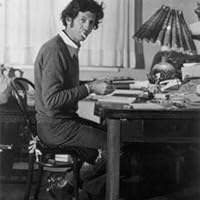
Peter Handke (* 6. Dezember 1942 in Griffen, Kärnten) ist ein österreichischer Schriftsteller und Übersetzer.
Peter Handke is an Avant-garde Austrian novelist and playwright. His body of work has been awarded numerous literary prizes, including the Nobel Prize in Literature in 2019. He has also collaborated with German director Wim Wenders, writing the script for The Wrong Move and co-writing the screenplay for Wings of Desire.
It was thrilling. It was absolute drivel. I can't talk about it. Let me tell you everything about it. Wonderful. Awful. There is no sense in it. There is a whole world of sense in it. I can't explain how thrilling it is. I can't describe how maddeningly boring it is. I only skimmed a few pages. I read the whole books many times. I definitely have given up on it, I'll never open it again, I'll sell my copy. I cannot and shall not stop rereading it. Handke? Try yourself.
این کتاب هاندکه کتاب سرراستی نیست. انگار که پشت صحنهی کتابهای دیگرش باشد. مشخصاً اشتراکات و ارجاعات زیادی به شاهکارش دارد، منظورم رمان «تکرار» است. حتی فیلیپ کوبال که راویِ «تکرار» است اینجا باز سر و کلهاش پیدا میشود، آن هم به عنوان دوستِ هاندکه که البته خودش هم نویسنده است. نویسندهای گمنام. از اهالی روستایی در همسایگی روستای آبا و اجدادی هاندکه. مجموعهی این اشارات باعث میشود فکر کنیم فیلیپ کوبال کسی نیست جز خودِ هاندکه. باعث میشود بیشتر یقین کنیم که هم این کتاب و هم «تکرار» هر دو به شدت اتوبیوگرافیکند. اما این همهی مسأله نیست. (مسأله اصلاً چیست؟ یکی از هنرهای هاندکه همین است که لابلای متنش سوالاتی طرح میکند، سوالاتی نسبتا گنگ که در عین حال میتواند در دل متن معنایی دیگرگون داشته باشد. سوالاتی که در کلیترین حالت میتوان گفت اشاراتی معنوی/روحانی/اسپیریچوال هستند.) برگردیم به مسأله. غیر از فیلیپ کوبال از چند نفر دیگر هم میگوید. از دوستانش. یکیشان را «آوازهخوان» معرفی میکند. دیگری نجاری که رفته ژاپن و آنجا ول میگردد. خدا میداند اینها واقعا دوستانش هستند یا مثل فیلیپ کوبال نمودها و سایههایی از خود هاندکه هستند. اما جز اینها ادعای کتاب چیز مشخصیست. هاندکه در حومهی پاریس زندگی میکند. تأکید دوباره: در پاریس و پسکوچههای کارتپستالیاش نه، در حومهی پاریس. جایی که حتی اسمش پاریس نیست. اما هاندکه نه شیفتهی زبان و فرهنگ و سنت روشنفکری فرانسوی است، نه احتمالاً مجبور بوده که در چنین غربتی زندگی کند. حتی گویا درست و حسابی فرانسوی هم یاد نگرفته. او در استحکامات خودش است: در زبان آلمانی. به آلمانی مینویسد. چون از لحاظ حقوقی اتریشیست. از گوته و هولدرلین خوشش میآید. اما دلِ خوشی از آلمانی بودن ندارد. اصالتاً هم مهاجر است. یعنی والدینش مهاجرند. (یادمان نرود که داستان فیلیپ کوبال در «تکرار» هم همین بود: جوانی که از اتریش راهی سرزمین آبا و اجدادیاش میشود، یوگسلاوی، و آنجا سعی میکند ردِ برادر گمشدهاش را پی بگیرد.) با این اوصاف هاندکه ملغمهی عجیبیست. نویسندهای اتریشی. به زبان آلمانی مینویسد. فقط هم به «نوشتن» بسنده نمیکند بلکه با زبان بازی میکند، زبان برایش مهم است، نوشتهاش ادبیت دارد، صناعت دارد. از طرفی درگیر رگ و ریشهی اسلاوِ پیشنیانش است. با آنجا ارتباط برقرار میکند. یا حداقل آن سرزمین و آن زبان و آن فرهنگ آبشخورش است. اما با این حال در دهکدهای اسلاو زندگی نمیکند. (میگوید حقارت آنجا را نمیتواند طولانیمدت تحمل کند.) در اتریش هم زندگی نمیکند. (در پنهان کردن انزجارش از آنچه امروز آلمانی و ژرمن است تلاش چندانی نمیکند.) بلکه در کشوری بالکل غریبه زندگی می کند. در فرانسه. آن هم نه در مهد فرهنگ و هنرش که پاریس باشد. در حومههایش. انگار دارد از چیزی فرار میکند. یا شاید در جستجوی چیزیست. در «تکرار» قهرمانش در جستجوی چیزی بود—چیزی که سخت میشد تبیینش کرد: هویت؟ زبان؟ ملیت؟ تاریخِ قوم و قبیلهاش؟ اینجا هم انگار با وضع مشابهی طرفیم. هر چیزی، از آدمها بگیر تا مکانها رویهای دارند و اندرونی دارند. هرچه کتاب جلوتر میرفت حس میکردم ماجرا اصلاً چندان به «رویهها» مربوط نیست، آوازهخوان چیز دیگریست، پسرش والنتین نیز همینطور، زنش که مدام نیست و یا جدا شدهاند یا در حال جدایی و بهرحال اینقدر از او سواست که بنام «زنی از کاتالونیا» معرفیاش میکند نیز چنین وضعی دارد. اگر «تکرار» سنگ بزرگی را نشانه رفته بود اینجا هاندکه هدفی شدنیتر برمیگزیند. میگوید که میخواهد یک سال از زندگیاش در حومهی پاریس را بنویسد. روزها با دفتر و مداد و تراش میرود به جنگلهای اطراف خانهاش. خانهای که گاهی والنتین و زنِ کاتالونیایی هم در آن هستند. اما بیشتر نیستند. بیشتر انگار تنهاست. احوالش بو و برنگ انسداد ذهنی دارد. بلوک ذهنی. عارضهی شایع بین نویسندگان. و البته موضوع مورد علاقهی نویسندگان. آیا خوانندگان نیز علاقهای به خواندن از این انسداد دارند؟ به تلاش برای شکستن این سد؟ من که دارم. منطقاً نباید داشته باشم. منطقاً «نوشتهای دربارهی ننوشتن» نبایستی که جذابیتی داشته باشد. یا حداقل جذابیتش شناخته شده و مقبول نیست. چون قرار بود چیزهای دیگری جذاب باشند. قرار بود قوسِ قصه و دراما و تعلیق و این قبیل چیزها جذاب باشند. (گاهی فکر میکنم ما خجالت میکشیم از اینکه با صدای بلند اعلام کنیم اینها حوصلهمان را سرمیبرند، ببخشید که حوصلهمان را سرمیبرند.) اما بهرحال هدف هاندکه در این کتاب چنین چیزیست. به این قصد راهی جنگلهای اطراف خانهاش میشود. بعد تقریبا ۵۰ صفحه دربارهی جمع کردن قارچهای وحشی مینویسد. توی تکرار هم صحنهی مشابهی داشت: فیلیپ کوبال که از اتریش عازم یوگسلاوی بود همان اول راه پا سست میکند، نمیرود، برمیگردد خانه و سر راه کلی قارچ جمع میکند. انواع و اقسامش را. (یادش بخیر، چه پدری ازم در آمد موقع ترجمه و یافتن اسامی واریتههای مختلف قارچهای وحشی.) اما خب طبعا هاندکه به همین هدف ساده هم نمیرسد: به روایت یک سال از زندگیاش در حومهی پاریس. جایی لابلای متن میخوانیم که حالا ۱۰ سال گذشته. من که هر بار و هر بار که هاندکه حقههای اینطوری پیاده میکند برم کارگر است. سرتاپا به رعشه میافتم. قرار بود سال ۱۹۹۹ را تعریف کند. خدا می داند که آخرش در چه سالیست. خدا میداند که بالاخره زنِ اهل کاتالونیا چی شد. رفت؟ برگشت؟ عاقبت بخیر شدند؟ پسرش والنتین چی؟ فیلیپ کوبال قهرمان «تکرار» چی؟ جایی اواخر همین کتاب میگوید دهکدهی خودشان آفتابی بود اما دهکدهی فیلیپ کوبال همیشه «در سایه» بود. و خب بعد از چارصد صفحه اشارات گنگ، حساسیت منِ خواننده هم به این تککلمات چند برابر شده بود. آفتابی. در سایه. شاید وضع من هم همین باشد؟ یا شاید چنین بیانی کاراترین ابزار باشد برای روایت تاریخی که بلد نیستی روایتش کنی. تو تو نیستی. چند نفری. یکی ساکن دهکدهای آفتابی، یکی در سایه. یکی آوازهخوانی دورهگرد. یکی نجاری ولگرد در ژاپن. و زنی که مدام در گسست و مراجعه است و در سالهای جوانیاش «ملکهی زیبایی یوگسلاوی» بوده. و لابلای همینهاست که میفهمی نه یک سال بلکه ده سال گذشته. زندگیات گذشته. زندگی که خواستی روایتش کنی، از پسش بر نیامدی، خواستی همین «از پسْ برنیامدن» را روایت کنی اما در این هم جا ماندی، یک سالت ته کشید، شد ده سال، شد آخرش.
Is Handke a genius, a fascist, or just a really boring writer? Maybe some combination of the three. This book is unlikely to convince the skeptics. It's one of his longest (maybe the longest?), but I wouldn't call it his masterpiece. Repetition is the one I can't recommend highly enough.
„Ich mußte nach Hause in die Bucht, ohne meine Anwesenheit da, all das Jahr durch, verlöre das Buch seinen Ort und seinen Grund.“
Ein Buch wie eine Meditation. Ein Schriftsteller schreibt über sieben Freunde, darunter sein Sohn, alle in irgendeiner Form auf Reisen. Er schreibt über die Frau, die er liebt, mit der er lebt, mit der er den Sohn hat und doch verlassen sie sich immer wieder, kann er das Leben mit einem Alltag kaum ertragen, denn alles ist eigentlich auf diese Meditation, die sein Schreiben ist, ausgerichtet. Alles andere stört den Fluß und die Konzentration. Er lebt in einem alten Haus in der Nähe von Paris, absichtlich in einer klaren Entfernung zu dieser hektischen, auch wichtigtuerischen Metropole, in welcher das Wesentliche unter Hyperaktivitäten vieler Art verschüttet ist. Aus diesem Haus und seinem Garten heraus unternimmt er tägliche Spaziergänge, im Grunde Wanderungen in die Umgebung. Wer beginnt, dieses Buch zu lesen, wird sehr schnell in die Umhüllung der Worte gezogen, die Handkes Schreibkunst Seite um Seite entrollt. Ein säuselndes Beschreiben der Welt, die aus dem Haus besteht, seinem Garten, der Umgebung, der Häuser, der Bäume, der Tiere, der Freunde…. In seiner langsamen Genauigkeit konzentriert sich Handke darauf, das Wesentliche zu finden, welches dem alltäglichen Leben da draußen diametral entgegensteht und ihm doch an jeder Stelle eingewoben ist wie ein unsichtbarer Faden.
Son zamanlarda okuduğum en zorlayıcı ve zevksiz kitaplardan biri oldu. Kitabın uzun ve serbest bilinç akışı yöntemi ile yazılmış olmadı okunurluğu azaltıyor.
Yazar kendi hayatından kesitleri gerçeklerle harmanlayarak, farklı şehirlerde geçen hayatını ve kitabını nasıl yazdığını anlatıyor.
Serbest bilinç akışı ile aram iyi olmadığı için ben sevemedim.
Puanlama yaptığımda her ne kadar türü sebebiyle çok uygun olmasa da ben yine de bir puanlama yapmak istedim. Toplam puanım 1.0 çıktı, yani "did not like it"
Reviewed on October 09, 2014 Plot 1/10 Characterization 2/10 Style 2/10 Setting 3/10 Entertainment 2/10 Overall: 1.0/5.0
Un livre très difficile à décrire ! On sent une part autobiographique, une part biographique(s) et en plus tout le reste ! Et tout le reste, c'est par exemple un décor, un lieu à priori moins que commun, sans intérêt, qui serait un trésor à qui sait s'y intéresser, le regarder pour ce qu'il est. Il y a comme trois livres en un ; il y a beaucoup de choses et c'était à la fois intéressant et agréable. Seul sentiment négatif : le possible dévoilement de traits de personnalité, d'anecdotes, de points de vues concernant des personnes - nommées - très proches de l'auteur, qui m'a dérangé.
Jag är både arg och glad över att ha läst denna bok. Och jag har stora svårigheter med att sätta mitt finger på vad jag skall tycka om den. Det kunde lika gärna ha blivit en femma eller en etta. Så jag nöjer mig med att sätta en trea, inte för att den förtjänar det, den förtjänar mer, men ändå inte.
Handke är en utmaning att läsa. Vissa stunder glöder hjärnan av de stundtals vackra formuleringarna som osökt för mig in på Prousts känsla för meningsbyggnad. Men Handkes sätt att hantera språket är annorlunda och inte alls lika nära den precision och det flyt Proust beskriver världen och håller samman meningarna med. Handkes meningar svävar ut i baktunga svårhanterliga och bitvis löjliga (och irriterande) excesser kring vad som känns som obetydliga detaljer.
Jag bedåras av Handkes otroligt rika språkbruk men känner ofta att det blir ett slags självändamål som sätter stopp för framåtdrivet och tvingar läsaren att plötsligt stanna upp i en slags l’art pour l’art utsvävning om detaljer i nocken på en byggnad.
Det är omöjligt att sammanfatta detta komplexa verk. Som berättelse blir den för osammanhängande men som en studie i språklig variation, miljöbeskrivningar och konsten i att med en nästintill obegränsad inspiration sammanbinda de mest originella betraktelser och meningar till fulländning är detta ett måste.
Peter Handke, jag både hatar och älskar dig. Du lämnar mig icke oberörd. På gott och ont.
Brilliant, haunting, wondrous and inexplicable in other words. Replete with imagery that an artist could bring into the dimensional world as the author has brought it into the world of ideas. Simultaneously simple and complex which are no longer contradictions.
Kurz mal, wo ich es gerade auf der Shelf-Liste von Walter Otto entdeckt habe. Ich habe es vor ein paar Wochen wirklich zu lesen begonnen, nachdem ich es schon Jahre vorher, augenscheinlich ungelesen, im antiquarischen Buchladen einer kirchlichen Organisation billig erworben hatte. Ein 1.000-Seiten-Roman, den man so designt hat, dass er zu einem Ziegelstein aus Papier wurde. Immerhin, gutes, alterungsbeständiges Papier, das nicht vergilbt.
Handke, der hier, Anfang der 1990-er Jahre, die Jahre reflektiert, als er in einem Vorort von Paris und dann noch mal in Österreich, bei Salzburg, gelebt hat, diese Orte sind seine „Niemandsbucht“, die Möglichkeit außerhalb der Gesellschaft und ihrer Zeit zu sein, tut hier nichts wesentlich anderes als er schon in den kaum verhüllten, kürzeren Fiktionalisierungen seiner Autobiografie („Die linkshändige Frau“, „Kindergeschichte“) und in seinen „Versuchen“ getan hatte. Ein Roman, als den das Feuilleton es bezeichnet hat, ist es ebenso wenig wie ein „Märchen“, so nennt Handke das. Es gibt keine dramatischen Ereignisse, es gibt keine „handliche“ Geschichte. Vielmehr imaginiert Handke sich selbst als einen älteren, österreichischen Juristen, der irgendwann ausgestiegen ist aus Österreich, seiner Karriere, seiner Ehe – seither, so hat es den Anschein, ständig herumreist, wenn er nicht gerade stundenlange Wanderungen durch das Umland von Paris und Salzburg unternimmt. Unterdessen fallen ihm immer wieder Szenen ein, die er in den jugoslawischen Teilrepubliken oder in Japan mit seinen „Freunden“ erlebt hatte. Bei denen es sich um eine Art romantischen Bund geistiger Jünglings- und Jüngerschaft zu handeln scheint. Er scheint sie jetzt alle nicht mehr zu treffen, erinnert sich aber noch gerne.
Ich bezweifle eher, dass ich dieses, offensichtlich viel zu lange, Buch eines Tages dann noch auslesen werde. Es liegt jedenfalls ganze Wochen lang unberührt bei mir. Und nicht von Ungefähr habe ich es auf die Liste der unlesbaren Bücher gesetzt. Dieses ewige, verklärte Herumschweifen des „Jesus-Man“ Peter Handke ist zwar immer wieder wundersam schön formuliert, aber irgendwann geht es einem dann doch auch auf die Nerven.
Il mio sogno entrò in fiaba e divenne terra. (pagina 500)
In lieblicher Blaue bluhet mit dem metallenen Dache der Kirckturm… (Nel soave azzurro brilla con il suo tetto metallico il campanile…)
Hölderlin
Dove abita poeticamente l’uomo?
Quando l’abitare ci conduce al tempo, al lavoro, al quotidiano, il poeticamente contraddice il fare (ossia l’abitare)…
E a cosa ci porta questa riflessione?
Gli angeli tutti sono presi da un nuovo turbamento: certo non fu mai cosí intenso e vago il desiderio. Forse qualcosa ora s’annunzia che in sogno tu comprendi. Salute a te, l’anima vede: ora sei pronta e attendi. Tu sei la grande, eccelsa porta, verranno a aprirti presto. Tu che il mio canto intendi sola: in te si perde la mia parola come nella foresta.
(Rilke)
E cosa ci porta questa ulteriore riflessione? Chi ascolta e chi intende?
Hellooo!!! Anybody home???
E non era già accaduto che proprio soltanto grazie a uno stare a guardare si fosse creato qualcosa, un oggetto, una presenza di fronte, un nesso, addirittura una legittimità? (pagina 26)
Perché, del resto, non per la prima volta, mi sembra discutibile chiamare "io" quello che ero in passato, non solo il bambino, ma anche l'uomo dell'anno scorso. La mia incertezza sull'"io" è ugualmente grande per tutti gli anni, … (pagina 97)
Absolut omöjligt att betygssätta denna bok om en författare med skrivkramp. Språket en så enorm utmaning med staplande av bisatser som ger meningen nya tankar tills man förirrat sig helt och tappat kontakt med dess början. Denna vår var jag sannolikt för trött i övrigt för läsning av detta slag. Samtidigt, i vakna lugna stunder för tyst högläsning uppenbarade sig en rytm och skönhet som man sällan möter. Språket flyter fram som en flod. Men ändå, en halv sida framåt har jag återigen tappat kontakten. Författaren famlar efter stöd för sitt skapande, under ändlösa vandringar i skog och förort, i minnet, i tiden, i föreställningar om vänner resor och sökande i livet. Han har lämnat sitt land, sitt språk och sin familj och även hans vänner, som han hoppades kunde befolka hans roman, har tappat bort sig i sökande. Är detta att vara författare ska jag göra allt för att slippa! Betrakta, ängslas, irra, hålla avstånd. Aldrig närvara, delta, vara med i sitt eget liv. Denna bok handlar ju om skapande och medskapande. Av litteratur, musik, arkitektur, hantverk…och man befinner sig i en värld i krigets närhet. Nu satte jag en etta, men en andra läsning skulle mycket väl kunna ge en femma. En minnesvärd (kort!) mening alldeles mot slutet: ”De stora människorna, det är de som gör freden spännande och inte kriget.” Nyfikenhet väcks dock för att läsa något mer av Handke.
Experimento meta literario que reúne muchos de los temas que venia indagando en sus libros precedentes. Principalmente el intento de llegar a una autentica comunión con la realidad circundante. Muy interesante, aunque, a veces, las sucesiones interminables de descripciones, llega a ser de una aridez casi ilegible. "Pero luego, al ir creciendo la luna, en la bahía empezó a hacer un frio glacial. Los estanques, sobre todo los naturales, sin nombre, en el interior del bosque, se helaron; el hielo, negro, con unos dibujos que parecían troncos de mimbre rotos, y yo, paseando por allí, antes de ir a meterme en la habitación del jardín, hice resbalar por encima unas cuantas piedrecitas, que, por todo el bosque, produjeron un tintineo, un zumbido, un chasquido, como si alguien pulsara las cuerdas de un instrumento, y podía ocurrir que un pájaro que estuviera escondido detrás de los matorrales, junto al agua, se sintiera llamado y contestara."
"Y así yo en el acto de contar veo renovarse la faz de la tierra"
Une seconde métamorphose qui permet à l auteur d ecrire, l artifice : l eloignement de ses 6 amis, de sa femme et de son fils et tout cela dans un lieu improbable Chaville. Un livre de souvenirs mais aussi sur la difficulté d ecrire et d etre yougoslave. Et cela se finit par un banquet comme pour Ulysse.
A JOURNAL, that one is compelled to read and at times endure. Still when I thought to quit, pressed on, found treasures. Supposedly a novel, I disagree. Feels and is wholly structured as a nonfiction book. And, it's a blessing to have.
I read this until my eyes burned. A plotless novel set in the banlieus outside Paris in the forests near Versailles. Very interstitial. Handke finds a place to write in the forest by a nameless lake with muskrats.
Me trying to calculate how this book was manifested into physical print
Hid himself Handke certainly did in this book(hell it’s in the title).Too bad the book(it feels more like. Journal) could not be repaired since this would be one of my least favourite reads of all time. Having read a decent number of Handke this is more of the same only dragged out over an excruciating 468 pages. That’s the first problem Handke for me only works within the 100-200 page length, his reliance on images based writing does not translate to long form book so even not over half way through I was exhausted despite the fact that Handke is a good prose writer from what I’ve read of the translations.
Throughout the book the narrator(who’s pretty much Handke) is constantly obsessed with the transformation of himself that lead to his desire to want to be and live alone(Hey man if you had time to learn a second language outback Australia would be a perfect spot for you). This means that other than images we are reading the narrators introspections. That’s the book
The thing is at the end after constantly wading through the years leading up to where he is now due to his inability to describe this one year of metamorphosis along with his rumination about his family such as his son along with a singer(all in the same introspection tone with no change) in the final part all of this metamorphosis time ceases and concludes that the metamorphosis could be anywhere since stories such as his and his pilgrimages all end in a change. Yeah change happens all the time but the set up makes it out to be this grand philosophical statement. Maybe it’s just me but change is something that happens, to me there can be causes but a lot of the time it can be innate so the novel’s conclusion left my feeling, ‘so what?’. It’s not as if there is any consequences for this conclusion either which if included would be more interesting to read about but Handke in this book is too self congratulatory to do so this part is highly ineffective. This element also weaves through in the images such as likening the narrator to Christ, specifically the metamorphosis of the narrator to the resurrection of Christ. There is even a speech delivered whereby the narrator states a great forgetter would be the saviour of mankind. It reeks of some teenager attempting to be serious and profound where as the third novella of ‘Slow homecoming’ achieves its profoundness through the simplicity of the conflict between the constant daydream due to the the father’s job and the needs of his daughter.
I could go on even more about this book. Because Handke wants this book to be more grans he also ruminate on writing and the book at time feels like a metaphor for the desire to achieve total control of artistry, free of compromises.. The title bay itself seems to be representative of his vision.This somehow within the story contradicts the purpose of this bay. Novels that are primarily symbolic centric have existed long before hand. John Hawkes’ ‘The cannibal’ is primarily written through this method of composition so this land is certainly not new as Handke thinks it is and furthermore what Handke does is not nearly on the achievement of the allegorical implications in ‘The cannibal’. Handke here still seems to reside in a liminality. So desperate to do his own thing but lacking the skills to do it in an effective way that actually so since Handke’s static narratives work best when his books are short. In a book this length I believe Handke needs more meat around the bone. Furthermore what Handke represents as being new territory for fiction by this point in time has gone even further in recent years, far more than what Handke wants the reader to believe in this boll. It feels disingenuous as well as makes Handke’s vision redundant in the end. Also unlike the aforementioned Hawkes book nothing is holding the symbolism of this novel into something meaningful and thus in the end the whole experience has the literary weight of air. Again this wouldn’t be as much of a problem if this book wasn’t so intent on leaning upon this aspect jf comparing the narrator to Christ is anything to go by
P.S I think the acting of reading this book warrants a meme to regain some semblance of sanity after reading the accidental publication of the author’s personal diary of masturbation.
This one took me such a long time to read! It's my first book by Handke. What kept me going was the language, especially the nature descriptions, which were just so beautifully written. Parts of it was like reading mindfulness, if that makes sense? The plot was a bit all over the place, which was fun at times and I guess part of the point, but it took away a lot of the "drive" to keep me reading. However, I did love how funny and absurd, even satirical, the characters were at times, and the comedy which was not something I expected when starting this.