

What do you think?

Divorce Islamic Style
Secret identities, criminal conspiracies, and forbidden love converge in this “whimsical and at times heartbreaking look” at the Muslim communities of Rome ( The New York Times ).
The Italian secret service believes that a group of Muslim immigrants is planning a terrorist attack. Christian Mazzari, a young Sicilian translator who speaks perfect Arabic, goes undercover in Rome’s Egyptian neighborhood, Viale Marconi, to infiltrate the group. Posing as a recently arrived Tunisian in search of a job and a place to sleep, Christian soon meets Sofia, a young Egyptian immigrant whose arranged marriage is anything but fulfilling. While Christian attempts in vain to uncover terrorist activity, Sofia is on another kind of secret mission―in defiance of a husband who forbids her to work.
In alternating voices, Algerian-born Italian author Amara Lakhous examines the commonplaces and stereotypes of life in modern, multicultural Italy. Divorce Islamic Style mixes the rational and the absurd as it depicts the conflicts and contradictions of today's globalized world.
The Italian secret service believes that a group of Muslim immigrants is planning a terrorist attack. Christian Mazzari, a young Sicilian translator who speaks perfect Arabic, goes undercover in Rome’s Egyptian neighborhood, Viale Marconi, to infiltrate the group. Posing as a recently arrived Tunisian in search of a job and a place to sleep, Christian soon meets Sofia, a young Egyptian immigrant whose arranged marriage is anything but fulfilling. While Christian attempts in vain to uncover terrorist activity, Sofia is on another kind of secret mission―in defiance of a husband who forbids her to work.
In alternating voices, Algerian-born Italian author Amara Lakhous examines the commonplaces and stereotypes of life in modern, multicultural Italy. Divorce Islamic Style mixes the rational and the absurd as it depicts the conflicts and contradictions of today's globalized world.
184 pages, Paperback
First published September 29, 2010
About the author
Amara Lakhous
10 books144 followersعمارة لخوص روائي جزائري مقيم في إيطاليا يكتب باللغتين العربية والايطالية. من أعماله «البق والقرصان»، التي ترجمت إلى الايطالية، و»كيف ترضع من الذئبة دون أن تعضك»، التي أعاد كتابتها بالايطالية وحولت إلى فيلم سينمائي. حاز على جائزة فلايانو الأدبية الدولية وجائزة المكتبيين الجزائريين
Other profile: عمارة لخوص
Amara Lakhous was born in Algiers in 1970. He has a degree in philosophy from the University of Algiers and another in cultural anthropology from the University la Sapienza, Rome. He recently completed a Ph.D. thesis entitled “Living Islam as a Minority.” His first novel, Le cimici e il pirata (Bedbugs and the Pirate), was published in 1999. Clash of Civilizations Over an Elevator in Piazza Vittorio, winner of Italy’s prestigious Flaiano prize, is his second novel. He lives in Italy.
Other profile: عمارة لخوص
Amara Lakhous was born in Algiers in 1970. He has a degree in philosophy from the University of Algiers and another in cultural anthropology from the University la Sapienza, Rome. He recently completed a Ph.D. thesis entitled “Living Islam as a Minority.” His first novel, Le cimici e il pirata (Bedbugs and the Pirate), was published in 1999. Clash of Civilizations Over an Elevator in Piazza Vittorio, winner of Italy’s prestigious Flaiano prize, is his second novel. He lives in Italy.
Ratings & Reviews
Friends & Following
Create a free account to discover what your friends think of this book!
Community Reviews
Displaying 1 - 30 of 146 reviews

November 24, 2012
AMORE E DIVORZIO, ALL’ISLAMICA E ALLA NOSTRANA

Viale Marconi a Roma nel 1960.
Presentazione nella Feltrinelli di viale Marconi.
Fuori piove e dentro c'è un caldo esagerato, meno male che ormai ci si veste a strati, tutti cominciamo a togliercene qualcuno; i microfoni fanno cilecca, gracchiano, fischiano, sono inutili, rimangono spenti; il personale della libreria se ne frega altamente di noi e declama coi clienti o al telefono, nascono piccoli parapiglia; Lakhous è reduce da un raffreddore o un'influenza, ha poca voce....

Viale Marconi a Roma oggi, in un momento di grande tranquillità.
Ma la magia si crea lo stesso, la gente aumenta, diventa tanta, seduta e in piedi: Lidia (Riviello) è brava a leggere brani del libro, li rende vivi, cosa molto difficile; Filippo La Porta arriva con mezz'ora di ritardo (dice che si era segnato sull'agenda le 18 e 30 invece delle 18 - in questo caso è arrivato perfino con due minuti d'anticipo - e abita a circa un chilometro dalla libreria, che a Roma e dovunque vuol dire essere vicini) e si fa perdonare, parla bene, in modo efficace; Lakhous è sempre bravo, acuto e spiritoso.
Parla del "progetto migratorio" e dice che emigrare vuol dire vivere due vite perché la prima finisce quando e dove parti, la seconda comincia quando e dove arrivi.
Infatti, lui adesso che da due anni è cittadino italiano, si sente un quindicenne, perché 15 anni fa proprio in questo mese arrivò a Fiumicino (e visse un'esperienza simile a quella di Tom Hanks nel film di Spielberg “The Terminal”).

L’ingresso della biblioteca comunale Guglielmo Marconi in via Gerolamo Cardano, una traversa di viale Marconi, che è una delle location del romanzo.
La quarta di copertina spinge a credere che si tratti di una spy story: i servizi segreti italiani apprendono che un gruppo di immigrati musulmani, che opera a Roma nella zona di viale Marconi, sta preparando un attentato.
Contattano Christian, un giovane siciliano che parla perfettamente l'arabo, per "infiltrarsi" nella comunità dove potrebbero celarsi pericolosi terroristi.
Ma è proprio Amara Lakhous il primo a dichiarare di non essere e di non sentirsi uno scrittore di gialli: si rivolge al genere ‘giallo’ per usarlo da sfondo, come espediente per raccontare altro.
Che nel suo caso, è il mondo dell’immigrazione e dell’integrazione sociale.

Interno della biblioteca comunale Guglielmo Marconi in via Gerolamo Cardano, una traversa di viale Marconi, una delle più grandi, fornite e migliori della capitale.
Su questo aspetto è particolarmente illuminante il personaggio femminile, Sofia, una giovane egiziana che ha un matrimonio difficile col marito laureato in architettura che a Roma si mantiene facendo il pizzaiolo.

Sabrina Impacciatore mentre registra l’audiobook del romanzo di Lakhous. La voce maschile è affidata a Enrico Lo Verso.
Viale Marconi a Roma nel 1960.
Presentazione nella Feltrinelli di viale Marconi.
Fuori piove e dentro c'è un caldo esagerato, meno male che ormai ci si veste a strati, tutti cominciamo a togliercene qualcuno; i microfoni fanno cilecca, gracchiano, fischiano, sono inutili, rimangono spenti; il personale della libreria se ne frega altamente di noi e declama coi clienti o al telefono, nascono piccoli parapiglia; Lakhous è reduce da un raffreddore o un'influenza, ha poca voce....
Viale Marconi a Roma oggi, in un momento di grande tranquillità.
Ma la magia si crea lo stesso, la gente aumenta, diventa tanta, seduta e in piedi: Lidia (Riviello) è brava a leggere brani del libro, li rende vivi, cosa molto difficile; Filippo La Porta arriva con mezz'ora di ritardo (dice che si era segnato sull'agenda le 18 e 30 invece delle 18 - in questo caso è arrivato perfino con due minuti d'anticipo - e abita a circa un chilometro dalla libreria, che a Roma e dovunque vuol dire essere vicini) e si fa perdonare, parla bene, in modo efficace; Lakhous è sempre bravo, acuto e spiritoso.
Parla del "progetto migratorio" e dice che emigrare vuol dire vivere due vite perché la prima finisce quando e dove parti, la seconda comincia quando e dove arrivi.
Infatti, lui adesso che da due anni è cittadino italiano, si sente un quindicenne, perché 15 anni fa proprio in questo mese arrivò a Fiumicino (e visse un'esperienza simile a quella di Tom Hanks nel film di Spielberg “The Terminal”).
L’ingresso della biblioteca comunale Guglielmo Marconi in via Gerolamo Cardano, una traversa di viale Marconi, che è una delle location del romanzo.
La quarta di copertina spinge a credere che si tratti di una spy story: i servizi segreti italiani apprendono che un gruppo di immigrati musulmani, che opera a Roma nella zona di viale Marconi, sta preparando un attentato.
Contattano Christian, un giovane siciliano che parla perfettamente l'arabo, per "infiltrarsi" nella comunità dove potrebbero celarsi pericolosi terroristi.
Ma è proprio Amara Lakhous il primo a dichiarare di non essere e di non sentirsi uno scrittore di gialli: si rivolge al genere ‘giallo’ per usarlo da sfondo, come espediente per raccontare altro.
Che nel suo caso, è il mondo dell’immigrazione e dell’integrazione sociale.
Interno della biblioteca comunale Guglielmo Marconi in via Gerolamo Cardano, una traversa di viale Marconi, una delle più grandi, fornite e migliori della capitale.
Su questo aspetto è particolarmente illuminante il personaggio femminile, Sofia, una giovane egiziana che ha un matrimonio difficile col marito laureato in architettura che a Roma si mantiene facendo il pizzaiolo.
Sabrina Impacciatore mentre registra l’audiobook del romanzo di Lakhous. La voce maschile è affidata a Enrico Lo Verso.
August 14, 2024
رواية ساذجة الصراحة و مش قادرة حتي أكتب عنها أي تفاصيل..
حاول الكاتب إنه يتكلم عن مشاكل المهاجرين العرب في إيطاليا من خلال حبكة و حوار و شخصيات و نهاية من أسوأ ما يكون..
مفيش في الرواية ولا إسلوب الكاتب أي حاجة مميزة..
رواية للنسيان..
حاول الكاتب إنه يتكلم عن مشاكل المهاجرين العرب في إيطاليا من خلال حبكة و حوار و شخصيات و نهاية من أسوأ ما يكون..
مفيش في الرواية ولا إسلوب الكاتب أي حاجة مميزة..
رواية للنسيان..

June 5, 2011
تثير الرواية بعض القضايا الفكرية والاجتماعية، وإشكالية تشابك السياسة بالدين والصراع بين الإسلام والغرب. السرد على لسان بطلي الرواية بالتناوب الأول عيسى والثاني صوفيا المصرية المحجبة ومسرح الرواية في إيطاليا.
من خلال سرد صوفيا استطاع عمارة لخوص من الكشف عن بعض المشاكل والمعضلات الاجتماعية التي تواجهها المرأة في العالم العربي من تعدد الزوجات والطلاق وختان الإناث إلخ. أما عيسى فهو ايطالي متخفي في شخصية عربي تونسي للكشف عن عملية إرهابية متوقعة في حي ماركوني، ومن خلاله نتعرف على حياة ومشاكل المهاجرين العرب في إيطاليا ولكن ليس بشكل متعمق.
كانت نهاية الرواية غير متوقعة للقارئ، والحق أقول فهي رواية خفيفة وبسيطة الحبكة، عبارة عن جمل قصيرة وغير متكلفة، الأسلوب فيها سردي مباشر قليل الحوار بين شخصيات الرواية، أجاد الكاتب في شد انتباه القارئ وتشويقه لمعرفة مصير كل من عيسى وصوفيا من خلال تقاطع أحداث الرواية بينهما. تستحق القراءة لعنصري التشويق والخاتمة.
من خلال سرد صوفيا استطاع عمارة لخوص من الكشف عن بعض المشاكل والمعضلات الاجتماعية التي تواجهها المرأة في العالم العربي من تعدد الزوجات والطلاق وختان الإناث إلخ. أما عيسى فهو ايطالي متخفي في شخصية عربي تونسي للكشف عن عملية إرهابية متوقعة في حي ماركوني، ومن خلاله نتعرف على حياة ومشاكل المهاجرين العرب في إيطاليا ولكن ليس بشكل متعمق.
كانت نهاية الرواية غير متوقعة للقارئ، والحق أقول فهي رواية خفيفة وبسيطة الحبكة، عبارة عن جمل قصيرة وغير متكلفة، الأسلوب فيها سردي مباشر قليل الحوار بين شخصيات الرواية، أجاد الكاتب في شد انتباه القارئ وتشويقه لمعرفة مصير كل من عيسى وصوفيا من خلال تقاطع أحداث الرواية بينهما. تستحق القراءة لعنصري التشويق والخاتمة.
May 25, 2018
Five stars for the lucid writing, for the effective form (each chapter is told by one of the two main characters), for convincing and engaging characters' voices, and especially for how I couldn't put the book down and felt sorry that the story ended so quickly. I actually mainly listened to the Italian audio book version (which is excellent in its own right -- read by two actors with each of them doing a perfect job), so I rather couldn't stop listening, but never mind.

August 15, 2012
Naturally, as I am Italian, I read this novel in Italian, the language in which it was originally written. I am pleasantly surprised to find out that it was also translated into English. The author, Amara Lakhous, is rapidly becoming an object of great interest to me. Born in Algiers, he graduated there in Philosophy and then, after moving to Italy, got a PhD in cultural anthropology at La Sapienza University in Rome. Being someone who has a realtively long experience in living abroad and is also trying to write in a language which is not her mother tongue, I am amazed at how well Lakhous masters Italian. I cannot help comparing his skills with mine...and he wins by far! In this novel, he even manages to render some (Italian) dialectal expressions and inflections. This wins him my utmost admiration.
Futhermore, he has a pleasant and gripping writing style, and his characters are endearing and plausible. There is a sort of gentleness in the way he describes and 'treats' his characters, which is very refreshing.
Overall, a very pleasant and interesting book, if a bit didactic at times. As someone noticed, the ending is a bit disappointing, but I am sure we can forgive him for this.
Futhermore, he has a pleasant and gripping writing style, and his characters are endearing and plausible. There is a sort of gentleness in the way he describes and 'treats' his characters, which is very refreshing.
Overall, a very pleasant and interesting book, if a bit didactic at times. As someone noticed, the ending is a bit disappointing, but I am sure we can forgive him for this.

February 16, 2017
ثاني روايه اقراها للكاتب عماره لخوص
تتحدث الروايه عن مترجم ايطالي يجيد العربيه ويتم تجنيده كمهاجر تونسي اسمه عيسى للكشف عن خليه ارهابيه في ايطاليا الروايه باسلوب المتكلم من خلال عيسى و صوفيا وقصه اعجابهم ببعض
يحكي عيسى عن انخراطه وسط صفوف المهاجرين العرب و المسلمين في ايطاليا والمشاكل التي تواجهم
وصوفيا مهاجره مصريه طموحه عندها اسئله كثيره حول المراه و العادات و التقاليد والعيب والحرام والعمل
الجزء الخاص بصوفيا كان نقاشها حول مواضيع كثيره جدا بالنسبه لحجم الروايه وهالشي كان سلبي لانها كان مزحوم
لما خلصت اول مئه صفحه قلت الروايه فيها ثغرات لكن نهايتها جاوبت ع اسئلتي
الروايه جيده لكن لا ترضع من الذئبه قبل انه تعضك افضل
تتحدث الروايه عن مترجم ايطالي يجيد العربيه ويتم تجنيده كمهاجر تونسي اسمه عيسى للكشف عن خليه ارهابيه في ايطاليا الروايه باسلوب المتكلم من خلال عيسى و صوفيا وقصه اعجابهم ببعض
يحكي عيسى عن انخراطه وسط صفوف المهاجرين العرب و المسلمين في ايطاليا والمشاكل التي تواجهم
وصوفيا مهاجره مصريه طموحه عندها اسئله كثيره حول المراه و العادات و التقاليد والعيب والحرام والعمل
الجزء الخاص بصوفيا كان نقاشها حول مواضيع كثيره جدا بالنسبه لحجم الروايه وهالشي كان سلبي لانها كان مزحوم
لما خلصت اول مئه صفحه قلت الروايه فيها ثغرات لكن نهايتها جاوبت ع اسئلتي
الروايه جيده لكن لا ترضع من الذئبه قبل انه تعضك افضل
April 4, 2024
بالمختصر المفيد، رواية تستحق القراءة.

April 28, 2012
The challenge, as well as the potential delight, in reading novels originally written in another language than one's own, is becoming accustomed to the flow of that language and its relation to the customs of the country of origin. Especially, if like myself, the reader speaks and reads only English, a translation must bridge differences in culture, quirks of conversational habits, viewpoints about gender, work, money, and even romance. Amara Lakhous was born in Algeria, speaks fluent Arabic, but lives in Italy and writes in Italian. It took me a while to get used to his style. I have not read many books translated from Italian.
His novel has no particular literary pretensions but is a sparkling political satire set amidst a pseudo-thriller. In alternating chapters, two narrators relate the tale: Christian, having been whisked away from his job as an Italian/Arabic court translator by the Italian Secret Service, is posing as an immigrant from Tunisia. His mission is to discover the members of a suspected Muslim terrorist group.
Sofia, a young, married Egyptian immigrant, is teaching herself Italian and aspires to be a hairdresser, although her husband requires her to wear the veil. The two meet in a cafe situated in the Roman neighborhood Little Cairo, each coming to the cafe to use the call center. They are instantly attracted to each other.
As Christian, whose Tunisian name is Issa, tells of his day by day experiences finding lodging, getting a job making pizza at the restaurant where Sofia's husband works, and trying to find the alleged terrorists, he collides with the contradictions of multicultural Italian life and the absurdities of the War on Terror as it plays out in Rome. He is appalled by the conditions under which recent immigrants must live.
Meanwhile, Sofia's story centers on her awakening to the repressive training of an Islamic wife as she realizes all the opportunities she now has to become a modern European woman. She is hilarious. At times the author's voice leaks through the interior monologues of these two, making them sound too much alike, but Ann Goldstein's translation of the dialogue between the various characters captures the music and cadences of both Italian and Arabic speech.
Satire is tricky. I usually find myself annoyed by too much absurdity while reading an entire novel in the genre. It happened to me here. Though I was in agreement with the thinly disguised criticisms of bumbling secret service officers, of governmental double standards for immigrants, and of the rampant racial profiling, some scenarios and plot twists went beyond plausibility. On the other hand, it was somehow refreshing to read about political dissent in another country besides my own.

August 10, 2018
As an Iranian who lived in Italy and as a Muslim woman who can really feel what Safiya has felt i should say the book was interesting but : I am Iranian and in IRAN we don't put Burqa! That's not in our culture. Yes ! it's in the law that in Iran we have to put Hijab but it is completely different style from other Arab countries. About the Islamic theories about marriage and divorce and other things i had to check them up in resources because they were totally strange for me. The process of Talaq in Iran is at least 3 month and even in religion it is not possible to divorce a woman in 3 words. I talked to my Moroccan friend and realized that it comes from difference between shia and sunni and that's why i had no idea about this divorce style and also she explained to me how it works and how wrong and stupid it is.
Any way i liked the book,so simple to read and so attractive to continue to the end.
Any way i liked the book,so simple to read and so attractive to continue to the end.

December 15, 2018
A funny, thoughtful and informative novel with a very unsatisfactory ending.

February 17, 2016
3.5 Political satire that was very well done. Like his other books, I love the illustrated characters on the cover. The characters again are very believable and there are several little plots going on at once to keep you busy. There is a twist at the end, but it left me with questions, so I had to downgrade my rating a bit. I think this author does a great job with touchy subjects using humor and politics. I also learned a few new things.

January 12, 2019
اعطيتها ٣ نجوم مبدئيا رواية جميلة وهذه المرة الثانية التقي فيها بعمل لعمارة لخوص ساعود لكتابة عرض عنها

December 5, 2025
عن الهجرة و النظرة الى الاخر .
كريستيان مترجم ايطالي يتم تجنيده من قبل المخابرات الإيطالية للتغلغل بين الجالية المسلمة في روما للكشف عن خلية إرهابية خصوصا بعد أحداث مدريد 2004 و عبر حياته و يومياته نكتشف جزء من عالم الهجرة .
العمل مكتوب على لسان كريستيان الذي أصبح التونسي عيسى و صوفيا/صفية زوجة الباشمهندس المصرية و بينهما أحداث مكتوبة بلغة يغلب عليها الحس الكوميدي الساخر و تتلون باللهجات المختلفة للمهاجرين و كذلك بالطابع العام للهجة الإيطالية خصوصا في السباب و نهاية لن أقول صادمة و لكنها سينمائية نوعا ما .
كريستيان مترجم ايطالي يتم تجنيده من قبل المخابرات الإيطالية للتغلغل بين الجالية المسلمة في روما للكشف عن خلية إرهابية خصوصا بعد أحداث مدريد 2004 و عبر حياته و يومياته نكتشف جزء من عالم الهجرة .
العمل مكتوب على لسان كريستيان الذي أصبح التونسي عيسى و صوفيا/صفية زوجة الباشمهندس المصرية و بينهما أحداث مكتوبة بلغة يغلب عليها الحس الكوميدي الساخر و تتلون باللهجات المختلفة للمهاجرين و كذلك بالطابع العام للهجة الإيطالية خصوصا في السباب و نهاية لن أقول صادمة و لكنها سينمائية نوعا ما .

December 14, 2025
القاهرة الصغيرة للجزائري عمارة لخوص: مصائر تتقاطع في فضاء الاغتراب
مع العتبات الأولى من رواية القاهرة الصغيرة للكاتب الجزائري عمارة لخوص والصادرة عن الدار العربيّة للعلوم ناشرون ومنشورات ضفاف، يدخل القارئ في فضاء مكانيّ متشابك الشخوص، ليس فقط على صعيد الخلفيّات الإيديولوجيّة والثقافيّة وحتّى المكانيّة، ولكن أيضًا على صعيد الدوافع والأهداف التي أدّت بكلّ واحد منهم للانسلاخ عن بلده وانتعال غبار اللجوء والهجرة والاغتراب.
في رواية القاهرة الصغيرة يلعب المكان دور البطولة، فهو المسرح الحاضن للحدث والمسيّر الأوّل له. في هذا المكان تتناطح اللهجات واللغات، كأنّك في بابل العظيمة حيث تبلبلت الألسن وتاهت الحروف والكلمات. وقد يبدو المكان حاضرًا من العنوان، أي القاهرة الصغيرة. تصغّر القاهرة والتي تعدّ من أكبر العواصم العربيّة، كأنّها تُختزل في ذلك المقهى المتواضع شكلًا وحجمًا في روما. القاهرة الصغيرة ليس عنوانًا فقط قدر ماهو صيغة سيسيولوجيّة تصوّر المجتمع الهجين الذي يحاول المهاجر واللاجئ بثّه من رماد وجحيم الاغتراب. في القاهرة الصغيرة، تلك الفسحة السماويّة التي يلتقي بين جدرانها المغترب مع من يشاركوه نتفًا من اللغة والعادات والتقاليد مهما اختلفت، ثمّة الكثير من التناقضات الثقافيّة والسياسيّة، والكثير من الخوف من المستقبل الشبه المجهول، من تربّص مصير أهوج قد يقذفك إلى خارج بلادٍ أقنعوهم بأنّها الجنّة على الأرض.
ماذا يعني أن تكون لاجئًا أو مهاجرًا؟ لا فرق، فاسمك ولونك ومكان ولادتك وحتّى دينك، كلّها تهم يواجهها المغترب كلّ يوم في بلاد لن تعترف بك مواطنًا ينتمي لأرضها حتّى لو لعثمت لسانك بلغتها ولهجتها، حتّى لو ارتديت ثيابهم، فأنت موصوم بشعار اللامنتمي. الرواية هنا تطرح أزمة المغترب النفسيّة الذي يعيش حياته بعيدًا عن وطنٍ ولد وعاش فيه، وبلدٍ يسعى، مجبرًا أو راضيًا، على الانخراط في نسيجه المعقّد، القاسي، البارد، الجافّ، الذي لا يشبه صوت أمّه الحنون، الدافئ... هناك في وطنه حيث تعرفه أشجار الأرصفة وأسفلت الشوارع.
هُويّات مبعثرة
ما بين الهُويّة المزدوجة والاندماج القسري في الغربة تدور أحداث صراع الانتماء، فالاغتراب في رواية القاهرة الصغيرة يأخذ منحى نفسيًّا يتخطّى الانتقال الجغرافي من بقعة لأخرى، بل هو البرزخ الذي يبقى المغترب عالقًا بين تلابيبه، لا يستطيع الانتماء إلى وطنٍ تخلّى عنه، ولا الاندماج في أرضٍ من المفترض أن تكون وطنه الجديد. فالمغترب، ذلك العشب الندي، تدكّه مدامك الاغتراب وتطحنه سنابك خيل البعُد عن أرضه.
الرواية تطرح عددًا غزيرًا من الأفكار وتناقشها عن ألسنة شخوصها. فثمّة نقد صريح وواضح للمجتمع الغربي والنظرة الفوقيّة المغلوطة للعرب وتحديدًا المسلمين، فيما يسمّى في وقتنا الحالي "الإسلاموفوبيا". فالكثير منهم لا يرى في المسلم، أو في الحجاب إلّا الأفكار المعلّبة التي يصدّرها الغرب للمجتمع، والتي ارتبطت بعد أحداث الحادي عشر من أيلول 2001 بالإرهاب، وطُرحت هذه الفكرة عدّة مرّات في العمل ضمن شخصيّة صوفيا، المصريّة المغتربة في روما مع زوجها وابنتها سارة، والتي تتعرّض للعنف الجسدي والنفسي بسبب مظهرها، فهي امرأة مسلمة ومحجبّة. وهنا تكون الرواية قد وضعت "بروبوجاندا" الحرّيّات التي تنادي بها المجتمعات الغربيّة تحت طائلة المساءلة الانسانيّة. العنصريّة الغربيّة لا تتوقّف عند معاملة بعضهم المقيتة للأجانب، ولكن أيضًا العنصريّة المحلّيّة بين أهالي الشمال الإيطالي وأهالي الجنوب كما ذكرت شخصيّة "جيوفاني" الإيطالي في العمل، فثمّة تناقض سياسيّ واضح بين الإيطاليين أنفسهم في الكثير من القضايا السياسيّة، كقضيّة، على سبيل المثال، المقاومين في الحرب العالميّة الثانية ونظرة الشعب المنقسمة لهم، إذ يراهم البعض أبطالًا، بينما ينظر إليهم آخرون على أنّهم خونة كانوا السبب بالإطاحة بموسوليني.
نقد لاذع
يتميّز عمار لخوص بأسلوب نقدي شرس يحوّل صفحات الرواية إلى ملعب يناور فوقه، يسدّد ضرباته بذكاء ومكر وحرفيّة بكر. يمرّر مشرط قلمه على ما لا يرضيه، ما يشكّك به. ينتقد ما يتعرّض للبتر والتشويه. كاتبٌ أفكاره وقناعاته لا تتجزّأ. وقد تكون هذه الصفات بشكلٍ عام إيجابيّة لكنّها أيضًا خطرة إن لم يستطع الكاتب الفصل بين فكره وأفكار شخوص روايته، بين قناعاته وبين حرّيّة شخوصه. فالشخصيّة الروائيّة ليست ماريونيت في يد الكاتب يحرّكها كيفما شاء، وإن كان يملك القدرة على ذلك. الشخصيّة الروائيّة كائن حيّ. يحقّ له التمرّد على كاتبه، الارتداد عن ناموسه، وانتهاج طريقًا تحلو له. وفي هذه الرواية أعتقد أنّ عمارة لخوص اجتهد بأن يكون عمله في دائرة قناعاته، وهذا حقّ مشروع له، لكنّه أيضًا فرد مساحة، وإن كانت متواضعة قليلًا، لشخوصه لتفصح عمّا يختلجها.
يمكنني القول إنّ عمارة لخوص كاتب شجاع، فليس من السهل الاقتراب من الثالوث الأقدس في المجتمع الشرقي. لكنّ لخوص يناقش، يطرح، ويفكّر بصوت عالٍ، وهذا هو دور الكاتب الحقيقي.
ثمّة الكثير من المشاكل التقنيّة في رواية القاهرة الصغيرة. تبدأ من هيمنة الخطاب الإيدولولجي السردي على التخييل الروائي. فثمّة صفحات كثيرة تتحدّث عن ختان الإناث في مصر وعن مفهوم الحور العين ومواضيع أخرى أخفق الكاتب في نسجها روائيًّا مع باقي الأحداث، فبدت كأنّها أفكار طائفة من دون مرسى. كما وكان تصاعد الأحداث شبه غائب عن العمل بدليل غياب الحبكة. كانت التحوّلات في حياة الشخوص الرئيسة في العمل باستثناء هجرة صوفيا وانخراط عيسى في عمليّة القاهرة الصغيرة للتجسّس شبه غائبة. كما وكانت طريقة تعاطي المشرف على عمليّة التجسّس مع عيسى غير مقنعة، كأن نراهما في مقهى عام يناقشان معلومات حسّاسة تخصّ عمليّة التجسّس!
بشكلٍ عامّ، القاهرة الصغيرة رواية ناجحة. اجتهد لخوص في كتابتها. لها ما لها وعليها ما عليها، لكن لا يمكن إنكار جودتها، قدرة كاتبها على رسم الحدث بسلاسة، بلغة واضحة وسليمة في أغلبها.
مع العتبات الأولى من رواية القاهرة الصغيرة للكاتب الجزائري عمارة لخوص والصادرة عن الدار العربيّة للعلوم ناشرون ومنشورات ضفاف، يدخل القارئ في فضاء مكانيّ متشابك الشخوص، ليس فقط على صعيد الخلفيّات الإيديولوجيّة والثقافيّة وحتّى المكانيّة، ولكن أيضًا على صعيد الدوافع والأهداف التي أدّت بكلّ واحد منهم للانسلاخ عن بلده وانتعال غبار اللجوء والهجرة والاغتراب.
في رواية القاهرة الصغيرة يلعب المكان دور البطولة، فهو المسرح الحاضن للحدث والمسيّر الأوّل له. في هذا المكان تتناطح اللهجات واللغات، كأنّك في بابل العظيمة حيث تبلبلت الألسن وتاهت الحروف والكلمات. وقد يبدو المكان حاضرًا من العنوان، أي القاهرة الصغيرة. تصغّر القاهرة والتي تعدّ من أكبر العواصم العربيّة، كأنّها تُختزل في ذلك المقهى المتواضع شكلًا وحجمًا في روما. القاهرة الصغيرة ليس عنوانًا فقط قدر ماهو صيغة سيسيولوجيّة تصوّر المجتمع الهجين الذي يحاول المهاجر واللاجئ بثّه من رماد وجحيم الاغتراب. في القاهرة الصغيرة، تلك الفسحة السماويّة التي يلتقي بين جدرانها المغترب مع من يشاركوه نتفًا من اللغة والعادات والتقاليد مهما اختلفت، ثمّة الكثير من التناقضات الثقافيّة والسياسيّة، والكثير من الخوف من المستقبل الشبه المجهول، من تربّص مصير أهوج قد يقذفك إلى خارج بلادٍ أقنعوهم بأنّها الجنّة على الأرض.
ماذا يعني أن تكون لاجئًا أو مهاجرًا؟ لا فرق، فاسمك ولونك ومكان ولادتك وحتّى دينك، كلّها تهم يواجهها المغترب كلّ يوم في بلاد لن تعترف بك مواطنًا ينتمي لأرضها حتّى لو لعثمت لسانك بلغتها ولهجتها، حتّى لو ارتديت ثيابهم، فأنت موصوم بشعار اللامنتمي. الرواية هنا تطرح أزمة المغترب النفسيّة الذي يعيش حياته بعيدًا عن وطنٍ ولد وعاش فيه، وبلدٍ يسعى، مجبرًا أو راضيًا، على الانخراط في نسيجه المعقّد، القاسي، البارد، الجافّ، الذي لا يشبه صوت أمّه الحنون، الدافئ... هناك في وطنه حيث تعرفه أشجار الأرصفة وأسفلت الشوارع.
هُويّات مبعثرة
ما بين الهُويّة المزدوجة والاندماج القسري في الغربة تدور أحداث صراع الانتماء، فالاغتراب في رواية القاهرة الصغيرة يأخذ منحى نفسيًّا يتخطّى الانتقال الجغرافي من بقعة لأخرى، بل هو البرزخ الذي يبقى المغترب عالقًا بين تلابيبه، لا يستطيع الانتماء إلى وطنٍ تخلّى عنه، ولا الاندماج في أرضٍ من المفترض أن تكون وطنه الجديد. فالمغترب، ذلك العشب الندي، تدكّه مدامك الاغتراب وتطحنه سنابك خيل البعُد عن أرضه.
الرواية تطرح عددًا غزيرًا من الأفكار وتناقشها عن ألسنة شخوصها. فثمّة نقد صريح وواضح للمجتمع الغربي والنظرة الفوقيّة المغلوطة للعرب وتحديدًا المسلمين، فيما يسمّى في وقتنا الحالي "الإسلاموفوبيا". فالكثير منهم لا يرى في المسلم، أو في الحجاب إلّا الأفكار المعلّبة التي يصدّرها الغرب للمجتمع، والتي ارتبطت بعد أحداث الحادي عشر من أيلول 2001 بالإرهاب، وطُرحت هذه الفكرة عدّة مرّات في العمل ضمن شخصيّة صوفيا، المصريّة المغتربة في روما مع زوجها وابنتها سارة، والتي تتعرّض للعنف الجسدي والنفسي بسبب مظهرها، فهي امرأة مسلمة ومحجبّة. وهنا تكون الرواية قد وضعت "بروبوجاندا" الحرّيّات التي تنادي بها المجتمعات الغربيّة تحت طائلة المساءلة الانسانيّة. العنصريّة الغربيّة لا تتوقّف عند معاملة بعضهم المقيتة للأجانب، ولكن أيضًا العنصريّة المحلّيّة بين أهالي الشمال الإيطالي وأهالي الجنوب كما ذكرت شخصيّة "جيوفاني" الإيطالي في العمل، فثمّة تناقض سياسيّ واضح بين الإيطاليين أنفسهم في الكثير من القضايا السياسيّة، كقضيّة، على سبيل المثال، المقاومين في الحرب العالميّة الثانية ونظرة الشعب المنقسمة لهم، إذ يراهم البعض أبطالًا، بينما ينظر إليهم آخرون على أنّهم خونة كانوا السبب بالإطاحة بموسوليني.
نقد لاذع
يتميّز عمار لخوص بأسلوب نقدي شرس يحوّل صفحات الرواية إلى ملعب يناور فوقه، يسدّد ضرباته بذكاء ومكر وحرفيّة بكر. يمرّر مشرط قلمه على ما لا يرضيه، ما يشكّك به. ينتقد ما يتعرّض للبتر والتشويه. كاتبٌ أفكاره وقناعاته لا تتجزّأ. وقد تكون هذه الصفات بشكلٍ عام إيجابيّة لكنّها أيضًا خطرة إن لم يستطع الكاتب الفصل بين فكره وأفكار شخوص روايته، بين قناعاته وبين حرّيّة شخوصه. فالشخصيّة الروائيّة ليست ماريونيت في يد الكاتب يحرّكها كيفما شاء، وإن كان يملك القدرة على ذلك. الشخصيّة الروائيّة كائن حيّ. يحقّ له التمرّد على كاتبه، الارتداد عن ناموسه، وانتهاج طريقًا تحلو له. وفي هذه الرواية أعتقد أنّ عمارة لخوص اجتهد بأن يكون عمله في دائرة قناعاته، وهذا حقّ مشروع له، لكنّه أيضًا فرد مساحة، وإن كانت متواضعة قليلًا، لشخوصه لتفصح عمّا يختلجها.
يمكنني القول إنّ عمارة لخوص كاتب شجاع، فليس من السهل الاقتراب من الثالوث الأقدس في المجتمع الشرقي. لكنّ لخوص يناقش، يطرح، ويفكّر بصوت عالٍ، وهذا هو دور الكاتب الحقيقي.
ثمّة الكثير من المشاكل التقنيّة في رواية القاهرة الصغيرة. تبدأ من هيمنة الخطاب الإيدولولجي السردي على التخييل الروائي. فثمّة صفحات كثيرة تتحدّث عن ختان الإناث في مصر وعن مفهوم الحور العين ومواضيع أخرى أخفق الكاتب في نسجها روائيًّا مع باقي الأحداث، فبدت كأنّها أفكار طائفة من دون مرسى. كما وكان تصاعد الأحداث شبه غائب عن العمل بدليل غياب الحبكة. كانت التحوّلات في حياة الشخوص الرئيسة في العمل باستثناء هجرة صوفيا وانخراط عيسى في عمليّة القاهرة الصغيرة للتجسّس شبه غائبة. كما وكانت طريقة تعاطي المشرف على عمليّة التجسّس مع عيسى غير مقنعة، كأن نراهما في مقهى عام يناقشان معلومات حسّاسة تخصّ عمليّة التجسّس!
بشكلٍ عامّ، القاهرة الصغيرة رواية ناجحة. اجتهد لخوص في كتابتها. لها ما لها وعليها ما عليها، لكن لا يمكن إنكار جودتها، قدرة كاتبها على رسم الحدث بسلاسة، بلغة واضحة وسليمة في أغلبها.

February 12, 2021
Per me Divorzio all'islamica è una conferma. Mi era piaciuto il romanzo corale Scontro di civiltà per un ascensore a Viale Marconi e con questo libro si conferma il giudizio positivo. Apprezzo molto i riferimenti culturali di Lakhous che ha un'incredibile padronanza della nostra lingua e ama Gadda, Fellini, il cinema neorealista... Riesce a tratteggiare i personaggi, caratterizzandoli anche linguisticamente, in modo molto convincente e divertente. Divorzio all'islamica parla dei temi cari all'autore, della società multiculturale e razziale e dei problemi che ne conseguono ma, in questo caso, dà anche ampio spazio alla questione della donna musulmana attraverso il personaggio di Sofia (che è adorabile) che con un grande sense of humor intrattiene il lettore parlando di tante cose come se si fosse davanti a un tè: dal velo, al matrimonio, al lavoro fino ad argomenti che sono un pugno dritto allo stomaco come l'infibulazione.

May 20, 2014
Entertaining, well written, page turner, funny, I enjoyed this read very much. It covers alot in a only 184 pages. Set in Italy, amongst the immigrant population, it offers the reader a glimpse of what it is like to be an immigrant in a foreign country and one who was born or came at a young age and you may be treated differentley or not. It clear and easy to read, little reminders of who people are. The storyline is certainly believable, I closed this book with a smile on my face.

May 18, 2012
An interesting look within an immigrant community in Europe, set in 2005 when the fear of another attack in Europe was especially intense. The Muslim immigrant community of the Viale Marconi in Rome is suspected to be harboring a bombing plot, and Christian (aka Issa) is recruited by the Italian intelligence service to uncover the plotters.
I found the portions narrated by Safia, an immigrant from Egypt, to be a great addition to the overall narrative and provided a different point of view in the Muslim immigrant community in Rome. Her efforts to balance her religious devotion as well as her ambitions provide some of the most humorous and sobering portions of the novel. Overall, I'm quite pleased with the choice of Europa Editions translating and publishing this novel in English. Once again, it proves that reading literature in translation can add a new and international perspective, and can be fun to read at the same time.
I found the portions narrated by Safia, an immigrant from Egypt, to be a great addition to the overall narrative and provided a different point of view in the Muslim immigrant community in Rome. Her efforts to balance her religious devotion as well as her ambitions provide some of the most humorous and sobering portions of the novel. Overall, I'm quite pleased with the choice of Europa Editions translating and publishing this novel in English. Once again, it proves that reading literature in translation can add a new and international perspective, and can be fun to read at the same time.

March 15, 2019
Amara Lakous ha un'abilità rara di saper imitare voci, accenti e mentalità diverse. Con lui si riesce davvero a entrare nella vita quotidiana degli immigrati di ogni provenienza e di ogni genere. Impossibile non divertirsi con i suoi racconti, anche se sono più amari che dolci e anche se quando Sofia parla della condizione delle donne egiziane viene una tale rabbia da voler prendere a pugni il mondo.
October 2, 2011
لأول مرة أقرأ لعمارة لخوص، رواية جميلة تخوض في عديد القضايا الفكرية والاجتماعية الخاصة بالمسلمين ونظرة الغرب إليهم وبخاصة المهاجرين، وحبكة محكمة رغم بقاء الرواية في نفس الوتيرة، ونهاية فريدة لم تكن متوقعة، هذه النهاية هي التي جعلتني أحبها أكثر، تقدم قراءة نقدية لمفهوم الإرهاب الإسلامي لدى العرب والغرب، أظنني سأبحث عن الروايتين الأخريتين لقراءتهما.
قراءة كاملة من هنا
http://wp.me/p1PNeC-op
قراءة كاملة من هنا
http://wp.me/p1PNeC-op

July 26, 2016
È il primo libro di Lakhous che leggo, e stranamente non è Scontro di civiltà per un ascensore a Piazza Vittorio.
Prosa molto scorrevole nella narrazione a due voci, trama in bilico tra lo scontato e l'inatteso, tutto sommato molto piacevole.
Prosa molto scorrevole nella narrazione a due voci, trama in bilico tra lo scontato e l'inatteso, tutto sommato molto piacevole.

June 2, 2017
Enjoyed every moment of this book...until the ending. Did he intend to leave it that way or did he write himself into a corner? Worth reading, even if it left me wanting.

May 16, 2022
Very nice book. I wished we learnt what happened with Safia at the end!

June 7, 2026
man, i love satire 💀 i liked this because it was straight up just ridiculousness 😭 a quirky novel with an engaging writing style and humor that will teach u about muslim + immigrant stereotypes and social issues. hilarious nicknames for main characters + random side characters... signor haram and signor halal 😭... signora Vacation, the moneyhungry landlady ....😭 iconic
this was written in an amusing tone and i enjoyed the switching character POVs of each chapter. i liked the feminist commentary during sofia's chapters. her character was intelligent, funny and had intriguing motivations. i liked the snarky comments she would always make about how much she dislikes her husband LMAO
i'm not a part of the community myself but i grew up in a diverse city with arab peers who came from immigrant families/parents (similar to my own upbringing), so i'd say bc of my (medium) familiarity w muslim + west asian culture, i think i was able to appreciate most of the cultural references and commentary in this. but of course i did learn new things - for example, there is a brief mention of the Abu Omar case of 2003, which i never learned about until now. there are definitely relevant sociopolitical themes that r touched on in here that would interest readers.
i'd especially recommend this if u don't mind a weird literary novel that is not fast-paced w an exciting plot, but is more of an exploration of social issues through the lens of exaggerated/satirical characters and their dialogue, interactions + daily life routines living in a busy, urban neighbourhood in Italy.
you'll probably also like this book if you like similar comedy-drama TV shows (which i personally really love btw) such as Ramy (on hulu - ramy youssef) and Mo (on netflix - mohammed amer). overall i like how this author integrates humor with subjects like immigrant social issues and i'd definitely be interested in reading his (more) popular novel for which he won the Flaiano prize n which also appears to be satirical: Clash of Civilizations Over an Elevator in Piazza Vittorio. i also love an overly long quirky book title!
June 18, 2022
4.6, second book I've read from this author and i'm glad it had the same cheeky tone as clash of civilizations. sofia's perspective was so well written i kept forgetting that a man was behind this. The story got somewhat disjointed and ends abruptly so I got the impression that it was mainly a vessel to carry the author's reflections re: immigration, xenophobia, and surveillance of muslim communities in the post-9/11 western world (we love political satire). Overall, it was a fun, short, refreshing read.

May 1, 2021
I enjoyed the premise of this book: it was not about divorce so much as following two characters who happen to meet in the Roman neighborhood affectionately called “little Cairo”. Many Italian and Arabic idioms were used in the colorful dialogue which informed the general topics of this book like cultural comparison of Egyptian and Roman culture. It was an entertaining story and I enjoyed the characters’ (Issa and Sophia) first person narration.

December 21, 2018
Enjoyable and interesting.
March 26, 2019
Perfect read for an idle Tuesday!
Very entertaining though the ending is a bit anticlimactic.
Very entertaining though the ending is a bit anticlimactic.
January 15, 2026
رواية لطيفة لكن النهاية كانت مخيبة لامالي
April 12, 2019
.
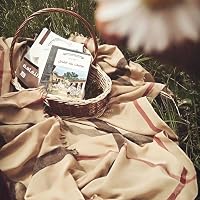
🔴الكتاب : القاهرة الصغيرة
🔴الكاتب. : عمارة لخوص
🔴عدد الصفحات : 208
🔴دار النشر : الدار العربية للعلوم ناشرون
🔴تصنيف الكتاب : رواية
يسرد لنا الكاتب قصة كريستيان الإيطالي الذي يتقن اللهجة التونسية حيث دسته المخابرات الإيطالية في القاهرة الصغيرة و هو شارع في ماركوني يعج بالمهاجرين العرب الذين ينظر إليهم على أنهم إرهابيون ومشاريع لعمليات انتحارية في أية لحظة
تغلغل كريستيان أو عيسى التونسي في مجتمع المهاجرين باحثا عن مكان المتفجرات التي وصلتهم تعليمة بوجودها في ماركوني و أتقن الدور على بالكامل (لن أحرق بقية الأحداث) .
أبرز الكاتب جانب من معاناة المهاجرين العرب في أوروبا و إيطاليا بالتحديد ، بحيث ينظر إليهم بإزدراء مهما كان مستواهم المعرفي أو العلمي فهذا لا يستثنيهم من المضايقات فكونك مسلما عربيا ستصبح بنظرهم إرهابي و تعرف مكان بن لادن لكنك تتستر عنه
🔴الكتاب : القاهرة الصغيرة
🔴الكاتب. : عمارة لخوص
🔴عدد الصفحات : 208
🔴دار النشر : الدار العربية للعلوم ناشرون
🔴تصنيف الكتاب : رواية
يسرد لنا الكاتب قصة كريستيان الإيطالي الذي يتقن اللهجة التونسية حيث دسته المخابرات الإيطالية في القاهرة الصغيرة و هو شارع في ماركوني يعج بالمهاجرين العرب الذين ينظر إليهم على أنهم إرهابيون ومشاريع لعمليات انتحارية في أية لحظة
تغلغل كريستيان أو عيسى التونسي في مجتمع المهاجرين باحثا عن مكان المتفجرات التي وصلتهم تعليمة بوجودها في ماركوني و أتقن الدور على بالكامل (لن أحرق بقية الأحداث) .
أبرز الكاتب جانب من معاناة المهاجرين العرب في أوروبا و إيطاليا بالتحديد ، بحيث ينظر إليهم بإزدراء مهما كان مستواهم المعرفي أو العلمي فهذا لا يستثنيهم من المضايقات فكونك مسلما عربيا ستصبح بنظرهم إرهابي و تعرف مكان بن لادن لكنك تتستر عنه

March 26, 2012
I have to constantly remind myself that I’m Tunisian, and this neighborhood is full of Egyptians. Many people don’t know that there are rivalries among the Arabs. For example, it’s not smooth sailing between Syrians and Lebanese, between Iraqis and Kuwaitis, between Saudis and Yemenis, and so on and so on. It’s why they can’t come up with a plan for unity, in spite of common history, geography, Arabic, Islam, and oil. The model of the European Union will have to wait!
In the superb novel Divorce Islamic Style, two characters narrate and propel the events in Rome: Christian, a Sicilian who speaks fluent Arabic and works as an operative for the Italian government; and Sofia, an Egyptian who runs a hair salon in defiance of her strict Muslim husband.
Christian’s assignment is to uncover a terrorist cell in the Viale Marconi neighborhood. Going by the name of Issa and changing his appearance a bit he infiltrates Little Cairo as a Tunisian. He rooms at a boarding house with numerous other immigrants and takes a job washing dishes at an Italian restaurant run by an Egyptian.
I’ve acquired certain habits, like sleeping nude, temperature permitting, or reading before I go to sleep; I love biographies of famous people. Here it is not a good idea to be the self-taught immigrant and passionate reader.
At a hangout spot where people watch Al Jazeera and make calls home, Christian meets Sofia who attracts him with her striking looks and mannerisms. Surprising to Christian, she wears a veil, uncommon in Rome, in Italy, in many Western countries. He’ll soon discover that Sofia neither acts conventionally or predictably. Several days before her wedding, Sofia’s husband asked her to wear the veil.
Put on the veil? Maybe I hadn’t understood. Were we going to live in Italy or Iran? Is the veil compulsory in Rome?
The real problem is that we live in a society where the male is both the opponent and, at the same time, the referee.
In writing about Sofia’s plight, author Amara Lakhous astutely provides a feminist perspective to this novel in a natural and provocative manner. He brilliantly depicts Rome’s Arab community “Little Cairo.” He satirizes the immigrant community as deftly as modern day Rome and its idiosyncrasies and fears.
I understand the comfort level of creating one’s own community after immigrating to another country. Beyond that though I don’t understand why some immigrants do not assimilate more by learning the new language or befriending natives. Lakhous explains the minutiae within the Arab community and what motivates many to move to other countries. Much can be explained in looking at opportunities in Western countries versus Arab countries where rules might be stricter and prospects fewer. Some Arabs stay in these Western countries and become citizens while others work for a while to better their family situations in their home country.
Born in Algiers in 1970, Amara Lakhous earned degrees in philosophy and cultural anthropology. He now lives in Italy. I adore Divorce Islamic Style so much that I’ve mentioned it several times in casual conversation. I want to recommend it to everyone. It’s fantastic. Snappy. Sharp. Intelligent. Humorous.
Displaying 1 - 30 of 146 reviews