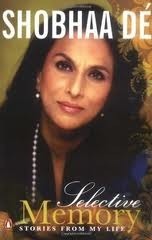
Shobhaa Dé has been many things to many people: supermodel, celebrity journalist and best-selling author; friend, rival, colleague and confidante. In this engagingly candid memoir, a woman who has been a familiar face and name to millions (although few know her) finally reveals the true self behind the public persona. Insiders know that besides her commitment to work and the frantic pace of her life, Shobhaa Dé's first priority in life has always been her family. Here she writes poignantly of her early years, and of her relationship with her parents and siblings, her husband and her children. Shobha De's high voltage career "happened' in unexpected ways, starting with her unplanned entry as a teenager into the glamorous world of modeling, and moving on to her high-profile years as a magazine editor. In these avatars she keenly observed and astutely chronicled the new India"brash, affluent and ambitious. High-society hi-jinks, movie star follies, celebrity neurosis"none of these escaped her unsparing eye. And now she tells it all, just as it was, just as she saw it. In her inimitably forthright fashion, she writes of the choices she made, the decisions she took and the influences that shaped her. Written in a voice that is consistently confident and candid, Selective Memory: Stories From My Life is remarkable for the honesty with which it captures the essence of a fascinating woman who has become a legend in her own time. With more than 30 photographs.
Shobha Rajadhyaksha known as Shobhaa Dé is an Indian columnist and novelist. She graduated from St. Xavier's College, Mumbai with a degree in psychology. After making her name as a model, she began a career in journalism in 1970, during the course of which she founded and edited three magazines – Stardust, Society, and Celebrity. In the 1980s, she contributed to the Sunday magazine section of the Times of India. In her columns, she used to explore the socialite life in Bombay lifestyles of the celebrities. At present, she is a freelance writer and columnist for several newspapers and magazines. De is married to Dilip De, her second husband and they have six children from their first marriages. She lives in Cuffe Parade, Mumbai.
As the title suggests, Shobha's story is selective. She tells 'certain things' about her life, but not all. Once you remember this claimer, which very few memoir writers make, one trusts her.
In many ways, there were many things in her life that had just happened, she never planned anything. At school, she was good in sports but not academically inclined like her other siblings who later in life became doctors and engineers. Shobha was the black sheep of the family. First, she tried her hands at modeling and attained success, but she soon realized that the dog-eat-dog world of showbiz was not meant for her.
On a personal front, her first marriage failed but she survived the failure rather brilliantly. Again by sheer coincidence, she happened to be with Nari Hira who gave her a small writing assignment. With no particular education in journalism, she was to spend the rest of her life writing columns and books. She became India's top-selling writer and a popular commentator. In fact, her articles on film stars and politicians were–are– unforgiving and at times ruthlessly unfair. Maybe it is her frank, candid, and upfront approach to writing that made her the Shobha that readers like.
Another wonderful feature of the memoir is that one sees the 'real' person that Shobha is – the real middle-class girl who is not only a firebrand author but also an ordinary human being with ordinary concerns. One thing I like about Shobha's memoir that she writes excellent things about others. It was nice to read about certain westernized Indian actresses. Very often, popular actresses are depicted as dumb and ignorant. In other words, I like reading about Rekha, Zeenat Amaan, Parveen Babi in addition to Asha Bhonsle and the ace photographer Gautam Rajadhakhya. In fact, I was surprised that Gautam and Shobha were related. In addition, there were candid moments in the book where she talked about her professional life, the choices she made, and how she dealt with uncomfortable situations, both personal and professional.
This might be a strange thing to say that reading her novels and then reading this memoir, I understood her better. In fact, writing, I believe, irrespective of the genre, tells us a lot about the writer. As she herself claims that, despite her image, she is at heart a simple, conservative Maharashtrian. And this rings true as one reads this book.
One of the most moving images that stayed with me was toward the end of the memoir where she wrote about her father's death. She almost put on the page the entire scene; the loss, sadness, fear, logistics that death or dying unleash. In a few words, she made me experience her loss and everything else that she might have felt and undergone. Even though it was a highly personal, subjective experience, but her response to it revealed who she is as a person.
And of course in the real world, I see that person speaking, writing, arguing, making mistakes, standing up to bullies on a daily basis. She is the Shobha that many love, many love to hate.
I actually didn't expect to like this book as much as I did. The tone of the book was like reading a series of columns but all longer and with the personal touch. The best parts were those sections where she focuses on her family - it's pretty obvious that she adores them and that they are the mainstay of her life. She confesses frankly that she is less than the ideal mother, that criticism from her kids can affect her deeply and yet, her love and pride shines through. For me, the most poignant part is her account of her mother's death - the regret, the resignation...all touched me. The one flaw with this book is that sometimes she tends to get carried away and come perilously close to rambling - sometimes you can see her writing down things as she's thinking them - I liked it, others may find it annoying. However overall, I came away with a favourable impression of Shobhaa De. Yes, she has opinions, yes they can be disagreeable at times, and there are definitely times when she comes across as smug and know-it-all but... BUT she is a successful, confident woman who has lived her life without regrets - at least till the date of publishing:-). I would be interested in reading more of her non-fiction and may even try her novels.
Shobha De, whose fiction never captivated me, has written a memoir which is littered with interesting bits about her own struggles as well as interesting scoops about Bollywood celebrities that she encountered as a journalist. Her father was a strict disciplinarian, even then it was a wonder she got into modelling. And she pretty much reached the top of her profession modelling with the likes of Zeenat Aman and Rekha. It was by chance that he met Nari Hira, owner of stardust and finally became its editor. She has narrated the lifestyles of pretty much all the Bollywood heroes and heroines of the 80s and 90s.
Shobhaa De, one of my fav. writer who i think really worked out the auspicious way of garlanding splendid words and yes, a really splendid and enjoyable experiences while reading her writings irrespective of the contents.
I can say a very clever and hideous approach to write an autobiography and more prominently she named it "selective memory", that no one could dare to question her about the lac of the openness. Finally she succeed to show the people the show she wanted to show. But finally they won who know the game and for this we admire her.
Through this autobiography, many celebrities lives lay open to all and worth for a real knowledge who aspires.
There are two books I read this year that were a cumbersome reading experience. This was the second one.
Now I know I shouldn't be quite as irritated as I am because she does call it 'Selective' Memory, but it's the casual abrasiveness in the narration just for the heck of it that made me not want to read the book often. In any case, I knew I had to finish it for my reading goal.
I don't dislike Shobha De. In fact I think if I had the opportunity ever to meet her, I'd take it, because she is an interesting personality. But reading this book was some task.
প্রায় এক মাস ধরে অল্প অল্প করে পড়া। অল্প করে পড়ার নানা কারণ আছে। প্রথমত, বইয়ের ব্যপ্তি। ৫০০ পৃষ্ঠার উপরে গুড়ি গুড়ি অক্ষরে লেখা। পড়তে সময় তো লাগেই।
শোভা দে সম্পর্কে যারা জানেন, তারা জানেন। যারা জানেন না তাদের জানাই, ইনি ভারতের কলেন হুভার বলে পরিচিত। মানে ইয়াং অ্যাডাল্ট, রোমান্টিক ঘরানার বই লিখতে ওস্তাদ মানুষ। তবে এরচে বড় পরিচয় (আমার কাছে, কেননা উনি গড়ে উথছিলেন সেখান থেকেই) হলো, উনি স্টারডাস্টের প্রতিষ্ঠাতা সম্পাদক। পরবর্তীতে আরও একটি ম্যাগাজিন সম্পাদনায় ছিলেন। তবে স্টারডাস্টের নামই বড় করে নিতে হয়। এটাই বলিউড-ভিত্তিক প্রথম 'মানসম্মত' গসিপ ম্যাগাজিন। এই সূত্রে শোভা দে বহু তারকাদের দেখেছেন। তাই তার আত্মজীবনী থেকে অনেক কথাই জানার আশা নিয়ে বইটা পড়া।
এমনিতে এই বইয়ে শোভা দে অভিনয় জগতের অনেক তারকার কথাই লিখেছেন। পাশাপাশি আছে রাজনৈতিক, মুম্বাইয়ের গ্যাং কালচারের সঙ্গে যুক্ত মানুষদের কথাও। কিছু ক্ষেত্রে শোভা অনেক বেশি জাজমেন্টাল। তাতে দোষ নাই, যদি কথাগুলো ফলে যায়। কিন্তু ফলে নাই। গোবিন্দ কিংবা কবির বেদী প্রসঙ্গে শোভার মন্তব্য ঠিক হলেও অমিতাভ বচ্চন সম্পর্কে তার পর্যবেক্ষণ পরে ভুল প্রমাণ হয়। শোভা সেই নব্বই বা আশির দশকের শেষের দিকে যা দেখেছেন সেই অনুসারেই মন্তব্য করেছেন। তার মতে অমিতাভ খুব একটা উচু দরের অভিনেতা না। কিন্তু একালে এসে অমিতাভ নিজেকে প্রমাণ করেছেন। শাহরুখ খান, কাজলের অন স্টেজ খুনসুটি, শাহরুখের সিগারেট খাওয়া শোভার চোখে 'বেদ্দপি' কিন্তু তিনি এদের মধ্যকার অভিনয় প্রতিভাকে স্পষ্ট দেখেননি, দেখেছেন গসিপ ম্যাগাজিনের আন্টির দৃষ্টিতে।
শোভা দের এই বইয়ে তারকা জগত, একটি ম্যাগাজিনের সূচনাকাল এবং তার বেড়ে ওঠা, সেই সময়ের মুম্বাইসহ আরো নানা বিষয় জানা যায়। পড়তে মজা লাগে। তিনি আমাদের জানান কে তার কাছে এসে একটা ফিচার লেখার অনুরোধ করেছিল, কে তাকে বকে দিয়েছে ইত্যাদি। কিন্তু এর পাশেই থাকে তার আন্টিসুলভ ছবক দেওয়ার প্রবণতা। পাশাপাশি নিজে একটা গসিপ ম্যাগাজিন চালানোর পরও নৈতিক উপদেশ দিতে থাকেন। মারাঠি চরিত্র দেখা যায় তার মধ্যে। তারচেয়েও বড় কথা নিজের সম্পর্কে তিনি বিনয়ের ছদ্মবেশে অহংকার প্রকাশ করেন।
বইয়ের মুখবন্ধে তিনি লেখেন যে ৫০ বছর বয়সে আত্মজীবনী লেখার কথা তিনি ভাবেননি। তারপরও লোকের অনুরোধে লিখতে শুরু করেছেন। ম্যাগাজিনের সম্পাদক হওয়ার ইচ্ছা তার কখনো ছিল না। কপি রাইটারের চাকরি করতে করতে ম্যাগাজিনের সম্পাদক হয়ে যান। এটা অবশ্য বিশ্বাস করার মতো কিন্তু শোভা একটা ইঙ্গিত রাখেন যে চাকরি করার কোনো দরকার তার ছিল না। মেজাজ খারাপ হয় তার বই লেখার শুরুর কালের আলাপটায়। প্রকাশক তাকে লিখতে বলল, সে আলগোছে লেখা শুরু করল, নিজেই জানে না কী লিখছে কিন্তু সে লিখে শেষ করবে এটা তার জেদ এবং তারপর একের পর এক বেস্টসেলার লিখে গেলেন। অর্থাৎ, আমিত্বে ভরা।
এই আমিত্ব বাদ দিয়ে বইটাকে বিবেচনা করলে দেখা যাবে এর মধ্যে কিছু মালমসলা আছে। আর এই ধরনের বই সাধারণত পেশাদার সম্পাদকের হাত দিয়ে আসে। ফলে ভাষার বিষয়টা যতটা না লেখকের, তারচেয়ে বেশি দলীয় কৃতিত্ব। প্রথম বইয়ের ক্ষেত্রে অবশ্য শোভা সেই কৃতিত্ব সম্পাদককে দিয়েছেন। এটাও ভালো।