

What do you think?

How to Be a Good Savage and Other Poems
The latest in the Seedbank series, the debut in English of a groundbreaking Indigenous poet of the Americas. In a fiercely personal yet authoritative voice, prolific contemporary poet Mikeas Sánchez explores the worldview of the Zoque people of southern Mexico. Her paced, steely lyrics fuse cosmology, lineage, feminism, and environmental activism into a singular body of work that stands for the self and the collective in the same instant. “I am woman and I celebrate every vein,” she writes, “where I guard my ancestors’ secrets / every Zoque man’s word in my mouth / every Zoque woman’s wisdom in my spit.” How to Be a Good Savage and Other Poems examines the intersection of Zoque struggles against colonialism and empire, and those of North African immigrants and refugees. Sánchez encountered the latter in Barcelona as a revelation, “spreading their white blankets on the ground / as if they’ll soon return to sea / flying the sail of the promised land / the land that became a mirage.” Other works bring us just as close to similarly imperiled relatives, ancestors, gods, and archetypal Zoque men and women that Sánchez addresses with both deeply prophetic and childlike love. Coming from the only woman to ever publish a book of poetry in Zoque and Spanish, this timely, powerful collection pairs the bilingual originals with an English translation for the first time. This book is for anyone interested in poetry as knowledge, proclaimed with both feet squarely set on ancient ground. The How to Be a Good Savage and Other Poems audiobook read by Mikeas Sánchez, Wendy Call, and Shook will be available everywhere you listen to audiobooks on January 9, 2024.
224 pages, Paperback
Published January 9, 2024
Ratings & Reviews
Friends & Following
Create a free account to discover what your friends think of this book!
Community Reviews
Displaying 1 - 30 of 41 reviews

November 20, 2023
This is a really cool project and a great poetry collection! It's tri-lingual, including the two languages it was originally written in Zoque and Spanish, as well as an English translation. The author is Mexican and Indigenous, writing poems that are typically very feminist and deeply rooted in her sense of identity and indigenous spirituality. It's definitely worth a read and the audiobook is cool because the author reads her own work in Zoque and Spanish. I received an audio review copy of this book for review from Libro.FM, all opinions are my own.

August 2, 2024
Sealey Challenge 2024: 2/31
This was a really interesting collection of poems exploring identity, womanhood, migration, and Zoque culture. The introduction and translator as well as cultural notes were incredibly informative and really helped tie overarching threads through the poems. The introduction had a really beautiful rumination on the significance of language in telling the story of a people and how each word in a language matters. This really set the stage for the beautiful poems to come in this collection. Each poem is first in Zoque, then Spanish, and finally English. It made for a fascinating reading experience and made the audio experience extra special. Regarding the poems themselves, many of the poems in this collection really resonated with me as a reader and showed Sánchez's talent for crafting prose. Some poems didn't resonate as much as others, yet the collection of poems together had a good flow. Overall, this is still a solid collection I would highly recommend!
This was a really interesting collection of poems exploring identity, womanhood, migration, and Zoque culture. The introduction and translator as well as cultural notes were incredibly informative and really helped tie overarching threads through the poems. The introduction had a really beautiful rumination on the significance of language in telling the story of a people and how each word in a language matters. This really set the stage for the beautiful poems to come in this collection. Each poem is first in Zoque, then Spanish, and finally English. It made for a fascinating reading experience and made the audio experience extra special. Regarding the poems themselves, many of the poems in this collection really resonated with me as a reader and showed Sánchez's talent for crafting prose. Some poems didn't resonate as much as others, yet the collection of poems together had a good flow. Overall, this is still a solid collection I would highly recommend!

January 6, 2024
an awesome poetry collection! i loved being able to compare the zoque/spanish/english versions of the text while reading, so neat

February 26, 2024
this a super cool collection. it is trilingual (zoque, spanish and english). i listened to the audiobook and went out and got the collection so i could reread and then follow along. a really unique and informative reading experience. the seedbank series is about preserving knowledge and the audiobook and collection do exactly that. the zoque language is recorded in the audiobook, and the translations allows zoque knowledge to be shared with a broader audience.

January 4, 2024
Blog | Instagram | TikTok | The StoryGraph
English
"Not only is poetry important for sharing and understanding our people's beliefs, it is also important as an act of resistance, to denounce all the injustices we are subjected to as indigenous peoples." - Mikeas Sánchez
Mikeas Sánchez, the first woman to publish a book of poetry in Zoque, makes her English debut with the help of translators Wendy Call and Shook in this collection of poems about the stories and lessons passed down through the generations, what it means to grow up and exist as a girl and eventually as a woman, and the way colonialism steals everything it can get its hands on from culture to land. Sánchez, Call, and Shook also team up to narrate the audiobook so listeners get to hear the poems in the poet's own voice in both Zoque and Spanish before one of Call or Shook narrates it in English.
Each poem is presented in Zoque, then Spanish, then English. After listening to just the first poem I knew there was no other way to format this collection and still do the original work justice. I don't speak Zoque, but I learned Spanish in university and grew up speaking English, so listening to each poem three times in this order was kind of a journey of uncovering the meaning for me. First, I'm listening to it performed by Sánchez herself in a language I don't know a single word of, but I get the cadence and emotion the piece carries. Then I hear it in a language I'm fluent in ~professionally~ but not artistically, a language that is still technically an original for the poem since Sánchez wrote each poem in Zoque and Spanish. Finally, after trying to digest what Sánchez is saying in Spanish, I hear the poem in English, the language most clear to me but one that the poet doesn't speak.
My personal linguistic experience in listening to this collection aside, even readers who only speak English or only speak Spanish would get value out of listening to the full trilingual version.
Some of the poems that stuck with me were "Jesus Christ Never Understood My Grandmother's Prayers" about the forced assimilation to a colonizer's religion and language;
"Wewe" about how colonizers' only way of "appreciating" a culture is to steal it for themselves;
"Thinking With Our Hearts" in a similar vein but highlighting the environmental destruction of fracking;
I'd like to revisit this with the text in front of me because I believe the note at the beginning explains that there are footnotes or translator's notes throughout the collection to give context to certain cultural aspects? These notes are read through by Wendy Call at the end of the audiobook, but that doesn't help much while you're listening through it. I'd like to get myself a copy and follow along so I can absorb these better because this was a great collection.
Español
Mikeas Sánchez, la primera mujer que en publicar un libro de poesía en zoque, se estrena en inglés con el apoyo de traductores Wendy Call y Shook en esta colección de poesía sobre las historias y lecciones que se pasan por las generaciones, qué significa crecer y existir como niña y finalmente como mujer, y la manera en que el colonialismo roba todo lo que puede de la cultura a la tierra. Sánchez, Call, y Shook también se juntan para narrar el audiolibro para que los oyentes pueden escuchar los poemas en la propia voz de la poeta en tanto en zoque como en español antes de que uno de Call o Shook lo narra en inglés.
Cada poema se presenta en zoque, y entonces en español, y luego en inglés. Después de escuchar solo el primer poema, supe que no fue otra manera en dar formato a esta colección y aun así hacer justicia a las obras originales. Yo no hablo zoque, pero aprendí español en la universidad y crecí hablando inglés, así que escuchar cada poema tres veces en este orden fue como un viaje de destapar el sentido para mí. Primero, lo escucho interpretado por Sánchez en una lengua de que no se ni una palabra, pero oigo la cadencia y la emoción el poema lleva. Luego, lo escucho en una lengua en que soy fluente de manera profesional pero no de manera artística, una lengua que todavía es lo original del poema. Finalmente, después de procesar lo que Sánchez dice en español, escucho el poema en inglés, la lengua más clara para mí pero una que no habla Sánchez.
Aparte de mi personal experiencia lingüística al escuchar esta colección, todo el mundo valoraría la completa colección trilingüe, incluso los que solo hablen inglés o solo español.
Algunos de los poemas que me han quedado son: “Jesucristo no entendió jamás los ruego de mi abuela” sobre la asimilación frozada a la religión y lengua del colonizador;
“Wewe” sobre la única manera en que los colonizadores “aprecian” otra cultura es robársela para ellos mismos;
“Pensar con el corazón” que, en una línea similar, destaca la destrucción medioambiental por la fracturación;
Me gustaría volver a estos poemas con el texto enfrente de mí en algún momento porque creo que la nota al principio explica que hay notas al pie o notas de los traductores por la colección para dar contexto a ciertos aspectos culturales. Wendy Call lee estas notas al final del audiolibro, pero esto no ayuda mucho leyéndolo. Quiero comprar una copia física y seguirla con el audio para que puedo absorberla mejor porque es una colección genial.
English
"Not only is poetry important for sharing and understanding our people's beliefs, it is also important as an act of resistance, to denounce all the injustices we are subjected to as indigenous peoples." - Mikeas Sánchez
Mikeas Sánchez, the first woman to publish a book of poetry in Zoque, makes her English debut with the help of translators Wendy Call and Shook in this collection of poems about the stories and lessons passed down through the generations, what it means to grow up and exist as a girl and eventually as a woman, and the way colonialism steals everything it can get its hands on from culture to land. Sánchez, Call, and Shook also team up to narrate the audiobook so listeners get to hear the poems in the poet's own voice in both Zoque and Spanish before one of Call or Shook narrates it in English.
Each poem is presented in Zoque, then Spanish, then English. After listening to just the first poem I knew there was no other way to format this collection and still do the original work justice. I don't speak Zoque, but I learned Spanish in university and grew up speaking English, so listening to each poem three times in this order was kind of a journey of uncovering the meaning for me. First, I'm listening to it performed by Sánchez herself in a language I don't know a single word of, but I get the cadence and emotion the piece carries. Then I hear it in a language I'm fluent in ~professionally~ but not artistically, a language that is still technically an original for the poem since Sánchez wrote each poem in Zoque and Spanish. Finally, after trying to digest what Sánchez is saying in Spanish, I hear the poem in English, the language most clear to me but one that the poet doesn't speak.
My personal linguistic experience in listening to this collection aside, even readers who only speak English or only speak Spanish would get value out of listening to the full trilingual version.
Some of the poems that stuck with me were "Jesus Christ Never Understood My Grandmother's Prayers" about the forced assimilation to a colonizer's religion and language;
... My grandmother believed that you could only
talk to the wind in Zoque
but she kneeled before the saints
and prayed with more fervor than anyone
Jesus never listened to her ...
"Wewe" about how colonizers' only way of "appreciating" a culture is to steal it for themselves;
... Don't be a bad girl, tell me how much that flower costs.
No, Mister, that's impossible.
Is the human eye really allowed
to learn at first glance
how the heart works?
"Thinking With Our Hearts" in a similar vein but highlighting the environmental destruction of fracking;
My grandfather told me:
We Zoques are inheritors of the word,
but who cares about words now?
Most prefer to lie,
stealing the earth's treasures. ...
I'd like to revisit this with the text in front of me because I believe the note at the beginning explains that there are footnotes or translator's notes throughout the collection to give context to certain cultural aspects? These notes are read through by Wendy Call at the end of the audiobook, but that doesn't help much while you're listening through it. I'd like to get myself a copy and follow along so I can absorb these better because this was a great collection.
Español
Mikeas Sánchez, la primera mujer que en publicar un libro de poesía en zoque, se estrena en inglés con el apoyo de traductores Wendy Call y Shook en esta colección de poesía sobre las historias y lecciones que se pasan por las generaciones, qué significa crecer y existir como niña y finalmente como mujer, y la manera en que el colonialismo roba todo lo que puede de la cultura a la tierra. Sánchez, Call, y Shook también se juntan para narrar el audiolibro para que los oyentes pueden escuchar los poemas en la propia voz de la poeta en tanto en zoque como en español antes de que uno de Call o Shook lo narra en inglés.
Cada poema se presenta en zoque, y entonces en español, y luego en inglés. Después de escuchar solo el primer poema, supe que no fue otra manera en dar formato a esta colección y aun así hacer justicia a las obras originales. Yo no hablo zoque, pero aprendí español en la universidad y crecí hablando inglés, así que escuchar cada poema tres veces en este orden fue como un viaje de destapar el sentido para mí. Primero, lo escucho interpretado por Sánchez en una lengua de que no se ni una palabra, pero oigo la cadencia y la emoción el poema lleva. Luego, lo escucho en una lengua en que soy fluente de manera profesional pero no de manera artística, una lengua que todavía es lo original del poema. Finalmente, después de procesar lo que Sánchez dice en español, escucho el poema en inglés, la lengua más clara para mí pero una que no habla Sánchez.
Aparte de mi personal experiencia lingüística al escuchar esta colección, todo el mundo valoraría la completa colección trilingüe, incluso los que solo hablen inglés o solo español.
Algunos de los poemas que me han quedado son: “Jesucristo no entendió jamás los ruego de mi abuela” sobre la asimilación frozada a la religión y lengua del colonizador;
… Mi abuela creía que sólo en zoque
se podía hablar con el viento
pero se arrodillaba ante los santos
y oraba con fervor más que nadie
Jesucristo nunca la escuchó …
“Wewe” sobre la única manera en que los colonizadores “aprecian” otra cultura es robársela para ellos mismos;
… No seas mala, niña, dime cuánto vale esa flor.
No, señor, no se puede.
¿Acaso está permitido al ojo humano
descubrir a primera vista
cómo funciona el corazón?
“Pensar con el corazón” que, en una línea similar, destaca la destrucción medioambiental por la fracturación;
Mi abuelo me dijo:
Los zoques somos herederos de la palabra,
pero ¿a quién le importa ahora la palabra?
La mayoría prefiere mentir,
despojar a otros de sus pequeños tesoros. …
Me gustaría volver a estos poemas con el texto enfrente de mí en algún momento porque creo que la nota al principio explica que hay notas al pie o notas de los traductores por la colección para dar contexto a ciertos aspectos culturales. Wendy Call lee estas notas al final del audiolibro, pero esto no ayuda mucho leyéndolo. Quiero comprar una copia física y seguirla con el audio para que puedo absorberla mejor porque es una colección genial.

September 3, 2026
4.5
A beautiful tri-lingual collection. It was a really lovely way for me to practice my spanish translating skills and learn about the Zoque culture. Some of the poems are very abstract, some of them are inspired by Zoque prayers, and some of them are powerful verbal stands on Zoque culture and their ancestral land.
The audio version has the author herself narrate both the Zoque and Spanish versions of the poems. Truly amazing.
A beautiful tri-lingual collection. It was a really lovely way for me to practice my spanish translating skills and learn about the Zoque culture. Some of the poems are very abstract, some of them are inspired by Zoque prayers, and some of them are powerful verbal stands on Zoque culture and their ancestral land.
The audio version has the author herself narrate both the Zoque and Spanish versions of the poems. Truly amazing.

November 20, 2024
Read along with physical copy + audiobook narrated by author & translators
April 15, 2026
This collection is written in three languages; Zoque, Spanish and English. I loved the discussion at the beginning on the way language is important for the indigenous people of Mexico.

March 17, 2025
'Ancient goddess young woman come sing with me come forget what wounds us this thorn that pierces us come my sister come with me to join our voices against any who spit on our roots’
‘And one day you will know that the soul sleeps between memory’s cauldrons like a beam of light determined to burn up dawns Don’t ask don’t assert The soul has no name no connection no return’
Sánchez observes the world from a new perspective, shaped by the sounds of the Americas and condensed into a single vision. This is how the world was meant to be seen: an open field shaped by generations of processes—human, cosmic, and geologic. The observations are then translated into sounds, into syllables that particulate and constellate, experienced by readers as poems in this volume. Poetry is never supposed to be just read; it’s supposed to be experienced. A theater. A performance. Language in a dance with torque and skin, bark and scale, root and stem, bloom and tongue. Jake Skeets from the introduction
To read and think in Spanish is an amazing exercise for me, as I have lost most of my fluency over the years, and poetry is harder than prose since it often uses beautiful obscure words that I have to work harder at finding. To add another language, typing the words slowly with apologies for mistakes, and trying to understand some of the words, was a sublime exercise. Brain exercise indeed, and worth it, as the poet and her voice were powerful and evocative of the America hidden behind the juggernaut of the westernization and colonialism of the US and others. Perfect.
Tuma/UNO/ONE
Xky’a’e mij’jara’is syupana’
Niña tu padre prefirió niño
Girl your father wanted a boy
Ji’na myusi’ankäna’ jujzyi’e ore’päntam
porque no sabía que con tu canto de alondra
because he didn’t know what to do with your lark’s song
maka’na mpämipäjk’a’e ore’päntam maka’na tzapwiru’ya’e ore’yamo
renacería el poder de los ore’pät la voz antigua de las ore’yomo
the power of the ore’pät will be reborn the ancient voice of the ore’yomo
Syka’e ja’ syutyaä’pa nhkya’e jonhtzi’kojama syki’a’e tuj’sawa ‘kojama
Niña no deseada aquella que sacude el viento mientras sueña nkiae espíritu ave syka’e espíritu tormenta
Unwanted girl stirring the wind with her dreams nkiae spirit bird syka’e spirit storm
WEJPÄJ’KI’UY: TUMÄ
NOMBRAR LAS COSAS: UNO
TO NAME THINGS: ONE
Nasakopajk’ nhtyajk’ pajkapi’apäis’ äj’ nhtoya
nhtyajk’ pajkapi’apäis äj’ nhkiskuy teserike äj’ natzkuy
nhtä’ nhkomi’ naptzu’isnyi’e
tzayi’isnyi’e teserike’ pitzä’isnyi’e
mij’ me’tzapyatzi mij’ nhtzama’omoma
mij’ nhkosanhtäjk totzyi’äjkupä’
äj’ une’ijtkuy’omo
Äjtzi’
mij’ metz’patzi tumtu’mäpä tzyina’ kujyomo
jurä’ tzäyaju’ äj’ nhkasäj’ki’utyam
Äjtzi’
mij’ metzapyatzi mij’ kartenya’jäyä’oma mij’ kapulinh’oma
mij’ nhtuk’tam takyajpapä mapa’syiäpyasenh’omo
Oh Nasakopajk’ que aplacas mi amargura
que acallas mi ira y mi espanto
oh Dios de la mañana
de la tarde y de la noche
persigo tu olor a selva alta
tus pasos de bestia herida
corriendo por mi infancia
Un trozo de mí
te busca en cada árbol de naranjo
donde quedó colgada mi alegría
Un trozo de mí
evoca tu sabor a gardenia y capulin
tus senderos que se bifurcan mientras sueño
Oh Nasakopajk’ may you ease my bitterness
quiet my shock and rage
oh God of morning
of afternoon and evening
I trace your rainforest scent
a wounded animal’s footsteps
wandering through my childhood
Part of me seeks you in every orange tree
where my happiness hangs
Part of me conjures your gardenia and wild cherry flavor
your pathways diverging in my dreams
My unprofessional translation of the same poem from the Spanish:
Oh Holy One, that you could soothe my bitterness,
That you could silence my anger and fear.
Oh Holy One of the morning,
Of the afternoon, and evening,
I chase your rainforest scent,
A wounded animal’s steps
Running through my childhood.
A piece of me
Looks for you in every orange tree
Where my happiness lives.
Another piece of me
Remembers your scents of gardenia and wild cherry
Along paths that meander while I dream.
KUYAY
SIETE
SEVEN
Ijtu jyama aku’ajpak te’ Tzu’anh wäkä tä’ tzajmatyamä
Hay días en que el Tzu’anh se abre para revelarnos el origen de las cosas
Some days Tzu’anh opens up revealing to us the origin of all life
mumu ti’is yijtku’y tumä popyapä tzame tumä kene’ mapasyis’nyi’e
una línea de fuga una imagen que se nos escapa del letargo
the known world’s limits an image escaping from our dreams
…
Tese’ mumu’ ti’is ijtu’ kyomusjkuy te’ tzame ji’ nhtä nhkämetzepä ji’
Porque todo tiene su enigma su razón innecesaria su motivo sobrante
Because everything has its mystery its needless reason its special motive
wyäpä tä’ mujsä tzame mumä pänis’ mumu yomo’is wenenh’omo myetzyajpa te’ tzame ji’ kyomusyi’a’epä
Todo hombre toda mujer algún día buscan esa palabra que les falta
Every man every woman will one day seek the wisdom they need
Fascinating look at the translators’ processes: In the poem “We Are Mokayas,” the final line in the Spanish poem reads “we will give you the secret to infinite beauty,” while the Zoque reads “secret to infinite wisdom.” In English, we chose “secret to the sublime.”
There is no direct translation in Zoque for “silence” or “being silent.” To represent the concept in Zoque, Sánchez might write “extinguish one’s voice” or “absence of words.”
Sanhkä, the Zoque word that Sánchez translates as resplandor in the Spanish version of the poem, and we render in English as “radiance,” is a complex, multidimensional word. In addition to “radiance” it means “enlightened time” and also “understanding”—as distinct from knowledge. Sanhkä refers to the cycle of life and references how knowledge is assimilated into a person’s life—not the knowledge itself.
‘And one day you will know that the soul sleeps between memory’s cauldrons like a beam of light determined to burn up dawns Don’t ask don’t assert The soul has no name no connection no return’
Sánchez observes the world from a new perspective, shaped by the sounds of the Americas and condensed into a single vision. This is how the world was meant to be seen: an open field shaped by generations of processes—human, cosmic, and geologic. The observations are then translated into sounds, into syllables that particulate and constellate, experienced by readers as poems in this volume. Poetry is never supposed to be just read; it’s supposed to be experienced. A theater. A performance. Language in a dance with torque and skin, bark and scale, root and stem, bloom and tongue. Jake Skeets from the introduction
To read and think in Spanish is an amazing exercise for me, as I have lost most of my fluency over the years, and poetry is harder than prose since it often uses beautiful obscure words that I have to work harder at finding. To add another language, typing the words slowly with apologies for mistakes, and trying to understand some of the words, was a sublime exercise. Brain exercise indeed, and worth it, as the poet and her voice were powerful and evocative of the America hidden behind the juggernaut of the westernization and colonialism of the US and others. Perfect.
Tuma/UNO/ONE
Xky’a’e mij’jara’is syupana’
Niña tu padre prefirió niño
Girl your father wanted a boy
Ji’na myusi’ankäna’ jujzyi’e ore’päntam
porque no sabía que con tu canto de alondra
because he didn’t know what to do with your lark’s song
maka’na mpämipäjk’a’e ore’päntam maka’na tzapwiru’ya’e ore’yamo
renacería el poder de los ore’pät la voz antigua de las ore’yomo
the power of the ore’pät will be reborn the ancient voice of the ore’yomo
Syka’e ja’ syutyaä’pa nhkya’e jonhtzi’kojama syki’a’e tuj’sawa ‘kojama
Niña no deseada aquella que sacude el viento mientras sueña nkiae espíritu ave syka’e espíritu tormenta
Unwanted girl stirring the wind with her dreams nkiae spirit bird syka’e spirit storm
WEJPÄJ’KI’UY: TUMÄ
NOMBRAR LAS COSAS: UNO
TO NAME THINGS: ONE
Nasakopajk’ nhtyajk’ pajkapi’apäis’ äj’ nhtoya
nhtyajk’ pajkapi’apäis äj’ nhkiskuy teserike äj’ natzkuy
nhtä’ nhkomi’ naptzu’isnyi’e
tzayi’isnyi’e teserike’ pitzä’isnyi’e
mij’ me’tzapyatzi mij’ nhtzama’omoma
mij’ nhkosanhtäjk totzyi’äjkupä’
äj’ une’ijtkuy’omo
Äjtzi’
mij’ metz’patzi tumtu’mäpä tzyina’ kujyomo
jurä’ tzäyaju’ äj’ nhkasäj’ki’utyam
Äjtzi’
mij’ metzapyatzi mij’ kartenya’jäyä’oma mij’ kapulinh’oma
mij’ nhtuk’tam takyajpapä mapa’syiäpyasenh’omo
Oh Nasakopajk’ que aplacas mi amargura
que acallas mi ira y mi espanto
oh Dios de la mañana
de la tarde y de la noche
persigo tu olor a selva alta
tus pasos de bestia herida
corriendo por mi infancia
Un trozo de mí
te busca en cada árbol de naranjo
donde quedó colgada mi alegría
Un trozo de mí
evoca tu sabor a gardenia y capulin
tus senderos que se bifurcan mientras sueño
Oh Nasakopajk’ may you ease my bitterness
quiet my shock and rage
oh God of morning
of afternoon and evening
I trace your rainforest scent
a wounded animal’s footsteps
wandering through my childhood
Part of me seeks you in every orange tree
where my happiness hangs
Part of me conjures your gardenia and wild cherry flavor
your pathways diverging in my dreams
My unprofessional translation of the same poem from the Spanish:
Oh Holy One, that you could soothe my bitterness,
That you could silence my anger and fear.
Oh Holy One of the morning,
Of the afternoon, and evening,
I chase your rainforest scent,
A wounded animal’s steps
Running through my childhood.
A piece of me
Looks for you in every orange tree
Where my happiness lives.
Another piece of me
Remembers your scents of gardenia and wild cherry
Along paths that meander while I dream.
KUYAY
SIETE
SEVEN
Ijtu jyama aku’ajpak te’ Tzu’anh wäkä tä’ tzajmatyamä
Hay días en que el Tzu’anh se abre para revelarnos el origen de las cosas
Some days Tzu’anh opens up revealing to us the origin of all life
mumu ti’is yijtku’y tumä popyapä tzame tumä kene’ mapasyis’nyi’e
una línea de fuga una imagen que se nos escapa del letargo
the known world’s limits an image escaping from our dreams
…
Tese’ mumu’ ti’is ijtu’ kyomusjkuy te’ tzame ji’ nhtä nhkämetzepä ji’
Porque todo tiene su enigma su razón innecesaria su motivo sobrante
Because everything has its mystery its needless reason its special motive
wyäpä tä’ mujsä tzame mumä pänis’ mumu yomo’is wenenh’omo myetzyajpa te’ tzame ji’ kyomusyi’a’epä
Todo hombre toda mujer algún día buscan esa palabra que les falta
Every man every woman will one day seek the wisdom they need
Fascinating look at the translators’ processes: In the poem “We Are Mokayas,” the final line in the Spanish poem reads “we will give you the secret to infinite beauty,” while the Zoque reads “secret to infinite wisdom.” In English, we chose “secret to the sublime.”
There is no direct translation in Zoque for “silence” or “being silent.” To represent the concept in Zoque, Sánchez might write “extinguish one’s voice” or “absence of words.”
Sanhkä, the Zoque word that Sánchez translates as resplandor in the Spanish version of the poem, and we render in English as “radiance,” is a complex, multidimensional word. In addition to “radiance” it means “enlightened time” and also “understanding”—as distinct from knowledge. Sanhkä refers to the cycle of life and references how knowledge is assimilated into a person’s life—not the knowledge itself.
June 3, 2024
I am not a huge poetry person. But I saw this collection on StoryGraph while looking for more indigenous books and the title intrigued me.
Sánchez included poems from a wide variety of topics including girlhood, colonization, female sensuality, family, and more. Together, they weave a loose story of growing up as someone being pushed and pulled by the stories and values of many different cultures, ending on a mostly uplifting note. I appreciated the introduction and postscript notes that provided background information on how this collection came to be, the work Sánchez is doing to preserve the Zoque language, and how translation may have impacted the meaning of each poem. Similar to the print book, the audiobook includes each poem being read in Zoque, Spanish, and English. While listening, it was interesting to hear the different tones and inflections of lines, even when I didn’t understand the words themselves (I only know English). My personal favorite poems were Jesus Never Understood My Grandmother’s Prayers and Wewe.
I do think this book would benefit from viewing the poems while listening at the same time. The audio helps immensely with pronunciation and general feel, but it loses the structure. The audiobook version I listened to also did not have the English translations of the poem titles, which made it difficult to remember where my favorites were. I also would have preferred to have the vocabulary postscripts directly after the poem they were in instead of at the end.
Sánchez included poems from a wide variety of topics including girlhood, colonization, female sensuality, family, and more. Together, they weave a loose story of growing up as someone being pushed and pulled by the stories and values of many different cultures, ending on a mostly uplifting note. I appreciated the introduction and postscript notes that provided background information on how this collection came to be, the work Sánchez is doing to preserve the Zoque language, and how translation may have impacted the meaning of each poem. Similar to the print book, the audiobook includes each poem being read in Zoque, Spanish, and English. While listening, it was interesting to hear the different tones and inflections of lines, even when I didn’t understand the words themselves (I only know English). My personal favorite poems were Jesus Never Understood My Grandmother’s Prayers and Wewe.
I do think this book would benefit from viewing the poems while listening at the same time. The audio helps immensely with pronunciation and general feel, but it loses the structure. The audiobook version I listened to also did not have the English translations of the poem titles, which made it difficult to remember where my favorites were. I also would have preferred to have the vocabulary postscripts directly after the poem they were in instead of at the end.
April 28, 2026
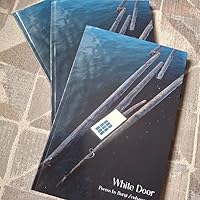
I love Milkweed Editions Seedbank series which publishes translations from around the globe and of which How to Be a Good Savage by Mikeas Sánchez is a part. And what a thrilling, tri-lingual edition this selection of her work is! Sánchez customarily translates her Zoque work into Spanish and vice versa herself, re-creating her poems in the target language. The translators Wendy Call and Shook translated the Spanish into English, all the while remaining in conversation with the author for feedback and thus forming a beautiful amalgam of the Zoque and Spanish versions, which I can only judge from its outcome as I don't speak Zoque. It is fascinating, though, to see the Zoque reflected in the Spanish as sound patterns, at least that's what it looks like, and I wish I could hear it. Still, the translators managed to carry the musical and invocatory language into the English versions. These are wonderfully rebellious poetry, powerful and visceral, that say again and again and against despair: Here I am and you better believe it!
November 5, 2023
This was such a unique listening experience and I loved it. The book is read in the Zoque language, then Spanish, and finally English. And while I didn’t understand the first two, I loved listening to the spoken word and appreciating the differences in languages.
This poetry collection centers around the Zoque people, its culture and practices, and the author’s lived experiences. I really liked the infusion between folklore and reality the author blends together, and the endnotes definitely helped make that even smoother. There’s strong themes of colonialism, feminism, and Zoque cosmology. The writing is lyrical yet impactful and I wish I could appreciate it in its original language. I think the poetry became stronger and better as it progressed, which makes sense as I believe this collection is selected poems spanning Sánchez’s previous works.
Thank you to libro.fm and Milkweed Editions for the ALC! Reviews are my own and freely given.
This poetry collection centers around the Zoque people, its culture and practices, and the author’s lived experiences. I really liked the infusion between folklore and reality the author blends together, and the endnotes definitely helped make that even smoother. There’s strong themes of colonialism, feminism, and Zoque cosmology. The writing is lyrical yet impactful and I wish I could appreciate it in its original language. I think the poetry became stronger and better as it progressed, which makes sense as I believe this collection is selected poems spanning Sánchez’s previous works.
Thank you to libro.fm and Milkweed Editions for the ALC! Reviews are my own and freely given.

December 30, 2023
3.5 stars rounded up.
What I didn't realize about this collection of poetry was that it wasn't new: most all of these poems have been out in the world for years, some even decades, and have been compiled into this tome. And a pleasant surprise for the audiobook of this: you get to listen to the author read her poems in both Spanish and her ancestors' native tongue of Zoque.
That being said, it was a little hard to focus when you had the same poem read to you three times in a row (even if I could only understand one and a half of those times). The only thing that gave distinction was when the other narrators would come on to read the poems in English.
I think, if you're interested in the culture, history, and worldviews of the Zoque people, or you love listening to languages, then you'll really enjoy this. Listening to just a bit here and there was the best way for me to listen as bigger chunks of listening time usually left me feeling a bit tired. It's incredible what Sánchez is doing as a modern indigenous poet, and I love it. A good work of poetry to be explored!
What I didn't realize about this collection of poetry was that it wasn't new: most all of these poems have been out in the world for years, some even decades, and have been compiled into this tome. And a pleasant surprise for the audiobook of this: you get to listen to the author read her poems in both Spanish and her ancestors' native tongue of Zoque.
That being said, it was a little hard to focus when you had the same poem read to you three times in a row (even if I could only understand one and a half of those times). The only thing that gave distinction was when the other narrators would come on to read the poems in English.
I think, if you're interested in the culture, history, and worldviews of the Zoque people, or you love listening to languages, then you'll really enjoy this. Listening to just a bit here and there was the best way for me to listen as bigger chunks of listening time usually left me feeling a bit tired. It's incredible what Sánchez is doing as a modern indigenous poet, and I love it. A good work of poetry to be explored!

January 28, 2024
I worried that this trilingual publication would distract me, but no. I found it easy to read, beautifully expressive, and emotionally moving. The poet travels through myth and tradition into her own complex identity. She both respects her culture and recognizes that she lives with it and beyond it. Each set of facing pages is a visual treat where Sanchez's poems are printed in the Zoque, Spanish, and English languages. I intend to read this one again. I'll struggle with the Spanish next time, study the letters and words of the Zoque for the pleasure of trying the other passageways offered. Even in English, these are poems unlike any others I've read.

January 23, 2026
I listened to the audiobook of this collection and couldn't recommend it enough. I was so pleasantly surprised to discover once I started it that Sanchez reads the poems first in Zoque/Spanish and then the other readers perform the English translations. In Sanchez's Zoque/Spanish poems, it was really interesting to hear what Spanish words she used to replace some words that don't translate directly from Zoque, or that they don't have words for at all, and then how those even further translated to English. Being able to listen to the Zoque language was such a special experience and the poems really get you thinking. I took my time through this collection and am glad I did.

June 12, 2024
Powerful poetry. I wish I still knew Spanish so I could read and understand alongside the English! It was also really cool to see the original Zoque language beside the other translations. The footnotes on the poems were very helpful for understanding as well.
.
My favorites from the collection:
-"Ore'yomo"
-"And One Day You Will Know"
-"The Soul Returns to Silence's Cry"
-"Aisha"
-"Rama"
-"We're All Maroons"
-"[Death will arrive / and find you in your bed]"
-"Jesus Never Understood My Grandmother's Prayers"
-"Wewe"
-"Gift"
-"How to Be a Good Savage"
-"What Is It Worth?"
.
My favorites from the collection:
-"Ore'yomo"
-"And One Day You Will Know"
-"The Soul Returns to Silence's Cry"
-"Aisha"
-"Rama"
-"We're All Maroons"
-"[Death will arrive / and find you in your bed]"
-"Jesus Never Understood My Grandmother's Prayers"
-"Wewe"
-"Gift"
-"How to Be a Good Savage"
-"What Is It Worth?"

September 11, 2024
Really intrigued by this collection of poetry which is both haunting and poignant. The audiobook has 3 languages throughout and because of that made for a rather tedious listening experience, but I do understand the importance of preserving the indigenous language the poems are originally written in as well as the original Spanish translation that was done by the author. I think read this collection with your eyes that is the better medium but definitely use the audiobook as a language reference for the material and how it was intended to be performed.
January 30, 2025
I recommand reading each poem with its notes.
Very beautiful compilation. We can read the poems in zoque, spanish and english. The poems deal with colonization, religion, life and death, being an indigenous person nowadays, being a woman, as well as immigration. Culture and language are also center themes, and I dearly wish I spoke zoque so I could read it and understand it in its original language. The work of translation though is incredible
More than one poem impacted me . I definitely recommand this. I will later listen to the audiobook too.
Very beautiful compilation. We can read the poems in zoque, spanish and english. The poems deal with colonization, religion, life and death, being an indigenous person nowadays, being a woman, as well as immigration. Culture and language are also center themes, and I dearly wish I spoke zoque so I could read it and understand it in its original language. The work of translation though is incredible
More than one poem impacted me . I definitely recommand this. I will later listen to the audiobook too.

August 13, 2025
Honestly it doesn’t even feel fair for me to rate this book at all. With it being mostly in Spanish with parallel English reading I definitely should have read this is a physical book and I could have taken it in way better. Instead listening to the other language made me zone out and then I would zone back in to when the English was being read too late and miss a lot of meaning. From my overall experience of the English though it felt very culturally rich and beautiful and I just KNOW tons was lost in translation.

June 26, 2024
Thank you to Libro.FM's Educator ALC program for the copy of this audiobook. This poetry collection was lovely and highly educational. Translated from an Indigenous language, Zoque, to Spanish and then to English, I can certainly say the poetess's and the translators' work is one of a kind. I would certainly love to read another collection in translation, especially working to preserve Indigenous languages.
Really beautiful poems and amazing work from the translators!
Really beautiful poems and amazing work from the translators!

February 14, 2025
“Porque mi alma es inmortal
Lo mismo que la ceiba y los volcanes
Lo mismo que la soledad y el silencio
Y mi eternidad no tiene medida”
“I weave songs to the sea
I rest my cheeks on a makeshift genealogy
I am this darkness’ plunder
I am the music that routine denies”
“Llegará la muere
Y te encontrará en tu cama
Entre los hongos que habitan tu casa
O en el recuerdo de la mariposa negra
Qué anticipó tu ausencia
Entonces olvidarás tu nombre
Y te volverás un sueño”
Lo mismo que la ceiba y los volcanes
Lo mismo que la soledad y el silencio
Y mi eternidad no tiene medida”
“I weave songs to the sea
I rest my cheeks on a makeshift genealogy
I am this darkness’ plunder
I am the music that routine denies”
“Llegará la muere
Y te encontrará en tu cama
Entre los hongos que habitan tu casa
O en el recuerdo de la mariposa negra
Qué anticipó tu ausencia
Entonces olvidarás tu nombre
Y te volverás un sueño”

April 23, 2026
This was a really neat experience. I listened to the audiobook, which had the author narrating both in the original Zoque and translated Spanish, and then the translator narrating in English. I've never read a trilingual book before, this was really cool. I was happy to be able to use my high school Spanish for this, because while translations always try their best, the author's chosen Spanish words pack a bit more punch.

Read
June 15, 2024The translation process was fascinating and it was an enriching experience to hear the poems in three languages. I wasn't quite a fan of Wendy Call's narration -- she sounded a bit stilted, like Microsoft Narrator unfortunately -- but overall the readings were great!
Thanks to Libro.fm for the complimentary copy! I listened on 1 to 1.3x speed.
Thanks to Libro.fm for the complimentary copy! I listened on 1 to 1.3x speed.

September 19, 2025
‘I trace your rainforest scent
a wounded animal's footsteps
wandering through my childhood
Part of me
seeks you in every orange tree
where my happiness hangs
Part of me
conjures your gardenia and wild cherry flavor
your pathways diverging in my dreams’
an astounding, complex and culturally rich collection. what a joy to read
a wounded animal's footsteps
wandering through my childhood
Part of me
seeks you in every orange tree
where my happiness hangs
Part of me
conjures your gardenia and wild cherry flavor
your pathways diverging in my dreams’
an astounding, complex and culturally rich collection. what a joy to read

March 1, 2026
I loved the layering of the poems - listening to them first in Zoque (of which I know nothing), Spanish (of which I know a little), and then English (my first language). The only thing that took this from a 5 to a 4 was that one of the translators/readers sounded like a digital assistant.
The work itself is beautiful and is well worth a read/listen.
The work itself is beautiful and is well worth a read/listen.

November 18, 2023
Just lovely. The audiobook is definitely the way to go so you can hear the beauty of the Zoque language alongside the Spanish and English translations. But having a physical copy for following along would also be good.

September 17, 2024
This was so beautiful to listen to. Even without understanding it, Mikeas Sanchez' poems in her native Zoque were beautiful. I know enough Spanish that I was roughly able to follow along with parts of the poems in Spanish. And then the English translations were still nice and effective!
I'm very interested in other things that Milkweed's "Seedbank" puts out!
I'm very interested in other things that Milkweed's "Seedbank" puts out!

November 11, 2023
Beautiful translations of poems! I received a complimentary audiobook from the publisher via libro.fm.

November 25, 2023
Very cool multi language audiobook!
Thank you to Milkweed via Libro.fm for my ALC!
Thank you to Milkweed via Libro.fm for my ALC!

February 14, 2024
What a listening experience! Really vibed with the Spanish translation especially but was happy to be able to hear the original Zoque.
Displaying 1 - 30 of 41 reviews