
What do you think?
Rate this book


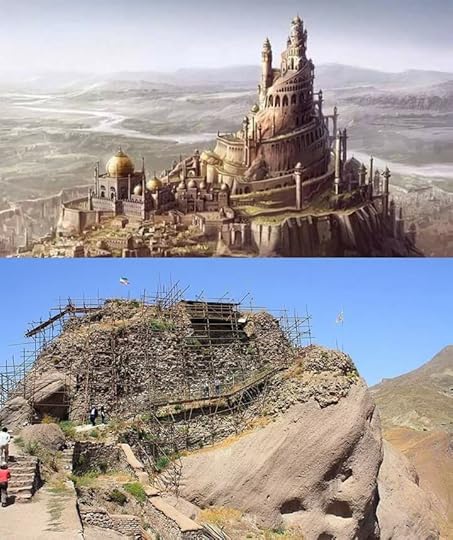
Alamut takes place in 11th Century Persia, in the fortress of Alamut, where self-proclaimed prophet Hasan ibn Sabbah is setting up his mad but brilliant plan to rule the region with a handful elite fighters who are to become his "living daggers." By creating a virtual paradise at Alamut, filled with beautiful women, lush gardens, wine and hashish, Sabbah is able to convince his young fighters that they can reach paradise if they follow his commands. With parallels to Osama bin Laden, Alamut tells the story of how Sabbah was able to instill fear into the ruling class by creating a small army of devotees who were willing to kill, and be killed, in order to achieve paradise. Believing in the supreme Ismaili motto “Nothing is true, everything is permitted,” Sabbah wanted to “experiment” with how far he could manipulate religious devotion for his own political gain through appealing to what he called the stupidity and gullibility of people and their passion for pleasure and selfish desires.
The novel focuses on Sabbah as he unveils his plan to his inner circle, and on two of his young followers — the beautiful slave girl Halima, who has come to Alamut to join Sabbah's paradise on earth, and young ibn Tahir, Sabbah's most gifted fighter. As both Halima and ibn Tahir become disillusioned with Sabbah's vision, their lives take unexpected turns.
Alamut was originally written in 1938 as an allegory to Mussolini's fascist state. In the 1960's it became a cult favorite throughout Tito's Yugoslavia, and in the 1990s, during the Balkan's War, it was read as an allegory of the region's strife and became a bestseller in Germany, France and Spain. Following the attacks of September 11, 2001, the book once again took on a new life, selling more than 20,000 copies in a new Slovenian edition, and being translated around the world in more than 19 languages. This edition, translated by Michael Biggins, in the first-ever English translation.
437 pages, Paperback
First published January 1, 1938


قلبي في صدري أسيرٌ سجين
تُخجلهُ عشرةُ ماءٍ وطين
وكم جرى عزمي بتحطيمه
فكانَ يَنهاني نداءُ اليقين
إنهم لا يستطيعون دخول الجنة و هم لا يستحقون جهنم. نصيبهم أن يتأملوا من فوق كلا الجانبين. ذلك ليعلموا. أجل. إن الأعراف هي تشبيه لموقف جميع أولئك الذين تفتحت أعينهم الشجاعة ليطبقوا سلوكهم على ما يعرفون. انظر. عندما آمنت كنت في السماء. و الأن أنت تدرك. و أنت تشك. ها أنت في الجحيم. و على سور الأعراف لا مكان للفرح و لا لخيبة الأمل.
الأعراف هي المكان الذي يتساوى فيه الخير مع الشر. و الطريق المؤدي إليها طويل و وعر. و قلائل هم الذين أتيح لهم استشفافه. و أقل منهم الذين و قد استشفوه تجرؤوا على المتابعة حتى نهاية الطريق. لأن الذين يجدون أنفسهم فوق هم وحيدون منفصلون إلى الأبد عن نظرائهم. و ليبقوا على هذا الإرتفاع عليهم أن تقسوا قلوبهم.


