Jump to ratings and reviews
Rate this book

Muerte en Persia

Rate this book
De expresión inmensamente triste, rara belleza y vida trágica, Annemarie Schwarzenbach no dejó indiferentes a cuantos la conocieron, como Thomas Mann y sus hijos, André Malraux y Carson McCullers, quien le dedicó su libro Reflejos en un ojo dorado. Viajó a Persia una y otra vez atraída por su pasado, los desiertos, los jardines paradisíacos, los valles solitarios. Escrito en 1936, este «diario impersonal», como ella lo definió, es una mezcla de autobiografía, crónica de viaje y ficción, donde la voz desgarrada de la narradora se funde con la grandeza turbadora de unos paisajes convertidos en espejo de sus miedos, su soledad y su amor por una joven turca.

178 pages, Paperback

First published January 1, 1995

13 people are currently reading
831 people want to read

About the author

Annemarie Schwarzenbach

47 books143 followers
Annemarie Schwarzenbach (1908-1942) was a Swiss writer, journalist, photographer and traveler.

Ratings & Reviews

What do you think?
Rate this book

Friends & Following

Create a free account to discover what your friends think of this book!

Community Reviews

5 stars
91 (19%)
4 stars
169 (35%)
3 stars
157 (33%)
2 stars
47 (9%)
1 star
8 (1%)
Displaying 1 - 30 of 61 reviews
Profile Image for Orsodimondo.
2,458 reviews2,433 followers
June 18, 2022
RIFLESSI IN UN OCCHIO D’ORO


Je suis Annemarie.

Annemarie Schwarzenbach scrisse molto, l’elenco delle sue opere è lungo: ma il suo vero romanzo, probabilmente l’unico, fu la sua stessa vita.
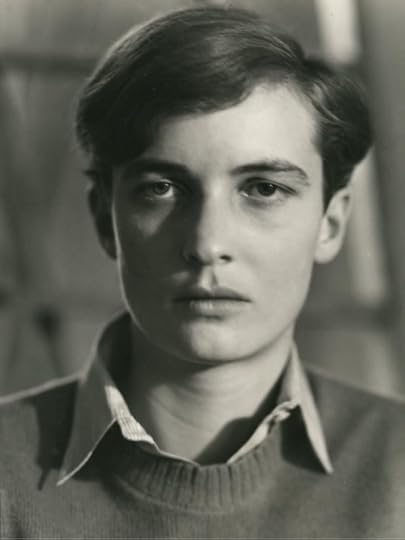
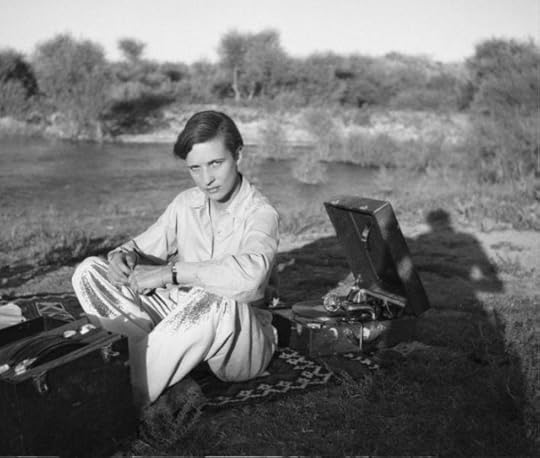
La fotografa che nel 1931 scattò il ritratto qui sopra (Marianne Breslauer, allieva e assistente di Man Ray) disse:
Ero completamente sconcertata alla vista di questa persona. Che mi apparì un essere d’un tipo mai incontrato prima. E se mi avessero detto che era l’Arcangelo Gabriele alle porte del paradiso, l’avrei creduto. Infatti non era come una donna o come un uomo, ma come un angelo, come un arcangelo, come io immagino un arcangelo.

Schwarzenbach cominciò a scrivere appena diciassettenne, e non smise mai, fino alla morte prematura (nel 1942, trentaquattrenne, per le conseguenze di una caduta dalla bicicletta).


Marianne Breslauer: Annemarie Schwarzenbach.

Ma la sua notorietà, più culto che vera fama, è nata dopo la morte, perché in vita pubblicò poco. La riscoperta (e forse vera scoperta) della sua opera è iniziata solo una trentina d’anni fa. Lo stesso ‘Morte in Persia’ fu pubblicato per la prima volta solo nel 1995.

Visse la scrittura come una malattia, come un’evasione dall’ossessiva custodia materna, che alla morte della figlia bruciò le lettere degli amici e amanti (per esempio, le centinaia mandatele dai fratelli Erika e Klaus Mann). Per la cronaca, la madre immortalò il corpo senza vita della figlia in una serie sterminata di fotografie.

Ma le vere malattie furono l’infelicità, la depressione, e la dipendenza dalla morfina (alla quale fu introdotta proprio dai figli di Thomas Mann), la mano del cielo.

description
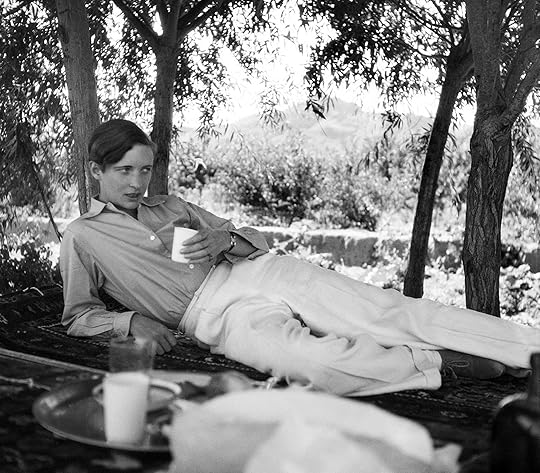
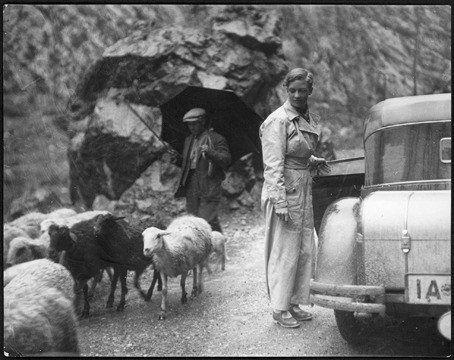
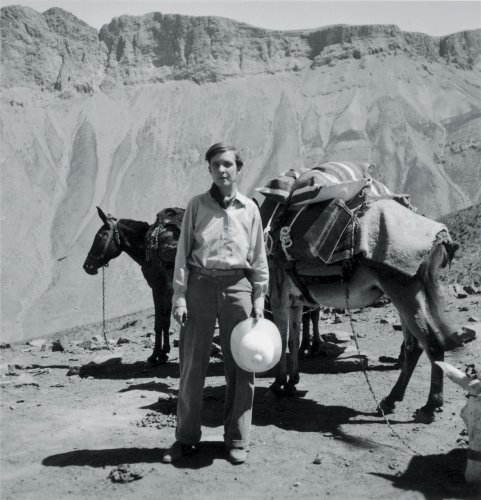
In viaggio.

Omosessuale, innamorata di Erika Mann, sposò un diplomatico francese omosessuale, che la salvò dal giogo familiare. Quando il matrimonio naufragò, s’innamorò di Jalé, figlia di un diplomatico turco, amore raccontato in queste pagine.
Seguì la passione per una dottoressa francese che tentò di disintossicarla. Poi ci fu la storia con Margot von Opel.
La scrittrice Carson McCullers ebbe per lei una passione mai ricambiata e le dedicò uno dei suoi romanzi più famosi, quello che ho usato come titolo di questo commento.

description

Nella sua breve vita si segnala qualche tentativo di suicidio e perfino un tentativo di omicidio: cercò di strangolare Margot, che era gelosa di Carson.
Per questo Schwarzenbach fu rinchiusa in tre diversi ospedali psichiatrici americani, dove subì ogni forma di tortura fisica e psichica.

Dal 1933 al 1942, mentre il nazismo devastava il mondo, Annamarie Schwarzenbach viaggiò l’Asia in lungo e in largo. In particolare la Persia.
‘Morte in Persia’ è in parte letteratura di viaggio, ‘diario impersonale’ dei soggiorni in Asia, autobiografia, memoir e racconto.
Ma è anche romanzo d’amore. L’amore tra due donne. Innamorarsi non è forse prima di tutto riconoscersi?

description

Valli senza nome. Carovane di cammelli. Città circondate da oasi. Deserti rocciosi, dune di sabbia, catene di montagne azzurre. Tende di lana di capra, nere, o bianche. Scogli neri. Vulcani estinti da tremila anni. Gole rocciose. Nomadi. Fiumi che tagliano in mezzo al verde delle rive erbose. Capre nere e pecore gialle. Camminare su milioni di cavallette vive che crepitano come un incendio. Muli. Steppa. La strada per Shīrāz. Fumatori d’oppio e mangiatori d’hashish. Circassi, tagicchi, lur…
Navi con vele color porpora, la luna che sorge sembra incendiarle. Tempeste di sabbia simili a nevicate. Trombe d’aria vagano nella notte a velocità spaventosa, intere colline si sollevano e vengono spazzate via. A Persepoli i custodi delle tombe degli Achemenidi passano la notte nelle camere tombali alla luce delle fiaccole. I mongoli invasero le città persiane nel tredicesimo secolo e solo nella città di Rage uccisero un milione di persone. Sole bianco che sembra spinto dal vento. La mortale violenza dell’estate.

Prima non era poi molto tempo fa.

description
Profile Image for Warwick.
Author 1 book15.4k followers
May 27, 2016

I think a lot about a guy I travelled with when I was a teenager and living briefly in Morocco – he was a genial, moon-faced, gangly kid called Iain who seemed to love every new place we visited; he lounged expansively at medina tea-rooms, squinted beatifically into Essaouiran sunsets, and could score a fistful of hash within minutes of disembarking at a bus station. I can almost see him now…angling his head and grinning from ear to ear.

Some weeks after we parted ways, he killed himself in one of the many anonymous, cheap hotel rooms that student travellers tend to inhabit. I never understood. He always seemed like the happiest person any of us knew. My attempts to come to terms with what he must have been feeling – and hiding – came to be associated in my head with the novels of Paul Bowles, whom I read around that time, and for whom foreign countries, foreign cultures, were always the grounds for a certain kind of deep, existential terror. ‘The sky hides the night behind it,’ he wrote of the Moroccan Sahara, ‘and shelters the people beneath from the horror that lies above.’ Is that how Iain felt, I used to wonder?

In this sparse, crafted journal, Swiss wanderer Annemarie Schwarzenbach, whose life was too extraordinary to summarise in this review, explores the same kind of feeling that The Sheltering Sky explores in fiction. Her setting is Persia, not North Africa, but there is the same blank refusal to cope with the expanses of desert, the same near-fatal Kulturschock, the same sense of being stranded in a landscape that is ‘too vast’ (as she puts it) in both time and space. It exacerbates some profound fear in Schwarzenbach's mind which she never clearly articulates for us. ‘The danger has many names,’ she records, evasively:

Sometimes it's called homesickness; sometimes it's the arid, high-altitude wind that tugs at your nerves; sometimes it's the alcohol, sometimes worse poisons. Sometimes it has no name…


It was 1934 and she was working on an archaeological dig in the Lar Valley, a remote spot which she characterises as being ‘the end of the world’. In her clear-eyed, melancholy descriptions, the Iranian landscape has an apocalyptic bleakness, its mountains and valleys always described by moonlight and filled with vultures, dead gazelles, and rivers that are ‘moon-streams […] black yet specular as a mirror’ where dead fish float belly-up. She is there with friends, who try to look after her; but watch how quickly she can cross over from their company into something completely different:

I put my glass down by my deckchair and went out. The door was just a frame with a mosquito net stretched across it. The sensation was familiar, pushing aside the thin partition that separated a room filled with peaceful, lamplit warmth from the great surrealism that lay outside—the moonlight, the gleam of the desert, the strips of ground you could cross up to the starkly white, rocky ridges, the place of royal tombs where ibex spent the night and foreign ships with paralysed sails lay for eternity.


And it's this ‘great surrealism’ – what she elsewhere calls ‘Persia's terrible sadness’ – that touches something raw within her. Some people travel to find comfort for these feelings. But others, like Schwarzenbach, find instead that ‘there is no true comfort in such countries’. There are a couple of extraordinary moments in here where, reaching for a language to reflect her emotions, Schwarzenbach describes having agonised conversations with an angel in her tent. These exchanges – metaphorical, hallucinated, imaginary, we aren't sure – provide no reassurance at all, but instead seem to represent a nightmarish personification of Schwarzenbach's own feelings of immobility and paranoia.

‘You cannot move,’ said the angel pleasantly, ‘you are utterly helpless and exposed to the angels of this land, who are terrible creatures.’


And later, by way of a pep talk:

‘You know very well that no one can enter the heart of another and become as one, not even for the shortest moment. Even your mother only made you flesh, and at your first breath you breathed in solitude.’


It's not exactly Highway to Heaven material. The love affair that Schwarzenbach relates in the second half of Death in Persia might, perhaps, have pulled her round, if it hadn't built up to the tragic climax that we are already expecting thanks to the book's title. As it is, Death in Persia – not unlike a Bowles novel – purifies at the end into a spare expression of loss and anxiety. ‘The future is dead,’ she writes in the last few pages, ‘not a breath of air stirs there, no colour, no darkness, no light, and the path there is long and too far for me to go.’

Schwarzenbach in fact survived the suicide attempt she made some years later, but, in one of life's hideous ironies, subsequently fell off her bicycle and died from complications of a head injury at the ridiculous age of 34. Like her nineteenth-century compatriot Isabelle Eberhardt, she writes about the loneliness of travel as well as anyone I've read, and she also, with her plain evocations of isolation and paralysis, helps to elucidate states of mind that I've been struggling to understand for many years.
Profile Image for Paula Mota.
1,665 reviews563 followers
July 4, 2025
#WITMonth

- Penso apenas que nos resta sempre essa saída.
- Dás assim tão pouco valor à morte? Serve apenas para fugires de ti própria?
- Não para fugir de mim, para escapar à vida. A vida dói-me. Até um estranho me pode fazer mal. Um obstáculo tão pequeno pode precipitar-me na queda.


A morte é presença constante nesta obra, tanto pelos muitos perigos físicos nas expedições pelo deserto, como pelos mórbidos pensamentos da autora, mas acima de tudo pela tuberculose da sua amada Ialé.

O perigo tem diferentes nomes. Por vezes, chama-se simplesmente saudades de casa, outras vezes, é apenas o vento seco das montanhas que acicata os nervos, outras vezes, o álcool, outras vezes, venenos mais letais ainda. Em certos momentos, não tem nome, nesses momentos somos acometidos por um medo inominável.

Os relatos de viagens de Annemarie Schwarzenbach são tão hipnóticos como o seu olhar, os famigerados “reflexos nuns olhos de ouro”.
Numa expedição arqueológica ao vale do Lar...

Tu e os outros gostam de dizer que este é o “vale feliz”, levianamente, mas tu sabes que este é o “vale do fim do mundo”. É aqui que tens de volta para trás.

...com o vulcão Damavand como pano de fundo, Annemarie tenta manter-se longe da Europa, onde se assiste à ascensão do Nazismo e à perseguição de vários dos seus amigos, incluindo a família de Thomas Mann.

Sim, deixei o meu país por uma questão de consciência, e muitos invejaram a minha liberdade e a minha escolha. Mas aqui a própria liberdade perde o sentido. Já não espero nada da minha liberdade, quero apenas regressar, mas não posso, não posso e sei que não posso.

As descrições das paisagens iranianas e dos ambientes de Teerão são excepcionais, mas a narração dos factos e do papel de cada uma das personagens é etérea, pelo que é necessária alguma pesquisa para perceber quem é quem. Annemarrie é muita vaga no que toca às suas relações, à sua doença, aos seus medos, pelo que é necessário ler nas entrelinhas para perceber o seu sofrimento amoroso e a depressão de que sofria.

- Mesmo a tua mãe deu-te apenas um corpo, e quando começaste a respirar, não foi ar que inspiraste, mas solidão.
- Eu sei – respondi, - mas o nosso único consolo é o amor e fixar ao lado de quem amamos.


Apesar de ter pouco interesse em literatura de viagens, deixei-me envolver pelas viagens e estados de alma desta intrépida aventureira.
Profile Image for Katya.
485 reviews
Read
March 20, 2024
Afinal, não foi por uma questão de consciência que deixei a Europa e o meu país? Passaram já dois anos. Naquele tempo, tinha chegado o momento da decisão e da luta por uma causa, mesmo para quem não tivesse escolhido a grande discórdia que separa os povos e envenena os homens. Observar passivamente seria falta de consciência, e isso eu não tolerava. Ainda menos queria lutar, parecia-me falso o papel que outros esperavam que eu representasse. Sim, deixei o meu país por uma questão de consciência, e muitos invejaram a minha liberdade e a minha escolha.
Mas aqui a própria liberdade perde o sentido. Já não espero nada da minha liberdade, quero apenas regressar, mas não posso, não posso, e sei que não posso.


Morte na Pérsia sucede aquele que, para mim é, até ao momento, o melhor livro (não ficção) que li de Annemarie Schwarzenbach,
INVERNO NO PRÓXIMO ORIENTE, o qual descreve a sua passagem, então com 25 anos, por terras do Oriente - Istambul, Palestina e a inevitável Pérsia à qual regressa no ano seguinte. Partindo de uma Europa dilacerada pelo fascismo, Annemarie ousa, como outras mulheres no princípio do século XX, [re]encontrar a liberdade em terras que, a olhos europeus, parecem inóspitas, mas que a acolhem sem julgamento - tal como espera:

(...)quem hoje vive num país europeu sabe como muitos não resistem à tensão atroz, uma tensão que se estende do conflito pessoal entre a necessidade de repouso e a capacidade de decisão, que se estende da necessidade material mais simples e inadiável às questões mais gerais e no entanto prementes da política, do futuro económico, social e cultural, uma tensão a que ninguém escapa ileso. E se, não obstante, a juventude tenta escapar ilesa, por conscienciosa que seja no modo como interpreta a sua fuga, ainda assim traz na testa a marca de Caim, a marca de quem traiu o irmão.


Todavia, a Annemarie que visita o Oriente uma primeira vez - encantada com as paisagens, as gentes, a história - não é a Annmarie que regressa no ano seguinte. A jovem doutorada e jornalista que desce do Expresso do Oriente em '33, chega cheia de esperança, de olhar límpido, guardando ainda alguma inocência; a Annmarie de Morte na Pérsia, por outro lado, renunciou a toda a esperança, já se desiludiu com os homens e, sobretudo, desiludiu-se a si própria:

-Quatrocentos quilómetros - disse ela. - Mas tu não fizeste já esta viagem?
-Precisamente por isso - respondi, - na primeira vez ousamos tudo, porque não conhecemos a modéstia. Mas depois, depois não devemos cair em tentação outra vez.
-Quanto a isso - disse Barbara, - fui eu quem te fez cair em tentação. Fui eu quem te convenceu a fazer esta viagem. Não me digas agora que estás arrependida!
-De qualquer maneira, teria tentado outra vez.
-De qualquer maneira?
-É que neste país temos de estar duas vezes certos das coisas que amamos.
-Uma defesa contra esta impressão de estarmos a sonhar?
-Sim - disse eu, - faz-me medo. Tenho medo do efémero.
Mas já só o nome de Persépolis era imperecível e intocável, e ninguém podia esquecer a visão das suas ruínas.
-Este país faz de nós cobardes - disse Barbara.


Agora, Annemarie Schwarzenbach procura o deserto para se perder em vez de para se encontrar:

Naquele tempo, eu não conhecia esta sensação nova. Só mais tarde compreendi, quando se tornou demasiado poderosa e quase me aniquilou. E desde então, sobre a desolação magnífica e sobre o excesso de cores daquelas terras, sobre a sua recordação em parte transfigurada e em parte terrível, desde então que paira acima de tudo, como uma cortina de fumo, o medo sem nome.


E essa realidade sombria torna este um livro de viagens atípico, pesado, triste...

O que acontece quando uma pessoa chega ao fim das suas forças? (Não é doença, não é dor, não é infelicidade, é pior.) Numa manhã, ela senta-se diante da sua tenda e olha para lá do rio(...)Pensamos em levantar-nos, endireitar as costas doridas. À tarde, quando nos estendemos na cama de campanha, no interior quente e sombrio da tenda, percebemos que o repouso não é possível. E depois o pavor desesperado das horas nocturnas! Também elas passarão, e um novo dia chegará(...)Mas o que fazer? Não havia, ontem ainda, tanto que fazer?(...)O que foi que mudou desde então? Erguemos devagar a mão e cerramos o punho. Impossível cerrar o punho. O gesto é fraco, choco, e nas costas, nos joelhos, na nuca sentimos já a terrível prostração da acédia, uma doença pior que a malária. As mãos estão húmidas, falar é um esforço desmedido. Levanta-te e caminha! O coração bate depressa, e seguimos pela margem do rio mais depressa ainda, para não cedermos à tentação de nos atirarmos ao chão e chorarmos de cansaço e desespero. Aha, aqui não se chora. É pior, muito pior. Aqui estamos sós.


... torna-o numa forma de rebelião:

Sabes bem que ninguém pode entrar no coração de outra pessoa e unir-se a ela, nem sequer por um breve momento. Mesmo a tua mãe deu-te apenas um corpo, e quando começaste a respirar, não foi ar que inspiraste, mas solidão.
(...)gritarás e chorarás, porque não poderás fazer mais nada. Assim são os homens, hoje e há séculos atrás e há milénios atrás, sempre se revoltaram quando já nada lhes restava.


Claramente mais dependente de substâncias como álcool, tabaco e drogas ao longo do tempo, este revisitar da Pérsia é particularmente doloroso para a autora - entre o questionamento pessoal e o desgosto amoroso, longe vão os tempos em que as escavações decorriam harmoniosamente (até o professor então encarregado por elas havia sido afastado por ser judeu), - nem aqui Annemarie consegue fugir à sombra insidiosa do nazismo:

Ainda me lembrava de noites como esta, a mesma embriaguez, a mesma serenidade, a mesma tristeza, o mesmo desassossego diante do silêncio sobre-humano e desapaixonado deste lugar.


E no meio das areias, ninguém a consegue escutar:

Quem foi que me trouxe até aqui? Porque tive eu de percorrer tantos caminhos, de me perder uma e outra vez? Primeiro, por aventura, depois por saudades, depois porque comecei a sentir medo e ninguém me ajudava. Ah, mas é verdade que alguém me expulsou, quero acusar, quero denunciar, não quero que digam que sou eu a responsável, não quero que me deixem morrer aqui sozinha, quero que me levem para casa!


Mas sem casa a que voltar, Annemarie está condenada a habitar lugares de ninguém, e assim será até à sua morte:

Mãe, pensamos (como este nome ajuda a chorar!), fiz qualquer coisa mal, logo no início. Mas não fui eu, foi a vida. Todos os caminhos que percorri, todos os caminhos que não percorri, terminam aqui, no «vale feliz», donde não há saída, e que por isso se assemelha já ao lugar da morte.


Continuo magnetizada pela personalidade trágica e profunda de Annemarie, alguma coisa me atrai a ela como abelha ao mel. Será da sua delicadeza, da sua poesia, da sua fatalidade, da sua paixão...será de tudo junto? Certo é que, mesmo no marasmo, não lhe fico indiferente. Todos temos os nossos ídolos do rock: Annemarie Schwarzenbach é o meu!

Ah, despertar mais uma vez sem sentir as suas garras, por uma vez não ficar só e entregue ao medo! Sentir a respiração feliz do mundo!
Ah, viver mais uma vez!
Profile Image for Carla.
285 reviews85 followers
October 10, 2018
O que ainda me prende aqui é a desesperança extrema. Estou presa por uma mão que sai das nuvens, e no momento certo esta mão irá largar-me. É esse o momento que espero ainda, nada mais, nenhuma partida, nenhum regresso a casa.
Profile Image for diario_de_um_leitor_pjv .
781 reviews139 followers
May 9, 2022
Um amor. Aquele amor proibido. Aquela história triste que sempre nos inunda. E nos invade. A história de um amor que não se consagra, fruto das imposições culturais e sociais. Mas também a história da tristeza de um mundo em profundo alvoroço.
Escrito na primeira metade dos anos 30 - em plena ascensão nazi na Alemanha onde a autora vivia -, mas inédito até aos anos 90 este é um livro que confirma Annemarie Schwarzenbach como um voz especial as vivẽncias amorosas entre mulheres. Efectivamente esta escritora nascida na Suiça, é uma das mais interessantes, mas esquecidas, vozes - assumidamente lésbicas - da literatura mundial da primeira metade do século XX.
Por isso mesmo, mais do que um livro de viagem é um livro sobre essa busca do amor. Desse amor que por vezes tem dificuldade em dizer o nome, mas que se plasma na necessidade da companhia constante entre a narradora e a sua amada.

Por isso mesmo as memórias desta viagem por terras da Pérsia (actual Irão) são um processo de escrita intimista, de procura de si mesma… De uma melancolia e angústia que tantas vezes contamina o leitor em páginas imensamente tristes.
Apesar dessa tristeza sem fim, é um livro belíssimo que me encantou ler.

Um detalhe. Este livro foi o primeiro da coleção de Literatura de Viagens, dirigida por Carlos Vaz Marques, que a Tinta da China edita desde 2008.
Profile Image for Jim Coughenour.
Author 4 books227 followers
June 8, 2013
I knew nothing about Annemarie Schwarzenbach. I don't know when or why I ordered this book. It arrived unexpectedly like a gift and astonished me.

There are classics of melancholy and this is certainly one of them. At times I was reminded of Du Fu, W G Sebald, of Robert Byron and Lawrence Durrell. Of the fatal sadness at the heart of A Month in the Country or One Hot Summer in St. Petersburg. The line
We had wanted to talk about happiness and didn't notice that we were thinking about death…
reminded me of Charles Simic. There's an angel as haunted as anything in Rilke or Wim Wenders. This is a spare book of prose, a travel diary that reads like sustained poem, an Arabian Night of pure fear and terrifying beauty.
Profile Image for Teresa.
1,492 reviews
October 27, 2019
"Este livro trará pouca alegria ao leitor. Não o poderá consolar nem reconfortar, como muitas vezes os livros tristes sabem fazer, pois é opinião corrente que o sofrimento se reveste de força moral, na condição de ser condignamente suportado."
Profile Image for Katherine.
405 reviews168 followers
June 2, 2016
The feverish weariness that Death in Persia provokes feels like being trapped in a hot room, but with magical landscapes and captivating portraits of death and depression. I felt stuck in a dream while reading it, with a growing lack of control. I look forward to reading more of Annemarie's work, and returning to this one in the future.
16 reviews
August 29, 2025
3,5
Rejser eller flygter man?
En europæisk kvindes rejseberetninger fra hendes tid i Persien.
Kunne godt lide hvordan hun lever igennem erkendelses af at flygte fra noget hjemmefra, men at man ikke efterlader det hjemme, men tværtimod tager det med på rejsen, og derfor aldrig føler sig tilfreds.
Persien bliver beskrevet som fremmed og voldsom, men hun bliver ved med at tage tilbage, i håb om at få udfyldt noget, som hun nok ikke selv er klar over hvad skulle være.
Jeg føler godt hun selv er klar over, hun er en rig priviligeret europæer, som forsøger at få det bedre ved at tage “eksotiske steder” hen, men hun virker aldrig som om hun nyder at være afsted, hvilket derfor stiller spørgsmålet.
Hvorfor tager hun så afsted igen og igen?

Profile Image for Ana.
41 reviews
Read
August 5, 2025
"-Foi no cimo da colina - disse ele - que comecei a lutar contigo. Vi como sofrias. Vi como te atormentavas, já contra toda a razão, e como depositavas a tua última esperança num milagre. O que era que te faltava?
Esta pergunta terrível deixou-me sem palavras, e sobre mim abateu-se a velha desesperança de onde não há saída.
-Não sei-disse eu."
Profile Image for Reza Abedini.
146 reviews38 followers
July 17, 2022
حیف وقت و پول و کاغذ
بشدت بی سر و ته
روایت ناشیانه و جسته گریخته
نام ها و شخصیت ها بدون هیچگونه پس زمینه ای برای شناختشون
بدترین خاطره نویس و شاید سفرنامه ای بود که در عمرم خواندم
Profile Image for Simon Wang.
74 reviews
June 26, 2025
ive really just been reading books by depressed queer women recently 🦌

written as a "journal non intime" in the 1930s, this was published posthumously in the 1990s. schwarzenbach calls it such because the first half is sort of impersonal-- mostly filled with beautiful descriptions of the persian landscape and of her time working an archeological dig. i liked this work more than the last one i read, "voir une femme" as it benefits from better editing and has a more satisfying narrative arc.

i personally found the second half, titled "une tentative d'amour", to be more engaging than the first. she falls in love with a young terminally ill woman whose father, resentful of her mother for leaving him for a rich poet, isolates her and makes her miserable. the two of them are sick and melancholic, but find a gentle sort of comfort in each other's company. i really enjoyed the chapter "conversation sur le bonheur" with their shared vision of a moonlit silvery river surrounded by open fields and the concluding sentence "Nous voulions parler du bonheur et nous ne nous rendions pas compte que nous pensions à la mort".

throughout this account, schwarzenbach is assailed by a profound fear and loneliness. she talks continuously about how isolated everyone is geographically, ideologically, emotionally, etc. as is inevitable in a travel log written by a wealthy 20th century european, some descriptions feel a tad orientalist and out of touch, but i liked it overall. she projects her depression and misery onto iran, but a nurse she speaks to addresses that directly, affirming: "Il ne faut pas se mettre à avoir peur de ce pays et à le rendre responsable de tout."
This entire review has been hidden because of spoilers.
Profile Image for Soraia.
26 reviews4 followers
June 15, 2010
When I first start reading this book, I was quite disappointed, because I was expecting a lot more. And this "a lot more" pertains to that idea of a woman who was bashing against the ideologies of her home country. So, yes, I was hoping for a lot more introspective rage. But then I realized her struggle was suddenly rising and adding up to the fact that she was in a whole different country, with clashing ideologies and ways of living. Her lack of inner strength and will to die threw me around the edges. And her love for Ialé was heartbreaking. And then she died.
Thus I felt myself flowing throughout the lines and words in this book and then it was over and I wanted to read more.
Anne's life was much, much more than she shows in this book, so I'm hoping to read more of her.
113 reviews16 followers
April 5, 2021
اما در اینجا (ایران) ما دیگر به چیزی باور نداریم. فرشتگان بیش از حد توانمندند و با پاهای پاکشان بر روی زمین راه می روند. مردمان، در اینجا زمان و وقتی برای دیگران صرف نمی کنند و کاری به کار هم ندارند، چرا که درست نقطه ضعف دیگری را نمی دانند. شاید نقطه ضعف این شخص، نقطه ضعف آن دیگری باشد؟ به این ترتیب سکوت گسترش پیدا می‌کند.
Profile Image for Lia.
40 reviews8 followers
August 2, 2024
Очень много восклицаний, заламываний рук и абстрактных рассуждений непонятно о чем(
Profile Image for Lauren.
54 reviews1 follower
March 17, 2021
As a sort of disconnected, emotionally-based travelogue, Annemarie Schwarzenbach’s Death in Persia is like a narrative stand-in for the wandering, fearful spirit of the era of gathering tension just before the second world war. Although the mid-1930s were certainly an intense time for everyone, especially for Europeans, Schwarzenbach’s outlook is undoubtedly the result of predisposed psychological unrest. Just as Schwarzenbach describes this text to be a “non-intimate journal”, it remains not quite a diary, nor a traditional travelogue, but something in-between. With all of its self-exposure, the book is yet self-retaining and follows a generic narrative form even with its deliberately choppy, disconnected chapters. While some readers are disappointed by the lack of factual information regarding Iran in this specific time period, the title itself suggests a certain subjectivity and personal touch-- whether “death” itself refers to a literal death or to a sense of desolation, there is a definite promise for a personal emotive experience to be recounted. Although every writer has a biased edge even in non-fiction, Schwarzenbach is overt from the very beginning that her story pertains most to her own despair. Because sentiment is forthright throughout, the landscape is observed as though behind a gauzy curtain (or behind Schwarzenbach’s pregnable tent in Lahr). Such a stream-of-consciousness style is reminiscent of the emotionally-potent abstract art and film of the 1930s, despite the book being near wholly factual. Lee Miller’s “Portrait of Space” (1937), a photograph of a sheer tent with a ripped hole looking out into a desert, makes me think of the scenes in Raghges when Schwarzenbach states,

The wall of the small house, the wall of my room, was at the same time the prolonging of the garden wall; and if it offered protection against the wind and rain, it did not protect me from the sound of caravan bells, against the cries of the caravaners making camels cross the ford, nor against the slow murmur of the silver river

While the reader is provided with a vision of Iran, it is through the lens of mental disquietude-- the warning before the book, however, mentions that “This book will bring little joy to its readers”. All the same, the book brings a joy in adding a new dimension to Schwarzenbach and her colleagues: Death in Persia is one of the sole texts in which she does not try to mask the fact of her own homosexuality, making for a more candid, straightforward book of a type that would hardly have been published in its own era of conception. Especially astounding is the author’s reference to characters by their real names; since Schwarzenbach was also quite the prolific photographer, many of her acquaintances are captured in her photographs-- to have a narrative behind these people only ever seen in still-images adds a significant facet that brings these otherwise-forgotten figures closer to another ride at existence. In the “Memory of Persepolis” chapter, the brief references to Barbara Hamilton-Wright gesture out an organic personality and hint at an intimacy that doubtless would have been largely forgotten or overlooked. Through Schwarzenbach’s behavior around the two romantic interests, Barbara and Yalé, it is evident that her ability for a temporary reprieve came solely from the support of women. Despite the superfluous list of lovers, Schwarzenbach had terminated each love affair by the duration of a year, probably due to her search for a kind of impossibly close relationship. Her mere existence must have been a tragedy to her because it suggested that she was an individual, never truly inhabiting the mind or soul of another. This realization that is vocalized with the angel’s visitation is certainly trying to come to terms with-- “You know well that no one can penetrate, not even for an instant, into the heart of another to be united to him. Even your mother gave you your body, and that which you breathe from your first breath, is solitude”. For all of her pioneering, Schwarzenbach was yet rather a dependent individual, mistakenly looking to encounter tranquility through the unwavering affection of another; yet even being so loved by countless friends and devotees could not eradicate her perception of profound solitude and fear. Taking this depression-inclined mind and placing it in a region that “is not even menacing, just too big” amplifies her trepidations, needless to say. That is why, for the reader, it may be puzzling to comprehend where the immense discomposure is stemming from: much of the hurdles are internal, but simply twisted out more forcefully from the alien environment. Despite the mental aptitude for despair, Schwarzenbach had some decidedly valid reasons for her overwhelming despair; With strong anti-fascist beliefs and a family that was markedly pro-nazi, Schwarzenbach felt a spiritual and moral laceration that she repeatedly, but unsuccessfully, tried to evade through fleeing (a liberty only available through the privilege of having a wealthy and Aryan background. Compared to other figures of the era, Schwarzenbach’s hardships were less physical and more mental). In contrast, the mutual traveler Ella Maillart, in her own writing, is more factual and curious about her surroundings in foreign lands, taking a less emotional route and instead devouring the thrill of adventure for the sake of adventure-- traveling not to escape life’s impediments, but to escape life’s ennui. According to Maillart, “One travels to run away from routine, that dreadful routine that kills all imagination and all our capacity for enthusiasm”. In her mind, it was the act of traveling that worked as a balm to the despondency and maintained a healthy flow of mental circulation. Maillart was generally a more stable being because of her ability to gain spiritual appeasement through her own feats and through nature, rather than waiting for an unknown happiness that depends on a separate soul’s amity or through the numbing of drugs. Such a comparison can offer a further nuanced study of the two personalities and suggest that Schwarzenbach’s melancholy was not merely a result of the turbulent political and social climate, but a combination of external pressures and personal reaction.
Although having an interest in Annemarie Schwarzenbach will significantly increase the book’s value due to the book’s addition of depth and vulnerability to a cult figure, the atmospheric constitution makes for an idiosyncratic and pure read that should interest anyone. Especially the angel’s manifestations are intriguing because they are like a conversation between two sides of the author’s consciousness-- there are times when it is necessary to remind oneself that everything being read is the author’s words, and (probably) not a transcription of a corporeal deity’s words. Evidently, Schwarzenbach held juxtaposing feelings towards life; as her friends would often say, she must have had some hope to live even when she attempted suicide because she would always survive in the end. Ruth Lanshoff-Yorck described her as a flower that would be wilted during one season and blooming the next; like the summer and winter flower (or Schwarzenbach’s “angelic” thoughts and her hopeless thoughts) having discourse in a tent at the “end of the world”. Overall, there is a surreal feeling like a meshing of several scenes from dreams that do not stitch perfectly together, but are put next to one another in a way that exposes something fundamental about the dreamer herself. Due to this dream-like state of the text, it elapses similarly to a surrealist film. Where traditional films are like a standard cup of coffee, surrealist films are like an espresso that packs a heap of emotion into an undersized cup, this book belongs to the latter category of espressos. For those looking to pervade the mind of a tragic figure in a haunting unreality, this story must be unflinchingly traversed.
With the warning provided at the beginning of the book, as well as through the synopsis, the text is direct in repudiating any notion that it is an informative book on Iran, therefore, there is no reason for any reader to assume that they will be offered such. Although having an interest in Annemarie Schwarzenbach will significantly increase the book’s absorption due to its addition of depth and vulnerability to a cult figure, its atmospheric constitution makes for an idiosyncratic and pure read. The angel’s manifestations are intriguing because they are like a conversation between two sides of the author’s consciousness-- there are times when it is necessary to remind oneself that everything being read is the author’s words, and (probably) not a transcription of a corporeal deity’s words. Evidently, Schwarzenbach held juxtaposing feelings towards life; as her friends would often say, she must have had some hope to live when she attempted suicide because she would always survive. Ruth Lanshoff-Yorck described her as a flower that would be wilted during one season and blooming the next; like the spring and winter flower having discourse in a tent at the “end of the world”. Overall, there is a surreal feeling like a meshing of several scenes from dreams that do not stitch perfectly together, but are put next to one another in a way that exposes something fundamental about the dreamer herself. Due to this dream-like state of the text, it elapses similarly to a surrealist film. Where traditional films are like a standard cup of coffee, surrealist films are like an espresso that packs a heap of emotion into an undersized cup, this book belongs to the latter category of espressos. For those looking to pervade the mind of a tragic figure in a haunting unreality, this story must be unflinchingly traversed.
Profile Image for Bahman Bahman.
Author 3 books242 followers
March 31, 2021
آنه ماری شوارتسنباخ نویسنده و روزنامه نگار سوئیسی سال 1908 در زوریخ به دنیا آمد. او از پاییز 1931 تا بهار 1933 در برلین و از راه نویسندگی زندگی می کرد اما با دستیابی هیتلر به قدرت در سال 1933 او نیز چون بسیاری از نویسندگان آلمان مجبور به ترک این کشور شد. او در این سال ها پیوسته در اندیشه سفر به شرق بود. پس از سفری به اسپانیا در سال 1933 شوارتسنباخ به خاور نزدیک و ایران سفر کرد و در سال بعد نیز همین سفر تکرار شد. به این ترتیب آنه ماری شوارتسنباخ نخستین روزنامه نگار و عکاس سوئیسی بود که به ایران و افغانستان سفر کرد. هنگام اقامت در ایران با کلود کلار دیپلمات فرانسوی ازدواج کرد و گذرنامه ای سیاسی و فرانسوی هم به دست آورد که سفرهای بعدی او را آسان تر ساخت. طی اقامت در تهران و دره لا�� بخشی از "یادداشت های غیر شخصی" را نوشت که اساس همین کتاب "مرگ در ایران" بود. اما ازدواج ناموفق، بیماری و اعتیاد شوارتسنباخ را مجبور کرد به سوئیس بازگردد و دوره ای درمانی را بگذراند. او در فوریه 1938 با الا مایار در زوریخ آشنا شد و تصمیم گرفت همراه او به افغانستان سفر کند. پدرش برای او ماشین فوردی خرید و همین ماشین وسیله سفرشان شد. آنها با گذر از استانبول، آنکارا، تبریز، تهران، مازندران و مشهد به هرات رسیدند و از آنجا عازم کابل شدند. کتاب "مرگ در ایران" با زبانی خاطره گونه و توصیفی نوشته شده و طی آن مشاهدات شوارتسنباخ از تهران و مناظر طبیعی و شهری آن به دقت شرح داده شده است. او همچون یک داستان نویس به طور ظرافتمندانه ای درک خود را نسبت به اشیاء و آدم ها و محیط ایران ارائه داده است. از ورای اثر او می توان شرایط تاریخی و سیاسی و وضعیت اجتماعی و اقتصادی ایران آن روزگار را دریافت. او توصیفاتی نیز از بناهای تاریخی ایران دارد و با گذر از هر منطقه و شهر، اطلاعات و دیدگاهش را نسبت به فرهنگ و باورهای آن منطقه ابراز می کند.
26 reviews
June 4, 2025
No final do livro surge a «Nota Biográfica » que transcrevo:
«Annemarie Schawrzenbach nasceu em Zurique, em 1908, numa família próspera e aristocrática. Cresceu numa propriedade rural, regularmente visitada pela elite cultural da época. Estudou História na Sorbonne. Viveu em Berlim, onde se envolveu com o mundo artístico da literatura, do cinema e da música. Foi nesta cidade que encontrou espaço para exprimir a sua identidade homossexual. Activamente empenhada contra o nazismo, concebeu uma revista antifascista, dirigida por Klaus Mann, para a qual contribuíram alguns dos mais brilhantes pensadores e escritores da época: Hemingway, Einstein, Brecht, Cocteau.
Foi depois deste período que Schwarzenbach se lançou às grandes viagens de muitos meses, nomeadamente ao Médio Oriente, em expedições arqueológicas; Turquia, Damasco, Jerusalém, Bagdade, Teerão. Em 1935, após uma desintoxicação de morfina e uma tentativa de suicídio, casou-se com um diplomata francês. Entre 1935 e 1937 viajou pelos Estados Unidos (…). Regressou mais tarde ao Oriente: Afeganistão, Índia. Passou por Lisboa onde conheceu António Ferro.
Publicou diversos livros e artigos, sempre na eminência de escrever a sua grande obra. Fez uma última viagem ao Congo belga, antes de morrer tragicamente, com 34 anos, em consequência de uma queda de bicicleta.»
143 reviews3 followers
October 17, 2018
O livro poderia decorrer em qualquer outro lado que representasse o exílio, o afastamento, o desconhecido. O medo. (O perigo tem diferentes nomes. Por vezes, chama-se simplesmente saudades de casa, outras vezes, é apenas o vento seco das montanhas que acicata os nervos, outras vezes, o álcool, outras vezes, venenos mais letais ainda. Em certos momentos, não tem nome, nesses momentos somos acometidos por um medo inominável.)

Da Pérsia pouco ficamos a saber. Há algumas descrições, menção de algumas cidades ou paisagens e a afirmação de que neste país temos de estar duas vezes certos das coisas que amamos. Mas é de alguma forma apenas um pretexto para uma viagem por dentro dela própria, uma forma de resistir ao medo que a acompanha sempre. A procura do amor.
Profile Image for Madeleine Corfier.
109 reviews
August 10, 2025
Eine interessante, melancholisch - traurige & sehr real erzählte Dokumentation über ihre Reisen nach Persien , ihre Erlebnisse dort & über die Liebe & leider auch wie man sie durch den Tod wieder verlieren kann.

‚Erst während der langen Nächte wurde dies alles lebendig, aber ich konnte es dann kaum von meinen Träumen unterscheiden. Langsam erst gewann die Traumwelt über mich Gewalt, noch langsamer die Furcht. & dann begann ich, die tödliche Größe des Landes zu begreifen, das uns jeden Morgen mit seinen Schönheiten & seiner überirdischen Dämmerung entzückte.‘ (S. 69)
215 reviews2 followers
July 26, 2021
Un libro a metà tra il memoir e le riflessioni a margine di un viaggio ai confini del mondo in un momento in cui la vecchia Europa sembrava implodere su se stessa. Si potrebbe quindi pensare ad una fuga da ciò che non si vorrebbe vedere, ma l'autrice chiarisce che si è piuttosto trattato di una scelta di libertà, libertà di non essere inquadrati nel ruolo che altri hanno scelto per noi di fronte alla vita o in questo caso di fronte alla seconda guerra mondiale.
E forse è questa l'essenza più profonda della vita della Schwarzenbach: la ricerca estenuante e rigorosa del proprio autentico ruolo nel mondo, anche a costo di della dissoluzione del proprio essere.
Non stupisce, quindi, che in questo viaggio in Persia, dedicandosi almeno in parte allo studio e alla ricostruzione di mondo che non esiste più, l'autrice si trovi a battagliare con se stessa tra il desiderio di vita (che è anche il desiderio di amare) e quello di lasciarsi andare e abbandonare tutto.
E in questa battaglia in cui più volte e in varie fogge viene metaforicamente richiamata nel testo, l'autrice finisce per dirci che occorre abbandonarsi al nulla, accettare la propria solitudine e il proprio dolore per ritrovare la vita. Accettare che la vita è più forte di noi e di tutto.
Sembra che nelle sue parole oriente ed occidente si incontrino come in un equilibrio di particolare spiritualità e approfondimento del dato emotivo che l'autrice non teme - nel suo rigore verso se stessa - di svelare o condividere.
In quella terra ostile e meravigliosa ai confini del mondo che la Schwarzenbach descrive con tanta poesia, alla fine l'autrice ricava un senso e un significato del vivere ancorché contraddittorio e di solitudine come la vita stessa: meravigliosa e crudele.
Profile Image for Carlos Eduardo Sarubbi.
29 reviews1 follower
January 15, 2023
Relato de viagem? Diários? É uma obra difícil de categorizar… Eu fui simplesmente arrebatado por esse livro. Passagens marcantes que ficam com vc depois da leitura, ruminando no fundo da mente. É uma autora angustiada com a vida (que lhe foi breve - 34 anos), minha identificação foi total. Dá pra explicar pq Annemarie Schwarzenbach não é editada no Brasil? Até dá … Deem um Google e vejam as fotos dela, um olhar penetrante de um rosto andrógino, hipnotizante …
Eu vou atrás de tudo q ela escreveu, infelizmente em outras línguas
242 reviews2 followers
September 18, 2020
Relato de mucha tristeza y melancolía, muy personal de la autora, ella lo define como un diario impersonal.
Profile Image for Filipe.
61 reviews
July 13, 2017
Ao ler a sinopse deste livro, cuja autora não conhecia, tive de imediato a impressão de que provavelmente não era o momento de o ler. (Nunca se sabe se, noutra altura, seria mais oportuno.) Não obstante, o facto de ser sobre a Pérsia — o elemento que me levou a pegar nele — deu-me disposição para lhe dar o benefício da dúvida e encetar a leitura. Não é, afinal, um livro muito grande... Cedo percebi que o meu receio se confirmava e não desisti de o levar a leitura até ao fim, movido pela esperança de que talvez, no final, o todo me fizesse mudar de opinião. Mas não. Foi mesmo bastante penoso concluir a leitura.
Sentir que fui apanhado desprevenido não posso, pois os avisos foram vários, na sinopse, no preâmbulo, na nota prévia, até nas reviews que li (o que nem é meu costume). Cumpriu-se a nota deprimente que domina o livro, o que dá uma aura romântica às paisagens iranianas descritas, mas a escrita não logrou fazer-me sentir simpatia, e muito menos comover-me (como o classifica Carlos Vaz Marques), com o sofrimento da autora. Para tal, creio ser necessário um maior conhecimento da sua vida, o que ela não transmite. Esta obra resulta, assim, num conjunto de textos pouco articulados entre si e que raras vezes se pode dizer que, tomados isoladamente, valem pelo menos pela qualidade da escrita.
A própria Annemarie se questiona sobre a razão de anotar estas recordações e se tem sentido dá-las a ler a estranhos, por certo pressentindo que são reflexões que fazem sentido só para ela, que conhece aspetos do contexto em que viveu as experiências que as suscitaram. Estou convencido de que devia ter acreditado nela...
Profile Image for Lauren.
54 reviews1 follower
May 15, 2021
As a sort of disconnected, emotionally-based travelogue, Annemarie Schwarzenbach’s Death in Persia is like a narrative stand-in for the wandering, fearful spirit of the era of gathering tension just before the second world war. Although the mid-1930s were certainly an intense time for everyone, especially for Europeans, Schwarzenbach’s outlook is undoubtedly the result of predisposed psychological unrest. Just as Schwarzenbach describes this text to be a “non-intimate journal”, it remains not quite a diary, nor a traditional travelogue, but something in-between. With all of its self-exposure, the book is yet self-retaining and follows a generic narrative form even with its deliberately choppy, disconnected chapters. While some readers are disappointed by the lack of factual information regarding Iran in this specific time period, the title itself suggests a certain subjectivity and personal touch-- whether “death” itself refers to a literal death or to a sense of desolation, there is a definite promise for a personal emotive experience to be recounted. Although every writer has a biased edge even in non-fiction, Schwarzenbach is overt from the very beginning that her story pertains most to her own despair. Because sentiment is forthright throughout, the landscape is observed as though behind a gauzy curtain (or behind Schwarzenbach’s pregnable tent in Lahr). Such a stream-of-consciousness style is reminiscent of the emotionally-potent abstract art and film of the 1930s, despite the book being near wholly factual. Lee Miller’s “Portrait of Space” (1937), a photograph of a sheer tent with a ripped hole looking out into a desert, makes me think of the scenes in Raghges when Schwarzenbach states,

The wall of the small house, the wall of my room, was at the same time the prolonging of the garden wall; and if it offered protection against the wind and rain, it did not protect me from the sound of caravan bells, against the cries of the caravaners making camels cross the ford, nor against the slow murmur of the silver river

While the reader is provided with a vision of Iran, it is through the lens of mental disquietude-- the warning before the book, however, mentions that “This book will bring little joy to its readers”. All the same, the book brings a joy in adding a new dimension to Schwarzenbach and her colleagues: Death in Persia is one of the sole texts in which she does not try to mask the fact of her own homosexuality, making for a more candid, straightforward book of a type that would hardly have been published in its own era of conception. Especially astounding is the author’s reference to characters by their real names; since Schwarzenbach was also quite the prolific photographer, many of her acquaintances are captured in her photographs-- to have a narrative behind these people only ever seen in still-images adds a significant facet that brings these otherwise-forgotten figures closer to another ride at existence. In the “Memory of Persepolis” chapter, the brief references to Barbara Hamilton-Wright gesture out an organic personality and hint at an intimacy that doubtless would have been largely forgotten or overlooked. Through Schwarzenbach’s behavior around the two romantic interests, Barbara and Yalé, it is evident that her ability for a temporary reprieve came solely from the support of women. Despite the superfluous list of lovers, Schwarzenbach had terminated each love affair by the duration of a year, probably due to her search for a kind of impossibly close relationship. Her mere existence must have been a tragedy to her because it suggested that she was an individual, never truly inhabiting the mind or soul of another. This realization that is vocalized with the angel’s visitation is certainly trying to come to terms with-- “You know well that no one can penetrate, not even for an instant, into the heart of another to be united to him. Even your mother gave you your body, and that which you breathe from your first breath, is solitude”. For all of her pioneering, Schwarzenbach was yet rather a dependent individual, mistakenly looking to encounter tranquility through the unwavering affection of another; yet even being so loved by countless friends and devotees could not eradicate her perception of profound solitude and fear. Taking this depression-inclined mind and placing it in a region that “is not even menacing, just too big” amplifies her trepidations, needless to say. That is why, for the reader, it may be puzzling to comprehend where the immense discomposure is stemming from: much of the hurdles are internal, but simply twisted out more forcefully from the alien environment. Despite the mental aptitude for despair, Schwarzenbach had some decidedly valid reasons for her overwhelming despair; With strong anti-fascist beliefs and a family that was markedly pro-nazi, Schwarzenbach felt a spiritual and moral laceration that she repeatedly, but unsuccessfully, tried to evade through fleeing (a liberty only available through the privilege of having a wealthy and Aryan background. Compared to other figures of the era, Schwarzenbach’s hardships were less physical and more mental). In contrast, the mutual traveler Ella Maillart, in her own writing, is more factual and curious about her surroundings in foreign lands, taking a less emotional route and instead devouring the thrill of adventure for the sake of adventure-- traveling not to escape life’s impediments, but to escape life’s ennui. According to Maillart, “One travels to run away from routine, that dreadful routine that kills all imagination and all our capacity for enthusiasm”. In her mind, it was the act of traveling that worked as a balm to the despondency and maintained a healthy flow of mental circulation. Maillart was generally a more stable being because of her ability to gain spiritual appeasement through her own feats and through nature, rather than waiting for an unknown happiness that depends on a separate soul’s amity or through the numbing of drugs. Such a comparison can offer a further nuanced study of the two personalities and suggest that Schwarzenbach’s melancholy was not merely a result of the turbulent political and social climate, but a combination of external pressures and personal reaction.
Although having an interest in Annemarie Schwarzenbach will significantly increase the book’s value due to the book’s addition of depth and vulnerability to a cult figure, the atmospheric constitution makes for an idiosyncratic and pure read that should interest anyone. Especially the angel’s manifestations are intriguing because they are like a conversation between two sides of the author’s consciousness-- there are times when it is necessary to remind oneself that everything being read is the author’s words, and (probably) not a transcription of a corporeal deity’s words. Evidently, Schwarzenbach held juxtaposing feelings towards life; as her friends would often say, she must have had some hope to live even when she attempted suicide because she would always survive in the end. Ruth Lanshoff-Yorck described her as a flower that would be wilted during one season and blooming the next; like the summer and winter flower (or Schwarzenbach’s “angelic” thoughts and her hopeless thoughts) having discourse in a tent at the “end of the world”. Overall, there is a surreal feeling like a meshing of several scenes from dreams that do not stitch perfectly together, but are put next to one another in a way that exposes something fundamental about the dreamer herself. Due to this dream-like state of the text, it elapses similarly to a surrealist film. Where traditional films are like a standard cup of coffee, surrealist films are like an espresso that packs a heap of emotion into an undersized cup, this book belongs to the latter category of espressos. For those looking to pervade the mind of a tragic figure in a haunting unreality, this story must be unflinchingly traversed.
With the warning provided at the beginning of the book, as well as through the synopsis, the text is direct in repudiating any notion that it is an informative book on Iran, therefore, there is no reason for any reader to assume that they will be offered such. Although having an interest in Annemarie Schwarzenbach will significantly increase the book’s absorption due to its addition of depth and vulnerability to a cult figure, its atmospheric constitution makes for an idiosyncratic and pure read. The angel’s manifestations are intriguing because they are like a conversation between two sides of the author’s consciousness-- there are times when it is necessary to remind oneself that everything being read is the author’s words, and (probably) not a transcription of a corporeal deity’s words. Evidently, Schwarzenbach held juxtaposing feelings towards life; as her friends would often say, she must have had some hope to live when she attempted suicide because she would always survive. Ruth Lanshoff-Yorck described her as a flower that would be wilted during one season and blooming the next; like the spring and winter flower having discourse in a tent at the “end of the world”. Overall, there is a surreal feeling like a meshing of several scenes from dreams that do not stitch perfectly together, but are put next to one another in a way that exposes something fundamental about the dreamer herself. Due to this dream-like state of the text, it elapses similarly to a surrealist film. Where traditional films are like a standard cup of coffee, surrealist films are like an espresso that packs a heap of emotion into an undersized cup, this book belongs to the latter category of espressos. For those looking to pervade the mind of a tragic figure in a haunting unreality, this story must be unflinchingly traversed.
Profile Image for Emil Jeppesen.
26 reviews
Read
February 5, 2025
Denne version jeg læste var en dansk oversættelse fra Korridor, men den fandtes ikke.

Sikke en bog. Iran før det blev Iran. Persien, det rige, der strakte sig overalt i asien og mellemøsten. Annemarie forklarer netop denne overgang med som hun skriver ”en upersonlig dagbog”s.76 omkring hendes 4 ophold i netop Persien. Efterteksten lægger også vægt på, at hun aldrig rigtig finder sig tilpas mens hun er på de her besøg af bestemte årsager, som jeg faktisk har svært ved helt, at påpege hvad er. Der er noget med nogle udgravninger, der skal sælges til en i USA, noget journalistisk arbejde og på en måde i led med det journalistiske arbejde, så et feltarbejde i et land i krise, og hvordan det udmærker sig i menneskerne.

Annemarie føler jeg tager et perspektiv af pessimisme, og det er svært, at se hvordan Persien skal komme sig. Det er dog ikke det jeg lægger mest mærke til i bogen. Bogen sprudler af beskrivelser af klippelandskaber og ørken, som minder mig om min oplevelse med, at læse Dune. Det kulturmæssige chok, der også er i for eksempel, at de gange når hun bliver syg, så skal hun altid få noget whisky. Ret sjovt og pussigt.

Annemarie har også en intim relation med Jale. Annemarie var åbenlyst til kvinder og da bogen er skrevet i 1935-36(af hvad jeg kan huske), så er det trist og spændende, at læse om. Kærlighed er svært, at finde i landet og Jales far slår også meget hårdt ned på, at Jale for det første er ude og leve, samt den intime relation, der er til Annemarie. Man får ikke af vide, at faren ved det, men det er indikeret vil jeg sige. Derudover er hendes død også bare virkelig tragisk. Det som om Jale allerede ser det ske fra første gang de deler hinandens øjenkontakt.

Bogen har ikke et ligefrem plot, og springer i tid og sted igennem fortællingen. Derfor kan være lidt svært, at finde hoved og hale i handlingen, men med de beskrivelser af natur og de tematiker, der bliver taget op og det oversætningsarbejde fra Rene, som virker flydende også selvom jeg ikke har læst den på originalt sprog, så laver den en ret fin fortælling, som jeg er glad for er en del af mit liv.
Displaying 1 - 30 of 61 reviews

Can't find what you're looking for?

Get help and learn more about the design.