

What do you think?
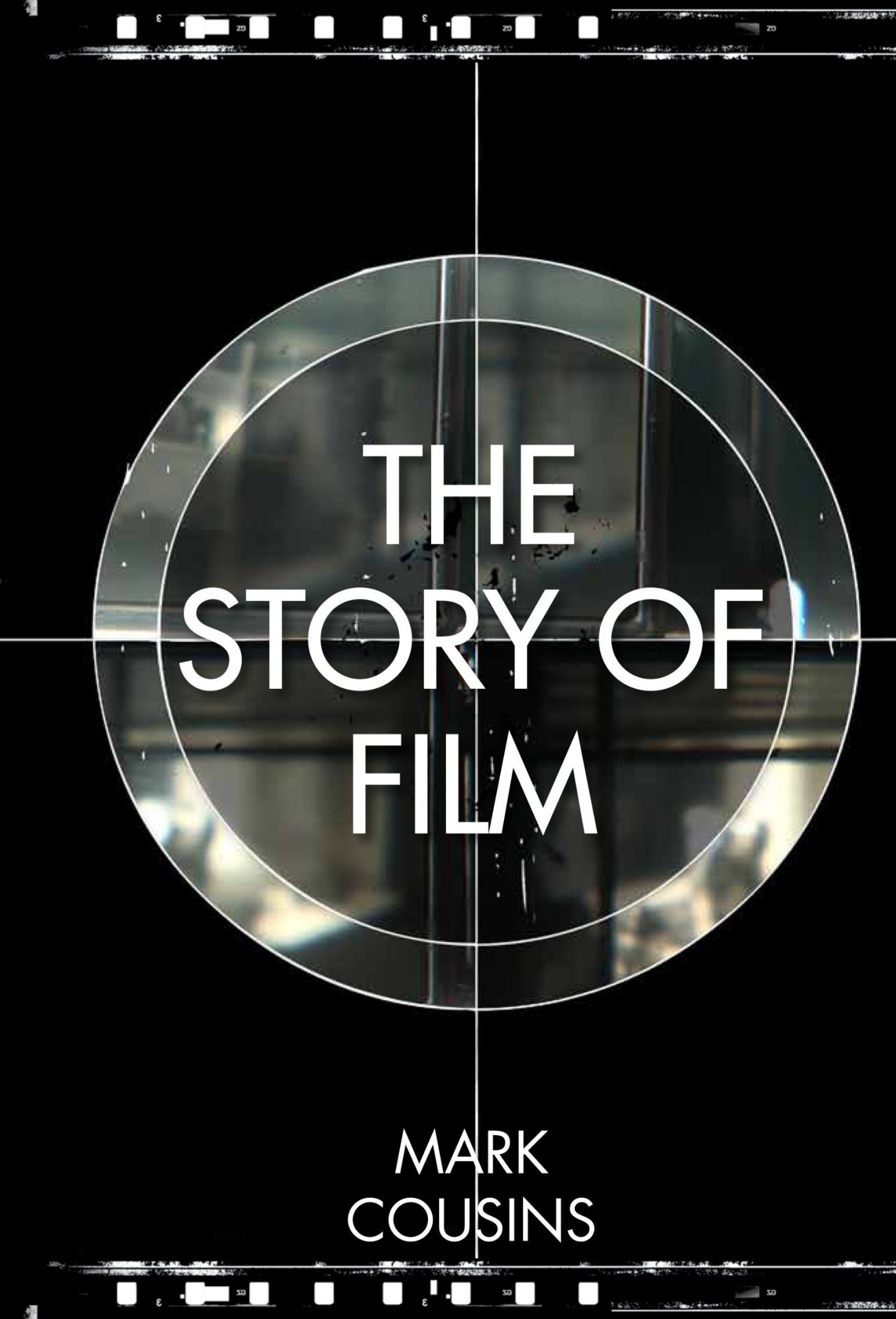
The Story of Film
Creativity is the engine that drives world cinema forward, as 'The Story of Film' makes plain. Without an understanding of this it is impossible to grasp what makes film the all-powerful medium it is today. This should be the first book you ever read about film. This new edition features an updated forward by the author, to accompany his fifteen-hour documentary entitled 'The Story of Film - An Odyssey'
512 pages, Hardcover
First published August 27, 2004
About the author
Mark Cousins
38 books73 followersMark Cousins is an author, film critic, producer, and documentary filmmaker. He is the former director of the Edinburgh International Film Festival and a regular contributor to Prospect, Sight and Sound, and The Times. His latest film is a 14-hour documentary about female filmmakers, Women Make Film.
Ratings & Reviews
Friends & Following
Create a free account to discover what your friends think of this book!
Community Reviews
Displaying 1 - 30 of 93 reviews

September 22, 2024
This is a very lengthy book but a short review. I am an avid fan of early film and have read many books of the history of cinema. For some reason I was not particularly overjoyed with the content of this one and didn't feel that enough was written about early film and its influence on later film making So the problem is mine and not that of the author.
There is much interesting information but most of it is not new to the film lover. It is well written and I am in the minority with my rating so don't be put off by my comments. I feel that our personal likes/dislikes will always color any reviews. With that said, this would be a good book as an introduction to film.
There is much interesting information but most of it is not new to the film lover. It is well written and I am in the minority with my rating so don't be put off by my comments. I feel that our personal likes/dislikes will always color any reviews. With that said, this would be a good book as an introduction to film.

July 31, 2021
This is a very heavy book. I just checked and it weighs the same as eleven paperback novels. So if you know any frail film enthusiasts, don’t give them this as a present, they will keel over to the ground. Could do serious damage.
I first encountered this book as a documentary series and thought – great, that is exactly what I want. When I got hold of a copy I was flabbergasted. It was impossible to watch. Not because it was bad, far from it. It’s because Mark Cousins decided to do his own narration. Well, it’s his 15 hour documentary, so why not? Critic Cole Smithy tells us why not :
Cousins’s insanely repetitive delivery of every sentence sadly renders the documentary unwatchable — or at least unlistenable. Cousins has the incredibly annoying habit of ending every phrase like a question. Torturous. Valley Girls have nothing on Mark Cousins. Perhaps, Cousins will eventually realize the colossal error, and hire a proper voiceover talent to replace the atrocious narration track.
When Cole says Mark ends every phrase of his slow, steady narration as if it’s a question, he means every single phrase. It’s called upspeak or high rising inflection and it’s rooted in his Northern Irish accent but it drove me quite crazy.
So got the book instead and it’s pretty good although I did come to the conclusion that a one volume history of cinema is a lunatic concept and will tend towards my-favourite-films-with-commentary, especially as Mr Cousins is trying to be more global and inclusive than any previous history.
Also, he saddles himself with a terribly clunky term he appears to have invented to describe the dominant mainstream style of Hollywood film-making : closed romantic realism. This is mentioned many many times. Ugh. “Closed” because the film appears to take place in a “parallel universe” in which the actors never break the fourth wall, and open endings of the stories are avoided. “Romantic” because emotions are heightened and protagonists are heroic. “Realism” because the characters and situations are recognisably similar to those we know.
Mr Cousins’ confidence is dizzying. He makes very specific generalisations about directors. Miklos Jancso “made exactitude of camera moves central to his work”. (But, you know, what director wouldn’t care how his camera moved?)
Polanski had already taken the aesthetics of triangles, of strain, of isolation further than any other director... His human theme - the discomfort of closeness
And he can make statements about African cinema in the 1980s or the post-Soviet films of Hungary that less bold critics would flinch from. (One chapter heading : Triumphant beginnings in Iran and Senegal) But all that can be quite exhilarating. He does convince you that he knows what he's talking about!
So this is a pretty good book, and there’s no better time to read it. Maybe I shouldn’t mention this, but we are living in a golden age of film viewing. There are so many free movie sites around on the internet that you can see almost all the movies recommended by Mark within a few clicks. Fans can set up their own private Almodovar or Bresson retrospectives. Or schlocky horror! Your choice! And this is for everyone, not just for the lucky people who live in a city with a couple of good art houses, like it used to be.
Now is the time. Enjoy.
I first encountered this book as a documentary series and thought – great, that is exactly what I want. When I got hold of a copy I was flabbergasted. It was impossible to watch. Not because it was bad, far from it. It’s because Mark Cousins decided to do his own narration. Well, it’s his 15 hour documentary, so why not? Critic Cole Smithy tells us why not :
Cousins’s insanely repetitive delivery of every sentence sadly renders the documentary unwatchable — or at least unlistenable. Cousins has the incredibly annoying habit of ending every phrase like a question. Torturous. Valley Girls have nothing on Mark Cousins. Perhaps, Cousins will eventually realize the colossal error, and hire a proper voiceover talent to replace the atrocious narration track.
When Cole says Mark ends every phrase of his slow, steady narration as if it’s a question, he means every single phrase. It’s called upspeak or high rising inflection and it’s rooted in his Northern Irish accent but it drove me quite crazy.
So got the book instead and it’s pretty good although I did come to the conclusion that a one volume history of cinema is a lunatic concept and will tend towards my-favourite-films-with-commentary, especially as Mr Cousins is trying to be more global and inclusive than any previous history.
Also, he saddles himself with a terribly clunky term he appears to have invented to describe the dominant mainstream style of Hollywood film-making : closed romantic realism. This is mentioned many many times. Ugh. “Closed” because the film appears to take place in a “parallel universe” in which the actors never break the fourth wall, and open endings of the stories are avoided. “Romantic” because emotions are heightened and protagonists are heroic. “Realism” because the characters and situations are recognisably similar to those we know.
Mr Cousins’ confidence is dizzying. He makes very specific generalisations about directors. Miklos Jancso “made exactitude of camera moves central to his work”. (But, you know, what director wouldn’t care how his camera moved?)
Polanski had already taken the aesthetics of triangles, of strain, of isolation further than any other director... His human theme - the discomfort of closeness
And he can make statements about African cinema in the 1980s or the post-Soviet films of Hungary that less bold critics would flinch from. (One chapter heading : Triumphant beginnings in Iran and Senegal) But all that can be quite exhilarating. He does convince you that he knows what he's talking about!
So this is a pretty good book, and there’s no better time to read it. Maybe I shouldn’t mention this, but we are living in a golden age of film viewing. There are so many free movie sites around on the internet that you can see almost all the movies recommended by Mark within a few clicks. Fans can set up their own private Almodovar or Bresson retrospectives. Or schlocky horror! Your choice! And this is for everyone, not just for the lucky people who live in a city with a couple of good art houses, like it used to be.
Now is the time. Enjoy.
August 31, 2026
For a book that’s 500+ pages, this covers a lot of ground from early cinema to digital around the world. The focus of this book are the moments in cinema and filmmaking that changed things. These changes either came from advances of technology, or creativity, where I knew only a little of the contribution made by World Cinema through the twentieth century.
Reading this also gave me a better understanding of the auteur theory, its counter revolution, New Wave cinema and the change bought about by the popularity of Hollywood blockbusters. What emerges is a synergy between Eastern and Western filmmakers. I wish Mark included an appendix that listed all the directors and films he mentioned in this book, the first, at a guess, would be easily over 300, and the second maybe 500. Some films, filmmakers and directors got more coverage but there was enough here to give a flavour of the cinema industry in all continents around the world.
Overall, I found this easy to follow but probably because I knew enough films and directors to not get lost when it discussed changes or films I did not recognise.
My 2011 edition does not have the extra chapter on streaming that is included in the 2020 edition.
Reading this also gave me a better understanding of the auteur theory, its counter revolution, New Wave cinema and the change bought about by the popularity of Hollywood blockbusters. What emerges is a synergy between Eastern and Western filmmakers. I wish Mark included an appendix that listed all the directors and films he mentioned in this book, the first, at a guess, would be easily over 300, and the second maybe 500. Some films, filmmakers and directors got more coverage but there was enough here to give a flavour of the cinema industry in all continents around the world.
Overall, I found this easy to follow but probably because I knew enough films and directors to not get lost when it discussed changes or films I did not recognise.
My 2011 edition does not have the extra chapter on streaming that is included in the 2020 edition.

Want to Read
February 7, 2013I NEED THIS. You don't even understand how much. I just watched the tv series, and it was AMAZING. The guy has some serious chops. And the most hypnotic narration in cinematic history. Yes - I said, "cinematic". Even the series is filmic. Genius.
April 13, 2008
Excellent book! It was the course textbook for a class I took on Explorations of Faith in Film in World Cinema. It is not written from a faith perspective, but as any good film addresses the important stuff of life, it is good background material for such an exploration.
Cousins gives a compelling introduction to a vast number of international film genres and directors through his approach of describing the "schema and variation" of film innovators. He shows how, time and again, one director influences another throughout film history with new ways of using the new advances in film technology to tell new kinds of stories about new things that are going on in a changing world. Very readable, illustrated with movie stills (full color, unless the movie was B&W) on nearly every page.
One amusing thing was his strange obsession with the occupations of the parents of all the film directors he profiles. He introduced them as "dashing English son of an accountant" (David Lean) or "son of a fertilizer merchant" (Yasujiro Ozu). After a while, it became a game for me to see whether he'd do it yet again, and he did in almost every case. The few where he omitted that detail were probably ones where he wasn't able to find out the info. I wondered whether he was trying to make an unarticulated point -- that good film directors can come from just about any stock.
My only complaint is that, due to the high quality glossy paper it's printed on, the book is so heavy: 2.75 lbs is excessive for a paperback! But the content is weighty, so it was worth carrying around.
Cousins gives a compelling introduction to a vast number of international film genres and directors through his approach of describing the "schema and variation" of film innovators. He shows how, time and again, one director influences another throughout film history with new ways of using the new advances in film technology to tell new kinds of stories about new things that are going on in a changing world. Very readable, illustrated with movie stills (full color, unless the movie was B&W) on nearly every page.
One amusing thing was his strange obsession with the occupations of the parents of all the film directors he profiles. He introduced them as "dashing English son of an accountant" (David Lean) or "son of a fertilizer merchant" (Yasujiro Ozu). After a while, it became a game for me to see whether he'd do it yet again, and he did in almost every case. The few where he omitted that detail were probably ones where he wasn't able to find out the info. I wondered whether he was trying to make an unarticulated point -- that good film directors can come from just about any stock.
My only complaint is that, due to the high quality glossy paper it's printed on, the book is so heavy: 2.75 lbs is excessive for a paperback! But the content is weighty, so it was worth carrying around.

December 28, 2019
As a big film buff, I've started many thick and weighty tomes on the general history of the subject - but this is the only one that I think I've actually finished. The writer is knowledgeable and opiniated, but the style is breezy and easy to read. If, like me, your disillusioned by the crud that contaminates the multiplexes, here's a book that can lead you to many discoveries (old and new).
In the search of finding films worthy of spending time with I have increasingly moved away from the English language. Japanese cinema (especially the films of Yasujiro Ozu exploring family life and the differences between the generations) being a firm favourite. This book is a perfect aid for others wanting to seek out what is out there as it covers films from all corners of the globe.
The book was published as a companion to a fifteen part series (available on DVD), which I'd also highly recommend.
Only criticism is that there are a few typos (at least in my edition), but this is a minor criticism in what is a very rewarding book (and series).
In the search of finding films worthy of spending time with I have increasingly moved away from the English language. Japanese cinema (especially the films of Yasujiro Ozu exploring family life and the differences between the generations) being a firm favourite. This book is a perfect aid for others wanting to seek out what is out there as it covers films from all corners of the globe.
The book was published as a companion to a fifteen part series (available on DVD), which I'd also highly recommend.
Only criticism is that there are a few typos (at least in my edition), but this is a minor criticism in what is a very rewarding book (and series).
April 19, 2024
Really good overview of cinema that reinforced my knowledge in some aspects and taught me a whole lot more in others. I wish Mark Cousins had more to say philosophically though, his views feel like a hodge-podge of typical film writer opinions without anything fresh. The writing didn’t quite leap off the page either, it gets the job done and there’s no glaring problems, but I yearn for something written more passionately about a medium like this. It’s pretty consistently good stuff overall though
Cousins includes a quote near the end of this book that resonated with me a lot, as someone anxious about the state of film in the streaming age. It’s from an article by Walter Murch titled “Digital Cinema of the Mind”. He says, in relation to the evolution of painting from the Renaissance to the Modern period, “In moving from painting frescoes using pigment in wet plaster to painting in oils on canvas, artists went from an expensive, collaborative process requiring patronage and dedicated to ‘public’ subjects, to a cheap, individual process depicting more personal situations and themes.” This quote is meant to invoke thoughts about *our* transitional period, from expensive film studios to a full creative suite in our pockets. Smartphones can shoot in 4K, record audio, add after effects, and edit everything together for less than a thousand dollars. Cinema has been liberated, no longer can executives, studios, and test screenings ruin the chance of a film seeing the light of day; all that separates your project from having eyes on it is your drive to create. If you’re lucky enough to have a bigger budget, digital cinema has completely opened the door to anything being produced; James Cameron’s Avatar, David Lynch’s Twin Peaks: The Return, Jean Luc-Godard’s The Image Book, Harmony Korine’s Spring Breakers, Frank Miller’s Fury Road, the door is open wider than ever before to let our most creative minds run free with their imaginations. Shady streaming services as our only enemy, this book left me with a hopeful outlook that we will continue to get ground breaking, seminal work for many years to come. It’s the beginning of a new age and I get the chance to live through it 🙂
Cousins includes a quote near the end of this book that resonated with me a lot, as someone anxious about the state of film in the streaming age. It’s from an article by Walter Murch titled “Digital Cinema of the Mind”. He says, in relation to the evolution of painting from the Renaissance to the Modern period, “In moving from painting frescoes using pigment in wet plaster to painting in oils on canvas, artists went from an expensive, collaborative process requiring patronage and dedicated to ‘public’ subjects, to a cheap, individual process depicting more personal situations and themes.” This quote is meant to invoke thoughts about *our* transitional period, from expensive film studios to a full creative suite in our pockets. Smartphones can shoot in 4K, record audio, add after effects, and edit everything together for less than a thousand dollars. Cinema has been liberated, no longer can executives, studios, and test screenings ruin the chance of a film seeing the light of day; all that separates your project from having eyes on it is your drive to create. If you’re lucky enough to have a bigger budget, digital cinema has completely opened the door to anything being produced; James Cameron’s Avatar, David Lynch’s Twin Peaks: The Return, Jean Luc-Godard’s The Image Book, Harmony Korine’s Spring Breakers, Frank Miller’s Fury Road, the door is open wider than ever before to let our most creative minds run free with their imaginations. Shady streaming services as our only enemy, this book left me with a hopeful outlook that we will continue to get ground breaking, seminal work for many years to come. It’s the beginning of a new age and I get the chance to live through it 🙂

December 19, 2020
A VERY sparse outline of film history with severe editorial problems — the protagonist of Star Wars is given as ‘Lucas Skywalker’, Garcia Marquez is said to have been Chilean, and the wrong character is said to have died at a crucial moment in Pather Panchali. At least one page reference is also blatantly incorrect. The sheer laziness of it is galling, as is the writer’s tendentious worship of Ozu and the attempts to frame him as the pole star around which all the rest of film revolves.
But nonetheless, a good catalogue which has given me a lot more films to watch, and a kind of tenuous introduction to how certain directors and movements influenced one another. And it is explicitly said to be an introductory text, so I can’t dock points for its light touch.
But nonetheless, a good catalogue which has given me a lot more films to watch, and a kind of tenuous introduction to how certain directors and movements influenced one another. And it is explicitly said to be an introductory text, so I can’t dock points for its light touch.

September 29, 2022
This book taught me more about the medium of filmmaking and it's important historical milestones than 2 years of college.... It was also cheaper. Do with that what you will.
The Story of Film, is a vast romantic account of the medium of film, from its birth to today.
It mentions, examines and praises films and directors previously unheard of due to limited releases or the purposefully squashing of other countries art by the western film industry (industry not art or artists).
The global story of cinema is one that all who work in it should experience and appreciate.
The Story of Film, is a vast romantic account of the medium of film, from its birth to today.
It mentions, examines and praises films and directors previously unheard of due to limited releases or the purposefully squashing of other countries art by the western film industry (industry not art or artists).
The global story of cinema is one that all who work in it should experience and appreciate.
January 29, 2023
A día de hoy, se trata de la mejor historia del cine que he leído. Lo más interesante es que no se conforma con hacer un recorrido sin más de todo el proceso hasta nuestros días, sino que busca entender los procesos que han avanzado el cine, la mirada y su realización desde una perspectiva global y no estadounidense. Además, creo que su gran logro es conseguir transformar la mirada y la visión que tenemos sobre este medio.

Read
May 19, 2022my apartment is located near a very nice (but very crowded on the weekend) bookstore and i've developed a shameless habit of treating that poor bookstore like a public library by spending every saturday afternoon at that bookstore, reading fancy books with colored pictures and high-quality glossy paper that i can never afford.
this is one of them.
this is one of them.
April 21, 2026
As a film history, excellent. As a history of politics' effects on film, ranges from overstated to laughable. As a general political analysis, infuriatingly bad (after discussing Nazi Germany, Franco's Spain, and even McCarthy's US, the author declares that no filmmakers thus far discussed had more reason to be mad at their governments than Soviet-bloc filmmakers).
But since I read the book for the film history, I rated it for that.
But since I read the book for the film history, I rated it for that.

December 7, 2022
This book changed and impacted my perception of cinema. A must read for film lovers
August 20, 2021
Hoo boy.
Let's begin with the positives. This is an incredible compendium of film history. There are films and filmmakers here that I had either never heard of or only vaguely recognized from seeing them in the Criterion Collection or something like that. Learning about these films and what makes them so significant was exciting. It definitely motivated me to look into them more. I also appreciate Cousins' prose and general writing style. As far as comprehensive histories of cinema go, it's hard to recommend one more than this one. I'm definitely buying this for my home library.
That all said... this book has so many typos, misspellings, and errors in it that I almost couldn't finish it. Virtually every page has an issue, and this book is over 500 pages long. It's a smorgasbord of every possible mistake you could find in a rough draft, from misplaced commas to run-on sentences to incorrect titles. Even the chapter sub-headings have inconsistent punctuation and capitalization. "Highlights" include a misspelling of "Hong Kong" as "Honk Kong" and a part where it suggests you learn more about a specific film by going to page "xxx". Given the massive undertaking this book clearly was, I am shocked at the lack of copy editing and proofreading. And this is the REVISED version.
Yeah, this was a difficult book to read, and it's for the wrong reasons. I still recommend it to people who want to learn more about film history and get some good recommendations, but be warned that you may cringe every few minutes.
Let's begin with the positives. This is an incredible compendium of film history. There are films and filmmakers here that I had either never heard of or only vaguely recognized from seeing them in the Criterion Collection or something like that. Learning about these films and what makes them so significant was exciting. It definitely motivated me to look into them more. I also appreciate Cousins' prose and general writing style. As far as comprehensive histories of cinema go, it's hard to recommend one more than this one. I'm definitely buying this for my home library.
That all said... this book has so many typos, misspellings, and errors in it that I almost couldn't finish it. Virtually every page has an issue, and this book is over 500 pages long. It's a smorgasbord of every possible mistake you could find in a rough draft, from misplaced commas to run-on sentences to incorrect titles. Even the chapter sub-headings have inconsistent punctuation and capitalization. "Highlights" include a misspelling of "Hong Kong" as "Honk Kong" and a part where it suggests you learn more about a specific film by going to page "xxx". Given the massive undertaking this book clearly was, I am shocked at the lack of copy editing and proofreading. And this is the REVISED version.
Yeah, this was a difficult book to read, and it's for the wrong reasons. I still recommend it to people who want to learn more about film history and get some good recommendations, but be warned that you may cringe every few minutes.

Want to Read
November 17, 2008Cousins' approach to film history appears to be scintillating and provocative; he doesn't much care about the audiences or the critics or the financial or economic vagaries or concerns of the industry or marketplace, he is purely interested in artistic innovation in cinema---so his overview sticks to that premise. I can only glean this from the intro and from quick skims through the contents; I have just begun to read the first few pages. I have a lot of different movie overview texts in my collections. I'll always have a fondness for David A. Cook's "History of Narrative Film" and David Shipman's iconoclastic and thorough "The Story of Cinema," among other tomes, but this effort by Cousins promises to shed light on obscure gems often overlooked in standard overviews. And the super heavy, high quality paper on which the book is printed seems to add "weight" to the importance of the enterprise. Kind of reminds me of that old compilation by Lewis Jacobs of film writings by the communist film critic Harry Alan Potamkin, "The Compound Cinema" -- a great book and also the heaviest for its size that I've ever felt; the paper seems made of indestructible lead. Will report later....

June 16, 2013
This is the best book about the art of film I have ever read.
Mark Cousins shows what makes movies work and gives them their power
By adopting an admirably non-elitist global standpoint and by writing in plain, jargon-free English, he combines the enthusiasm of a fan with the thrill of discovery.
It’s a perspective that means he can convey as much admiration for Laurel & Hardy as for Ozu and Godard.
The subtext is that there are always many ways of seeing the world and true magic happens when a film succeeds in tapping into our dreams or exposing us to our nightmares.
At a time when mainstream American movies in particular are rapidly running out of ideas, this book is a timely and impassioned reminder that great cinema , like great literature, should not deaden the brain but inspire us to see the world from other points of view.
(A fuller version of this review can be found on the Animal My Soul blog)
Mark Cousins shows what makes movies work and gives them their power
By adopting an admirably non-elitist global standpoint and by writing in plain, jargon-free English, he combines the enthusiasm of a fan with the thrill of discovery.
It’s a perspective that means he can convey as much admiration for Laurel & Hardy as for Ozu and Godard.
The subtext is that there are always many ways of seeing the world and true magic happens when a film succeeds in tapping into our dreams or exposing us to our nightmares.
At a time when mainstream American movies in particular are rapidly running out of ideas, this book is a timely and impassioned reminder that great cinema , like great literature, should not deaden the brain but inspire us to see the world from other points of view.
(A fuller version of this review can be found on the Animal My Soul blog)
April 4, 2018
For anyone looking for a film history book that covers the medium from all angles and areas of the world, then The Story of Film would satisfy your desire very well. Thoroughly in depth, in both technical and artistic achievements Mark Cousins' writing makes every film sound like an important milestone from one paragraph to another. Whilst those familiar with film guides that recommend the same films repeatedly may be in for a shock amongst some of the snubs over such celebrated films. Even Cousins admits this in his introduction when one of his favourite films does not make the cut.
The Story of Film is an engaging read for anyone interested in film. Whether you've seen a good portion of the films mentioned throughout the book, to the casual viewer that wants to push the boat further in their film-viewing habits, this book is worth reading for some technical, historical, and cultural aspects throughout the scope that films have gone through ever since its inception.
The Story of Film is an engaging read for anyone interested in film. Whether you've seen a good portion of the films mentioned throughout the book, to the casual viewer that wants to push the boat further in their film-viewing habits, this book is worth reading for some technical, historical, and cultural aspects throughout the scope that films have gone through ever since its inception.

October 29, 2018
La storia del cinema che avrei da sempre voluto sentirmi raccontare.
Cousins, oltre che esperto di settore, è un narratore sperimentato; la sua "Storia" scorre avvincente come un racconto.
Com'è ovvio, non si tratta di una panoramica esaustiva; l'autore ci tiene a precisare che la selezione è frutto di una scelta da lui operata in base ad un criterio di "originalità": originalità della visione ma anche nell'espressione e nella forma del messaggio cinematografico.
La lettura, oltre a presentare una straordinara, per vastità di proposte, disanima storica della settima arte, offre uno ottimo spunto di "visione" e stimolo di ricerca sul mondo del cinema.
Cousins ha realizzato anche un'equivalente "filmato" della sua storia: un documentario cinematografico di grande impatto, di oltre 15 ore.
Cousins, oltre che esperto di settore, è un narratore sperimentato; la sua "Storia" scorre avvincente come un racconto.
Com'è ovvio, non si tratta di una panoramica esaustiva; l'autore ci tiene a precisare che la selezione è frutto di una scelta da lui operata in base ad un criterio di "originalità": originalità della visione ma anche nell'espressione e nella forma del messaggio cinematografico.
La lettura, oltre a presentare una straordinara, per vastità di proposte, disanima storica della settima arte, offre uno ottimo spunto di "visione" e stimolo di ricerca sul mondo del cinema.
Cousins ha realizzato anche un'equivalente "filmato" della sua storia: un documentario cinematografico di grande impatto, di oltre 15 ore.

September 18, 2017
An essential read on film history and analysis which flows like a novel. Informative, passionate and personal, provides insight into film-making and its evolution spanning more than a century and covering worldwide filmography. The author tries to showcase the way widely known films, personalities and events have influenced lesser known cinematographers from almost all points in the world and vice-versa. And not only succeeds in it but makes one regret having so short a time to catch-up on all there is still to see...
Note on the Portuguese translation: Various inaccuracies in translation and mostly in proofreading make for a less pleasurable read than the original would have a provided. A pity.
Note on the Portuguese translation: Various inaccuracies in translation and mostly in proofreading make for a less pleasurable read than the original would have a provided. A pity.

February 10, 2019
I'm sure this will be life-changing for some. For me, it reinforces something I already felt about the immense riches to be found in cinema. The author's approach here is to focus on innovation through the course of global film history and it provides an excellent jumping off point for further exploration. He can't cover everything though but the inclusion of a decent looking bibliography will serve me well I'm sure.
My only real complaint is there are too many errors in the text that needed a better editor. But that's nitpicking for such a huge undertaking.
My only real complaint is there are too many errors in the text that needed a better editor. But that's nitpicking for such a huge undertaking.

December 29, 2021
The book is, as the author intended, a story instead of a history. It is comprehensive and copiously illustrated, an excellent resource for finding important films worth watching.
As film develops, the author's bias fills the frame. His disdain for Western tradition and fascination with anything in contradiction to it is a trope of cultural criticism.
As film develops, the author's bias fills the frame. His disdain for Western tradition and fascination with anything in contradiction to it is a trope of cultural criticism.

February 23, 2020
An excellent dissection of the history of film, from its birth, through every innovation, technique and style, across all nations. Whilst I didn't read in depth the whole book (let's face it, no one likes every type of film) you can't help but admire the huge scope of this endeavour.

June 15, 2020
Recopila la historia del cine como los cambios y corrientes en las formas de filmar una película, incluyendo los aspectos técnicos, creativos y temáticos. La aportación más valiosa radica en que es una historia que abarca todo el cine mundial.

January 14, 2017
Esencial para quien se declare fanático del cine.
May 30, 2025
191 filmes para começar
Quando você decide por estabelecer a história geral de determinado assunto, independentemente de qual seja, mostra-se mais importante você ter estabelecido bem quais pontos serão destacados e explorados e quais outros ficarão excluídos e ocultos dessa história, do que deixá-los inconscientemente dispersos pelas passagens e assombrando-nos por todo o texto. Logo, quando num primeiro momento o autor assume a particularidade e responsabiliza-se por sua própria perspectiva posta em jogo, avanços proveitosos são encontrados aqui: primeiro, uma sobriedade maior para tratar cronologicamente dos eventos passados e, principalmente por isso, uma revisão das histórias passadas que na intenção, ou não, privilegiaram as produções cinematográficas mais próximas de seus autores em detrimento das demais; e segundo, o convite para a criticidade própria do autor nos estimula a também exercermos do nosso próprio olhar, da reconstituição dessa história e da apropriação feita dela por nós.
Do flerte entre essas duas ideias, portanto, temos uma história do cinema autêntica, dada o carinho transparecido pela riqueza bibliográfica e de comentários, e o resgate de uma história que não se limita somente ao enredo ocidental, preocupando-se e demonstrando atenção com as diversas outras regiões que produziram e influenciaram esse meio, sem perder o rigor cronológico de suas influências ao longo das grandes repercussões internacionais. Com resgates não somente geográficos, mas de cor ou gênero. Um livro de introdução geral cativante que nos convida a conhecermos as janelas, as portas, os espelhos e todos os outros conceitos etc., que compuseram e ainda compõem a relação do cinema consigo mesmo e que, a partir disso, pensemos sua relação com o público, com o psicológico e com a arte.
Quando você decide por estabelecer a história geral de determinado assunto, independentemente de qual seja, mostra-se mais importante você ter estabelecido bem quais pontos serão destacados e explorados e quais outros ficarão excluídos e ocultos dessa história, do que deixá-los inconscientemente dispersos pelas passagens e assombrando-nos por todo o texto. Logo, quando num primeiro momento o autor assume a particularidade e responsabiliza-se por sua própria perspectiva posta em jogo, avanços proveitosos são encontrados aqui: primeiro, uma sobriedade maior para tratar cronologicamente dos eventos passados e, principalmente por isso, uma revisão das histórias passadas que na intenção, ou não, privilegiaram as produções cinematográficas mais próximas de seus autores em detrimento das demais; e segundo, o convite para a criticidade própria do autor nos estimula a também exercermos do nosso próprio olhar, da reconstituição dessa história e da apropriação feita dela por nós.
Do flerte entre essas duas ideias, portanto, temos uma história do cinema autêntica, dada o carinho transparecido pela riqueza bibliográfica e de comentários, e o resgate de uma história que não se limita somente ao enredo ocidental, preocupando-se e demonstrando atenção com as diversas outras regiões que produziram e influenciaram esse meio, sem perder o rigor cronológico de suas influências ao longo das grandes repercussões internacionais. Com resgates não somente geográficos, mas de cor ou gênero. Um livro de introdução geral cativante que nos convida a conhecermos as janelas, as portas, os espelhos e todos os outros conceitos etc., que compuseram e ainda compõem a relação do cinema consigo mesmo e que, a partir disso, pensemos sua relação com o público, com o psicológico e com a arte.

November 26, 2024
Un catálogo personalísimo de filias de Cousins, adornado con un montón de errores desconcertantes, hasta tal punto que no me queda claro si son culpa del autor o del traductor. En todo caso, bastante decepcionante, sobre todo porque, curiosamente, la serie documental con el mismo título dirigida por el propio Mr. Cousins me pareció interesantísima... en su momento. Lo mismo es que ahora sé mucho más de cine, o lo mismo mis gustos han cambiado, o lo mismo Cousins echó el resto en la serie. Sea como sea, el libro no me ha emocionado precisamente. De vez en cuando, me da la impresión de que el autor vive en otro planeta, cuando, por ejemplo, afirma que el cine está en su mejor momento; se nota que está escrito justo antes de la moda de los súper héroes, porque vamos... En otras ocasiones, afirma cosas rarísimas, y le flipan pelis mediocres, o directamente cutres. Entiendo que Cousins se centre en pelis que han revolucionado el medio de una forma u otra, pero, por ejemplo, ignora completamente a un director de la talla de Clint Eastwood mientras que exalta al matao de Oliver Stone; Ozu y Kurosawa son dioses del cine, es cierto, pero Zhang Yimou, ¿qué es? ¿Un cero a la izquierda?
En fin, esta historia del cine es un interesante catálogo de pelis que visionar y poco más. Todo lo demás, o son opiniones personales e intransferibles del autor, o las conoce hasta el tato. Y las erratas y equivocaciones... mejor no meneallo...
En fin, esta historia del cine es un interesante catálogo de pelis que visionar y poco más. Todo lo demás, o son opiniones personales e intransferibles del autor, o las conoce hasta el tato. Y las erratas y equivocaciones... mejor no meneallo...
February 25, 2023
This would have been a fantastic book to read when I started film school - it was recommended reading BUT like everyone else in my year ignored it
Cousins writes a global film history that does a good job of spending just the right amount of time on each significant film and movement: even directors he is clearly very passionate for (Ozu) are not indulged in too much
The inevitable flaw with any book about film history that is not thousands of pages long is the omission or shrinking of great filmmakers. I don't really blame Cousins for this but I would have liked to read about the importance and influence of Edward Yang, John Woo, Charlie Kaufman and Jan Svankmajer
Only his chapters on the 2010s feel like he is slipping into his own opinions a little too much - then again it is impossible to know which films of the current era are going to stand out.
This was an expensive and heavy hardback book but certainly worth it, not least for the gigantic list of new film recommendations I had never heard of before, especially from India and Africa
Cousins writes a global film history that does a good job of spending just the right amount of time on each significant film and movement: even directors he is clearly very passionate for (Ozu) are not indulged in too much
The inevitable flaw with any book about film history that is not thousands of pages long is the omission or shrinking of great filmmakers. I don't really blame Cousins for this but I would have liked to read about the importance and influence of Edward Yang, John Woo, Charlie Kaufman and Jan Svankmajer
Only his chapters on the 2010s feel like he is slipping into his own opinions a little too much - then again it is impossible to know which films of the current era are going to stand out.
This was an expensive and heavy hardback book but certainly worth it, not least for the gigantic list of new film recommendations I had never heard of before, especially from India and Africa

July 8, 2021
An entertaining read for any film buff unfortunately marred with various editorial and contentual issues.
Ignoring the abundance of miswritten names or illogical footnote markings, Cousins deserves praise for attempting to chronicle the history of world cinema, but the book, as dense it is with information, also manages to feels constrained by its meager length(526pp. without the Glossary or Indexes). That leaves the author forced to hop around countries and years with no brakes, leaving little room for commentary or context(though what little there is is still quite well written).
And to add to that, I'm still unsure as to who the audience was supposed to be here, emerging film enthusiasts, hardcore elitists or simply people that needed a little refresher on how it all came to be? I don't really know the answer, but as someone from that last group of people I enjoyed it quite a bit. At the very least it's still a lot easier to get through than its documentary alternative.
Ignoring the abundance of miswritten names or illogical footnote markings, Cousins deserves praise for attempting to chronicle the history of world cinema, but the book, as dense it is with information, also manages to feels constrained by its meager length(526pp. without the Glossary or Indexes). That leaves the author forced to hop around countries and years with no brakes, leaving little room for commentary or context(though what little there is is still quite well written).
And to add to that, I'm still unsure as to who the audience was supposed to be here, emerging film enthusiasts, hardcore elitists or simply people that needed a little refresher on how it all came to be? I don't really know the answer, but as someone from that last group of people I enjoyed it quite a bit. At the very least it's still a lot easier to get through than its documentary alternative.

August 19, 2022
Cousins came into this point with the aim of making an "accessible, single volume history of world cinema for intelligent general readers." On this level, he succeeds brilliantly, taking us on an often breathless topographical journey through over 100 years of cinematic innovations. Consciously eschewed the popular choices at times for lesser known gems, if you're like me you'll find yourself busily writing down lengthy lists of films to seek out. While this approach takes us away from the traditional history of Hollywood to a history of world cinema, it also occasionally gleans over some areas in lieu of others. Australia and Asia, for example, only get the briefest of run-throughs, especially as the book picks up pace in an artificial race to the end in the final chapters. Still, it's hard to find a single volume that covers cinema as passionately and comprehensively as this one.

September 20, 2026
This is a great book - which reminds me I want a boxed set of the documentaries (some of which I've seen, all of which - so far - have been superb).
I was also pleased that this was the updated edition, running through to 2020. Gave me a few more recent ones to add to the watchlist alongside the classics I've not yet got around to. The eclecticism of the choices remains impressive throughout.
However, I made the mistake of "reading" the audiobook.
An audiobook about a visual medium, taken from a well illustrated book that is itself based on a documentary series was always going to be hard to do well.
But why opt for someone who's seemingly never heard any of the names of the vast numbers of people mentioned? Who manages to mispronounce almost everything?
Mark Cousins has a distinctive, soft, whimsical way of speaking that's strangely hypnotic. Why they didn't get him to read his own book?
Madness.
I was also pleased that this was the updated edition, running through to 2020. Gave me a few more recent ones to add to the watchlist alongside the classics I've not yet got around to. The eclecticism of the choices remains impressive throughout.
However, I made the mistake of "reading" the audiobook.
An audiobook about a visual medium, taken from a well illustrated book that is itself based on a documentary series was always going to be hard to do well.
But why opt for someone who's seemingly never heard any of the names of the vast numbers of people mentioned? Who manages to mispronounce almost everything?
Mark Cousins has a distinctive, soft, whimsical way of speaking that's strangely hypnotic. Why they didn't get him to read his own book?
Madness.
Displaying 1 - 30 of 93 reviews