What do you think?
Rate this book

202 pages, Paperback
First published January 1, 2005


''I found the inversion of this image very moving. In it, tree and tree reflected are equals, and it made me think again about memory as a reflection of what has been seen and is seen again in the mind. Most of life consists of these reflections, either indelible or dimming.''She has this unique way of blending information from neurology, psychology, philosophy and art in a very creative, appealing way and she always reaches the most original conclusions about memory and imagination. The way she writes about still lifes made me see them from a different perspective and appreciate them, see and understand the message behind, while I was only admiring them as simple displays of shapes on canvas before.
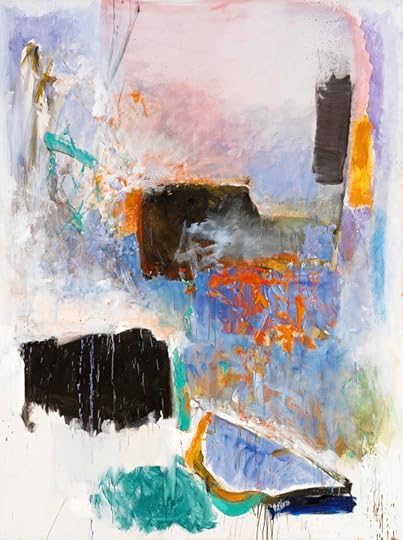
Going back to Joan Mitchell, if I had seen her paintings and I had not read Siri's essays, I would have considered them really colorful, but I would not have (really) appreciated them or the message they conveyed. I would have probably silently wondered whether she had really been that talented as anyone could have played with colors like that and get a surprising result. Well, what Siri sees in them is surprising and her interpretations make them stay with you, haunt you.
''In these last works, the relations between objects and empty space, between solid form and air, between the edge of one thing and another are persistently questioned. Where does one thing begin and another end?'' (about Morandi's cups and bottles)
''The effect is a slow rhythm of visual variations that create beats of similarity and difference, seducing the reader into a reverie of possible allusion-to vaporous skies, to mists over grasses, to nearly black bark or dark gray stepping stones.'' (about Joan Mitchell's ''Mooring'').