What do you think?
Rate this book


497 pages, Kindle Edition
First published January 1, 2011

”Buffalo, it was said, had more saloons and taverns per head than any other city in the world. It seemed there was a bar on every corner--more than six hundred saloons for a population of less than 150,000. Sailors, canal hands, and roustabouts working the city’s ports roamed the tenderloin district looking for a good time. Brothels operated in the open seven days a week. Buffalo was a ‘sink of iniquity’ with more ‘social eyesores’ than any other city of its size in America.”

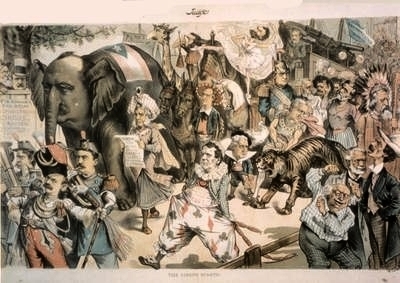

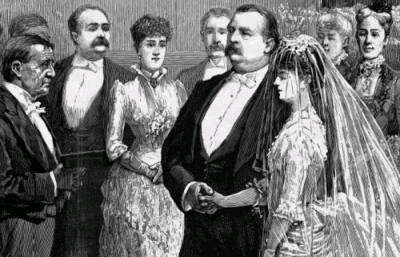

That was all. Moot rose and announced that the defense rested. It had taken only one afternoon to present the evidence. Moot had not even called Ball to the stand. His strategy had been daringly straightforward: The articles published in the Post and The Nation spoke for themselves. No further evidence of libel was necessary.
John Milbank’s partner, Franklin Locke, gave the opening statement for the defense.
His administration restored good feelings between North and South. He successfully opposed adoption of the silver standard, and many credit him with rescuing the nation from bankruptcy. He also stood firm against British imperialist designs in South America by embracing the broadest possible definition of the Monroe Doctrine. His was one of the most eventful peacetime presidencies in American history. In reviewing the hapless line of presidents who followed the martyred Abraham Lincoln, Daniel Lamont offered an interesting summary. For Andrew Johnson there was sorrow, for Grant scandal, for Hayes humiliation, for Garfield death, and for Arthur unpopularity. As for Cleveland, Lamont had this uncomplicated observation: “Herculean toil.”
Cleveland gave his aide a wan smile. He wondered how he had lost his home state.
Lamont frankly replied, “I do not know.”
All Cleveland could do was laugh. He thought he had the answer: “It was mainly because the other party had the most votes.”