

What do you think?

Tristia
Osip Mandelstam's second collection of poems, Tristia, astonished Russian readers in 1922 with its daring verse forms and meditations on revolution, exile, death and rebirth. Thomas de Waal's new translation gives English-language reader the chance to experience the entire collection for the first time.
130 pages, Paperback
First published January 4, 1994
About the author
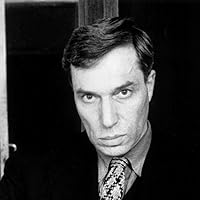
Osip Mandelstam
279 books257 followersOsip Emilyevich Mandelstam (also spelled Osip Mandelshtam, Ossip Mandelstamm) (Russian: Осип Эмильевич Мандельштам) was a Russian poet and essayist who lived in Russia during and after its revolution and the rise of the Soviet Union. He was one of the foremost members of the Acmeist school of poets. He was arrested by Joseph Stalin's government during the repression of the 1930s and sent into internal exile with his wife Nadezhda. Given a reprieve of sorts, they moved to Voronezh in southwestern Russia. In 1938 Mandelstam was arrested again and sentenced to a camp in Siberia. He died that year at a transit camp.
Ratings & Reviews
Friends & Following
Create a free account to discover what your friends think of this book!
Community Reviews
Displaying 1 - 12 of 12 reviews

March 15, 2018
Tristia
The essence of farewell I have extracted
From hatless laments of the sleepless night
As oxen chew, and waiting grows protracted,
And end of city vigil is in sight -
And I recall the rooster night with fear
When lost in doleful journey for too long
Into the void the tear-drenched eyes did peer
And woman's cry mingled with muse's song.
Who yet again can say farewell, unknowing
What longing and what sorrow waits for us,
What good is it to judge the rooster's crowing
When fire is burning in Acropolis;
And on the somewhere dawn of some new lifetime,
While in the shed the oxen calmly stall,
Why does the rooster, herald of new lifetime,
Flap his flamboyant wings on city wall?
And yet I love the way fate weaves her gown:
The shuttle runs, the spindle turns apace,
And straight ahead, look now, for like swan's down
The barefoot Delia is flying in your face!
Oh, of a life is but a shoddy structure
When tongue is starved so utterly for light!
All was before, all will repeat then rupture
And only recognition brings respite.
Thus it will be: A figurine, transparent,
Stands on an earthen dish that's clean and wide,
And like a snow-white winter squirrel pelt
A girl leans over wax and looks inside.
Ours not is to divine the Greek Erebus:
Wax is to her what bronze is to her mate.
Our dice falls only in the field of battle;
With divination women seal their fate.

April 15, 2022
Osip Mandelstam's Tristia is an early collection of the Russian poet's work. It is dripping with classical Greek allusions. Curiously, the point is not made that Tristia was also the name of the poems of Ovid, which he wrote in forced exile on the Black Sea.
The poems are so allusive that, unlike Mandelstam's later work, I had difficulty following them.
The poems are so allusive that, unlike Mandelstam's later work, I had difficulty following them.

February 18, 2026
Politiquement dense, poétiquement, pas si intéressant — serait-ce la faute du traducteur mdr ?

November 20, 2012
Light and airy (and yet full of earthdeathcreakingaxlessnow). Some secret of breath and weight.
September 26, 2026
« Ta prononciation merveilleuse
Est le sifflement torride d'oiseaux de proie.
Oserai-je dire : l'impression vivante
De soyeux éclairs de chaleur.
« Chut » - la tête s'appesantit.
« Psitt » - c'est ma voix qui t'appelle !
Et la distance en est bruissante :
Moi aussi je vis sur la terre.
On a beau dire : l'amour a des ailes,
La mort a bien plus d'envolée ;
La lutte encore étreint notre âme
Et nos lèvres volent vers elle.
Ce qu'il y a d'air et de soie
Et de vent dans ton chuchotis.
Comme des aveugles dans la longue nuit
Nous buvons le mélange sans soleil. » (p.71)
« A Pétersbourg nous nous retrouverons
Comme si le soleil y fût de nos mains inhumé,
Et pour la première fois nous dirons
Le mot bienheureux, le mot insensé.
Dans la nuit soviétique, noir velours,
Dans le velours du vide universel
Des femmes bienheureuses les chers yeux chantent toujours,
S'épanouissent les fleurs immortelles.
Chat sauvage la capitale est à l'affût,
Une patrouille est immobile sur le pont,
Seul un moteur cruel dans la brume se rue,
Perçant d'un cri de coucou l'horizon.
Je n'ai pas besoin de laissez-passer,
Je n'ai pas peur des sentinelles, pour le mot bienheureux, pour le mot insensé,
Je m'en vais dans la nuit soviétique prier. » (p.93)
« Ce n'est pas vivre et c'est quand même vivre… » (p.147)
« Des monticules de têtes humaines s'étendent au loin,
Et moi, là-bas, je deviens si petit que j'échappe aux regards,
Mais dans les livres souriants, dans les jeux des enfants,
Je vais ressusciter pour dire que le soleil brille. » (p.195)
« Et quand je vais mourir, ayant servi mon temps,
Moi de tout temps l'ami de tout vivant sur terre,
Retentira plus haut et plus immensément
L'écho du ciel dans ma poitrine tout entière. » (p.208)
Est le sifflement torride d'oiseaux de proie.
Oserai-je dire : l'impression vivante
De soyeux éclairs de chaleur.
« Chut » - la tête s'appesantit.
« Psitt » - c'est ma voix qui t'appelle !
Et la distance en est bruissante :
Moi aussi je vis sur la terre.
On a beau dire : l'amour a des ailes,
La mort a bien plus d'envolée ;
La lutte encore étreint notre âme
Et nos lèvres volent vers elle.
Ce qu'il y a d'air et de soie
Et de vent dans ton chuchotis.
Comme des aveugles dans la longue nuit
Nous buvons le mélange sans soleil. » (p.71)
« A Pétersbourg nous nous retrouverons
Comme si le soleil y fût de nos mains inhumé,
Et pour la première fois nous dirons
Le mot bienheureux, le mot insensé.
Dans la nuit soviétique, noir velours,
Dans le velours du vide universel
Des femmes bienheureuses les chers yeux chantent toujours,
S'épanouissent les fleurs immortelles.
Chat sauvage la capitale est à l'affût,
Une patrouille est immobile sur le pont,
Seul un moteur cruel dans la brume se rue,
Perçant d'un cri de coucou l'horizon.
Je n'ai pas besoin de laissez-passer,
Je n'ai pas peur des sentinelles, pour le mot bienheureux, pour le mot insensé,
Je m'en vais dans la nuit soviétique prier. » (p.93)
« Ce n'est pas vivre et c'est quand même vivre… » (p.147)
« Des monticules de têtes humaines s'étendent au loin,
Et moi, là-bas, je deviens si petit que j'échappe aux regards,
Mais dans les livres souriants, dans les jeux des enfants,
Je vais ressusciter pour dire que le soleil brille. » (p.195)
« Et quand je vais mourir, ayant servi mon temps,
Moi de tout temps l'ami de tout vivant sur terre,
Retentira plus haut et plus immensément
L'écho du ciel dans ma poitrine tout entière. » (p.208)
July 15, 2022
Edition is hardcover, published by Station Hill in 1987.

February 9, 2024
lui c est sur qu il pense souvent a l empire romain (3.5/5
December 27, 2024
Good translation!

July 21, 2026
Nothing I could write would come even close to capturing or expressing the divine nature of this collection. Miss St. P. The coldest, warmest place.

March 18, 2013
Besonders schön: die Bienen-Gedichte!

July 15, 2013
Some real beautiful poems in here. Most of them are quite short and some are sort of too obsessed with Greek allusions, but they're all well worth the read.

Read
May 16, 2015Découvert récemment, une révélation ! dans la simplicité des mots et de la forme quelle puissance évocatrice Un grand monsieur de la poésie
Displaying 1 - 12 of 12 reviews