

What do you think?

The Time-Life Encyclopedia of Things That Never Were: Creatures, Places, and People
A full-size, full-color Time-Life reprint of the Viking Press original. The ultimate book for fantasy lovers of all ages, with over 400 entries and 300 spectacular illustrations. 9.5x13.5", 240 pp.
240 pages, Hardcover
First published January 1, 1985
About the author
Michael F. Page
30 books5 followersMichael Fitzgerald Page (AM) (born 2 February 1922) is a British-born Australian writer, editor, advertising executive, world war two veteran and merchant sailor.
Page has lived in Australia since 1953. He has written many books on the development of Australia and South Australia, and histories of some Australian institutions - Adelaide Steamship Company, Royal Flying Doctor Service and South Australian fire services. To show his versatility he has also written eight novels, as well as books on architecture, fantasy and dogs.
Page has lived in Australia since 1953. He has written many books on the development of Australia and South Australia, and histories of some Australian institutions - Adelaide Steamship Company, Royal Flying Doctor Service and South Australian fire services. To show his versatility he has also written eight novels, as well as books on architecture, fantasy and dogs.
Ratings & Reviews
Friends & Following
Create a free account to discover what your friends think of this book!
Community Reviews
Displaying 1 - 30 of 70 reviews
August 12, 2012
This book is what I class as a 'gem' in the book world. I define a book
'gem' is one that you can reread many times, waste of hours of the day admiring, and one that is kept for years on years through childhood to adulthood because of sentimental value. As I would never part with this book,for a number of reasons.
1) It has a comprehensive and varied number of entries.
2) The Illustrations beautifully accompany the entries, and are both imaginative and detailed.
3) It is a source of inspiration, from daydreaming to art or writing.
4) It is unique, and I would buy while you can get it relatively cheap for a good condition.
The actual content in this book is sorted out into things of the cosmos, the ground and underground,the sea and air, of inventions of science, and of night. My favourite section is of the ground and underground, with entries such as Blue Annis, the old hag of the moor lands her devourers the lost in her bower situated in the moors. And the Redcap, the hobgoblin who has a tendency to die his accessories with his victims blood, but can be conquered with biblical reference. My favourite piece of art in the book is of the wondering soul Abiku, the texture and bleakness of the dusk is just so fitting for this futile creature.
A must have for those who have an interest in mythology, history, literature, or the well being of their imagination. Because your imagination needs to be stretched and exercised, and this book is a yoga session followed by a day at the gym.
'gem' is one that you can reread many times, waste of hours of the day admiring, and one that is kept for years on years through childhood to adulthood because of sentimental value. As I would never part with this book,for a number of reasons.
1) It has a comprehensive and varied number of entries.
2) The Illustrations beautifully accompany the entries, and are both imaginative and detailed.
3) It is a source of inspiration, from daydreaming to art or writing.
4) It is unique, and I would buy while you can get it relatively cheap for a good condition.
The actual content in this book is sorted out into things of the cosmos, the ground and underground,the sea and air, of inventions of science, and of night. My favourite section is of the ground and underground, with entries such as Blue Annis, the old hag of the moor lands her devourers the lost in her bower situated in the moors. And the Redcap, the hobgoblin who has a tendency to die his accessories with his victims blood, but can be conquered with biblical reference. My favourite piece of art in the book is of the wondering soul Abiku, the texture and bleakness of the dusk is just so fitting for this futile creature.
A must have for those who have an interest in mythology, history, literature, or the well being of their imagination. Because your imagination needs to be stretched and exercised, and this book is a yoga session followed by a day at the gym.

September 8, 2021
No había tenido la oportunidad de escribir una reseña sobre este libro hasta ahora. Para empezar, me costó mucho trabajo encontrar un ejemplar físico actualmente, pero una vez en mis manos solo puedo decir que es un tesoro. Es una enciclopedia bastante completa de todos los seres que han habitado en nuestra imaginación, desde la antigüedad hasta la época moderna y una herramienta perfecta para quienes escriben o están a punto de crear historias de fantasía. Además de eso, las descripciones son muy concisas y las ilustraciones son un deleite para la pupila.
En definitiva, desde la primera vez tuve la oportunidad de hojearlo, quede impresionado por su basta recopilación de criaturas de todas las culturas y rincones de este mundo. Si tienen la oportunidad de conseguirlo, les aseguro que será una excelente inversión y un ejemplar valioso en su colección literaria.
En definitiva, desde la primera vez tuve la oportunidad de hojearlo, quede impresionado por su basta recopilación de criaturas de todas las culturas y rincones de este mundo. Si tienen la oportunidad de conseguirlo, les aseguro que será una excelente inversión y un ejemplar valioso en su colección literaria.
March 25, 2008
I can't quite describe my love for this book. It's wonderfully researched, lovingly illustrated, and I've referenced it many a time for that obscure branch of folklore that I can't quite find the term for. Plus, there's a lot here concerning imaginary lands I'd never heard of, but would love to visit.

May 24, 2020
Es un libro con excelente presentación, tapa dura, ricamente ilustrado que nos presenta en orden alfabético lo que el título indica así como pequeños resúmenes de algunos personajes de la literatura universal. Al final incluye bibliografía. Lamentablemente está descontinuado si alguien se lo topa en alguna librería de usados no dude en adquirirlo. Altamente recomendado.

July 2, 2013
'There is a world just around the corner of your mind, where reality is an intruder and dreams come true... You may escape into it at will. You need no secret password, no magic want or Aladdin's lamp; only your own imagination and curiosity... about things that never were.'
I've got a huge beast of a hardback edition of this book, gifted me by my grandfather in the early nineties. He'd rescued it out of a bin at the university where he worked.
I haven't a clue why someone would chuck this thing out; it was quite possibly the most influential book ever on my young mind.
This book is chock-full of myths and legends from around the world. From ancient Aztec gods, to Unicorns, from Tengus and Knackers to Frankenstein's monster, they're all here.
But what really, REALLY made an impact on my young mind was how the book is written; the style is that of a real encyclopedia, in that everything contained therein is written as though it were fact, not fiction. My young mind was boggled, my eyes popping out of their sockets as I read about Wendigos, Brownies, Kelpies and Redcaps as though they were real, living, breathing creatures that lived out there in the world, hidden, unseen, ready to pounce.
The possibilities seemed endless.
My copy is sat here, not three feet away. It looks sorry for itself, now; the spine is falling to bits. I've had a look at how much it'd cost to rebind it. Turns out, quite a lot.
I could buy a new one, I suppose, for far less than it would cost to recover this one. But you know what? I probably won't. I'll probably just get this one rebound. It's had such an impact on my life, provided such fuel for the fires of my imagination.
One day I'll hopefully have children and I can pass it on to them, that they, too, might read in wonder about things that never were.
I've got a huge beast of a hardback edition of this book, gifted me by my grandfather in the early nineties. He'd rescued it out of a bin at the university where he worked.
I haven't a clue why someone would chuck this thing out; it was quite possibly the most influential book ever on my young mind.
This book is chock-full of myths and legends from around the world. From ancient Aztec gods, to Unicorns, from Tengus and Knackers to Frankenstein's monster, they're all here.
But what really, REALLY made an impact on my young mind was how the book is written; the style is that of a real encyclopedia, in that everything contained therein is written as though it were fact, not fiction. My young mind was boggled, my eyes popping out of their sockets as I read about Wendigos, Brownies, Kelpies and Redcaps as though they were real, living, breathing creatures that lived out there in the world, hidden, unseen, ready to pounce.
The possibilities seemed endless.
My copy is sat here, not three feet away. It looks sorry for itself, now; the spine is falling to bits. I've had a look at how much it'd cost to rebind it. Turns out, quite a lot.
I could buy a new one, I suppose, for far less than it would cost to recover this one. But you know what? I probably won't. I'll probably just get this one rebound. It's had such an impact on my life, provided such fuel for the fires of my imagination.
One day I'll hopefully have children and I can pass it on to them, that they, too, might read in wonder about things that never were.

December 7, 2012
No entiendo como alguien no podria darle 5 estrellas a este libro. Tal y como se lee en muchos reviews, yo tambien crecí con este libro.
Si te gusta la literatura fantastica, es un libro que no puede faltar, sobre todo siendo niño o adolescente.
Tanto me gusta este libro que solia tener la edición en español y en ingles. Al final la de español se la regalé a un sobrino; a veces me arrepiento de esa decision pero si tan solo le llega a gustar este libro la mitad de lo que me gustó a mi, eso significaría que fue una buena decision.
Si te gusta la literatura fantastica, es un libro que no puede faltar, sobre todo siendo niño o adolescente.
Tanto me gusta este libro que solia tener la edición en español y en ingles. Al final la de español se la regalé a un sobrino; a veces me arrepiento de esa decision pero si tan solo le llega a gustar este libro la mitad de lo que me gustó a mi, eso significaría que fue una buena decision.

September 13, 2026
Fascinating book with charming art by the marvelous artist Robert Ingpen. The book contains short entries or paragraphs on various fictional things. Some are of world mythology and folklore from around the globe, some are from popular stories and novels and only appeared on said novels. The artwork is superb as expected from Ingpen and worthy of obtaining the book for it alone. But the text is also fantastic and engaging.
كتابٌ ممتع برسومٍ ساحرة أبدعها الفنان المذهل روبرت إنغبن. يضم الكتاب فقراتٍ موجزة تتناول شتى العناصر الخيالية؛ فبعضها مستمد من الأساطير والفلكلور العالمي، وبعضها الآخر مأخوذ من قصص وروايات شهيرة حيث ظهرت لا وجود لتلك العناصر خارج الرواية. وتُعد الرسوم الفنية رائعةً -كما هو معهود عن إنغبن- وتستحق اقتناء الكتاب لأجلها وحدها، إلا أن النصوص أيضاً متميزة وتأسر القارئ بأسلوبها الشيق.
🕷️🐉🐦🔥🌛🦄🌜🐦🔥🐉🕷️
كتابٌ ممتع برسومٍ ساحرة أبدعها الفنان المذهل روبرت إنغبن. يضم الكتاب فقراتٍ موجزة تتناول شتى العناصر الخيالية؛ فبعضها مستمد من الأساطير والفلكلور العالمي، وبعضها الآخر مأخوذ من قصص وروايات شهيرة حيث ظهرت لا وجود لتلك العناصر خارج الرواية. وتُعد الرسوم الفنية رائعةً -كما هو معهود عن إنغبن- وتستحق اقتناء الكتاب لأجلها وحدها، إلا أن النصوص أيضاً متميزة وتأسر القارئ بأسلوبها الشيق.
🕷️🐉🐦🔥🌛🦄🌜🐦🔥🐉🕷️

February 21, 2017
This was so disappointing. For a beloved book with over 4 stars here on GR, I found this so lackluster! The illustrations were corny. The information was incomplete at best, and dead wrong at worst (I spotted numerous errors in word etymology, etc.). The mythologies addressed here were mostly Eurocentric and ignorant when addressing the mythologies of non-European peoples. Also, talk about upholding harmful gender stereotypes! I have seen this book recommended in countless witchy books, and yet it is full of witch=female=evil and wizard=male=good assumptions. Really, guys, there are so many better encyclopedias on these topics, not to mention the wonderful world of the internet. This one is not even worth checking out from the library.

April 3, 2008
398.356 Pag Oversize
Wow, an encyclopedia of not only magical, but mythical creatures as well. Roman, Greek, Norse, witches, fairies, Native American. Great fun, especially for myth-ignoramuses like me.
Wow, an encyclopedia of not only magical, but mythical creatures as well. Roman, Greek, Norse, witches, fairies, Native American. Great fun, especially for myth-ignoramuses like me.

August 27, 2018
Great illustrated book of myths and legends that readers can dive into and be amazed.

November 15, 2021
Just realized this wasn’t on my list. This book- the illustrations and descriptions- shaped my childhood imagination.
November 30, 2017
Thirty years ago (give or take a year) my best friend in grade school brought a copy of this book for me to look at. Twenty years ago (give or take a few years) I paid my friend a visit at his university, and spent a morning leafing through his own personal copy of the book, looking again at the entries on gremlins and vampires, Frankenstein and his monster, werewolves and witches, King Arthur and Camelot, and those islands visited by the likes of Lemuel Gulliver and Sindbad the Sailor. When I went back home, I eventually special ordered my own copy from Super Crown.
At first blush, it is not dissimilar to other books wherein you can read up on the gods and beasts of myth and folklore, mysterious lands in the remote corners of the map, and other such things. But it's Page's prose that adds a touch more to the subject matter, treating these topics as if they are, in fact, real. Positing that Treasure Island isn't that far from the Carolinas. Hoping that the Brobdignagians haven't discovered gunpowder. Hinting at what sort of leather Satan's briefcase is fashioned from. "Encyclopedia" is in the title, after all.
I have two minor quibbles with the Encyclopedia:
1. The author limited entries to myth, folklore, and literary creations. Which means there is nothing from film. There is an entry on gremlins, yes, but these were the creation of Roald Dahl; the Encyclopedia adds them to the family tree of leprechauns, elves, gnomes, goblins, and other mischievous "little people". On the other hand, the illustration accompanying the entry on a certain vampire count looks a great deal like the film actor best known for portraying him. But if you want to read about Skull Island, you'll have to check out The Dictionary of Imaginary Places.
2. The Bibliography is extensive and informative, but there is one entry that continues to bug me because I cannot place its origin. In the section on "Things of Magic, Science, and Invention", there is the entry about "Anonyma", where a scientist brings the disembodied head of an executed criminal back to life. Predictably, it ends badly for all concerned. It seems like a variation on the story of Frankenstein, but his entry is a little further along in the book. My guess is that it's something the author himself came up with, since some of the sources listed in the Bibliography are books by he and his illustrator, like The Voyage of the Poppykettle.
I've had my copy of The Encyclopedia of Things that Never Were for over twenty years now, and still look into it every so often, alongside The Flight of Dragons and the aforementioned Dictionary of Imaginary Places.
This is an absolute must-have for any fantasist's library.
At first blush, it is not dissimilar to other books wherein you can read up on the gods and beasts of myth and folklore, mysterious lands in the remote corners of the map, and other such things. But it's Page's prose that adds a touch more to the subject matter, treating these topics as if they are, in fact, real. Positing that Treasure Island isn't that far from the Carolinas. Hoping that the Brobdignagians haven't discovered gunpowder. Hinting at what sort of leather Satan's briefcase is fashioned from. "Encyclopedia" is in the title, after all.
I have two minor quibbles with the Encyclopedia:
1. The author limited entries to myth, folklore, and literary creations. Which means there is nothing from film. There is an entry on gremlins, yes, but these were the creation of Roald Dahl; the Encyclopedia adds them to the family tree of leprechauns, elves, gnomes, goblins, and other mischievous "little people". On the other hand, the illustration accompanying the entry on a certain vampire count looks a great deal like the film actor best known for portraying him. But if you want to read about Skull Island, you'll have to check out The Dictionary of Imaginary Places.
2. The Bibliography is extensive and informative, but there is one entry that continues to bug me because I cannot place its origin. In the section on "Things of Magic, Science, and Invention", there is the entry about "Anonyma", where a scientist brings the disembodied head of an executed criminal back to life. Predictably, it ends badly for all concerned. It seems like a variation on the story of Frankenstein, but his entry is a little further along in the book. My guess is that it's something the author himself came up with, since some of the sources listed in the Bibliography are books by he and his illustrator, like The Voyage of the Poppykettle.
I've had my copy of The Encyclopedia of Things that Never Were for over twenty years now, and still look into it every so often, alongside The Flight of Dragons and the aforementioned Dictionary of Imaginary Places.
This is an absolute must-have for any fantasist's library.

December 18, 2007
I grew up with this book. A dream of a book for anyone with a curiosity for good stories from all cultures. Legends, dreams and monsters complete with gorgeous illustrations....

May 5, 2011
I fell in love with this in high school. Everything from Odin to Moby Dick. Could have used a little less Gulliver, and maybe a mention of Lovecraft.

June 7, 2017
Beautiful, inspiring book! Glad to have found it.

April 27, 2020
I learned about some things that I never heard of and more details about things I had.

August 31, 2023
Curioso y adictivo, Enciclopedia de las cosas que nunca existieron es un sorprendente viaje por los mitos, criaturas y ritos de todo el mundo, explicados de manera amena, sencilla y con todo el "rigor" que requieren. Es por tanto una guía completa de la fantasía.
Este libro es fruto de una colaboración entre un escritor, Michael Paige, y un ilustrador Robert Ingpen. No conocía a ninguno de los dos. Pero juntos han creado una obra maravillosa, llena de color e imaginación. Pero empecemos con el autor. Paige es un escritor normal que en esta obra posee el clásico estilo divulgativo. Es decir, claro, sencillo y ejecutado de manera aséptica. Para ello se apoya en una prosa dinámica, fácil de leer y desarrollada con el típico estilo "lección" tan característico de esta clase de libros, un lenguaje pragmático, lleno de tecnicismo y vocablos de otros idiomas explicados con gran simpleza y unas descripciones bastante mejorables, aunque el libro está plagado de preciosas ilustraciones que te permiten tener una imagen precisa (a veces demasiado) de lo que te están contando.
Como indica el título, Enciclopedia de las cosas que nunca existieron, es un compendio de todo (o casi todo) lo que tiene que ver con el mundo de la fantasía, la mitología y las artes oscuras. Está dividida en cinco secciones que se encargan de diversos campos donde se describen, por orden alfabético, diferentes seres mágicos, tierras fantásticas y ceremonias extrañas. Así que vamos por la tortuosa existencia de los dioses de todas las culturas humanas, los mundos creados por la imaginación humana, aquellos descubrimientos científicos como la alquimia y similar, los seres que habitan en el mar y/o en el cielo, para terminar con el apartado más aterrador, las cosas nocturnas, aquellas criaturas malignas que nos atormentan en nuestras pesadillas y cuya visión suele conllevar una muerte segura.
En definitiva, Enciclopedia de las cosas que nunca existieron, es un manual de referencia para todos aquellos que quieran conocer un poco más sobre la fantasía. Aprenderás muchas cosas que desconocías y, aquello que ya sabías, cobrará un nuevo significado para ti. Solo tengo una objeción, y es que algunos de los artículos de este libros si existen de verdad, aunque nunca con la connotación que se les da en el mismo. Por eso no es justo decir que este libro solo trata sobre cosas que nunca existieron. Estos seres, estas historias y estos mundos existieron, existen y existirán por muchos años... aunque solo sea en la imaginación colectiva.
Este libro es fruto de una colaboración entre un escritor, Michael Paige, y un ilustrador Robert Ingpen. No conocía a ninguno de los dos. Pero juntos han creado una obra maravillosa, llena de color e imaginación. Pero empecemos con el autor. Paige es un escritor normal que en esta obra posee el clásico estilo divulgativo. Es decir, claro, sencillo y ejecutado de manera aséptica. Para ello se apoya en una prosa dinámica, fácil de leer y desarrollada con el típico estilo "lección" tan característico de esta clase de libros, un lenguaje pragmático, lleno de tecnicismo y vocablos de otros idiomas explicados con gran simpleza y unas descripciones bastante mejorables, aunque el libro está plagado de preciosas ilustraciones que te permiten tener una imagen precisa (a veces demasiado) de lo que te están contando.
Como indica el título, Enciclopedia de las cosas que nunca existieron, es un compendio de todo (o casi todo) lo que tiene que ver con el mundo de la fantasía, la mitología y las artes oscuras. Está dividida en cinco secciones que se encargan de diversos campos donde se describen, por orden alfabético, diferentes seres mágicos, tierras fantásticas y ceremonias extrañas. Así que vamos por la tortuosa existencia de los dioses de todas las culturas humanas, los mundos creados por la imaginación humana, aquellos descubrimientos científicos como la alquimia y similar, los seres que habitan en el mar y/o en el cielo, para terminar con el apartado más aterrador, las cosas nocturnas, aquellas criaturas malignas que nos atormentan en nuestras pesadillas y cuya visión suele conllevar una muerte segura.
En definitiva, Enciclopedia de las cosas que nunca existieron, es un manual de referencia para todos aquellos que quieran conocer un poco más sobre la fantasía. Aprenderás muchas cosas que desconocías y, aquello que ya sabías, cobrará un nuevo significado para ti. Solo tengo una objeción, y es que algunos de los artículos de este libros si existen de verdad, aunque nunca con la connotación que se les da en el mismo. Por eso no es justo decir que este libro solo trata sobre cosas que nunca existieron. Estos seres, estas historias y estos mundos existieron, existen y existirán por muchos años... aunque solo sea en la imaginación colectiva.
February 8, 2017
This book consists mainly of short articles describing various imaginary creatures and places from the folklore of cultures around the world. There are the expected elves, pixies, trolls and other monsters. There are also some lesser known beings and places. What bothers me is that even though most of these imaginary things are from folklore and legends there are also some imaginary things from literature among them. Somehow the beings and places from Gulliver's Travels or Moby Dick seem out of place and would fit in better in their own encyclopedia. I also find myself asking just how did the author choose the literary works to represent. As a science fiction and fantasy reader I can think of very many things that never were that were not and could not be included. To do so would have meant a multi-volume encyclopedia that would have filled a large library by itself. If the criterion was that the literary work be a recognized classic there was still a lot of classics left out. Then, even if all the literary references were to be accepted as fitting in, there was another entry that even more glaringly seemed out of place. It was a real estate scam. Yes, people were sold real estate and when they showed up to claim their newly purchased property it turned out that it did not exist. For one thing, I ask just how did the author pick out that one scam out of the many scams that have been perpetrated over the years? Then I ask just what place does that have in a book about folklore and even imaginary places and creatures from literature? It is not like the entire book is unfocused. Even though the legends and myths were highly varied the topic was still legends and myths. However, these insertions of articles about things that were not legends and myths was just frequent enough to be irritating.

October 14, 2020
a very complete teachings of all of this earths myths and fables frpm arpund the globe touching opn every culture and hitting on the cosmos, the sky the earth below the earth the sea below the sea. this book is also really made simple enough that a child can read it and understand without question the information thats given here. without a whole lot of technical mumbo jumbo with names and regferences of this personor that person getting in the wabeing read ay of thers being read about. the information given is said simply that a child can understand with pictures to keep a child in amazement and answers sometimes are only a paraggragh long but thats all that was needed to explain a myth. trust me i lost this book once and tried to replace it and searched and searched for at least an equiveleant book to satisfy me with, the only this I was able to find was actually a series of 5 book thick ones and even that didnt cover anything but only one culture and never touched on andy other subjects like in the air or sea or underground or the cosmos ect. i recomend this book h

October 26, 2018
One of those astounding moments when you find, once again, a book from your childhood, breathing in the memories of the text : heavily trunkated, heavily edited, translated from english.
It was this book. I read when I was seven, in first grade. Got it as a gift after winning some price at school in a drawing contest (no idea how I managed to win a drawing contest).
I remember that the imaginary places entries were what amazed me the most.
In those years, arthurian legend, dark spells, undersea kingdoms, headless monsters all seemed to exist somewhere, a place I could think of while shivering in delight.
Oh how the world has shrunk.
It was this book. I read when I was seven, in first grade. Got it as a gift after winning some price at school in a drawing contest (no idea how I managed to win a drawing contest).
I remember that the imaginary places entries were what amazed me the most.
In those years, arthurian legend, dark spells, undersea kingdoms, headless monsters all seemed to exist somewhere, a place I could think of while shivering in delight.
Oh how the world has shrunk.
August 5, 2022
For its time, this was an amazing book. I have such great memories of reading it the first time as a young boy, and remember happily perusing all the gathered lore.
Sadly, looking back upon it, it does not hold up well. Much of the information is flatly inaccurate, and it comes from a distinctly Eurocentric point of view. In fact, it often comes across as strongly judgmental of other sources of mythology.
It is said you can never go home again. I'd suggest you can never return to your old library again. At least, not if the books are like this one.
Sadly, looking back upon it, it does not hold up well. Much of the information is flatly inaccurate, and it comes from a distinctly Eurocentric point of view. In fact, it often comes across as strongly judgmental of other sources of mythology.
It is said you can never go home again. I'd suggest you can never return to your old library again. At least, not if the books are like this one.

Read
December 31, 2024Lost track of my copy decades ago. I'd like to flip through it at least a bit before committing to a considered opinion. My memory says it's a wonderful, wide-ranging, encyclopedia of fantasy and myth, profusely illustrated in a dark and distinctive style. But my memory has deceived me before. Perhaps nostalgia has colored my perception of the Encyclopedia of Things That Never Were: Creatures, Places, and People. The question is: how much?

March 2, 2021
Spooky and interesting book...One of my personal favorites! Claim to fame: A copy of one of these books sits amongst the cursed objects in Demonologists Ed and Lorraine Warren's collection in their basement. I'm unsure if it is the book's message or the individual hard copy which was cursed? Has anyone else heard that this book might be haunted?
September 23, 2021
I have had this book my whole 32 years to date. Hard cover with dust jacket. However my edition is titled Out of this World.
Have reread it many many times throughout the decades and love the illustrations. I have now added to my read shelf here on the ol' GR
Have reread it many many times throughout the decades and love the illustrations. I have now added to my read shelf here on the ol' GR

August 8, 2019
Interesting read with great illustrations.. I like the way that it is divided into mythological areas.
October 13, 2019
I love this, book it is inspiring and fascinating, to read and share with oters who are interested in mythology or simply want to read up on there favourite mythological beings
December 31, 2019
Great tome to have around for inspiration

December 9, 2021
Ame este libro, en especial la descripción mitológica de los horóscopos <3 Las imágenes son increíbles <3.
April 19, 2024
This is one the old books my old man had in his collection and probably read when I was at a very young age that I forgot. It's a very absorbing read and my favourite out the lot.
October 5, 2025
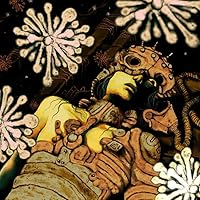
This book was a gift from my dad, and I remember looking through it before I could even read. I love how much imagination it sparked in me, and it's still one of my most cherished books.
Displaying 1 - 30 of 70 reviews