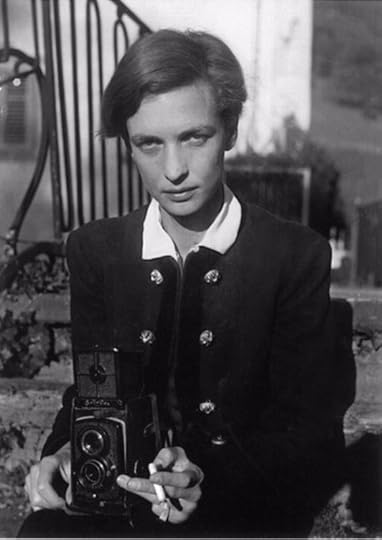
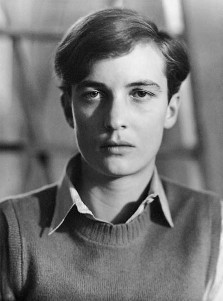
Annemarie Schwarzenbach—journalist, novelist, antifascist, archaeologist, and traveler—has become a European cult figure for bohemian free spirits since the rediscovery of her works in the late 1980s. Lyric Novella is her story of a young man’s obsession with a Berlin variété actress. Despite having his future career mapped out for him in the diplomatic service, the young man begins to question all his family values under Sibylle’s spell. His family, future, and social standing become irrelevant when set against his overriding compulsion to pick her up every night from the theater so they can go for a drive. Schwarzenbach’s clear, psychologically acute prose makes this novella an evocative narrative, with many intriguing parallels to her own life. In fact, she admitted after publication that her hero was in fact a young woman, not a man, leaving little doubt that Lyric Novella is a literary tale of lesbian love during socially and politically turbulent times. Praise for the German Edition “The subject of Annemarie Schwarzenbach’s story is not failed love— Sibylle’s apparent emotional coldness—but the failure of love—the protagonist’s helpless inability, in the crucial moment, to accept his human responsibility toward the beloved.”— Neue Zürcher Zeitung “The work bears the face of its time, but it is so gentle, silent and veiled that one can barely exclude the person behind the mask. A mask is in fact this face, because the hero is a heroine who does not want to be seen.”—Frankfurter Allgemeine Zeitung
Spotting Thomas Mann’s name in the afterword and the year this novella was first published (1933) I was lured to pick Lyric novella from the shelf with new books in the local library. This slender book seemed to fit perfectly into a fresh Sunday morning ritual, consisting of reading a slim volume in bed while drinking coffee before the children are awake.
The afterword of the novella turned out more captivating than the rather sentimental story on unrequited love and obsession of a well-to-do law student getting lost in night life and addiction, risking to ruin a budding brilliant diplomatic career set out for him by his family for a mysterious night club singer surrounded by shady figures and secrets.
The brief life of the Swiss writer, journalist and photographer Annemarie Schwarzenbach (1908-1942) still seems to fire the imagination. Living most of her life abroad, she became close to Erika and Klaus Mann; Thomas Mann called her ‘a ravaged angel’. From the many glamourous black and white pictures and fragments dedicated to her which document her life it is not so hard to imagine how she acquired a cult status: living a bohemian and adventurous life, having relationships with several women, travelling to the United States, Persia and Afghanistan, taking an antifascist stance against her pro-Nazi wealthy family, addicted to morphine, inspiring a passion in Carson McCullers – and dying young.
Tantalizing and foreboding as the 1933 Berlin setting of the novella at first glance might look, the brief account in short chapters of the obsession with the cold and distant cabaret singer Sibylle juxtaposed and contrasted to the salutary reflective hours the narrator spends in solitude in nature however struck me as hackneyed and lacklustre - the later twist that Annemarie Schwarzenbach gave to the story by revealing after publication that the unnamed narrator is not a young man but a woman (so feeding the impression that the novella drew at least partly on her own life (and her infatuation with Erika Mann)) cannot save the story from its aftertaste of triviality. Atmospheric, elegiac in tone and lyrically written it might be, the contemplations of the narrator on lovesickness, fear of commitment and appending loneliness didn’t catch me as particularly acute, moving or revelatory.
If there is any silver lining to Schwarzenbach’s novella, it is that it reminded me of the invigorating Berlin cabaret song Das Lila Lied as sung by the ravishing Ute Lemper.
Desisti deste livro mas não de Annemarie Schwarzenbach, de quem pretendo ler mais, mas sendo este o segundo livro de ficção dela que tenho em mãos, concluo que Annemarie me interessa mais como pessoa e viajante do que como romancista. “Novela Lírica” levanta questões pertinentes de género e amor sáfico, mas a escrita é demasiado débil e difusa para a levar até ao fim.
No meu quarto de hotel caio permanentemente na tentação de me atirar para cima da cama e de passar as breves horas do dia inerte. Tenho que fazer um grande sacrifício para escrever, pois sinto febre e a minha cabeça ressoa como se estivessem a dar-me marteladas. Creio que, se conhecesse aqui uma só pessoa que fosse, perderia logo o domínio sobre mim. Mas não digo palavra e vagueio por aí sem compreender bem os meus sentimentos.
Tot enkele maanden geleden had ik nog nooit van Annemarie Schwarzenbach gehoord. Toen kwam ik haar naam tegen in een artikel over de familie Mann. Annemarie was een goede vriendin van Erika, de dochter van Thomas Mann. Zij is niet oud geworden (1908 – 1942). Op de achterflap staat: “Ze leidde een turbulent leven met vrouwen, drugs en verre reizen… Steeds was zij op zoek naar vrijheid, geborgenheid en schoonheid. Haar literatuur loopt parallel met haar eigen leven… Postuum vergaarde Schwarzenbach een cultstatus.”
Ik vond deze “Lyrische novelle” heel mooi geschreven.
Citaten: “Nergens was er een mens te bespeuren, ik bleef een keer staan en keek om me heen, en de herfstige verlatenheid van het landschap smoorde mijn droefheid.” “Verbleekt, zeg ik, want in het volgende ogenblik schoot ik wakker, het was erg zwaar, ieder gevoel ebde weg uit mij, behalve die ene ondraaglijke pijn rond mijn hart, ik lag plotseling totaal in de war naar voren geworpen over mijn gebalde vuisten.”
Na de deadladies show 3 leerde ik Annemarie Schwarzenbach kennen. Haar bestaan, haar oeuvre en haar nalatenschap was me totaal onbekend. De kennismaking met haar ‘Lyrische novelle’ was een schot in de roos. Annemarie Schwarzenbach (1908 – 1942) had een zeer androgyne uiterlijk. Ze leefde volledig openlijk lesbisch en vocht lang tegen een drugsverslaving. Het verhaal speelt zich af In de tijd dat er mensen dachten en leefden en andere mensen werkten en leefden. Het komt daardoor onrealistisch over. De schrijfstijl doet denken aan Virginia Woolf en Vta Sackville – West. De bijhorende luxe ook. Geld speelt blijkbaar geen rol in het leven en is altijd ter beschikking; dienstmeiden zorgen voor je hebben en houden…. De melancholie spat van elke bladzijde. De weltschmerz ook. De zoektocht naar zingeving en betekenisvolle relaties is het onderwerp van de novelle. Ik ben blij dat ik deze vergeten vrouw op het spoor ben gekomen en kan op zoek gaan naar haar andere boeken, reisverhalen en foto’s. Meer dan de moeite waard.
Hay ocasiones en las que no conectas con una obra que estabas deseando leer, más que nada por la imagen que creas en tu mente por la atrayente figura de su escritora. Eso me ha sucedido con esta historia, en cuanto vi publicado este libro quise investigar, como comúnmente hago, la biografía de su autora. Tras conocer su alocada, desatada y descontrolada existencia supe que tenía que probar suerte. Pero, para mi desdicha, la lectura ha resultado ser un tormento y eso que es breve, probablemente estemos ante mi lectura menos satisfactoria de los últimos meses y a continuación os explicaré a qué se debe.
El escenario de la obra nos traslada al Berlín de 1933, en el que conoceremos a un joven acomodado, con un futuro prometedor que se obsesiona con una mujer. Sibylle es una cantante de cabaret, que se muestra fría e inalcanzable y que despierta el interés inmediato de nuestro protagonista que se verá arrastrado en una vorágine de sentimientos y a una vida nocturna cargada de excesos. Bebe directamente de historias como podría ser la de “La dama de las camelias”, aunque fracasa estrepitosamente en el intento.
Dividida en capítulos cortos, Annemarie nos revela el tema principal que es el desamor, mal de amores o el tan desesperante y desgarrador amor no correspondido que si hubiera estado bien llevado podría haber resultado de otra manera ya que hay algunas reflexiones que no están mal planteadas pero que se pierden en repeticiones y divagaciones interminables. A pesar de tener un estilo narrativo aceptable, quizá demasiado melancólico para mi gusto, no convence y no hace de esta, una buena novela.
La trama, es pobre y sin sustento, hace que pierdas el interés a las pocas páginas de comenzar el relato, su estructura es dispersa y no tiene un fin en concreto y el desarrollo de los personajes, escaso por no decir inexistente hace aún más trivial esta obra. Rescato algunas escenas del protagonista en soledad que nos muestra el amor y la importancia de la naturaleza.
En conclusión, siento que el peso y la excelsa fama que posee este título es gracias a lo que su autora representó, pues era una mujer lesbiana, atormentada desde joven que nunca encontró su lugar y que quiso plasmar una relación tormentosa. Por lo que dicen, su contenido guarda muchos tintes autobiográficos enmascarado bajo un personaje falsamente masculino para sortear la censura de la que sería una historia lésbica. Definitivamente nos encontramos ante una escritora sumamente inspiradora e interesante pero cuyo escrito, por desgracia, no me ha convencido en absoluto.
Die "Lyrische Novelle" von Annemarie Schwarzenbach kann ich schwierig mit Goodreads Sternenskala bewerten, weil ich sie ursprünglich nicht verstanden habe. Das Buch ist in meinen Händen gelandet, als ich irgendwo gehört habe, dass es ein Beispiel für deutschsprachige lesbische Literatur aus der Zeit der Weimarer Republik ist. Mein Fehler war, dass ich ohne kulturhistorische Vorbereitung eingestiegen bin. Sofort hat mich das Geschlecht des Protagonisten verwirrt - allem Anschein nach ging es ja um einen Mann... oder? Ich habe gezielt angefangen, beim Lesen sämtliche Stellen zu markieren, an denen die Hauptperson, ihre Handlungen oder Aussehen beschrieben werden. Abgesehen davon, dass in den letzten Kapiteln von ihrer Beziehung mit Sybille als von einem Tabu gesprochen wird, hat der Erzähler zwar oft geweint, war dennoch ganz eindeutig ein Mann. Als Leserin des 21. Jahrhunderts konnte ich ihn nur als einen trans Mann interpretieren. Trotzdem, da an einer Stelle die Hauptperson eine Frau als "einen verkleideten Mann" bezeichnet, hatte ich das Gefühl etwas zu verpassen. So las ich den Artikel "Inszenierungen von Geschlechtsidentitäten in der Lyrischen Novelle von Annemarie Schwarzenbach" von Karolina Rapp, veröffentlicht im Sammelband "Eros und Logos. Literarische Formen des sinnlichen Begehrens in der (deutschsprachigen) Literatur vom Mittelalter bis zur Gegenwart" (Classen, Albrecht; Brylla, Wolfgang; Kotin, Andrey (Hrsg.)). Diese Lektüre kann ich auf jeden Fall empfehlen, denn sie schildert den kulturellen Kontext der 30-er Jahre und die Homoerotik der Novelle. Dadurch wurde mir bewusst, dass der Titel des Werks - "Lyrische Novelle", darauf hindeutet, dass das Buch nicht wie Prosa, sondern wie Lyrik zu lesen ist. All das gesagt, enthält "Lyrische Novelle" auch Elemente, die mir niemals gefallen könnten. Zum Einen bin ich milde gesagt kein Fan verwöhnter Kinder der Oberschicht, was der Protagonist eindeutig ist. Zum Anderen fällt es mir schwer nachzuvollziehen, wie ein Buch, das vollständig in Berlin spielt und ausschließlich weiße deutsche und schweizerische Personen darstellt, es geschafft hat, an mindestens zwei Stellen orientalistisch zu klingen. Dazu kommt natürlich die oben genannte Stelle, die aus meiner heutigen Perspektive transphobisch scheint. "Lyrische Novelle" war zur Zeit ihrer Erscheinung sicher eine exklusive, befreiende Lektüre. Wie viele Werke aus der gleichen Epoche thematisiert sie eine große, wilde, verbotene Liebe, die die Hauptfigur hin zu depressiven Zuständen und Verzweiflung führt.
OPINIÓN Leer “una novela lírica” es deleitarse de una prosa poética, envolvente y directa donde la autora sitúa la historia en el Berlín de los cuarenta. El personaje principal transmite una sensación de despersonalización constante, ajeno al mundo y un sufrimiento silenciado hacia el amor. Una agradable y confortable lectura, capítulos breves con un trasfondo psicológico bastante solapado, invitando al lector a analizar las diferentes conductas que pueden presentar las personas con caracteres singulares.
Una novela lírica es el enmascaramiento de la propia autora en la piel de un personaje masculino, cohibida de sus intereses sexuales por ser una época intrincada por Hitler.
“Las decisiones la hace uno, y estas no deberían ser controladas por los demás”
Die Lyrische Novelle handelt von einer unglücklichen Liebesgeschichte. Als Leserin irre ich lange durch den Text, ehe das männliche Geschlecht des Erzählers benannt wird. Und ganz stimmig fühlt es sich auch dann nicht an. Der Erzähler - der eigentlich eine diplomatische Laufbahn einschlagen soll - ist auf der Flucht vor seiner leidenschaftlichen Liebe zu einer Varieté-Sängerin. Er schreibt seine Geschichte auf, um sich selbst zu vergewissern. Komplett aus der Bahn geworfen, sucht er Ruhe in einer kleinen Stadt und erinnert sich an die vergangenen Monate. Äußerlich ist die Geschichte unspektakulär, aber auch ohne Kenntnisse des biografischen Hintergrunds, entspinnt sich eine seltsame Atmosphäre in der Erzählung. Getragen vor allem durch die Beziehungen des Erzählers zu den andren Figuren. Die Verzweiflung und das Leid - vielleicht auch die Einsamkeit - durchziehen die Novelle so sehr, dass sie immer scharf auf der Kante zum Kitsch und ins Klischee entlang hangelt. Aus meiner Sicht wird sie durch die diffuse Geschlechtszuordnung und die dadurch entstehende Hintergrundspannung gerettet.
Joyce Carol Oates once said that if it is not because of the timing, Oscar Wilde might not be as important as we perceived. If it is not because of Weimar Republic, of the political hostility of Nazism, of being a Lesbian, and most importantly, of being Annemarie Schwarzenbach, Lyrics Novella might not get its fame after all. Schwarzenbach is a good writer, that I acknowledge, but her elegant words do not make Lyric Novella a good work. It lacks of almost every thing that a story requires, and I certainly don't need to read the first thirty pages to realize that. No plot, poor structure, no clear intention, no character development, superficial narratives, which really don't make this novella in any sense outstanding. Her personal story is for sure more extraordinary than her work.
Mixed feelings about this one. It left me with a sense of longing for more. I don’t know whether this is due to the author’s lack of skill or whether it was a genius intentional attempt on her part to mimic in the reader the same emotional discontent and dissatisfaction felt by the protagonist. Without having the answer to this, this piece for me is too difficult to rate. But definitely worth reading at least for a few very clever philosophical opinions I found within.
A slim introduction to an intriguing writer. The novella itself is romantic, despairing, cosmopolitan yet nature loving, breathtaking at times yet somehow half formed in effect. An extension afterword details the life and times of Schwarzenbach, and inspires an urge to read more by this mercurial, brave spirit.
Tono melancólico durante todo el libro, me gustó el lenguaje, mucha lírica dentro de un escrito en prosa, aún así siento que no terminé de conectar del todo con la obra.
Una valutazione media bassissima per niente giustificata. Il libro rientra perfettamente nel dolce-amaro stile degli scrittori svizzeri, disillusi e a tratti decadenti ma sempre molto poetici, inoltre grazie alle note della traduttrice c'è un ottimo scorcio della vita esterna e interiore di Schwarzenbach, che ha reso ai miei occhi il romanzo ancora più interessante dopo averlo finiti. La prosa-poetica è perfettamente resa anche in traduzione, evocativa e introspettiva, tormentata e a volte assurda. La trama è semplice, è lo stile ciò che incanta. Secondo me è un romanzo adatto a chi è già abituato a leggere scrittrici e scrittori in lingua tedesca (Svizzera, Germania, Austria).
me gustó. como la otra que leí de ella, se trata de gente que está muy al pedo y cuyos problemas generalmente vienen de eso. me gustó el trabajo con los espacios, hay un tono medio mágico ahí que es muy lindo.
I get the obsession, I get the ambiguity in writing, I understand how you can get sick from loving someone who doesn't love you back. And yet, it's not a very intriguing or interesting story.
La narración es sumamente agradable ya que es muy claro y se siente íntimo. La historia no tiene nada extraordinario, solo un joven enamorado no correspondido. Es agradable y rápido de leer.
To come up with the review of a book that left you mad, gasping, yearning, famished, hungry and starved of love, is challenging. Annemarie Schwarzenbach's brilliant piece of a 1930s or 40s lesbian love story, set in Berlin, is a commemorative and disjunct work of woeful love that tears one to shreds. The author was prompted by her lover Ursula Von Hohenlohe to pen the enamouring saga of unreciprocated romance with a personal, unique touch.
This story is set with nature as its backdrop. Nature is being hunted down by humans and ravaged by World wars. Thus, a war-torn Berlin seems to be the chaos brimming in the heart of the unnamed female narrator. The earth's "crack" symbolises the lover's ache drowning in the ocean of unrequited love. Its painful, bone-crushing and doesn't let the reader to catch a breath while reading the book.
Following a meta-narrative approach, it constantly switches between past and present like undulating waves. Sibylle, a variete actress and dancer is the obsessive love of the narrator struggling with crippling depression and gastritis (at least according to my diagnosis). The entire narration takes place with the narrator trying to come to terms with her detached lover. I feel that the autobiographical semblance of the withdrawal symptoms of a morphine addict (the narrator) have also been portrayed in the novel with vivid details.
This book also seems to have autobiographical elements in it, specified in the Translator's note and the Afterword:
"She [the author] hid her homosexuality by forcing herself into a corset of gender norms, perhaps hoping to reach a wider audience. An openly lesbian love story would certainly not have been published by Rowohlt Verlag at the time." (Roger Perret)
Again in the translator's note it is mentioned:
"She too, like the young man [later claimed by the author that the narrator is a woman] in 'Lyric Novella', spent her life fleeing and trying to find solace, often in foreign places and nature."
Alluding to the fact that "Schwarzenbach made no secret of her homosexuality" (Lucy Jones), her personal experiences with Lesbianism are duly enmeshed in the novel. Her mother raised her like a son (might seem liberating but its not as one needs to understand that to achieve freedom from societal norms, you need not dress up or pretend to be a man, unless of course you inherently choose to). She also had a very troubled relationship with her mother as Roger Perret mentions, "Schwarzenbach offered up her pain—in the role of the 'suffering cavalier'—like roses to her mother." Perret further elucidates, "Tormented by this moral dilemma [of extreme loneliness and self-sacrifice], Schwarzenbach's only escape lay in suffering, in drug-induced intoxication and in writing." Her mother had even sent her to a school in "remote Ftan" because of her "intense infatuation for another girl." Perret exemplifies that the author was "thereafter closely watched by her family every time she tried to make friends outside her domestic circle." Even her letters to her girlfriend-cum-"second mother", Erika were destroyed by Renee (Schwarzenbach's mother). She also burnt "part" of her daughter's works. The deletion of parents from the novella also seemed like an autobiographical trope to me.
An interesting fact about this queer icon is that she frequently visited lesbian bars. I found this fact interesting and courageous in a society where homosexuality was not well received.
To conclude, 'Lyric Novella' displays the fragmented lyric beating in the trampled heart of a lovelorn narrator.
Qué mágico es descubrir autoras transgresoras, modernas, adelantadas a su tiempo, liberales, empoderadas… Más allá del género o la temática de sus obras, siempre que descubro una autora cuya biografía me llama la atención, me lanzo a leer algo suyo, y por eso hoy os traigo la reseña de “Una novela lírica” , de Annemarie Schwarzenbach.
Narrada con con vocabulario sencillo, conciso, con una extensión muy breve y una prosa muy directa, sin ornamentos ni florituras, Annemarie nos ofrece un relato diferente, visceral, psicológico… incluso por momentos incómodo.
Una historia sencilla que se lee de una sentada en la que subyace, bajo una voz narrativa masculina, la expresión de la homosexualidad de la autora, quizá de una forma demasiado sutil, apenas identificable, pero pensemos que fue publicada en 1933, año en el que Adolf Hitler se hizo con la cancillería de este país. Pero precisamente esta sutileza, esta declaración de intenciones visible solo para el ojo más avispado, es lo que más me ha gustado de esta obra, la capacidad para crear un narrador masculino que por momentos se siente agénero, en una época tan convulsa y coartante de tantos derechos y libertades.
Una obra, como digo, sencilla, con un estilo peculiar que a veces despista un poco y una trama muy original y llamativa pero que, siendo sincera, me ha sabido a poco (ya sabéis que tengo preferencia por los libros largos).
Aún así os animo a darle una oportunidad a esta autora para mí, hasta ahora, desconocida, y a descubrir su estilo tan original y peculiar, cargado de soledad y tormento.
This is the story of a young man who falls insanely in love with a girl. Nothing extraordinary can be said about the novel unless you know the context of the writer: a spoiled brat, a billionaire heiress who was so rich and could do anything she wanted to so extent that she decided she wanted to be a man, just because -I imagine- she wanted to wish for something she couldn't have. So, in real life, this woman became addicted to morphine, risk taking, partying, etc. Her life was a total waste and she died young performing one of the stupid stunts she designed to defeat the gods and show everyone how rich and powerful she was. This novel is a sort of musing over all the things she couldn't have -namely buying genuine love, friendship, a totally satisfying drug, and a sex change surgery, since it was not available at the time of her short life.
Due piani narrativi distinti. Un lirismo trasognato ed introspettivo che cede il posto alla nevrotica consapevolezza di dissoluzione - anche fisica - ed irraggiungibilità dell'oggetto del proprio desiderio. Un amore impossibile fin dall'inizio, mai consumato ma "consumante", logoro di incompletezza. E sullo sfondo, sottintesa e sempre pudicamente velata, la pulsazione autobiografica imprescindibile da ogni-singola-parola.
Dankzij een tip van een docent deze heerlijke schrijfster ontdekt, het is het zo waard eens haar Wikipedia te bezien. Doorheen het boek, geschreven in de ik-persoon, wordt er geen gender gegeven aan het hoofdpersonage, en het viel mij op dat ik er automatisch een vrouwelijk persoon van maakte, al bleek het blijkbaar uiteindelijk om een man te gaan. Interessant hoe er gespeeld wordt met genderperceptie in een boek uit 1930!
Overall a sentimental love story, but beautifully written. There were so many passages and phrases I wanted to tag and revisit. Definitely a book I will hold onto and read again.