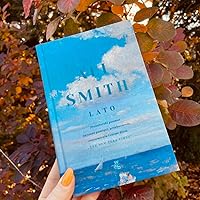
Czy ludzkość wciąż ma szansę? Przeczytaj i dołącz do grupy tych, dzięki którym przetrwamy.
Pogłoski o śmierci wielkich narracji okazały się przesadzone. Opowieści wciąż organizują nam świat – problem w tym, że przestały dawać sobie z nim radę. W przypadku wyjątkowo niebezpiecznych wyzwań, jak kryzys klimatyczny czy wzrost nierówności, prowadzą nas wprost ku zagładzie.
Marcin Napiórkowski, semiotyk kultury, autor szeroko komentowanych książek Mitologia współczesna i Turbopatriotyzm, w swej najnowszej publikacji zastanawia się nad naszymi opowieściami o przyszłości. Analizuje w tym celu najgłośniejsze w ostatnich latach prace naukowe i popularyzatorskie, społeczne debaty, a nawet... poradniki dietetyczne.
Wnioski? Naszymi umysłami rządzi opozycja – technooptymizm kontra technopesymizm. Pierwszy proponuje naiwną wiarę w postęp bez zastrzeżeń, drugi – powrót do wyidealizowanej przeszłości lub ponury katastrofizm. Czy istnieje inne wyjście? Autor przekonuje, że tak. Krok po kroku, z lekkością i dowcipem pokazuje, jak wyznawcy obu wielkich narracji mylili się w kluczowych kwestiach dotyczących ekologii, medycyny, rewolucji agrarnej i rozwoju technologii.
Naprawić przyszłość to jednak nie tylko fascynująca lektura o opowieściach, ale też praktyczna instrukcja tego, jak nie dać się złapać w pułapki przebrzmiałych sposobów tłumaczenia świata. I jak opowiadać o nim tak, aby ludzkość miała szanse na przetrwanie.
Polish lecturer at the Institute of Polish Culture of (University of Warsaw). He runs the author's blog Contemporary Mythology. He publishes in Tygodnik Powszechny, Krytyka Polityczna, Więź, Znak and Gazeta Wyborcza.
4.5 Szalenie poręczna skrzynka z narzędziami do myślenia o myśleniu. Czasem użyteczna powtórka z podstaw narratologii, czasem nadzieja w mroku dla humanistów, mądrze opiera się poznawczym uproszczeniom. Napiórkowski wie, jak pisać, żeby zaangażować - na metapoziomie konstrukcja tego wywodu to kolejne inspirujące narzędzie. Wciągnęłam "Naprawić przyszłość" w parę dni, nieraz śmiejąc się w głos. Zgaduję, że nieraz przyda mi się w formułowaniu sądów albo powstrzymywaniu się od nich.
Tak powinna wyglądać nowoczesna humanistyka w każdym wymiarze! Książka próbuje połączyć znaczenie nauk humanistycznych i ścisłych i czyni to w sposób bardzo praktyczny i pokazując jak ważne dla człowieka są społeczne wymiary wszelkich przemian. Doskonale obudowana badaniami i licznymi teoriami, wspaniale erudycyjna. Marcin Napiórkowski zasługuje na najwyższe uznanie w światowych kręgach jako badacz ludzkich opowieści
Bardzo lubię takie książki uświadamiające mnie że często się mylę i mam do tego prawo. Ukazujące że świat nie jest czarno-biały i trzeba dostrzec człowieka w drugim człowieku, pokazujące jak ważna jest współpraca. O dziwo czuję taką małą iskierkę nadziei, że nie umrzemy jako gatunek za te kilka dekad, może mamy jeszcze jakąś szansę.
Do tego widzę cię Marcin Napiórkowski ok feminist! Miałam nadzieję, że skoro jest to książka o narracji i sposobie opowiadania historii, autor nawiąże na koniec jak mówiąc ogólnie o zbiorach ludzi jak czytelnicy, naukowcy i tym podobne używał feminatywów na przemian z męskimi/neutralnymi odpowiednikami. Były to określenia ogólne gdzie nie mógł znać płci wszystkich czytelników a używał słowa „czytelniczki”. Myślałam że się przesłyszałam parę pierwszych razy, ale w miarę postępu książki zdarzało się to coraz częściej. Może coś źle interpretuję albo wyjaśnił to gdzieś indziej lub jest to jakiś eksperyment, mimo to chciałabym usłyszeć czy miało to konkretny cel czy jest to do mojej oceny własnej.
This entire review has been hidden because of spoilers.
Ważna książka, napisana nieznośnym stylem. Miałem poczucie, że utknąłem na kilkaset stron na linii z telemarketerem, który próbuje mi wepchnąć swój produkt.
Pierwsza część książki jest niesystematyczną prasówką z kilkunastu książek i artykułów. Klucz doboru nieznany, podział na Technooptymistów i Technopesymistów zgrubny i naciągnięty. W tej jednak części książki pada najwięcej ciekawych wniosków i świeżych przemyśleń.
Druga część książki to manifest, połączony z tutorialem storytellingu. Manifest manifestuje factfulness i łączenie podejść w nauce. Tutorial jest zbiorem porad narratologicznych, rozwleczonym na kilkaset stron.
Styl - wg mnie nachalny, perswazyjny, spłycający i repetytywny. Dodatkowo pewne tezy o potędze narracji imo mocno naciągane, całkowicie odkrojone od innych kontekstów społeczno-politycznych, czysto korelacyjne - tak jakby autor dał się zwieść swojej własnej dziedzinie i opowieści.
Do książki zachęciła mnie idea wypływająca z tytułu. Minimalnie obawiałem się linkedinowego coachowania, ale na szczęście autor skupia się na wspólnotowości, szukaniu podobieństw, łączeniu wiedzy humanistycznej i ścisłej w celu opowiadania wizji przyszłości, która jest pozytywna, ale też realna do zbudowania.
Byłem pozytywnie zaskoczony liczbą postulatów i sensownych sposobów myślenia, które zacząłem zauważać w ostatnich czasach w polskim dyskursie publicznym, w tym politycznym, a które pojawiły się dobrze opisane w tej książce, takie jak niekończący się wzrost gospodarczy będący współczesnym kolonializmem czy konieczność humanizowania nowych technologii.
Minus za zbyt rozwlekłe, powtarzające się wnioski, ciągnące się przez pół książki, odnoszenie się do tych samych nie za ciekawych postaci jak Zięba czy Shiva.
Książka, która pobudza do myślenia i przywodzi na myśl akademickie dyskusje oparte o merytoryczne argumenty i źródła. Autor popularyzuje teorie naukowe, ale nie idzie w stronę pop-nauki, łatwej, lekkiej i przyjemnej, o wysokiej przyswajalności. Obawiam się, że nie zapamiętam wiele i zapewne w audiobooku sporo mi umknęło, ale dziękuję za intelektualne pobudzenie trzeźwe spojrzenie i równouprawnienie w języku. (audiobook)
What I didn’t like: - if experiments are not replicable or heavily criticized already then making a case on top of them is not convincing - I don’t think it teaches you to tell better stories - it’s really „meta” - I miss some kind of concrete hopeful stories for the future
What I liked: - now I can skip overly optimistic and overly pessimistic books about progress. They all are right and wrong at the same time. E.g.: Steven Pinker „The Better Angels of Our Nature: Why Violence Has Declined” - good example of countries that had a good and bad „progress” and how inequality in Philippines stops the growth and how Korea/Japan built on top of small farms not in spite of them. - how techno optimists are wrong - how techno „skeptics” - paleo/non vaccinated/science deniers are wrong and really similar to tech optimists in how they are wrong.
Książka jest bardzo dobra. Jest świetnie napisana, autor prowadzi bardzo logiczny wywód nie rozpraszając zanadto czytelnika anegdotami. Ponadto poczułem się dowartościowany jako humanista, co również odczytuje za dużą zaletę. Napiórkowski jest prawdziwym pozytywistą, bo zamiast snuć wizję beznadziejnej rzeczywistości stara się przedstawić jakieś realne rozwiązania. To, na ile owe rozwiązania będą przydatne to już zupełnie inna kwestia.
Książka jednak popada miejscami w nadmierny optymizm (od którego autor zresztą się odżegnuje). Minęło zaledwie kilka lat od jej wydania, a mam wrażenie, że świat poszedł w takim kierunki, że niektóre z tez autora zdążyły pokazać jego krótkowzroczność.
Niemniej polecam, szczególnie jeśli ktoś chcę dostrzec dobrze wyłożony sens humanizmu.
“Naprawić przyszłość” Marcina Napiórkowskiego to błyskotliwa analiza tego, jak narracje kształtują nasze myślenie o przyszłości i blokują realne zmiany. Autor pokazuje, jak wyjść poza schematy – zamiast biernie czekać, warto świadomie działać. Inspirująca lektura dla tych, którzy chcą nie tylko rozumieć kryzysy, ale też je naprawiać.
Napisana żywym językiem autora, którego fascynuje to o czym pisze. Potrzebna dziś tak, jak kiedy potrzebowaliśmy ognia aby ogrzać się w jaskini. Iskierka, która rozpaliła się w czytelniku przerażonym zagmatwanym światem.
Polecam i zbijam z Tobą piątkę, czytelniczko bądź czytelniku!
Bardzo ważna książka, szczególnie w 2026 roku. Tłumaczy dlaczego techno-optymiści są w równie głębokim błędzie jak techno-pesymiści. Co więcej, proponuje też konkretne narracje, a właściwie podejścia do życia, które miałyby więcej sensu.
tak naprawdę to 4.5: WAŻNA treść, ale niekiedy męczyła mnie forma („o tym więcej napiszę w kolejnym rozdziale”, „obiecuję, że już wkrótce wyjaśnię” itp.)
“It's hard to think of anything more human than this expectant stare into tomorrow. It involves a disturbing paradox. Even if we can't accurately predict the future, we often know how to provoke it. Our idea of tomorrow influences our actions (or lack thereof!), and these in turn determine what will happen. If we all believe that the climate catastrophe is unstoppable, we are indeed facing a Mad Max-like reality. As long as we are convinced that states are incapable of innovation and efficient action, effectively fighting the next epidemics will actually be beyond their capabilities, because we simply won't give them the right tools. Imaginations of the future determine exchange rates and stock prices, lead to unjustified panic, or cause us not to see the imminent danger until the last minute.
The past is important and can teach us a lot. But ultimately our homeland is tomorrow, not yesterday. It is not memory, but leaning toward what is yet to come that makes us human and sets us apart from other species. If we lose hope for a better future, we ourselves will be lost. A man without a future creates a future without a man. A short-sighted focus on quick profit, a nostalgic idealization of the past or a naive fixation on technology are not unbiased observations of reality. They are strategies for action. Self-fulfilling prophecies that already foretell us an inhuman future. This is why we so desperately need wise stories about tomorrow.”
--
The best podcast in the world, Raport o stanie świata, by Polish journalism star Dariusz Rosiak, has without a doubt enriched my life. For example, with this remarkable book subtitled "Why we need better stories to save the world". A young (1985) professor Napiórkowski, who as a sociologist and philosopher focuses on contemporary mythology and collective memory, shows in a fascinating way the power of stories. How they have shaped history and how they shape the world today, including its landscape or biodiversity with a force as real and tangible as the currents of the sea or erosion processes.
Christianity and Platonic philosophy, communism and nazism, liberalism and conservatism, mysticism and the methods of modern science - these are all just narratives that people believe and that show us that we must choose our stories carefully. Because our narratives about the future hold the key to that future. They don't just try to predict it more or less accurately. They shape it. That, by the way, is where the humanities, and sociology in particular, are indispensable. It is difficult to identify with cold numbers alone. It is hard not to identify with stories.
As soon as it is translated at least into English, or as soon as you finally dare to read Polish, pick it up immediately. Its bibliography alone will fill your to-read list for months to come.
--
“What really makes patients abandon cancer therapies, opting instead for bioenergotherapists, healers or miracle diets? Why are they willing to believe that vaccines are a conspiracy to depopulate our planet? How come otherwise reasonable people are willing to trust the wisdom of the internet rather than someone who has devoted his entire adult life to medicine? The answer lies in the narratives. "Alternative medicine" offers patients simple and engaging explanations. It treats them as unique individuals and seeks to satisfy the human need for care, recognition and, above all, meaning. Meanwhile, the official health care system and evidence-based medicine often appear inhumane. [...]
'Medicine is not an exact science.... is an art'. Scientifically validated methods and data alone are not enough, because patients are human beings, not perfectly rational automatons. They need more than just the removal of cancerous tissue or the supplementation of an iron deficiency. They also need a sense of meaning, control over their own lives, respect, trust or closeness to another human being.”
Jest to książka warta uwagi zarówno dla zwolenników książek popularnonaukowych jak i dla tych, którzy są ciekawi świata, a zdobywanie wiedzy z różnych dziedzin jest dla nich przyjemnością. Czego dowiecie się z „Naprawić przyszłość” ? Znajdziecie tu nie tylko informacje związane tytułową przyszłością, ale także dużo rozważań obejmujących minione już czasy. Autor dokonuje przeglądu ubiegłych stuleci i bierze pod lupę podejścia naukowców czy przywódców do rozwoju i postępu społeczeństw.
Jest to dzieło obszerne liczące ponad 450 stron i naturalnie dowiedziałam się z niej całej masy nowych informacji, ciekawostek oraz poznałam spojrzenia na świat o jakich do tej pory nie miałam pojęcia. Jednak o ile z perspektywy czytelnika dużo tu nowości to niestety nie liczcie na książkę wypełnioną po brzegi tylko kluczowymi informacjami, gdyż według mnie połowa treści to zdania które szybką uciekną mi z głowy i nie są one niezbędne dla przekazu przewodniej myśli tej książki.
Przechodząc do pozytywów wspomnieć muszę o języku, którym posługuje się autor. Mimo poruszania kwestii naukowych nie używa on słownictwa naukowego i specjalistycznego, a pisze w sposób jasny i zrozumiały dla przeciętnego czytelnika.
Jest to książka ukazująca ciekawe poglądy dotyczące tego jak przebiegał proces kształtowania rzeczywistości, w której żyjemy, a także pełna rozmyślań o tym dokąd zmierza rozwój naszego świata. Napisana w sposób jasny i zrozumiały. Jej objętość mogłaby być mniejsza jednak można to rozważyć jako zaleta, bo przynajmniej dłużej mogłam zagłębiać się w analizach przeprowadzanych przez Marcina Napiórkowskiego. Myślę, że to książka dobra na prezent dla każdej osoby ciekawej świata 😊
Zanim przyszłość stanie się faktem, jest opowieścią - pisze Marcin Napiórkowski we wstępie do swojej książki. A ta opowieść, wyobrażenie na temat jutra, wpływa na nasze działania, które z kolei decydują o tym, co się stanie. Autor książki szczegółowo przedstawia stanowiska na temat przyszłości zagłębiając się w technopesymizm i technooptymizm w bardzo obiektywny sposób, starając się zrozumieć obie strony. Podkreśla rolę emocji w byciu człowiekiem i w naukowy sposób odwodzi czytelnik od przekonania o ich niższości wobec rozumu. Wyciąga na światło dzienne wiele kwestii, z których znaczenia dla porządku świata absolutnie nie zdawałam sobie sprawy, jak chociażby urban bias, czyli skrzywienie miejskie, które diagnozuję także u siebie. I wreszcie - tłumaczy dlaczego wszyscy humaniści powinni otworzyć głowy na myślenie w sposób naukowy - mierząc, badając, porzucając balast przeszłości, uczyć się zmieniać zdanie, kiedy fakty przeczą ich opiniom. Ścisłowcy z kolei, aby wprowadzić swoje pomysły w życie, muszą uczyć się od humanistów przekazywania wiedzy w taki sposób, by została zrozumiana i zaakceptowana, czyli jednym słowem - opowiadać. Po przeczytaniu tej książki czuję się mądrzejsza, o wiele lepiej rozumiem przyszłość i czuję moc sprawczą w rękach opowiadaczy. Plus za feminatywy! Miło czyta się o badaczkach, naukowczyniach i innych kobietach wpływających na losy świata.
Pomysł na książkę dobry, wykonanie na pewnym poziomie też dobre - czyta się dobrze, w skali rozdziałów i akapitów filozoficzne tematy się przeplatają z faktami historycznymi i teoriami naukowymi w sposób bardzo satysfakcjonujący. Natomiast na meta-poziomie, książka słusznie zarysowuje problem że narracje są istotne i że warto o nich myśleć. Pokazuje odrobinę teorii, sporo praktyki z historii, ale mało pomysłów i metod na przyszłość. Do końca liczyłem, że w podsumowaniu dostanę jakiś zbiór uniwersalnych zasad dobrych/złych narracji. Zostawiła mnie książka z niedosytem. Sporo wiedzy na pewno wchłonąłem czytając, ale jednak nie bardzo wiem jak to teraz komuś opowiedzieć w syntetyczny sposób.
Świetnie się to czyta. Mam jednak pewne zarzuty. Autor bardzo mocno binaryzuje świat, wrzucając wszystkich do obozów technooptymistów i technosceptyków, by potem wytknąć jednym i drugim skrajności. Ponadto choć nie kwestionuję, że narracje, marzenia czy opowieści mogą wpływać na świat, to ich sprawczość bardzo wyolbrzymiono w tej książce. Nie znam się na narratologii, więc dla mnie bardzo ciekawe były fragmenty jej poświęcone. Nie brak tu wielu ciekawych informacji i wątków, więc pomimo wspomnianych zarzutów lekturę uznaję za udaną i wartą poświęconego czasu.
Książka, która daje bardzo dużo do myślenia na temat narracji i ich wpływu na nasz świat. Bardzo dobrze się to czytało. Trochę mnie bawiło zacięcie autora we wspominaniu jego Arcywroga, Jerzego Zięby, ale poza tym książka jest dość dobrze wykalibrowana. Do zachwytu brakowało mi trochę więcej refleksji na temat tego, co z tego wszystkiego wynika i co możemy z tym zrobić, bo ostatni, krótki rozdział na ten temat był potraktowany po macoszemu. Niemniej jednak jest to pozycja warta cennego wolnego czasu.
Niesamowita książka, poruszająca tak wiele zagadnień równocześnie, że wydawało mi się to aż niemożliwe. Świetnie napisana. Odwołuje się do konkretnych teorii, osób, wydarzeń itd. Zwraca uwagę na to w jaki sposób myślimy i otwiera oczy na pułapki, w które dajemy się złapać. Pokazuje jak wiele znaczy dobra opowieść. A przede wszystkim niesamowicie angażująca i niedająca oderwać się od lektury. Z pewnością będę do niej wracać 💜
Książka ciekawa i zawiera sporo interesujących informacji, ale przegadana - przeszkadzały mi także żarty lub wtrącenia typu "już niedługo wyjaśnię, o co w tym chodzi, obiecuję", ale ja po prostu nie lubię tego w książkach popularno-naukowych. Co nie zmienia faktu, że nawet w częściach merytorycznych, gdyby książkę skrócić o kilkadziesiąt stron, to mam wrażenie, że nic by nie straciła, a wręcz zyskała.
Bardzo ciekawa i otwierająca oczy, przy tym napisana w ciekawy i wciągający sposób. Posługuje się historiami, żeby tłumaczyć przeszłość teraźniejszość i przyszłość. Bardzo polecam każdej pogubionej w przebodźcowanej rzeczywistości osobie.