Mystery stories are among the most difficult stories to write; this is especially true if the mystery is historically based on fact. The author needs to solve the mystery in a convincing fashion while working against any knowledge the reader might have of the facts in the case. The centerpiece of this story is the death of Pope John Paul I, or as the book would have you believe, the murder of John Paul I.
When Albino Luciani was elected Pope following the death of Paul VI, the world was taken with his persona. The "Smiling Pope" was seen as an energetic, creative leader for the Church. The contrast between him and Paul, who was often compared to Hamlet, was striking. Here was a man who wrote letters to great literary figures to discuss theological issues, a pope who did not bother with the papal trappings of the past, a pope who smiled and enjoyed people. When he died after 33 days, the shortest pontificate in modern times, the rumour mill went into overdrive: John Paul I was murdered because he was about to depose some eminent personages from power and root out corruption in the Church. As would later come to light, there was some truth in the rumours. The financial scandal between the Banco Ambrosiano and the Vatican Bank, the role of Archbishop Marcinkus in the drama, had a basis in fact. Did Roberto Calvi commit suicide under Blackfriars Bridge in London? The jury is still out on that one. The haste in which John Paul I was prepared for burial lends itself to suspicion of foul play. Conspiracy theories continue to exist, much like they still find adherents in the assassination of John F. Kennedy, long after they have been largely disproven. There's something in the popular imagination that refuses to accept the simple answer when dealing with the death of a beloved figure. In spite of John Cornwell's book about the death of John Paul I, A Thief in the Night, which examined the official version of the event and showed that the pope's death was an unhappy consequence of a failure to take his medicine properly, there are still some who insist on seeing a malevolent cabal behind it.
The story revolves around the papers that John Paul I was supposedly reqading when he was murdered. They were found in the Vatican Archives by someone who realises their importance and seeks to safeguard them by sending them outside the Vatican. Threatened by their revelation, the Masonic Lodge Propaganda Due (P2) motivates its forces to find them and eliminate those who have them. To do this, a mixture of players from the CIA, P2, and the Vatican are mobilised in the hunt for a Portuguese journalist and some others. The adventures of Sarah Monteiro and Rafael, her protector, read like James Bond without the gadgets and the path to the solution is littered with bodies (It's not just the Pope who dies).
Luis Miguel Rocha writes a good story which keeps one's interest to the very end. There is just enough verisimilitude to make the story believable. Like Dan Brown's The DaVinci Code, there will be those who believe the fiction over the facts. I think it is the mark of a good writer to create such faith in his readers. What adds to belief in this book is the list of real persons and their biographies at the end of the book. There is also a testimonial from the assassin (who remains nameless) telling how the book came to be written. It is, as a whole, a great entertainment for a few hours, but one should not take it too seriously. Rocha has another book, The Holy Bullet, about the attempted assassination of John Paul II; it will be interesting to see what he makes of that.


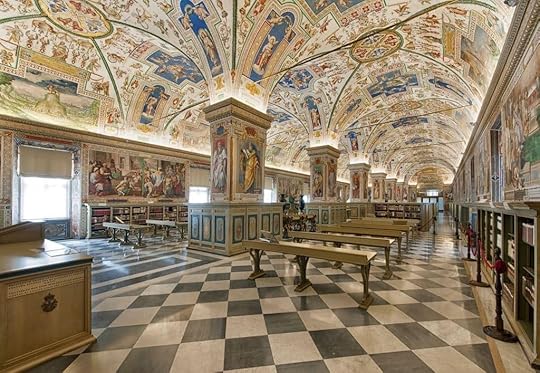

 during the conclave that elected Pope Benedict.