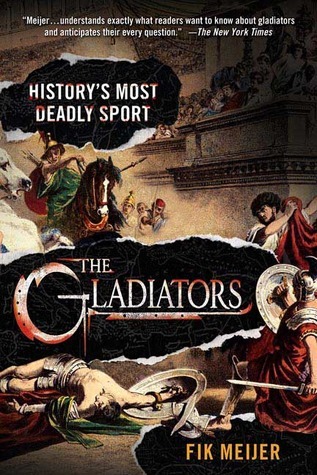
Superfit, muscled, and macho, gladiators were hero-worshipped for their skills and courage as they fought to the death, yet despised for their humble status. For over six cruel centuries, tens of thousands died in the blood soaked arenas of Rome and its colonies, watched by enthralled crowds screaming for violence. Professor Fik Meijer has ingeniously pieced together their true stories from contemporary evidence, describing the gladiators' origins, daily life, training, and the odds of their survival pitted against their legions of fans' lust for blood and spectacle.
Fredericus Joannes Antonius Maria "Fik" Meijer is a Dutch historian and author. He studied classics and ancient history at Leiden University and graduated in 1973. Meijer is an emeritus professor of ancient history at the University of Amsterdam.
He has written numerous non-fiction books on the ancient world for a broad audience, a number of which have been translated into multiple languages. He has also published several translations of classic works into Dutch.
Fik Meijer must have done a world of research for this book. Chapter by chapter one learns of how gladiators were made, what they ate, what they wore, where they slept, how they prepared for battle...just amazing detail of the gladiators' day-to-day existence.
The book also touches on: the political history of how the sport came into being, why it went on for so long, and how and why it was stopped; how the victims were chosen and explanations of what they went through; the mentality of the crowd and the reasons they chose to watch such a bloody sport.
I knew vaguely about the animals that were shipped to Rome for the sole purpose of slaughter in the coliseum, but the true number of beautiful, exotic animals that gave their lives for this cruel sport is staggering.
I recommend this book to any history buffs out there. You'll learn more than you ever wanted to know about the gladiators and their oppressive lives.
Prachtig boekje van Fik Meijer! Binnen enkele dagen uitgelezen. De auteur baseert zich op een enkel thema en neemt de lezer bij de hand mee door de ontwikkeling van het Colosseum.
Erg sterk zijn de inleiding en de afsluiting van het boek. Er wordt benadrukt dat wij als mensen nu niet heel anders in elkaar zitten dan de Romeinen toen. Nog steeds vinden we bloedvergieten vrij normaal in games, films en nieuws. Voor de Romeinen maakten amfitheaters als het Colosseum dan ook een logisch deel uit van hun belevingswereld en werd het bloedvergieten eveneens gewoon gezien als volksvermaak. Niet als het sadisme wat de moderne lezer er snel aan zou toekennen. Terecht wijst de auteur de lezer op het einde in de Epiloog op de waarschijnlijkheid dat hij of zij ook had meegejuicht in het Colosseum.
Het is fijn dat dit boek rekening houdt met hoe een lezer de tekst leest. Illustraties, bronmateriaal en kaarten zijn op een logische plek geplaatst zodat ze ook daadwerkelijk een aanvulling vormen bij het verhaal. Dit is helaas een zeldzaamheid in het veld van non-fictie, waar menig auteur er nog steeds niet voor terugdeinst om blokken in een boek te reserveren voor exclusief illustraties en bronnen. Goed dat de lezer nu niet zelf hoeft te puzzelen met waar in het verhaal iets hoort te staan.
Kortom, zeker een aanrader! De auteur kiest zijn woorden zorgvuldig en schrijft zeer toegankelijk. Je krijgt als lezer een historisch correct overzicht van het Colosseum en van de programma's die daar enkele keren per jaar werden gedraaid.
Zaista sjajno štivo koje pokušava što vjerodostojnije prikazati sve vezano uz gladijatorske igre. Od njihova nastanka pa do nestanka, preko toga kako je izgledao jedan dan takvog spektakla, pisac se služi dostupnim izvorima, bez ikakvog veličanja događaja. Štoviše, od samog početka se postavio tako da današnji čovjek ne bi smio suditi gladijatorstvo na temelju današnjih moralno etičkih načela. Kako je borba dva čovjeka na smrt iz današnje perspektive gnjusna, baš kao i pravi pokolji životinja. No da su prije dvije tisuće godina bila neka drugačija pravila i neki drugačiji moralni standardi od kojih su se mnogi zadržali još stoljećima nakon. Da zbilja ne može znati kakav bi imao stav prema tome da je živio u to vrijeme i prisustvovao jednom događaju – što je potpuno pošteni stav. Nitko od nas ne može to znati pošto bi okruženje i vrijeme koje nas definiraju imale drugačije konture i vrijednosti nego što imaju one danas.
Ovo je povijesni pregled u kojem sam saznao zanimljivih stvari, pokoju anegdotu i još ponešto.
An excellent, thoroughly accessible and readable history about gladiators. However much of an expert you are, this will probably add to your knowledge somewhere along the line. Uncovering some of the myths, as well as having a swipe at some of the less than accurate (but still entertaining) films on the subject.
A very good and readable study about the way Romans enjoyed the gladiator fights, chariot races and theatre. The most famous arena for gladiator fights is the Colosseum, which is a nickname. Near the Colosseum stood an enormous statue of Nero. The official name is Amphiitheatrum Flavium . Rich senators and the emperor organized big events to increase their popularity. Most of the citizens of Rome lived in poverty. The games were mend to help the emperor and the senate to suppress opposition and riots: panem et circenses 'bread and games'.
The games weren't organized in Rome only. Throughout the Roman Empire amphitheaters and places for chariot races were build for amusement. Before Vespasian built the Colosseum those events took place on the Forum Romanum, Circus Maximus and other places on the outskirts of Rome.
The author describes the orgin of the games, the development, the popularity and the decline. He has used several first hand sources for his research, like the writings of Cicero and Seneca, but also the mosaics which give a good impression of the outfit of a gladiator: the helmet, the shield, the sword and other protective item.
Gladiators were trained in gladiator schools. The way Roman citizens thought about them was ambigious: gladiators were the outcasts of society, but were admired for their fighting spirit and courage. As regards of the latter virtues a gladiator could often his life, because he was a famous fighter with a lot of victories.
Important is to read the preface of the book, where the author argues that we still haven't forgotten the enjoyment of these cruel games, regarding movies like Spartacus and Gladiator.
Update: Did a re-read in 2014, just to refresh my mind on this subject. My rating remains 5-stars.
I nice and comprehensive compilation of information concerning the history of the gladiator. You may get flashes of the movie Gladiator swirling in your imagination, but the author quickly dashes those sometimes inaccurate images as he continues on his journey of informing the reading public of the more real version of the story of the gladiator and the gladiator battles.
Željela sam saznati ponešto o ovoj temi, ali ova knjiga je prava studija povijesti gladijatorskih igara od nastanka do njihovog kraja temeljena na povijesnim izvorima. Saznala sam sve o vrstama gladijatora, njihovoj opremi, oružju, tko se s kim mogao međusobno boriti, o gladijatorskim školama, nagradama, njihovom statusu u društvu, kako je izgledao jedan dan u areni: od isceniranog lova na divlje zvijeri, izvršenja smrtih kazni u podnevnoj pauzi do popodnevnih gladijatorskih igara, gdje su se igre sve održavale, o gradnji i devastaciji Koloseuma i još puno toga. Čak su se u neko vrijeme i žene mogle boriti.
Best interessant en vlot geschreven. Qua stijl doet het me denken aan een afstudeerscriptie: een samenvoegsel van opzoekwerk met een kleine toegevoegde waarde.
Een erg fijn geschiedenisboek over gladiatorenspelen in de Romeinse tijd. Wat een verschrikking, en wat absurd. Het aantal mensen en dieren dat werd vermoord ter vermaak van anderen. Meijer schrijft alles helder op, en plaatst alles in context. Ook goede illustraties.
Gladiatoren, volksvermaak in het Colosseum door Fik Meijer
We begrijpen het heden door onze geschiedenis te bestuderen. Onder deze zegswijze schreef Fik Meijer het boek Gladiatoren, volksvermaak in het Colosseum. Hij geeft zelf aan dat er in het verleden al vele boeken over gladiatoren, het Colosseum en het vooral het Romeinse Rijk zijn geschreven maar dat het uitermate interessant is om eens te kijken wat er van dit gewelddadige spektakel is overgebleven in onze moderne tijd.
Deze vraagstelling beantwoordt Meijer onmiddellijk door ons een spiegel van de sportwereld voor te houden. Er zijn weliswaar tussen mensen geen gevechten op leven en dood meer, maar een ring waarin een bokswedstrijd tot bloedens toe in knock-out eindigt, een joelend voetbalstadion waar veertigduizend supporters achter hun ploeg staan of een arena waar met plezier een stier wordt gedood, zijn de (brood en) spelen van vandaag.
Verder bestudeert hij het ontstaan van gladiatorgevechten, het verloop van duels doorheen de geschiedenis en de verheerlijking van geweld op het tv-scherm en computerspellen. Meijer geeft ons ook aan de hand van authentieke getuigenissen een gedetailleerd verslag van een dag in het Colosseum.
Met dit boek probeert Fik Meijer het gewelddadige in de mens te begrijpen. Waarom hanteerden gladiatoren een bepaalde strijdwijze? Hoe komt het dat de Romeinen zo tuk waren op openbare executies? Wie maakte zoveel kosten in het transporteren en het afslachten van talrijke exotische dieren? Waarom zien wij vandaag met plezier films als Spartacus en Gladiator?
Gladiatoren, volksvermaak in het Colosseum is een zeer leerrijk en volgens mij waarheidsgetrouw boek. Meijer hanteert een vlotte en makkelijk leesbare schrijfstijl zodat dit zwaarwegende thema toegankelijk wordt voor elke lezer. Het Romeinse Rijk bracht onze Westerse beschaving een rechtssysteem, kunst, weginfrastructuur enz… maar zorgde tegelijkertijd voor verheerlijking van gruwel en geweld. Een geschiedenis die we dus niet mogen vergeten en waar we zeker af en toe eens bij moeten stilstaan.
I bought this a few years ago in a museum shop and I recently found it again. This an interesting little book. It is engaging and easy to read, but at the same time well-researched and honest. Fik Meijer gives references for all his findings, but they never intrude on the flow of reading and he’s not afraid to say ‘let’s be honest, we just don’t know’. Besides giving us the historical facts and evidence he also cleverly points out that there is danger in seeing history through our modern eyes, with our modern ideas about violence and animal cruelty. Ancient Rome was a violent place to grow up in and let’s face it, we too love watching violence. Watching a Tarantino movie on TV is just easier than sitting on a stone arena bench for a whole day ( I tried it for 5 hours watching an opera and even with a cushion it’s quite painful).
In just over 200 pages Meijer treats the origin of the gladiator fights, the backgrounds of the gladiators, the weapons used, daily life, food, private life, the political significance, the influence of the rise of Christendom and the demise of this form of entertainment. Through his description of a typical day at the Colosseum you get a pretty good idea of how things worked during festivities. He does not forget to include how to get tickets and what to do with all the corpses and cadavers.
As most of our ideas about gladiators are formed by films such as Kubrick’s Spartacus and Ridley Scott’s Gladiator, Fik Meijer finishes by briefly analysing these with respect to the gladiator fights, weapons used and historical context. This last chapter is in no way a sour historian’s movie bashing, but it casually informs us of the accuracies and inaccuracies and whether they’re really all that important.
I picked this up at a bargain bin and was not disappointed. Fascinating stuff that has intrigued me for decades but I now have a better understanding. It's a scholarly book but written for a broad audience. The author even has a how well or poorly the movies depicted gladiators (as recent as the Ridley Scott film "Gladiator"). I know the movies take liberties, and so does the author, but for those wanting to dig in, it's definitely worth the read from cover to cover. Includes photographs of historic sites, artworks, and tools of the trade.
The book had a very presentational feel; which might work for some people might not for others. I don't really like how authors sometimes sensationalize a topic to kind of foster interest. You either want to read about the topic or you don't.
Fik was very informed and interesting. Most of the book is foundational knowledge. Look elsewhere for extensive analysis.
I learned alot from this book. Definitely not always an enjoyable read because of the content though. I would caution most parents to preread this book in it's entirety. It was very well organized and moved along at a quick enough pace from topic to topic, and was a good overview of the gladiators and the Roman culture that thrived on violent "entertainment."
This book answered most questions I had about gladiators. Sadly, no ancient author chronicled a day at the Colosseum, so the historian is left to patch together what the spectacle looked like. Meijer also demonstrates how the movie Gladiator is not historically accurate. This is an easy read.
Not bad - an interesting insight into what the world of the gladiators and games would have been. Detailed without being too graphic. Sometimes a bit dry, but I enjoyed it.
Its a history book about the Roman Gladiators...I liked the book, it describes how the gladiators fought and talked about what events happened during the collesuem fights.
Hogyan válasszunk online fogadóirodát 5 egyszerű lépésben
Mivel az online sportfogadás napról napra egyre népszerűbb, és a nagy sportesemények a sarkon vannak, érdemes lehet érdekesebbé tenni a játékokat egy fogadással. A legjobb online fogadóirodák megtalálása elengedhetetlen, mert a legjobb oddsokat, a leginkább eszközkompatibilis szolgáltatót szeretné, és olyan szolgáltatót szeretne, amely nem csal meg. Vessen egy pillantást itt útmutatónk a magyarországi játékosok számára elérhető legjobb szerencsejáték-oldalakról.
Ezt szem előtt tartva, milyen kritériumok alapján kell megtalálnia a legjobb online fogadóirodákat?
Jó hírnév és megbízhatóság
Egyes bukmékerek nem olyan fizetőképesek, mint gondolják, ezért késleltetik a kifizetéseket, és megpróbálnak megszabadulni az adósságtól. Ezért fontos, hogy megbízható bukmékereket használjunk, amelyek tisztességesen játszanak, és nem késleltetik a kifizetéseket és más bűncselekményeket.
Ha megtalálta, nézze meg az online véleményeket. Szánjon időt ezek elolvasására, és ne hagyatkozzon a csillagos értékelésre. Ne feledje, hogy minden olyan vélemény, amely túl jó vagy túl rossz, valószínűleg hamis, és ellenőrizze a fogadási közösségeket, hogy valódi betekintést nyerjen egy adott online fogadóirodába.
Valamint az értékelések ellenőrzése, hogy lássa, hol van moderálva a webhely. Ha nincs szabályozási információ, akkor az oldalt kerülni kell. Ne lepődj meg azon, hogy Málta szabályozási joghatóság. Kedvezőbb szerencsejáték- és adótörvényeik vannak, és sok híres oldal használja emiatt az országot.
Véletlenül
A legjobb oddsérték megtalálása a sikeres sportfogadás másik fontos szempontja. Az esélyek bukmékerenként változnak, csakúgy, mint az oldal haszonkulcsa. Szánjon időt annak meghatározására, hogy melyik fogadóiroda kínálja a legjobb szorzót, mielőtt elkezdené játszani. Így elkerülheti a csalódást, és a legjobb árat kaphatja.
Fogadási vonalak és piacok
A jobb fogadóirodák a sorok és piacok jó választékát kínálják a fogadáshoz. Ez különösen fontos, ha magas fogadást szeretne.
Látni fogja, hogy a különböző bukmékerek különböző játékokra specializálódtak, ezért győződjön meg arról, hogy olyan játékot talál, amelyik kínálja a játszani kívánt játékokat. A fogadási tartomány nagyobb lesz, a bónuszok és ajánlatok a játékokra összpontosulnak, és összességében sokkal jobb élményben lesz része.
Fizetési módok
A fizetési lehetőségek egy másik tényező, amely bukmékerenként változó. Vannak, akik kis tranzakciós díjat számítanak fel, mások befizetési és kifizetési korláttal rendelkeznek, és vannak, akik Visa és Mastercard kártyát használnak.
Valójában ez egy kicsit aknamező, amikor fizetési lehetőségekről próbálunk tárgyalni egyik helyről a másikra. Egy másik figyelembe veendő tényező az elfogadható valuták. A játék előtt meg kell győződnie arról, hogy a weboldal elfogadja a valutát.
Vevőszolgálat
Az ügyfélszolgálatnak jónak kell lennie. Minden olyan bukmékert kerülni kell, amely fukarkodik ezzel az üzlettel. Előbb-utóbb beszélnie kell az ügyfélszolgálattal. Amikor ez megtörténik, gyors megoldást szeretne, nem pedig hosszú távú kapcsolatot.
Élvezd, de légy felelős
Az online szerencsejáték-ipar teljesen legitim és legális üzletág, és évtizedek óta létezik. Egyre népszerűbb és jövedelmezőbb, globális piaci értékét pedig 2019-ben valamivel több mint 53 milliárd dollárra becsülik.
Ezenkívül, mint minden más vállalkozás, vannak cégek, amelyek csak megpróbálják kicsalni az embereket a pénzből. Ennek elkerülése és a biztonság érdekében javasoljuk, hogy készítse elő tanácsainkat, és csak olyan megbízható webhelyeket válasszon, amelyeket alaposan ellenőriztek és elemeztek. Ez teljesen biztonságos online szerencsejáték-élményt biztosít.
Fontos megjegyezni, hogy azok a játékosok, akik folyamatosan nyernek, az összes online szerencsejátékosnak csak egy kis százalékát teszik ki. Ezt nem azért mondjuk, hogy eltántorítsunk az online játéktól. Az online szerencsejátékot a szórakozás egyik formájaként kell kezelni.
Pihenjen, lazítson és szórakozzon játékokkal. Tartsa ezt szem előtt, és mindig emlékezzen a következő tippekre:
A szerencsejátékot a szórakozás egyik formájaként kezelje
Mindig legyen jobb költségvetése, amellyel elégedett
Időzítse be az üléseket, és hagyjon helyet a szüneteknek
Ne játsszon részeg, stresszes vagy ideges állapotban
This entire review has been hidden because of spoilers.
Hogyan válasszuk ki a megfelelő bukmékert – első rész
Az online fogadóirodák egyre népszerűbbek az elmúlt időszakban. Manapság kényelmesen fogadhat, függetlenül attól, hogy hol tartózkodik vagy melyik napszakban van. Az elérhető bukmékerek között vannak olyanok, amelyek magasabb minősítéssel rendelkeznek, mint mások. Ez azért van, mert jobb szolgáltatásokat kínálnak, és vannak bizonyos tulajdonságaik, amelyek kiemelik őket. Ezért nagyon hasznos tudni, hogyan kell kiválasztani a megfelelő bukmékert. Ezen az oldalon többet tudhat meg arról, hogyan találhat magyar játékosok fogadóirodákat átfogó útmutatónk segítségével.
Joghatóság
Minden fogadóirodának rendelkeznie kell engedéllyel, hogy bizonyos területeken működjön. Ez azt jelenti, hogy ahhoz, hogy egy adott országban vagy államban működhessen, az online fogadócégnek engedéllyel kell rendelkeznie. Az engedélyek egyértelműen jelzik azokat a területeket, ahol a cégek működhetnek, és ahol nem. Ha olyan bukmékert vesz igénybe, amely nem rendelkezik joghatósággal az Ön országában vagy államában, akkor kockára teszi a pénzét. Ha nem kapja meg nyereményét, nem igényelheti a pénzt az online fogadótársaságtól, mivel a tranzakciót nem ismerik el jogilag. Könnyedén ellenőrizheti egy adott online cég joghatóságát az engedélyező hatóságnál.
Vevőszolgálat
Az online fogadás során szüksége lesz egy platformra, ahol kérdéseket tehet fel, és azonnali válaszokat kaphat. Ez azért van, mert nem kell órákat várnia, hogy választ kapjon, ha problémája adódna. Előfordulhat, hogy bizonyos részleteket tisztázni kell, mielőtt számlát nyitna egy adott online fogadótársaságnál. Ezért olyan bukmékert válasszon, amely megbízható és hatékony ügyfélszolgálattal rendelkezik. A legtöbb online fogadócég továbbfejlesztette ügyfélszolgálati pultját, hogy hatékonyabban szolgálja ki az online szerencsejátékkal foglalkozó embereket. De vannak mások, akik jobb ügyfélszolgálatot nyújtanak, mint mások.
A legjobb ügyfélszolgálat elérése Mivel minden bukméker azt állítja, hogy az ő ügyfélszolgálata a legjobb, segítségre van szüksége a legjobb szolgáltatásokat nyújtó szolgáltatás azonosításához.
A visszavonáshoz szükséges idő
Szinte minden bukméker lehetővé teszi, hogy azonnal befizessen, amikor pénzt szeretne helyezni a számlájára. De ami a visszavonást illeti, a legtöbb fogadótársaságnál késés van. A legtöbb fogadó ezt normálisnak tekinti, amikor várnia kell, mielőtt megkapja nyereményét. De kaphat olyan bukmékert, amely szinte azonnal fizet, miután nyert. Hasonlítsa össze több fogadótársaságot, hogy megtudja, mennyi ideig tart a kifizetés. Áttekintheti az értékeléseket és az ajánlásokat is, hogy első kézből szerezzen információkat azoktól, akik ténylegesen igénybe vették az online fogadótársaságokat.
Pénzügyi stabilitás
Ha online fogad, nem szeretne olyan társasággal fogadni, amely nem tud fizetni Önnek, miután nyert. Még a pénzét is elveszítheti, ha olyan bukmékert használ, amely nem rendelkezik a szükséges pénzügyi stabilitással. Egy adott online fogadótársaság pénzügyi stabilitásának ellenőrzéséhez csak meg kell néznie a társaság pénzügyi kimutatását. Győződjön meg arról is, hogy a választott cég megfelelő engedéllyel rendelkezik (lásd itt). Ennek az az oka, hogy mielőtt bármely fogadóirodát engedélyezni lehetne, bizonyítani kell, hogy az adott társaság rendelkezik a szükséges pénzügyi stabilitással.
This entire review has been hidden because of spoilers.
Fik Meijer teaches Ancient History in the University of Amsterdam and he truly wrote a wonderful book where almost every chapter is extremely well thought. Not only the subjects are displayed in a competent succession, the images are inserted in the relevant parts of the text and have been exquisitely picked to maximize the learning factor and illustrate the points of view the author is conveying (contrary to most recent publications, which prefer to insert a central block of images, saving in costs and being able to print them in different higher quality paper, but losing something much more valuable – the insertion of images and maps in the relevant section).
The author discusses many issues including the origins of gladiatorial combat, the evolution of their popularity and dimension, all facets of the life and death of a gladiator (including their recruitment, backgrounds, training and types of gladiator, gladiatrixes, life expectancy and even career opportunities after leaving gladiatorial combat…if you’re lucky).
The author uses modern investigation and ancient testimonies in a remarkable way which makes this book one of the most interesting regarding this subject. The author also delves into a typical game day in the colosseum, the history of the Amphitheatrum Flavium and the spread of other buildings dedicated to gladiatorial combat through all the Roman Empire and also the gradual decline of those shows. Among other subjects abridged you will also find the various methods of executing a criminal in the arena, naumachiae, hunts and combats between bestiarii and wild animals, etc.
And this leads me to some small remarks about this book. The English title is “The Gladiators – History’s most deadly sport”, but an enormous amount of the book isn’t dedicated to them but to other roman entertainment or judicial systems that had nothing to do with proper gladiatorial combat or lives. Possibly the Dutch version has a different title and the author had absolutely no say regarding this slight mistake. There are other small issues that need correction such as the mention that Vestal’s must be virgins for life (untrue, only while they remained vestals; although it was considered a bad match marrying an ex-vestal) or the translation of the Graffiti of the fight between Marcus Attilius against Hilarus, which the author states that the latter had 14 wins which is incorrect; he fought 14 times and won 12.
With a good glossary of Latin terminology, a fair list of amphitheaters and their dimensions, very good black and white pictures this is truly a fascinating book regarding the Roman games.
Een boek waarvan je moeilijk een gelijke zal vinden over hetzelfde onderwerp. Fik Meijer doet een schitterend verslag dat toegankelijk en exhaustief is. Weinigen zullen het hem na kunnen doen om het fenomeen van de gladiatoren van hun prille begin zo duidelijk te schetsen. Beginnend als opvoeringen bij begrafenissen tot het bijna letterlijk bittere einde van de 5de eeuw. Gladiatoren zullen tezamen met het uitdovende rijk, dat de spelen als een intrinsiek onderdeel van haar werking had voortgebracht, ironisch genoeg een stille dood stierven. Het boek toont ons het leven achter de schermen van het Colosseum, de logistiek, de levensstijl van de gladiatoren zelf en hoe een dagje van zulke spelen eruit moet gezien hebben. Fik eindigt het boek op een wijze die doet denken. In plaats van, zoals zovelen nu, het morele afkeuren van deze 'donkere bladzijde' uit een anders glorierijke antieke wereld te onderstrepen, herinnert hij er ons aan hoe Rome door en door gewelddadig was. Zouden wij de aantrekkingskracht van het amfitheater met een nuchtere geest kunnen weerstaan? Of zouden wij, ondanks onze zogenaamd diep verankerde moderne ethiek, toch opgezweept worden door het geweld? Alypius, door en door christen, vriend van Augustinus, kon de sireneroep van de arena ook niet weerstaan. Zijn wij zoveel beter?
Antik Roma’nın kanlı eğlence dünyasının kapılarını aralayan Eski Çağ Tarihi profesörü Fik Meijer, Gladyatörler adlı araştırma–inceleme kitabında tarih sahnesinin en çarpıcı figürlerinden biri olan gladyatörleri inceliyor. Meijer, yalnızca arenadaki dövüşleri değil, bu insanların kim olduklarını, nereden geldiklerini, nasıl eğitildiklerini ve ölümle burun buruna yaşarken neleri temsil ettiklerini de gözler önüne seriyor.
Yazar, tarihsel belgelerden, yazıtlardan ve arkeolojik bulgulardan yola çıkarak, MÖ 3. yüzyıldan MS 5. yüzyıla kadar süren gladyatörlük geleneğini ayrıntılarıyla inceliyor; Roma toplumunun güç, onur, şiddet ve gösteri anlayışını etkileyici bir biçimde yansıtıyor. Gladyatör dövüşlerinin nasıl ortaya çıktığı, başta Colosseum olmak üzere dövüşlerin yapıldığı alanlar, Colosseum’da bir gösteri gününün detayları, seyircilerin tutkusu, imparatorların bu gösterilerdeki rolü, gladyatör dövüşlerinin sona eriş nedenleri, Colosseum’un gerileyişi ve çöküşü kitapta ele alınan ana konular.
Kitap hem antik dünyaya ilgi duyanlar hem de tarihsel gerçeklerle insan doğasının karanlık yanını anlamak isteyenler için güzel bir kaynak.
Knjiga me oduševila. Ne samo što je stručno napisana s prilozima (popis većih očuvanih amfiteatara i kronologija starog Rima) i fusnotama, već je sročena vrlo jasnim ali izražajnim jezikom čime se tečno čita poput romana. Osim što su objašnjeni život, obuka i vrste gladijatora, detaljno je opisan cjelodnevni program borbi u amfiteatru. Posebno mi je bio zanimljiv dio u kojem autor analizira povijesnu vjerodostojnost filmova o gladijatorima (među njima i film Gladijator Ridleya Scotta). Knjiga mi je osvijestila očitu okrutnost gladijatorskih borbi, ali nužnu povezanost gladijatorskih borbi i rimskog društva koje je u svojoj srži bilo izrazito nasilno kao i sama rimska država počivajući na osvajanjima rimske vojske. Vjerujem da će svatko tko uzme ovu knjigu u ruke, naučiti nešto novo o svijetu gladijatora i starog Rima, ali i potaknuti ga na razmišljanje o svrsi takvog oblika zabave i povlačenje paraleli s nekim sličnim oblicima zabave iz naše svakidašnjice.
I read this for a research paper for my history class, so I expected this book to be dry and slow. However, I was pleasantly surprised by how many interesting facts and stories were presented here! I really want to go to the Colosseum now that I can better appreciate its history.