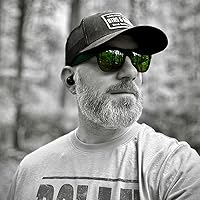
In 1997 Ted Nolan won the Jack Adams Award for best coach in the NHL. But he wouldn’t work in pro hockey again for almost a decade. What happened?
Growing up on a First Nation reserve, young Ted Nolan built his own backyard hockey rink and wore skates many sizes too big. But poverty wasn’t his biggest challenge. Playing the game meant spending his life in two one in which he was loved and accepted and one where he was often told he didn’t belong.
Ted proved he had what it took, joining the Detroit Red Wings in 1978. But when his on-ice career ended, he discovered his true passion wasn’t playing; it was coaching. First with the Soo Greyhounds and then with the Buffalo Sabres, Ted produced astonishing results. After his initial year as head coach with the Sabres, the club was being called the “hardest working team in professional sports.” By his second, they had won their first Northeast Division title in sixteen years.
Yet, the Sabres failed to re-sign their much-loved, award-winning coach.
Life in Two Worlds chronicles those controversial years in Buffalo—and recounts how being shut out from the NHL left Ted frustrated, angry, and so vulnerable he almost destroyed his own life. It also tells of Ted’s inspiring recovery and his eventual return to a job he loved. But Life in Two Worlds is more than a story of succeeding against the odds. It’s an exploration of how a beloved sport can harbour subtle but devastating racism, of how a person can find purpose when opportunity and choice are stripped away, and of how focusing on what really matters can bring two worlds together.
Life in Two Worlds details the dizzing highs and frustrating lows of the career of Jack Adams' award winning head coach Ted Nolan.
Even though I consider myself a rather knowledgeable hockey fan going into this book, I can't say that I knew much about the life and career of Ted Nolan. It could be that when he achieved his greatest success, I wasn't as plugged in to the sport as I am now or it could have more to do with his struggles to find steady work behind the bench after his greatest successes. Throughout the book, Ted gives his reasons why that may be and it's heartbreaking to say the least.
The amount of adversity Ted had to face just because he is a first nation's athlete was absolutely gross. This was not just something he would be subjected to by his opponents or a hostile crowd, but it was often at the hands of his own teammates and coaches. This obviously didn't disappear once his playing days were over. There rarely seemed to be a moment in time where he truly felt comfortable. Whether its navigating bizarre tests from management, trying to find a source for a particularly unsavory rumor circulating behind his back, or trying to get those in the media to take him seriously, Ted had to find a way to keep his head above water. In fact, Ted's recollection of a very difficult game in Quebec while coaching the QMJHL's Moncton Wildcats was truly an eye opening read - especially because it wasn't all that long ago (2007).
Like the many books I've read over the years detailing the struggles Indigenous people face on a day-to-day basis, Life in Two Worlds is yet another that many of us need to read to be reminded that empathy and understanding is fundamental to how we treat one another.
While I do get the point of the exploration of Nolan’s early life as a showcase for what truly matter (community, family, genuine love) I do feel that the NHL and after years are breezed by a little too much. Still an enjoyable read about one of the trailblazers of the NHL. Love the way he distills coaching down to empathizing and building on your players which he can tap into because of his struggles (and all NDN folks struggles when playing hockey in Canada tbh) with racism/class etc. Will say the most poignant part for me was more about how influential AIM and other groups like it were to him finding his way as an NDN man in a country that hates him for it. Every city had these little unspoken/buried deep resentments for when/if NDN people ever take the time to stand up for themselves. Nolan saw it for the first time when he left the rez while a lot of us see it from an extremely early age if we are disconnected from culture in that way.
Life In Two Worlds is a great memoir, tracing Ted Nolan's Ontario childhood through to his brief NHL playing career, then to his passion for coaching.
Ted's honesty makes the book intriguing. Struggles with money, struggles with racists spectators, struggles about being permitted to coach as he saw fit...the book gives readers an insight into how Ted felt and thought during a tumultuous career.
Of course, any hockey fan will love the inside stories about junior and NHL legends along the way. I particularly enjoyed the Chris Simon, Eric Lindros and Dominik Hasek tidbits.
Ted Nolan was a trailblazer. Life In Two Worlds is worth picking up.
I had always wondered why a coach of the year was looking for work. Wow. Ted Nolan stayed true to who he was and how he was raised. Kudos to you ! The book was well written with an inside look at how an indigenous kid had to navigate the white world.
First of all, let me start by saying I totally love hockey biographies. But this story wasn’t about hockey, it was about facing discrimination as a member of First Nation. It’s a book about inclusivity and diversity.
Ted Nolan brings us back to his family values and growing in the reserve and then facing the world as an outsider as he immerses himself into hockey.
At times, I wondered if he made the right choices refusing some offers and if those decisi9ns impacted his career.
I specifically enjoyed his Buffalo years but would have appreciated more stories about the Islanders as I feel he totally skipped that part. Hé also skipped part of his personal life when he was away from his wife. We never truly know how bad his life had become and his struggles.
Towards the end, I got the impression he truly found his way coaching non-elite teams and being an adviocate for indigenous people.
A must-read àbout diversity in the hockey world!
Thank you to Netgalley and the publisher for granting me a complimentary e-arc in exchange for my honest review.
Fantastic book about what Indigenous people in Canada go through as well as the ups and downs of hockey. His coaching career is inspiring and the book inspired me to get involved in the development of others. If you’re looking for a real inspiring story around hockey, pick it up!
Generally a really good account. I remember him being fired from the Sabres and wondering what the story was. I'm not a huge hockey fan, but I follow it. And it's good getting Nolan's version of events
He does skip over one major life event. And skims over the NHL careers of his sons, which I think was a mistake, and a puzzling one at that.
This is right up there with the best ‘hockey’ books I’ve ever read. I’ve had a tumultuous relationship with hockey for 3-4 years and I find that perspectives like this one offer a lot of hope that the game can and will move in a better direction.
I don’t want to discount the majority of this book which is about being part of the indigenous community and how difficult it was and can still be. But as a Buffalo Sabres fan I came here for the tea and there was very little to be shared. Apparently Ted Nolan had zero idea why anything happened and was shocked like the rest of us.
An interesting look at the playing and coaching career of Ted Nolan who grew up on the reservation and brings his First Nations culture throughout his career. For the most part it was a an interesting story, however, it is difficult to get behind when in one breath Nolan is referring to his deficiencies and weaknesses as a coach and in the next sentence questions why he did not get coaching offers and offering racism as an explanation. Definitely fought through challenges in life and career.
The first thing I must say is that I am not a fan of hockey, I do not sit and watch hockey but it is usually being played and watched by my husband. Having said that, I do know the names of the players for his favourite team and I hear all of his suggestions about how to make his team better.
I was interested in reading this novel as I knew Ted Nolan was from a First Nation Community about an hour away from where I grew up. I enjoy reading novels by local authors so when our local library purchased this novel I knew that I had to read it.
I must say that I really enjoyed it. His childhood wasn't much different from mine, I started school in a one room school house and I am not sure our teacher was actually a teacher. I had to laugh about the dog biscuits as they were offered to us as well. Like Ted, we stood in line to have our head checked for lice and hands checked for cleanliness. The yard stick was used more often than positive words of encouragement and yes, I even know what the strap feels like.
My husband asked me if I was enjoying the book and I told him "yes, but would enjoy it more if there was less talk about hockey LOL" Which made him laugh. Good thing he knew I was only teasing. How sad it was to discover that NHL is lead by "the good old white men" which really shouldn't have been a surprise to me but it was. I learned from this book more about the different divisions and levels of hockey along with the roles everyone plays.
It is sad that Ted Nolan had to endure so much prejudice and hatred because of the colour of his skin. He gives thanks for the support and love he received from his parents and siblings. It is through their teachings and the teachings of his Elders that helped him during this difficult time.
I would recommend this book to all to read even if like me, you are not a true hockey fan.
A compelling memoir which chronicles the fascinating journey of a hard-working straight-shooter (no hockey pun intended) from a First Nations reserve to the highest level of professional sports.
More importantly, this book offers a scrupulously even-handed look at the racial prejudice that even today pervades the sport of hockey at every level, from kids playing at the local rec centre to the big leagues, including the executive offices.
"…I can only tell you how I experienced events. Most of the people I worked with are good people, and when they say there was no racism involved in decision…I understand that they truly feel this to be true."
Mr. Nolan's story should be required reading for every kid who aspires to play in the NHL and every parent who thinks their kid deserves to get there.
"…so often, the discrimination is not perpetrated by the players but by parents and hockey authorities. "Parents who grumble about some 'Native' kid taking their child's spot. Indigenous players being repeatedly called for penalties they haven't earned. First Nations players being pressured to be tough guys instead of finesse players. …coaches who've passed over First Nations kids because they thought they couldn't be relied on to show up."
His book should also be mandatory reading for every team owner and GM, from the minor leagues to the NHL. If nothing else, they might learn a few things about good coaching, not to mention how to treat young players and inspire them to be better people, not simply better goal scorers.
"Telling our stories, in detail, is the only way more people can understand the sometimes subtle but insistent way racism operates in this world.
"…how do you just get over it? Even if the taunts, the persecution, the bias disappeared overnight, you can't simply forget it. It takes time to deal with pain. "And besides, saying that someone needs to get over it always carries the implication that whatever 'it' is, it's in the past. This is not true…we continue to struggle against them every day."
Beyond that, Mr. Nolan speaks to the boundless possibilities that sports can offer to individuals and communities alike, if only the people involved would open their minds to each other, freely and sincerely.
In fact, his ideas - and ideals - are equally valid and applicable to every aspect of our society, including our political and business cultures.
"Team sports can have many benefits to society, including drawing diverse groups of people together. "Team sports also shows us the power of working collectively. It seems to me that it's becoming increasingly difficult to do this. In our modern world, so many have embraced the importance of the individual over the welfare of the larger group. "On a great team, everyone supports each other, everyone gets better at what they do and everyone plays an important part. Leaders are born on a good team. "And it's a great model for all of life."
"…more than anything, I [want] Indigenous and non-Indigenous folks to work with open hearts on understanding each other. That may sound like a simple solution, but it's not. It takes effort, real effort. You have to get to know others to gain understanding. You have to ask. You have to listen when folks answer. And you've got to keep at it. As Stan Nolan always said, 'If things aren't working, you're not working hard enough.' "We have to work harder."
In 1997, Ted Nolan was named the Jack Adams Award winner which goes to the Coach of the Year in the NHL. He guided the Buffalo Sabres to a surprise division title and made it to the second round of that year’s playoffs. But in the offseason, the team offered a contract that he (and everyone else) felt was an insult and he did not return to the team. His story of his life in the NHL as both a player and a coach, as well as his life growing up in a First Nation reserve, is told in this great memoir narrated by James Malloch.
I usually prefer memoirs narrated by the author/subject, but in this case, Malloch gave a strong performance and while I knew this was not Nolan speaking, it certainly felt like it was Nolan describing not only the cruelty and racism (some subtle, some not so subtle) while playing or coaching hockey, but also of the pride he had in his heritage. While this did include some well-known bad treatment of students at schools on reserves, this only strengthened his resolve to live his life the way his heritage taught him and to show that he and other indigenous people belonged in the world of hockey.
Nolan frequently mentions that it is important for those who have been affected by racism to tell their stories and it is just as important for those who haven’t been affected to listen. This was the biggest takeaway of the book for me, as he did this without the same type of stories that other activists share. Instead, he blended this with his hockey career. First with his playing days for the OHL’s Sault Ste. Marie Greyhounds (where he later coached after the NHL and was very happy with that job) and later the NHL Detroit Red Wings, then in his coaching career where he had two stints with the Sabres sandwiched around a stint with the New York Islanders, Nolan’s message never was far away.
This was one of the better hockey memoirs that I have read or listened to, and I do recommend this for any hockey fan. From outposts like Glens Falls, New York to the bright lights of cities like New York and Detroit, Ted Nolan (and his two sons who also played in the NHL) have brought pride and hockey
I’m ashamed to admit that, when I first got into hockey, I was a San Jose Sharks fan. It was their inaugural season and it seemed right to start with a team from scratch. I stopped paying attention to hockey when my sons were toddlers - who has the time? - and when I got back into it a few years later I was stunned to find out I had no idea who these new Sharks players were. Born and raised in western New York, I knew almost all the Sabres’ roster as well as all the prospects on their farm team in my hometown: the Rochester Americans. So, I kind of backed my way into being (a now rabid) Buffalo Sabres fan. The only problem with this change in allegiance is that I missed out on a lot of the team’s history from when I wasn’t a fan. Like everyone, I was familiar with the Ted Nolan drama - new-ish coach takes a basement-dwelling bunch of role players to the post-season and wins the Jack Adams Award as coach-of-the-year only to be dumped by management - but, for the first time ever, “Life In Two Worlds: A Coach's Journey From The Reserve To The NHL And Back” allows Nolan to give his side of the story. And he does, in detail. Nolan isn’t one to hold back and this autobiography spares no one, least of all himself. He’s candid and vulnerable and fascinating. Yes, the NHL stuff is a little flashy, a little salacious, but my favorite parts were about his life and experiences as an indigenous member of the First Nation; the good, the bad, the unfortunately ugly, and everything in between. I loved every page of this book and I think I have a much better understanding of a simultaneously thrilling and shameful era of Sabres history and perhaps the most divisive figure of that time. I’m glad Nolan was able to leave those disappointments behind and create a life and a career that fulfills him. Also, Go Sabres!
I had this book on reserve at the library for so long that when my name came up I couldn’t remember why I’d requested Life in Two Worlds or even that I had. Nevertheless I picked up the book and trusted that it would be good. What a great decision that was. Ted Nolan’s story and the way he tells it really caught my attention. It gives an inside view into Nolan’s loving family growing up short on money but long on love and portrays how life on the reserve in Canada can be. Those of us not in that First Nations culture don’t know much about that life and this was a chance for me to learn of it. Ted was in a large family which I, too, experienced so that was another point of interest and connection. The prejudice and downright cruelty which the man has experienced all his life shames all of us but Nolan doesn’t dwell on that in a hateful way. Rather he expresses the pain those things cause and shows how his parents’ love and kindness affected his family. He also is quite specific on the prejudice he experienced in his hockey career from teammates, coaches and team owners. The media was sometimes part of that, too. One wonders at the strength it takes to overcome that kind of cruelty but overcome it he did. For an informative and searing look into the hockey world, both amateur and all the way to the NHL, this coach’s journey should be a must read for all of us. Well done, Ted Nolan!
This may be the best sports autobiography I've read, but I don't remember the Kirby Puckett one that well. The book isn't mainly about about hockey. It's about becoming a fully formed human being, and navigating the world when one is used to only a small corner of it.
I feel at home with Ted. I didn't grow up on a reserve, but I did grow up in poverty and generational trauma and how he describes everything is so perfect and real. I've never have heard it explained so closely to my own experience, having to navigate a whole new world when one is educated and trying to become well-adjusted when everything is new and alien.
And I believe every word of it, because of this. I've been in similar situations with people where I didn't know the unspoken rules and have been treated very similarly by those in power. I didn't know anything about Ted before reading this, and it seems partially a defense from all the rumors, but it's more about his journey and finding joy in bringing life to others. This is a leadership book that should be read, because it talks about the humanity of those you are guiding. I love it. I'm going to re-read several chapters.
There is good reason that this book was named one of Indigo’s best books of 2023.
Nolan shares about his life in the hockey world and experiences as an Indigenous individual. The book was well written (not always the case with biographies), and followed his experiences in a clear and linear fashion. Nolan writes with heart, vulnerability, and doesn’t shy away from addressing tough issues and experiences that he has faced. While I am no hockey expert (aside from house league!), the writing allowed me to easily experience the hockey world from Nolan’s perspective.
Throughout his life experiences, Nolan demonstrates that hard work, appreciation for the little things, and the ability to address and deal with a lifetime of systemic and overt racism are what have brought him great success. The overall feeling I got from the book was a genuine love for the sport, and I am inspired that Nolan and his sons continue their work today with Indigenous communities.
I loved Ted Nolan as the head coach of the Sabres (both times) and this book only made me love him more. Not only could this be seen as a guide for being a coach, it also could be an inspirational story on how staying dedicated and working hard can lead to success in your personal and professional life. Ted shows that you need to care about and build a relationship with players off the ice, just as much as on the ice. He takes so much inspiration from learning from his idols, but also advocates for putting your own work and ideas in, and he makes a lot of justifiable accusation that he was black listed for not doing things "their way." From the ultimate highs to the ultimate lows, he talks openly and honestly about his accomplishments and his struggles. As he said, "you don't have to be the best in order to be your best."
Loved Teddy Nolan as a coach and this doesn’t change that at all. Good narrative of a tough life growing up indigenous and well the book is very much just the world from his point of view, that seems entirely fair. And it’s interesting. Nolan gives you some better glimpses into events framed a certain way in media. There are times where you think Teddy get out of your own way but Nolan admits that about himself. Just a very honest book from an honest man.
(The audiobook would get a 1.5 stars from me. A terrible reader who sounds like some leftover CBC extra. The reader couldn’t be bothered to research proper pronunciation of names like Pegula and Satan. Lazy and inept Audible strikes again.)
This entire review has been hidden because of spoilers.
"A coach's journey from the reserve to the NHL and back" the cover reads. It didn't take me long to figure out that this book is so much more than that.
It tells the story of a boy from Garden River, who was destined to become one of hockey's greats despite the adversity, tragedy and racism he would face at every step along the way. It's a truly inspiring story of resilience and strength and I highly recommend it to anyone looking to deepen their understanding of underlying issues in hockey culture.
Many of us love hockey, but hockey unfortunately does not love everyone back. Stories such as Ted's help us better understand the deep rooted and often overlooked issues within our game which must be addressed to make hockey more inclusive and welcoming for all.
A look at the rough road Ted Nolan followed out of Northern Ontario into his brief on-ice NHL career and his far more visible coaching career in major juniors and the NHL. A broad look at the paths he crossed and the train tracks he followed on his way through his career and the constants that challenged and sustained him throughout. For Sabres fans, passages of the book would leave them wondering about the state of the franchise to this day but for Islanders fans, Nolan's tribute to Al Arbour is a poignant indication of Nolan's compassion and respect for the game that ought to have respect him better. The book has a few quirks that are probably due to the co-author's choices in choices of terms to refer to the NHL and little touches that undermine the flow of the book for hockey fans.
A typical "first person narrative" sports biography in many ways. Some valuable insights into NHL player and coach Ted Nolan's experiences coming from a First Nations environment to face prejudice in the world of amateur and professional hockey. Ted Nolan's love of coaching is inspired by his indigenous upbringing and his methods values came in conflict with the "old boys network" that exists in the NHL and other sports environments. Good for Ted to share his experiences and his efforts to overcome the disappointment of being blocked from a lengthy NHL coaching career through working in other areas to benefit players and his community.
I almost did not finish the book as it started to feel like it was weakening in big picture info with emphasis shifted to the giving-back & inspiring the First Nations youth Coach Nolan and his sons had immersed themselves in.
I'm glad I did finish, because the final chapter (before a few pages of Acknowledgements) was DEEP! It lays out Coach Nolan's WHY, why the book and how he had chosen the stories to include. Interesting that George Floyd's end worked as a catalyst for Coach Nolan to share his story.
Coach Nolan's sharing is a good fit with the insights into lives of other First Nations greats. For Example, Fred Sasakamoose's autobiography is brilliant for the detail he shared of the trauma endured in Residential School, and that he took ownership of decisions that lead to more trauma, and so sad to learn what he had to endure before he gained a new lease on life and decided his legacy would be positive and have a profound impact on later generations.
Nolan expounds on the hatefulness and rumours that were enough to hobble his career and short-sightedness of the Entitled White Boys running hockey who kept credit from where credit was due. that surely played a role in de-railing Sasakamoose, too.
Grateful to Coach Nolan and everyone who helped him bring this book to print. Congratulations for making a great contribution and being a source of hope for so many deserving people.
First and foremost, growing up in the Soo, I was always a big fan of local talent. However, this story wasn’t just about hockey and talent—it was about overcoming discrimination as a member of the First Nations.
Ted Nolan takes us back to his roots, sharing his family values, his upbringing on the reserve, and his journey into the hockey world as an outsider.
I highly recommend this book to all hockey fans—not only to erase the false rumors that persist to this day, but also to embrace its powerful message and grow stronger from it.
Must have been difficult to write this. Telling truth to power. But again, like all the Indigenous memoirs I’ve read, this one is an important voice and in this sphere, it’s hockey. I recently read Fred Sasakamoose’s (Cree) memoir just before I read Ted Nolan’s (Ojibway) memoir. They’re both different generations, similar in some respects but also so different. I’m now reading Brian Trottier’s (Métis & First Nations) memoir and will have some comparisons to make - also after reading Jordan Tootoo’s memoir (Inuk). I’ll let you know what I think about each of the books.
A great read - Ted Nolan is a great story teller. How many former NHL'ers have to publish memoirs that outline themes of racism, addiction, indifference to concussions/player health and safety before they actually listen and create change to a broken culture and system in hockey? Ted Nolan's story is important and needs to be shared and read. It is unbelievable to read about how he found success and overcame incredible odds to get where he is at.