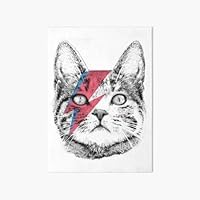
At five foot nine, standing there in my leather jacket, with my tattoos, my snobby accent, nose in the air, icy tone, I’m like a cross between the Baron de Charlus and Sid Vicious.
Perante uma pessoa tão revoltada e amarga, é inevitável perguntar: “Quem te magoou?” No caso de Constance Debré, a resposta está nos seus livros: o pai, a mãe, o marido, o filho (ainda que claramente instrumentalizado pelo pai) e isso faz com que seja difícil julgá-la.
Love is terrifying. All types of love, even love for a child, maybe that’s even the most terrifying of all.
Depois de um casamento de duas décadas, Constance separou-se do marido, com quem tinha a guarda partilhada de Paul, de oito anos, mantendo uma relação cordial com Laurent, até que se assumiu como lésbica e lhe pediu o divórcio. De um momento para o outro, Paul deixou de querer estar com a mãe, o caso acabou por ir para tribunal, já que Laurent a acusou de abusos sexuais e, enquanto não houvesse um relatório de um psiquiatra e uma decisão judicial, Constance só poderia encontrar-se com o filho durante uma hora numa associação, quando houvesse vaga, na presença de terceiros que avaliariam a sua interação.
”Having homosexual relations cannot be considered a sign of mental instability in this day and age. Neither can writing books.” The expert psychiatrist’s report came through. (…) The doctor deemed it to be necessary for an expert, a psychiatrist, to clarify this point, just in case there was any doubt in anyone’s mind, Laurent’s, the judges’, five years after gay marriage was legalized.
Escrita dois anos antes de “Name”, esta obra fornece o contexto que me faltava para compreender a relação com Paul que, entretanto, cresceu e se distanciou, alterando a natureza dos laços entre mãe e filho.
In reality, a judge is telling a little boy, my son, who will one day be a man, that his mother is guilty, just because his almighty father decided she was. Telling him that she really isn’t a mother because she isn’t really a woman because she doesn’t really love men.
Nada no estilo de vida de Debré é casual, tudo é deliberado e intenso, parecendo um porco-espinho que nunca baixa a guarda na sua interação com os outros e, a nível amoroso, é penoso assistir aos seus engates e à objectificação das suas parceiras.
But I've been a victim of marketing. The girls I meet want an apartment, a dog, kids, they're in for a disappointment when they meet me. Son of a Bitch, it's written across my stomach, you find out as soon as you sleep with me, those are the terms of sale, honey. I've already done the whole mom and dad thing. Mom and mom is just as much of a drag. (…) As for being in a couple, I'm still in the ICU. Sometimes I can't take any more of these girls. Wanting to hold hands, talking about their jobs, asking if we can go away for a weekend, a little holiday, to a nice restaurant. So what do you propose? They ask me. Nothing. Sometimes I hate them. Sometimes I wonder why I even bother sleeping with them. Half the time I'm not even that into them. A fuck is a fuck.
Mais focado na perda da guarda do filho e na listagem das suas conquistas amorosas, “Love Me Tender” não tem a mesma pujança que o seu sucessor, ainda que me impressione mais o que Debré sofreu como mãe do que como filha.
I realized I’d finish grieving for my son. I said to myself, That’s it now, the grieving’s over. (…) We don’t know what to say each other anymore. We’re becoming strangers. Things are deteriorating. They’re bound to. The memories of my life with him are fading.