Hamlet. Moby-Dick. War and Peace. Ulysses. These are just four of what are considered the "Great Books"—works of literature that have been singled out as essential parts of a well-read individual's reading list. The only problem: The "Great Books" can be daunting, intimidating, and oftentimes nearly impossible to get through.
The truth of the matter is that there is so much more to literature than these giants of the Western canon. In fact, you can get the same pleasures, satisfactions, and insights from books that have yet to be considered "great." Books that are shorter, more accessible, and less dependent on classical references and difficult language. Books that, in the opinion of popular Great Courses Professor Grant L. Voth of Monterey Peninsula College, "allow you to connect with them without quite so many layers of resistance to work through."
When you take this skeptical approach to the "Great Books," you open yourself up to works that are just as engaging, just as enjoyable, and—most important—just as insightful about great human themes and ideas as anything you'd encounter on a college-level reading list. Professor Voth's course, The Skeptic's Guide to the Great Books, is your opportunity to discover new literary adventures that make worthy substitutes to works from the Western literary canon. In these 12 highly rewarding lectures, you'll get an introduction to 12 works that redefine what great literature is and how it can reveal startling truths about life—all without being such a chore to read.
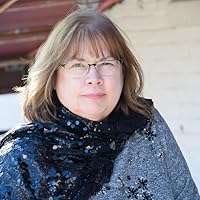
Dr. Grant L. Voth is Professor Emeritus at Monterey Peninsula College in California. He earned his M.A. in English Education from St. Thomas College in St. Paul, MN, and his Ph.D. in English from Purdue University.
Throughout his distinguished career, Professor Voth has earned a host of teaching awards and accolades, including the Allen Griffin Award for Excellence in Teaching, and he was named Teacher of the Year by the Monterey Peninsula College Students' Association. He is the author of insightful scholarly books and articles on subjects ranging from Shakespeare to Edward Gibbon to modern American fiction, and he wrote many of the official study guides for the BBC's acclaimed project, The Shakespeare Plays.
Before joining the faculty at Monterey Peninsula College, Professor Voth taught at Virginia Tech and Northern Illinois University and for several years served as a consultant on interdisciplinary studies programs for the National Endowment for the Humanities. He has led travel-study tours to countries including England, Ireland, France, Greece, and Turkey, and he is a frequent guest lecturer for the internationally acclaimed Carmel Bach Festival in Carmel, California.
The Skeptic’s Guide to Great Books by Grant L. Voth is a 2011 Great Course presentation.
This The Great Courses class consists of twelve thirty- minute lectures which suggests alternatives for those who might struggle with literary canons, but would like to read something comparable, that is not as dense and is more manageable for them.
The first part sticks to substitutions for specific hallowed literary canons, such as "War and Peace", while the second half explores more contemporary literature that should perhaps be on a list of great books because they offer us many of the same benefits as reading the classic canons.
The twelve books explored are as follows:
Dead Souls by Nikolai Gogol
Down and Out in Paris and London by George Orwell
The House on Mango Street by Sandra Cisneros
All the King's Men by Robert Penn Warren
Angels in America by Tony Kushner
Slouching Towards Bethlehem – Joan Didion
The Master and Margarita by Mikhail Bulgakov
The Book Thief by Markus Zusak
Death of an Expert Witness by P.D. James
The Spy Who Came in From the Cold- John le Carre
Watchmen- by Alan Moore
Life of Pi by Yann Martel
A long while back, I received a recommendation to try out The Great Courses, which I accepted, and have been a fan ever since.
When I stumbled across this series of lectures, I was looking for another course on grammar. I was struck by the title of the series- and after reading the description, I immediately checked it out instead.
Despite the impression the title might give, the series does not question or dispute any of the great books or Harvard Classics or Western literary canons. However, the professor offers book suggestions to readers, which will cover the same basic themes, but are shorter, and easier to retain.
The author gives a breakdown of each book, exploring the main themes and similarities between it and a comparable literary canon, or classic.
I loved the way the professor approached the lectures, his tone and occasional humor. I also appreciated that he realizes some books that are considered literary greats are hard for many people to complete, much less digest, and that guilt for not having read them, is not necessary. One does not have to read Dickens in a continuous loop to get the same literary quality in a story.
So, if you are looking to read more literary novels, but find the canons daunting- this lecture will point you in the direction of some nice substitutions that will give the same satisfaction and a sense of accomplishment.
The professor also makes it clear that there are many great books out there that explore important themes and gives us a glimpse of life from many different perspectives, but does not fall into the literary category.
The second half of this lecture proves that, and you can bet that for once I was the one with a smug feeling when the author included a spy novel, a graphic novel, and a mystery novel on the list.
Overall, this is an interesting series of lectures, that not only introduces readers to important books outside of literary canons, it also promotes the joy of reading. One can still feel a sense of pride in having read something meaningful and thought provoking without feeling overwhelmed.
I enjoyed many aspects of this course, and felt a magnitude of validation. It has inspired me to venture outside my comfort zone a little more often, without the fear of feeling as though I will be completely of my element.
*One minor drawback may be that some spoilers are unavoidable- but the author did go to great lengths to prevent that in most instances.
Description: Hamlet. Moby-Dick. War and Peace. Ulysses. These are just four of what are considered the "Great Books"—works of literature that have been singled out as essential parts of a well-read individual's reading list. The only problem: The "Great Books" can be daunting, intimidating, and oftentimes nearly impossible to get through.
The truth of the matter is that there is so much more to literature than these giants of the Western canon. In fact, you can get the same pleasures, satisfactions, and insights from books that have yet to be considered "great." Books that are shorter, more accessible, and less dependent on classical references and difficult language. Books that, in the opinion of popular Great Courses Professor Grant L. Voth of Monterey Peninsula College, "allow you to connect with them without quite so many layers of resistance to work through."
When you take this skeptical approach to the "Great Books," you open yourself up to works that are just as engaging, just as enjoyable, and—most important—just as insightful about great human themes and ideas as anything you'd encounter on a college-level reading list. Professor Voth's course, The Skeptic's Guide to the Great Books, is your opportunity to discover new literary adventures that make worthy substitutes to works from the Western literary canon. In these 12 highly rewarding lectures, you'll get an introduction to 12 works that redefine what great literature is and how it can reveal startling truths about life—all without being such a chore to read.
Lecture 1: Dead Souls Lecture 2: Down and Out in Paris and London Lecture 3: The House on Mango Street Lecture 4: All The King's Men Lecture 5: Angels in American Lecture 6: Slouching Towards Bethleham Lecture 7: The Master and Margerita Lecture 8: The Book Thief Lecture 9: Death of an Expert Witness Lecture 10: The Spy Who Came in From The Cold Lecture 11: Watchmen Lecture 12: Life of Pi
NONFIC NOVEMBER 2015:
CR White Mughals 5* A History of England from the Tudors to the Stuarts 3* Rome and the Barbarians 4* Field Notes From A Hidden City 3* The King's Jews: Money, Massacre and Exodus in Medieval England 5* A History of Palestine 634-1099 3* Charlotte Brontë: A Life 3* The Alhambra 5* A Long Walk in the Himalaya: A Trek from the Ganges to Kashmir 3* Buddhist Warfare 4* A Gathering of Spoons AB A Brief History of Roman Britain - Conquest and Civilization 4* Victorian Glassworlds: Glass Culture and the Imagination, 1830-1880 3* Food Safari 4* She-Wolves 3* India: A Portrait 2* The Archaeology of Ancient Sicily 5* Classics of Russian Literature CR The Battle of Salamis 4* The Age of Wonder 5* Lost Worlds of South Americas 3* Wind and Sand 2* Skeptics Guide to the Great Books 3* The Invention of France 3* Balthus CR Every Time a Friend Succeeds CR Unfaithful Music and Disapearing Ink
TTC:
4* History of Science 1700 - 1900 5* A History of England from the Tudors to the Stuarts TR Secrets of Sleep TR Turning Points in Modern History TR Apocalypse 4* Myth in Human History 3* A History of Russia TR The Classics 5* London 4* Re-thinking Our Past 4* The Vikings 5* Lost Worlds of South America 3* Rome and the Barbarians TR Living the French Revolution and the Age of Napoleon OH History of Science: Antiquity to 1700 TR Albert Einstein: Physicist, Philosopher, Humanitarian TR Will to Power: The Philosophy of Friedrich Nietzsche 5* From Monet To Van Gogh: A History Of Impressionism 5* History of the English language TR The Late Middle Ages 3* Great American Music: Boadway Musicals 5* Classics of Russian Literature 5* Lost Worlds of South America 2* The Skeptic's Guide to the Great Books
This is a very well presented series of lectures on some novels that may or may not be widely read. I debated giving this four stars because I believe the premise of the series (“read this, not that”) to be false, but decided on five stars because Dr. Voth does such a wonderful job making the books he discusses come alive. (He even gave me a different perspective on _Life of Pi_, a book I thoroughly disliked and dismissed as a cloying shaggy dog story.)
To be fair, the premise of the lectures isn’t “read this, not that,” but rather “read this instead of feeling bad about not having read that.” In other words, if one is daunted by a classic work, he offers works that can be read to the same effect. This may hold for some of the works cited — Gogol’s _Dead Souls_ rather than Tolstoy’s _War and Peace_ — but certainly not for all of the pairs. For example, he suggests Didion’s _Slouching Towards Bethlehem_ rather than Dickens’ 19th century essay collection, the title of which escapes me. I hardly think the two are comparable.
The strength of this series of lectures is introducing the listener to books he or she had never considered before, such as _The Master and Margarita_ or _The Book Thief_ or any of the P. D. James novels, all of which are now on my “must read” list.
I’ll also look for more lectures from Prof. Voth as I found his presentation style to be as enjoyable as their substance.
Title is a bit of a misnomer, it's actually The Pragmatic's Guide to Feasible Alternatives to some overly long Great Books. I liked the concept and the attention paid to narrative form..
Good lectures, and solid choices for books. I have added several books to my "to read" list from this set of lectures, and many I had read before [which is partly why I listened to the lecture set]. I, too, can recommend Dead Souls (Gogol), The Master and Margarita (Bulgakov), and Watchmen (Moore and Gibbons).
While the "picking alternatives to specific Great Books" (the first half of the lectures) was intriguing in its set-up, I found it even more intriguing when Voth chose works among genre fiction, which is often denigrated for not being "serious" enough. Voth makes a good case that many of the aspects of great literature can also be found in best-selling blockbuster novels. What many forget is that many of the current "Great Books" had originally been best-sellers in their own time (and many others, that only academics read, were pretentious piffle during their time.)
So thanks to Prof. Voth for bulking up my reading list. I just started Down and Out in Paris and London (Orwell), and hope to be following up with All the King's Men (Robt Penn Warren) and Life of Pi (Martel).... and re-read Dead Souls, which is highly enjoyable.
Audio download of 12 30 minute lectures plus 102 page guidebook. Dr Voth clearly suggests alternatives to the books we might have wanted to read, but never really had the gumption to start, let alone finish, them. (As a youngster I read 'Moby Dick'... mostly because of the white whale...but was much too young to grasp the real meaning of this classic.) I doubt if I will ever read 'War and Peace' or anything by Geothe, but I will read "Life of Pi', Orwell's 'Down and Out in Paris and London', and maybe Bulgakov's 'The Master and Margarita'. These lectures made me aware of a wider range of literature and reminded me how much I used to like to read...not to mark off the list of classics I had conquered, but just for the pure enjoyment. Thanks, Dr Voth...recommended! On sale, coupon and all that.
Thoroughly enjoyable! Professor Voth relishes his subject and is simply not snobbish about literature/fiction. I listened to this mainly because a few of the books I have read are books he covers. His insights and criticism have helped me to a deeper understanding. There are others that I have added to my reading list because he made them sound more encompassing than I knew. He has an excellent grasp of historical context, author's personal life/leanings, and contemporaries in the field. His pacing is brisk and conversational, not at all like a stereotypical lecture.
I've listened to another book by this professor and enjoyed that one as well. I'm sort of a roll now, so I'm listening to a History of World Literature. I'm not sure if I like these books because it reminds me of college, maybe. Whatever, I always come away with something more.
The narration was good. I will probably try other courses from the same professor.
Contents
Lect 01 A Skeptic's Way; Gogol's Dead Souls Lect 02 Orwell's Down and Out in Paris and London Lect 03 Cisneros's The House on Mango Street Lect 04 Warren's All the King's Men Lect 05 Kushner's Angels in America Lect 06 Didion's Slouching towards Bethlehem Lect 07 Bulgakov's The Master and Margarita Lect 08 Zusak's The Book Thief Lect 09 James's Death of an Expert Witness Lect 10 Le Carré's The Spy Who Came In from the Cold Lect 11 Moore and Gibbons's Watchmen Lect 12 Skeptics and Tigers--Martel's Life of Pi
This was nothing of what I expected. It was included with Audible so I downloaded it. This is not a Guide to what many would think of as the "Great Books" or the so called classics. The lecturer references one of my favorite quotes, "A classic is something everyone wants to have read and nobody wants to read." — Mark Twain. So this book vaguely references some of the so called classics like "War and Peace" but very little of the series will actually touch on comparisons (some of the early lectures will). So, what is covered: Lecture One: Gogol's Dead Souls Lecture Two: Orwell's Down and Out in Paris and London. Lecture Three: Cisneros's The House n Mango Street. Lecture Four: Warren's All the King's Men Lecture 5: Kushner's Angels in America Lecture 6: Didion's Slouching Towards Bethlehem Lecture 7: Bulgakov's The Master and Margarita Lecture 8: Zusatz The Book Thief Lecture 9: James' Death of an Expert Witness Lecture 10: Le Carre's The Spy Who Came in from the Cold. Lecture 11: Moore Watchmen Lecture 12: Martel's Liftoff Pi Not what I was expecting and probably more if a 4-4.5 stars but some lectures I really learned a lot others were simply summaries (good ones) of the books. I really thought this was going to be of the classics he says are okay to skip and not feel guilty about. Prof. Voth is highly engaging and his voice is perfect for a lecturer.
Short Review: I like the idea of Great Courses, but they are not always what I am looking for. This was a mix of two parts. The first part was 7 lectures on lesser known great books. Ones that are more approachable and shorter than some of their better known but more intimidating cousins. I had not read any of these seven books, although I was sort of familiar with two of them.
The second part of the course was five books that were outside of the great books cannon because of genre but were themselves pretty important and worth reading. Of those five I had read three and was familiar with the other two. The second part was more enjoyable and I think I got more out of because I was learning more about the context of the books.
I was really wanting something more like How to read like a professor. And this was not that.
The course has a strong premise: there are alternatives to the daunting classics (such as Faust) that can provide similar enjoyment and skill development at a lower "cost." However, I found this idea underdeveloped. To strengthen the comparisons, it's essential to discuss both the challenging classic works and their "lite" alternatives more thoroughly.
Additionally, the three lectures on young adult books, modern bestsellers, and graphic novels seem out of place in a course focused on "great books." Removing those lectures to provide space for fully developing the comparisons would better persuade me of the course's value.
Regardless of the content, Professor Volt is clear and articulate, with crisp pronunciation and proper pacing. His friendly and inviting tone makes him sound conversational yet professional, balancing authority with relatability. I would gladly listen to more lectures.
The lecturer, Grant Voth, seemingly borrows from the title of a popular science podcast “The Skeptic’s Guide To The Galaxy” in presenting to listeners a collection of quality books that might be a more accessible alternative to some of the ponderous and intimidating classics of literature.
I get it. Every time I attempt James Joyce’s Ulysses, my eyes cross. There is a need for a lecture like this.
Voth presents the selection with a brief overview of the plot, and his take on the book. Of course is taken. The book is positive, otherwise he wouldn’t have listed it.
One of those, Gogol’s “Dead Souls” has been on my list for a while, so this was useful from that perspective. The last book he mentions, “The Life Of Pi” I will probably eliminate from any consideration based on his review. It sounds like it would be exactly that kind of book I wouldn’t like.
If anyone is interested in what it is like to take a literature course; listen to this audio book. Excellent analysis of various literature by a literature professor. All that is missing is the student discussion interactions/debates/insights that you would get if taking an actual course.
I added a few new items of to my TBR list after listening to this. I recommend reading the novels discussed before listening to the lesson / analysis. This will give you greater depth to the discussion, as I felt myself having greater insights into the lessons wherein I had already read that particular text. Lesson discussions include themes, plot, and side by side analysis of a similar canonical work. I enjoyed the lesson lectures because Prof. Voth is extremely passionate when he talks about each of the texts.
Fun romp through alternative suggestions to a dozen classic "great books." The premise holds that if one reads the books recommended here, one need not necessarily read the hoary classics, but can still get approximately the same literary message as from the classics. Hum, maybe. I've already read most of the mentioned classics, plus most of the alternatives, though I do have a list to pursue now. The alternatives (See if you can guess the roughly corresponding classic.): Gogol's Dead Souls Orwell's Down and Out in Paris and London Cisneros's The House on Mango Street Warren's All the King's Men Kushner's Angels in America Didion's Slouching Towards Bethlehem Bulgakov's The Master and Magarita Zusak's The Book Thief James/s Death Of An Expert Witness Le Carré's The Spy Who Came In From The Cold Moore and Gibbon's Watchmen Martell's Life of Pi.
I've read many of the "great books" discussed here, and it was interesting to see the comparisons with more modern or 'easier' reads that compared with the classic volumes. There were some interesting comparisons and viewpoints. I also added a few books to my TBR list, so that's always a plus! Overall I enjoyed hearing the analysis for each title, even if I didn't agree with all of it. Literature, like art, is often "in the eye of the beholder"- each reader will interpret a story differently, through the lens of their own knowledge and experiences.
I am almost finished with the audiobook version of this book. Tomorrow I look forward to hearing about one of my favorite genres -- the spy genre. Today, I was surprised that the book series on Dagleish and the new TV show based on the same books were written by P.D. James. It is nice to listen to a "great course" and find that I had seen/viewed one of the books mentioned. I gave the book a 4-star rating, but I may upgrade it to 5-stars if the spy genre lecture and the last two are better than good.
3.5 stars rounded up. Not as interesting as his other lectures, the History of World Literature. This course discusses some interesting books, and the first 7 are discussed as alternatives to a more complex equivalent. E.g. if you are daunted by Faust by Goethe, you could try the Master and Margarita. The other 7 are less interesting, more about how they are important to their respective genres. Weaker choices but that's my opinion. Again, suggest you read the books before listening to this course if you don't like spoilers.
The title to this lecture series is “The Skeptic’s Guide to the Great Books”. I’m skeptical that the books discussed are actually “great”. The lecturer concludes the series saying, “One common denominator is that all of the books are worth the candle—they are interesting.” So maybe a better, more accurate title would have been “The Lecturer’s Discussion of Some Books He Found Interesting”.
I read most of the books in here already before I started and was interested in the others. I enjoyed hearing different points of view on solve old faves like “Master and Margarita”. I was encouraged enough to read “Angels in America” and reprioritized some that are in my reading stack, like Watchman.
If you don't have the time or the will to read the Classic, here's a list of alternatives that can offer you an analogous wealth of knowledge on a similar topic, as well as great pleasure, without the cost of time and determination. A great selection of books, that will become your new Classics. A great narration, also, by a man who can be both a scholar and a superb storyteller!
This isn't what I expected (I didn't read the description thoroughly I guess). But it was an interesting introduction into other books I hadn't really heard of and some of the interesting aspects of those books and authors.
More a books I like so here is a summary of said books than an actual try at the stated objective, which was books to read that are similar to the classics but not as hard to read
Still found a few new books to read so worth the short time investment.
Loved this brief lecture series aimed at challenging pre-conceptions of canon and how we can substitute other less “canonical work” in literary analysis.