"It is impossible to read her novels and not come away from them with both a sadder and more exhilarating understanding of the human heart." - THE NEW YORK TIMES BOOK REVIEW Rapidly shifting between Guadeloupe and Harlem, moving from Haiti's desperate slums to the exclusive enclaves of the Parisian upper class, this deeply personal tale traces one Guadeloupe family's rise from poverty to riches through several generations.
Maryse Condé was a Guadeloupean, French language author of historical fiction, best known for her novel Segu. Maryse Condé was born as Maryse Boucolon at Pointe-à-Pitre, Guadeloupe, the youngest of eight children. In 1953, her parents sent her to study at Lycée Fénelon and Sorbonne in Paris, where she majored in English. In 1959, she married Mamadou Condé, an Guinean actor. After graduating, she taught in Guinea, Ghana, and Senegal. In 1981, she divorced, but the following year married Richard Philcox, English language translator of most of her novels.
Condé's novels explore racial, gender, and cultural issues in a variety of historical eras and locales, including the Salem witch trials in I, Tituba: Black Witch of Salem and the 19th century Bambara Empire of Mali in Segu.
In addition to her writings, Condé had a distinguished academic career. In 2004 she retired from Columbia University as Professor Emeritus of French. She had previously taught at the University of California, Berkeley, UCLA, the Sorbonne, The University of Virginia, and the University of Nanterre.
In March 2007, Condé was the keynote speaker at Franklin College Switzerland's Caribbean Unbound III conference, in Lugano, Switzerland.
Letteratura dei Caraibi, che io conosco e frequento assai poco: Jean Rhys, ma era più bianca che nera; Naipaul, che forse era più indiano che altro, o forse soprattutto inglese; Jamaica Kincaid, ecco lei sì, autentica caraibica.
Trovo illuminante la motivazione col quale nel 2018, anno in cui causa scandali dimissioni ed esonerazioni (MeToo derivate) il Nobel per la letteratura non fu assegnato, le fu invece conferito il cosiddetto Premio Nobel alternativo, il New Academy Prize in Literature. Eccola qui: Maryse Condé è una narratrice eccezionale, la cui scrittura appartiene a pieno titolo alla letteratura mondiale. Nelle sue opere Condé descrive le devastazioni del colonialismo e il caos postcoloniale in una lingua che è al tempo stesso precisa e travolgente. La magia, il sogno, il terrore e anche l'amore vi sono costantemente presenti. Finzione e realtà si sovrappongono e i suoi personaggi vivono al tempo stesso in un mondo immaginario governato da antiche e complicate tradizioni e nel presente più attuale. Con rispetto e senso dell'umorismo Condé racconta la follia postcoloniale, con i suoi scompigli e abusi, ma anche il calore e la solidarietà umana. Nelle sue storie i morti vivono a stretto contatto con i viventi in un mondo immenso e affollato dove le categorie di genere, razza e classe vengono costantemente stravolte in nuove costellazioni.
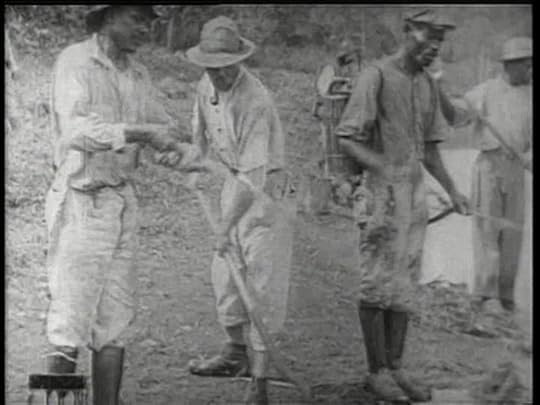
Operai al lavoro sul cantiere del canale di Suez (1900-1909).
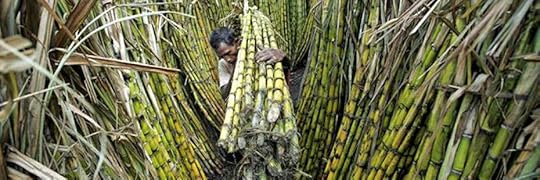
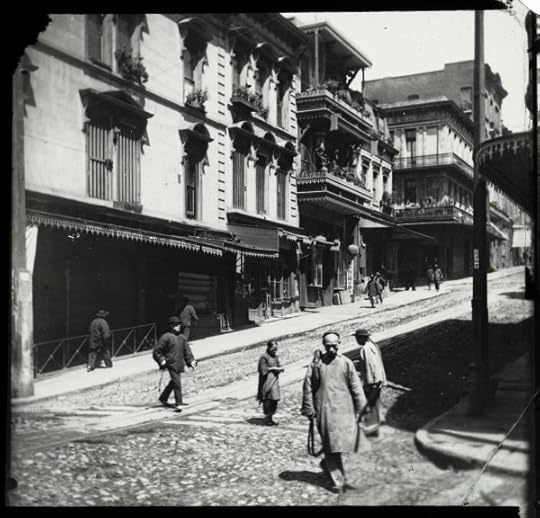
La Guadalupa era colonia francese ed ora è dipartimento d’oltremare della Francia che continua a restare regina madre. Maryse Condé scrive in francese. Qui racconta una saga familiare che comincia all’inizio del Novecento quando Albert, soprannominato Boccaccia d’Inferno, fugge dalle piantagioni di canna da zucchero (e una bottiglia di rum…) per approdare a Panama, nel cantiere dove si costruisce il canale. Qui Albert riesce ad avviare un’impresa di pompe funebri. E poi a San Francisco, nella Chinatown che già allora confinava con la Little Italy locale, dove Albert apre una lavanderia. E così facendo, avvia la fortuna economica della famiglia: nonostante il caratteraccio molto ben evidenziato dal soprannome, ha uno spiccato senso per gli affari, era del tutto sprecato a tagliare canna da zucchero.
La Chinatown di San Francisco all’inizio del secolo scorso, prima del terremoto.
I Louis diventano man mano agiati, borghesia nera, studiando, viaggiando, vivendo: ma l’eredità della piantagione rimarrà loro impressa come un marchio, la vergogna, l’umiliazione subite dalla sua razza, l’odio sviluppato nei confronti dei bianchi invasori dominatori e padroni. E saranno guardati con sospetto dai bianchi, che faticano ad accettare che un nero possa essere ricco, e con invidia da quelli con lo stesso colore di pelle. Saga familiare che diventa romanzo di formazione. E riflessione sull’identità etnica. Balck Lives Matter.
رواية شاقة وشيقة في آن واحد، عن تتبع لشجرة عائلة آل لوي، أصحاب البشرة السمراء في منطقة الكاريبي وتحديدًا في المستعمرة الفرنسية غوادلوب، حيث نتتبع سويًا شجرة عائلة لوي منذ بدايتها، من القمة حيث الجد الأكبر الذي كان يطمع في تحقيق ثروة عن طريق التنقيب عن الذهب في بنما، مرورًا بنسله، المتفرق المتوحد المشتت، الذي عانى من ظروف حياة قاسية، لطبيعة بشرتهم وسوء معاملة البيض لهم ومحاولة البعض منهم للتمرد، وقبول الآخر للخنوع والاستسلام، وما بين هذا وذاك نجد حيوات لإناث لم تكن حياتهن بأطيب من حياة الذكور في تلك الأسرة.
هذه الرواية قادرة على جذبك إليها منذ السطر الأول وحتى الأخير، ورغم كثرة الأسماء والأحداث والخيوط، التي قد تربك العقل لوهلة، إلا أنها تمثل عملًا قويًا، وخدمته الترجمة الجيدة.
ترجمة ممتازة لرواية رائعة جسدت أهل البلد الأصليين كما هم عليه. شعب حائر لا يعلم ما هو ولا يستطيع الانخراط في مجتمعه ولا يستطيع العودة لماضيه. الاستعمار، الاستغلال، الطغيان، التفرقة والمال المجني من عرق الفقراء. آدمية المستعمر تقف عند مصالحه. أنصح جدا بكتاب إدواردو غاليانو the open veins of Latin America ترجمة اليوسفي. لكي نفهم جيدا لماذا هذه الحيرة، التردد، تداخل الأساطير مع الديانة المسيحية لدى أهل البلاد الأصليين وفقدان الهوية.
Translated family saga from the island of Guadeloupe.
This short novel tells the family saga of the Louis family who are vital to the history of Guadeloupe. Told from the perspective of a lost generation child, Coco, Maryse Condé explores the rise and fall of each successive family member. Each yearns to shed the ignominy of their past and fail spectacularly. And with each generation we are given the view of political landscape for each generation. So there is the effect of Panama Canal and Marcus Garvey, education and civil rights movement followed by Black Power movement and independence. Whilst the first three quarters held my interest more, the last quarter felt rushed and incomplete. I almost wish there was a sequel to fully round out the brilliant observations expressed in this book.
Even though this novel falls short of near perfection, I am eager to read more of this author’s works. I liked it especially because it is authentic of the region. Even to the superstitions that still exist. And it draws such a vivid picture of generation of the early twentieth century to late seventies. I could picture the research which went into the narrative.
Le premier trois-quarts du livre est très prenant; on est plongé dans un passé pas si lointain et on suit l’Aïeul, Albert, qui quitte sa Guadeloupe natale en quête d'un avenir autre qu'ouvrier agricole dans les plantations. Se poursuit, donc l'histoire d'une famille, les branches s'étendant vers divers soleils, toutes touchées par les évènements de l'Histoire et des destins individuels entremêlés. La quatrième partie, par contre, centrée sur les errances de son arrière petite-fille, la belle égoïste Thécla (et racontée par la fille de celle-ci) de Paris à la Jamaïque, en passant par New York, délaisse un peu; les aller-retours de Thécla sont aussi frustes qu'interminables, et finissent par nous lasser (bien avant elle, dommage!) Mais, les arcs de l'histoire se bouclent, à la fin, et la vie scélérate de Thécla y trouve sa place légitime.
I’m beginning to wonder if I have an issue with multi-generational family sagas. They do tend to go on for far longer than the story can sustain – and my patience endure. Or perhaps Tree of Life by Maryse Condé had been on my ‘to read’ shelf for well past its ‘best before’ date and the initial impetus for buying it had long disappeared. Either way, this was my first read for Women in Translation month 2016, and I was disappointed.
Tree of Life is a very personal story of multiple generations of one family from poverty in Guadeloupe to a comfortable existence with the trappings of a middle class life. It’s told by one of the descendants Coco although it is not until the end does she understand why she is telling this story. She is ‘the child of our tomorrows’ a family acquaintance tells her, the keeper of the flame of memory not just of her family but of her country’s history.
Coco begins by relating the history of her great grandfather Albert Louis, a man of determination who resolves to be slave to no man and to forge a new life for himself.
..on that day, Albert Louis, … looked at the handful of coins he had just received from the over-seer, raised his eyes to Heaven as if asking courage of the sun, and thundered:
It’s over. This is the last time I come here to get my pay like a dog.
And with that dramatic flourish he prepares to leave his native island and head to to America where he’d heard there was money to be made building the Panama Canal. After years of hardship and a few personal setbacks he rises above the level of a drudge and in doing so lays the foundation of a dynasty whose members travel far and wide from Guadeloupe. The lives, loves and tribulations of his descendants become the focus of the rest of the book tracing their rise to wealth from around 1904 to the 1980s as they move variously between cane plantations in Guadeloupe, poor settlements in Harlem and Haiti and the excitement of the streets of Paris. They try their hand at commerce, experience the joy and heartache of love and dally with politics.
This sweeping narrative is appealing in part. Arthur Louis is very much the patriarch who rules his life and those of his children with passion and stubbornness. There is more than a tinge of moral ambiguity to this figure. He gets swept along by the teachings of the Jamaican nationalist Marcus Garvey, placing huge faith in Garvey’s statement “I shall teach the Black Man to see beauty in himself.” Yet back home in Guadeloupe the native workers he employs to run his import-export warehouse and business fare little better than Albert Louis did in his plantation days and he squeezes everything he can from the impoverished black families who rent his shoddy tenement houses.
Equally well drawn is the troubled relationship of Coco and her mother Thecla. The latter sees herself as rather a free spirt, which seems to involve having a love affair and then ditching the resulting mixed race daughter in France, never to see or make contact with her for 10 years.Then when she’s shacked up with some other guy she drags the poor child first to Guadeloupe and then to Jamaica, exposing her to bulling and ridicule as not racially pure. If I had a mother like that I’d be hell bent on putting as much distance as possible between me and her.
Woven through the life stories of the generations is the emergence of black consciousness and the struggle for equality. Individuals within each generation develop their own approaches to the issue with varying degrees of success but despite the growth of mixed marriages, there is still a feeling of animosity between white and black populations. It’s left to Coco’s mother to make the most impassioned statement about discrimination that can ranges from verbal and physical attacks to prohibiting children playing together and forming friendships across colour. Yet what Thecla also sees is how racial attitudes may to always be stated – they just exist.
Thecla explains to her daughter that her origins as the child of a white family, make it hard to relate to her daughter because all she sees is the whiteness of her father and
… his mother … on her high horse, asking me who my family was and sniffing in disgust at the salt-cod smell of our name. For no one ever said a word about my colour which fundamentally was the real problem. They never talk about colour even if its right there before their eyes: It’s not done. It’s dirtier, color is, than the green diarrohea of amoebic dysentery or the sulphurous yellow piss of incontinence! When I see you, yes, I can’t help it, it’s all that I see. … Filthy stupidity, stubborn arrogance, pettiness ….. Alas thats how it is and neither you nor I can do a thing about it.
Tree of Life is a meandering novel that starts well but then seems to get bogged down in detail when Arthur Louis returns to Guadeloupe and the next generation grow up. The detail is clearly important to Coco and to Condé herself but I don’t see them as interesting to us just as my family’s history is precious to me but I know few other people care what my great great grandfather did. So for all the references to the troubled history of Guadeloupe and its people, ultimately this felt like a very long story about a set of individuals who once inhabited the planet.
bella e avvincente è solo la parte (la prima) dedicata al capostipite, un animo indomito, pieno di intraprendenza, spirito libero, innamorato del bello. Poi comincia una lista infinita di nomi e di fatti che diventa un po' pesante (leggi noiosetto) da seguire. Per ora lo lascio, vediamo se fra qualche giorno "mi chiama"
"الحياة بالنسبة إليّ كانت بركة من الوحل لم يكن بوسعي أن أروي عطشي منها"
عن الإرث المرهق، الإرث العائلي والعرقي بشكله الأحمق الإجباري، تحكي لنا (كوكو) قصة سلفِها ألبير لوي من غوادلوب، الذي ذهب إلى سان فرانسيسكو بحثًا عن الذهب ليكتشف أن الذهب لا يمكن له شراء شيء!
تسرد لنا كوكو ما تعنيه بالنسبة لها هذه الحياة الآثمة كما تصفها، عن علاقتها المركبّة بأمها أيضًا، العلاقة القائمة على الكره والرفض الناتج عن جهلٍ لمشاعرَ حقيقيّة، فإذا به يتحوّل إلى شيء أشبه بالشفقة الميّالة والمؤدية إلى حب حتى وإن لم يُعترف به، حبٌ يستمد مصداقيته من حجم التعاطف الذي تبديه كوكو مع والدتها التي عانت كثيرًا من خيبات الحياة ونبذ العائلة على اعتبارها زنجيّة تزوجت من رجلٍ أبيض، ومرّت قبل ذلك وبعده بالكثير من العلاقات المتخبطة، ومعاشراتٍ مختلفة لرجالٍ مختلفين، ولعدة رجال في آنٍ معًا.
هذه الطفلة المراقبة لكل هذا التخبّط الذي يعيشه بلدها غوادلوب، والذي يتمظهر بأشكاله المختلفة على شكل العائلة وتفككّها، وأهل المنطقة وسرعة كرههم لبعضهم بعضاً على أتفه المواقف. رغم كل هذا تبدو كوكو بمظهر المتّزنة التي تحمل على عاتقها حكاية عائلتها، فتداري كل أشكال الضياع الذي تعيشه، والذي يطفر من حديثها على حينِ غرّة.
هي فعلًا رواية عن الحياة بوصفها آثمة، قاسية، جبّارة، مدمّرة لكيانِ الإنسان بشكله الطفل تحديدًا. حياةٌ تفكك بأحداثها علاقة هذا الطفل بأقرب المقربين إليه: الأب والأم، كمثلِ أبٍ هجرَ طفله، وأمٍّ هامتْ على وجهها باحثة عن ذاتها، مبتعدةً عن ذاتها أكثر كل ما استمرت بالبحث أكثر!
I loved this novel about the Caribbean. It follows the Louis family from Albert a sugarcane slave in Guadalupe thru the generations to his great-great niece. This is the kind of book you can become each character, live their life, feel their joy and pain.
Tree Of Life is an involved family portrait tracing three generations of Louis' through the eyes of Coco as she sets out to really understand how her entire family came to be so dysfunctional and broken.
ToF follows a Guadeloupean family as their patriarch works hard to raise them beyond the poor existence he experienced being "apprenticed" to a plantation. After walking off the job, he travels to Panama hoping to find a richer life, and in a way, he does.
Moving from Panama to San Francisco and back to Guadeloupe, we see Alfred's successes, foibles, and losses. His futile search for a power to manifest within the Black race begins when he hears a piece of Garvey's speech on pride and empowerment. However, Alfred misses a lot of the plot as his tenure as a landlord shows his callous disregard for those disenfranchised and struggling under a plantation-minded society.
As his children grow up, their lives are marked by their fathers legacy, and they find it hard to sever ties completely as they witness the waves of societal change that ebb and flow worldwide(Paris, Harlem, Jamaica). Their family tree is littered with tragic loss, and each of these leaves a stain within and without the walls of their home. One thing Condé is going to do in her novels is to explore the facets of each character and what influences will mark their growth and behaviour.
She shows the stark contrast between the poor and the bourgeoisie. I love how Condé depicts the ways in which certain individuals can move between these stratifications and the difference in language, affiliation, and tone.
The title, literally means "the wicked life" but I would translate it as "Life is a bitch"; that more or less expresses what the book is about. Like Segou, this is a historical epic following the various branches of a single family through four generations; in this case, rather than pre-colonial Africa, it traces the history of the African diaspora in the twentieth century Caribbean.
It begins with Albert Louis, a cane worker in Guadalupe, who leaves to work on the Panama Canal. After a stint in San Francisco, he returns to Guadalupe wealthy with American dollars and establishes a business. The story then alternates between his sons Albert (Bert), Jacob, Serge and Jean, his grandchildren, particularly Thecla, and his great-grandchildren, one of whom is the narrator.
There is much about politics, especially the influence of Marcus Garvey, and much of the plot turns on attitudes toward racially mixed marriages. The novel moves between various parts of Guadalupe, as well as New York, Paris and Jamaica. All the characters seem unpleasant and abusive, victims of their parents who reproduce the same dysfunctional attitudes from generation to generation, although this may be due to the narrator's experiences. The strengths and weaknesses of the novel are similar to the earlier book; the chronology is occasionally confusing, there are too many characters who are insufficiently developed and recur long after the reader (or at least this reader) has forgotten who they are, and spirits play a major role as in her earlier novels.
Interesting in parts, but I've read better novels about the region.
كان الإنسان يتصارع مع الشجرة جسداً لجسد وكثيراً ما تتغلب عليه الشجرة في تلك المصارعة هل من الطبيعي أن يطرد الطفل الأم من قلب الأب ؟ كم تغيّر المرأة رجُلها! لا يعرف المرء أبداً الا بؤسه وبؤس المحيطين به يجهل وجود بؤسٍ يكاد يكون مشابهاً الحياة الحياة بالنسبة اليّ كانت بركةً من الوحل لم يكن بوسعي أن أروي عطشي منها ففي نهاية المطاف بإمكان كل شخص ان يُلبس السعادة الوجه الذي يريده ربما يعتاد المرء في نهاية المطاف ! لم يحك أحدٌ حكاية كان طرفاً فيها! لا لاستغلال الإنسان على يد الإنسان لا يستطيع المرء العيش إن كان يجهل من أين أتى قبل تغيير البلد يجب على المرء تغيير نفسه! صحيح أن المرء يشتري التعليم لكن التربية لاتُشترى لا يستطيع المرء ان يكون في الماضي والحاضر معاً كل موسيقا تحمل ثقافة وكل ثقافة جزيرة الحقيقة كالرضيع في المهد الذي لا تريد الأم ان تراه يكبر أن الطبيعة تستطيع ان تقدم لنا السلوان عن عذاباتنا
The story of multiple generations of the Louis family of Guadeloupe. This isn't a lengthy epic, and at times I felt the story and the characters were rushed because of how short the novel is, but overall the book was enjoyable as Coco, our narrator and the youngest of the generations in the book, explores the stories of her own family in order to better understand herself.
Along the way we get a comedic view of island life, particularly the politics, but without the negativity one is familiar with in Naipaul. There is more of a bemused acceptance of the fascinating array of characters.
This is the second Conde novel I've read this year, and I look forward to continuing to read her works.
Sweeping history of Guadeloupe through the genealogy of one family, wrestling with whether “black consciousness” can really exist as a political/social movement in the face of individual difference and relationships. Lots of terrific insight (and I loved the details of daily life in Guadeloupe), but bogged down by too many side characters that are not fully envisioned and confuse the narrative rather than enhance jt. Strangely, the book gets dull once the 1st person narrator Coco is born and becomes central - her back-story is more interesting than her life.
I think I’ve made my peace with Maryse Condé’s work. She once told a reporter who ventured a rigorous interpretation of one of her novels something to the effect of, “It’s not that deep”. I think my quarrel with several of her novels stems from the fact that I have read some of her works that are that deep. Experience has taught me, however, that when I don’t read her novels expecting a monumental work of art, I don’t get vexed when I don’t find it. So I went into “Tree of Life”, a novel that had been sitting on my shelf unread for an inordinately long time, expecting nothing.
This is not a work of genius. It meanders. Then there’s Maryse Condé’s sardonic sense of humour which often vexes me because I receive it as an indication that she does not respect her characters. Overall, though, this is an entertaining novel.
Coco is about 14 years old when she narrates the history of her family. She begins with the story of her great-grandfather Albert who, rejecting the life of a labourer on a plantation in Guadeloupe goes to Panama to work on the United States canal project. We stay with Albert through his first marriage in Panama to his Jamaican wife, his fascination with Marcus Garvey, his move to the United States where he goes to seek gold but only finds racism, and his eventual return to Guadeloupe, where he becomes an entrepreneur of the slumlord persuasion.
Albert’s business ventures make him prosperous. The family he builds with his good natured Guadeloupean second wife benefit from his wealth; but Albert is too black and too unlettered to ever be accepted into the fold of the white and light skinned bourgeoisie of lawyers, doctors and Indian chiefs. Albert passes down his avarice and entrepreneurial giftedness to his first son by his second wife, his political naivete to that son and another; and his lack of talent as a parent to both men.
Coco’s mother is Albert’s granddaughter Thécla. Thécla, beautiful and coddled, has never been taught to value anyone but herself and is, therefore, a dismal daughter, wife and mother. My friend Andrea Bowman and I agree that Maryse Condé writes herself into the characters she names Thécla, for the Thécla of this novel bears more than a passing resemblance to the Thécla of Waiting for the Waters to Rise and to the author herself. Thécla deserts Coco to the care of a hired caregiver in France for most of her formative years, returning unannounced to take her to live with her and her newly acquired white husband in France, then to Guadeloupe where Coco meets the family who did not know she existed, then to Jamaica where Coco lives in a Rastafarian commune with Thécla and two new husbands (at the same time) and later back to France where she resumes consortium with the white husband.
The novel does hint at serious questions about the meaning of race, the effectiveness of political movements, and the genuineness of people’s commitment to ideals they profess. But I think this is one of those novels Maryse Condé intentionally structured to be “not that deep”. And to my surprise, that’s perfectly fine by me.
Ce roman est une saga familiale au coeur de la Guadeloupe, mais pas seulement. On suit les Louis à travers plusieurs générations et les morts s'immiscent régulièrement dans la vie de ceux qui restent. D'Albert à son arrière petite fille Coco (la narratrice), chaque personnage a son caractère, ses rêves, ses frustrations, ses parts d'ombre et de lumière. Chacun.e a une relation toute particulière à la Guadeloupe. Mais, surtout, chacun.e lutte et résiste avec ses convictions mais aussi ses contradictions et ambitions personnelles. Les tiraillements entre l'horizon rêvé pour le collectif (l'indépendance de la Guadeloupe, le partage des richesses l'antiracisme), la nécessité de s'en sortir et les parcours individuels sont omniprésents. La galerie de personnages incarne également les désaccords politiques et, surtout, la nécessité d'œuvrer en commun sans prioriser une cause sur une autre.
La narratrice dépeint l'histoire familiale avec attachement mais sans concession. La tendresse, l'amour, la colère modifient peu a peu ce traitement lorsqu'elle en vient à raconter celles et ceux qu'elle a réellement connus : son grand-père Jacob et sa mère Thécla. Cette évolution rend cette famille plus proche de la nôtre et l'on parvient à se reconnaître dans des sentiments universels malgré les destins uniques de chacun.e des personnages.
La perte d'une certaine neutralité (même si le terme est inexact) ou peut-être la répétition d'un certain schéma dans l'histoire mouvementée de Thécla rend un peu plus difficile la lecture de la fin du roman.
Néanmoins, on termine cette lecture avec un regard moins critique à l'égard des autres, avec l'envie de comprendre les complexités de chacun, de s'indigner face aux injustices et de s'intéresser de plus près à l'Histoire de la Guadeloupe et, plus largement, d'écouter les peuples colonisés et leurs descendants.
Quella di Maryse Condé rientra a pieno titolo nella tipica scrittura post coloniale. Delle post colonial literatures riprende i temi, naturalmente cari all'autrice nata a Guadalupa, ma anche lo stile e il tono del racconto. Una prosa stringata e rapida che non indugia in lunghe descrizioni ma lascia il compito di tramettere l'ambiente caraibico ai termini della lingua creola, lasciati in lingua originale anche nella traduzione italiana.
La storia raccontata è quella della famiglia Louis di Guadalupa. Si comincia con il bisnonno della voce narrante, Albert Louis, figlio di schiavi in una piantagione che, stanco di non poter immaginare per sé un futuro diverso da quello dei genitori, lascia l'isola in cerca di un riscatto. Riscatto economico che arriverà attraverso mille peripezie, riscatto sociale che invece faticherà a raggiungere, nonostante il passare degli anni e delle generazioni e il suo ritorno a Guadalupa, dove si reinstaura come abbiente borghese mai accettato dalla sua classe sociale. I Louis saranno, per tutta la loro storia, dei borghesi non accettati, dei "negri" cui nessuno vuole riconoscere i passi avanti fatti. Le tematiche forti della razza e della classe emergono preponderanti e si mescolano alle vicende personali dei singoli membri della famiglia.
Una lettura interessante e che rientra a pieno titolo nel suo genere. Buon modo per approcciare questo vasto mondo post coloniale. Una scrittura decisamente moderna, se consideriamo che l'autrice è nata nel 1937 e il volume risale ad oltre 30 anni fa.
Maryse Condé si è aggiudicata il Premio Nobel Alternativo per il 2018.
Libro vincitore del NEW ACADEMY PRIZE IN LITERATURE (Premio Nobel alternativo assegnato in assenza del premio tradizionale) nel 2018, edito però nel mio anno di nascita, il 1987.
Annoverato tra uno dei capolavori della letteratura coloniale, infarcito di vocaboli provenienti dalla lingua creola, racconta la storia della famiglia Louis, i cui componenti hanno particolarmente sofferto, vissuto e amato in questa “vita perfida”.
Il capostipite Albert (bisnonno della narratrice) tenta la fortuna e si reca a San Francisco, ma rimane deluso e ritorna in patria molto cambiato.
Da lui in poi la narratrice ricostruisce la sua vita, quella dei fratelli di Albert, dei suoi figli e nipoti, tra i quali la madre con la quale lei ha un rapporto particolarmente conflittuale che la accompagnerà per tutta la vita.
Attraverso i Louis ci si imbatte nella lotta al razzismo, nell’identità nera sulla supremazia bianca, nel problema delle coppie miste, nelle questioni religiose e politiche che un territorio coloniale necessariamente è costretto ad affrontare.
Un romanzo molto intenso e duro, che conquista e fa riflettere.
رواية رائعة..بالعادة مثل هذه الروايات عن العنصرية والكفاح للتحرر تكون مملة ومعروفة احداثها ..لكن هذه الرراية ترينا ان هناك نظام طبقية في العنصرية..هناك سود وهناك خلاسيين ..هناك اغنياء سود يستغلون سود فقراء حالهم حال البيض!! هناك فئة تدعو الوطنية بيننا تناقض نفسها في حياتها الشخصية.. حسدت ايلاييز الام الصغيرة التي احبها الجميع. وكرهت تيكيلا التي عاشت الآثام والحياة بعرضها وطولها..التي عشقها عدد من الرجال ولم يمانعوا مشاركتها بين اثنين وثلاث في نفس الوقت!!؟ والغريب كانوا اوفياء لها لآخر العمر رغم قسوتها وخيانتها!!! تعاطفت من البنت التي تروي الحكاية وكرهها لأمها لقسوتها عليها. الغريب انها اهتمت بالبحث عن عم امها..ولم تهتم بالبحث عن ابيها الغير معروف. رواية مليئة بالمشاعر..ستحب وستكره عائلة لوي. هل هم وطنيين ام مزيفين ؟!! ملحمة جميلة ومشوقة.
As a lover of Maryse Condé and a native of Guadeloupe myself I don't know why I never delved into this family saga. It was holiday time and the large number of characters just puzzled me. I enjoyed the political aspects of this book though -- an ambitious endeavor in its geographical locale ranging from the Caribbean to Panama, the US and provincial France. However, it remains one of the most enlightening reads on the economic and social struggle of Guadeloupeans over the 20th century.
Devo abbandonare, la lettura di questo libro non è né piacevole né utile. Una scrittura frettolosa e confusionaria che non mi ha tenuta attaccata alla storia e non mi ha legato in alcun modo ai protagonisti.
Liebevoll erzählte Geschichte einer Familie von Guadeloupe. Teilweise starke Sprünge und viele Charaktere lassen die Geschichte langwierig werden; dennoch erfährt man viel über das Leben der Menschen.
Purple prose, uneven temporality and poor use of narration as a framing device render Tree of Life a poor cousin of the multi-generational saga, Segu, for which Conde is most famous.
The story is poignant however, I found it befuddling having to constantly register new characters in my mind to follow the story. Also, the historical aspect of this was a bit tiring and watered down the story.....The ending was also a HUGE disappointment and left me quite disappointed and angry after forcing myself to finish the novel for the sake of not wanting to leave reading it incomplete.
We began this book during school, but since we were focusing on many different French-speaking countries, we didn't have time to finish it. So, a couple months later, I finished it, and it was well worth it!