

What do you think?

The Origins and History of Consciousness
The first of Erich Neumann's works to be translated into English, this eloquent book draws on a full range of world mythology to show that individual consciousness undergoes the same archetypal stages of development as has human consciousness as a whole. Neumann, one of Jung's most creative students and a renowned practitioner of analytical psychology in his own right, shows how the stages begin and end with the symbol of the Uroboros, or tail-eating serpent. The intermediate stages are projected in the universal myths of the World Creation, Great Mother, Separation of the World Parents, Birth of the Hero, Slaying of the Dragon, Rescue of the Captive, and Transformation and Deification of the Hero. Throughout the sequence the Hero is the evolving ego consciousness.
493 pages, Paperback
First published January 1, 1949
About the author
Erich Neumann
67 books488 followersErich Neumann (Hebrew: אריך נוימן) was a psychologist, writer, and one of Carl Jung's most gifted students.
Neumann received his Ph.D. from the University of Berlin in 1927. He practiced analytical psychology in Tel Aviv from 1934 until his death in 1960. For many years, he regularly returned to Zürich, Switzerland to give lectures at the C. G. Jung Institute. He also lectured frequently in England, France and the Netherlands, and was a member of the International Association for Analytical Psychology and president of the Israel Association of Analytical Psychologists.
Erich Neumann contributed greatly to the field of developmental psychology and the psychology of consciousness and creativity. Neumann had a theoretical and philosophical approach to analysis, contrasting with the more clinical concern in England and the United States. His most valuable contribution to psychology was the empirical concept of "centroversion", a synthesis of extra- and introversion. However, he is best known for his theory of feminine development, a theory formulated in numerous publications, most notably The Great Mother. His works also elucidate the way mythology throughout history reveals aspects of the development of consciousness that are parallel in both the individual and society as a whole.
Neumann received his Ph.D. from the University of Berlin in 1927. He practiced analytical psychology in Tel Aviv from 1934 until his death in 1960. For many years, he regularly returned to Zürich, Switzerland to give lectures at the C. G. Jung Institute. He also lectured frequently in England, France and the Netherlands, and was a member of the International Association for Analytical Psychology and president of the Israel Association of Analytical Psychologists.
Erich Neumann contributed greatly to the field of developmental psychology and the psychology of consciousness and creativity. Neumann had a theoretical and philosophical approach to analysis, contrasting with the more clinical concern in England and the United States. His most valuable contribution to psychology was the empirical concept of "centroversion", a synthesis of extra- and introversion. However, he is best known for his theory of feminine development, a theory formulated in numerous publications, most notably The Great Mother. His works also elucidate the way mythology throughout history reveals aspects of the development of consciousness that are parallel in both the individual and society as a whole.
Ratings & Reviews
Friends & Following
Create a free account to discover what your friends think of this book!
Community Reviews
Displaying 1 - 30 of 148 reviews

March 16, 2019
I love and hate this work. All at the same time and for some of the same reasons simultaneously.
Why? Because it pre-dates a lot of Joseph Campbell's much more interesting and more carefully analyzed use of mythology. The subject matter is the same in a lot of ways, using the analysis of myth to understand what is going on inside us as individuals, but his conclusions are Pure BS.
Look, I know it's easy to sit here and review massively impressive works that feel like a direct-line inheritance from Carl Jung, full of glorious archetypes and VERY impressive scholarship, and let me be clear: I have no problems with the scholarship. The bibliography and the erudition are beyond reproach.
What I have a problem with is something pretty simple. His thesis has no antithesis.
Backing up, the whole idea here is that human consciousness arose from the conflicts between the female and male principles. It's very Jungian but I think Neumann takes it a bit farther. His full analysis is ABSOLUTELY GORGEOUS from the perspective of Fantasy Worldbuilding. I'd buy and read the hell out of a heroic series of books that expounded everything in here... as long as the FINAL CONCLUSIONS were re-analyzed.
Practically EVERY SINGLE IDEA in here propagates the idea that women, or rather, the World Mother, is the Dragon, the great Oroborus, and that all myth continues this trend all the way down to the overthrow of the female. From ALL the myths of castration to the extrapolation of the Furies as the ubermyth from which all our legends stem, justifies the patriarchy.
Where's the devil's advocate, here? A little lip service saying that men are spurred on and challenged by the female principle and women are spurred on and challenged by the male principle?
So what? Freud had been around for generations by this point. And at the end of the 40's, we should have gotten a little bit beyond this. But wait, it's the 40's and WWII was still fresh on everyone's minds.
I appreciate the attempt to analyze the models of our subconscious reliance on all the models that now seem broken and I LOVED the rich, rich, rich mythology and even the attempted thesis, but there's no serious counter-argument going on here. And there are TONS of possible counter-arguments.
Do I really need to write a book on this book? Suffice to say, WOMEN AREN'T EVIL. Let's leave it at that. Sheesh.
Why? Because it pre-dates a lot of Joseph Campbell's much more interesting and more carefully analyzed use of mythology. The subject matter is the same in a lot of ways, using the analysis of myth to understand what is going on inside us as individuals, but his conclusions are Pure BS.
Look, I know it's easy to sit here and review massively impressive works that feel like a direct-line inheritance from Carl Jung, full of glorious archetypes and VERY impressive scholarship, and let me be clear: I have no problems with the scholarship. The bibliography and the erudition are beyond reproach.
What I have a problem with is something pretty simple. His thesis has no antithesis.
Backing up, the whole idea here is that human consciousness arose from the conflicts between the female and male principles. It's very Jungian but I think Neumann takes it a bit farther. His full analysis is ABSOLUTELY GORGEOUS from the perspective of Fantasy Worldbuilding. I'd buy and read the hell out of a heroic series of books that expounded everything in here... as long as the FINAL CONCLUSIONS were re-analyzed.
Practically EVERY SINGLE IDEA in here propagates the idea that women, or rather, the World Mother, is the Dragon, the great Oroborus, and that all myth continues this trend all the way down to the overthrow of the female. From ALL the myths of castration to the extrapolation of the Furies as the ubermyth from which all our legends stem, justifies the patriarchy.
Where's the devil's advocate, here? A little lip service saying that men are spurred on and challenged by the female principle and women are spurred on and challenged by the male principle?
So what? Freud had been around for generations by this point. And at the end of the 40's, we should have gotten a little bit beyond this. But wait, it's the 40's and WWII was still fresh on everyone's minds.
I appreciate the attempt to analyze the models of our subconscious reliance on all the models that now seem broken and I LOVED the rich, rich, rich mythology and even the attempted thesis, but there's no serious counter-argument going on here. And there are TONS of possible counter-arguments.
Do I really need to write a book on this book? Suffice to say, WOMEN AREN'T EVIL. Let's leave it at that. Sheesh.

February 4, 2009
As was commonly believed when Jung and Neumann were being educated, "ontogeny recapitulates phylogeny." This book reverses that equation as an exposition of pscho-phylogeny recapitulating psycho-ontogeny. In other words, Neumann takes Jung's individuation schema, then assembles exemplary myths, lots of them, which are interpreted in terms of the development of ego consciousness in the species. However dubious, the project was ambitious, the result impressive. Few of Jung's followers had the breadth and depth of analytical psychology's founder. Neumann was a rare exception.

October 30, 2020
Maybe if I hadn't read all sorts of Eastern books and hadn't stumbled upon Carol S. Pearson's work which, in my opinion, along with Joseph Campbell's, is far superior to this one in every aspect (clarity, presentation, language, myths, examples, choice of archetypes), and if I hadn't overcome my fascination with Jung that was, in some ways, more of a need of an antidote to Freud's Oedipus and inferiority complexes rather than love for the psychologist himself (considering that--compared to the East--his work, even though profound, was still light years behind when it comes to spirituality), then maybe, just maybe I'd manage to rate this book a little bit higher.
But then again, if I Really wanted to rate this book higher, I'd have to also turn a blind eye on the demonization of the feminine that runs supreme throughout the whole book, having its bases on weakly presented mythological examples that are cherry-picked in such a manner that one has to remain dazzled by the authority the name Carl Jung brings so they don't question anything but swallow everything Erich Neumann throws at them, as well as to be oblivious to any other myths and stories about the primordial forces of Yin and Yang and how the feminine is as important as the masculine in the Hero's Journey.
As always, the west is more concerned with the genitals rather than the energies themselves, hence all this confusion in regarding the feminine as the dragon that has to be slain. Yes, as Carol S. Pearson's work points out, one has to free and heal the archetype of the Orphan to begin their journey--and this happens by cutting the umbilical cord, psychologically and spiritually, but this is just the process and it has nothing to do with the Feminine itself, even less so with the Female. Simply put, this is how our inner psyche works.
To regard the Feminine as purely destructive or evil is not only one-dimensional thinking but also deeply dangerous as it brings out the negative aspects of Every other archetype that exist within us. Only when there's balance between the masculine and the feminine our archetypes are healthy and can help us progress on our path. If the imbalance remains we'll never get to finish our journey by unlocking our andogynous nature and achieve Godhood, and Godhood personified is of dual nature, a total harmony of our masculine and feminine aspects (something which is evident from all those depictions of deities of dual nature from around the world--do a little duckduckgo search, you won't die!)
God is not a he or a she but neither. If we want to reach that Neither we have to become Both first, not sexually but energetically, balanced. If we want to complete the quest that is life we have to return to innocence, but this is impossible if there's disharmony between the forces, for the archetype of the Androgynous cannot be unlocked. The journey doesn't start, as the book suggests, from the feminine, no. The journey, especially the inner one, begins from emptiness and moves to innocence then androgyny then male or female and then to the rest of the archetypes, and this is exactly how it ends, but in reverse.
A child might come out of a womb but the child itself is innocent, then androgynous (as children don't really have a gender) and then, when puberty hits, finally becomes a he or a she. And the journey doesn't really start until that He or She heal the Orphan and unlock that freedom it has in store for them. To see females as THE FEMININE because birth is associated with the womb and the womb is female so feminine, and then to find all sorts of examples as why this is the case, is not only bad psychology but actually a disservice to humankind and the universe in general. This kind of thinking belongs to politics, not serious stuff as our collective psyche. The spirit is not black or white and it's not "from black to white". It's not feminine or masculine and it's not "from feminine to masculine." It is both and it is neither also. It simply is: Yin & Yang.
Zen.
When we realize this, we're not far from truth.
This book might have been a masterpiece or whatever 50 years ago, but it has nothing to offer in this day and age. Unless of course you're a psychology student and you're trapped in your own little world of limited books and knowledge which prevents you from exploring other stuff and getting in touch with the necessary information that will help you begin your own Hero's Journey. If that's the case, then that's unfortunate. What can I say?
Thankfully I'm not a psychology student, Mr. Erich Neumann. So thanks but no, thanks.
I'd rather meditate.
Cheers!
But then again, if I Really wanted to rate this book higher, I'd have to also turn a blind eye on the demonization of the feminine that runs supreme throughout the whole book, having its bases on weakly presented mythological examples that are cherry-picked in such a manner that one has to remain dazzled by the authority the name Carl Jung brings so they don't question anything but swallow everything Erich Neumann throws at them, as well as to be oblivious to any other myths and stories about the primordial forces of Yin and Yang and how the feminine is as important as the masculine in the Hero's Journey.
As always, the west is more concerned with the genitals rather than the energies themselves, hence all this confusion in regarding the feminine as the dragon that has to be slain. Yes, as Carol S. Pearson's work points out, one has to free and heal the archetype of the Orphan to begin their journey--and this happens by cutting the umbilical cord, psychologically and spiritually, but this is just the process and it has nothing to do with the Feminine itself, even less so with the Female. Simply put, this is how our inner psyche works.
To regard the Feminine as purely destructive or evil is not only one-dimensional thinking but also deeply dangerous as it brings out the negative aspects of Every other archetype that exist within us. Only when there's balance between the masculine and the feminine our archetypes are healthy and can help us progress on our path. If the imbalance remains we'll never get to finish our journey by unlocking our andogynous nature and achieve Godhood, and Godhood personified is of dual nature, a total harmony of our masculine and feminine aspects (something which is evident from all those depictions of deities of dual nature from around the world--do a little duckduckgo search, you won't die!)
God is not a he or a she but neither. If we want to reach that Neither we have to become Both first, not sexually but energetically, balanced. If we want to complete the quest that is life we have to return to innocence, but this is impossible if there's disharmony between the forces, for the archetype of the Androgynous cannot be unlocked. The journey doesn't start, as the book suggests, from the feminine, no. The journey, especially the inner one, begins from emptiness and moves to innocence then androgyny then male or female and then to the rest of the archetypes, and this is exactly how it ends, but in reverse.
A child might come out of a womb but the child itself is innocent, then androgynous (as children don't really have a gender) and then, when puberty hits, finally becomes a he or a she. And the journey doesn't really start until that He or She heal the Orphan and unlock that freedom it has in store for them. To see females as THE FEMININE because birth is associated with the womb and the womb is female so feminine, and then to find all sorts of examples as why this is the case, is not only bad psychology but actually a disservice to humankind and the universe in general. This kind of thinking belongs to politics, not serious stuff as our collective psyche. The spirit is not black or white and it's not "from black to white". It's not feminine or masculine and it's not "from feminine to masculine." It is both and it is neither also. It simply is: Yin & Yang.
Zen.
When we realize this, we're not far from truth.
This book might have been a masterpiece or whatever 50 years ago, but it has nothing to offer in this day and age. Unless of course you're a psychology student and you're trapped in your own little world of limited books and knowledge which prevents you from exploring other stuff and getting in touch with the necessary information that will help you begin your own Hero's Journey. If that's the case, then that's unfortunate. What can I say?
Thankfully I'm not a psychology student, Mr. Erich Neumann. So thanks but no, thanks.
I'd rather meditate.
Cheers!

October 6, 2022
This is an AMAZING and highly PROVOCATIVE text.
In fact.
It is absolutely OUT OF CONTROL.
I read it after reading Maps of Meaning (MoM) by Jordan Peterson (JP) - (read my review of it here - https://www.goodreads.com/review/show...)
Before you unfriend or cancel me for reading and reviewing a JP text, please note, I do not endorse JP’s politics or religious convictions.
Anyway…
JP cited this book so frequently, I just had to touch the magic.
And World of Warcraft (WOW😳) is it a special read.
Not for the faint of heart.
Before reading it, I thought MoM was utterly original.
Now I think MoM is even a little derivative of this book.
In a nutshell:
The Origins and History of Consciousness is German born Jungian psychologist and philosopher Erich Neumann’s overview of the archetypal stages in the development of human consciousness based on depth psychology and evolutionary theory (mind you, the book was first published in 1949, so that should give you a sense for how advanced Neumann was for his time).
Neumann goes in hard on a HUGE swath of subjects including:, mythology, archetypes, most specifically the great/horrible mother archetypes, with special emphasis on matriarchal verses patriarchal world view, and more generally, issues of masculinity, femininity, and homosexuality (again, published in 1949).
Neumann returns to the symbolic theme of the ouroboros (the archetypal image of dragon eating its own tail) which he argues is a trans cultural symbol of feminine divinity in all its nurturing, creative and destructive forms.
This book is so ridiculously ambitious and erudite, I can’t possibly do it justice here.
So I’ll keep it (uncharacteristically) brief.
This is a fascinating text.
And I’m glad I read it.
So why 4/5 stars?
This book is a force of nature. It definitely has historical, esthetic and entertainment value. I feel enriched after reading it. I’m FOR SURE never looking at the ouroboros the same way again. But in the end, I’m not sure how ultimately useful this text will end up being (for me anyway).
If you’re a Jung Junky, or a JP fan. By all means. Read it. But if you’re looking for something that is clear, simple, and immediately applicable to your here and now human condition. Maybe bump this one down on your list.
In fact.
It is absolutely OUT OF CONTROL.
I read it after reading Maps of Meaning (MoM) by Jordan Peterson (JP) - (read my review of it here - https://www.goodreads.com/review/show...)
Before you unfriend or cancel me for reading and reviewing a JP text, please note, I do not endorse JP’s politics or religious convictions.
Anyway…
JP cited this book so frequently, I just had to touch the magic.
And World of Warcraft (WOW😳) is it a special read.
Not for the faint of heart.
Before reading it, I thought MoM was utterly original.
Now I think MoM is even a little derivative of this book.
In a nutshell:
The Origins and History of Consciousness is German born Jungian psychologist and philosopher Erich Neumann’s overview of the archetypal stages in the development of human consciousness based on depth psychology and evolutionary theory (mind you, the book was first published in 1949, so that should give you a sense for how advanced Neumann was for his time).
Neumann goes in hard on a HUGE swath of subjects including:, mythology, archetypes, most specifically the great/horrible mother archetypes, with special emphasis on matriarchal verses patriarchal world view, and more generally, issues of masculinity, femininity, and homosexuality (again, published in 1949).
Neumann returns to the symbolic theme of the ouroboros (the archetypal image of dragon eating its own tail) which he argues is a trans cultural symbol of feminine divinity in all its nurturing, creative and destructive forms.
This book is so ridiculously ambitious and erudite, I can’t possibly do it justice here.
So I’ll keep it (uncharacteristically) brief.
This is a fascinating text.
And I’m glad I read it.
So why 4/5 stars?
This book is a force of nature. It definitely has historical, esthetic and entertainment value. I feel enriched after reading it. I’m FOR SURE never looking at the ouroboros the same way again. But in the end, I’m not sure how ultimately useful this text will end up being (for me anyway).
If you’re a Jung Junky, or a JP fan. By all means. Read it. But if you’re looking for something that is clear, simple, and immediately applicable to your here and now human condition. Maybe bump this one down on your list.

November 15, 2011
I remember an episode of the Simpsons,where the repressed "Intellectual Homer" is shown unconscious and prostrate, wearing a top hat and monocle,laying by a scroll of paper that reads "Ontogeny recapitulates Phylogeny". This obtuse maxim is the main thesis of this excellent work by Erich Neumann, that individual evolution in consciousness mirrors that of humanities'.
The history of consciousness, its birth from the undifferentiated unconsciousness and the later reintegration of it on a higher plane of self-realised existence, is evinced via myth and legend, with much referral to Joseph Campbell, Sir James Frazer and Carl Jung. The book is split into two parts, the first being an explanation of psychological development as portrayed in myth, and the second part being a psychological evaluation of the stages involved. I'd say the first part was much easier to comprehend than the more dense but still readable (albeit at a slower pace) second part, which could have benefited from practical examples of the theories presented. This is not to say that it is overly complex, or verbose in anyway, but is more a result of the subject matter, and I'd say this book expounded Jung's theories more clearly to me than anything I'd read previously, including an illustrated beginners guide I read years ago.
Overall I'd say this is not an easy book to read and requires a sustained effort and some background knowledge of Jung is helpful, but the rewards for reading it far outweigh the effort and I'd choose this book every time over the more modern neuroscience and consciousness literature that tend to explain mechanical workings, at the expense of the explanation of the theory as it is experienced in the first person.
The history of consciousness, its birth from the undifferentiated unconsciousness and the later reintegration of it on a higher plane of self-realised existence, is evinced via myth and legend, with much referral to Joseph Campbell, Sir James Frazer and Carl Jung. The book is split into two parts, the first being an explanation of psychological development as portrayed in myth, and the second part being a psychological evaluation of the stages involved. I'd say the first part was much easier to comprehend than the more dense but still readable (albeit at a slower pace) second part, which could have benefited from practical examples of the theories presented. This is not to say that it is overly complex, or verbose in anyway, but is more a result of the subject matter, and I'd say this book expounded Jung's theories more clearly to me than anything I'd read previously, including an illustrated beginners guide I read years ago.
Overall I'd say this is not an easy book to read and requires a sustained effort and some background knowledge of Jung is helpful, but the rewards for reading it far outweigh the effort and I'd choose this book every time over the more modern neuroscience and consciousness literature that tend to explain mechanical workings, at the expense of the explanation of the theory as it is experienced in the first person.

August 14, 2020
This is a long one, but I find it necessary, as there is such an absurd amount of material in this text, multiple college courses could be created on this one book alone (or multiple subjects, for that matter).
The Origins and History of Consciousness deals with the single most important issue facing the world and humanity at large.
That is, the evil and destructive nature humanity itself.
But it is misleading to only focus on the bad elements of the human soul; for Neumann is equally focused on those divine elements of the human soul, a divinity which has been working very hard and tirelessly to assert itself since written history began in a strange teleological manner.
And so we have both sides of the story. This book does just what it says; traces human consciousness all the way back to the very beginning, where consciousness emerged - and that is, at the beginning of the written record. At this moment, man made his decisive step out of the world of nature and into history. An ego emerged, and with it, the capacity for self-reflective thought.
There’s so much to unpack here. Neumann has a withering intellect, it’s the same feeling you get when you read Jung. His essential approach is the following:
1. Describe the history of consciousness all the way back - using religious, mythological, and sociological examples
2. Trace that process in the life of the individual, which, as it turns out, parallels the development of humanity as a whole
3. An appendices regarding the implications of all of this, specifically in regards to “The Great Individual”, or the hero, and a note on “Mass Recollectivization”, or these great movements of hysteria which marked the 20th century
When he traces back the history of consciousness, one will leave with far more than just a historical sense and understanding. The context he provides sheds an entirely new light on religion itself - far more than any author I’ve come across. The depth of his analysis of comparative mythology is intense.
One can easily see, in the Christ myth, remnants of the old Egyptian myths. And there are many more connections a reader will make.
Firstly, Neumann describes human history as originally unconscious, matriarchal, deeply in touch with the earth, fertility, and many of the horrors thereof. Humans lacked consciousness entirely, there was no family unit, sex was not directly linked to reproduction, and the gods of fertility and the earth were primitively worshipped in fairly horrific ways, including human and child sacrifice. Such were the demands of a ruthless Mother Nature, the “Great Mother”, the original archetype from which all the rest came to be. Neumann goes on to explain how the rest spring from this - the good mother and bad mother, good and bad father, the anima, the self, etc. This is a very long process of human history - but it can be traced in how the myths and religions change, how the cults change, the stories, etc. The whole trend is this - the ego is trying to assert itself as a separate being, constantly fighting the seductive yet destructive allure of the unconscious. This is the myth of the dragon fight, the central focus of all world mythology. Now, in modern history, we are at a point where the ego has asserted itself too far, and alienated the unconscious.
On the topic of Heroes - Neumann describes “Heroes” as those rare individuals which heed the call of what he calls “The Voice”, a unique aspect of the human soul which drives it into new and uncharted lands. The one who can do this, while still maintaining his faculties, is the hero - vs the madman or psychotic, which falls under the spell of the unconscious entirely. These are human prototypes of a new form of consciousness which, ultimately, we are all to inherit (if we look at the general trend). I actually believe this is the proposition of Jesus in the New Testament as well - this is the new covenant.
Eventually the hero’s knowledge is disseminated to the whole - whether in his lifetime or long after he’s gone. In this way it is democratized - and this comprises the history of human evolution. The hero goes, ventures forth, and ultimately ends up as the culture-creator, the driving force behind all human innovation - his innovations become the new cultural canon. Hence, we are all destined to reach this more advanced mode of consciousness (but I’d say we’re a long ways away). To illustrate this concept, a great example of this is the story of the Egyptian Pharaoh or “God King”.
Fascinating story that Neumann describes - few people know that the reason the Egyptian Pharaoh was a “God King” is that, originally, he was the only one capable of a genuine religious experience. He developed this through his ritual initiation - thus he became capable of hearing “The Voice”, the utterances of the self that emerge late in the matured psychological development stage (for the very few). Thus, he “spoke to God’ on “behalf of the people” - he was the only one capable of doing so! Hence why thousands of men spent their lives erecting pyramids dedicated to his “immortality” - he had found that which was beyond the reaches of death. Only later - all Egyptians became religious in their own right. You can see this in the practice of having a last name - originally reserved for the Pharaoh, everyone eventually had a last name. Burial rights follow this trend too - his originally lone religious experience was democratized.
There’s way too much here to unpack - you need to come in with a strong Jungian toolkit in order for things to be approachable. Neumann sometimes reiterates his point too much - but, if you read carefully, you’ll understand why, and you’ll appreciate the nuances of what he’s saying. The myths are hard to follow - just try to bear with him, because there are key elements in their, or “key points”, that he’s trying to emphasize.
I’ll leave it with this - his last note on mass psychosis could not be more relevant. What we’re experiencing right now is a lack of culture and belief, by and large, in the masses. What happens when this takes hold is that there is no “ground floor” for people - at the slightest provocation, people revert to their “base instincts” - the “Great Mother” mythologically, which is indeed the terrifying element of humanity, that shadow side, capable of our worst atrocities - but constantly knocking at the door. It has a strange allure, these base instincts which we can revert to - like a moth drawn to a flame. Indeed, for thousands of years in human history, the goal was simply to break free of this terrible fascination. We’re seeing glimpses of this - nationalist movements, racism, riots, looting. The key concern here is, this can get a lot worse - we saw this with the Nazi’s and other atrocities marking the 20th century.
Thus this becomes the central human issue. Forget Mars, electric cars, solar energy - if we annihilate ourselves, with an ever increasing technological and nuclear arsenal, how will we ever reach for the stars? We need to somehow find a way to get along on the planet we have right now. Even if we do reach the stars - we risk spreading our mass psychosis there as well (Ad Astra anyone?). Curing the ills of the human soul are more important now than ever before - and we need a belief system that’s compatible with science and reason.
Perhaps viewing these old mythological stories with a new lens - that is, seeing them for what they are, which is useful stories on how to live your life, and not “made up fairy tales” - perhaps this will at least help orient us in the right direction. And using some evolutionary biology, psychology, neurology to support some of these ideas - Jordan Peterson is a foreunner in this area. I highly recommend “Maps of Meaning” if you derive something from this book.
Overall, you can’t understand human history if you don’t know how consciousness came to be as a whole. Thus, this is a necessary counterpart to any serious study of history - and a masterpiece as a standalone work.
The Origins and History of Consciousness deals with the single most important issue facing the world and humanity at large.
That is, the evil and destructive nature humanity itself.
But it is misleading to only focus on the bad elements of the human soul; for Neumann is equally focused on those divine elements of the human soul, a divinity which has been working very hard and tirelessly to assert itself since written history began in a strange teleological manner.
And so we have both sides of the story. This book does just what it says; traces human consciousness all the way back to the very beginning, where consciousness emerged - and that is, at the beginning of the written record. At this moment, man made his decisive step out of the world of nature and into history. An ego emerged, and with it, the capacity for self-reflective thought.
There’s so much to unpack here. Neumann has a withering intellect, it’s the same feeling you get when you read Jung. His essential approach is the following:
1. Describe the history of consciousness all the way back - using religious, mythological, and sociological examples
2. Trace that process in the life of the individual, which, as it turns out, parallels the development of humanity as a whole
3. An appendices regarding the implications of all of this, specifically in regards to “The Great Individual”, or the hero, and a note on “Mass Recollectivization”, or these great movements of hysteria which marked the 20th century
When he traces back the history of consciousness, one will leave with far more than just a historical sense and understanding. The context he provides sheds an entirely new light on religion itself - far more than any author I’ve come across. The depth of his analysis of comparative mythology is intense.
One can easily see, in the Christ myth, remnants of the old Egyptian myths. And there are many more connections a reader will make.
Firstly, Neumann describes human history as originally unconscious, matriarchal, deeply in touch with the earth, fertility, and many of the horrors thereof. Humans lacked consciousness entirely, there was no family unit, sex was not directly linked to reproduction, and the gods of fertility and the earth were primitively worshipped in fairly horrific ways, including human and child sacrifice. Such were the demands of a ruthless Mother Nature, the “Great Mother”, the original archetype from which all the rest came to be. Neumann goes on to explain how the rest spring from this - the good mother and bad mother, good and bad father, the anima, the self, etc. This is a very long process of human history - but it can be traced in how the myths and religions change, how the cults change, the stories, etc. The whole trend is this - the ego is trying to assert itself as a separate being, constantly fighting the seductive yet destructive allure of the unconscious. This is the myth of the dragon fight, the central focus of all world mythology. Now, in modern history, we are at a point where the ego has asserted itself too far, and alienated the unconscious.
On the topic of Heroes - Neumann describes “Heroes” as those rare individuals which heed the call of what he calls “The Voice”, a unique aspect of the human soul which drives it into new and uncharted lands. The one who can do this, while still maintaining his faculties, is the hero - vs the madman or psychotic, which falls under the spell of the unconscious entirely. These are human prototypes of a new form of consciousness which, ultimately, we are all to inherit (if we look at the general trend). I actually believe this is the proposition of Jesus in the New Testament as well - this is the new covenant.
Eventually the hero’s knowledge is disseminated to the whole - whether in his lifetime or long after he’s gone. In this way it is democratized - and this comprises the history of human evolution. The hero goes, ventures forth, and ultimately ends up as the culture-creator, the driving force behind all human innovation - his innovations become the new cultural canon. Hence, we are all destined to reach this more advanced mode of consciousness (but I’d say we’re a long ways away). To illustrate this concept, a great example of this is the story of the Egyptian Pharaoh or “God King”.
Fascinating story that Neumann describes - few people know that the reason the Egyptian Pharaoh was a “God King” is that, originally, he was the only one capable of a genuine religious experience. He developed this through his ritual initiation - thus he became capable of hearing “The Voice”, the utterances of the self that emerge late in the matured psychological development stage (for the very few). Thus, he “spoke to God’ on “behalf of the people” - he was the only one capable of doing so! Hence why thousands of men spent their lives erecting pyramids dedicated to his “immortality” - he had found that which was beyond the reaches of death. Only later - all Egyptians became religious in their own right. You can see this in the practice of having a last name - originally reserved for the Pharaoh, everyone eventually had a last name. Burial rights follow this trend too - his originally lone religious experience was democratized.
There’s way too much here to unpack - you need to come in with a strong Jungian toolkit in order for things to be approachable. Neumann sometimes reiterates his point too much - but, if you read carefully, you’ll understand why, and you’ll appreciate the nuances of what he’s saying. The myths are hard to follow - just try to bear with him, because there are key elements in their, or “key points”, that he’s trying to emphasize.
I’ll leave it with this - his last note on mass psychosis could not be more relevant. What we’re experiencing right now is a lack of culture and belief, by and large, in the masses. What happens when this takes hold is that there is no “ground floor” for people - at the slightest provocation, people revert to their “base instincts” - the “Great Mother” mythologically, which is indeed the terrifying element of humanity, that shadow side, capable of our worst atrocities - but constantly knocking at the door. It has a strange allure, these base instincts which we can revert to - like a moth drawn to a flame. Indeed, for thousands of years in human history, the goal was simply to break free of this terrible fascination. We’re seeing glimpses of this - nationalist movements, racism, riots, looting. The key concern here is, this can get a lot worse - we saw this with the Nazi’s and other atrocities marking the 20th century.
Thus this becomes the central human issue. Forget Mars, electric cars, solar energy - if we annihilate ourselves, with an ever increasing technological and nuclear arsenal, how will we ever reach for the stars? We need to somehow find a way to get along on the planet we have right now. Even if we do reach the stars - we risk spreading our mass psychosis there as well (Ad Astra anyone?). Curing the ills of the human soul are more important now than ever before - and we need a belief system that’s compatible with science and reason.
Perhaps viewing these old mythological stories with a new lens - that is, seeing them for what they are, which is useful stories on how to live your life, and not “made up fairy tales” - perhaps this will at least help orient us in the right direction. And using some evolutionary biology, psychology, neurology to support some of these ideas - Jordan Peterson is a foreunner in this area. I highly recommend “Maps of Meaning” if you derive something from this book.
Overall, you can’t understand human history if you don’t know how consciousness came to be as a whole. Thus, this is a necessary counterpart to any serious study of history - and a masterpiece as a standalone work.

January 19, 2020
I simply cannot bring myself to finish this book. The first 80 pages or so are very interesting, but Neumann devolves into outright misogyny with his total equivocation between masculinity and consciousness. I was hoping the theme would be temporary, but he seems to continue to dive into the distinction as a central theme in the book. As a philosophy major deeply interested in the nature of consciousness, I've found this work essentially useless and antiquated. I hate to have to put a book down, but the misogyny is insufferable.

October 10, 2016
Painful.
I read this book as it is part of the standard required reading of anyone seriously interested in consciousness. An historical piece only, unfortunately, at this point.
Neumann gives a theory of his own regarding the development of consciousness somewhat in the " ontogeny reflects phylogeny" genre. Alas, his time periods understanding of the Paleolithic and Neolithic cultures was rudimentary.
Neumann is an apologist for Jung ( as if he needed one), indeed, much of the book reads like a thesis he intended Jung to adjudicate. He writes in a time without the benefits of a of cognitive neuroscience . And it shows. Slog through this if you must. If there is no reason why you must, do not.
I read this book as it is part of the standard required reading of anyone seriously interested in consciousness. An historical piece only, unfortunately, at this point.
Neumann gives a theory of his own regarding the development of consciousness somewhat in the " ontogeny reflects phylogeny" genre. Alas, his time periods understanding of the Paleolithic and Neolithic cultures was rudimentary.
Neumann is an apologist for Jung ( as if he needed one), indeed, much of the book reads like a thesis he intended Jung to adjudicate. He writes in a time without the benefits of a of cognitive neuroscience . And it shows. Slog through this if you must. If there is no reason why you must, do not.

June 4, 2018
I've been interested in reading more on psychology and the hero's journey, so before diving into any Jung I heard this one, by one of his students, came on my radar. It is brilliant and deep. Part 1, which is a straightforward telling of the hero's journey from the creation myth unity with the Great Mother to the separation and fighting the dragon (hero myth, then transformation myth), was much easier to follow than part 2, which is an evaluation of the various stages. As someone not well versed in psychology, and never will be, I found parts of this book very confusing. Its not an easy read by any stretch. Its still worth it though, for even for the amateur, there is much that is deeply profound.
I might ask myself what the big take-aways from this book are, what am I going to remember? Well, near the end of it I was watching the movie Coco with my kids and was struck by the Hero's Journey there as the kid needs to leave the safety, journey to the underworld and fight the battle to restore peace to his life and family. Later I tried to explain this book to my friend and started with "you know how every story has an orphan, or at least fatherless child, who has to go fight some evil..." Basically, as you read books like this, you start to see these archetypal stories everywhere.
The other thing that struck me was that this is a journey we all have to go through in our lives to become fully realized and mature persons. In other words, our evolving consciousness from infanthood to adulthood mirrors the evolving consciousness of our species. Neumann focuses in on the problems a person encounters if they do not progress. As a Christian, my thoughts immediately go to my faith. This whole theory makes sense to me and really fits in with my own worldview (and obviously, it has been a topic of discussion for decades in psychology and in retelling these stories in, well, Star Wars and a lot of other places!). When I think of my faith as a Christian, I'd say in some ways a book like is challenging as it is easy to just see Jesus as another example of the hero putting the world back together. A basic part of Christian faith is following the footsteps of Jesus, reliving his life in our own situation, as we pursue maturity. This begs the question, is there anything unique about the Christian faith?
That's a good question. At the same time, even as I would question aspects of faith, the ideas in this book reminds me that there is something deeper in our existence as creatures and to simply reject God/religion in the name of science makes no sense. To do so in the name of rationality seems to put all our eggs in the ego basket and ignore anything deeper, which is only to live half a life (if I understand Neumann...and all his talk on the two halves of life reminds me of Richard Rohr's book on the second half of life). As I said to my friend, in discussing this book, the more I read the more I realize I do not not know. How can we be certain of anything? Do we even want to be? I guess my conclusion is, if I ever rejected my faith I wouldn't become an atheist, as I see the certainty in some atheists as equally problematic as the certainty of some fundamentalist religious people. Of course, I suspect I'm straying from the point of this book...
All in all, there is so much going on in the unconscious, in the depths of our history, that really we journey into the world needing guidance. These old stories provide guidance. Reading this as a Christian, I think of the work of Rene Girard who saw similar commonalities in all religions and cultures. He was struck by the way Jesus fought the battle as the innocent victim (and if anyone knows of any book that takes Jung's and Neumann's ideas and integrates them with Girard, that sounds awesome). I am also thinking of CS Lewis who argued it made sense that there is truth in all these old myths, and that in Jesus we see the myth come true. The similarities make us notice there is something there in general, and the uniqueness of Jesus ought not be ignored either.
All that religious stuff aside, this is a brilliant and challenging book.
I might ask myself what the big take-aways from this book are, what am I going to remember? Well, near the end of it I was watching the movie Coco with my kids and was struck by the Hero's Journey there as the kid needs to leave the safety, journey to the underworld and fight the battle to restore peace to his life and family. Later I tried to explain this book to my friend and started with "you know how every story has an orphan, or at least fatherless child, who has to go fight some evil..." Basically, as you read books like this, you start to see these archetypal stories everywhere.
The other thing that struck me was that this is a journey we all have to go through in our lives to become fully realized and mature persons. In other words, our evolving consciousness from infanthood to adulthood mirrors the evolving consciousness of our species. Neumann focuses in on the problems a person encounters if they do not progress. As a Christian, my thoughts immediately go to my faith. This whole theory makes sense to me and really fits in with my own worldview (and obviously, it has been a topic of discussion for decades in psychology and in retelling these stories in, well, Star Wars and a lot of other places!). When I think of my faith as a Christian, I'd say in some ways a book like is challenging as it is easy to just see Jesus as another example of the hero putting the world back together. A basic part of Christian faith is following the footsteps of Jesus, reliving his life in our own situation, as we pursue maturity. This begs the question, is there anything unique about the Christian faith?
That's a good question. At the same time, even as I would question aspects of faith, the ideas in this book reminds me that there is something deeper in our existence as creatures and to simply reject God/religion in the name of science makes no sense. To do so in the name of rationality seems to put all our eggs in the ego basket and ignore anything deeper, which is only to live half a life (if I understand Neumann...and all his talk on the two halves of life reminds me of Richard Rohr's book on the second half of life). As I said to my friend, in discussing this book, the more I read the more I realize I do not not know. How can we be certain of anything? Do we even want to be? I guess my conclusion is, if I ever rejected my faith I wouldn't become an atheist, as I see the certainty in some atheists as equally problematic as the certainty of some fundamentalist religious people. Of course, I suspect I'm straying from the point of this book...
All in all, there is so much going on in the unconscious, in the depths of our history, that really we journey into the world needing guidance. These old stories provide guidance. Reading this as a Christian, I think of the work of Rene Girard who saw similar commonalities in all religions and cultures. He was struck by the way Jesus fought the battle as the innocent victim (and if anyone knows of any book that takes Jung's and Neumann's ideas and integrates them with Girard, that sounds awesome). I am also thinking of CS Lewis who argued it made sense that there is truth in all these old myths, and that in Jesus we see the myth come true. The similarities make us notice there is something there in general, and the uniqueness of Jesus ought not be ignored either.
All that religious stuff aside, this is a brilliant and challenging book.
January 6, 2017
Until about half a century ago, it was common among evolutionary biologists to believe in a phenomenon called recapitulation, according to which the entire evolutionary history of a species replayed itself during the gestation of each individual. So when a human was conceived, for example, the zygote would pass through stages representing the phylogenetic history of humanity, from the earliest microbial origins of life to humanity's more recent primate ancestors, before finally becoming a human fetus. This theory was summarized by Ernst Haeckel's phrase, "ontogeny recapitulates phylogeny".
Erich Neumann, the most prominent student of Jung and a highly-influential analytical psychologist and philosopher in his own right, applied recapitulation theory to the realm of the psyche, conceiving the stages of an individual's psychic development as a particular manifestation of humanity's historical development of consciousness. The result was this conceptually-enormous magnum opus, a sort of grand Midrashic exegesis on Jung's germinal ideas regarding the collective unconscious, anima crystalization, and individuation.
I will provide only a brief outline of the stages of consciousness Neumann describes. He begins with the pre-dawn state of undifferentiated wholeness, symbolized by the Ouroboros, the snake eating its own tail. This is the state of pre-conscious humanity, as well as that of every human infant who has not yet developed a personal consciousness and spends most of its time in a sort of beatific dream state, punctuated by brief, disconnected moments of lucidity which often form our earliest memories.
With the development of consciousness comes differentiation; between objects, ideas, the sexes, and segments of time. Neumann suggests that this happens when a number of archetypes "surround" a thing conceptually to the point that it obtains a multi-dimensional existence in its own right. Differentiation is symbolized by the splitting apart of the Ouroboros into the "world parents", or the separation of the cosmos between Earth and Heaven, darkness and light. The separation of light and darkness described in Genesis and the Gospel of John may be interpreted in this light. The unitary, beatific mystery symbolized by the Ouroboros is replaced by a series of oppositions, the first of which is the opposition between the world parents. With this opposition comes the first inklings of ego-consciousness, as the primordial masculine is always associated with the conscious mind, while the feminine, at first understood as the great devouring mother, represents the unconscious.
The Ouroboric mother, at first conceived of as a sustaining and nurturing force, now comes to be seen as an oppressive and omnipresent monster; a primordial chaos that devours the would-be hero who seeks to liberate himself from her. The inevitable conflict in which the ego establishes itself through struggle with the unconscious is conceived of symbolically as the dragon fight. The hero struggles with the dragon--often being devoured by it and having to fight his way through the "belly of the beast". The dragon fight can also take the form of a ritual "killing" of the mother and the father, as these archetypes are initially understood as manifestations of the Ouroboros concept.
The killing of the dragon comes with a reward: usually thought of as a woman whom the hero then marries. The killing of the Ouroboric mother to free the captive represents the freeing of the individual from the fetters of archetypal concepts in the mind of the beholder. In the end, as consciousness comes into its own, the fear of archetypal demons is replaced by real relationship with real individuals. Only those who survive their encounters with the gods have the potential of becoming men.
Erich Neumann, the most prominent student of Jung and a highly-influential analytical psychologist and philosopher in his own right, applied recapitulation theory to the realm of the psyche, conceiving the stages of an individual's psychic development as a particular manifestation of humanity's historical development of consciousness. The result was this conceptually-enormous magnum opus, a sort of grand Midrashic exegesis on Jung's germinal ideas regarding the collective unconscious, anima crystalization, and individuation.
I will provide only a brief outline of the stages of consciousness Neumann describes. He begins with the pre-dawn state of undifferentiated wholeness, symbolized by the Ouroboros, the snake eating its own tail. This is the state of pre-conscious humanity, as well as that of every human infant who has not yet developed a personal consciousness and spends most of its time in a sort of beatific dream state, punctuated by brief, disconnected moments of lucidity which often form our earliest memories.
With the development of consciousness comes differentiation; between objects, ideas, the sexes, and segments of time. Neumann suggests that this happens when a number of archetypes "surround" a thing conceptually to the point that it obtains a multi-dimensional existence in its own right. Differentiation is symbolized by the splitting apart of the Ouroboros into the "world parents", or the separation of the cosmos between Earth and Heaven, darkness and light. The separation of light and darkness described in Genesis and the Gospel of John may be interpreted in this light. The unitary, beatific mystery symbolized by the Ouroboros is replaced by a series of oppositions, the first of which is the opposition between the world parents. With this opposition comes the first inklings of ego-consciousness, as the primordial masculine is always associated with the conscious mind, while the feminine, at first understood as the great devouring mother, represents the unconscious.
The Ouroboric mother, at first conceived of as a sustaining and nurturing force, now comes to be seen as an oppressive and omnipresent monster; a primordial chaos that devours the would-be hero who seeks to liberate himself from her. The inevitable conflict in which the ego establishes itself through struggle with the unconscious is conceived of symbolically as the dragon fight. The hero struggles with the dragon--often being devoured by it and having to fight his way through the "belly of the beast". The dragon fight can also take the form of a ritual "killing" of the mother and the father, as these archetypes are initially understood as manifestations of the Ouroboros concept.
The killing of the dragon comes with a reward: usually thought of as a woman whom the hero then marries. The killing of the Ouroboric mother to free the captive represents the freeing of the individual from the fetters of archetypal concepts in the mind of the beholder. In the end, as consciousness comes into its own, the fear of archetypal demons is replaced by real relationship with real individuals. Only those who survive their encounters with the gods have the potential of becoming men.

June 19, 2020
“Consciousness = deliverance: that is the watchword inscribed above all man’s efforts to deliver himself from the embrace of the primordial uroboric dragon. Once the ego sets itself up as center and establishes itself in its own right as ego consciousness, the original situation is forcibly broken down.”
A fantastic work by Neumann that takes the reader into the depths of the human psyche through psychological and mythological analysis of our history and people. Based on theories by Jung, Freud and others, Neumann has managed to lay out the struggle of the ego as it develops through the birth of the Hero, the slaying of the Mother, slaying of the Father and the capturing of the treasure. He shows us that consciousness is not just deliverance but is also setting up for entirely new challenges, as the world around us becomes real and has more of an impact on us.
The journey starts abstract, with psychological concepts being extracted from the use of myths and symbolism in Ancient Egypt but also in Greek mythology. It is fascinating to see how early on people had become quite skilled at expressing the struggle of consciousness. Neumann puts very old myths in an entirely now light, showing what they truly say about people's beliefs but also about our journey from the unconscious to the realm of consciousness. He uses Jung's archetypes to demonstrate how and what we could be, not who we need to be. Neumann shows that the archetype isn't just something old but transcendent. It is not something to tie us down but something to help us learn from the past, understand the present and make the future.
In the final part of the book, Neumann takes everything that he has explained about developing consciousness and shows his take on what this says about our modern society. In his opinion, consciousness is something we should strive for but not at the cost of losing touch with our unconscious side, as these two make us into a transpersonal being. Because our western society has favoured rational reasoning, consciousness has been placed above the unconscious, which could entail us missing out on some truly meaningful discoveries. In other words, our favouring disposition to rational reasoning is thriving at the expense of our instincts and feelings. Too much of this, according to Neumann, is quite damaging to society as well as the ego itself.
This book has taught me so much about the psychology, the mind, mythology and transcendent human culture and knowledge. There is, of course, so much more to it than I could possibly put in this review and I can hardly do it justice but perhaps that is one of the reasons it is such a good book. This is a new favourite of mine and likely will be for a while. It will, I imagine, also be something I will revisit often.
A fantastic work by Neumann that takes the reader into the depths of the human psyche through psychological and mythological analysis of our history and people. Based on theories by Jung, Freud and others, Neumann has managed to lay out the struggle of the ego as it develops through the birth of the Hero, the slaying of the Mother, slaying of the Father and the capturing of the treasure. He shows us that consciousness is not just deliverance but is also setting up for entirely new challenges, as the world around us becomes real and has more of an impact on us.
The journey starts abstract, with psychological concepts being extracted from the use of myths and symbolism in Ancient Egypt but also in Greek mythology. It is fascinating to see how early on people had become quite skilled at expressing the struggle of consciousness. Neumann puts very old myths in an entirely now light, showing what they truly say about people's beliefs but also about our journey from the unconscious to the realm of consciousness. He uses Jung's archetypes to demonstrate how and what we could be, not who we need to be. Neumann shows that the archetype isn't just something old but transcendent. It is not something to tie us down but something to help us learn from the past, understand the present and make the future.
In the final part of the book, Neumann takes everything that he has explained about developing consciousness and shows his take on what this says about our modern society. In his opinion, consciousness is something we should strive for but not at the cost of losing touch with our unconscious side, as these two make us into a transpersonal being. Because our western society has favoured rational reasoning, consciousness has been placed above the unconscious, which could entail us missing out on some truly meaningful discoveries. In other words, our favouring disposition to rational reasoning is thriving at the expense of our instincts and feelings. Too much of this, according to Neumann, is quite damaging to society as well as the ego itself.
This book has taught me so much about the psychology, the mind, mythology and transcendent human culture and knowledge. There is, of course, so much more to it than I could possibly put in this review and I can hardly do it justice but perhaps that is one of the reasons it is such a good book. This is a new favourite of mine and likely will be for a while. It will, I imagine, also be something I will revisit often.

July 13, 2008
Joseph Campbell owes a great deal to Erich Neumann, apparently. Though it can be quite dense at times, the overall thesis that our collective myths tell the story of growth and development of the individual consciousness is compelling. One of the few books I can say has fundamentally altered my perspective in a major way.
June 18, 2013
This is one of the most thought provoking books I have ever read. All of Erich Neumann's works are well written. They are not so much entertaining as they allow the reader the freedom of thoughtful meditative expression beyond what was thought possible.

September 22, 2018
I'm conflicted. I wish this book was double the length it is, but the idea of putting myself through twice the amount of pain and suffering I already experienced while completing it makes me physically ill.
As much as I think this book deserves 5 stars, the sheer effort required to push through and finish it justifies removing half a star. Whether difficulties in translation or just an aspect Neuman's writing style, I found myself consistently lost. While I'm used to this happening in books of a genre outside my comfort zone (Nietzsche is unsurprisingly the main culprit), I have never been so consistently lost mid sentence. Maybe I'm just slow, but I have probably read the entire thing twice over and there's still parts where I think I missed the point.
The other drawback of this book is that Neuman's theory, while compelling, seems to reach beyond what he's willing to back up with evidence or deeper exposition. Taken at face value things seem to make sense, and I'm now much more interested in mythological and anthropological topics discussed (mostly in the first section), I just wish certain concepts were explored further.
All that being said, the book is fantastic. I enjoyed the second section far more than the first, especially his "not really an indictment" indictment of Western civilisation and culture in 'The balance of Crisis and Consciousness'. Having to reread and mentally dictate (sometimes vocally) sentences led to many "a-ha!" moments, and I think my grasp of Jungian concepts is now at a level where I'm comfortable enough to call myself a (Jungian? Maybe not) fan. Regardless of truth and untruth, there is definitely a lot of value in this book and Jung/Neuman's psychology as a whole.
On the corruption of the modern psyche:
"The collapse of the old civilisation, and its reconstruction on a lower level to begin with, will justify themselves because the new basis will have been immensly broadened. The civilisation that is about to be born will be a human civilisation in a far higher sense than any has ever been before, transcending social, national and racial limitations...
These birth pangs will bring infinite suffering upon infinite numbers of men."
Infinite suffering describes this book perfectly.
As much as I think this book deserves 5 stars, the sheer effort required to push through and finish it justifies removing half a star. Whether difficulties in translation or just an aspect Neuman's writing style, I found myself consistently lost. While I'm used to this happening in books of a genre outside my comfort zone (Nietzsche is unsurprisingly the main culprit), I have never been so consistently lost mid sentence. Maybe I'm just slow, but I have probably read the entire thing twice over and there's still parts where I think I missed the point.
The other drawback of this book is that Neuman's theory, while compelling, seems to reach beyond what he's willing to back up with evidence or deeper exposition. Taken at face value things seem to make sense, and I'm now much more interested in mythological and anthropological topics discussed (mostly in the first section), I just wish certain concepts were explored further.
All that being said, the book is fantastic. I enjoyed the second section far more than the first, especially his "not really an indictment" indictment of Western civilisation and culture in 'The balance of Crisis and Consciousness'. Having to reread and mentally dictate (sometimes vocally) sentences led to many "a-ha!" moments, and I think my grasp of Jungian concepts is now at a level where I'm comfortable enough to call myself a (Jungian? Maybe not) fan. Regardless of truth and untruth, there is definitely a lot of value in this book and Jung/Neuman's psychology as a whole.
On the corruption of the modern psyche:
"The collapse of the old civilisation, and its reconstruction on a lower level to begin with, will justify themselves because the new basis will have been immensly broadened. The civilisation that is about to be born will be a human civilisation in a far higher sense than any has ever been before, transcending social, national and racial limitations...
These birth pangs will bring infinite suffering upon infinite numbers of men."
Infinite suffering describes this book perfectly.

December 27, 2017
An absolutely delightful book, and a true masterpiece of Jungian psychology. Neumann brilliantly captures the stages in the evolution of consciousness expressed mythology, reflecting the basic archetypes. It's based on a fundamental triad, with the creation myth, the hero myth, and the transformation myth. Explaining the origin and interpretation of the "Ouroboros", following the birth of the Ego, and eventually the anima and animus.
I'm slightly disappointed that his theory rests on a surprisingly small number of myths. While many archetypes are found across many cultures, many of his core examples are grounded in either Mesopotamian or Egyptian stories. There were also several examples that seemed a gigantic leap of logic and reasoning and makes me skeptical of many of his claims. Nevertheless, it is truly a historical book of great value for anyone interested in Jungian archetypes.
I'm slightly disappointed that his theory rests on a surprisingly small number of myths. While many archetypes are found across many cultures, many of his core examples are grounded in either Mesopotamian or Egyptian stories. There were also several examples that seemed a gigantic leap of logic and reasoning and makes me skeptical of many of his claims. Nevertheless, it is truly a historical book of great value for anyone interested in Jungian archetypes.
April 14, 2019
while this may be a classic for psychology, the arm-chair style anthropology that the theories are based on have been at this point widely disproven. I believe that Neumann seems afraid of women and suffering from death anxiety. It's been recommended to me that Jean Gebser does a lot of the same work, without the misogynistic language.

February 22, 2022
I found this book to be very interesting. Reading was a bit like peaking behind the curtains of life. I feel after reading this book that I know a little more of what it means to be human. Great read 5/5
May 20, 2025
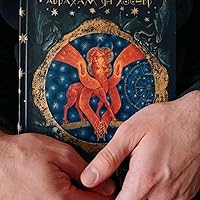
Ну що ж, сьогодні я дочитав одну з найсильніших і найскладніших книжок цього року та й загалом цілого мого читацького життя. Книга на стільки потужна, інноваційна та приголомшлива, що велетенську кількість цитат із неї я переклав та протягом кількох місяців публікував тут та в інших соцмережах. Можна сказати, що таким чином відбувся перший реліз цього автора українською мовою. Перекладав та публікував не для публіки, а виключно для себе. Бо коли читаєш на стільки потужні думки, то хочеться їх записати, увіковічнити в амфітеатрах ментального лібраріуму. Напевно ви вже здогадались, що мова йде про антропологічно-психологічний шедевр Еріха Ноймана "Витоки та Історія Свідомості".
Нойман взяв на себе надзвичайно складне, ба навіть неможливе завдання - описати зародження та становлення свідомості аж від первісної людини і до наших днів. Тут йдеться не тільки про виокремлення Еґо в персвіснообщинній спільноті, в мозку першої людини, а й про психологічний розвиток дитини, тобто, якщо говорити мовою біології це філогенез та онтогенез.
Місія автора вражає, ще більше вражає те, що на 500 сторінках свого Маґнум Опуса, Нойман таких зміг це зробити.
Звісно, книжка належить до категорії життєзмінних. Хоч автор діє у юнґіанській парадиґмі, часто його вислови перебувають понад нею. Він апелює до Юнґа, Фройда, Ранка, Фрейзера, Тейлора та десятків інших відомих психологів та антропологів, щоб віднайти свою істину. Інновації автора в психолгії це концепції двох Уроборосів, двох кастрацій, та досить логічне поєднання фройдівських періодів статевого дозрівання з юнґіанськими архетипами, поняттями Самості, Еґо та Індивідуації.
Детальніше про це можна прочитати у моїй велетенській статті на Вордпресі, яка насправді є колекцією десятків цитат з книжки і може слугувати хрестоматією, вступом чи конспектом по цій видатній роботі.
Вперше Еріх Нойман говорить українською і я радий бути його перекладачем.
Книга Ноймана починається з сухого визначення основних понять юнґіанського аналізу. Йому вдається надати своїй праці найбільшого ступеня науковості та логічності з усіх юнґіанських робіт,які я читав до того. Вже на перших сторінках автор спростовує фройдівський “страх кастрації” і сміливо обґрунтовує логіку вроджених архетипних джерел психіки. Вже пізніше, він представляє свої аналоги цього поняття – кастрацію Уроборосом, Матір’ю і Батьком.
Свою амбітну за обсягом працю, він починає з опису міфологій зародження світу, як алегорії посталої нової свідомості:
“Питання початку є також питанням “Звідки?” Це вихідне і важливе питання, на яке космологія та міфи про творення постійно намагалися давати нові та різні відповіді. Це вихідне питання про походження світу в той же час є і питанням про походження людини, походження свідомості та еґо, це фатальне питання “Звідки я з’явився?”, яке постає перед кожною людською істотою, як тільки вона з’являється на порозі шляху до самосвідомості.
Міфологічні відповіді на ці питання є символічними, як і всі відповіді, що виходять із глибин психіки, з несвідомого. Метафізична природа символу каже: це є це, а то є те. Формулювання тотожності та побудована на ній логіка свідомого не мають жодної цінності для психіки та несвідомого. Психіка, як і сновидіння, змішує, сплітає і переплутує свідоме та несвідоме, поєднуючи одне з одним. Тому символ є аналогією, швидше асоціацією, ніж тотожністю, і на цьому ґрунтується багатство його значень, але також і його неоднозначність. Лише група символів, повна частково суперечливих аналогій, може зробити щось невідоме, недоступне для свідомого розуміння, більш зрозумілим і придатним стати свідомим.”
Воістину блискуче визначення компендіуму архетипів! В амфітеатрах моєї багатої свідомості постає аналогія з колодою Таро. Виокремлений Аркан може мати окремішню суть, але лише їх поєднання дарує багатаство інтерпретацій та сенсів.
Після цього Нойман починає перелічувати базові архетипи. За блискучим розділом про Уробороса слідує розділ про Велику Матір – архетип про який Нойман написав окрему велику працю, але навіть і в скороченій формі він дивує, шокує і вражає:
“Стадія зародка закінчується тоді, коли Еґо починає сприймати себе як щось окреме і відмінне від несвідомого, і тільки тоді може сформуватися свідома система, що діє абсолютно незалежно. Ця рання стадія взаємин свідомого-несвідомого відбита у міфології Матері Богині та її зв’язку з сином-коханцем. Такі персонажі, як Аттіс, Адоніс, Таммуз та Осіріс Близько-Східних культур не просто народжені матір’ю; навпаки, цей аспект повністю заступається тим, що вони є коханцями своєї матері: їх люблять, вбивають і ховають, мати оплакує їх, а потім відроджує через себе. Фігура сина-коханця змінює стадію зародка та дитини. Відокремлюючи себе від несвідомого і знову підтверджуючи свою чоловічу відмінність, він мало не стає учасником материнського несвідомого; він є як її сином, так і коханцем. Але поки що він недостатньо сильний, щоб протистояти їй, він поступається їй, вмираючи, і припиняє своє існування. Мати-кохана перетворюється на страшну Богиню Смерті. Вона все ще грається з ним та затьмарює навіть його відродження. Там, де його пов’язують із родючістю землі та рослинністю, як бога, який помирає, щоб відродитися знову, панування Матері-Землі настільки ж очевидне, наскільки сумнівною є його власна незалежність. Чоловіча основа поки що не є батьківською тенденцією, що врівноважує материнсько-жіночу основу; вона все ще юна і є лише початком незалежного руху від місця свого народження і дитячої залежності.”
Один з найкращих епізодів – абсолютно геніальне, доступне та лаконічне пояснення походження архетипів та політеїзму:
” Розчленування аморфного несвідомого на мальовничий світ архетипів дозволяє свідомому розуму уявити та осягнути їх. “Темні” імпульси та інстинкти вже більше не мають повного контролю за цілісністю; натомість сприйняття внутрішнього образу викликає реакцію із боку свідомого его.
Спочатку таке сприйняття ініціювало цілісну реакцію, дуже схожу на рефлекс, як наприклад “панічний жах”, що викликається образом Пана.
Таке розщеплення архетипу на групи символів супроводжується уповільненням реакції та де-емоціоналізації. У міру того, як здатність свідомості асимілювати та розуміти окремі символи збільшується, Его перестає пригнічуватися. Світ стає ясніше, орієнтуватися у ньому стає легше, а свідомість розширюється. Анонімне і аморфне первісне божество неймовірно жахливе; воно колосальне і недоступне, незбагненно і не піддається будь-якому впливу. Це сприймає його безформність як щось нелюдське та вороже, якщо воно взагалі колись береться за неможливе завдання осягнути його. Тому спочатку ми часто виявляємо нелюдського бога у формі тваринного чи якоїсь огидної аномалії чи безформного чудовиська. Ці огидні створіння виражають нездатність Его сприйняти невиразність первісного божества. Чим антропоморфнішим стає світ богів, тим ближчий він Его і тим більше він втрачає свій переважний характер. Боги Олімпу набагато людяніші і знайомі, ніж первісна богиня хаосу.”
У цьому дослідженні, спираючись на відкриття Юнґа, ми робимо спробу виділити окремі типи боротьби з драконом та її різні стадії і таким чином скоригувати та об’єднати дві протилежні теорії — Фройда та Юнґа. У Психології несвідомого, Юнґ все ще перебуває під сильним впливом фройдівської теорії батька, тому його інтерпретації мають бути скориговані та перероблені у світлі його останніх відкриттів.
Підкорення чи вбивство матері утворює окремий пласт у міфі про бій із драконом. Успішна маскулінізація Еґо виражається у його войовничості та готовності до боротьби з небезпеками в образі дракона. Ототожнення Еґо з чоловічою свідомістю викликає психічний розкол, що призводить до протистояння з драконом несвідомого. Ця боротьба зображується по-різному: як вхід у печеру, спуск у підземний світ або як проковтування героя — тобто інцест із матір’ю.
Надзвичайно цікаві думки Ноймана про патріархальну та матріархальну кастрації. Тепер щиро можу сказати, що в плані нових ідей, Нойман іде значно далі Едінґера, ба навіть переосмилює і поєднує на перший погляд несумісні теорії Фройда і Юнґа.
“Жахливий Батько постає перед героєм у двох трансперсональних постатях: як фалічний Батько Земля і як страшний Духовний Батько. Батько Земля, король усіх хтонічних сил, психологічно відноситься до сфери Великої Матері. Найчастіше він проявляється як переважаюча агресивність фалічного інстинкту чи як руйнівне чудовисько. Але щоразу, коли Его пригнічується сексуальними, агресивними чи владними інстинктами чоловіка чи будь-якою іншою формою інстинкту, ми можемо бачити панування Великої Матері. Бо вона володарка інстинктів несвідомого, господарка тварин, а фалічний Жахливий Батько — це лише її супутник, але не рівнозначний їй чоловічий принцип.
Жахливий Батько перешкоджає синові і затримує його саморозвиток швидше як духовна перешкода, ніж фалічна. Так само як у Мертвому дні Барлаха жахлива Мати Земля заважає своєму синові стати героєм і таким чином “каструє” його, так і тут Жахливий Батько каструє сина, не дозволяючи йому досягти самовираження та перемоги. І знову цей батько надособистісний. Він діє, так би мовити, як духовна система, яка ззовні та згори силоміць захоплює і знищує свідомість сина. Ця духовна система постає як стримуюча сила старого закону, старої релігії, старої моралі, старого порядку; як свідомість, звичай, традиція чи будь-яке інше духовне явище, що заволодіває сином та заважає його просуванню у майбутнє. Будь-який вміст, який діє за допомогою свого емоційного динамізму, такого як паралізуюча хватка інертності або вторгнення інстинкту, відноситься до сфери матері, природи. Але весь вміст, що піддається свідомому розумінню, цінність, ідея, моральний канон або будь-яка інша духовна сила – пов’язані з системою батька і ніколи зі сферою матері.
Патріархальна кастрація має дві форми: поневолення та одержимість. Поневолене Еґо залишається повністю залежним від батька як представника колективних норм — тобто воно ототожнюється з нижчим батьком і таким чином втрачає свій зв’язок із творчими силами. Воно залишається зв’язаним традиційною мораллю і свідомістю і, ніби кастроване за звичаєм, втрачає вищу половину своєї двоїстої сутності.
Інший формою патріархальної кастрації є ототожнення з отцем-богом. Це призводить до стану одержимості небесною гординею, “знищення через дух”. Тут також еґогерой втрачає свідомість своєї подвійної сутності внаслідок втрати контакту зі своєю земною частиною.
За патріархальною кастрацією у вигляді гордовитості вимальовується фігура уробороса, що пожирає, що поєднує в собі ненаситність чоловіка і жінки. У вирі божественної плероми батьківський і материнський аспекти уробороса зливаються в одне. Знищення через дух, тобто через небесного батька і знищення через несвідоме – тобто через матір землю, як показує вивчення кожного психозу, тотожні. Колективні духовні сили так само є частинами уробороса, як колективні інстинктивні сили, що тягнуть у протилежному напрямку.
Знищення через дух — бачимо на прикладі вавилонського міфу про Етану, де герой піднімається на небо на орлі і розбивається об землю. (Тут недосяжне небо відноситься до матері-богині Іштар, яка, уроборично кажучи, є небом і землею одночасно). Та ж міфологічна ситуація повторюється з Ікаром, який надто близько підлітає до сонця, і з Беллерофонтом, який намагається дістатися до неба на крилатому коні Пегасі, але падає на землю і втрачає свідомість. Зарозумілість Тесея та інших героїв мають такі ж якості. Тільки через те, що він зачатий богом, герой має бути “відданий богу” і повністю усвідомлювати те, що робить. Якщо він діє із зарозумілістю самозакоханості, яку греки називали гібрисом, і не шанує нумінозум, проти якого бореться, то його звершення незмінно зведуть до нуля. Піднятися надто високо і впасти, опуститися надто глибоко і зав’язнути — все це подібні симптоми переоцінки Еґо, що закінчується нещастям, смертю чи божевіллям.
Чи герой розбивається об землю, як Етана, чи падає в море, як Ікар, застряє в підземному світі, як Тесей, або його приковують до скелі, як Прометея, чи він відбуває покарання, як Титани — самовпевнена зневага до надособистісних сил завжди призводить до краху.”
Ну і на завершення, блискучий фінал цього шедевру:
Ми почали з Еґо, що лежить у лоні батьківського дракона уробороса, згорнувгись, як зародок, в огортаючому злитті внутрішнього і зовнішнього, світу і несвідомого. Ми закінчуємо, як в алхімічній картині, гермафродитом, що здолав цього дракона: завдяки своїй власній синтетичній сутності, Еґо подолало первинний стан, над ним сяє корона самості, а в його серці палає діамант.
Нойман взяв на себе надзвичайно складне, ба навіть неможливе завдання - описати зародження та становлення свідомості аж від первісної людини і до наших днів. Тут йдеться не тільки про виокремлення Еґо в персвіснообщинній спільноті, в мозку першої людини, а й про психологічний розвиток дитини, тобто, якщо говорити мовою біології це філогенез та онтогенез.
Місія автора вражає, ще більше вражає те, що на 500 сторінках свого Маґнум Опуса, Нойман таких зміг це зробити.
Звісно, книжка належить до категорії життєзмінних. Хоч автор діє у юнґіанській парадиґмі, часто його вислови перебувають понад нею. Він апелює до Юнґа, Фройда, Ранка, Фрейзера, Тейлора та десятків інших відомих психологів та антропологів, щоб віднайти свою істину. Інновації автора в психолгії це концепції двох Уроборосів, двох кастрацій, та досить логічне поєднання фройдівських періодів статевого дозрівання з юнґіанськими архетипами, поняттями Самості, Еґо та Індивідуації.
Детальніше про це можна прочитати у моїй велетенській статті на Вордпресі, яка насправді є колекцією десятків цитат з книжки і може слугувати хрестоматією, вступом чи конспектом по цій видатній роботі.
Вперше Еріх Нойман говорить українською і я радий бути його перекладачем.
Книга Ноймана починається з сухого визначення основних понять юнґіанського аналізу. Йому вдається надати своїй праці найбільшого ступеня науковості та логічності з усіх юнґіанських робіт,які я читав до того. Вже на перших сторінках автор спростовує фройдівський “страх кастрації” і сміливо обґрунтовує логіку вроджених архетипних джерел психіки. Вже пізніше, він представляє свої аналоги цього поняття – кастрацію Уроборосом, Матір’ю і Батьком.
Свою амбітну за обсягом працю, він починає з опису міфологій зародження світу, як алегорії посталої нової свідомості:
“Питання початку є також питанням “Звідки?” Це вихідне і важливе питання, на яке космологія та міфи про творення постійно намагалися давати нові та різні відповіді. Це вихідне питання про походження світу в той же час є і питанням про походження людини, походження свідомості та еґо, це фатальне питання “Звідки я з’явився?”, яке постає перед кожною людською істотою, як тільки вона з’являється на порозі шляху до самосвідомості.
Міфологічні відповіді на ці питання є символічними, як і всі відповіді, що виходять із глибин психіки, з несвідомого. Метафізична природа символу каже: це є це, а то є те. Формулювання тотожності та побудована на ній логіка свідомого не мають жодної цінності для психіки та несвідомого. Психіка, як і сновидіння, змішує, сплітає і переплутує свідоме та несвідоме, поєднуючи одне з одним. Тому символ є аналогією, швидше асоціацією, ніж тотожністю, і на цьому ґрунтується багатство його значень, але також і його неоднозначність. Лише група символів, повна частково суперечливих аналогій, може зробити щось невідоме, недоступне для свідомого розуміння, більш зрозумілим і придатним стати свідомим.”
Воістину блискуче визначення компендіуму архетипів! В амфітеатрах моєї багатої свідомості постає аналогія з колодою Таро. Виокремлений Аркан може мати окремішню суть, але лише їх поєднання дарує багатаство інтерпретацій та сенсів.
Після цього Нойман починає перелічувати базові архетипи. За блискучим розділом про Уробороса слідує розділ про Велику Матір – архетип про який Нойман написав окрему велику працю, але навіть і в скороченій формі він дивує, шокує і вражає:
“Стадія зародка закінчується тоді, коли Еґо починає сприймати себе як щось окреме і відмінне від несвідомого, і тільки тоді може сформуватися свідома система, що діє абсолютно незалежно. Ця рання стадія взаємин свідомого-несвідомого відбита у міфології Матері Богині та її зв’язку з сином-коханцем. Такі персонажі, як Аттіс, Адоніс, Таммуз та Осіріс Близько-Східних культур не просто народжені матір’ю; навпаки, цей аспект повністю заступається тим, що вони є коханцями своєї матері: їх люблять, вбивають і ховають, мати оплакує їх, а потім відроджує через себе. Фігура сина-коханця змінює стадію зародка та дитини. Відокремлюючи себе від несвідомого і знову підтверджуючи свою чоловічу відмінність, він мало не стає учасником материнського несвідомого; він є як її сином, так і коханцем. Але поки що він недостатньо сильний, щоб протистояти їй, він поступається їй, вмираючи, і припиняє своє існування. Мати-кохана перетворюється на страшну Богиню Смерті. Вона все ще грається з ним та затьмарює навіть його відродження. Там, де його пов’язують із родючістю землі та рослинністю, як бога, який помирає, щоб відродитися знову, панування Матері-Землі настільки ж очевидне, наскільки сумнівною є його власна незалежність. Чоловіча основа поки що не є батьківською тенденцією, що врівноважує материнсько-жіночу основу; вона все ще юна і є лише початком незалежного руху від місця свого народження і дитячої залежності.”
Один з найкращих епізодів – абсолютно геніальне, доступне та лаконічне пояснення походження архетипів та політеїзму:
” Розчленування аморфного несвідомого на мальовничий світ архетипів дозволяє свідомому розуму уявити та осягнути їх. “Темні” імпульси та інстинкти вже більше не мають повного контролю за цілісністю; натомість сприйняття внутрішнього образу викликає реакцію із боку свідомого его.
Спочатку таке сприйняття ініціювало цілісну реакцію, дуже схожу на рефлекс, як наприклад “панічний жах”, що викликається образом Пана.
Таке розщеплення архетипу на групи символів супроводжується уповільненням реакції та де-емоціоналізації. У міру того, як здатність свідомості асимілювати та розуміти окремі символи збільшується, Его перестає пригнічуватися. Світ стає ясніше, орієнтуватися у ньому стає легше, а свідомість розширюється. Анонімне і аморфне первісне божество неймовірно жахливе; воно колосальне і недоступне, незбагненно і не піддається будь-якому впливу. Це сприймає його безформність як щось нелюдське та вороже, якщо воно взагалі колись береться за неможливе завдання осягнути його. Тому спочатку ми часто виявляємо нелюдського бога у формі тваринного чи якоїсь огидної аномалії чи безформного чудовиська. Ці огидні створіння виражають нездатність Его сприйняти невиразність первісного божества. Чим антропоморфнішим стає світ богів, тим ближчий він Его і тим більше він втрачає свій переважний характер. Боги Олімпу набагато людяніші і знайомі, ніж первісна богиня хаосу.”
У цьому дослідженні, спираючись на відкриття Юнґа, ми робимо спробу виділити окремі типи боротьби з драконом та її різні стадії і таким чином скоригувати та об’єднати дві протилежні теорії — Фройда та Юнґа. У Психології несвідомого, Юнґ все ще перебуває під сильним впливом фройдівської теорії батька, тому його інтерпретації мають бути скориговані та перероблені у світлі його останніх відкриттів.
Підкорення чи вбивство матері утворює окремий пласт у міфі про бій із драконом. Успішна маскулінізація Еґо виражається у його войовничості та готовності до боротьби з небезпеками в образі дракона. Ототожнення Еґо з чоловічою свідомістю викликає психічний розкол, що призводить до протистояння з драконом несвідомого. Ця боротьба зображується по-різному: як вхід у печеру, спуск у підземний світ або як проковтування героя — тобто інцест із матір’ю.
Надзвичайно цікаві думки Ноймана про патріархальну та матріархальну кастрації. Тепер щиро можу сказати, що в плані нових ідей, Нойман іде значно далі Едінґера, ба навіть переосмилює і поєднує на перший погляд несумісні теорії Фройда і Юнґа.
“Жахливий Батько постає перед героєм у двох трансперсональних постатях: як фалічний Батько Земля і як страшний Духовний Батько. Батько Земля, король усіх хтонічних сил, психологічно відноситься до сфери Великої Матері. Найчастіше він проявляється як переважаюча агресивність фалічного інстинкту чи як руйнівне чудовисько. Але щоразу, коли Его пригнічується сексуальними, агресивними чи владними інстинктами чоловіка чи будь-якою іншою формою інстинкту, ми можемо бачити панування Великої Матері. Бо вона володарка інстинктів несвідомого, господарка тварин, а фалічний Жахливий Батько — це лише її супутник, але не рівнозначний їй чоловічий принцип.
Жахливий Батько перешкоджає синові і затримує його саморозвиток швидше як духовна перешкода, ніж фалічна. Так само як у Мертвому дні Барлаха жахлива Мати Земля заважає своєму синові стати героєм і таким чином “каструє” його, так і тут Жахливий Батько каструє сина, не дозволяючи йому досягти самовираження та перемоги. І знову цей батько надособистісний. Він діє, так би мовити, як духовна система, яка ззовні та згори силоміць захоплює і знищує свідомість сина. Ця духовна система постає як стримуюча сила старого закону, старої релігії, старої моралі, старого порядку; як свідомість, звичай, традиція чи будь-яке інше духовне явище, що заволодіває сином та заважає його просуванню у майбутнє. Будь-який вміст, який діє за допомогою свого емоційного динамізму, такого як паралізуюча хватка інертності або вторгнення інстинкту, відноситься до сфери матері, природи. Але весь вміст, що піддається свідомому розумінню, цінність, ідея, моральний канон або будь-яка інша духовна сила – пов’язані з системою батька і ніколи зі сферою матері.
Патріархальна кастрація має дві форми: поневолення та одержимість. Поневолене Еґо залишається повністю залежним від батька як представника колективних норм — тобто воно ототожнюється з нижчим батьком і таким чином втрачає свій зв’язок із творчими силами. Воно залишається зв’язаним традиційною мораллю і свідомістю і, ніби кастроване за звичаєм, втрачає вищу половину своєї двоїстої сутності.
Інший формою патріархальної кастрації є ототожнення з отцем-богом. Це призводить до стану одержимості небесною гординею, “знищення через дух”. Тут також еґогерой втрачає свідомість своєї подвійної сутності внаслідок втрати контакту зі своєю земною частиною.
За патріархальною кастрацією у вигляді гордовитості вимальовується фігура уробороса, що пожирає, що поєднує в собі ненаситність чоловіка і жінки. У вирі божественної плероми батьківський і материнський аспекти уробороса зливаються в одне. Знищення через дух, тобто через небесного батька і знищення через несвідоме – тобто через матір землю, як показує вивчення кожного психозу, тотожні. Колективні духовні сили так само є частинами уробороса, як колективні інстинктивні сили, що тягнуть у протилежному напрямку.
Знищення через дух — бачимо на прикладі вавилонського міфу про Етану, де герой піднімається на небо на орлі і розбивається об землю. (Тут недосяжне небо відноситься до матері-богині Іштар, яка, уроборично кажучи, є небом і землею одночасно). Та ж міфологічна ситуація повторюється з Ікаром, який надто близько підлітає до сонця, і з Беллерофонтом, який намагається дістатися до неба на крилатому коні Пегасі, але падає на землю і втрачає свідомість. Зарозумілість Тесея та інших героїв мають такі ж якості. Тільки через те, що він зачатий богом, герой має бути “відданий богу” і повністю усвідомлювати те, що робить. Якщо він діє із зарозумілістю самозакоханості, яку греки називали гібрисом, і не шанує нумінозум, проти якого бореться, то його звершення незмінно зведуть до нуля. Піднятися надто високо і впасти, опуститися надто глибоко і зав’язнути — все це подібні симптоми переоцінки Еґо, що закінчується нещастям, смертю чи божевіллям.
Чи герой розбивається об землю, як Етана, чи падає в море, як Ікар, застряє в підземному світі, як Тесей, або його приковують до скелі, як Прометея, чи він відбуває покарання, як Титани — самовпевнена зневага до надособистісних сил завжди призводить до краху.”
Ну і на завершення, блискучий фінал цього шедевру:
Ми почали з Еґо, що лежить у лоні батьківського дракона уробороса, згорнувгись, як зародок, в огортаючому злитті внутрішнього і зовнішнього, світу і несвідомого. Ми закінчуємо, як в алхімічній картині, гермафродитом, що здолав цього дракона: завдяки своїй власній синтетичній сутності, Еґо подолало первинний стан, над ним сяє корона самості, а в його серці палає діамант.
July 17, 2025
Holy Shit I actually finished this beast
4.5 Stars :)
4.5 Stars :)


June 26, 2022
Quite disappointed with this one. I read about it some time ago and was really interested in getting it. My goal was to get some insight and understanding as to how did consciousness evolve in humans. I was maybe a little bit deceived by the title part that says "origins and history of consciousness". The books talks a lot about some very specific archetypes (the Uroboros, the Hero, the Mother, etc. ), and tries to explain our human psychological development from them. I think all these ideas come from Jung. However, I am not satisfied with these explanations, for I dont find them universal. There is a lot of Ancient Egypt mythology, which also is useful to explain our psychology, but I would certainly place the origins of consciousness many thousands of years before even civilizations began. I would even dare to say that a much better and less intricate book that explains a lot more of our consciousness would be Freud´s Totem and Taboo. I have to be honest, I made through the first 100 pages easily. It was entertaining, but then it started to get very intricate, and I finally had to give up on page 360 after deciding that I was not getting anything from this reading.
May 23, 2022
Very interesting exploration of the development of human consciousness. The book explores how our ancient myths and stories act as both a historical reflection of the conscious development, but also the individuals journey towards a healthy and integrated personality.
September 16, 2023
I'm not gonna give a long review, i can't really say it has many flaws, but i also don't have many points of reference. I would say this book is really well written and 100% worth a read.
I heard if you want to get started into Jungian thinking and ideas, you should start with this book.
I heard if you want to get started into Jungian thinking and ideas, you should start with this book.

August 20, 2014
Recognizes the role consciousness has played in our evolution, how it emerged in our ancestors and how the unconscious would have reacted side by side. The opposition of conscious and unconscious.
February 15, 2016
...and a half. Lots of eyebrow raising, but I found myself thinking about the core concepts daily and applying them to almost everything.

November 30, 2023
This massive tome is one of the finest books to have been penned on the relation between myth and memory or consciousness.
Apart from various notes and Jung's 'Foreword' it contains the following~
Part I: The Mythological Stages in the Evolution of Consciousness—
A. The Creation Myth;
B. The Hero Myth;
C. The Transformation Myth.
Part II: The Psychological Stages in the Development of Personality—
A. The Original Unity;
B. The Separation of the Systems;
C. The Balance and Crisis of Consciousness;
D. Centroversion and the Stages of Life.
These are followed by 'Appendices', bibliography and index.
The second part of the book is dense, pedantic and full of application of Jungian principles that made reading less fun and more rigorous. But the first part was sublime!
Yes, it can do with an update and should be read with latest works.
Yes, the second part is almost entirely based upon interpretations of Hellenic and near-East myths. In that process it sadly misses and overlooks the East.
But, despite all these and it being more than five decades old, I would wholeheartedly recommend this book to any reader of mythology, history and/or psychology.
Solid four stars!
Apart from various notes and Jung's 'Foreword' it contains the following~
Part I: The Mythological Stages in the Evolution of Consciousness—
A. The Creation Myth;
B. The Hero Myth;
C. The Transformation Myth.
Part II: The Psychological Stages in the Development of Personality—
A. The Original Unity;
B. The Separation of the Systems;
C. The Balance and Crisis of Consciousness;
D. Centroversion and the Stages of Life.
These are followed by 'Appendices', bibliography and index.
The second part of the book is dense, pedantic and full of application of Jungian principles that made reading less fun and more rigorous. But the first part was sublime!
Yes, it can do with an update and should be read with latest works.
Yes, the second part is almost entirely based upon interpretations of Hellenic and near-East myths. In that process it sadly misses and overlooks the East.
But, despite all these and it being more than five decades old, I would wholeheartedly recommend this book to any reader of mythology, history and/or psychology.
Solid four stars!

March 2, 2021
Strange book that tries to explain the origins of consciousness through mythological representations. It states that human perception was first perceived through the concept of 'the great mother', which later would separate into the good and the terrible mother. Later on came the conceptualization of the figure of a father and out of that people were able to distinguish something like an individual hero figure, the hero being the son of the archetypal parents, this would form the basis for individual human consciousness. In order to separate the consciousness from the collective and chaotic great mother the hero would, in early myths, have incest with his mother. That is just WEIRD AF.
It also speculates that exogamy in early stages of human development left males without a clear connection within a single tribe, which would lay the basis for war, trade and other intertribal affairs. Certainly would explain why Dzjengis Khan was so eager to conquer other tribes, he just want to make baby.
Maybe that's all nonsense but I thought it was funny thought from Eric.
Overall: very confusing book.
It also speculates that exogamy in early stages of human development left males without a clear connection within a single tribe, which would lay the basis for war, trade and other intertribal affairs. Certainly would explain why Dzjengis Khan was so eager to conquer other tribes, he just want to make baby.
Maybe that's all nonsense but I thought it was funny thought from Eric.
Overall: very confusing book.

June 14, 2020
The Origins and History of Consciousness is a book like no other I'd ever read before. It deals with the Mythology of the origins of consciousness and offers a detailed study of its history.
Throughout this book Neumann manages to give a careful description of the stages in the development of ego consciousness. In the first chapters of this book you'll read up on the Uroboric tail-eating serpent which has an equivocal meaning in such that the reader knows that the entirety of the study will also end at this very stage.
The rest of the book Neumann perfectly lays out the consecutive stages in the development of ego consciousness. All of these stages, in the end, form the canon through which every person is supposed to develop. This canon is called the Archetypal Canon, referring back to the stages called Archetypes. These archetypes, being the various stages in the development of ego consciousness, are described by Neumann as the stages everyone has to go through. The WHAT in this sense is evidently explained, the HOW however needs to be filled in by every person individually.
The most important part I take from this book is the stages themselves in a generic way. This generic way of describing the development of ego consciousness neatly builds on the foundations of Archetypal stages as described in the Jungian theory of Archetypes.
Throughout this book Neumann manages to give a careful description of the stages in the development of ego consciousness. In the first chapters of this book you'll read up on the Uroboric tail-eating serpent which has an equivocal meaning in such that the reader knows that the entirety of the study will also end at this very stage.
The rest of the book Neumann perfectly lays out the consecutive stages in the development of ego consciousness. All of these stages, in the end, form the canon through which every person is supposed to develop. This canon is called the Archetypal Canon, referring back to the stages called Archetypes. These archetypes, being the various stages in the development of ego consciousness, are described by Neumann as the stages everyone has to go through. The WHAT in this sense is evidently explained, the HOW however needs to be filled in by every person individually.
The most important part I take from this book is the stages themselves in a generic way. This generic way of describing the development of ego consciousness neatly builds on the foundations of Archetypal stages as described in the Jungian theory of Archetypes.
January 5, 2022
This book radically altered the way I see consciousness, particularly the relationship between our Ego (are waking alertness) and our unconscious (the sleeping intelligence)
Erich Neumann sees mythology as a projection of man's inner psyche rather than the foolish attempts of man to understand the objective world (a notion that didn't exist until recent centuries). And so, he goes through the evolution of myth and connects it to our inner psyche persuasively and thoroughly.
Here is a shortlist of the valuable insights I gained from this book:
- Consciousness had a long and challenging developmental history, one that is also reflected in its emergence in the child
- Repression of emotion is a necessary step in the Ego's path to distinguishing itself from the unconscious, and reintegration of the unconscious can only happen after it has achieved this independence.
- Identification with the self (All of human personalities and modes of consciousness in an aggregate) permits the highest degree in the evolution of human consciousness.
Erich Neumann sees mythology as a projection of man's inner psyche rather than the foolish attempts of man to understand the objective world (a notion that didn't exist until recent centuries). And so, he goes through the evolution of myth and connects it to our inner psyche persuasively and thoroughly.
Here is a shortlist of the valuable insights I gained from this book:
- Consciousness had a long and challenging developmental history, one that is also reflected in its emergence in the child
- Repression of emotion is a necessary step in the Ego's path to distinguishing itself from the unconscious, and reintegration of the unconscious can only happen after it has achieved this independence.
- Identification with the self (All of human personalities and modes of consciousness in an aggregate) permits the highest degree in the evolution of human consciousness.

December 26, 2023
Was a little tricky to absorb this on audiobook at times, but nonetheless found it very interesting Jungian theory of consciousness. It seems like Neumann's work here is probably underpinning a lot of what Jordan Peterson is on about (we still have to go back to look at Maps of Meaning now that we've actually read some Jung/Jungians to understand what that book is about): a lot about the "hero's journey" and the unfolding of ego development. Probably going to read this one in text as well.
Displaying 1 - 30 of 148 reviews