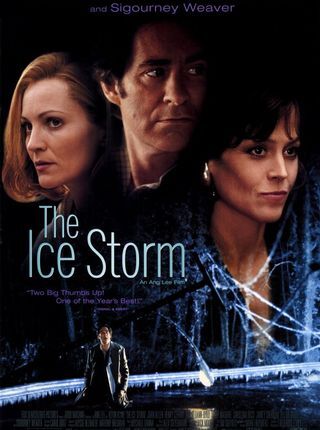
On the outset, Rick Moody’s The Ice Storm appears to be a Generation X era relic about what it was like to grow up in the 1970’s. Any serious reader has probably read at least one of these type of stories before; stories chock full of ironic kitsch and facile observations on how screwed up the Me generation were. At the beginning of the novel, Moody lives up to that description, as he sloshes the kitsch with a ladle, with lists of brand names, pop songs, and other period icons so that you can be sure that he really remembers 1973. However, this is not a nostalgia trip. What starts as a dark comedy deepens into suburban tragedy. All of the characters are in various states of malaise, and Moody resists caricature. They are damaged human beings, full of flaws and deceptions.
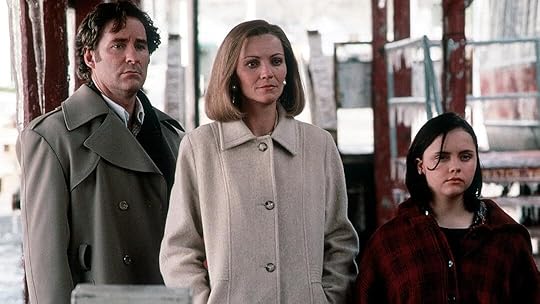
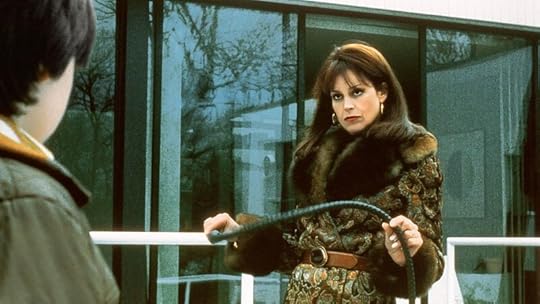
The Hood family live in a WASP suburban enclave called New Canaan, which is beautiful on the surface, but is seething underneath with cultural upheaval. The Watergate scandal is on the television every night, and the sexual revolution is creeping into the suburbs. Patriarch Ben Hood is self-absorbed in his own depression, and having an affair with a neighbor. Wife and mother Elena Hood is equally self-absorbed, and stews in her own self-loathing. Their daughter, Wendy, throws herself into sexual experimentation and drugs to escape the stultifying atmosphere, and son Paul takes refuge reading comic books. Life goes on the same rut, but a storm is on the horizon, a beautiful but deadly ice storm that forces everyone together, and all of his or her deceptions trigger a familial meltdown.
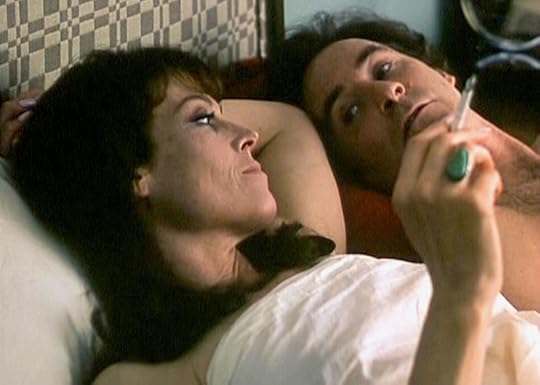
Moody deftly orchestrates these deceptions, as the characters alternately ignore, circle, and confront each other. Adding to the orchestrations is the narration from four different perspectives, each of them a member of the two families affected by Ben’s affair, who are promoting their own opinion and views of the ensuing events that arise throughout the novel. Three of the Hoods run away from their malaise by going to bed with members of the family next door, then get caught and try to deny it, while accusing the others. Most of these encounters are darkly funny, but the eventual plot twists change the tone from humorous to dead serious. The storm is always in the horizon, but once it arrives to New Canaan, the emotional wounds the characters have hidden come boiling to the surface, and before the night is over, somebody’s child dies. The cultural references also take on a much heavier resonance as the mood darkens. One of the most poignant uses is when Wendy turns up A Charlie Brown Christmas on the television to drown out the noise of her parents arguing. The mix of pop culture and emotional violence brings home the general atmosphere of a society disillusioned by Nixon, and turned on by the sexual revolution.
By the end, Moody's tone has turned alternately mournful and stern. The adults are three dimensional, and all too human, but Moody does not let them off the hook for their bad behavior. The characters are adrift without a moral compass as the Watergate scandal drones on in the background. However, Moody still makes the characters sympathetic, precisely because they are all too human. He manages to frequently evoke both tones in his prose, as in the following: “ . . . you could pay Arthur Janov to teach you to scream . . . learn a prayer or a mantra . . . but that was the best you could probably do. You were stuck.” That sentence probably sums up Moody’s 70’s experience, and overall, The Ice Storm is a striking generational flipside to the works of Cheever and Updike.