Providing a detailed outline of the social and literary context in which Sir Thomas Wyatt worked and the impact he had on the development of English poetry, this selection displays his range and virtuosity, with an introduction and notes that illuminate Wyatt's importance as a poet ahead of his time.
Thomas Wyatt is one of my ancestors. That's how I discovered him, but his poems are amazing. Most were secretly dedicated to Anne Boleyn and he was imprisoned on suspicion of being one of her lovers. One of his poems was used at her trial to convict her of adultery.
Wyatt writes sonnets, odes, and poetic songs dealing heavily with the theme of unrequited love. The collection opens with a Sonnet expressing the speakers reluctance of participating in a hunt for a deer, which stands in for a male chasing a woman in a situation of unrequited love. While one of the strongest poems in the entire collection is the sonnet “I Find No Peace” presents his frustrations over love in a series of poetic oppositions like the paradoxical feelings that love spawns.
In these poems, love is a kind of dangerous madness full of pain and grief and a kind of unpleasant sickness. By not returning his affection, his beloved is doing him wrong by making light of his loyalty and his suffering on her behalf.
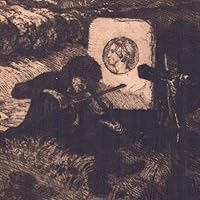
In my “My Lute Awake” the poet addresses his lute directly with complaints he is wasting his efforts chasing after a woman who doesn’t love him back or appreciate his poetic efforts to woo her. While “Blame not my lute” continues this conceit of using poetry to address his lute and contends the lute is not to blame for the insufficiency of his poetry to stir up feelings of love or to impress in general.
It’s not all complaints about unrequited love. In “Tagus, Farwell” we have a patriotic poem expressing a love for king and country and longing to come home to England from a long expedition to Portugal. Meanwhile, the poem “Sighs are my food, drink are my Tears” deals with the suffering of imprisonment, while knowing your innocence. “Lux, my Fair Falcon” compares imprisonment and being abandoned by friends in time of suffering and misfortune to the liberty and companionship of a falcon flying with his companions.
The collection also includes two epistolatory satires, poems written as letters about the corrupt court politics, explaining why he has returned to his home and fled court, but also borrows heavily from an Italian satire written by Luigi Alamanni, while the other satire deals with wasting resources and money on one’s pleasure rather than saving.
The last two poems are Wyatt’s interpretation of psalms, which he takes quite a few liberties with, often turning the much shorter biblical poems into longer works that elaborate on their themes, and sometimes puts them into a more specific Christian mold.
Patience, though I have not The thing that I require, I must of force, God wot, Forbear my most desire; For no ways can I find To sail against the wind.
Patience, do what they will To work me woe or spite, I shall content me still To think both day and night, To think and hold my peace, Since there is no redress.
Patience, withouten blame, For I offended nought; I know they know the same, Though they have changed their thought. Was ever thought so moved To hate that it hath loved?
Patience of all my harm, For fortune is my foe; Patience must be the charm To heal me of my woe: Patience without offence Is a painful patience.