Jump to ratings and reviews
Rate this book

Friendly Fire

Rate this book
A long-married couple are spending an unaccustomed week apart. Daniela visits her recently widowed brother-in-law in Africa. Amotz Ya'ari stays in Israel dealing with his lift engineering consultancy, and his large demanding family. The interwoven chapters create a duet-like narrative which penetrates deeply into human relationships.

456 pages, Paperback

First published January 1, 2007

36 people are currently reading
479 people want to read

About the author

Ratings & Reviews

What do you think?
Rate this book

Friends & Following

Create a free account to discover what your friends think of this book!

Community Reviews

5 stars
103 (21%)
4 stars
198 (40%)
3 stars
136 (28%)
2 stars
34 (7%)
1 star
12 (2%)
Displaying 1 - 30 of 63 reviews
Profile Image for Jim Fonseca.
1,163 reviews8,508 followers
February 28, 2018
The book jacket gives a good summary, so I will start with that:

“A couple, long married, are spending an unaccustomed week apart. Ya’ari, an engineer, is busy juggling the day-to-day need of his elderly father, his children, and his grandchildren. His wife, Daniela, files from Tel Aviv to East Africa to mourn the death of her older sister. There she confronts her anguished brother-in-law, Yirmiyahu, whose soldier son was killed in the West Bank six years earlier by “friendly fire.” Yirmiyahu manages a team of African researchers digging for the bones of man’s primate ancestors as he desperately tires to detach himself from every shred of his identity, Jewish and Israeli.”

description

The book is structured in alternating sections (just a few pages each) with alternating points of view of her exploits in East Africa and her husband’s exploits back in Israel. It’s also a story of two 60-years old who are still very much in love. They think of each other constantly through the days they are apart. As the husband stays in Tel Aviv, we learn a lot about their kids and their family problems – a daughter who is distant, an ailing father, a son who is having issues with the Israeli military, a daughter-in-law who doesn’t quite measure up.

The woman’s older sister who died two years ago in Africa was her protector and confidant. She is visiting because she wants to bring some closure to her grief by re-living her sister’s last days, see where she had her heart attack, where the clinic is that she was taken to, and to learn more things about her life in Africa from her brother-in-law.

Her brother-in-law has been a lifelong friend. She knew him as a child when he began dating her older sister and he has been like an older brother to her. But he disappoints her. To be kind, he is disengaged and reticent to talk. To be unkind, I’d say he’s rude, arrogant, pedantic and can’t wait for her to leave. She brings him Israeli newspapers and Hanukkah candles and he simply throws them into the cooking stove. He starts in on the Bible (Old Testament, of course) and tries to show her how it’s all gloom, doom, famines, pestilence, wars, punishment. She hears that he told an associate that “Israel doesn’t have a chance.” He intends to stay in exile from his native land.

description

He’s still obsessed with his son’s death several years ago and in a way he has not yet dealt with his wife’s death. He may also be building this wall to contain his attraction to his wife’s sister.

This is a good book. I have also read the author’s novel, A Late Divorce. Harold Bloom called this author “an Israeli Faulkner.” It drags a bit because it takes 50 pages of travel and goings-on in airports to get her to Africa. Her husband runs an engineering company that designs elevators facing problems of wind noise in a new installation. But how many times can we revisit the howling winds and hear tenant complaints? But all in all I liked the book very much and I highly recommend it.

Tel Aviv skyline from worldofjudaica.net
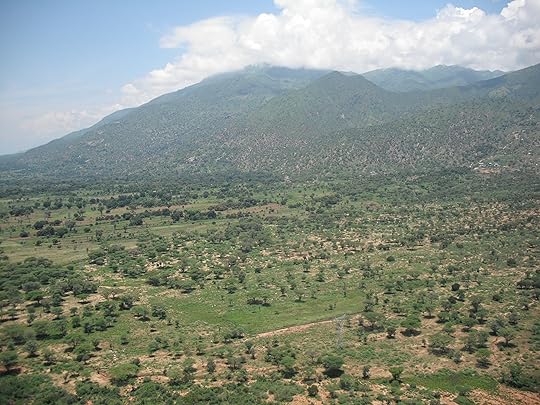
East Africa landscape from Matthew Davies md564.wordpress.com
Profile Image for Gauss74.
466 reviews93 followers
July 22, 2013
Avevo già notato in altre opere di Yehoshua come il perenne conflitto che come una maledizione insanguina la storia di Israele sia penetrato in profondità nel pensiero comune e nella vita di tutti i giorni del popolo ebraico.
Anche nei momenti di gioia familiare di una madre col suo figlio essa rimane, come un fastidioso mormorio lontano cui ci si abitua ma che non si può dimenticare, e di cui non si può non tener conto nel fare le proprie scelte.

Ma ci si potrà mai abituare alla guerra? Quando la guerra mostra il suo volto feroce e vermiglio, portandoci via una persona cara magari in circostanze assurde che non hanno nulla di eroico?

In "Fuoco amico" Yehoshua affrontaa questo tema direttamente. Durante una missione militare nei territori occupati, a causa di un tragico errore il giovane Yael viene ucciso dal fuoco dei suoi stessi compagni: la sua famiglia fronteggia il dolore immenso della perdita di un figlio, alla ricerca di un senso che non può esistere.

Pazzi di dolore, i genitori Yirmiyahu e Shuli perdono la speranza nella nuova Israele e nella possibilità che si possa un giorno arrivare ad un popolo in pace in una terra in pace: non vogliono più saperne, rinnegano la loro ebraicità e fuggono in Tanzania.
Fa da contraltare a questa scelta la vita trasudante forza ed efficienza di Amotz Yaari a Tel Aviv, immagine dell'infaticabile ebreo colonizzatore della terra promessa. Riesce a portare avanti con professionalità la sua azienda, trova il modo di accudire il vecchio padre malato, di venire incontro alle esigenze ed alle insicurezze dei figli, persino di fare da baby sitter ai nipoti, trovando il modo di mandare la moglie Daniela in Tanzania presso il cognato Yirmiyahu a piangere con lui la morte della sorella Shuli, seguita di poco a quella del figlio.

Su questo parallelismo tra l' Africa (stupendamente descritta) vista come un radicale rifiuto dell'ebraicità con la sua religione e la sua storia, e Israele vista come il suo compimento si gioca tutto il romanzo. Se da un lato Yirmiyahu sembra peccare di scarso coraggio con la sua fuga ed il suo rabbioso ed infantile rifiuto, egli a diffetenza di Amotz sembra capire quanto sia bestiale riuscire a considerare normale perdere un caro per "fuoco amico". Tale normalità egli non l'accetta, cosa che invece sembra fare Amotz con tutta la sua efficienza nel tenere unita la famiglia (egli stesso aveva usato quuesta locuzione per confortare il cognato).

Non mi ero mai reso conto di quanto fosse orrenda la frase fuoco amico. Uccidere un compagno, la morte improvvisa che arriva da chi ti fidi, come un tradimento e per uno sbaglio spesso in condizioni banali. Che Amotz non si sia reso conto che parlando in questo modo anzichè confortare peggiorava le cose, è segno della rassegnazione del popolo ebraico alla morte nella sua storia, già profetata nelle bellissime e feroci pagine dell'antico testamento che Yehoshua ci fa riscoprire.

Non saper accettare quel sangue significa rinnegare l'appartenenza al popolo di Israele, e Daniela arriverà a dirlo in faccia a Yirmiyahu cercando di spronarlo a ritornare.
Esiste peraltro, viene da pensare, un fuoco che non sia "Amico"? tutte le guerre sono guerre civili, dice Cesare Pavese, perchè sono guerre di uomo contro l'uomo. La cecità degli ebrei adattati nei confronti della popolazione palestinese, dei crimini e delle umiliazioni che infliggono loro e del susseguente freddo e terribile odio, da un lato conferma la condanna biblica a non avere pace, dall'altra scandalizza Yirmiyahu che entra in contatto col popolo palestinese mentre indaga sulle circostanze della morte del figlio. Ed è quello scandalizzarsi della guerra e delle umiliazioni che essa porta che lo esclude dal popolo ebraico e lo costringe all'autoesilio in Tanzania.

E' un romanzo che insegna tanto sulla guerra, e sul modo in cui trasforma gli uomini in lupi feroci. E che il fondo non viene toccato col pianto delle madri e dei compagni, ma quando tutto questo diventa "normale". Vedere questa normalità come inevitabile predestinazione rafforzata dalle oscure minacce di profeti pieni di odio (Geremia); addirittura come elemento caratterizzante la cultura di un intero popolo, fa capire anche molto del popolo di Israele e della sua tormentata storia che sembra non conoscere pace.

Un libro che con incredibile pacatezza ha molto da dire non solo sull'interminabile conflitto israelo-palestinese, ma anche sulla natura del popolo eletto e delle sue tribolazioni, sulla guerra in generale, e sul rapporto tra uomini ridotti a bestie dalla violenza ed un Dio che mai come in queste pagine sembra essere lontano e misterioso.

Profile Image for Shmuli Cohen.
56 reviews6 followers
January 12, 2013
Early modern Hebrew writers like Bialik, Agnon and Amichai, tended to focus on the collective experience. The emergence of writers like A.B. Yehoshua changed this emphasis to the individual – an individual at odds with society and with themself.
Friendly Fire is ostensibly about people. It uses an alternative discourse, the modern Israeli, far from the battlefield or the Kibbutz as the protagonist. By doing so, it relieves us from the harsh political realities of the modern state. The result is a thought-provoking journey of identity and crisis.
The plot involves a duet-like narrative – a spiritual Africa versus a material Israel. Amotz and Daniela Ya’ari are a middle aged married couple. Daniella, a flighty intellectual type travels to Africa to visit her brother –in-law to seek closure on her sister’s death. What she finds is a man left wounded and raging after an earlier tragedy – a death by ‘friendly fire’.
The second plot involves Amotz, the quintessential family-man and a somewhat dull elevator engineer who spends the majority of the novel either attending to the mundane – a sultry daughter-in-law, a son absconded from the army and two vigorous grand-children, or resolving a wind (spirit) problem in an elevator shaft.
The duality of the narrative comes off as wholly ironic: a spiritual and deserted Africa is contrasted with an ordinary city. Whereas physical drama takes place in the empty space of Tanzania, a somewhat tepid but emotional journey arises in the concrete metropolis of secular Israel.
By inverting the modern post-Zionist narrative, Yehoshua recognizes that human mood, culture and self are just as important as the political discourse. Homeland and exile are grounds for dissent and spiritual failings; images of western decadence are contrasted with African exile; expressions of materialism are juxtaposed with a physically empty yet spirited Africa. Attempts to identify as one people and one land are blown wide open. Yehoshua wants us question what it is we want from a modern Israel.
The writing is superb. Yehoshua’s meticulous detail to diction and cadence as well as his considerable mastery of language is comparable to that of Faulkner. Unfortunately the title, perhaps the most important element of the novel is lost in translation. The Hebrew, “Eish Yedidot” conjures a more complex meaning than the English idiom, which does not connote the same vast and knotty feelings that it does in Hebrew. Similarly the term for wind is the same as for spirit (ruach) which metaphor is central to the plot and which is lost in the English.
The novel is warm, intelligent and full of human feeling. It is also beautifully written with a sophistication seen only in an authentic writer. It is a masterful work, clearly detailing what it means to be Israeli today.
Profile Image for Tittirossa.
1,062 reviews335 followers
February 7, 2018
Me lo aspettavo più denso, ma forse la nostra storia (noi non siamo coinvolti in una guerra che dura da 40 anni) non ci consente di percepirne fino in fondo la drammaticità e la complessità.
E' interessante e coinvolgente il ritmo alternato che da un lato osserva Yaari rimasto in patria a districarsi tra le beghe famigliari e lavorative, e dall'altro Daniela alle prese con il cognato e la realtà africana.
Yehoshua costruisce un canto e controcanto molto armonico: pur a migliaia di chilometri di distanza l'ordito delle due vite si intreccia. L'allacciarsi dei loro pensieri è costante, e sono l'uno al fianco dell'altra costantemente, sia per un pensiero affettuoso che per un rimbrotto. La si può chiamare abitudine, ma è l'80% dell'amore! I pensieri e le azioni conservano l'impronta dell'amato: Yaari si chiede "cosa direbbe Daniela?" e Daniela si domanda "cosa farebbe Yaari?". Il libro presenta personaggi complessi, ma benissimo tratteggiati. Yaari sempre pronto a farsi carico di tutti i problemi, per poterli controllare. Daniela, il punto di riferimento morale. Da loro si diparte un microcosmo di parenti-colleghi-amici, tra cui si stagliano fra tutte due figure. Non Moran (il figlio renitente alla chiamata dell'esercito), o Erat (la nuora scalpitante che ha scoperto tardivamente il proprio fascino), men che meno Eyal (il nipote ucciso dal fuoco amico per un futilissimo motivo), o Yirmi (il padre disperato per la perdita).
No, magnifici sono i due vecchi: il padre di Yaari e la sua amica/amante. Le cui volontà riescono a muovere una dozzina di persone per soddisfare un capriccio nato per onorare la parola data 30 anni prima.
E' un libro ricchissimo di spunti, ma un po' stanco, un po' rassegnato. Ripiegato sull'intimo, sulle proprie banali faccende. Quelle che ci riempiono la vita tutti i giorni, su cui non ci soffermiamo troppo a riflettere. Un po' come Fuoco amico.
Profile Image for Billy.
233 reviews
March 5, 2009
"Do everything possible to leave this world without complaints or bitterness." So says Amotz Ya'ari in this kind and gentle book.It is Hannukkah, and Amotz's wife, Daniela, a high school English teacher in Tel Aviv, is off to Tanzania to visit her brother-in-law. Daniela's sister has died recently and the brother-in-law, a retired Israeli diplomat, has decided not to return to Israel, but stay behind in East Africa. Amotz does not accompany Daniela, remaining in Tel Aviv to deal with family and work problems. So we have two intertwined tales that alternate through the novel. While not a great book, it is very, very good. It will teach you a lot about Israel and the pain that lies just beneath the surface of everyone, Jew or Arab. And, possibly, leave you with the slightest glimmer of hope. Highly recommended.
Profile Image for Yair.
339 reviews101 followers
January 25, 2011
Way too indulgent literature of decadence. Very weak. Yehshoua has apparently taken his status as grand old man of hebrew letters and ran with it as the entire novel feels phoned in. The narrative is lackluster and boring, the characters one dimensional and unsympathetic (and all slight variations of the same voice) and Yehoshua paints with such broad strokes (regarding Israel and ALL of Africa) that at times the story becomes nearly impossible to take seriously. The author's views apart from this disgust me, and I read this (along with two of his other works) while trying to remain objective. The Lover was good, Open Heart was fair and this is just sentimentalist trash.
Profile Image for Val.
2,425 reviews88 followers
May 23, 2016
I also found this book when looking for another by the author; the synopsis is not engaging enough to make it first choice. It is a slow paced story and most of it is about everyday concerns of family, work, ageing and coping with grief. The author has done an excellent job of making those everyday concerns into a compelling narrative.
There are two story lines following an elderly couple: the wife on a trip to visit her widowed brother-in-law in Tanzania and the husband at home in Tel Aviv with a problematic noisy lift shaft. The couple have rarely been separated for this length of time and switching backwards and forwards between the two shows how close they are, even when apart.
There are a lot of cultural, historical, nationalistic and religious undertones to the book, some treated subtly and others in quite a heavy-handed way. The strands of family loyalty and anthropology are (obviously) the micro and macro manifestation of caring about humanity, both are more important than an individual nation. Yumi (the brother-in-law) has taken his detachment from nation too far and also detached himself from family and, it seems, all living humans. The mutant elephant perhaps (subtly) represents a different way of seeing, which is rare but also valuable (people pay to see the elephant). The lift problem shows several people who say they want to solve it, but who spend far too much of their time apportioning blame. The lift shaft is in Tel Aviv, a place where Israeli-Palestinian tension has often been high, (too obvious?). The book is called "Friendly Fire", which is a dreadful or dread-filled phrase, and an incidence of friendly fire drives the characters and the narrative. When we learn the circumstances which caused this incident, they are both sad and banal, which somehow makes it more dreadful.
Profile Image for Alan.
322 reviews15 followers
August 2, 2014
I went looking for a different Yehoshua book in the library, which they don't own, and checked out this title instead. I claim that it's my healthy alternative to impulse buying in a shopping mall. Even though I have twenty-some titles on my To Read list, all thoroughly vetted by Friends' recommendations, I'm still driven to taking risks and choosing a book by it's cover! Call me Crazy!

The story is a tale of an Israeli couple, Amotz and Daniela, who are separated for eight days while the wife visits her brother-in-law in Africa. B-i-l is an Israeli ex-pat and Daniela goes to see him to find closure in her sister's recent death. Yehoshua builds the story around the eight-day festival of Chanukah. Amotz celebrates the various nights' candle lighting in Israel with his adult children, grandchildren and business associates. Daniela spends the time with B-i-l who in his grief has shunned all things Israel and all things Jewish. Both Amotz and Daniela spend their time doing lots of things they didn't plan on doing. The story is a well-written character driven novel. Yehoshua alternates his sub-chapters between Africa and Israel in an almost too rigid fashion, jumping back and forth in short three to five page chunks. Not a typical novel with a strong plot and resolved conflict, but an easy read nonetheless.
Profile Image for Ingrid.
81 reviews31 followers
February 6, 2017
Nonostante il finale non mi sia piaciuto affatto, non me la sono sentita di dare un voto più basso a un romanzo che mi ha decisamente incantato con le sue descrizioni così precise, profonde e toccanti, quasi ipnotiche, facendomi anche conoscere un po' di cultura e tradizioni israeliana.
Amots Yaari e Daniela, sposati da molti anni, si separano per una settimana quando lei va a trovare Yirmiyahu, vedovo di sua sorella, per cercare di elaborare il lutto. Il racconto passa dalla narrazione del viaggio di Daniela e l'attesa del marito rimasto a Tel Aviv intento a risolvere un problema di lavoro ma anche ad occuparsi dei suoi famigliari fra cui il padre alle prese con una vecchia fiamma.
Il fuoco amico è quello che ha ucciso per sbaglio il figlio della sorella, ossessiona la vita di Yirmiyahu e che lo porta al rifiuto del mondo israeliano.
Con una meccanica inconsueta scandita dalle fiammelle di Hanukkah e con perfetto dualismo di voci Yehoshua analizza i sentimenti profondi dei personaggi, le loro relazioni familiari, con sobrietà, semplicità e comprensione, senza grossi scossoni emotivi o di ritmo, per questo potrebbe anche non piacere a chi, magari, è abituato o ama altro di più forte.
Profile Image for Ubik 2.0.
1,074 reviews295 followers
October 25, 2012
Un Yehoshua in evidente calo di ispirazione! Non basta la sua grande capacità narrativa, l'umanità di cui sa rivestire i personaggi, la capacità introspettiva, bisogna (Santiddio!) costruirci intorno un narrazione che abbia un minimo di evoluzione e significato che dia spessore alla vicenda (L'amante, Ritorno dall'India, Cinque serate, ecc... erano tutta un'altra cosa).
6 reviews4 followers
May 25, 2009
Sex, death, love, infidelity, parents, children, Jews, Arabs, family, loss, howling winds and an elephant with a mysterious blue eye. Loved it.
Profile Image for Michel.
2 reviews
July 28, 2011
Couldn't finish it...and I am a big fan of his.
Profile Image for Amita.
66 reviews18 followers
February 26, 2022

2 עלילות שונות לגמרי יש כאן. אחת מאוד מאוד ישראלית, יומיומית, מוכרת ממש, והשניה באפריקה הרחוקה בניסיון לברוח בדיוק מהמציאות הזאת. בהתחלה חשבתי שהספר טרחני מרוב פרטים קטנים ושוליים שמסופרים בהרחבה אבל די מהר ממש נשאבתי לתוך הסיפור במיוחד בזכות השפה הנהדרת של א. ב . יהושוע בכתיבתו על מורכבות החיים והמוות
Profile Image for Moshe Mikanovsky.
Author 1 book25 followers
November 2, 2019
תמיד אהבתי את סיפוריו של א ב יהושע, הן בדקויות השפה והן בנפתולי הדמויות. גם כאן מוציא יהושע סיפור על לכאורה אוסף דמויות בנאליות. אבל אף איש לא משעמם כשיהושע מספר עליו.
Profile Image for Cloudbuster.
301 reviews18 followers
June 17, 2013
La mentalità del popolo israeliano è molto complessa per chi la osserva dall’esterno. Le vicende storiche, la difficile situazione politica ed i precetti religiosi si sono stratificati e combinati in una matassa che per noi è di ben difficile comprensione. Abraham Yehoshua è forse una delle più lucide voci che può guidarci in questo groviglio inestricabile e mostrarci dall’interno l’animo degli israeliani. Dall’alto della sua autorità può permettersi di porre domande profonde sul significato dell’identità israeliana e enunciare verità scomode, come quando fa dire ad uno dei personaggi di questo romanzo che gli israeliani sono un popolo che non si integra e che non lascia che gli altri si integrino con lui e questo gli impedisce di trovare una patria per l’incapacità di mescolarsi a tutto ciò che vi si trova.

Il conflitto israelo-palestinese è ben presente in questa storia, ma resta sullo sfondo. Lo percepiamo nell’episodio chiave che ha sconvolto la vita della famiglia protagonista del romanzo, oppure nelle operazioni militari a cui tutti i cittadini israeliani sono periodicamente richiamati. Nonostante questo, però, il romanzo ha ben poco di politico e parla soprattutto di sentimenti, ricordi, rimpianti, amori e dolori.

I protagonisti della storia sono un’anziana coppia che ha sempre vissuto in stretta simbiosi, con lei che si è fatta carico di gestire le relazioni con amici e parenti e lui che si è fatto carico di tutti i problemi pratici. Per la prima volta nella loro vita si separano ed ognuno dei due deve mettersi alla prova senza il supporto del coniuge. Lui deve gestire l’assenza del figlio, arrestato per aver mancato ad una convocazione nelle truppe della riserva nazionale, i rapporti con una nuora a dir poco sbadata e con i due nipotini e badare all’anziano padre malato di Parkinson ma che ancora conserva il ricordo degli amori giovanili ed il decisionismo di quando era un fortunato imprenditore. Nella settimana della festa di Hanukkah, si farà in quattro per tenere unita la famiglia. Lei, invece, parte da sola per un viaggio avventuroso in un luogo remoto della Tanzania per raggiungere il cognato che lì si è rifugiato nella speranza di tagliare i ponti con il passato e cercare di cancellare il dolore per l’assurda morte di un figlio ucciso involontariamente dal fuoco dei suoi commilitoni durante un appostamento. Rischierà più di volte di perdersi e poi dovrà affrontare un tragico confronto con il cognato che farà venire alla luce un abisso di rabbia e dolore.

Tra i tanti personaggi mi ha affascinato quello di una giovane ragazza che ha il magico dono di riuscire a percepire anche il più flebile rumore e da questo capire il problema di qualsiasi dispositivo meccanico.
Profile Image for Mirrordance.
1,690 reviews89 followers
September 16, 2016
Anche se mi ha lasciato un senso di sospensione e un non comprendere fino in fondo dove volesse arrivvare il libro (tranne per le ultime pagine) affascina e ipnotizza il lettore. Due narrazioni scorrono parallele nel tempo, in Israele ed in Africa e le emozioni volano da un continente all'altro e si intrecciano. Amotz e Daniela una coppia attorno ai 60 trascorre separata le feste di Hannukkà. La settimana trascorre scandita dall'accensione delle candele rituali ed accompagnamo le emozioni ed i pensieri intimi dei "protagonisti" e della loro famiglia. Yehoshua ancora una volta focalizza la sua attenzione sulle emozioni e sulle relazioni. Vediamo più di un matrimonio, più di un modo di vivere il rapporto padre/figlio, le relazioni amicali e lavorative.
Amori, dolori, lutti, sofferenze e piccole gioie si intrecciano in un romanzo corale che però sembra non poprtare a nulla. Si ha la sensazione che avrebbe potuto continuare così per tutta la vita dei protagonisti, incistati e bloccati nelle loro emozioni.
Profile Image for Irving Sun ☀️.
86 reviews17 followers
September 26, 2018
Un libro que te atrapa con la singularidad de sus palabras. Te hace reflexionar sobre las dramáticas diferencias entre las clases consumistas y las comunidades deterministas. Un buen libro para aquellos que quieran entender la diferencia de mundo, aderezado entre amores, descubrimientos fortuitos, y sentimientos causales. Cuando un personaje es capaz de transformarse conforme para el pasa el tiempo, es porque el escritor tiene es "magia" que nos ayuda a ubicarnos en sus zapatos. La novela se desarrolla entre un lucha interna, arrepentimientos, culpas, ingenuidades y un resto de cosas tan básicas que se envuelven en el día a día.
Profile Image for Luca Cresta.
1,044 reviews32 followers
August 26, 2018
Una storia molto particolare, quella narrata in questo romanzo, delicata, ironica, appassionante e molto ben scritta. In particolare ho apprezzato la descrizione della vita quotidiana in Israele di una famiglia israeliana media, alle prese con i problemi quotidiani, ma sempre sovrastata dalla tragedia della guerra permanente che pervade ogni fase della vita di tutti i giorni. Notevolissima anche la parte dedicata alla trasferta african di una dei protagonisti del romanzo. Una lettura al di fuori dei miei soliti canoni ma del tutto soddisfacente. Consigliato a chi ama le buone letture.
3 reviews
March 18, 2009
Yehoshua writes about ordinary, likable people leading ordinary lives sometimes disrupted by events. Sort of an Israeli Anne Tyler, and Israel itself is important to the book. I enjoyed this book very much.
Profile Image for Leo.
16 reviews2 followers
February 24, 2018
Uma aula sobre a diferença entre sutileza e monotonia. A premissa do enredo é interessante, mas há tanta banalidade ao longo do livro que você precisa lembrar o tempo todo das poucas cenas excelentes que o autor produziu na esperança de que outras semelhantes aconteçam.
Profile Image for Despoina Despoina.
108 reviews36 followers
April 11, 2016
Εξαιρετικό.
Πάμε για όλα τα υπόλοιπα βιβλία του Yehoshua.
Profile Image for Rita.
836 reviews18 followers
May 22, 2018
Heerlijk, vriendelijk boek, mooie verhaallijnen. Ook wordt de 'Palestijnse kwestie' weer eens mooi van verschillende kanten belicht.
Profile Image for Constance Groh.
26 reviews1 follower
October 29, 2018
This is a book to savor. An Israeli husband and wife part for a week, Hanukkah week, so that the wife, Daniela, can visit her widowed brother-in-law in Africa to mourn her sister's passing. The husband, Amotz, an elevator designer, puts aside his worries about Daniela's traveling alone and anticipates a quiet week. The week is not quiet, not for either of them. The book examines so many elements of human life, particularly aging and loss. And for anyone who loves or has visited Israel - this book is a treasure trove.
Profile Image for Svalbard.
1,139 reviews66 followers
November 24, 2020

Ah, che nostalgia tutti quegli scaldabagni sui tetti delle case di Israele…

Questo libro è un classico esempio di come un vero scrittore, da un tema minuscolo, da un pugno di personaggi e da una vicenda minimale riesca a tirar fuori una narrazione di centinaia di pagine che riescono a tenerti avvinto senza mai un calo di attenzione, e ancora a farti rimpiangere che il libro sia giunto alla fine. L'ambientazione è nell'Israele di oggi. I personaggi sono fondamentalmente due, e la narrazione si svolge in modo alternato, un capitolo per l'uno e uno per l'altra: due coniugi di circa sessant'anni, lui capo di uno studio che progetta ascensori, lei che parte per l'Africa alla ricerca del ricordo di sua sorella, morta poco tempo prima, nelle parole del cognato, fuggito appunto in Africa pieno di rabbia e di rancore verso Israele e tutto quello che rappresenta dopo la morte del figlio, militare ucciso, appunto, dal "fuoco amico", ovvero dai suoi commilitoni in un incidente durante un'operazione di pattugliamento. Attorno a loro vari altri personaggi: il loro figlio, i nipoti, la bellissima moglie del figlio e madre dei nipoti, e soprattutto il padre di lui, anch'egli progettista di ascensori ormai immobilizzato su una sedia a rotelle ma ancora follemente innamorato di una altrettanto anziana psicologa di Gerusalemme per la quale aveva costruito un ascensore "segreto" per recarsi in terrazza, come da tradizione zeppa di scaldabagni, da dove poter ammirare la città vecchia, oltre tutto rubando all'azienda elettrica la corrente trifase per farlo funzionare... Ma non è l'unico ascensore protagonista della vicenda: un altro è quello di un grattacielo di Tel Aviv, nel quale, a causa di un difetto di costruzione, confluiscono venti ululanti che terrorizzano bambini e esasperano adulti... Straordinaria narrazione di piccoli eventi che messi insieme tracciano un grande affresco che non lascia fuori nulla di una terra assurda e contraddittoria. E in cui al dramma e al dolore fa paradossalmente da contraltare un umorismo sottilissimo che s'insinua nelle crepe proprio come il vento nella tromba dell'ascensore... un umorismo, beninteso, che non sembra aver molto a che fare con il Witz ebraico, ma pare decisamente più di stampo anglosassone. Gran libro, grande autore, certamente da approfondire.
Profile Image for Asya.
131 reviews26 followers
November 2, 2014
I was almost won over by this novel, then it lost me for good. It was the plodding narrative that didn't distinguish between vital minutiae and the pile of unnecessary details, the lack of events of any sort or revelations, or change, it was the characters' flatness, and finally, it was that elevator metaphor that finally made me lose my patience. Elevator as responsibility of Israeli Jews toward their Arab neighbors? as interconnectedness? as the social fabric? I don't know, it didn't work, it was forced, and the worst part of it is it was lovely in parts, only the parts never added up to a whole. Yirmi who wants to disconnect from all things Jewish and Iraeli starts and ends that way. Daniela who wants to mourn her sister and ends up instead playing confessor to her brother in law comes home sadder but not changed in a clearly articulated way. Ya'ari of all people perhaps rediscovers directly caring for his family, without his wife's mediation, and that change is the most clearly expressed, though to what end it is not clear. The framing device of the eight flames is clever, to go along with the idea of fire, friendly or otherwise. But Africa, as the other, and Ur- homeland? it was weak, and strained, and a nice idea but flat in execution. I value the effort to pull all the pieces together but cannot say the end result was successful. It was my first Yehoshua novel and I sense there is a narrative and emotional sweep and power that perhaps I can find in his other novels and will keep trying.
Profile Image for Denise.
224 reviews13 followers
June 2, 2010
I have never read anything about this author before, and I have to say that I was delighted with his work. I enjoyed this novel a lot, and it gave me a good glimpse of what life can be for a well-off older couple in modern Israel. How they cope with everyday life, family issues, death, mourning, separation, etc. It was a slow read, but not boring at all. It all happens during an eight-day holiday; Hanukkah. And with the lighting of each candle we get to see how the past and present of this family unfolds.

However, I would have liked to know more of some characters, like the couple's son and daughter, for example, or the grandfather, but you still get some hints as to what their lives are like. You can pretty much put the puzzle together, or develop the characters in your mind any way you want. After all the story revolves around the married couple, Daniela and Amotz, who by the way make a nice couple. The brother in law, Yirmiyahu, is so mysterious and obscure, that you get hooked with him trying to unravel his mind and feelings. Africa seems then the appropriate setting for this man, and all that surrounds him enhances the mystery. And he does spice the book a lot. Overall, I think it's a good read, and an enjoyable book.
Profile Image for Mimonni.
443 reviews29 followers
January 13, 2018
Ho fatto molta fatica a leggerlo. Fino a pagina 200 sono stata sul punto di mollarlo. I capitoli sono la narrazione alternata a due di una settimana che due coniugi sessantenni israeliani, vivono lontani l’una dall’altro. Già questa scelta narrativa mi ha annoiata parecchio. la trama spesso si svolge tra particolari irrilevanti e ripetuti. Essendo l’autore di Gerusalemme penso che le sue chiavi stilistiche siano diverse dalla letteratura che abitualmente leggo e che quindi io non sia entrata in sintonia con qualcosa che mi è nuovo. Salvo una decina di pagine centrali, quelle che trattano della morte del nipote Eyal per “fuoco amico” e che sono la ricostruzione da parte del padre inconsolabile di come possa essere avvenuta questa morte assurda. Il monologo (sotto forma di una raffica di domande) che la giovane palestinese incinta fa al vecchio padre israeliano è il fulcro di tutte le quattrocento (numero esagerato) pagine di questo romanzo.
Profile Image for Meghan.
98 reviews
August 6, 2015
The storyline is nicely constructed, alternating between the husband staying at home in Israel and the wife traveling to Africa to grieve her deceased sister. Such a basis has promise for a compelling read; however, the reader's overall experience feels rather benign. There was no direct epiphany for any of the characters, and climatic moments were reduced to a few sentences. There were opportunities for greater dramatic tension, so it is unclear if the author bypassed such stark statements to make a statement in itself, or was simply neglectful. Occasionally the translation from Hebrew felt stilted, and subject pronouns at times alternated indiscriminately between "he" and "she." One character's name oscillated from his full Israeli name to "Yirmi" to "Jeremy," seemingly with no pattern. All these aspects totaled to a banal situation when more adventure could have easily ensued.
Displaying 1 - 30 of 63 reviews

Can't find what you're looking for?

Get help and learn more about the design.