A respected Israeli journalist, fluent in Arabic and often mistaken as a compatriot by Palestinians, decides to experience Arab life in Israel firsthand by posing as a Palestinian
قرأت هذا الكتب أثناء إنتفاضة الحجارة (1987 - 1993). وكان الكتاب يتم نشره على صفحات جريدة القدس (الصادرة في مدينة القدس المحتلة) كل أسبوع. لذلك استغرق وقتا طويلا إلى أن اكتمل الكتاب. كان ذلك حينما كانت الصحافة الورقية تحترم نفسها وتنشر كتبا وليس كما الآن تنشر هراء وسخافات على شاكلة (بطة ولدت بخمس أرجل في هضبة التبت)!
وكان لتاريخ نشر الكتاب أهمية دلالية كبير، حيث كانت الإنتفاضة على أوجها. وكنت أقرأ الكتاب أحيانا وصوت قنابل الغاز والرصاص الحي يدوي في أرجاء حيّنا. لهذا كان أشعر بالمتعة الأكبر في القراءة.
الكتاب كان صادما للشعب الفلسطيني والمجتمع الصهيوني لأن الكتاب يسرد فترة حياة الثمانينات (1984 كتاب الكتاب). الكتاب عبارة عن مغامرة لصحافي صهيوني قرر التخفي في زي فلسطيني والعيش بين الفلسطينيين كي يتعرف على حياتهم والمشاقّ التي يواجهونها في التعامل مع الإحتلال الصهيوني. الصحافي يورام بينور لبس الكوفية الفلسطينية الشهيرة وعاش في المدن والقرى والمخيمات الفلسطينية في الضفة الغربية وقطاع غزة. زار مخيم جباليا وتناول الغداء بين السكان. تحدث مع المقاومين، مع الأطفال، مع الأهالي. تعرض في بعض الأحيان لاعتداءات جيش الاحتلال مثله مثل أي فلسطيني. ولم يعرف الفلسطينيين أنه صهيوني إلا بعد أن نشر الكتاب.
حينما كنت أقرأ الأجزاء المنشورة كل أسبوع كنت أنتظر بشغف الأسبوع القادم كي أعرف ماذا حلّ بيورام. وقد كانت كتابته جّد أمينة. حيث تحدث عن الظلم الفادح الواقع على الفلسطينيين. تحدث عن الشتم والضرب والإهانة. تحدث بكل أمانة عن العيش كإنسان من الدرجة الثانية في وطنك!
عمل يورام كعامل فلسطيني في مطعم صهيوني فكان يرتحل يوميا من الضفة برفقة العمال الفلسطينيين إلى الخط الأخضر (فلسطين المحتلة 1948). كان يسمع قصصهم وحكاياتهم. يستطيع المرء أن يعرف لماذا انتفض الشعب الفلسطيني بعد الكتاب بثلاث أعوام. فالكتاب يؤرخ لفترة ما قبل الإنتفاضة بسنوات قلية والتي أذكر أنا شخصيا كيف كانت الأمور عليه في غزة والضفة كوني فلسطيني من غزة. تعرض يورام للضرب على يدي جنود الإحتلال فذاق طعم المرارة وعرف كيف يضرب الإنسان الفلسطيني في وطنه من قبل محتل غاصب لأتفه الأسباب.
الكتاب يعرض لمسة فلسفية عنيفة عن الصراع بين الإنسان المظهر والإنسان الجوهر. يورام يواجه ظلم بني جلدته لأنه من عرق آخر ظاهريا. وعرف يورام أنه لو كشف شخصيته لما ضربه الجنود. إن هذا الضرب العنصري هو الذي يشق القلب ألما حين يصبح العقاب لصيقا بعرق أو جنس أو طائفة. وهو ما شجعه على الكتابة عن الفلسطينيين. وكتب أيضا عن فلسطينيي الخط الأخضر وكيف وهم يحملون هوية "إسرائيلية" يعاملون أيضا معاملة تختلف عن معاملة الصهيوني أو اليهودي.
بعض الملامح الشيقة في الكتاب هو شك بعض الفلسطينيين في حقيقته وتعرضه لاختيار قاس في جباليا حينما طُلب منه قراءة القرآن للتأكد من كونه فلسطيني :) مالكتاب كأنه رواية تحبس الأنفاس :)
الكتاب رائع وأتمنى أن يقرؤه الجميع كي يضطلع على الجانب الآخر للمأساة الفلسيطينة المستمرة منذ قرن.
Edith Wharton said, "Life is the only real counselor; wisdom unfiltered through personal experience does not become a part of the moral tissue." And such is the case with trying to understand another person's reality. We can read the facts about a conflict in another part of the world - or even right down the street - making decisions about who we think is right or wrong, but unless we can live the story, live the personal experiences of those who are in the middle of it, we cannot truly understand. "My Enemy, My Self" was Yoram Binur's journey into wisdom as he set out to see what it would be like to live as a Palestinian man in his native Israel and, while written in 1984, it is just as relevant today. It is eye-opening, poignant, and brave.
One of the saddest books I've read. Yoram Binur, an Israeli journalist, lives his life as an Israeli Arab. He works as a dishwasher in a restaurant, gets jobs with other day-labourers on a street corner, goes to a Jewish only city in the north and almost gets beaten by Israeli Jews. This is a book from 1984, in 2012 it is still very relevant. The Arab dishwashers and day-labourers are replaced by Sudanese and other immigrants/refugees from Africa (which is another sad story) but nothing else changed about attitudes.
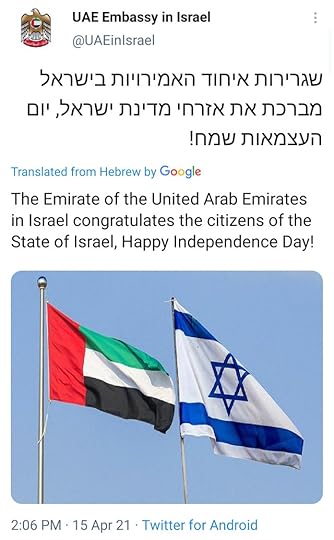
انتهيت اليوم من قراءة تلك السيرة أو إن شئت فقل ذلك البحث الإستقصائي وفي نفس اليوم التي ترفع فيه الإمارات بوست تهنئة على مواقعها الرسمية بمناسبة مرور 72 عامًا على إقامة دولة الإحتلال الصهيوني! وعجبي!
الكاتب هنا لا يذكر كثير من المعلومات عنه وللأسف ولكنه صحفي وقد قرر بأن يتقمص دور شاب بسيط من مخيم بلاطا يبحث عن عمل لدى الإسرائيليين ليكون في وادي التقارب مع الصورة الحقيقية للوضع بعيدا عن وسائل الإعلام الكاذبة والتي تصور أن العرب كلهم إرهابيين، ويذكر لنا أنه يجيب العربية بسبب دراسته ومصادقته منذ الصغر ليهود عرب. ينقل لنا بث حي ما بين 1982 و 1986 وما يدور من بشاعات في حق العرب وأنهم ليسوا إلا مجرد كلاب في عين اليهود، ربما الكاتب يبحث عن حلول وسط للتعايش بين المحتلين والفلسطينيين ولكن القضية أكبر من ذلك، القضية قضية إيمان وعدالة. لعنة الله على كل من خان القضية بالقول أو بالفعل أو بالتخاذل.
This is “Palestinian Like Me” or “Undercover Colonizer”—an Israeli Jewish journalist downpasses as a Palestinian, takes odd jobs, visits a refugee camp, attends a right-wing demonstration, volunteers on a kibbutz, tries to visit the airport. All of these activities are fraught with danger: from Israeli security forces, fanatical settlers, racist kibbutzniks, and from suspicious Arab activists. How does he pass? He smokes different cigarettes, holds an Arabic newspaper, speaks Arabic, wears some older clothes. That’s it. This book might have been written last year so many of the conditions are still the same, except that Israelis do not hire Palestinians from the territories as much as before the Intifada, which broke out as Binur was concluding his investigation. The experiment reveals shocking levels of prejudice and racism against Arabs, even among otherwise liberal Israelis. On the crucial aspects of employment, housing, education and safety the life of an Arab is measurably limited.
I’ve never felt quite so ambivalent about a book, to the point that I wasn’t sure whether to give it one star or five stars. In the end, I went with five because it’s a unique and worthwhile read. I don’t know of any other work like it, and for the reasons that the author sets out at the very end, it’s very unlikely that anything similar will be published again anytime soon. It’s certainly a useful case study of the casual racism, vicious sadism and bottomless arrogance of Israelis towards Palestinians (or at least towards those they take for Palestinians). The author is dehumanized to the point where an Israeli couple thinks nothing of sneaking into the kitchen where he is working and having sex right there in front of him, not for an exhibitionist thrill, but because to them he is simply a non-person, more animal than man. It’s safe to assume that had he engaged in voyeurism, he would have received a savage beating or worse.
It’s also interesting to see how people react to him in the very wide range of different settings in which he places himself, from a daily labourer to a romantic parter to an Israeli Jew, to a visitor to Israel’s main airport, to a Kibbutz volunteer, to an observer at a far right settler rally. I certainly wasn’t expecting him to go so far as to pose as a Palestinian in a refugee camp in Gaza, where needless to say, if he had been mistaken for a collaborator or an infiltrator, it would not have ended well for him.
The conclusion does show some level of self-awareness about the broader implications of both his experience and the situation generally, being written as it was in the early days of the first intifada. He understands that there is something bigger going on than just troubled or angry youth, that it is an explosion of frustration and pent up nationalist yearning that needs to be taken seriously. He also gives several examples of the “break their bones“ policy, whereby Israeli soldiers were ordered to do exactly that to the demonstrators, even if at this point the policy itself was not public.
In a way, the most important chapter is the one that has nothing to do with the project he’s describing: chapter 2, which relates his military experience. It’s quite something to read a man openly and explicitly narrating the time that he viciously beat a young teenager for the “crime” of being at home, but outside the door of his family home. This clearly wasn’t an isolated incident, because of the previous chapter he describes how he used to throw Palestinians like those he was bunking with while working in a restaurant “into my jeep with a kick and a good crack on the head.“ once that was made clear, there was no reason to have any sympathy for anything else might happen to him in the course of the narrative. I don’t know what kind of a monster beats children for fun, but clearly he had no remorse about it because not only does he relate it without apology, he also mentions that after his military service, he gave the club that he would use so barbarically a place of honour on the wall of his living room.
In the end, this is 200+ pages of blackface. And as disgusted as I am by the behaviour of other Israelis towards him, I am equally disgusted by his cosplaying. If you want to know what life is like for Palestinians, go read a book by a Palestinian. One excellent option from about the same time is Stateless in Gaza, by Paul Cossali and Clive Robson. While obviously not Palestinians themselves, the book consists of their unfiltered interviews with Palestinians in Gaza in the mid-1980s. You don’t need to read a book by an Israeli Jew pretending to be something he isn’t, you can read the actual victims of Zionism telling their own stories in their own words. Of course, there are some for whom any Palestinian (unless they are singing Israel’s praises) is by definition lying, and so perhaps some of them would be somewhat more open to this particular work.
The bottom line is that this book is valuable if only as a historical artifact. In that sense, it’s a worthwhile addition to your shelf.
A generation ago, then-cub Israeli journalist Yoram Bunur took a page from the US civil rights movement. Inspired by John Howard Griffin's "Black Like Me" of 1959, thirty years later Binur would pose as a Palestinian in the occupied West Bank detailing the frustrations and antagonism its residents face daily but which are conveniently obscured in Israeli life.
He found a society of permanent siege as they try to make a living, raise their families, and deal with an arbitrary apartheid system designed to keep them in, as in Jim Crow America, "their place." In modern America, this is the kind of society Trump's ICE is configuring for its targets with equal mainstream ignorance. There is little doubt that West Bank occupation is the blueprint for the Great America our leaders have in mind to make again. Griffin and Binur could find their next project here.
Young Binur describes a binary society in the wake of the First Intifada, where racism and hatred flourish on both sides - 10/7 did not spring from "nowhere" - but reminds us that those who begin the violence bear the most responsibility, and this was in motion long, long before 2023. His cover is almost blown at several points (at one he is forced to "confess" his project to Shin Bet agents to save his own skin). His personal dip in the ocean was harrowing enough; multiply this tenfold for those forced to float those waters every day, and now as they rise and drown helpless thousands in the surf.
The book is compelling because the author gets into a lot of dangerous situations so it's a good read. It's also depressingly revealing about the Occupation, though it all took place in the 80s so it's now of course very dated; clearly things are worse now. I picked it up in the synagogue library and was impressed with how honestly the writer was able to write about the situation in Gaza and the West Bank at that time.
An absolute must for anyone who wants to gain an objective insight in the history of the complicated relationship of Israeli and Palestinians. Maybe the translation makes it a bit tiresome to read.